


The North America RNA therapy clinical trials market size was estimated at USD 1.08 billion in 2025 and is predicted to increase from USD 1.12 billion in 2026 to approximately USD 1.57 billion by 2035, expanding at a CAGR of 3.84% from 2026 to 2035. Her analysis highlights that the North America RNA therapy clinical trials market is rapidly expanding due to growing chronic disease burden, growing rare disease RNA therapeutics, expanding modalities, and key industry players like Moderna, Inc., Alnylam Pharmaceuticals, Ionis Pharmaceuticals, Arrowhead Pharmaceuticals, and Regeneron Pharmaceuticals.
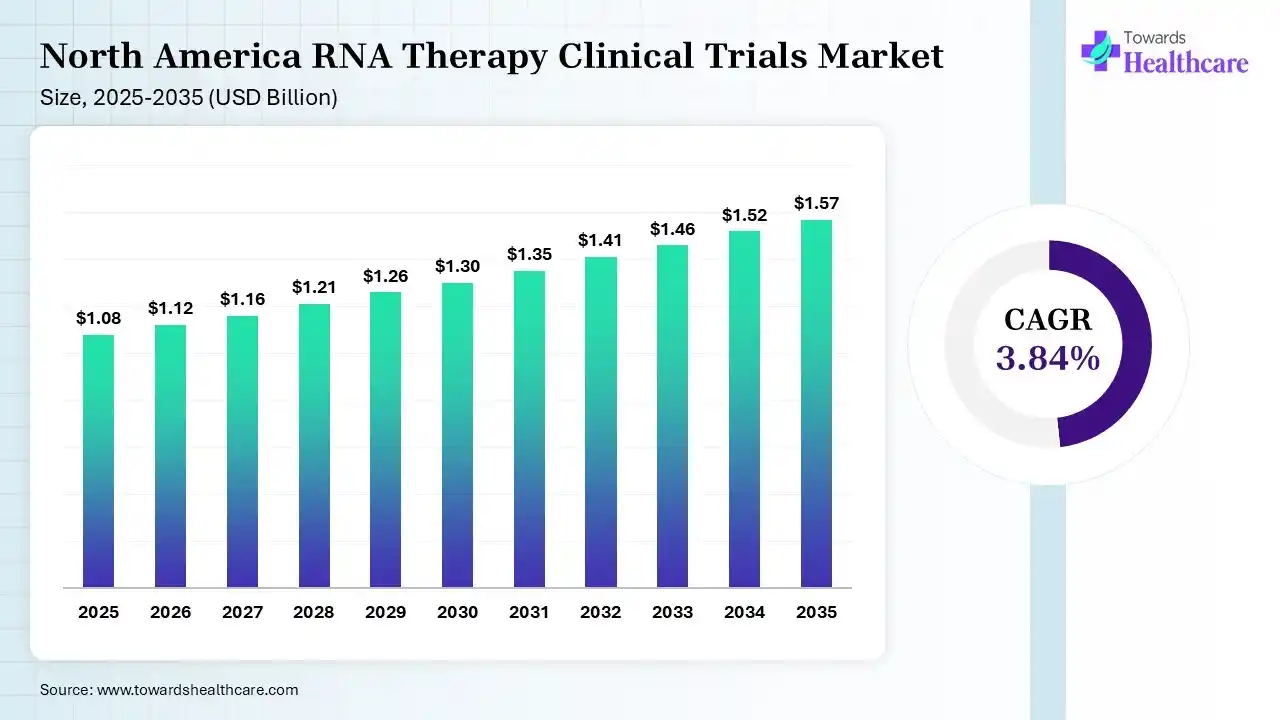
The North America RNA therapy clinical trials refer to the research studies conducted to identify the safety and effectiveness of a full range of nucleic acid-based drug modalities across North America. It includes messenger RNA (mRNA), small interfering RNA (siRNA/RNAi), antisense oligonucleotides (ASO), aptamers, and emerging modalities such as circular RNA and CRISPR/Cas13-based RNA editing entering clinical development and commercial use. RNA therapy clinical trials support the development of new treatment options and improve access to the recently approved therapeutics.
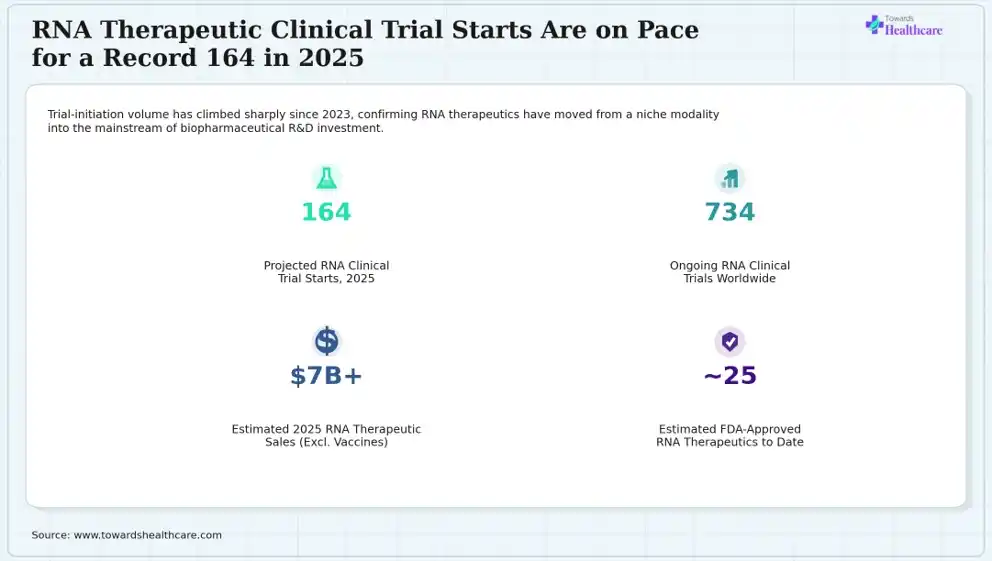
As the market research analyst, I interpret that the infographic stat panel illustrates global RNA clinical trial and market activity metrics. In 2025, a total of 164 RNA clinical trial initiated, which accounted for the highest peak, where RNA therapeutic sales (excluding prophylactic vaccines) were recorded to be $7 billion. Ongoing RNA clinical trials worldwide are noted to be 734, while approximately 25 RNA therapeutics are approved by the FDA to date.
Key Insight:
The growing clinical trials of RNA therapeutics after the COVID-19 mRNA vaccine wave indicate that the sector's growth is driven by genuine platform diversification into new disease areas and not residual pandemic-era momentum.
Source: IQVIA, “The Next Frontier of RNA Therapeutics,” March 2026.
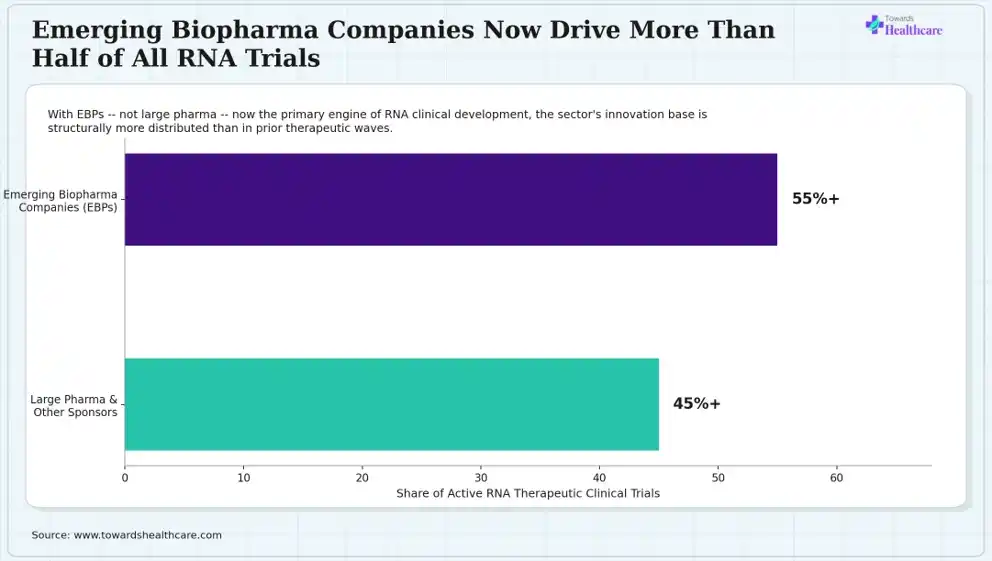
The given horizontal bar chart represents RNA trial sponsorship by company type. More than 55% share of active RNA trials belong to emerging biopharma companies (EBPs), whereas large pharma and other sponsors hold approximately a 45% share of active RNA trials.
Key Insight:
The scale of 2025's licensing deal activity is explained by large pharmaceutical companies holding a lower share compared to the majority-EBP pipeline, as they focus on in-licensing and M&A strategies instead of internal platform development.
Source: IQVIA, “The Next Frontier of RNA Therapeutics,” March 2026.
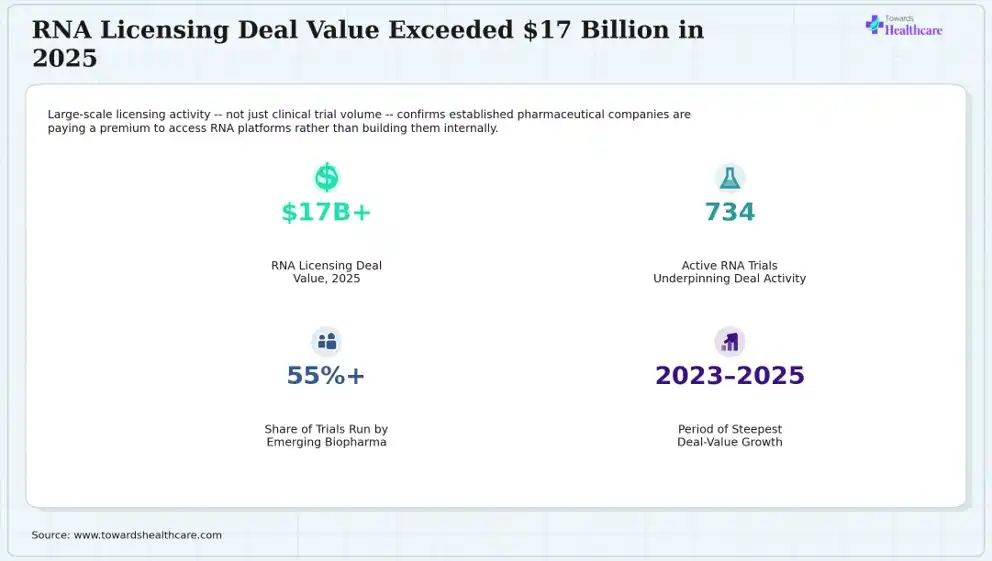
Based on our research, the infographic stat panel covers RNA licensing and deal-activity metrics. RNA licensing deal value in 2025 was reported to be more than $17 billion, while active RNA trials underpinning deal activity contributed to a total of 734. The total number of trials conducted by emerging biopharma accounted for more than 55%, while 2023-2025 was considered the period of steepest deal-value growth.
Key Insight:
$17 billion in licensing value flowing predominantly toward EBP-originated assets reflects that large pharmaceutical companies focus on external RNA innovation as more capital-efficient to acquire compared to their replication internally at this stage of the technology's maturity.
Source: IQVIA, “The Next Frontier of RNA Therapeutics,” March 2026.
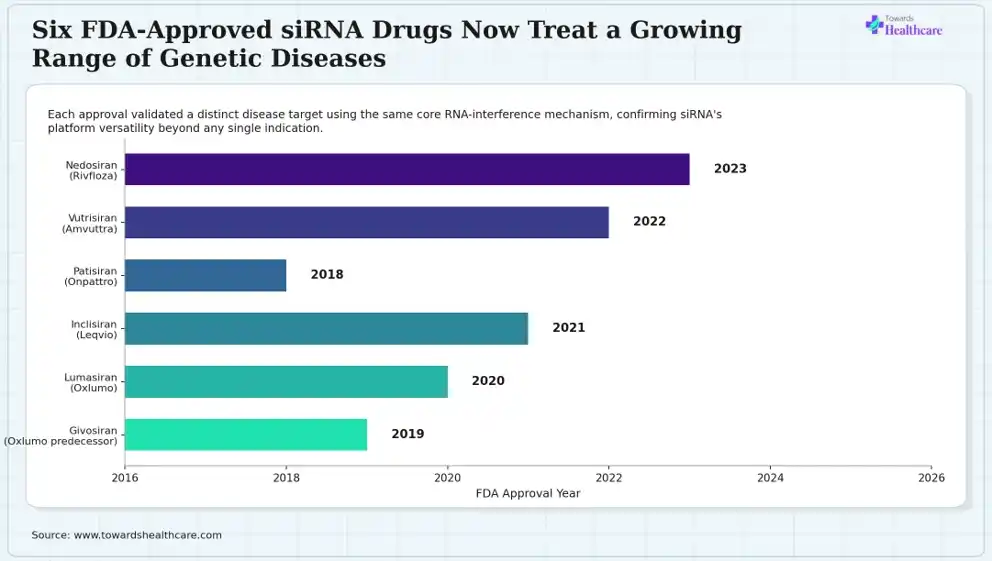
As per the survey conducted, the timeline bar chart highlights FDA siRNA drug approvals by year. In 2018, Patisiran (Onpattro) was approved by the FDA, followed by Givosiran approval in 2019 and Lumasiran (Oxlumo) approval in 2020. Similarly, 2021, 2022, and 2023 contributed to 3 new FDA approvals for products, namely Inclisiran (Leqvio), Vutrisiran (Amvuttra), and Nedosiran (Rivfloza), respectively.
Key Insight:
The total of six siRNA approvals in six consecutive years confirms that siRNA has matured from an experimental platform into a predictable, repeatable drug-development modality.
Source: Molecular Pharmacology, “The Growing Class of Novel RNAi Therapeutics,” July 2024.
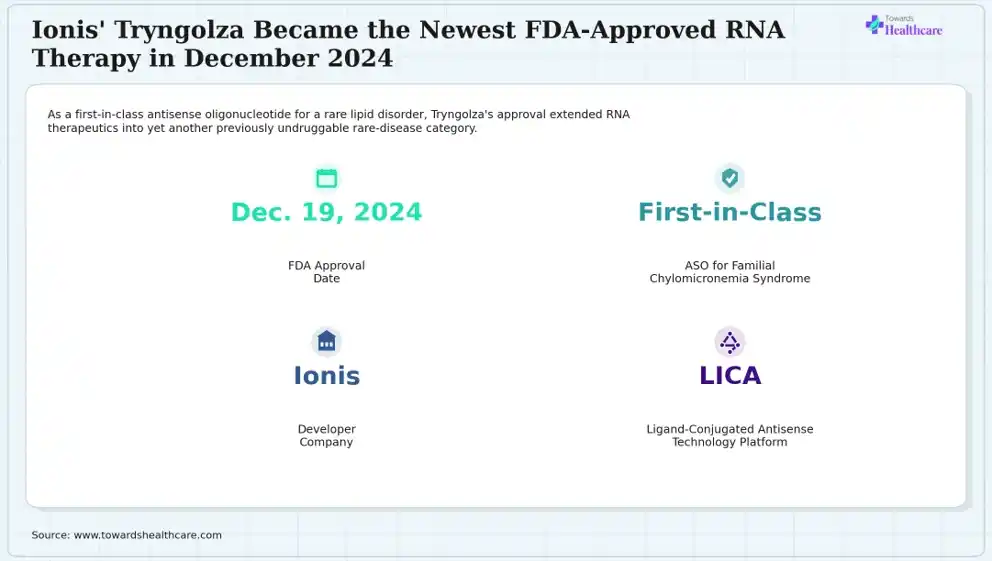
The above-mentioned infographic stat panel encompasses Tryngolza FDA approval metrics. Tryngolza, developed by Ionis Pharmaceuticals utilizing the Ligand-Conjugated Antisense (LICA) platform, received FDA approval on December 19, 2024, making it the first-in-class ASO for familial chylomicronemia syndrome.
Key Insight:
Tryngolza's approval for a rare lipid disorder instead of common liver or neuromuscular conditions highlights that GalNAc/LICA delivery technology is expanding beyond its original applications towards ASOs' addressable disease range.
Source: Biopharma PEG, “Small Nucleic Acid Drugs Expected to Be Approved by 2025,” Dec. 2024.
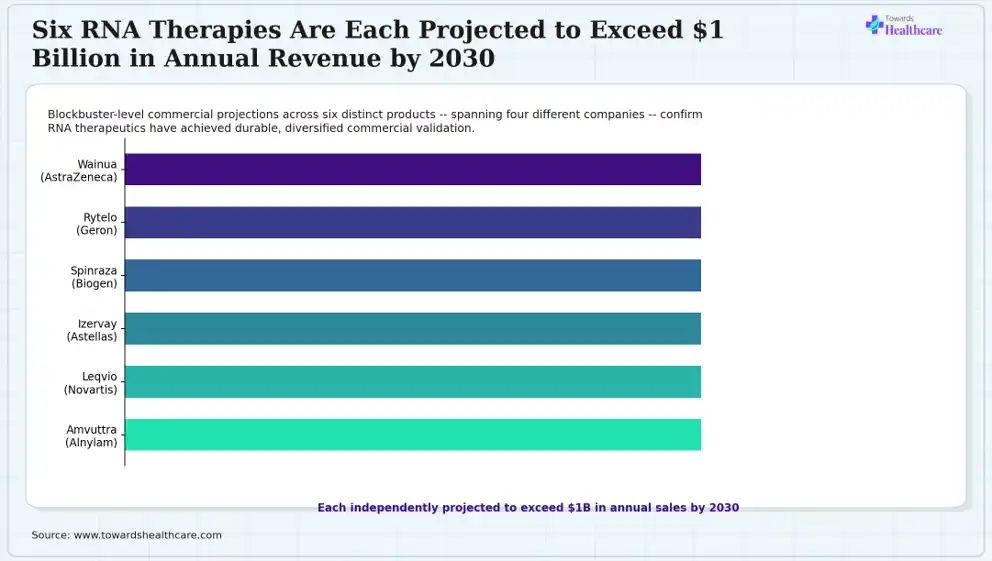
According to the analysis, the horizontal list chart outlines RNA therapies projected to exceed $1B by 2030. The launch of Amvuttra by Alnylam, Leqvio by Novartis, and Izervay by Astellas is expected to drive market growth. Additionally, the launch of Spinraza, Rytelo, and Wainua by Biogen, Geron, and AstraZeneca, respectively, will also contribute to the market expansion.
Key Insight:
The competition between four pharmaceutical companies with independent billion-dollar RNA franchises is expected to drive a durable, multi-winner commercial category rather than a single-company success story.
Source: Advancing RNA, “RNA Therapeutics As We Enter 2025: Looking Beyond The Horizon Of First-Generation Success.”
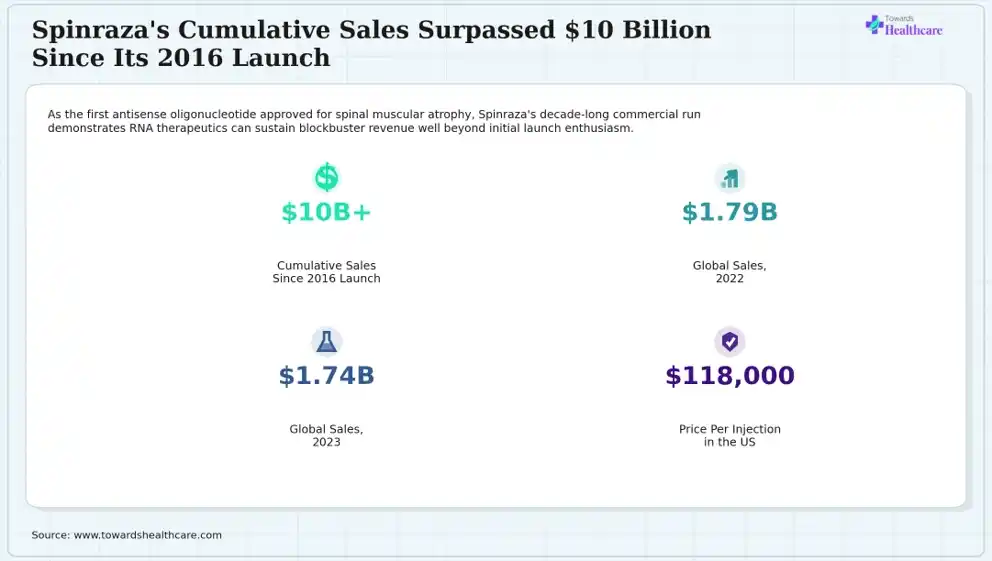
As the market research analyst, I interpret that the infographic stat-panel focuses on Spinraza's cumulative commercial performance metrics. Spinraza’s price per injection in the U.S. is noted to be $118,000; where in 2022, its global sales were reported to be $1.794 billion, which experienced a slight decline in 2023, recording a total of $1.741 billion. The cumulative sales since the 2016 launch are recorded to be more than $10 billion.
Key Insight:
Spinraza's established prescriber base and dosing infrastructure made it a durable competitive moat by sustaining sales of above $1.7 billion annually since its launch, even in the presence of new competing SMA therapies.
Source: Biopharma PEG, “Nucleic Acid Therapeutics: Approvals and Potential Blockbusters.”
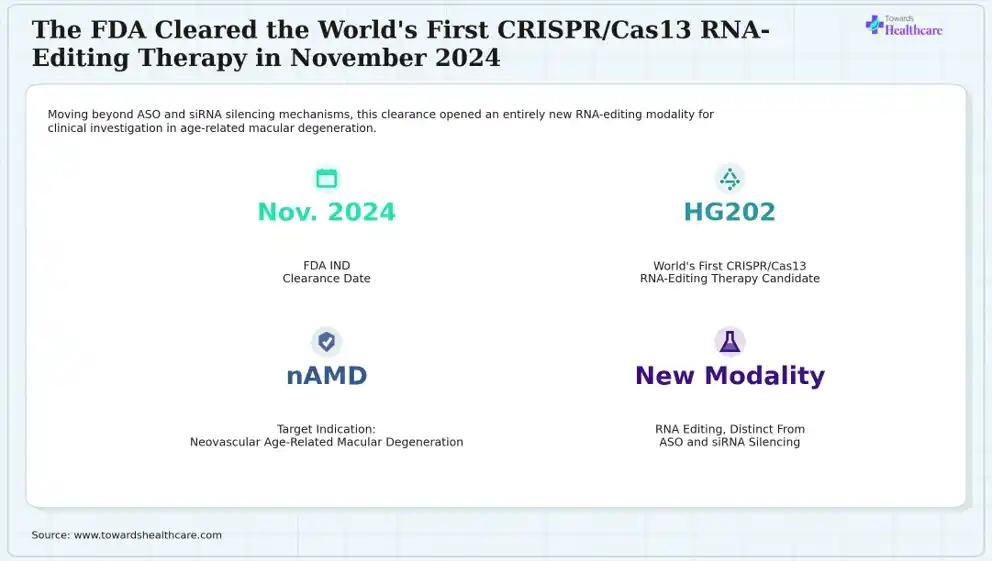
The given infographic stat panel covers the first CRISPR/Cas13 RNA-editing IND clearance metrics. HG202, consisting of RNA editing, distinct from ASO/siRNA silencing, received FDA IND clearance in November 2024 for neovascular age-related macular degeneration (nAMD), which made it the world's first CRISPR/Cas13 RNA-editing therapy.
Key Insight:
The FDA clearance for RNA-editing therapy for human trials offering a distinct approach from every previously approved RNA drug reflects the willingness of the regulatory bodies to genuinely evaluate novel RNA modalities, rather than focusing on incremental variations on ASO/siRNA chemistry.
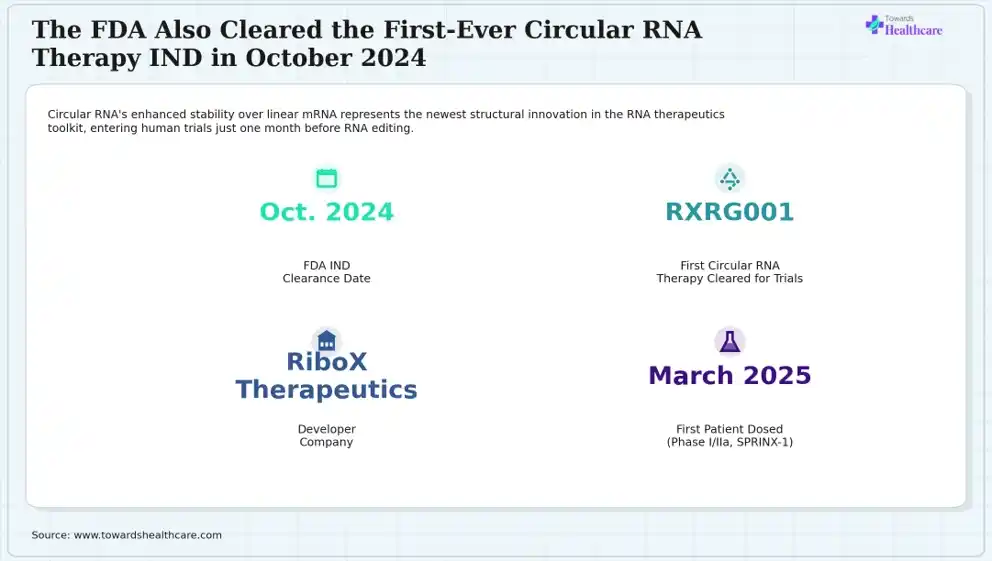
Based on our research, the infographic stat panel highlights first circular RNA therapy IND clearance metrics. In October 2024, RXRG001, developed by RiboX Therapeutics, was announced to have received FDA IND clearance, making it the first circular RNA therapy cleared for trials, where in March 2025, the first patient in the Phase I/IIa SPRINX-1 trial was dosed.
Key Insight:
First-ever FDA IND clearances for circular RNA followed by CRISPR/Cas13 editing highlighted two entirely new RNA structural modality approvals within a single month, making October-November 2024 a genuine inflection point in RNA platform diversification.
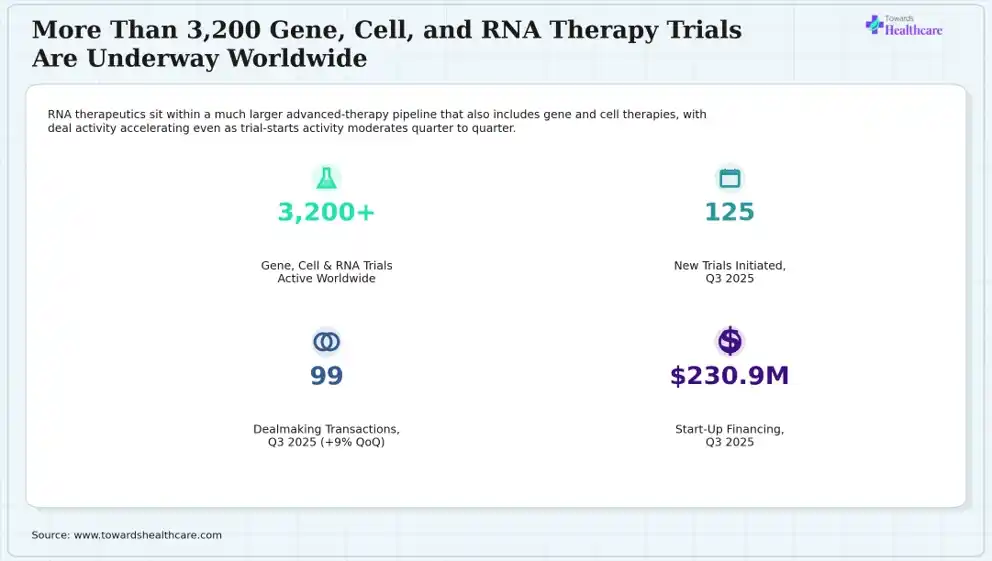
According to the information gathered by Aman, the infographic stat-panel illustrates global advanced-therapy pipeline metrics. Q3 2025 recorded a total of 125 new trial initiations, followed by 99 dealmaking transactions, which contributed to a rise of 9% quarter-over-quarter, while start-up financing accounted for $230.9 million. Moreover, globally active gene, cell, and RNA trials were reported to be more than 3,200.
Key Insight:
A rise in dealmaking by 9% quarter-over-quarter, even with a rise in the initiation of new trials, represents that investors and acquirers are focused on advancing and consolidating existing RNA, gene, or cell assets instead of funding an expanding number of new early-stage programs.
Source: ASGCT/Citeline, “Gene, Cell & RNA Therapy Landscape Report, Q3 2025 Quarterly Data Report,” Nov. 2025.
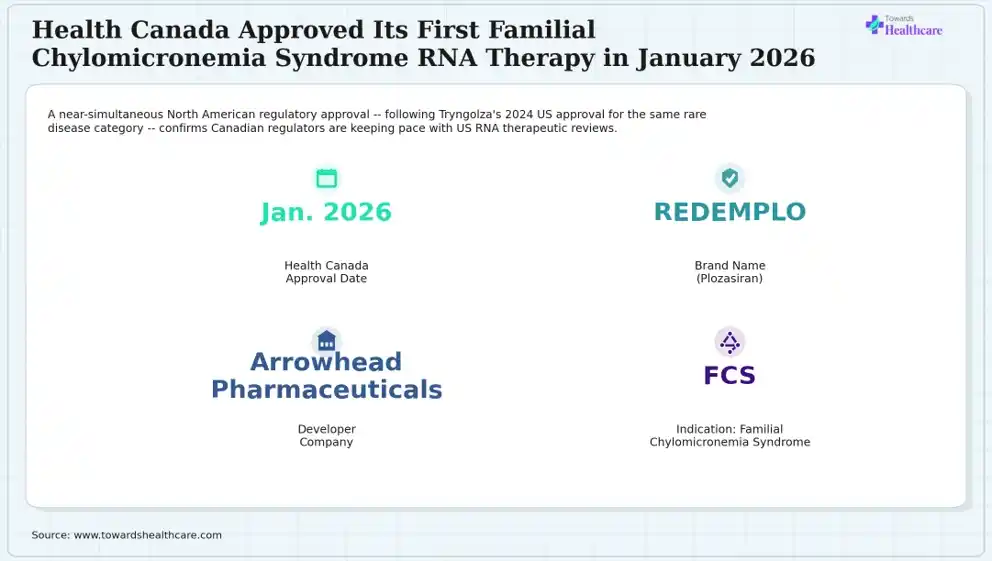
As per my analysis, the infographic stat-panel focuses on the Health Canada RNA therapy approval metrics. In January 2026, REDEMPLO (plozasiran), developed by Arrowhead Pharmaceuticals for Familial chylomicronemia syndrome (triglyceride reduction), was granted Health Canada approval.
Key Insight:
The roughly 13-month gap between the approvals of RNA therapies for the same ultra-rare lipid disorder by major North American regulators has made familial chylomicronemia syndrome a proof-of-concept indication for cross-border RNA therapeutic regulatory alignment.
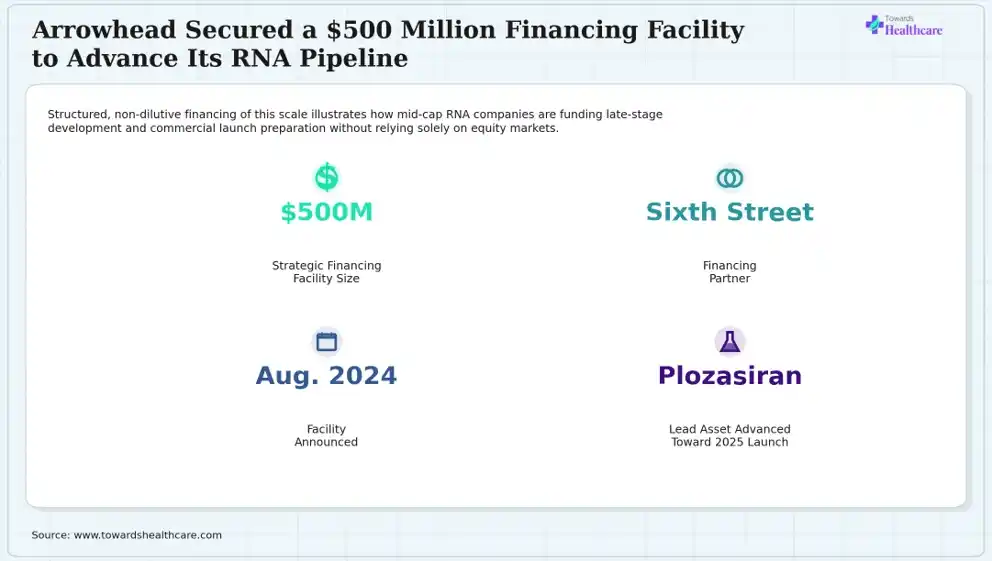
Based on the survey conducted by Aman, the infographic stat panel encompasses Arrowhead Pharmaceuticals' financing facility metrics. In August 2024, Arrowhead Pharmaceuticals announced a $500 million strategic financing facility with Sixth Street to advance Plozasiran toward a 2025 launch.
Key Insight:
The $500 million financing facility supported plozasiran's launch preparation by minimizing shareholder dilution and an equity raise, where the move that is likely to be replicated by other mid-cap RNA companies approaching commercialization.
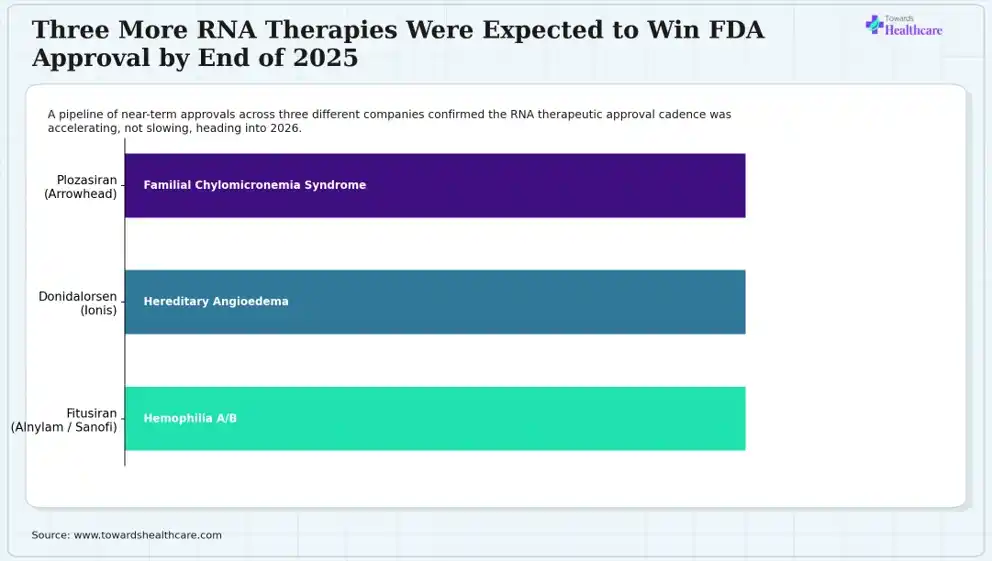
The above-mentioned horizontal bar chart reflects three RNA therapies anticipated for 2025 FDA approval. FDA approval was provided to 3 different RNA therapies, namely Plozasiran developed by Arrowhead Pharmaceuticals for familial chylomicronemia syndrome, Donidalorsen developed by Ionis Pharmaceuticals for hereditary angioedema, and Fitusiran developed by Alnylam/Sanofi for hemophilia A/B.
Key Insight:
The three additional approvals within a single year by three separate companies illustrated that the RNA therapeutics approval pipeline is distributed across the competitive landscape instead of being dominated by a single company.
Source: Biopharma PEG, “Small Nucleic Acid Drugs Expected to Be Approved by 2025,” Dec. 2024.
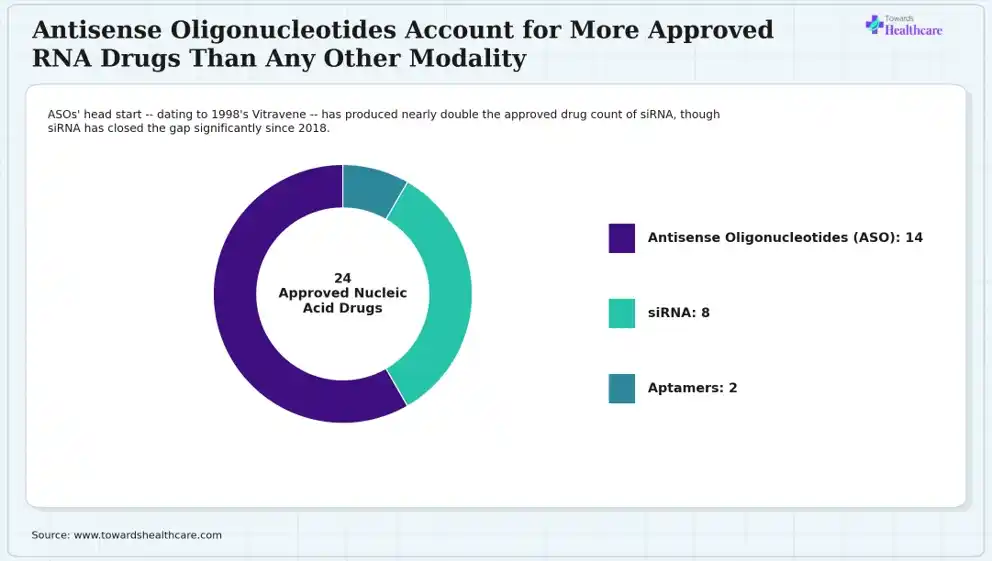
As the market research analyst, I interpret that the donut chart covers FDA/EMA-approved nucleic acid drugs by modality. A total of 24 nucleic acid drugs were approved by FDA/EMA, consisting of 14 antisense oligonucleotides (ASO), followed by 8 siRNA and 2 aptamers.
Key Insight:
Compared to the ASO approvals, siRNA approval count grew from zero to eight in roughly the same period, confirming that the siRNA's approval velocity is increasing, outpacing the more established ASO modality.
Source: Biopharma PEG, “Nucleic Acid Therapeutics: Approvals and Potential Blockbusters.”
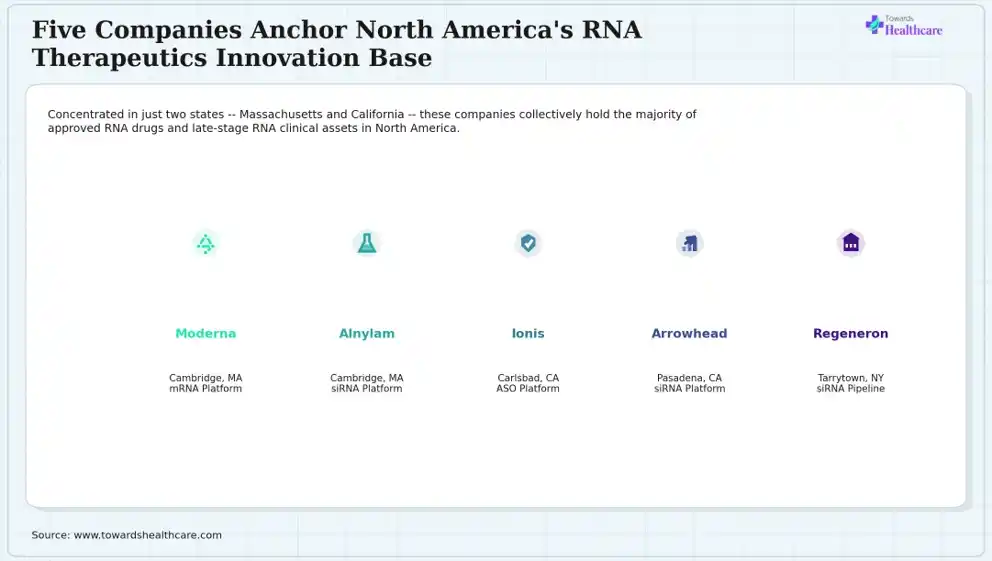
According to our research, the ecosystem infographic highlights five leading North American RNA therapeutics companies. Moderna (Cambridge, MA), Alnylam Pharmaceuticals (Cambridge, MA), and Ionis Pharmaceuticals (Carlsbad, CA) are contributing to the market growth with their mRNA, siRNA, and antisense oligonucleotide platforms, respectively. Furthermore, Arrowhead Pharmaceuticals (Pasadena, CA) and Regeneron Pharmaceuticals (Tarrytown, NY) are also actively participating in the market with their siRNA platforms.
Key Insight:
Despite the growth in modality's global clinical trial footprint, the major companies are headquartered in just two states, which means North America's RNA therapeutics innovation base remains geographically concentrated around the Boston/Cambridge and Southern California biotech clusters.
Source: Company headquarters and platform data compiled from IQVIA, Molecular Pharmacology, and company public disclosures cited throughout this report.
The section illustrates market size with the use of verifiable clinical, regulatory, and commercial indicators.
| Indicator | Value | Source |
| Ongoing RNA clinical trials worldwide | 734 | IQVIA, March 2026 |
| Projected 2025 RNA clinical trial starts | 164 (record) | IQVIA, March 2026 |
| Estimated 2025 RNA therapeutic sales (excl. vaccines) | $7 billion+ | IQVIA, March 2026 |
| RNA licensing deal value, 2025 | $17 billion+ | IQVIA, March 2026 |
| FDA/EMA-approved nucleic acid drugs | 24–25 | Biopharma PEG; IQVIA |
| Gene, cell, and RNA trials active worldwide | 3,200+ | ASGCT/Citeline, Nov. 2025 |
The table covers ongoing clinical trials and approvals. The ongoing RNA clinical trials worldwide were reported to be 734. In 2025, a total of 164 RNA clinical trials were estimated to initiate, while the RNA therapeutic sales were projected to be more than $7 billion, and over $17 billion was the RNA licensing deal value. The total number of FDA/EMA-approved nucleic acid drugs were noted to be 24-25, while gene, cell, and RNA trials active worldwide were recorded to be more than 3,200.
This section covers the qualitative segment structure of the market, documented through the use of primary and authoritative secondary sources, along with the most consistently used dimensions across the cited research, such as modality, sponsor type, and regulatory pathway.
|
Modality
|
Recent Advancements
|
|
Antisense Oligonucleotides (ASO)
|
Contributed to 14 of 24 FDA/EMA-approved nucleic acid drugs
Tiragolumab received the most recent U.S. approval in Dec. 2024
|
|
siRNA (RNAi)
|
Contributed to 8 of 24 FDA/EMA-approved nucleic acid drugs;
6 were approved in the U.S. specifically, from 2018 to 2023
|
|
Aptamers
|
Reported to be 2 of 24 FDA/EMA-approved nucleic acid drugs
|
|
mRNA
|
Dominant modality by trial count per one syndicated estimate (>35% share, unverified); validated at scale via COVID-19 vaccines
|
|
Circular RNA
|
Received first FDA IND clearance in Oct. 2024 (RXRG001);
First patient dosed in March 2025
|
|
CRISPR/Cas13 RNA Editing
|
Received first FDA IND clearance in Nov. 2024 (HG202, for neovascular AMD)
|
The table represents modalities and their approvals. Out of 24 products, 14 Antisense Oligonucleotides (ASO), 8 siRNA (RNAi), and 2 Aptamers were approved by FDA/EMA. In November 2024, CRISPR/Cas13 RNA Editing received its first FDA IND clearance, while March 2025 provided the first FDA IND clearance for circular RNA. Additionally, mRNA was registered as a dominant modality by trial count per one syndicated estimate, contributing to more than a 35% share.
More than 55% of active RNA clinical trials were sponsored by emerging biopharma companies (EBPs), while the remaining percentage of active RNA clinical trials were sponsored by large pharmaceutical companies and other sponsors. Thus, this contributed to the scale of 2025's more than $17 billion RNA licensing deal activity, which reflects that large pharmaceutical companies access RNA innovation through in-licensing and acquisitions instead of developing internal platforms.
A rise in cross-border alignment due to U.S. FDA and Canadian Health Canada approvals for RNA therapeutics such as Tryngolza, U.S., December 2024, and REDEMPLO/plozasiran, Canada, January 2026, targeting familial chylomicronemia syndrome within approximately 13 months of one another, indicates that both timeline and evidentiary standards are converging under North American regulatory pathways for RNA therapeutics for ultra-rare disease indications.
In January 2026, REDEMPLO (plozasiran), used to reduce triglycerides in adults with familial chylomicronemia syndrome, developed by Arrowhead Pharmaceuticals, was approved by Health Canada.
In March 2025, successful first-patient dosing in the Phase I/IIa trial of RXRG001, which is the first-ever circular RNA therapy to enter human clinical testing, was announced by RiboX Therapeutics
In Q3 2025, the gene, cell, and RNA therapy pipeline consisting of more than 3,200 active trials, 125 new trial initiations, 99 dealmaking transactions with over 9% quarter-over-quarter, and $230.9 million in start-up financing, where recorded in the ASGCT/Citeline Gene, Cell & RNA Therapy Landscape Report.
Source: ASGCT/Citeline, Nov. 2025
On December 19, 2024, Tryngolza (olezarsen), developed by Ionis Pharmaceuticals, was approved by the FDA, making it the first-in-class antisense oligonucleotide therapy for familial chylomicronemia syndrome.
Source: Biopharma PEG, Dec. 2024
In November 2024, HG202 targeting neovascular age-related macular degeneration was announced to be the world's first-ever CRISPR/Cas13 RNA-editing therapy for clinical use after the FDA clearance of its IND application.
In October 2024, RXRG001, developed by RiboX Therapeutics, was announced to have received FDA clearance for its IND application, making it the first circular RNA therapy cleared for human clinical trials.
In August 2024, to advance plozasiran toward a 2025 launch and fund broader pipeline growth, a $500 million strategic financing facility with Sixth Street was announced by Arrowhead Pharmaceuticals.
The company focuses on mRNA, which consists of an mRNA vaccine and therapeutics platform that scaled globally due to COVID-19 vaccine commercialization.
It supports siRNA (RNAi) platforms and is the developer of Amvuttra (vutrisiran), which is anticipated to exceed $1B in annual sales by 2030, along with multiple other approved siRNA drugs.
The company revolves around antisense oligonucleotides and is the developer of Tryngolza and Spinraza, where it recorded cumulative sales exceeding $10 billion since the launch of Spinraza in 2016.
siRNA is the main RNA platform of the company, where it has developed plozasiran (REDEMPLO), which was approved in January 2026 by Health Canada which recorded as one of the major milestones of the company after receiving a $500M financing facility in 2024.
It is a developer of cemdisiran, focusing on siRNA (pipeline), and it also published positive Phase III NIMBLE trial results for generalized myasthenia gravis in April 2026.
The company focuses on siRNA and has developed Leqvio (inclisiran), the first nucleic acid drug approved for a chronic condition, which is projected to exceed $1B in annual sales by 2030.
The company supports antisense oligonucleotide platforms and is the well-known developer of Spinraza, the first FDA-approved ASO for spinal muscular atrophy.
Circular RNA is the main platform of the company, where it is the developer of RXRG001, the first circular RNA therapy to receive FDA IND clearance.
It is a federal regulator that cleared the first circular RNA and first CRISPR/Cas13 RNA-editing INDs within one month of each other.
It is the federal regulator that approved REDEMPLO (plozasiran) in January 2026 for familial chylomicronemia syndrome.
Aditi is a healthcare research expert with strong experience in RNA therapeutics, RNA editing, and licensing boom markets. She conducted detailed market research, analyzed company data, clinical trends, and industry developments. Based on her comprehensive analysis, the following strategic key takeaways highlight the most important market insights and opportunities.
For Service Providers & CDMOs
For Pharma & Biotech Companies
For Investors & Corporate Strategy Teams
Based on my assessment, the market is expanding rapidly due to increasing FDA approvals. The emerging biopharma companies and expanding RNA therapy applications are also increasing their advancements. I also anticipate that the new collaboration among the major companies can accelerate the development of new therapies. I also see strong growth in modalities, which will create new market opportunities.
Payal Rabde led the primary market research, developed the methodology, analyzed trends, segmentation, competition, forecasts, and strategic opportunities, forming the report's analytical foundation.
Aman was responsible for collecting and validating clinical trial data, research publications, company information, partnerships, and other quantitative datasets, strengthening evidence-based analysis and market estimations.
Aditi reviewed the complete research document, performed quality checks, validated findings, refined content, corrected inconsistencies, and finalized the report, ensuring accuracy, clarity, credibility, and publication-ready quality.
By Modality
By Clinical Trial Phase
By Therapeutic Area
By Region

















Principal Consultant
Payal Rabde is a Healthcare Market Research Analyst at Towards Healthcare Research & Consulting with 4+ years of experience in pharmaceuticals, biotechnology, medical devices, and life sciences.
Learn more about Payal Rabde

Reviewed By
Aditi Shivarkar is a seasoned professional with over 14 years of experience in healthcare market research. As a content reviewer, Aditi ensures the quality and accuracy of all market insights and data presented by the research team.
Learn more about Aditi Shivarkar









