 Request Consultation
Complementary and alternative medicine services offer therapeutic advantages, including stress, pain relief, and anxiety lessening, mitigation of nausea, improved wound healing, enhanced circulation and flexibility, and amplified inclusive well-being. CAM therapies are considered in several different groups. Manipulative and body-driven practices involve reflexology, massage therapy, cupping, and chiropractic manipulation. Mind-body interventions incorporate meditation, yoga, deep breathing exercises, music therapy, guided imagery, animal-based therapy, hypnotherapy, biofeedback, and prayer therapy.
CAM is extensively used in the U.S.; increasing access to these treatments is often limited by health insurance coverage. Major research on chiropractic care, acupuncture, and massage therapy, which use rates for these strategies tend to be developed in patients without health insurance. CAM therapies have shown extraordinary success in managing diseases. Complementary and alternative medicine (CAM) has dramatically increased in modern societies and is escalating and growing more rapidly than ever before in the medical care sector.
Innovative CAM Approaches in Neurological Disorders: Non-Invasive Therapies for Brain Health and Rehabilitation
Major neurological conditions are common, treatments are rare, and conventional treatments are also limited. So, for this condition, CAM therapies play a significant role in the prevention and treatment of migraine, carpal tunnel syndrome, and dementia. This evolving sector uses magnetic fields to act on nanoparticles that activate temperature-sensitive ion channels, enabling the remote steering of neural functions without invasive implants. This therapy is used for nervous system rehabilitation, leveraging the brain's perception to make music to promote neuroplasticity and cognitive function recovery.
What are the Major Practices of Complementary and Alternative Medicine?
- Mind-Body Therapies: Mind-body therapies are progressively being used by cancer survivors for immune system enhancement, disease prevention, and symptom control. This solution eases chronic pain, knee pain, and low back pain by combining gentle movement with awareness and breath.
- Advantages: These therapies are safe and efficient ways of modifying physical and emotional symptoms and enhancing coping skills in tumor patients.
- Limitation: Mind-body therapies are not generally used by adults with long-term musculoskeletal pain.
- Body-Based Practices: Body-based therapies are broad-ranging and extensively recognized, specifically in managing musculoskeletal conditions and endorsing overall health.
- Advantages: Body-based practices focus primarily on the structures and systems of the body, with the joints and bones, the soft tissues, and the circulatory and lymphatic systems.
- Limitation: Inappropriately delivered acupuncture or the application of non-sterile needles leads to infections, punctured organs like a collapsed lung, and nerve wounds.
- Nutritional Therapies: Nutritional therapy is a holistic strategy that assesses an individual’s health via the lens of diet, genetic factors, and lifestyle.
- Advantages: Nutritional therapy helps find the precise foods that will not upset their stomach or cause a surge in any health problems related to a bad diet.
- Limitation: High-dose supplementation causes toxicity, like liver damage, kidney issues, and genetic defects from extreme vitamin A or D.
Recent Advancements in Complementary and Alternative Medicine:
Precision Integrative Care:
Precision integrative care medicine has ushered in a ground-breaking era in healthcare by adapting diagnostics and treatments according to every patient’s uniquely developing health status.
Digital Delivery:
The development of digital technology has accelerated the development of medical care. Digital healthcare is hopeful, with continuing development in technology poised to further renovate healthcare delivery and patient outcomes.
Integrated Oncology:
Integrative oncology is a patient-driven, evidence-based sector of comprehensive oncology care that uses mind-body approaches, natural products, and lifestyle alterations from various traditions alongside conventional cancer treatments.
Surgical Care:
Complementary and alternative medicine promotes wound healing, lowers edema or purpura, and offers anti-inflammatory effects. Due to the high rates of CAM use, physicians familiarize themselves with mutual uses, potential advantages, and complications.
The AI Revolution: AI-Driven Transformation of Complementary and Integrative Medicine
Integration of AI-driven technology in complementary and alternative medicine has gained growing significance as AI-based technology has a huge strength to transform CIM by enhancing patient results, growing efficiency, and offering practitioners novel tools to deliver advanced care. AI-based technology accelerates herbal drug discovery, predicts bioactive compound connections, and improves traditional purification technologies like Vamana and Virechana. AI-based algorithms analyse inclusive patient health profiles, including lifestyle, genetics, and constitutional type, to tailor herbal medicine, lifestyle interventions, and acupuncture.
Key Components of Complementary and Alternative Medicine:
| Component | Advantages |
| Whole Medicine Systems | Whole medical systems involve complete systems of theory and practice that have emerged, progressed independently from, or parallel to conventional medicine. |
| Energy Therapies | Major energy therapies are advantageous for improving health, including Reiki, acupressure, and acupuncture to treat mental and physical conditions. |
| Holistic Approach | A holistic healthcare approach balances emotional, physical, and mental well-being. This encourages employees to take care of their complete selves. |
| Individualized Therapy | Modified treatment plans significantly improve therapeutic outcomes and increase patient engagement by aligning healthcare approaches with every patient’s distinct requirements and circumstances. |
| Mind-Healing | Mind-body medicine serves as a significant bridge between mental and physical health, providing a holistic strategy to healing that addresses the complete person. |
Rising Demand for Complementary and Alternative Medicine: Addressing the Limitations of Conventional Healthcare
Major patients are dissatisfied with conventional treatments due to their adverse effects, expenses, lack of effectiveness, erosion of doctor–patient relations, or an impersonal health care system. Therefore, complementary and alternative medicine (CAM) has become a popular form of healthcare, according to the predictions. Complementary therapies to help them feel better and cope with having cancer and treatment. These management techniques range from acupuncture and homeopathy to meditation, aromatherapy, and colonic irrigation. Alternative medicine (CAM) is quickly emerging and growing in the medical care sector, and has significantly increased in modern societies.
Wearable Technology in CAM Allowing Real-Time Stress Monitoring and Personalized Wellness Interventions
Through seamlessly integrating wearable technology in daily activities, patients can monitor and respond to stress in real-time, increasing proactive strategies to maintain mental well-being. The advancement of wearables with advanced stress identification capabilities could extend beyond individual benefits. Smart technology allows the creation of targeted yoga routines based on patients' metrics.
Challenges in Complementary and Alternative Medicine
Major challenges in the complementary and alternative medicine field, such as a lack of evidence-based data about effectiveness, safety, and drug interactions with CAM therapies, as well as a lack of formal training, are thought to be accountable for this shortfall. Major challenges involve economic constraints, inadequate research training and educational support, and the methodological challenges that arise from a lack of standardization.
Government Support and Scientific Validation Driving the Growth of Complementary and Alternative Medicine in the U.S.
The U.S. government supports the healthcare sector through the National Institutes of Health (NIH) and precisely the National Center for Complementary and Integrative Health (NCCIH), which spends significant funding in research, training, and clinical trials to authorize CAM practices. This focus on evidence-driven CAM increases credibility and acceptance, distinguishing it from markets that lack severe scientific scrutiny. Increasing consumer demand, massive spending in scientific validation, and the systematic integration of these practices into the conventional healthcare system are increasing the demand for complementary and alternative medicine services.
Latest Updates of Key Players in the Hyaluronic Acid
| Company | Headquarters | Latest Update |
| Columbia Nutritional | U.S. | Columbia Nutritional LLC remains a significant worldwide player in the CAM services, particularly within the dietary and nutritional supplement production segment. |
| Nordic Nutraceuticals | U.S. | New Nordic Healthbrands AB will have quicker product advancement in 2025, launching novel items in their Magic Magnesium, Active Liver, and Quality Sleep ranges while preparing a new UK webshop. |
| Ramamani Iyengar Memorial Yoga Institute | India | It offers increasing access to its outdated yoga teachings, which are broadly recognized in the field of Complementary and Alternative Medicine (CAM) for their therapeutic depth. |
| The Healing Company | U.S. | Healing Company (HLCO) has increased its offerings in the Complementary and Alternative Medicine (CAM) sector by expanding its portfolio of integrated healing. |
| Mindset Health Pty Ltd | Germany | Mindset is building AI-based therapeutics for physical health situations, powered by a specialized model for psychophysiology. |
Conclusion
Major CAM practices provide therapeutic advantages, including pain relief, stress and anxiety lowering, alleviation of nausea, increased wound healing, enhanced circulation and flexibility, and growing overall well-being. Complementary and alternative medicine also offers patients increased control over their medical care. Traditional medicine highlights nature-based remedies and holistic, targeted strategies to restore the balance of body, mind, and environment.
Many consumers' rising interest in CAM, like herbal remedies, as safer and more natural replacements or additions to conventional pharmaceutical drugs, according to the National Institutes of Health. CAM is often used with conventional treatments to manage adverse effects, such as reducing nausea or fatigue in cancer patients, according to the National Cancer Institute. Investigators found that complementary medicine was between 53 and 63 % less expensive than traditional medicine for achieving equivalent levels of efficiency. Complementary medicine was especially affordable for osteoarthritis, facial paralysis, hypertension, and peptic ulcers.
Expert Insights
According to a recent report on the U.S. complementary and alternative medicine market, published on Towards Healthcare, experts highlight a steady shift toward integrative care driven by rising chronic disease burden and patient preference for holistic therapies. Increasing insurance coverage, evidence-based validation, and digital wellness platforms are accelerating the adoption of acupuncture, herbal medicine, chiropractic care, and mindfulness-based interventions. Regulatory standardization and practitioner certification remain critical to sustain credibility. Strategic collaborations between conventional providers and CAM practitioners are expanding access and improving outcomes. Investment in clinical research and personalized treatment pathways is expected to further strengthen market growth prospects nationwide in the future.
About the Experts
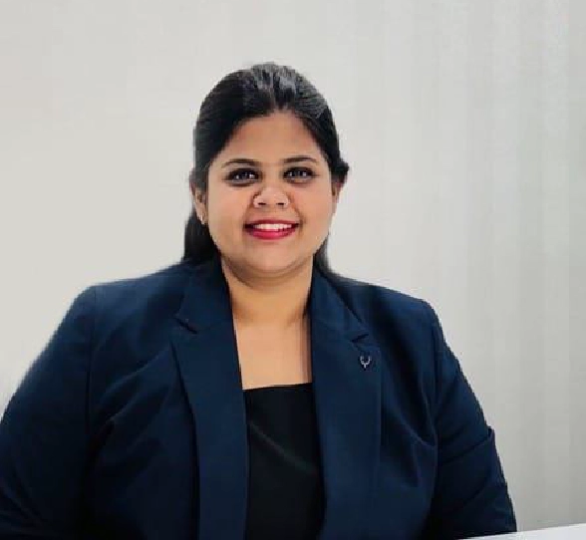
Aditi Shivarkar
Aditi leads as Vice President at Towards Healthcare and brings over 15 years of experience in healthcare research, innovation, and strategy. She works closely with data from across the healthcare sector and turns it into clear direction that companies can actually use. Her work covers pharmaceuticals, medical devices, and digital health. She helps businesses understand where the market is going and how to respond with confidence. Aditi focuses on practical thinking, strong decision-making, and delivering real results that make a difference.



Aman Singh
Aman Singh brings over 13 years of experience in healthcare research and consulting. He studies global healthcare trends and keeps a close eye on areas like biotech, AI in healthcare, and new treatment approaches. At Towards Healthcare, he leads the research team and makes sure the work stays accurate, useful, and easy to understand. Aman breaks down complex changes in the industry and helps businesses make smart, informed decisions.
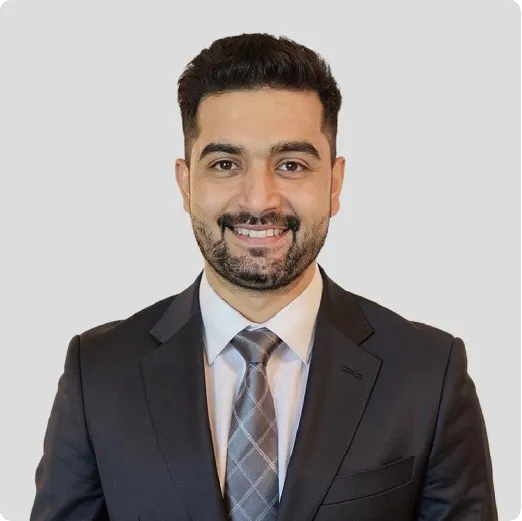
Piyush Pawar
Piyush Pawar works as Senior Manager for Sales and Business Growth at Towards Healthcare, with more than 10 years of experience in the healthcare space. He works directly with clients and helps them find the right research for their needs. He makes sure clients understand the insights and know how to use them in their business. Piyush builds strong relationships and focuses on helping companies grow by turning research into clear, practical action.