Pipeline Programs

CGT Companies Tracked

Manufacturing Facilities


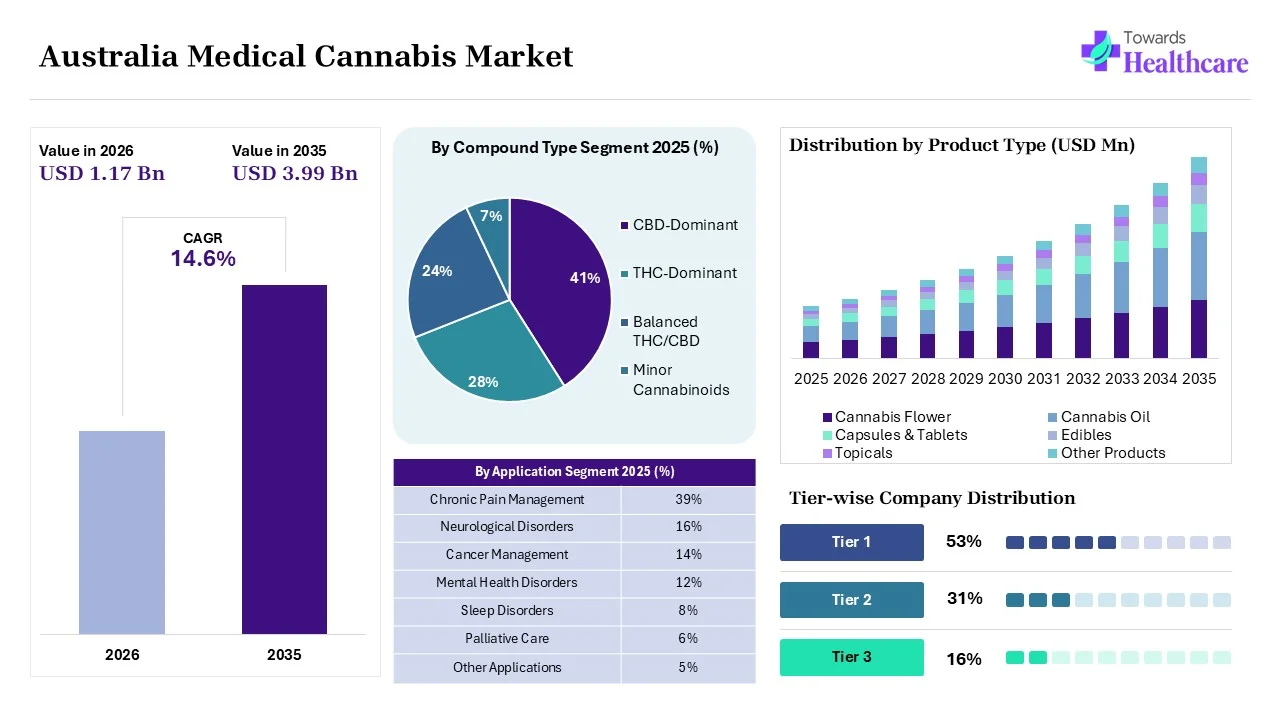
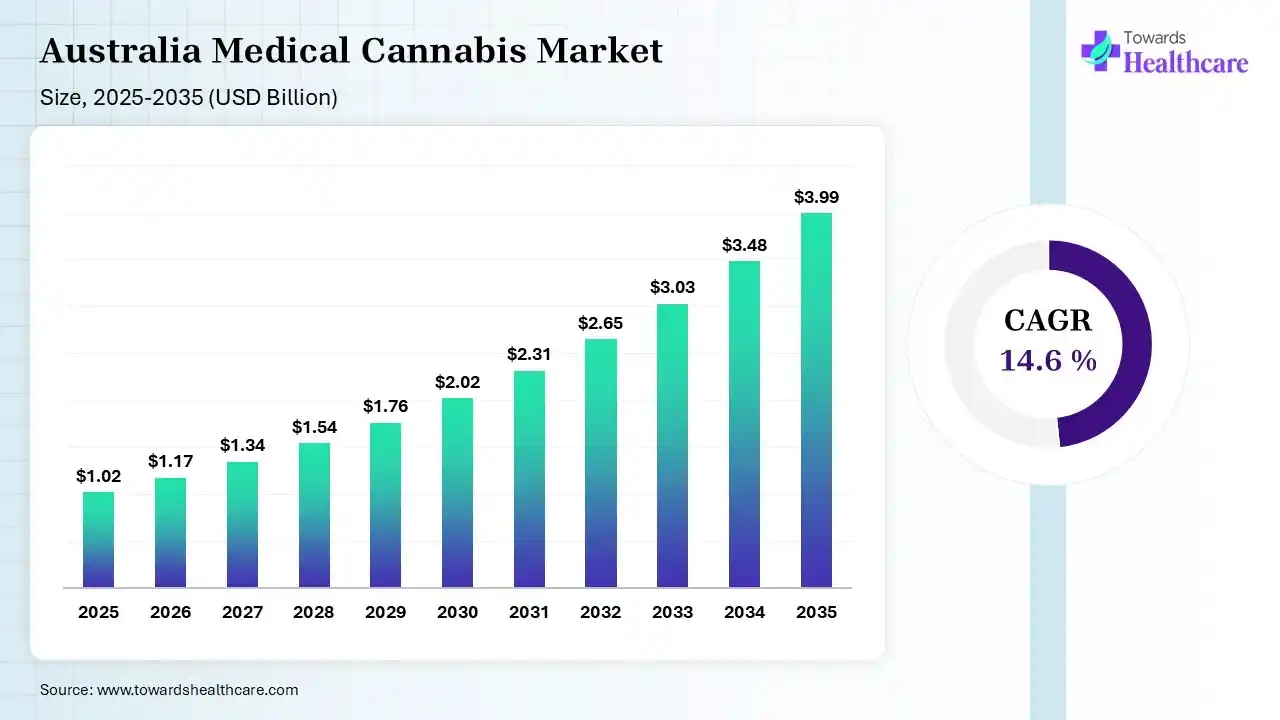
The australia medical cannabis market size was estimated at USD 1.02 billion in 2025 and is predicted to increase from USD 1.17 billion in 2026 to approximately USD 3.99 billion by 2035, expanding at a CAGR of 14.6% from 2026 to 2035.
In the Australia medical cannabis market, increasing use of cannabis lowers inflammation by triggering the release of anti-inflammatory cytokines, therefore lessening pro-inflammatory cytokine levels, restraining T-cell proliferation, and triggering T-cell apoptosis. Use CBD oil to reduce or replace their intake of prescription pain therapeutics. It also supports people with alcohol or opioid dependencies in managing their addictions. Oral cannabinoids are effective against nausea and vomiting caused by cancer chemotherapy.
In healthcare, cannabis comprises using the entire cannabis plant or its extracts, which holds a significant opportunity for the management of long-term neuropathic pain. Cannabis and diverse phytocomponents of cannabis, such as THC and CBD, are applied for different therapies that include treating seizures and convulsions, vomiting and nausea, peripheral neuropathy and pain, and psoriasis; lowering tumor cell growth, bone loss, and inflammatory bowel diseases, being used as an anti-inflammatory and anti-hypertensive; and lessening blood glucose levels.
Australia medical cannabis refers to the regulated use of cannabis-derived medicines prescribed for managing chronic pain, epilepsy, multiple sclerosis, cancer-related symptoms, anxiety, and other eligible medical conditions under approved healthcare frameworks. Growth is driven by increasing physician acceptance, expanding patient access through telehealth, and rising awareness of cannabis-based therapeutic options. Supportive regulatory developments and ongoing clinical research are encouraging broader adoption across healthcare settings. Technological advancements in precision cultivation, controlled-environment agriculture, advanced extraction techniques, and standardized pharmaceutical formulations are improving product quality and consistency. Emerging trends include personalized cannabinoid therapies, pharmaceutical-grade formulations, and digital prescribing platforms. Future opportunities lie in expanding clinical evidence, product innovation, export potential, and integration into mainstream healthcare, strengthening Australia’s position in the evolving medical cannabis landscape.
Political
Economic
Social
Technological
Environmental
Legal
AI-driven tools are aiding cannabis companies in boosting yields, minimizing resource consumption, ensuring consistent product quality, and enabling more personalized customer and therapeutic solutions. The rapid adoption of artificial intelligence is revolutionizing the cannabis industry by allowing operators to optimize cultivation, improve retail experiences, and stay compliant with regulations. Using AI to analyze medical records and patient responses opens new avenues for personalized cannabis-based treatments. AI enhances cannabis care by matching strains to individual patient needs, with algorithms evaluating cannabinoids, terpenes, and health data for precise recommendations. AI-powered apps and platforms help reduce trial-and-error in selecting strains, while healthcare providers and dispensaries utilize AI insights to enhance patient outcomes.
Targeted Pharmaceutical Development:
Various type of pharmaceutical organizations are growing their spending on highly purified, synthetic cannabinoid byproducts. Cannabis drug development fits more precisely in the established scientific and prescribing models, and, in this sense, would be better for doctors and their patients.
Standardized Delivery Methods:
A standardized cannabis method is required to speed up research in healthcare cannabis and allow safe and efficient use of healthcare cannabis products. This type of cannabis method incorporates various factors, such as plant-related aspects and product attributes, such as various administration routes and cannabinoid concentrations.
Advancment in Formulations:
Promising formulations and administration routes for pain management, it is significant to have a broad range of cannabinoid formulations explored and tested. Well-developed nanotechnology drastically enhances bioavailability, designs transdermal delivery processes to bypass first-pass liver metabolism, and engineers minor cannabinoids tailored for precise neurological and inflammatory diseases.
| Table | Scope |
| Market Size in 2026 | USD 1.17 Billion |
| Projected Market Size in 2035 | USD 3.99 Billion |
| CAGR (2026 - 2035) | 14.6% |
| Historical Data | 2020 - 2023 |
| Base Year | 2025 |
| Forecast Period | 2026 - 2035 |
| Measurable Values | USD Millions/Units/Volume |
| Market Segmentation | By Product Type, By Compound, By Application, By End User, By Gender, By Distribution Channel, By Patient |
| Top Key Players | Little Green Pharma, Cann Group, ECS Botanics, Vitura Health, Australia Natural Therapeutics Group |
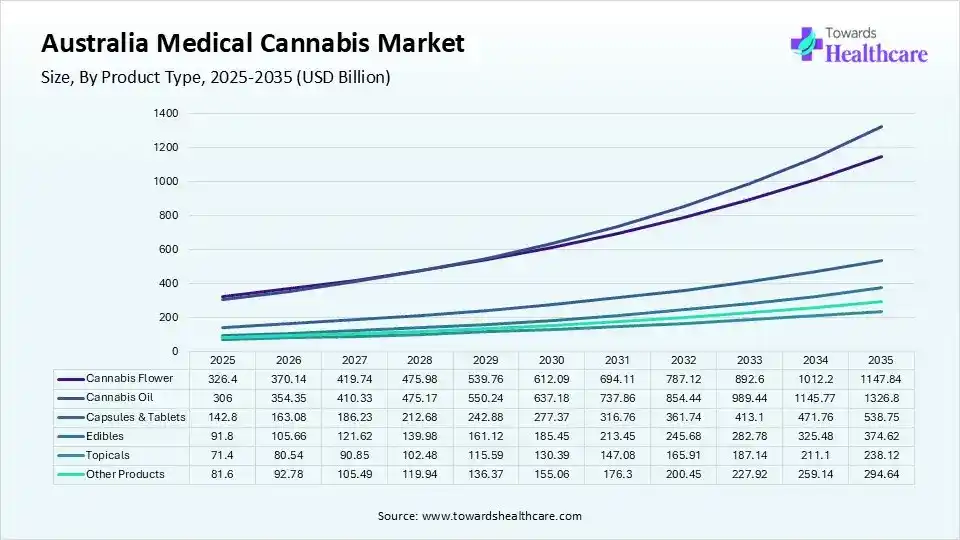
| Segments | Shares % |
| Cannabis Flower | 32% |
| Cannabis Oil | 30% |
| Capsules & Tablets | 14% |
| Edibles | 9% |
| Topicals | 7% |
| Other Products | 8% |
The Cannabis Flower Segment Led the Australia Medical Cannabis Market in 2025
The cannabis flower segment captured a major share of 32% in 2025, as it helps lower anxiety levels, promotes relaxation, and significantly alleviates symptoms of depression. Cannabis flower has been related to enhancement in mental health and demonstrative well-being. CBD, specifically, has been receiving increasing attention for its anxiolytic and antidepressant characteristics.
The cannabis oil segment held a significant share of 30% and is expected to grow at the fastest CAGR during the forecast period in the market, as cannabis oil prescriptions are usually reserved for long-term conditions where other treatments have failed or caused intolerable adverse effects. Cannabis oil lowers inflammation, benefiting conditions such as arthritis, heart disease, and inflammatory bowel disorders. Cannabis oil dosage is based on factors such as body weight, tolerance, and condition severity.
The capsules & tablets segment held a significant share of 14% of the Australia medical cannabis market, as cannabis and cannabinoids support managing chronic pain, nausea, and MS symptoms. Drugs comprising cannabinoids help manage some rare forms of epilepsy, nausea and vomiting related to cancer chemotherapy, and loss of appetite and weight loss related to HIV/AIDS. Cannabis enhances sleep by supporting patients with chronic conditions such as pain, PTSD, or restless legs syndrome to fall asleep faster.
The edibles segment held a notable share of 9%, as edible cannabis includes longer-lasting medicinal effects, protection of respiratory health by evading smoke, and discreet, exactly dosed ingestion. Edibles evade the challenges of odours and stigma as they are consumed discreetly.
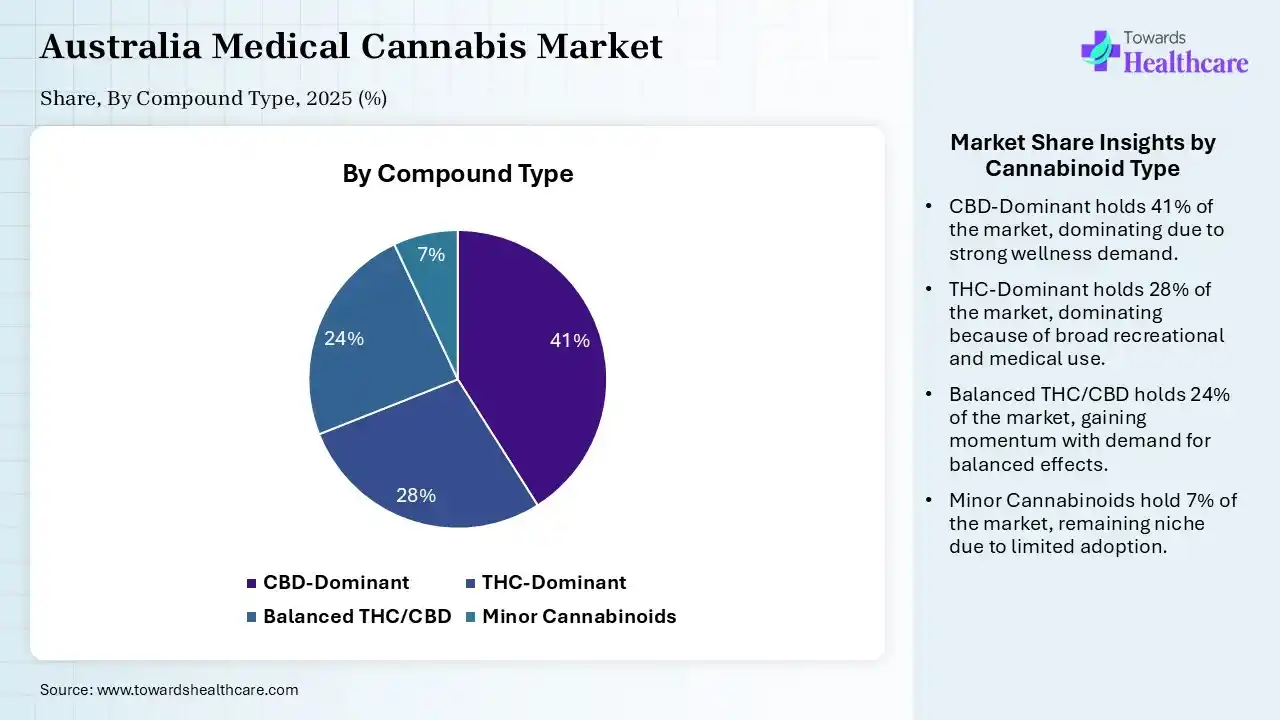
| Segments | Shares % |
| CBD-Dominant | 41% |
| THC-Dominant | 28% |
| Balanced THC/CBD | 24% |
| Minor Cannabinoids | 7% |
CBD Segment Led the Australia Medical Cannabis Market in 2025
The CBD segment dominated with a market share of 41%, as CBD is a relatively nontoxic choice for managing anxiety, insomnia, and chronic pain. CBD comes in different forms, involving oils, tinctures, vapes, patches, capsules, and topical preparations applied to the skin. It supports insomnia, anxiety, and pain symptoms.
The THC segment held a lucrative share of 28% of the market, as THC supports managing mental health conditions such as post-traumatic stress disorder (PTSD) and anxiety, though low doses are usually more efficient, as increasing doses worsen anxiety indications. THC is a potential cannabinoid with both therapeutic and psychoactive effects.
The balanced THC/CBD segment held a significant share of 24% of the Australia medical cannabis market, and is expected to grow at the fastest CAGR during the forecast period, as both THC and CBD display hopeful therapeutic characteristics, though, impairments and growing occurrence of mental health diseases are related with acute and chronic THC use, correspondingly, and noteworthy side effects are related with chronic use of high dose CBD.
The minor cannabinoids segment captured a notable share of 7% of the market, as minor cannabinoids involve CBN, CBG, CBC, and THCV for subsidiary sleep, pain relief, mood, swelling, and other diseases. Minor cannabinoids create hemp extracts more efficiently. So, hemp extracts with minor cannabinoids provide more value.
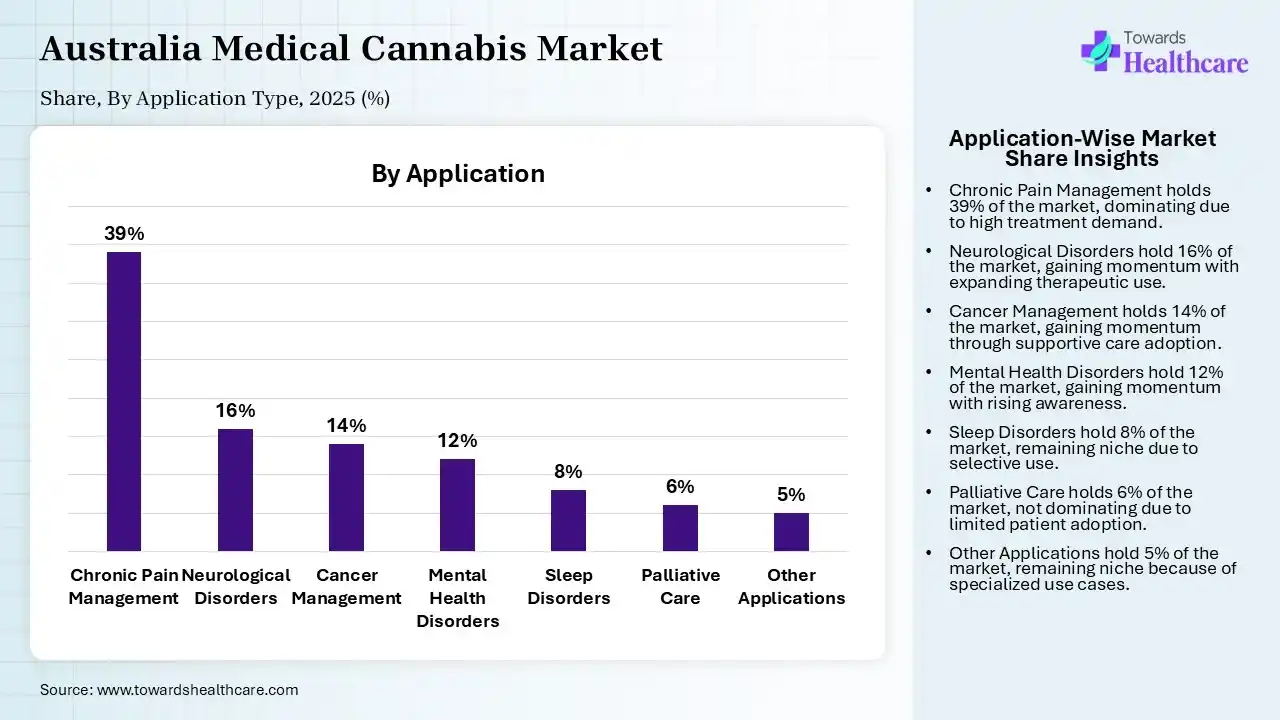
| Segments | Shares % |
| Chronic Pain Management | 39% |
| Neurological Disorders | 16% |
| Cancer Management | 14% |
| Mental Health Disorders | 12% |
| Sleep Disorders | 8% |
| Palliative Care | 6% |
| Other Applications | 5% |
The Chronic Pain Management Segment Led the Australia Medical Cannabis Market in 2025
The chronic pain management segment contributed the largest market share of 39%, as cannabis can help treat neuropathic pain. Cannabis is applied for healthcare purposes output in a lowering of opioid prescribing and opioid-related deaths. Cannabinoid receptors in the brain and nervous system shift pain signals and offer relief.
The neurological disorders segment held a significant share of 16% in the market, as cannabis and cannabinoids have been shown to have a significant impact on a variety of neurological disorders in humans, involving migraine, neuropathic pain, multiple sclerosis, Parkinson’s disease, Huntington’s disease, and motor neuron disease.
The cancer management segment accounted for a lucrative share of 14% of the Australia medical cannabis market. In tumor patients, cannabinoids are significantly applied as a part of relaxing care to reduce pain, relieve nausea, and stimulate appetite. Cannabinoids stimulate apoptosis, autophagy, and mitophagy in tumor cells.
The mental health disorders segment held a significant 12% share of the market and is expected to grow at the fastest CAGR during the forecast period. Cannabis led to a surge in sleep time in those with insomnia and a lowering of autistic traits in patients with autism spectrum disorder. CBD and low doses of THC support emotional balance, lower indications, and enhance quality of life.
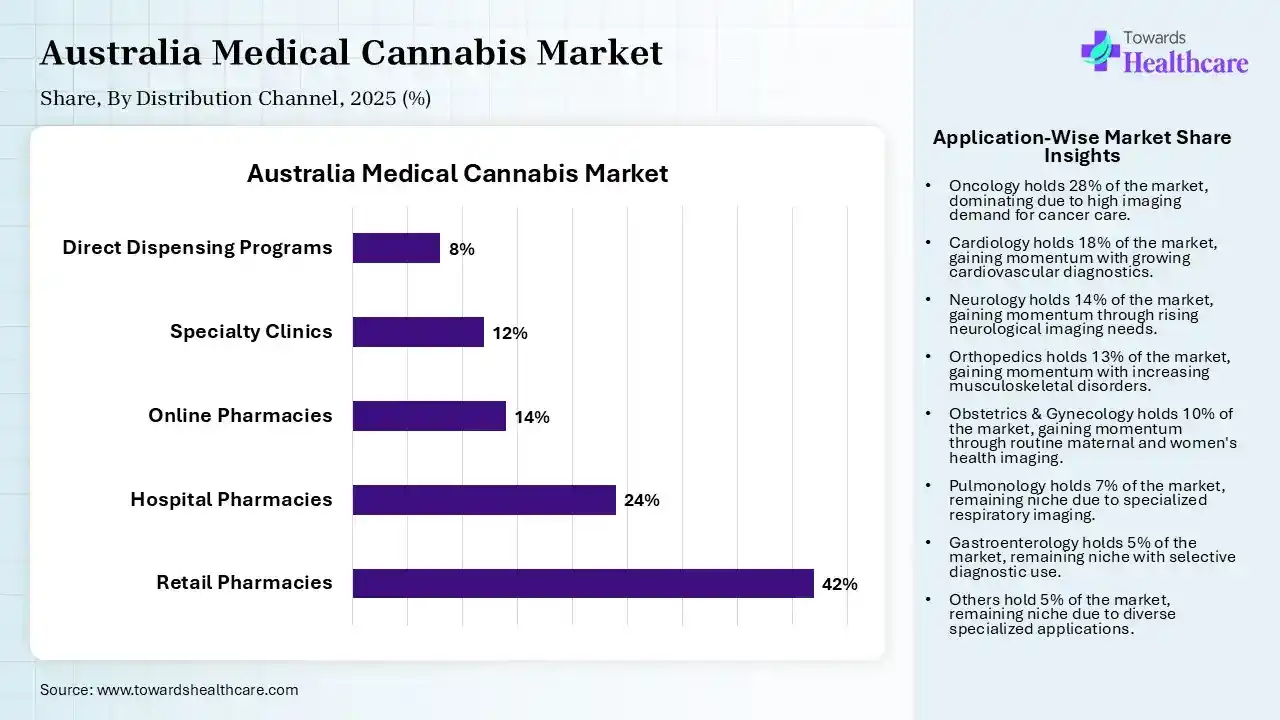
| Segments | Shares % |
| Retail Pharmacies | 42% |
| Hospital Pharmacies | 24% |
| Online Pharmacies | 14% |
| Specialty Clinics | 12% |
| Direct Dispensing Programs | 8% |
The Retail Pharmacies Segment Dominated the Australia Medical Cannabis Market in 2025
The retail pharmacies segment led with a market share of 42%, as retail pharmacies are a significant part of medical care systems and, in major countries, are accountable for dispensing a significant proportion of health products and associated services. Retail pharmacies often work on a contractual basis with public or private insurance for dispensing therapeutics to both public and private subdivision outpatients.
The hospital pharmacies segment held the second-largest share of 24% of the Australia medical cannabis market due to increased interaction with prescribers and other medical care professionals. Increasing input in prescribing decisions related to drugs and administration. A greater team of pharmacists working in the same institution. It has better access to patients' healthcare records.
The online pharmacies segment held a notable 14% share of the market as online pharmacies provide competitive pricing, discounts, and generic substitutes, leading to potential expense savings for patients. Online pharmacies contribute to enhancing medical care results and lowering disparities in access to significant treatments.
The specialty Clinics segment held a significant 12% share of the market as it offers the benefits of condition-driven patient-centred care, the motivation for excellence. Special clinics are a major component of the hospital workload and play a significant role in the medical sector.
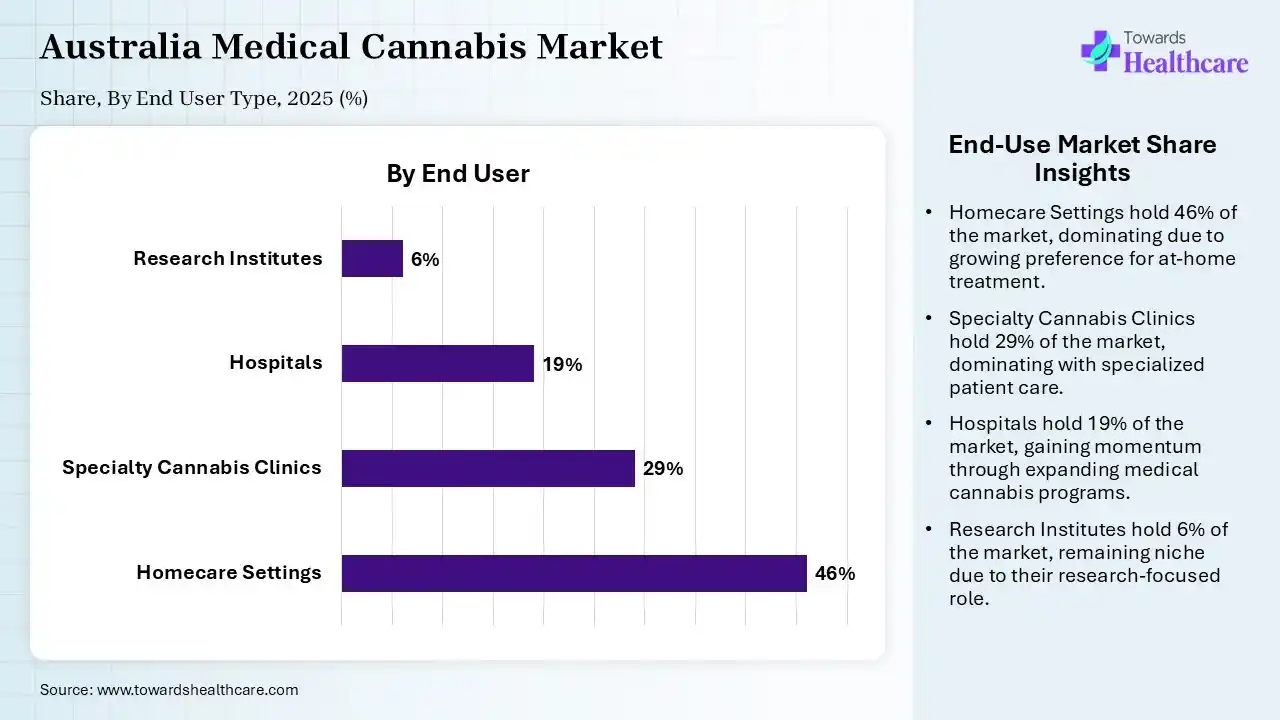
| Segments | Shares % |
| Homecare Settings | 46% |
| Specialty Cannabis Clinics | 29% |
| Hospitals | 19% |
| Research Institutes | 6% |
The Homecare Settings Segment Was Dominant in the Market in 2025
The home care settings segment held the largest market share of 46% of the Australia medical cannabis market, and is expected to grow at the fastest CAGR of 6.4% during the forecast period, as home care services endorse independence, improve healthcare, and provide peace of mind. These services are non-medical support provided to patients in the comfort of their own homes to support them in maintaining individuality and quality of life. Home health care solutions involve skilled nursing care, physical therapy, speech therapy, and occupational therapy.
The specialty cannabis clinics segment captured the second-largest share of 29% in the market, as specialty cannabis clinics provide expert-led assessments, targeted dosing, and legal compliance for medicinal marijuana patients. They offer safe, non-judgmental spaces for tailored treatment plans, confirming access to lab-tested products. Cannabis clinics offer a substitute pathway for patients who are incapable or would prefer not to access a prescription.
The hospitals segment held a significant share of 19% of the Australia medical cannabis market, as medical cannabis patients experienced an improvement in pain symptoms after four months. Cannabis provides a wide range of healthcare advantages, involving relief from chronic pain, neurological conditions, inflammation, and other health challenges. Research suggests that cannabis and cannabinoids help manage chronic pain, nausea, and MS symptoms.
The research institutes segment held a significant share of 6% in the market, as research institutes have significant benefits over state-owned enterprises in that they have access to the most progressive technologies. Research programs encourage scholars to engage deeply with their subjects, fostering significant thinking and investigative skills.
The medical cannabis market is anticipated to grow from USD $18.57 billion in 2026 to USD $59.45 billion by 2035, with a compound annual growth rate (CAGR) of 13.8% during the forecast period from 2026 to 2035. The rising prevalence of chronic pain, growing research and development, and growing awareness drive the market.
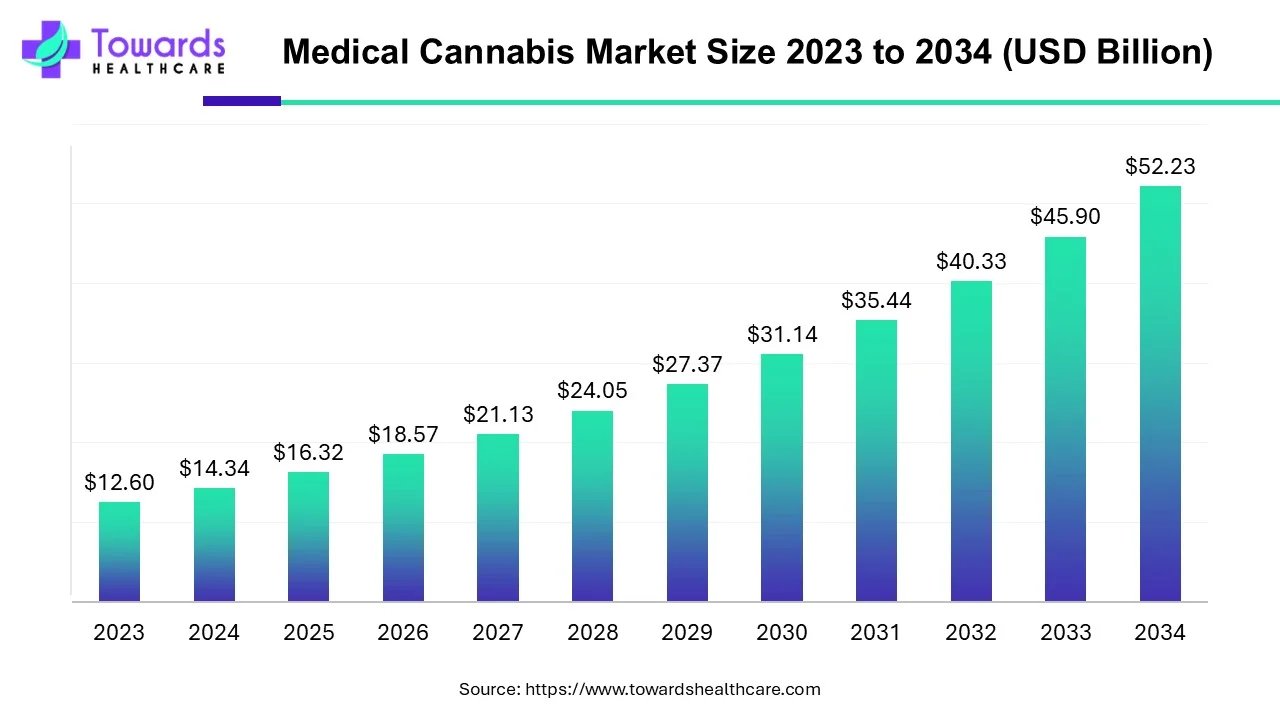
Australia's health cannabis sector has experienced rising growth and regulatory evolution since cannabis agriculture was legalised for healthcare purposes. Australia has various climates, and it allows for large-scale outside cultivation and well-developed greenhouse farming, which drives the growth of the market,
R&D:
Manufacturing Processes:
Patient Services:
| Company | Headquarters | Latest Update |
| Little Green Pharma | Perth | Most recognizable vertically integrated producers operating across cultivation, manufacturing, and distribution. |
| Cann Group | Victoria | Cann Group has signed two agreements for the supply of medicinal cannabis-formulated oil and dried flower products. |
| ECS Botanics | Victoria | ECS Botanics flicked the switch on Gelonoidz #20, the first Australia-grown Terphogz product, with commercial sales starting. The dried flower carries a 23% THC label claim and total terpenes of around 2.8%, which puts it squarely in the premium end of the local medicinal cannabis sector. |
| Vitura Health | Victoria | Vitura Health strikes MedReleaf distribution deal, targeting up to $15m extra annual revenue via Canview across 4,700 pharmacies. |
| Australia Natural Therapeutics Group | Byron Bay | Australia Natural Therapeutics Group (ANTG) is an internationally recognised leader in safe, advanced, and efficient plant-based therapeutics. |
In March 2025, Juan Martinez, Head of Curaleaf International, commented: "Entering the Australia market is a significant milestone in our global strategy to expand access to high-quality, evidence-backed cannabis medicines. We're committed to supporting Australia patients and healthcare professionals with reliable, consistent products and the backing of one of the industry's most advanced supply chains."
By Product Type
By Compound Type
By Application
By Gender
By Distribution Channel
By Patient Age Group
By End User










Principal Consultant
Payal Rabde is a Healthcare Market Research Analyst at Towards Healthcare Research & Consulting with 4+ years of experience in pharmaceuticals, biotechnology, medical devices, and life sciences.
Learn more about Payal Rabde

Reviewed By
Aditi Shivarkar is a seasoned professional with over 14 years of experience in healthcare market research. As a content reviewer, Aditi ensures the quality and accuracy of all market insights and data presented by the research team.
Learn more about Aditi Shivarkar