Pipeline Programs

CGT Companies Tracked

Manufacturing Facilities


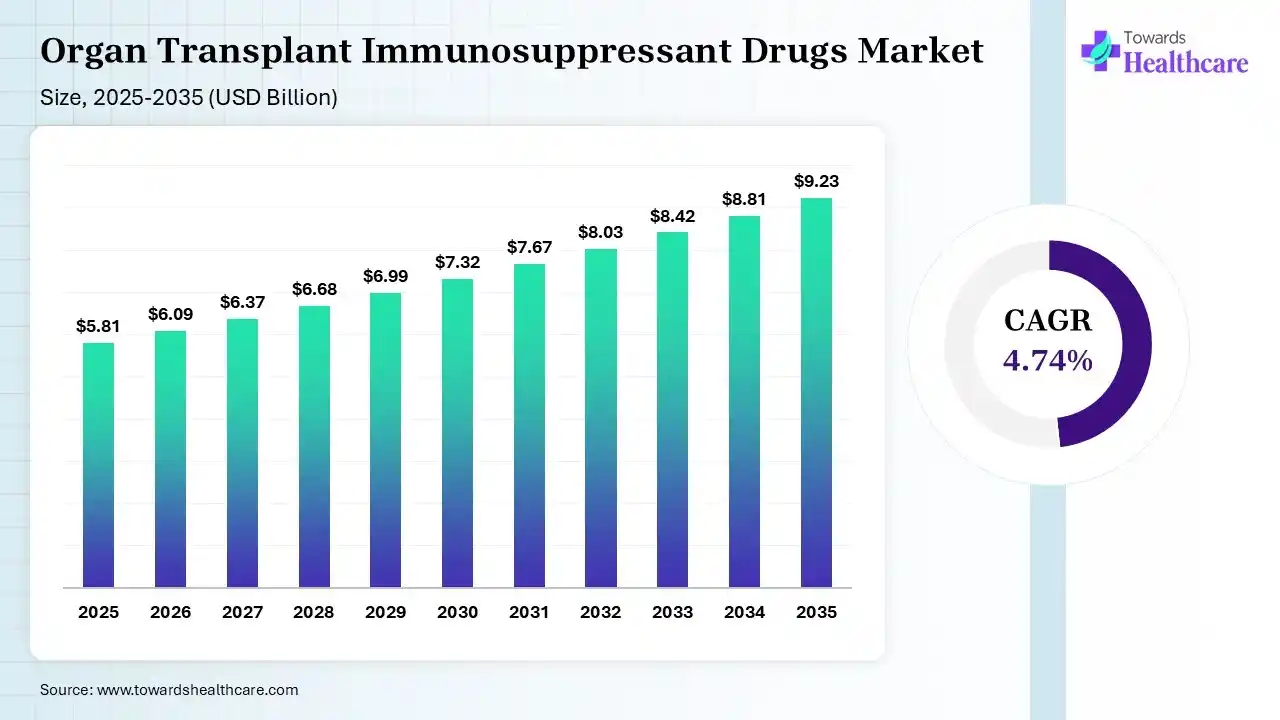
The global organ transplant immunosuppressant drugs market size is calculated at USD 5.81 billion in 2025, grew to USD 6.09 billion in 2026, and is projected to reach around USD 9.23 billion by 2035. The market is expanding at a CAGR of 4.74% between 2026 and 2035. The rising prevalence of chronic disorders, increasing number of organ transplantations, and growing research and development drive the market.
Immunosuppressants are drugs that prevent the immune system from attacking healthy cells or tissues. They are essential during organ transplantation to prevent acute or chronic rejection while minimizing drug side effects. Post-transplantation immunosuppressants are of three types: induction immunosuppression, maintenance immunosuppression, and anti-rejection immunosuppression. Induction immunosuppression involves administering drugs immediately after transplantation to prevent acute rejection. Maintenance immunosuppression involves administering drugs before, during, or after transplantation to maintain them long-term. Anti-rejection immunosuppression refers to administering drugs to treat the rejection response of the immune system.
The rising prevalence of chronic disorders increases the chance of organ failure, especially in diabetes, cardiovascular disorders, and cancer. The increasing geriatric population also contributes to the market growth, as they are more prone to developing chronic disorders. The growing demand for organ donations also supports the market. This leads to an increasing number of organ transplantations, necessitating the use of immunosuppressants. The growing research and development activities facilitate the development of novel immunosuppressants, boosting market growth. Moreover, the advent of advanced technologies enables organ transplantation, augmenting the market.
Organ transplant immunosuppressive drugs are medicines used to reduce immune-system activity and prevent the body from attacking a transplanted organ. The market is expanding as transplantation programs develop and long-term graft protection remains essential after surgery. Trends include greater use of combination regimens, personalized dosing, and therapies designed to improve treatment adherence while limiting complications. Future opportunities are emerging from novel immune-modulating approaches, biomarker-guided treatment, and formulations that simplify chronic therapy. Technological advancements in therapeutic drug monitoring, pharmacogenomics, digital adherence tools, and patient -specific dose optimization are improving treatment management. Key drivers include increasing transplant eligibility, longer patient survival, growing awareness of organ donation, and continuous improvements in transplant surgery. Rising demand for safer therapies with better tolerability and fewer adverse effects is also encouraging pharmaceutical innovation and supporting the development of next-generation immunosuppressive treatments.
Advanced technologies like artificial intelligence (AI) and machine learning (ML) are promising tools for transforming organ transplantation. AI and ML can analyze vast amounts of data and predict which organs could be suitable for a particular patient. AI can also predict the response of a particular organ in patients after transplantation. It can detect minor as well as severe symptoms of immune response after organ transplantation, alerting healthcare professionals to make immediate decisions. Additionally, AI can determine how a patient’s body reacts to immunosuppressants. AI can also be used to develop personalized dosing regimens of immunosuppressants based on patient characteristics such as age, gender, weight, genetic polymorphism, and concomitant medications. Integrating AI/ML in organ transplantation to predict immunosuppressive drug levels and synergizing with quality improvement initiatives.
Driver
Increasing Number of Organ Transplantation
The increasing number of organ transplantations globally is a major growth factor in the organ transplant immunosuppressant drugs market. The rising prevalence of chronic disorders increases the need for organ transplantation. Organ transplants save the lives of patients affected by terminal organ failure and improve their quality of life. According to the Global Observatory on Donation and Transplantation, around 172,409 organs were transplanted in 2023. The growing awareness for organ donations among individuals favors organ transplantations. Various organs, including kidneys, liver, heart, lungs, and pancreas, can be transplanted. The World Health Organization (WHO) also promotes organ donation and transplantation by increasing public awareness. WHO aims to develop a global strategy on donation and transplantation, which will be presented to the Assembly for adoption in 2026. Thus, the demand for organ transplantation has grown significantly, driven by increasing awareness, medical advancements, and a growing burden of chronic disorders.
Restraint
Risk of Infections
The major challenge of the organ transplant immunosuppressant drugs market is the risk of infections. People taking immunosuppressants after organ transplantation face several side effects, including high blood pressure, diabetes, high cholesterol, and gastrointestinal side effects. These drugs also increase the risk of cancer, restricting the long-term use of immunosuppressants in many patients. Hence, healthcare professionals are considering alternative methods to eliminate the long-term use of immunosuppressants, which are hindering market growth.
Opportunity
Personalized Therapy
The development of personalized therapy for managing immune response presents future organ transplant immunosuppressant drug market growth. Personalized therapies are necessary to maximize long-term results in organ transplantation. The growing research and development activities promote the development of personalized medicines. Several researchers are designing and developing novel drugs for managing rejection by foreign organs. They are designed to achieve long-term treatment outcomes, reduce side effects, and provide cost-effective care. They can be developed based on the patient’s genetic profile and disease prognosis. Research is also conducted to develop novel drug delivery systems to facilitate targeted drug delivery. The favorable regulatory frameworks and government policies streamline the development of novel personalized drugs. The research is supported by increasing investments and collaborations. Furthermore, new product approvals by regulatory agencies potentiate market growth.
| Table | Scope |
| Market Size in 2026 | USD 6.09 Billion |
| Projected Market Size in 2035 | USD 9.23 Billion |
| CAGR (2026 - 2035) | 4.74% |
| Leading Region | North America by 40% |
| Historical Data | 2020 - 2023 |
| Base Year | 2025 |
| Forecast Period | 2026 - 2035 |
| Measurable Values | USD Millions/Units/Volume |
| Market Segmentation | By drug class, By transplant type, By region |
| Top Key Players | Accord Healthcare Ltd., Astellas Pharma Inc., Bristol Myers Squibb, Dr. Reddy's Laboratories, F. Hoffmann-La Roche Ltd., Genzyme Corporation, GlaxoSmithKline, Mylan Laboratories, Novartis AG, Pfizer Inc., Roche, Sanofi, Viatris Inc. |
By drug class, the calcineurin inhibitors segment held a dominant presence in the organ transplant immunosuppressant drugs market in 2025 and is estimated to grow at the fastest rate during the forecast period. Calcineurin inhibitors like cyclosporine and tacrolimus are widely preferred in solid organ transplantation. These drugs disrupt the transcription of interleukin-2 and other cytokines. They also inhibit T suppressor and T cytotoxic cells. They are used to prevent acute transplant rejection and immediate graft loss. Their ability to manage numerous autoimmune disorders, such as lupus nephritis, idiopathic inflammatory myositis, and atopic dermatitis, make it a preferred choice. Out of both the drugs, tacrolimus is widely used due to better outcomes. However, cyclosporine is given to diabetic patients to improve glucose metabolism.
By drug class, the antiproliferative agents segment is predicted to witness significant growth in the market over the forecast period. Antiproliferative agents like azathioprine and mycophenolate act mainly by suppressing T and B cell proliferation. The segmental growth is attributed to their potential selectivity and targeted therapeutic action. They are mainly used in maintenance therapy.
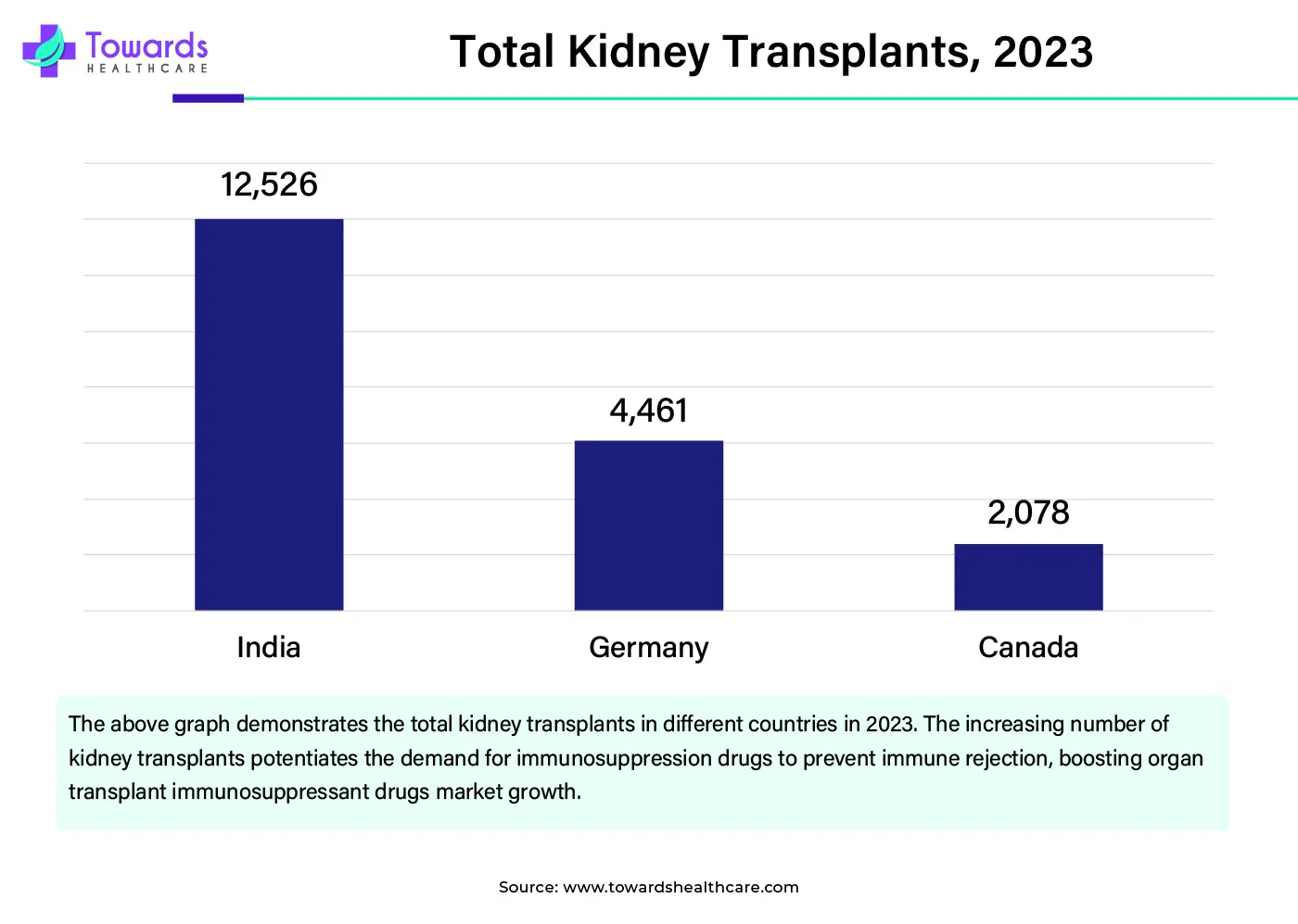
By transplant type, the kidney segment led the global organ transplant immunosuppressant drugs market in 2025. Kidney transplant is performed in patients with advanced kidney disease and kidney failure. The rising prevalence of chronic kidney disease (CKD) and end-stage renal disease (ESRD) augments the segment’s growth. Approximately 850 million people worldwide suffered from chronic kidney disease in 2023. Kidney transplants eliminate the need for dialysis and reduce exorbitant healthcare expenses. Hence, kidney transplants reduce mortality rates and offer a more active life for the patient.
By transplant type, the lung segment is anticipated to grow with the highest CAGR in the market during the studied years. Lung transplant refers to replacing one or both diseased or failing lungs with healthy lungs. Lungs are usually donated by a deceased person. The rising prevalence of respiratory disorders such as COPD, pulmonary hypertension, cystic fibrosis, and bronchiectasis propel the segment’s growth. In the U.S., around 3,026 lung transplants were performed in 2023.
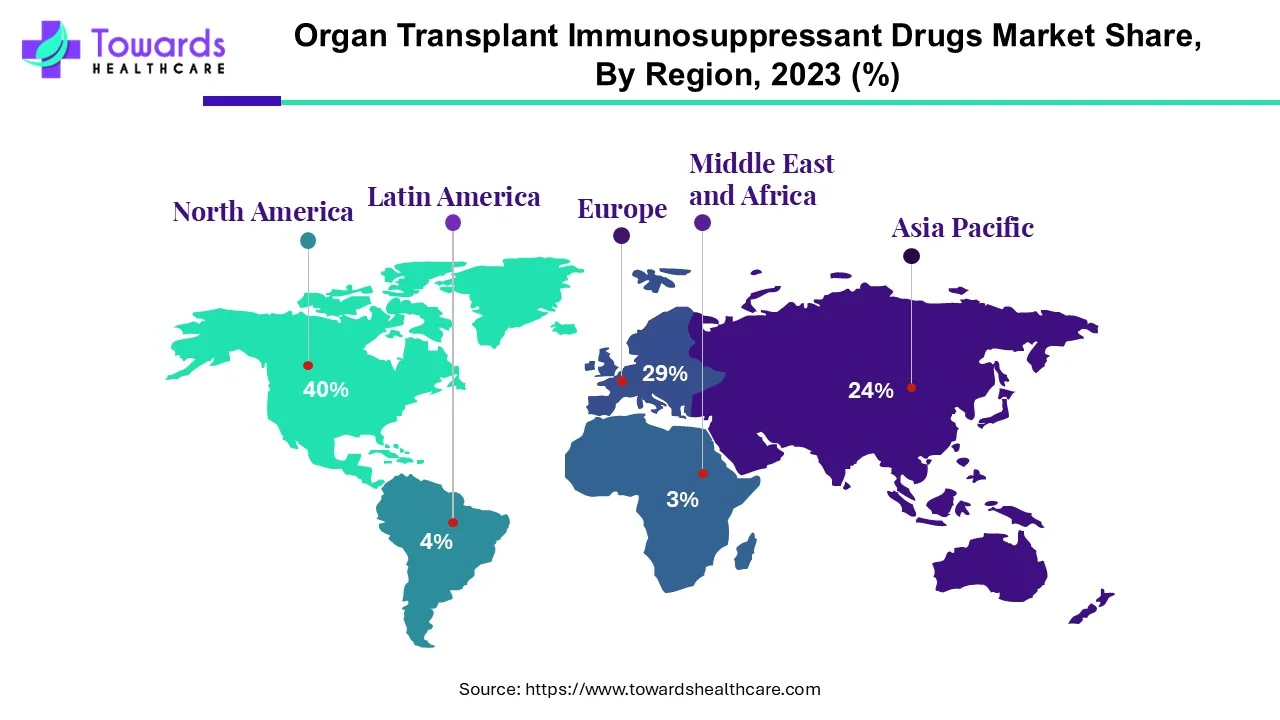
North America held the largest share of the organ transplant immunosuppressant drugs market by 40% in 2025. The increasing organ donations, rising number of organ transplantations, and technological advancements drive the market. There were a total of 46,632 organ transplants performed in the U.S. in 2023, an 8.7% increase from 2022. While, in Canada, around 3,406 organ transplants were performed in 2023. The U.S. and Canadian government supports organ procurement and transplantation by increasing accessibility.
The increasing government funding also contributes to the market growth. The Health Resources and Services Administration announced a Modernization Initiative to strengthen accountability and transparency in the Organ Procurement and Transplantation Network. The initiative was supported by the U.S. government’s Fiscal Year 2024 budget with funding of $67 million. The Canadian government invested $2 million into AI-based organ donation research.
U.S. Organ Transplant Immunosuppressive Drugs Market Strengthens Through Advanced Care
The U.S. market is significantly growing due to its well-established transplant care ecosystem, increasing availability of specialized transplant centers, and strong demand for long-term graft management. Growing adoption of personalized immunosuppressive regimens and therapeutic drug monitoring is improving treatment optimization. Continued innovation in formulation and immune-modulating therapies is also creating new opportunities for pharmaceutical companies.
Canada Organ Transplant Immunosuppressive Drugs Market Expands Through Patient-Centered Care
Canada’s market is notably expanding as transplant programs focus on improving long-term patient outcomes and maintaining graft function. Greater attention to medication adherence, individualized treatment planning, and monitoring of therapy-related complications is supporting demand. Growing clinical research into safer immunosuppressive approaches is also encouraging innovation and broader treatment options.
Asia-Pacific is anticipated to grow at the fastest rate in the organ transplant immunosuppressant drugs market during the forecast period. The growing awareness for organ donations, favorable government policies, and increasing investments drive the market. Countries like China, India, and Japan are at the forefront of supporting organ transplantation in the Asia-Pacific. Different government organizations held symposiums, conferences, and seminars to increase awareness about organ donations in their respective countries.
The Indian government implemented the National Organ Transplant Program to promote organ donation from deceased persons. Around 18,378 organ transplants were performed in India in 2023. The kidney transplant prevalence in Japan and South Korea is 57 per million population and 408 per million population, respectively. The increasing healthcare expenditures and favorable reimbursement policy propel the market. The rising population and the increasing incidences of chronic disorders promote market growth.
India Organ Transplant Immunosuppressive Drugs Market Expands with Growing Transplant Access
India’s market is significantly expanding as access to organ transplantation improves across major healthcare centers. Rising demand for affordable long-term immunosuppressive treatment is encouraging wider availability of generic and combination therapies. Increasing transplant follow-up, improved patient monitoring, and growing awareness of lifelong rejection prevention are also strengthening medication utilization and creating opportunities for treatment optimization.
China Organ Transplant Immunosuppressive Drugs Market Accelerates with Next-Generation Transplant Care
China market is notably increasing as transplant services become more sophisticated and follow-up care continues to improve. Rising demand for consistent post-transplant medication management is supporting immunosuppressant use. Increasing pharmaceutical manufacturing capabilities and development of domestically produceds therapies are also improving treatment availability, while greater clinical attention to individualized dosing is creating opportunities for advanced immunosuppressive solutions.
Jayme E. Locke, MD, Professor of Surgery at the University of Alabama at Birmingham, commented that researchers assess non-FDA-approved immunosuppressants that are not used in human-to-human transplantation for xenotransplantation. Hence, she and her team researched to identify drugs that are already familiar to transplant physicians and surgeons. She envisioned that the immunosuppression regimen would lead to FDA clearance for phase 1 clinical trials in humans.
By Drug Class
By Transplant Type
By Region





Principal Consultant
Payal Rabde is a Healthcare Market Research Analyst at Towards Healthcare Research & Consulting with 4+ years of experience in pharmaceuticals, biotechnology, medical devices, and life sciences.
Learn more about Payal Rabde

Reviewed By
Aditi Shivarkar is a seasoned professional with over 14 years of experience in healthcare market research. As a content reviewer, Aditi ensures the quality and accuracy of all market insights and data presented by the research team.
Learn more about Aditi Shivarkar