Pipeline Programs

CGT Companies Tracked

Manufacturing Facilities


The global radiopharmaceutical for nuclear medicine market size was estimated at USD 7.75 billion in 2025 and is predicted to increase from USD 8.43 billion in 2026 to approximately USD 17.91 billion by 2035, expanding at a CAGR of 8.74% from 2026 to 2035.
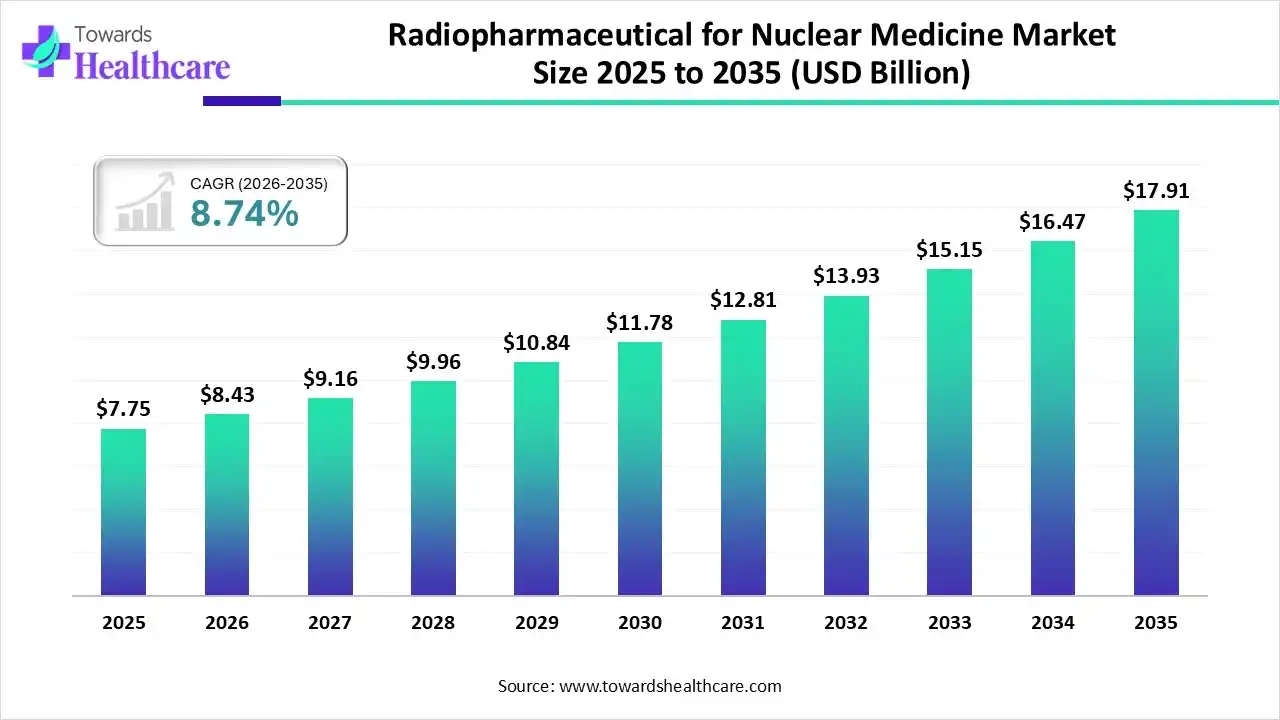
The market is growing steadily, supported by growing cancer incidence, wider use of PET and SPECT imaging, technological advancements, and increasing adoption of targeted diagnostic and therapeutic nuclear procedures worldwide.
Radiopharmaceuticals for nuclear medicine are radioactive drugs used in diagnostic imaging and targeted therapy to visualize, diagnose, and treat diseases by tracking organ function and cellular activity inside the body. The radiopharmaceutical for nuclear medicine market is expanding due to rising cancer and cardiac disease prevalence, growing demand for early and accurate diagnosis, wider adoption of PER and SPECT imaging, and advancements in targeted radionuclide therapies. Improved healthcare infrastructure and increased investment in nuclear medicine facilities further support market growth globally.
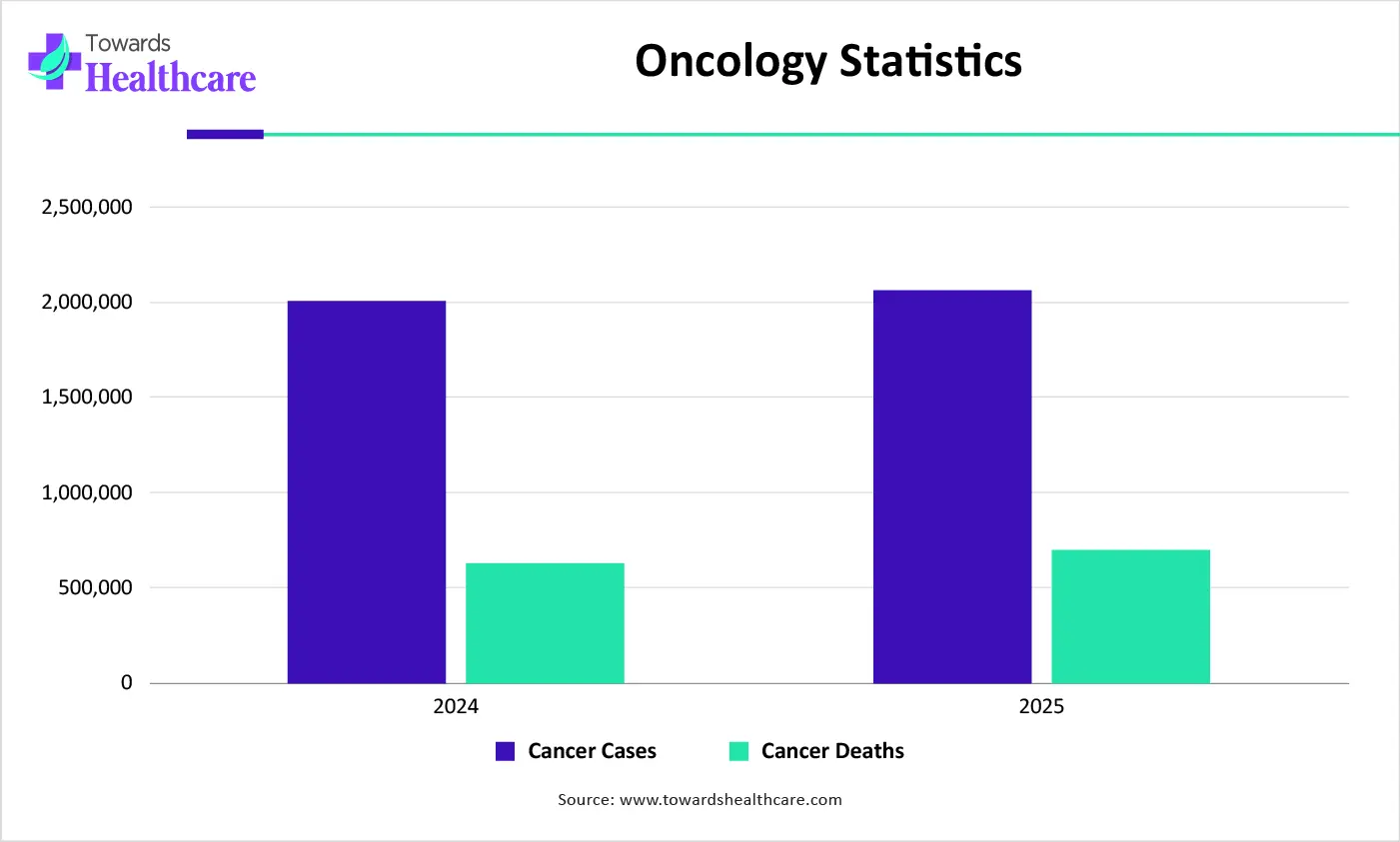
Radiopharmaceuticals for nuclear medicine are radioactive compounds used for the diagnosis and treatment of diseases by delivering targeted radiation to specific organs, tissues, or tumors, enabling precise molecular imaging and targeted therapy. The radiopharmaceuticals for nuclear medicine market is expanding due to the increasing incidence market is expanding due to the increasing incidence of cancer and cardiovascular disorders, growing demand for precision diagnostics, and wider adoption of theranostic approaches. Key trends include the development of novel radiotracers, personalized radionuclide therapies, and increasing use of PET and SPECT imaging. Technological advancements such as cyclotron innovations, automated radiopharmaceutical production, AI-assisted image analysis, and advanced isotope manufacturing are improving efficiency and diagnostic accuracy. Future opportunities are driven by expanding clinical applications, increasing invesments in nuclear medicine infrastructure, strategic collaborations, and ongoing research into next-generation targeted radiopharmaceutical therapies.
AI can revolutionize the radiopharmaceutical for nuclear medicine market by enhancing image interpretation, optimizing radiotracer selection, and improving dose planning for personalized therapies. It enables faster, more accurate diagnosis, streamlines radiopharmaceutical production, predicts treatment outcomes, and supports precision medicine, ultimately improving clinical efficiency, patient safety, and therapeutic effectiveness in nuclear medicine practices.
Theranostic radiopharmaceuticals combining diagnosis and therapy are gaining traction, enabling personalized treatment. This drives investment, clinical adoption, and better patient outcomes, particularly in oncology and rare diseases.
Integration of high-resolution PET/SPECT systems and hybrid imaging enhances diagnostic accuracy. Improved scanners and novel tracers accelerate early disease detection and broaden clinical applications across neurology and cardiology.
Emerging markets are increasing nuclear medicine infrastructure and regulatory support. Rising healthcare spending, aging populations, and awareness boost demand for radiopharmaceuticals, fostering collaborations, manufacturing expansions, and sustained long-term growth.
| Key Elements | Scope |
| Market Size in 2026 | USD 8.43 Billion |
| Projected Market Size in 2035 | USD 17.91 Billion |
| CAGR (2026 - 2035) | 8.74% |
| Leading Region | North America by 44.5% |
| Market Segmentation | By Type, By Modality, By Application, By End User, By Region |
| Top Key Players | Novartis AG, GE HealthCare Technologies Inc., Cardinal Health, Inc., Lantheus Holdings, Inc., Curium Pharma |
Why Did the Diagnostic Radiopharmaceuticals Segment Dominate in the Market in 2025?
In 2025, the diagnostic radiopharmaceuticals segment dominated the radiopharmaceutical for nuclear medicine market with a share of approximately 82% due to growing reliance on advanced PET and SPECT imaging for precise disease diagnosis. Increased cancer screening, rising cardiovascular and neurological disorders, wider hospital adoption, improved radiotracer production, and strong reimbursement support for diagnostic nuclear procedures further strengthened demand and market leadership.
Therapeutic Radiopharmaceuticals
The therapeutic radiopharmaceuticals segment is expected to grow at the fastest CAGR due to rising demand for targeted cancer treatments, expanding clinical evidence of efficacy, and increased FDA approvals. Personalized radionuclide therapies offer improved patient outcomes with fewer side effects. Growing investments in oncology research, enhanced manufacturing capabilities, and broader healthcare access further accelerate adoption and market growth during the forecast period.
How the SPECT (Technetium-99m, Iodine-123) Segment Dominated the Radiopharmaceutical for Nuclear Medicine Market in 2025?
In 2025, the SPECT (Technetium-99m, Iodine-123) segment dominated the market with a share of approximately 65% due to its wide clinical use, cost-effectiveness, and reliable availability. These isotopes support a broad range of diagnostic applications. particularly in cardiology and oncology, while SPECT systems remain more accessible than PET in many healthcare settings, driving higher procedure volumes globally.
PET (Fluorine-18, Gallium-68)
The PET (Fluorine-18, Gallium-68) segment is expected to grow at the fastest CAGR due to its superior imaging accuracy, early disease detection capability, and expanding use in oncology, neurology, and cardiology. Advancements in PET scanner technology, increasing availability of PET tracers, and rising adoption in personalized medicine and targeted therapies further fuel rapid market growth during the forecast period.
Why the Oncology Segment Dominated the Radiopharmaceutical for Nuclear Medicine Market?
In 2025, the oncology segment dominated the market with a share of approximately 53% due to high cancer prevalence and the critical role of nuclear medicine in early diagnosis, staging, and treatment monitoring. The segment is also expected to grow at a faster CAGR, driven by increasing adoption of targeted radionuclide therapies, advancements in PET/SPECT tracers, personalized treatment approaches, and rising investments in oncology research and healthcare infrastructure worldwide.
Why Did the Hospitals & Clinics Segment Dominate in the Market in 2025?
In 2025, the hospitals & clinics segment dominated the radiopharmaceutical for nuclear medicine market with a share of approximately 68%, with high patient inflow and availability of advanced imaging equipment. Strong investments in healthcare infrastructure, wide adoption of PET and SPECT procedures, and the ability to provide both diagnostic and therapeutic services under one roof further reinforced their market leadership and consistent demand for radiopharmaceuticals.
Diagnostic Centers
The diagnostic centers segment is expected to grow at the fastest CAGR due to rising demand for specialized, cost-effective, and outpatient nuclear imaging services. Increasing prevalence of chronic diseases, expanding PET/SPECT capabilities, quicker test turnaround, and greater accessibility for patients outside hospital settings are driving adoption. Additionally, partnerships with healthcare providers and investments in advanced radiopharmaceutical technologies further accelerate the growth of diagnostic centers during the forecast period.
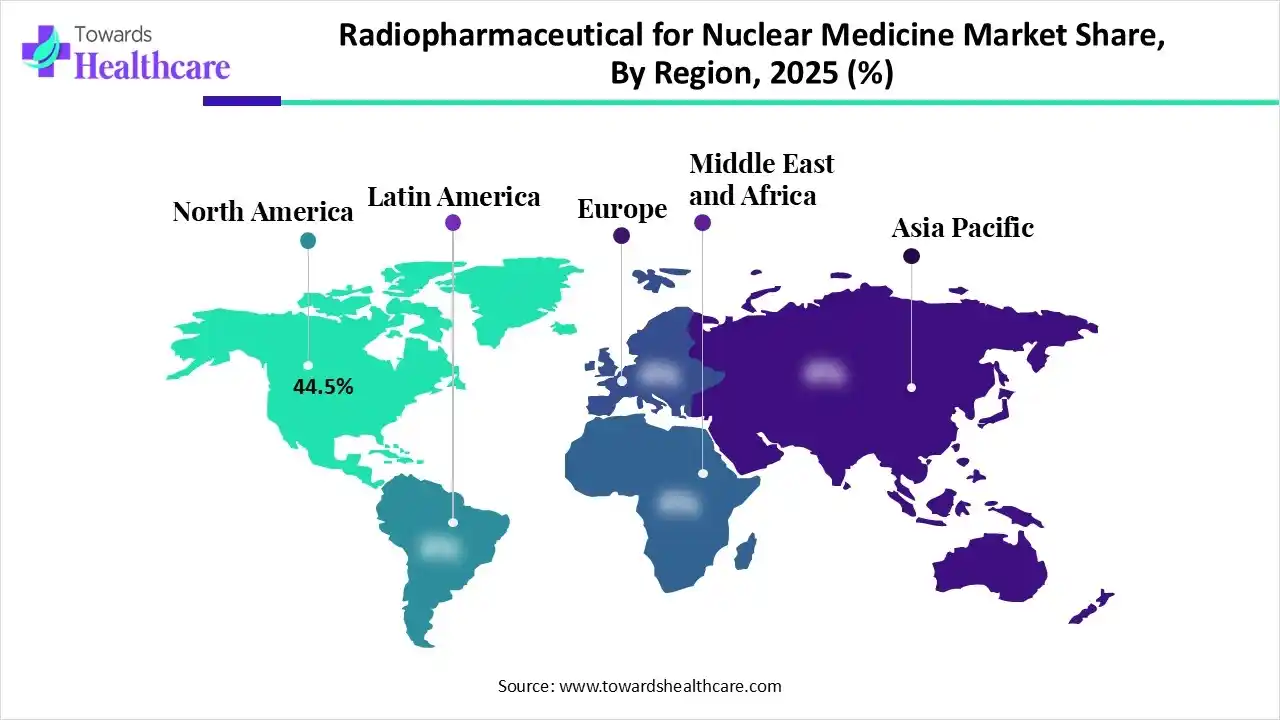
In 2025, North America dominated the global radiopharmaceutical for nuclear medicine market with an approximate 44.5% share due to advanced healthcare infrastructure, high adoption of Pet and SPECT imaging, strong oncology prevalence, and significant R&D investments. Supportive government policies, well-established reimbursement systems, and increasing systems, and increasing awareness of nuclear procedures further reinforced the region’s market leadership and growth.
U.S.: Driving the Radiopharmaceuticals Market Forward
In 2025, the U.S. led the radiopharmaceutical for nuclear medicine market by capturing the largest revenue share due to advanced healthcare infrastructure, high adoption of PET and SPECT imaging, strong focus on oncology diagnostics, robust R&D investments, and favorable regulatory and reimbursement policies supporting nuclear medicine procedures nationwide.
Canada’s Expanding Nuclear Medicine Infrastructure is Driving Radiopharmaceutical Market Growth
Canada’s radiopharmaceutical for nuclear medicine market is growing significantly due to increasing cancer prevalence, rising demand for precision diagnostics, and expanding adoption of targeted radionuclide therapies. Strong investments in nuclear medicine infrastructure, growing production of medical isotopes, and active clinical research are enhancing treatment capabilities. Additionally, collaborations between healthcare institutions and biotechnology companies, along with supportive government initiatives, are accelerating innovation and market expansion.
Asia Pacific is anticipated to grow at the fastest CAGR in the radiopharmaceutical for nuclear medicine market during the forecast period due to rising healthcare investment, increasing cancer and cardiovascular cases, and expanding nuclear medicine facilities. Enhanced awareness of early diagnostic adoption of advanced PET/SPECT imaging, supportive government initiatives, and strategic investments by key players in countries like China and India are fueling rapid regional market growth.
India Poised for Rapid Growth in Radiopharmaceuticals Market
India is anticipated to grow at a rapid CAGR during the forecast period due to increasing cancer and cardiovascular disease prevalence, rising healthcare expenditure, and expanding nuclear medicine infrastructure. Growing awareness of early diagnostics, adoption of advanced PET/SPECT imaging, government initiatives promoting medical technology, and strategic investments by global and domestic players are driving significant growth in the Indian radiopharmaceuticals market.
China’s Expanding Nuclear Medicine Capabilities Are Fueling Radiopharmaceutical Market Growth
China’s radiopharmaceuticals for nuclear medicine market is growing notably due to rising cancer incidence, increasing investment in nuclear medicine infrastructure, and expanding adoption of molecular imaging technologies. Government support for domestic radioisotope production, growing pharmaceutical innovation, and wider availability of PET and SPECT imaging systems are strengthening diagnostic and therapeutic capabilities. Additionally, increasing clinical research and hospital modernization are driving sustained market growth.
Europe is expected to grow at a notable CAGR in the radiopharmaceutical for nuclear medicine market during the forecast period due to the increasing prevalence of cancer and cardiovascular diseases, well-established healthcare infrastructure, and growing adoption of advanced PET and SPECT imaging. Supportive government regulations, rising investments in research and development, and the expansion of nuclear medicine facilities across key countries like Germany, France, and the UK are driving steady market growth.
UK Set for Rapid Growth in Radiopharmaceuticals Market
The UK is anticipated to grow at a rapid CAGR during the forecast period due to rising cancer and cardiovascular disease prevalence, increasing adoption of advanced PRT and SPECT imaging, and government support for nuclear medicine initiatives. Expansion of healthcare infrastructure, growing investments in R&D, and rising awareness of early diagnostics are driving strong demand for radiopharmaceuticals across hospitals, clinics, and diagnostic centers.
Germany’s Advanced Nuclear Medicine Expertise is Accelerating Radiopharmaceutical Market Growth
Germany’s radiopharmaceutical for nuclear medicine market is growing significantly due to its well-established nuclear medicine infrastructure, strong research capabilities, and increasing adoption of precision oncology. The widespread use of PET and SPECT imaging, robust radioisotope production capacity, and active clinical trials are driving innovation. Additionally, favorable reimbursement policies, pharmaceutical collaborations, and investments in targeted radioligand therapies are supporting sustained market expansion.
| Companies | Headquarters | Offerings |
| Novartis AG | Basel, Switzerland | Targeted radioligand therapies, including Lutathera® and Pluvicto®, focused on oncology and theranostic applications. |
| GE HealthCare Technologies Inc. | Illinois, USA | PET and SPECT imaging systems, radiopharmaceuticals, cyclotrons, and digital solutions supporting nuclear medicine diagnostics and precision imaging. |
| Cardinal Health, Inc. | Ohio, USA | Production and distribution of diagnostic radiopharmaceuticals, PET tracers, nuclear pharmacy services, and supply chain solutions for hospitals and diagnostic centers. |
| Lantheus Holdings, Inc. | Massachusetts, USA | Diagnostic radiopharmaceuticals for PET and SPECT imaging, including agents for cardiology and oncology, along with AI-enabled imaging solutions. |
| Curium Pharma | Paris, France | Diagnostic and therapeutic radiopharmaceuticals, including SPECT and PET tracers, oncology-focused agents, and global radioisotope manufacturing and distribution services. |
In June 2026, “Nuclear medicine is moving from early innovation to large-scale clinical implementation.” Healthcare systems need technologies and workflows that help expand access, improve efficiency, and support more confident clinical decision-making as theranostics adoption and precision care evolve”, said Jean-Luc Procaccini, President and CEO, Molecular Imaging and Computed Tomography (MICT), GE HealthCare.
Strengths
Weaknesses
Opportunities
Threats
By Type
By Modality
By Application
By End User
By Region





Principal Consultant
Payal Rabde is a Healthcare Market Research Analyst at Towards Healthcare Research & Consulting with 4+ years of experience in pharmaceuticals, biotechnology, medical devices, and life sciences.
Learn more about Payal Rabde

Reviewed By
Aditi Shivarkar is a seasoned professional with over 14 years of experience in healthcare market research. As a content reviewer, Aditi ensures the quality and accuracy of all market insights and data presented by the research team.
Learn more about Aditi Shivarkar