The pet therapeutic diet market size accounted for USD 28.64 billion in 2025 and is predicted to increase from USD 30.91 billion in 2026 to approximately USD 61.38 billion by 2035, expanding at a CAGR of 7.92% from 2026 to 2035. Growing demand for pet therapeutic diets because of increasing chronic diseases, preventive health focus, progressive vet support, and strong veterinary effect.
What is a Pet Therapeutic Diet?
Therapeutic diets are specially formulated pet foods designed to be the only food given to pets with particular health challenges. They work alongside or as substitutes to medications, helping to treat or prevent diseases in animals. Developed over many years by veterinarians, animal nutritionists, and researchers, these diets have been validated via research and feeding trials to support, manage, or cure specific conditions. Each diet targets one or more precise health problems in dogs or cats. Furthermore, these diets support lowering plaque and tartar buildup on the teeth.
Recent Advancements in Hormone Replacement Therapy:
Wearable devices and smart tech are transforming how we monitor pet health. These tools track vital signs, activity, and behaviour, providing real-time insights into a pet’s wellbeing. Some advanced systems can even anticipate potential health challenges early, allowing proactive interventions. Pet owners are more frequently looking for customized nutrition plans suited to their pets’ particular requirements. Companies recently offer tailored meal plans based on factors like breed, age, weight, activity level, and health conditions.
In 2025, Shelter Animals Count in America
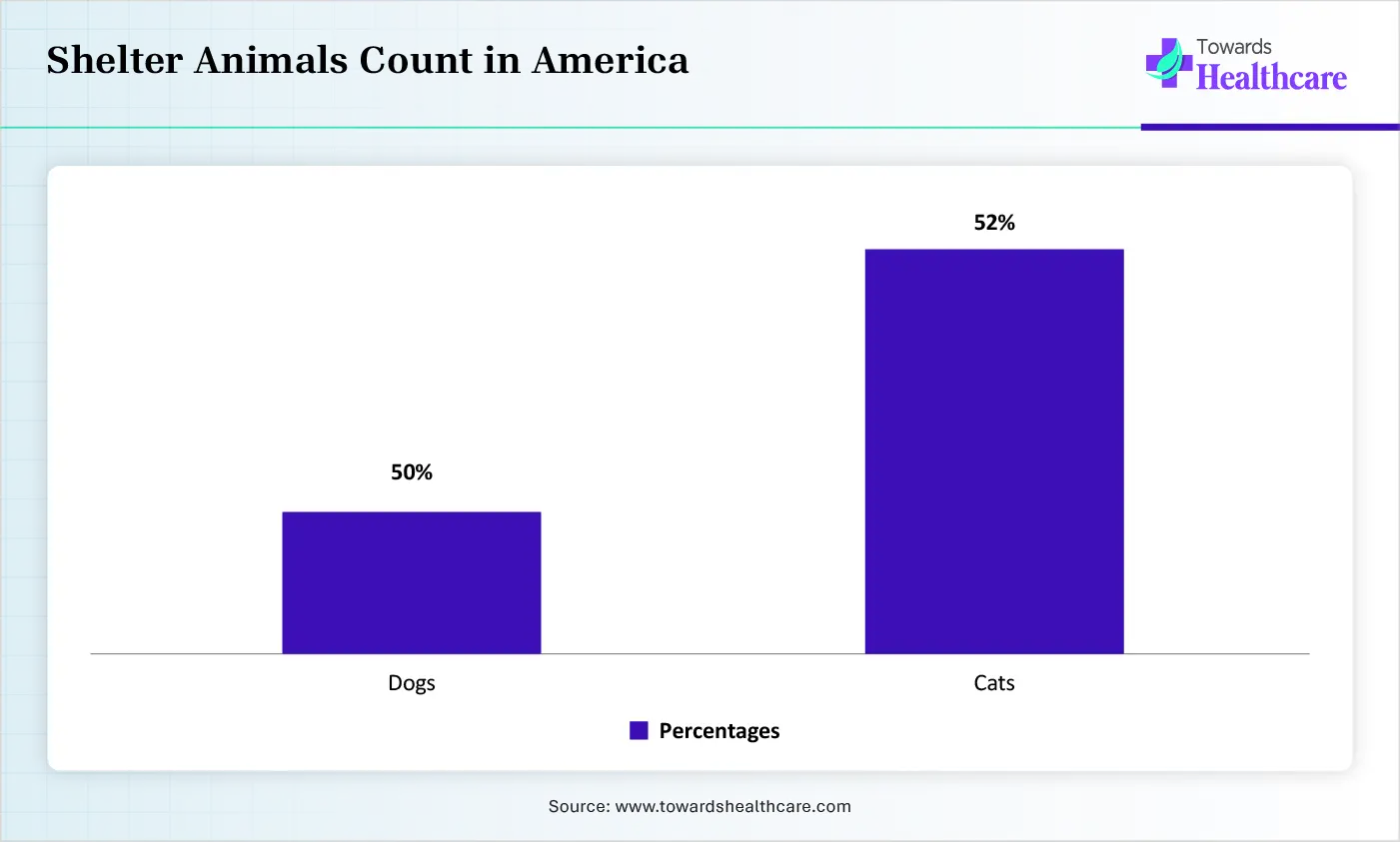
| Animal |
Percentages |
| Dogs |
49% |
| Cats |
51% |
Market Segmentation Overview
- By pet type, the dog segment contributed the largest pet therapeutic diet market share of 62% in 2025, as most dogs are susceptible to bladder stones, which can benefit from a veterinary therapeutic diet that prevents painful urinary challenges. Special diets for kidney disease lower phosphorus and protein to keep the kidneys from working too hard.
- By indication, the digestive health segment contributed the largest market share of 22%, as therapeutic diets support healthy gastrointestinal function and supports to pet feel full after meals. Prebiotics are a type of fibre and are beneficial for bacteria to grow and thrive in a dog’s system. Dietary approaches to handling chronic gastrointestinal disease include a diet with a higher digestibility than the pet's present diet and a lower-fat diet.
- By product type, the dry food segment contributed the largest pet therapeutic diet market share of 48% in 2025, as this food is made by combining dry and wet ingredients to form a dough. Its lower moisture content, which helps keep a dog’s teeth clean and reduces plaque build-up, eventually supporting better oral hygiene.
- By distribution channel, the veterinary clinics segment contributed the largest market share of 38% in 2025, as veterinary practices provide major benefits over corporate hospitals, including greater decision-making freedom, targeted care, operational flexibility, and a more intimate customer experience. Most vet clinics provide preventive medical care packages to support pets staying healthy for as long as possible.
Regional Insights
Why North America Dominated the Market in 2025?
In 2025, North America dominated the pet therapeutic diet market with a share of 38% in 2025, as increasing obesity, diabetes, and kidney diseases in pets demand long-term, particular nutritional care. Sophisticated distribution channels, involving online, are driving access to intended diets, which contributes to the growth of the market.
Asia Pacific held 22% share of the market. expected to experience the fastest growth with 9.10% CAGR during the forecast period, as increasing urban populations in nations like China and India are indicating an increase in the number of people owning pets, often living in apartments. Rising vet visits in countries such as Japan and Australia, along with advanced diagnostic services, drive recommendations for therapeutic food.
Top Companies in the Pet Therapeutic Diet Market
The top five organizations in this group dominate the pet therapeutic diet market. Meanwhile, Nestlé Purina PetCare offers a broad range of veterinary-exclusive formulas, mainly focused on healthcare nutrition. Blue Buffalo offers natural therapeutic diets, which have functional advantages. Farmina Pet Foods offers a variety of pet food products intended with a balance of natural ingredients and modern technology. Virbac is an animal health organization offering veterinary-exclusive diets. Mars Petcare is a major leader focusing on breed-driven and scientifically backed therapeutic nutrition.
Segments Covered in the Report
By Pet Type
- Dogs
- Puppies
- Adult Dogs
- Senior Dogs
- Cats
- Kittens
- Adult Cats
- Senior Cats
- Others
- Birds
- Small Mammals
- Reptiles
By Indication
- Digestive Health
- Gastrointestinal Disorders
- Food Sensitivities
- Renal Health
- Chronic Kidney Disease
- Urinary Tract Disorders
- Weight Management
- Obesity Management
- Metabolic Disorders
- Diabetes Care
- Cardiac Health
- Allergy & Skin Care
- Dermatological Conditions
- Hypoallergenic Diets
- Joint & Mobility Support
- Liver Health
By Product Type
- Dry Food
- Wet Food
- Snacks & Treats
- Supplements
- Nutritional Supplements
- Nutritional Supplements
By Distribution Channel
- Veterinary Clinics
- Pet Specialty Stores
- Online Retail
- E-commerce Platforms
- Brand Websites
- Supermarkets & Hypermarkets
By Ingredient Type
- Animal-Based Ingredients
- Plant-Based Ingredients
- Novel Proteins
- Insect Protein
- Exotic Meats
By Formulation
- Prescription Diets
- Non-Prescription Therapeutic Diets
By Region
- North America
- U.S.
- Canada
- Mexico
- Rest of North America
- Latin America
- Brazil
- Argentina
- Rest of Latin America
- Europe
- Western Europe
- Germany
- Italy
- France
- Netherlands
- Spain
- Portugal
- Belgium
- Ireland
- UK
- Iceland
- Switzerland
- Poland
- Rest of Western Europe
- Eastern Europe
- Austria
- Russia & Belarus
- Türkiye
- Albania
- Rest of Eastern Europe
- Asia Pacific
- China
- Taiwan
- India
- Japan
- Australia and New Zealand
- ASEAN Countries (Singapore, Malaysia)
- South Korea
- Rest of APAC
- MEA
- GCC Countries
- Saudi Arabia
- United Arab Emirates (UAE)
- Qatar
- Kuwait
- Oman
- Bahrain
- South Africa
- Egypt
- Rest of MEA




