Pipeline Programs

CGT Companies Tracked

Manufacturing Facilities


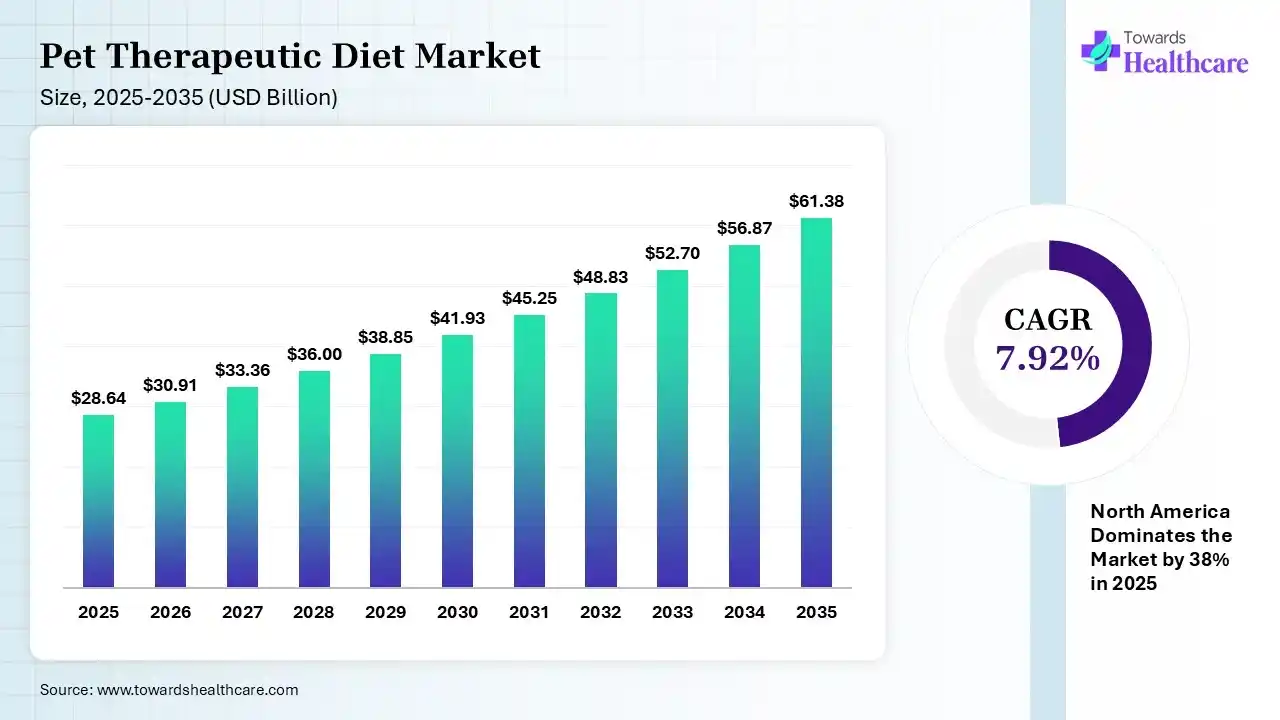
The global pet therapeutic diet market size was estimated at USD 28.64 billion in 2025 and is predicted to increase from USD 30.91 billion in 2026 to approximately USD 61.38 billion by 2035, expanding at a CAGR of 7.92% from 2026 to 2035. The pet therapeutic diet market is growing because of the increasing prevalence of pet chronic diseases it caused by lifestyle factors like overfeeding, lack of exercise, and exposure to household pollutants, directly related to these situations.
The pet therapeutic diet market is growing, as this therapeutic diet is formulated to meet the particular requirements of pets. In many cases, these diets are intended to combat and prevent diseases that are common to dogs and cats. These diets are clinically studied to weigh certain minerals, vitamins, fats, proteins, carbohydrates, and various nutritional components to regulate their effect on the disease process. Therapeutic diets offer the core nutrients to their pet’s nutrition but are also supplemented with fresh ingredients like healthy veggies, protein, and some fruit.
Pet therapeutic diets are commonly recommended by veterinarians after proper diagnosis and regular health assessment. They are used to manage conditions such as kidney disease, diabetes, obesity, food allergies, digestive disorders, urinary tract problems, and joint health issues. These diets are available in dry food, wet food, and specialized treats. Manufacturers continue developing advanced formulas with functional ingredients, probiotics, omega fatty acids, antioxidants, and high-quality proteins to improve health outcomes. Growing pet humanization and increasing spending on preventive pet healthcare are supporting demand. Rising awareness among pet owners about nutrition is encouraging early dietary intervention. Veterinary clinics, pet hospitals, and specialty pet stores remain important distribution channels. Continuous research and product innovation are improving nutritional effectiveness, taste, digestibility, and long-term disease management for companion animals.
AI-based technology is transforming pet diets via targeted nutrition plans, predictive health analytics, genetic testing, and the advancement of new pet foods, illustrating the potential benefits of these advancements. AI-based technology in pet care, including genetic testing, which provides profound insights into a pet's health predispositions and nutritional needs. AI-driven dietary recommendations and health predictions are based on the quality and breadth of the data on which these models are trained. AI-based technology plays a significant role in shaping a future where each pet receives the ideal nutrition for a healthy and happy life.
| Table | Scope |
| Market Size in 2026 | USD 30.91 Billion |
| Projected Market Size in 2035 | USD 61.38 Billion |
| CAGR (2026 - 2035) | 7.92% |
| Leading Region | North America by 38% |
| Historical Data | 2020 - 2023 |
| Base Year | 2025 |
| Forecast Period | 2026 - 2035 |
| Measurable Values | USD Millions/Units/Volume |
| Market Segmentation | By Pet Type, By Indication, By Product Type, By Distribution Channel, By Ingredient Type, By Formulation, By Region |
| Top Key Players | JustFoodForDogs, Diamond Pet Foods, Farmina Pet Foods, Rayne Clinical Nutrition, Veterinary Nutrition Group |
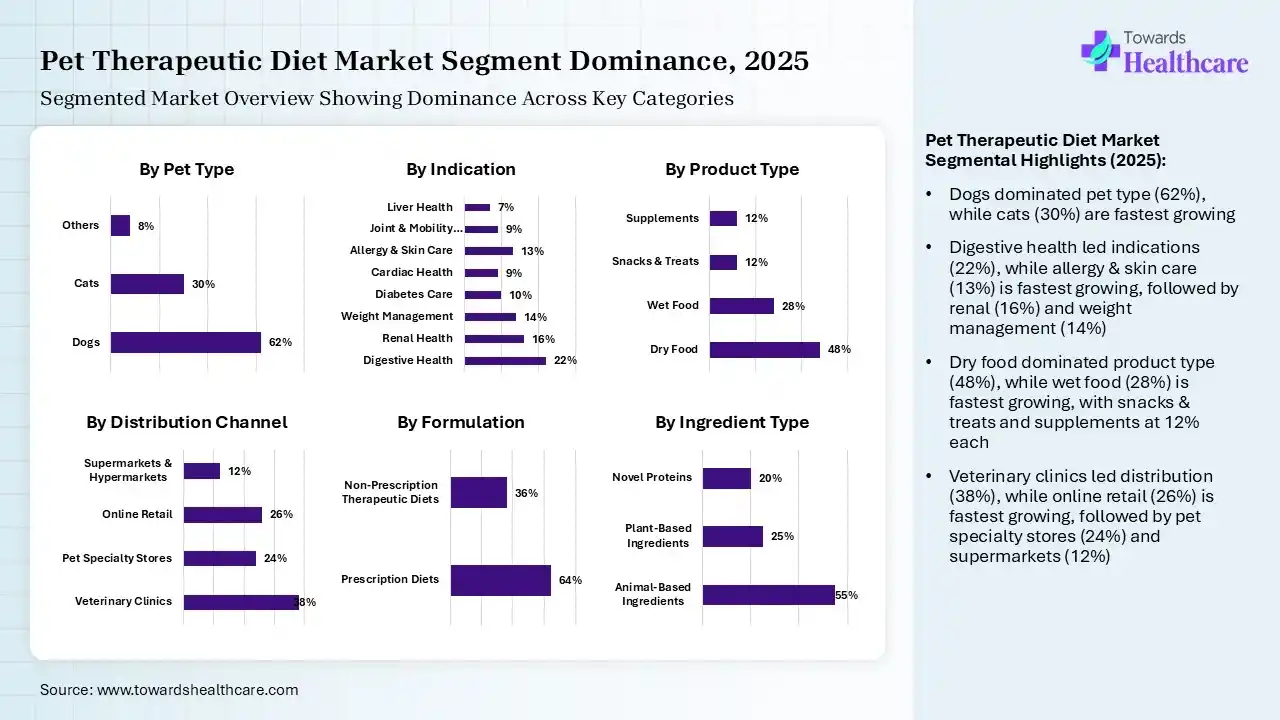
| Segment | Share 2025 (%) |
| Dogs | 62% |
| Cats | 30% |
| Others | 8% |
Dogs Segment Led the Pet Therapeutic Diet Market in 2025
| Segment | Share 2025 (%) |
| Digestive Health | 22% |
| Renal Health | 16% |
| Weight Management | 14% |
| Diabetes Care | 10% |
| Cardiac Health | 9% |
| Allergy & Skin Care | 13% |
| Joint & Mobility Support | 9% |
| Liver Health | 7% |
Digestive Health Segment Led the Pet Therapeutic Diet Market in 2025
The digestive health segment contributed the largest market share of 22%, as implementing dietary modifications to help recovery lowered the challenges of difficulties, and optimized intestinal function in patients experiencing surgery or technologies, also those with gastrointestinal disorders. It controls metabolism, affects inflammation, gut microbiota, and supports regeneration.
The renal health segment held a significant share of 16% the market in 2025. A renal support diet is articulated to bring lowered or restricted levels of phosphorus, sodium, and protein. Kidney support diets have increased levels of potassium and omega-3 fatty acids.
The weight management segment held a significant share of 14% the market in 2025. The therapeutic weight loss diet prohibited loss of lean body mass, encouraged body fat loss and metabolic health, and lowered pro-inflammatory cytokines in overweight and obese dogs. High-protein diets spare lean mass with calorie restraint during weight loss.
The allergy & skin care segment held a significant share of 13% of the pet therapeutic diet market in 2025, expected to grow at the fastest CAGR of 8.8% in the market, as pet foods, which contain omega-3 fatty acids, are known to help skin health by lowering inflammation and enhancing the condition. Pets associated with skin allergies should avoid foods that contain artificial additives, preservatives, or fillers such as soy, corn, and wheat.
The diabetes care segment held a significant share of 10% the market in 2025, as therapeutic diets supporting the management of diabetes efficiently, prescription diets lower the challenges of further complications like diabetic ketoacidosis, vision problems, and nerve damage.
The cardiac health segment held a significant share of 10% of the market in 2025, as major pets with cardiac disease benefit from prescription therapeutic diets formulated particularly for cardiac health. These diets are wisely balanced for sodium levels and significant nutrients. Diet is a significant tool in the management of heart disease.
The liver health segment held a significant share of 7% the pet therapeutic diet market in 2025, as various types of nutrients, such as medium-chain triglycerides (MCTs), provide rapid energy without stressing the liver. Therapeutic pet diet for liver health provides targeted compensations by lowering workload on the liver, helping tissue repair, and regulating toxins.
| Segment | Share 2025 (%) |
| Dry Food | 48% |
| Wet Food | 28% |
| Snacks & Treats | 12% |
| Supplements | 12% |
The Dry Food Segment held the Largest Share in the Market in 2025
The dry food segment contributed the largest market share of 48% in 2025, as dry pet food is usually less messy than wet and left out for a while, deprived of the worry of it becoming contaminated with bacteria. It's reduced moisture content, which helps keep pets' teeth clean and lowers plaque build-up, eventually supporting advanced oral hygiene.
The wet food segment held a notable share of 28% the market in 2025, and is expected to grow at the fastest CAGR of 8.3% during the forecast period, as wet pet foods are rising in total meat content, which cats and dogs particularly love. Thereby, wet food delivers an abundance of protein, fat, and other macronutrients. Wet foods are characteristically lower in carbohydrates, starches, and fibres.
The snacks & treats segment held a significant share of 12% the pet therapeutic diet market in 2025, as applications of treats in dogs' diet are encouraging dental health. Particular treatments for these conditions not only reduced calculus and plaque from the teeth. Meat snacks continue to be the most popular treat type among pet owners, with natural-flavored, rawhide being the most popular chew product.
The supplements segment held a significant share of 12% of the market in 2025, as food supplements are designed to provide significant nutrients that cats or dogs may not obtain via meals alone, like vitamins, minerals, fiber, fatty acids, and amino acids. Health complements are crafted to offer health benefits like heart, immune, joint, and brain support.
| Segment | Share 2025 (%) |
| Veterinary Clinics | 38% |
| Pet Specialty Stores | 24% |
| Online Retail | 26% |
| Supermarkets & Hypermarkets | 12% |
The Veterinary Clinics Segment held the Largest Share in the Market in 2025
The veterinary clinics segment contributed the largest pet therapeutic diet market share of 38% in 2025, as pet diets are significantly useful in veterinary medicine, as they have massive benefits, such as providing nutrition and energy for the class. Veterinary pet supplements and nutraceuticals are widely used by cat, dog, and horse owners.
The online retail segment held the second largest share of 26%, and is expected to grow at the fastest CAGR of 9.40% in the market, as online retail is progressively significant for pet-related businesses, involving veterinary applications. E-commerce platforms have lower overhead expenses compared to brick-and-mortar stores, which enables them to provide products at more competitive costs.
The pet specialty stores segment held a notable share of 24% of the market, as specialty pet stores provide pet owners universal convenience and the expertise that is necessary when it comes to picking out the accurate type of food or accessories. Specialty pet stores shine when it comes to providing a broad array of unique, high-quality items and proficient staff assistance.
The supermarkets & hypermarkets segment held a notable share of 12% of the market; it offers the convenience of a one-stop shop, a wide range of product variety, and competitive pricing. They enable pet owners to purchase pet food and provisions alongside regular groceries, offering simple access and instant availability.
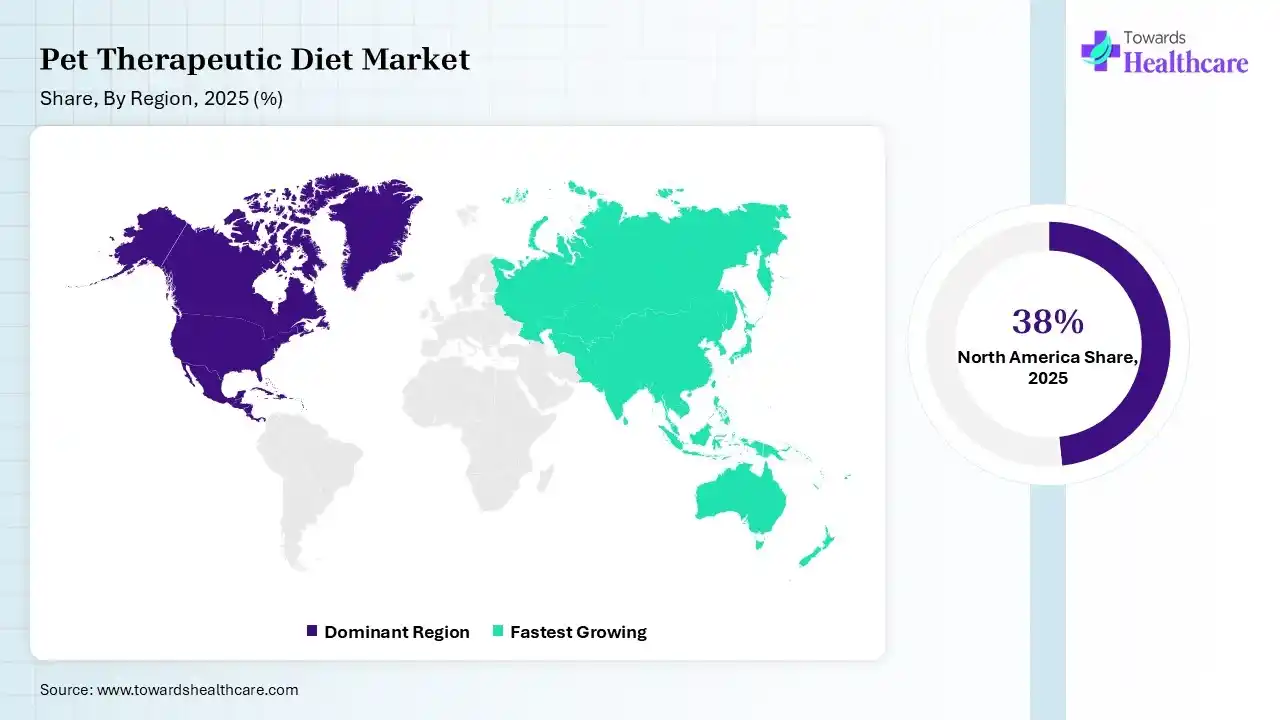
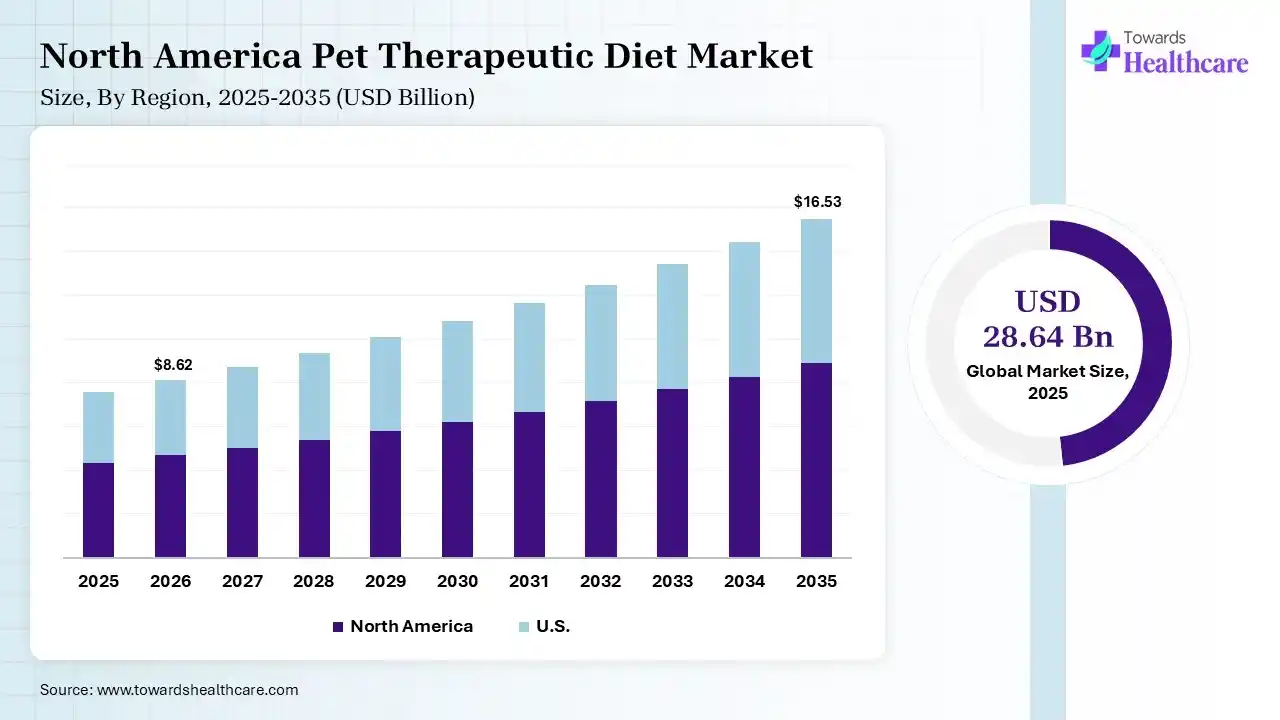
In 2025, North America dominated the pet therapeutic diet market with a share of 38% in 2025, as this region has poor nutrition, absence of exercise, and chronic stress, which have recently been recognized as cross-species challenging factors for chronic disease. Increasing pet food subscriptions with online evolution. North America possesses a developed network of veterinary hospitals and clinics, which serve as the key distribution channel for therapeutic diets, which contributes the growth of the market.
For Instance,
U.S. Market Trends
In the U.S, increasing humanisation is causing pet care to be considered high on pet owners' investment priorities, and likely to lead to budget controls. The humanisation trend is increasing sales of pet products. Major pet owners treat their pets as children, purchasing them products that help their well-being. Growing pet insurance reimbursement for prescription diets in the U.S. has made these specialized products more cost-effective.
Canada Market Trends
Canada's pet therapeutic diet market is growing with increasing pet ownership and higher spending on veterinary care. More than 60% of households own at least one pet, supporting demand for specialized nutrition. Competition includes global pet food companies and veterinary nutrition brands. Prescription diets for obesity, kidney disease, and digestive health are gaining popularity. Growth opportunities come from veterinary recommendations, premium products, online sales, and preventive pet healthcare awareness.
Asia Pacific held 22% share of the pet therapeutic diet market in 2025, and is expected to experience the fastest growth with 9.10% CAGR during the forecast period. With the increasing consumer expectations, insurers in the Asia Pacific have shifted their focus from spending to protection products. Increasing digital adoption has enhanced the accessibility of insurance products. There is an increasing willingness to pay for standard diets, specifically those addressing chronic diseases, allergies, and digestive sensitivities, which contributes to the growth of the market.
India Market Trends
In India, the move from homemade meals to profitable pet food is driven by the increasing awareness of nutritional requirements, convenience, and exposure to worldwide trends. The growing pet population, nuclear family structures, urbanization, increasing disposable incomes, and increasing awareness of animal health are catalysing the demand for packaged, treated pet foods.
China Market Trends
China is witnessing rapid growth in the pet therapeutic diet market due to rising pet ownership and increasing demand for premium pet care. The country has more than 120 million companion animals, creating strong demand for specialized nutrition. Competition includes international manufacturers and domestic premium brands. Veterinary clinics are promoting therapeutic diets for chronic conditions. Growth opportunities include expanding e-commerce platforms, urban pet adoption, and greater awareness of preventive pet healthcare.
Europe has a mature pet therapeutic diet market supported by high pet ownership and advanced veterinary services. The region has over 340 million companion animals, creating sustained demand for clinical nutrition products. Competition remains strong among established global brands and regional manufacturers. Functional diets for allergies, obesity, and digestive disorders are increasingly preferred. Growth opportunities include premium nutrition, sustainable ingredients, veterinary partnerships, and expanding online distribution across European countries.
UK Market Trends
The UK pet therapeutic diet market benefits from growing pet humanization and strong veterinary care services. The country has over 38 million pets, encouraging demand for condition-specific nutrition. Competition includes international pet food brands and specialist veterinary nutrition companies. Therapeutic diets for joint health, obesity, and digestive disorders are widely recommended. Growth opportunities include subscription services, online retail expansion, personalized nutrition, and increasing focus on preventive pet wellness programs.
Germany Market Trends
Germany is a leading market for pet therapeutic diets because of strong veterinary infrastructure and responsible pet ownership. The country has more than 34 million pets, supporting demand for specialized nutrition. Competition includes multinational pet nutrition companies and local premium manufacturers. Prescription diets for renal health, weight management, and food sensitivities remain popular. Growth opportunities include natural formulations, personalized nutrition, digital veterinary consultations, and increasing preventive healthcare awareness among pet owners.
R&D:
Manufacturing Processes:
Patient Services:
| Company | Headquarters | Latest Update |
| JustFoodForDogs | United States | In March 2026, JustFoodForDogs, an industry pioneer in fresh, human-grade pet nutrition, launched the pet food industry's first comprehensive line of fresh, science-backed recipes intended to address four of the most common canine health challenges. |
| Diamond Pet Foods | United States | US-driven Diamond Pet Foods will recently supply its mid-range brand, Diamond Naturals dry dog and cat food, to the UK's rapidly developing natural pet food category. |
| Farmina Pet Foods | United States | In July 2025, Farmina Pet Foods entered into a national distribution agreement with MWI Animal Health, a veterinary supply organization. The collaboration makes Farmina's VetLife therapeutic diet line available to veterinary practices. |
| Rayne Clinical Nutrition | United States | In April 2025, Rayne Nutrition proudly announced the relaunch of its Skin Relief Dry Dog Food, a veterinary-exclusive, complete food diet designed to support dogs with atopic dermatitis, osteoarthritis, and different dermatologic conditions. |
| Veterinary Nutrition Group | Australia | This organization focuses on microbiome science, targeted nutrition, and fresh food preparations. |
In July 2026, "Veterinarians are having more conversations than ever with pet owners about fresh feeding approaches, particularly when managing a dog's health condition," said Jennifer Cullen, General Manager, U.S. Veterinary Business Unit, Royal Canin North America. "Royal Canin Fresh Veterinary Diets give veterinary professionals new therapeutic options that combine the fresh, fully-cooked format pet owners are seeking with the nutritional precision and scientific expertise that defines Royal Canin."
Strengths
Weakness
Opportunities
Threat
By Pet Type
By Indication
By Product Type
By Distribution Channel
By Ingredient Type
By Formulation
By Region






Principal Consultant
Payal Rabde is a Healthcare Market Research Analyst at Towards Healthcare Research & Consulting with 4+ years of experience in pharmaceuticals, biotechnology, medical devices, and life sciences.
Learn more about Payal Rabde

Reviewed By
Aditi Shivarkar is a seasoned professional with over 14 years of experience in healthcare market research. As a content reviewer, Aditi ensures the quality and accuracy of all market insights and data presented by the research team.
Learn more about Aditi Shivarkar