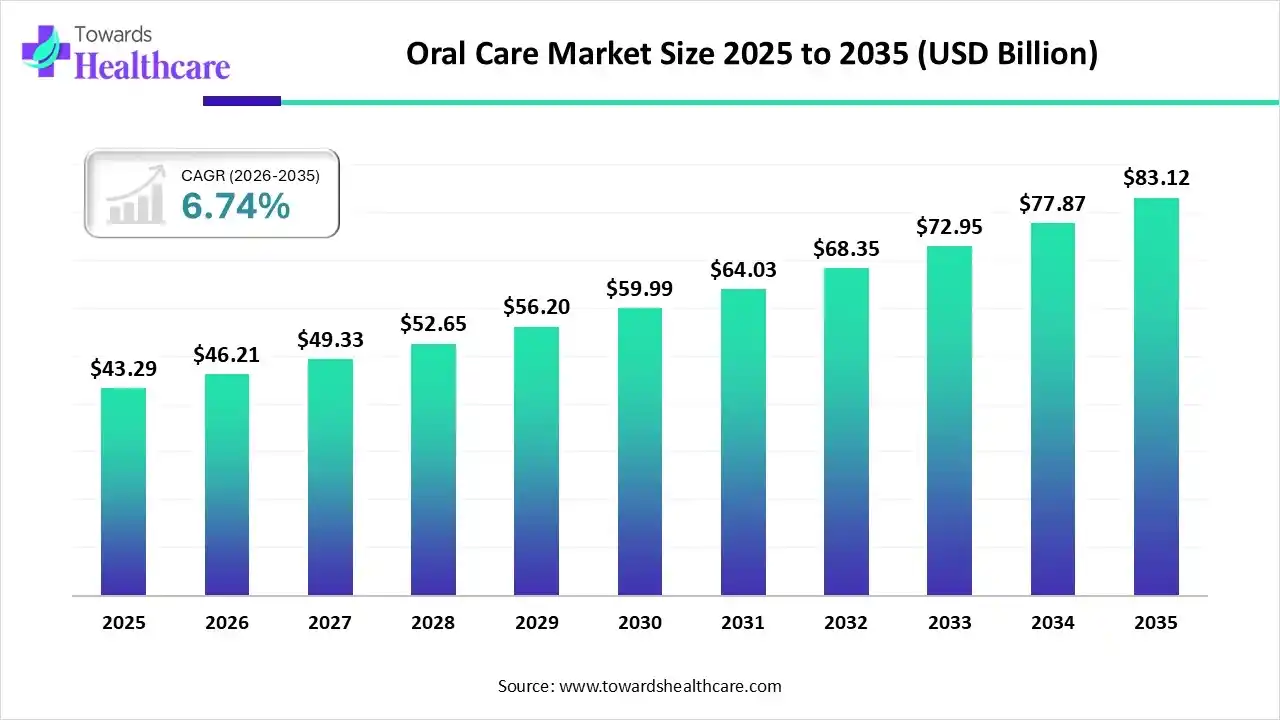
The oral care market was estimated at US$ 46.21 billion in 2026 and is projected to grow to US$ 83.12 billion by 2035, rising at a compound annual growth rate (CAGR) of 6.74% from 2026 to 2035.
Oral care refers to the practice of keeping the mouth clean and disease-free. It involves brushing and flossing the teeth and visiting the dental clinic regularly for dental X-rays, exams, and cleaning. Some common oral health problems include dental caries, gum diseases, cavities, bad breath, gingivitis, and periodontitis. Severe dental problems can lead to major chronic illness in the body. Hence, maintaining oral care is as important as treating any chronic disease. Numerous oral care products in the market enable the maintenance of oral health, resulting in healthier teeth and gums, and reduced need for dental works like fillings, crowns, bridges, implants, or dentures.
The increasing incidences of dental problems have increased awareness of oral care among individuals. According to the WHO, oral diseases are one of the most common non-communicable diseases worldwide, affecting an estimated 3.5 billion people annually. Although people from all age groups require oral care, children and the geriatric population are more vulnerable to dental problems. Additionally, increasing investments in oral hygiene boost the market.
Oral Care Market Opportunities
Latest Innovations: Future of Oral Care Market
The increasing awareness about oral health led to the development of the latest innovations to improve treatments by dental professionals. By implementing artificial intelligence, 3D printing, and augmented reality, dentists can improve the precision of treatments and enhance patient experience. Also, AI can analyze various factors such as saliva composition and bacterial content to detect early signs of dental issues. AI can also analyze images from several imaging techniques like X-rays, enabling accuracy and efficiency.
Internet of Things (IoT)-based devices like smart toothbrushes can monitor brushing patterns and provide real-time feedback. Researchers are also investigating certain techniques to stimulate the regeneration of enamel and dentin, revolutionizing the traditional treatment of cavities and tooth decay. Additionally, the increasing demand for environmental sustainability has resulted in the preparation of biodegradable toothbrushes and toothpaste tablets with minimal packaging.
High-Cost Hinder Oral Care Market
The major challenge of the oral care market is the high cost of dental care treatment. Routine cleanings are often covered by dental insurance. Advanced oral care treatments like deep cleaning and root canals are more expensive, hampering patient adherence. Hence, many patients especially in low- and middle-income countries refrain from proper dental treatment. Additionally, many people become anxious or have a fear of dental procedures, leading to patient non-adherence.
| Key Elements | Scope |
| Market Size in 2026 | USD 46.21 Billion |
| Projected Market Size in 2035 | USD 83.12 Billion |
| CAGR (2026 - 2035) | 6.74% |
| Leading Region | Asia-Pacific |
| Key Applications | Daily oral hygiene, cavity prevention, gum disease management, teeth whitening, denture care, breath freshening, preventive dental care |
| Primary End Users | Consumers, Dental Clinics, Hospitals, Pharmacies, Retail Chains, E-commerce Platforms, Institutional Healthcare Providers |
| Key Challenges | High treatment costs, pricing competition, counterfeit products, regulatory compliance, private-label competition, low adoption in developing regions |
| Market Segmentation | By Product, By Distribution Channel, By Region |
| Top Key Players | Church & Dwight, Colgate-Palmolive Company, Dr. Fresh, Inc., GlaxoSmithKline plc, Henkel AG & Co., ICPA Health, Johnson & Johnson, Koninklijke Philips N.V., Lion Corporation, Perfora, Procter & Gamble Company, Sensodyne, Unilever |
| Segments | Shares % |
| Toothbrush | 40% |
| Toothpaste | 30% |
| Mouthwash/Rinse | 10% |
| Denture Products | 10% |
| Dental Accessories | 10% |
Explanation
Why Did the Toothbrush Segment Dominate in the Third-Party Medical Institutions Market?
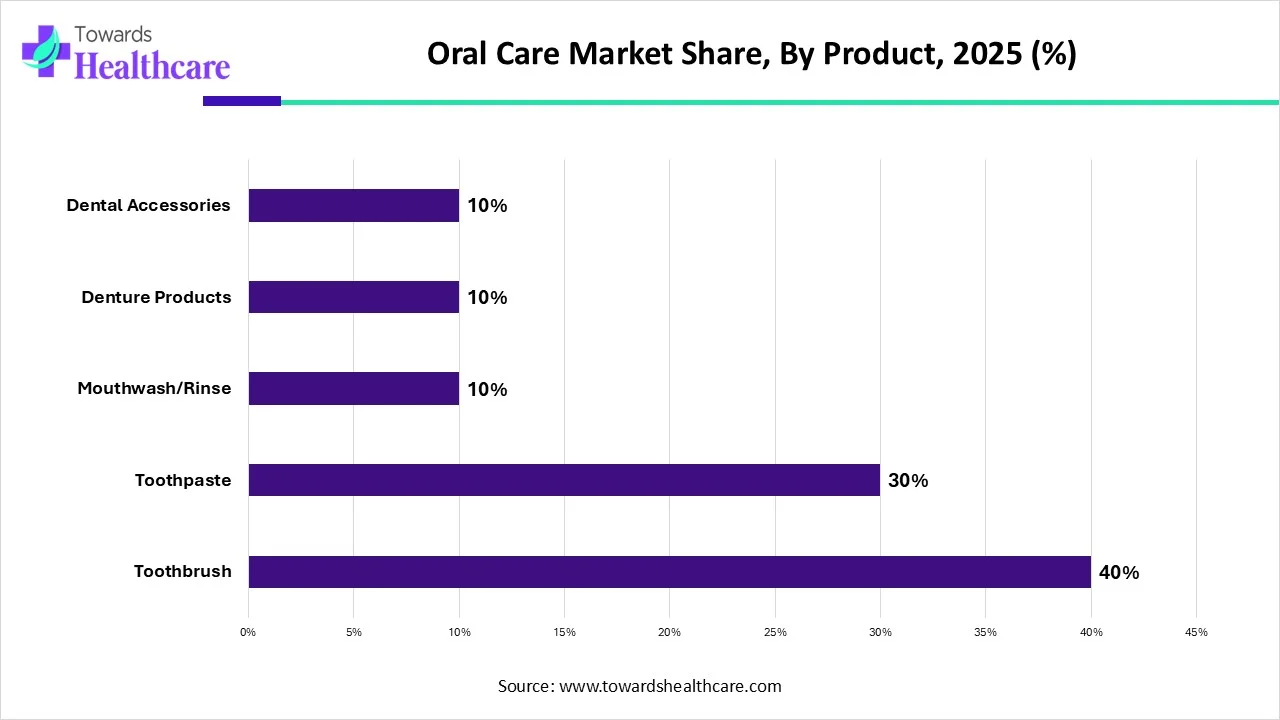
By product, the toothbrush segment held a dominant presence in the oral care market by 40% and is projected to expand rapidly in the market during the forecast period. A toothbrush is a predominant requirement of all individuals globally. Due to the presence of soft bristles, it reaches every tooth in the mouth providing complete cleaning and preventing gum disease. It is the most easily available and cheaper alternative among all oral care products. The advent of the latest technologies like sensors in toothbrushes and electric toothbrushes further potentiate the segment growth.
| Segment | Share 2025 (%) |
| Hypermarkets/Supermarkets | 45% |
| Pharmacies & Drug Stores | 25% |
| Convenience Stores | 10% |
| Online Retail Stores | 15% |
| Others | 5% |
Explanation
How Supermarkets/Hypermarkets Segment Dominated the Third-Party Medical Institutions Market?
By distribution channel, the supermarkets/hypermarkets segment held the largest share of the oral care market by 45%. Supermarkets/hypermarkets possess a wide range of oral care products at different prices and of different brands, allowing customers to choose any suitable product. Some supermarkets provide 24/7 facilities, hence they are easily accessible and the products can be purchased anytime.
By distribution channel, the online retail segment is expected to grow fastest in the market over the coming years. Online retail offers special discounts and consumers can purchase products in the comfort of their homes. Facilities like same-day delivery and special discounts promote the segment growth.
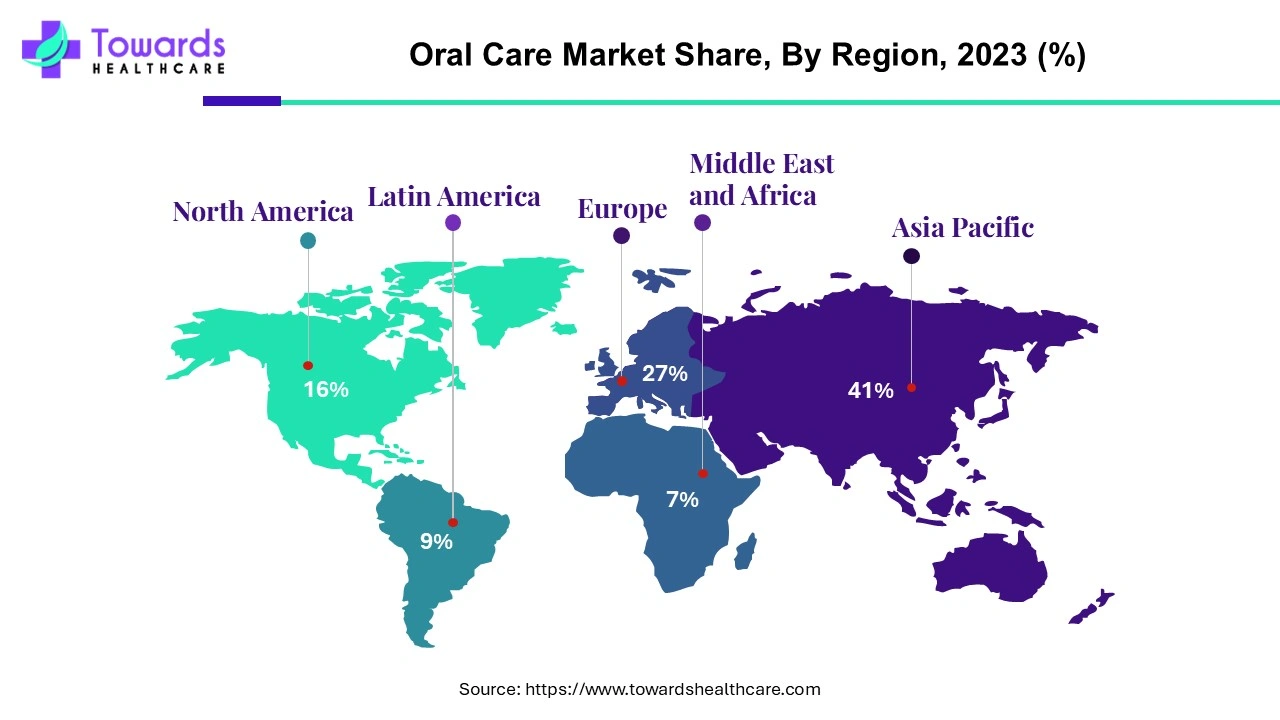
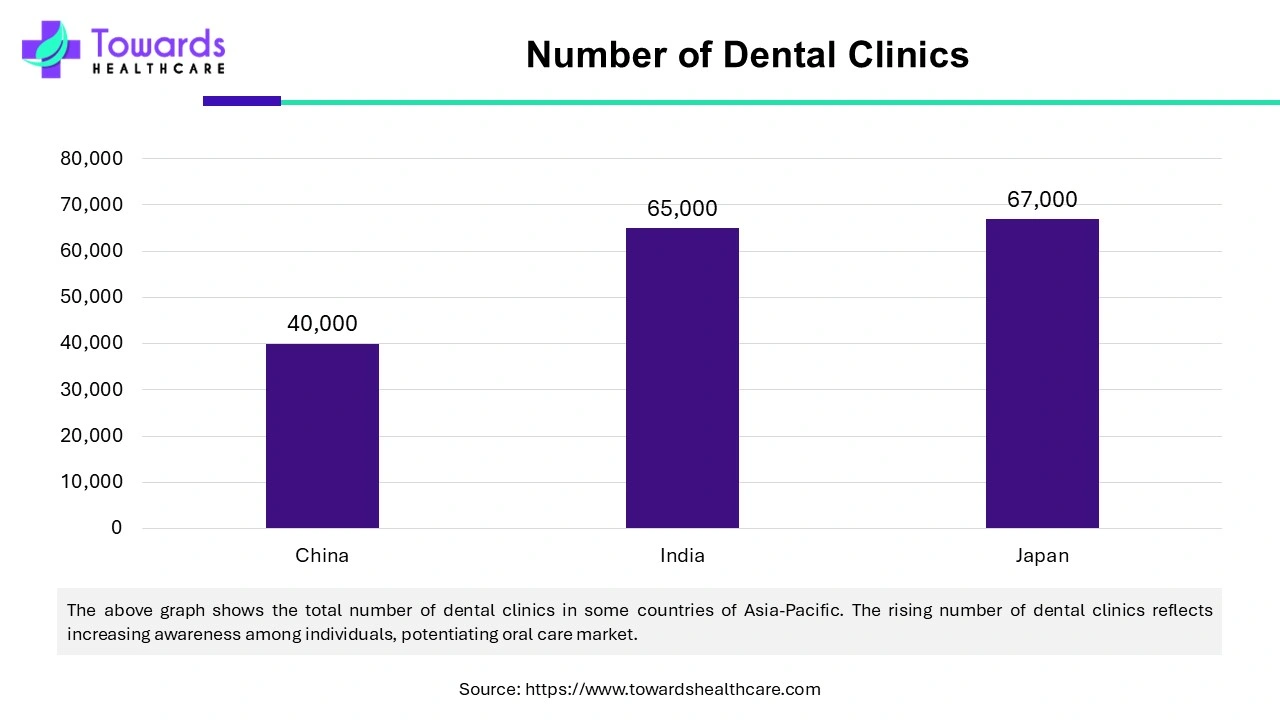
Asia-Pacific dominated the oral care market share by 44% in 2025. The rising incidences of dental diseases, favorable government policies, and the latest innovations drive the market. It has been reported that around 8 out of 10 children and 9 out of 10 adults in India suffer from a major oral hygiene and health issue or disease. Oral health problems are common among Chinese adults accounting for 84.4% of individuals with dentition defects and 1.8% are edentulous.
Japan Market Trends
The Japan oral care market size was estimated at US$ 3.98 billion in 2025, projected to increase to US$ 4.22 billion in 2026 and reach US$ 7.07 billion by 2035, showing a healthy CAGR of 5.92% across the forecast years.
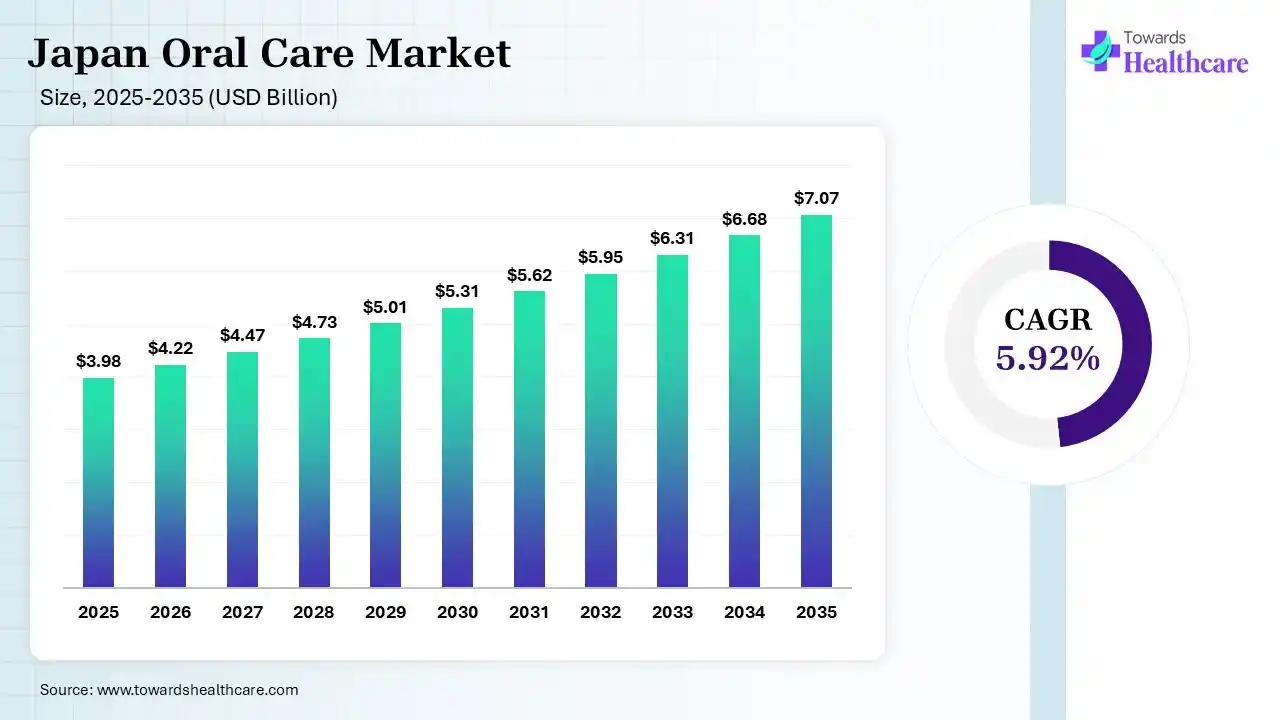
In Japan, periodontal disease is the major dental problem surpassing dental caries, affecting 40.4% of men and 34.9% of women. The market is also driven by favorable reimbursement policies and government investments. According to the WHO, 95% of Chinese dental patients received coverage from the largest government health financing scheme. Additionally, frequent oral health camps in the region increase awareness and facilitate early detection of oral diseases.
North America is anticipated to grow fastest in the oral care market by 25% share in 2025 during the forecast period. The increasing awareness of oral care and hygiene, technological advancements, favorable government policies, increasing investments, and the presence of key players drive the market. In September 2024, the Canadian Government launched an ad campaign in support of the Canadian Dental Care Plan (CDCP). It has already covered 650,000 people out of 2.4 million Canadians accounting for more than $442 million in dental expenses covered.
U.S. Market Trends
The Early and Periodic Screening, Diagnostic, and Treatment (EPSDT) program by the US government offers a comprehensive pathway to oral health treatment for low-income children and youth. In US, tooth decay is the most prevalent oral disease affecting 90% of adults aged 20 to 64 years, followed by gum disease, affecting 50% of adults aged 45 to 64 years.
Europe is expected to grow significantly in the oral care market with 20% share in 2025 during the forecast period. Due to the rising awareness about oral hygiene, the use of oral care products is increasing in Europe. Furthermore, the development as well as the increasing use of various dental accessories is also contributing to the same. Thus, all these factors increase the market growth.
The increasing awareness about the importance of oral hygiene within the population is increasing the demand for the use of various oral care products. At the same time, the increasing dental or oral disorders are also enhancing the use of various oral care products.
Germany Market Trends
The industries in Germany are developing natural dental products to meet the rising demand of the population due to growing awareness. Furthermore, they are also focusing on the development of new dental accessories. This, in turn, increases the collaboration between the companies that are supported by the government investments.
South America is expected to grow significantly in the oral care market during the forecast period, due to growing oral health awareness. At the same time, the growth in disposable income and dental problems is also increasing the adoption of effective diagnostic and treatment options, enhancing the market growth.
Brazil Market Trends
The growing dental clinics in Brazil is increasing the demand for oral care products, where the growing oral health awareness is also increasing their use. At the same time, the growing focus on preventive care and aesthetic treatment is also increasing the use of various oral care products.
The Middle East oral care market size was reported at US$ 2.21 billion in 2025 and is expected to rise to US$ 2.37 billion in 2026 to reach US$ 4.42 billion by 2035. According to forecasts, it will grow at a CAGR of 7.18% .
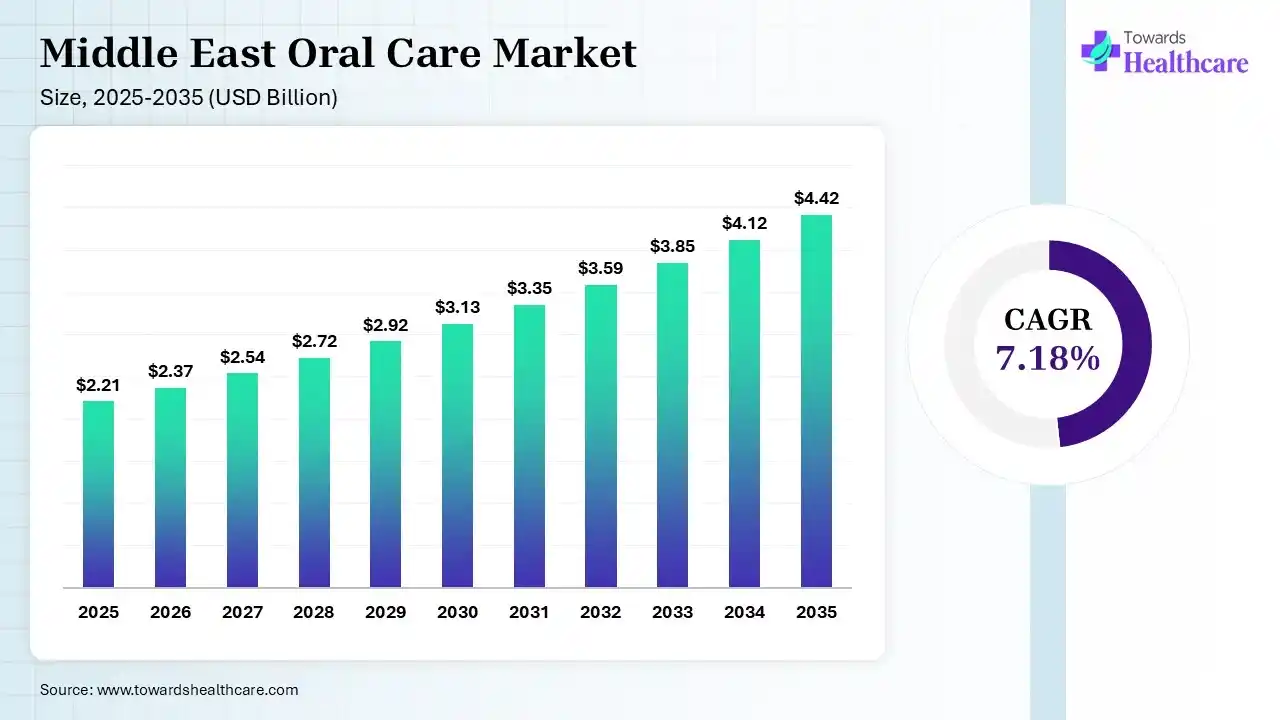
MEA is expected to grow significantly in the oral care market with share of 3% in 2025 during the forecast period, due to growing government health campaigns, which are increasing oral health awareness and driving the demand for effective treatment solutions. The growing dental problems and rapid urbanization are increasing the use of various oral health products, promoting the market growth.
Saudi Arabia Market Trends
The growing oral health awareness in Saudi Arabia is driving the oral care products. At the same time, the rapid urbanization and disposable income are also increasing the innovation of the dental products, where the growing interest in cosmetical oral care is also increasing their use.
| Ecosystem Segment | Key Participants | Role in Market |
| Technology Providers | Philips, Oral-B (Procter & Gamble), Colgate-Palmolive | Smart toothbrushes, connected oral care devices, AI-assisted oral monitoring |
| Product Manufacturers | Colgate-Palmolive, Procter & Gamble, Unilever, Lion Corporation, Church & Dwight, Haleon | Manufacture toothpaste, toothbrushes, mouthwash, whitening products, denture care |
| Service Providers | Aspen Dental, Heartland Dental, Smile Brands | Deliver preventive and restorative dental services driving product demand |
| Platform Providers | Amazon, Walmart, CVS Health, Walgreens Boots Alliance | Omnichannel distribution of oral care products |
| CROs/CDMOs | Eurofins Scientific, SGS, Intertek | Product testing, microbiological analysis, regulatory validation |
| Software Vendors | Overjet, Pearl AI, VideaHealth | AI-powered dental diagnostics and imaging software |
| Research Institutions | American Dental Association (ADA), National Institute of Dental and Craniofacial Research (NIDCR), Forsyth Institute | Clinical research, oral disease studies, product validation |
| End-User Industries | Consumer Healthcare, Dental Clinics, Hospitals, Retail, E-commerce, Public Health Programs | Primary users and distribution channels for oral care products |
R&D
Clinical Trials and Regulatory Approvals
Patient Support and Services
Prabha Narasimhan, MD & CEO, Colgate-Palmolive India, commented that fostering healthy oral care habits among Indians is a privilege and responsibility of the company. He emphasized the significance of nighttime brushing, especially in the festive season to safeguard people’s smiles and ensure a festive season free from dental problems, thereby leading to dental health standards of the nation.
| Tier 1 | Tier 2 | Tier 3 | |
| Typical Market Influence | 72% | 20% | 8% |
| Tier 1 | ||||
| Company Name | Headquarters | Country | Why Relevant to This Market | Key Products/Services |
| Colgate-Palmolive Company | New York, New York | USA | Global oral care leader with extensive brand portfolio and worldwide distribution | Colgate toothpaste, Colgate toothbrushes, mouthwash, whitening products |
| Procter & Gamble | Cincinnati, Ohio | USA | Strong global presence through Oral-B and Crest brands | Oral-B toothbrushes, Crest toothpaste, electric toothbrushes |
| Haleon plc | Weybridge, Surrey | United Kingdom | Major oral healthcare specialist with premium therapeutic brands | Sensodyne, Parodontax, Polident, Corsodyl |
| Tier 2 | ||||
| Company Name | Headquarters | Country | Why Relevant to This Market | Key Products/Services |
| Church & Dwight Co., Inc. | Ewing, New Jersey | USA | Strong specialty oral care portfolio | Arm & Hammer toothpaste, Spinbrush |
| Koninklijke Philips N.V. | Amsterdam | Netherlands | Global leader in premium electric oral care devices | Sonicare electric toothbrushes, AirFloss |
| Sunstar Group | Etoy, Vaud | Switzerland | Professional and consumer oral healthcare specialist | GUM oral care products, interdental care |
| Tier 3 | ||||
| Company Name | Headquarters | Country | Why Relevant to This Market | Key Products/Services |
| Perfora | Gurugram, Haryana | India | Fast-growing direct-to-consumer oral wellness brand | Electric toothbrushes, toothpaste, mouthwash |
| Boka | New York, New York | USA | Premium oral microbiome-focused brand | Nano-hydroxyapatite toothpaste, toothbrushes |
| BURST Oral Care | Santa Monica, California | USA | Subscription-based oral care innovator | Sonic toothbrushes, whitening products |
By Product
By Distribution Channel
By Region








Principal Consultant
Payal Rabde is a Healthcare Market Research Analyst at Towards Healthcare Research & Consulting with 4+ years of experience in pharmaceuticals, biotechnology, medical devices, and life sciences.
Learn more about Payal Rabde

Reviewed By
Aditi Shivarkar is a seasoned professional with over 14 years of experience in healthcare market research. As a content reviewer, Aditi ensures the quality and accuracy of all market insights and data presented by the research team.
Learn more about Aditi Shivarkar