

Pipeline Programs

CGT Companies Tracked

Manufacturing Facilities


The global 3D cell culture market was estimated at US$ 2.61 billion in 2025 and is projected to grow to US$ 7.83 billion by 2035, rising at a compound annual growth rate (CAGR) of 11.6% from 2026 to 2035.

In a three-dimensional (3D) culturing environment, cells can proliferate and engage with the extracellular framework around them. Due to its obvious benefits in delivering more physiologically relevant information and more predictive data for in vivo studies, three-dimensional (3D) cell culture techniques have attracted growing attention in the fields of tissue engineering and drug development. In order to circumvent extensive and expensive animal testing, cell-based assays have become a crucial component of the drug development process, offering a quick, easy, and affordable alternative.
3D cell culture is a laboratory method that enables cells to grow in a three-dimensional environment, allowing them to better reproduce the structure, behavior, and interaction of cells within living tissues compared with traditional 2D cultures. The market is expanding due to increasing demand for more accurate models in drug discovery, toxicity testing, disease modelling, and personalized medicine. Emerging trends include greater adoption of organoids, spheroids, scaffold-free culture, and organ-on-chip technologies.
Technological advancements in biomaterials, microfluidics, 3D bioprinting, automated imaging, and high-throughput platforms are enhancing model accuracy and efficiency. Key growth drivers include rising pharmaceutical research, growing cancer studies, increasing demand for human-relevant testing, and efforts to minimize animal experimentation. Future opportunities are expected in regenerative medicine, patient-specific models, cell and gene therapy research, and AI-supported analysis, creating new possibilities for advanced biomedical applications.
The 3D cell culture market is influenced by internal factors such as technological expertise, product innovation, research capabilities, manufacturing scalability, quality control, and the ability to develop consistent and reliable cell models. External factors include growing pharmaceutical and biotechnology research, rising demand for advanced drug testing, increasing adoption of personalized medicine, greater focus on reducing animal experimentation, research funding, regulatory developments, and collaborations between academic institutions and industry. At the same time, high development costs, technical complexity, limited standardization, specialized expertise requirements, and challenges in achieving reproducible results can hinder market expansion.
Driver
New Drug Discovery Research
The major growth factor for the 3D cell culture market is the increasing new drug discovery research. The rising prevalence of chronic disorders and the increasing geriatric population potentiate the need for new drug discovery. Major players invest heavily in new drug discovery research. AstraZeneca announced an investment of $50 billion in the U.S. by 2030, building on America’s global leadership in medicines manufacturing and R&D. This potentiates the demand for 3D cell culture for drug testing.
Restraint
Time-Consuming
Many 3D cell culture techniques are hectic and time-consuming. This requires a lot of time for researchers, deterring them from focusing on other research activities. In addition, the huge size of 3D cell cultures makes it difficult for certain types of measurements and microscopic analysis.
Opportunity
What is the Future of the 3D Cell Culture Market?
The market future is promising, driven by advancements in organ-on-a-chip (OOC) systems. 3D cell culture is transforming the OOC technique, providing physiologically relevant models for studying human health and diseases. These technologies enable researchers to mimic physiological function, allowing researchers to conduct drug testing. OOC system is a microfluidic platform that integrates 3D model techniques, such as organoids, spheroids, and scaffold-based models. It allows researchers to perform experiments on a small scale, as it requires fewer quantities of reagents, generating less waste.
Because AI technology is developing so quickly, there are currently products available on the market that fully automate cell culture studies. In addition to creating 2D and 3D cellular models, AI-powered software with integrated protocols may also automate the feeding and passaging of cells during their whole trip. Automated methods for effective organoid manufacture, image processing, and application readouts may be efficiently monitored and instructed by machine-learning algorithms. Artificial Intelligence minimizes human error and unpredictability while cutting down on hands-on time in the lab.
For instance,
| Key Elements | Scope |
| Market Size in 2026 | USD 2.91 Billion |
| Projected Market Size in 2035 | USD 7.83 Billion |
| CAGR (2026 - 2035) | 11.6% |
| Leading Region | North America by 42.01% |
| Key Applications | Drug Discovery, Cancer Research, Stem Cell Research, Tissue Engineering, Regenerative Medicine, Toxicology Testing, Organoid Development, Personalized Medicine |
| Primary End Users | Pharmaceutical Companies, Biotechnology Companies, CROs, Academic Research Institutes, Hospitals, Cell Therapy Developers |
| Key Challenges | High cost, protocol standardization, scalability issues, imaging complexity, reproducibility challenges, technical expertise requirements |
| Market Segmentation | By Technology, By Application, By End Use, By Region |
| Top Key Players | Thermo Fisher Scientific, Inc., Lena Biosciences, PromoCell GmbH, Merck KGaA, Corning Incorporated, REPROCELL Inc., Tecan Trading AG, Avantor, Inc., Lonza, HiMedia, CN Bio Innovations Ltd |
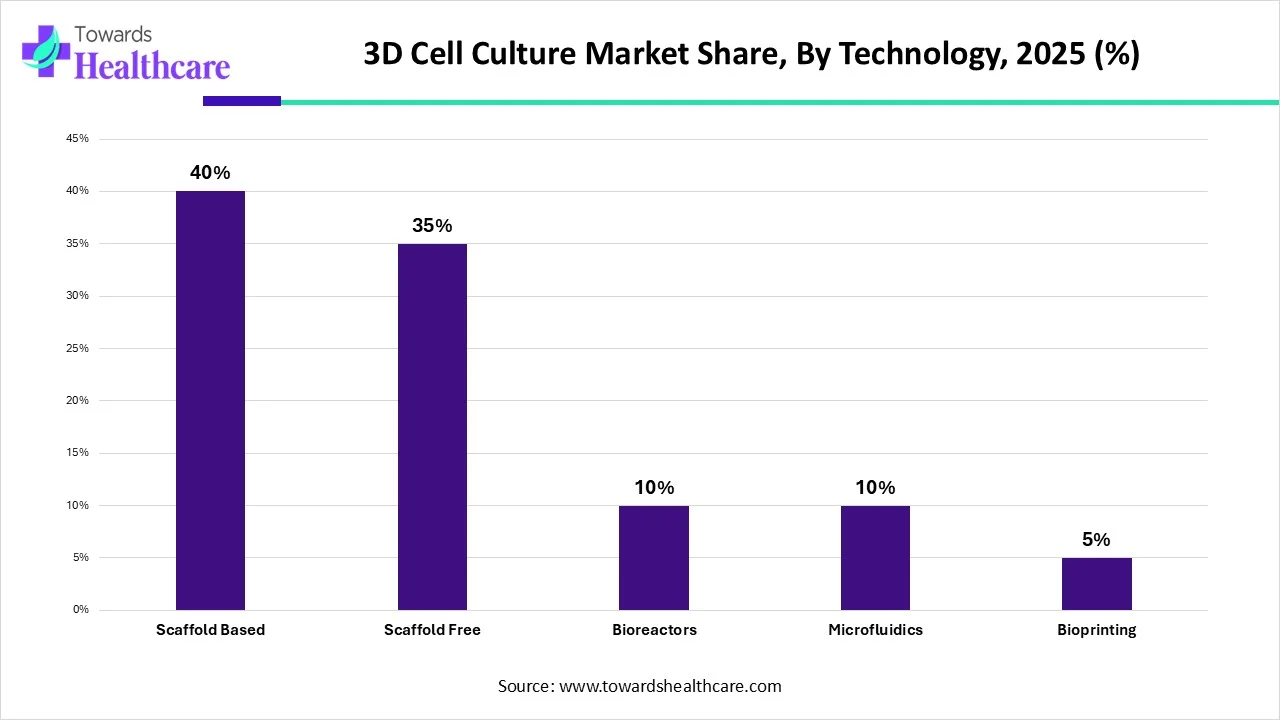
Why Did the Scaffold-based Segment Dominate the 3D Cell Culture Market?
By technology, the scaffold-based segment held the largest share of the market by 40%. The well-known method of 3D cell culture involves growing cells on structural scaffolds, which are usually made of biopolymers organized in a way that mimics the extracellular matrix (ECM) in animals. Typically, these scaffolds are made to be inserts that fit easily into standard cell culture procedures.
For instance,
Fastest Growing During 2024-2033: The Scaffold-free Segment
By technology, the scaffold-free segment is anticipated to grow at the fastest rate in the 3D cell culture market during the forecast period. Non-adherent cell aggregates known as spheroids are created by the cells self-assembling thanks to scaffold-free approaches. Improved in-vitro cellular models for high-throughput screening are spheroids produced using non-scaffold-based methods, which are more uniform in size and form. One may create spheroids using a variety of platforms, ranging from specific plates to more integrated systems.
Which Application Segment Dominated the 3D Cell Culture Market?
By application, the stem cell research & tissue engineering segment held the largest share of the market by 25%. 3D cell culture has been a popular culture method in recent years. Tissue engineering, regenerative medicine, stem cell research, toxicity testing, medication discovery, and the creation of organoids and assemblies are among its possible uses. Stem cell research has made significant strides by employing 3D cell platforms that replicate the growth and control of cellular signaling in living things.
The Cancer Research Segment is the Fastest Growing
By application, the cancer research segment is estimated to grow at the fastest rate in the 3D cell culture market during the forecast period. Spheroid and organoid models have made it possible to understand human development, the beginning and progression of disease, and customized medicinal approaches—achievements that may not be possible with animal models. Using 3D culture is one cutting-edge method, particularly when investigating cancers and identifying potential anticancer drugs for them. Spheroids and organoids have been shown to be adaptable in vitro preclinical models and tools for reliable and transferable clinical outcomes when compared to other in vitro methods for anticancer drug screening.
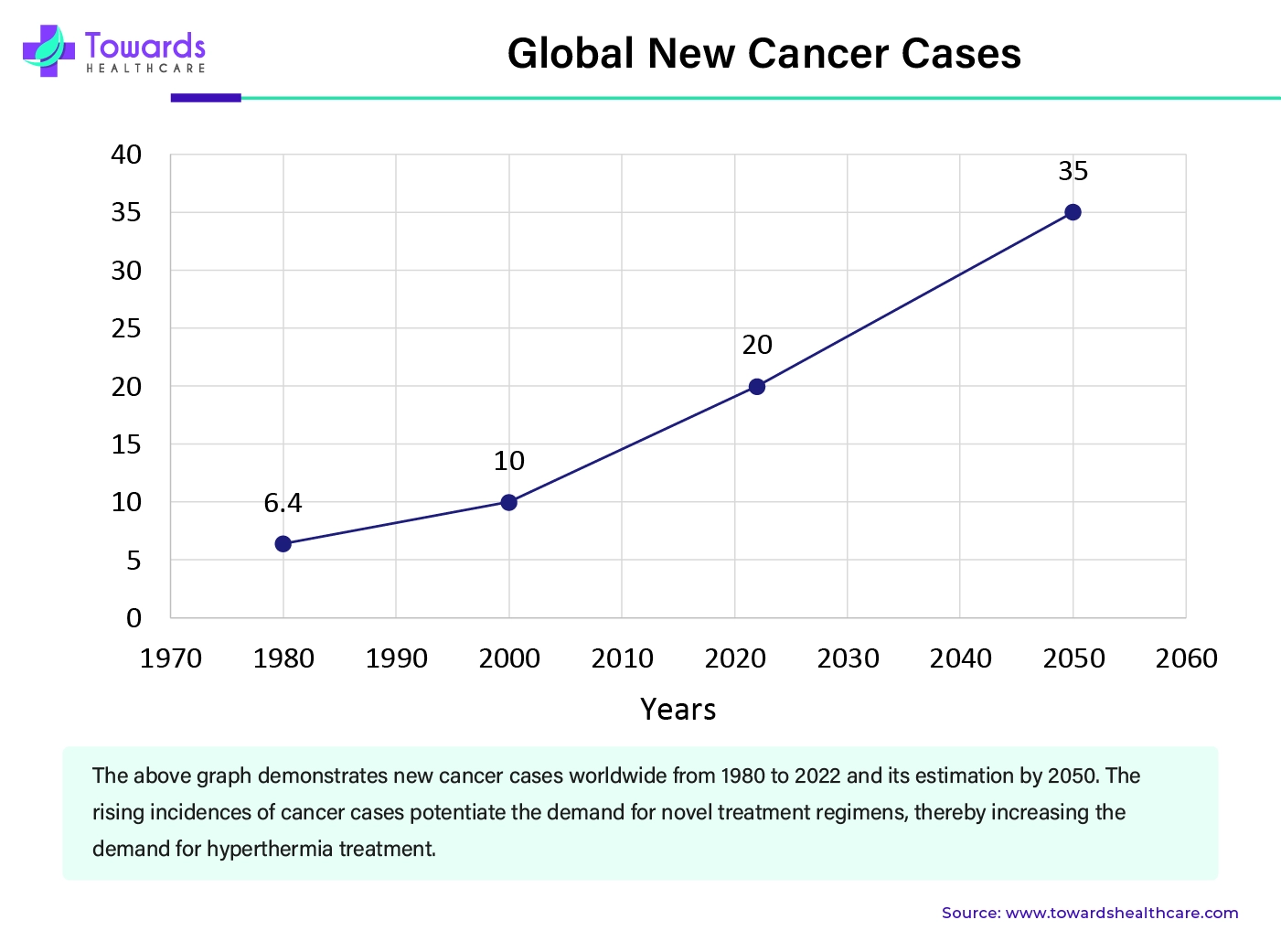
The growing incidence of cancer worldwide, its disproportionate impact on marginalized populations, and the urgent need to address cancer inequities are all highlighted by the IARC estimates. They are founded on the most reliable data sources that each country will have in 2022. 20 million additional cancer cases and 9.7 million cancer-related deaths were projected for 2022. Five years after receiving a cancer diagnosis, 53.5 million individuals were believed to be still living. Throughout their lives, 1 in 5 individuals will get cancer; 1 in 9 men and 1 in 12 women will die from the disease.
| Segments | Share 2025 (%) |
| Biopharmaceutical & Pharmaceutical Companies | 40% |
| Academic & Research Institutes | 30% |
| Hospitals | 15% |
| Others | 15% |
How the Biopharmaceutical & Pharmaceutical Companies Segment Dominated the 3D Cell Culture Market?
By end-use, the biopharmaceutical & pharmaceutical companies segment dominated the market by 40%. 3D cell culture has various applications that can be used by biopharmaceutical and pharmaceutical companies. One significant usage is drug discovery. The 3D cells can be used to study the impact of various drugs on human cells in 3D structures. 3D cells can also be used to develop personalized medicines, which is highly beneficial for these companies.
The Academic & Research Institutes Segment Is Fastest Growing
By end-use, the academic & research institutes segment is estimated to grow at the fastest rate in the 3D cell culture market during the forecast period. Academic and research institutes conduct various research using animal cells and animals. With the help of 3D cell culture, researchers can conduct experiments on 3D human cells without using animals. Researchers can conduct various research on human cells for vaccines, therapeutics, drugs, the functioning of stem cells, and so on.
|
Ecosystem Category
|
Representative Organizations | Role in the Market |
| Technology Providers | Corning, Thermo Fisher Scientific, Merck KGaA, REPROCELL, CN Bio | Develop 3D culture platforms, scaffolds, media, organoid technologies and microphysiological systems. |
| Product Manufacturers | Lonza, PromoCell, HiMedia Laboratories, Avantor, Greiner Bio-One | Manufacture media, reagents, extracellular matrices, culture plates, scaffold materials and laboratory consumables. |
| Service Providers | Charles River Laboratories, Labcorp Drug Development, Cell Microsystems | Offer assay development, customized organoid services, screening and laboratory support. |
| Platform Providers | CN Bio, Emulate, MIMETAS, InSphero | Develop organ-on-chip and advanced 3D cell culture platforms for translational research. |
| CROs/CDMOs | Charles River Laboratories, Evotec, WuXi AppTec, Crown Bioscience | Provide preclinical testing, organoid services, oncology models and drug discovery support. |
| Software Vendors | Molecular Devices, Sartorius, Revvity | Supply imaging, high-content screening and analytical software supporting 3D cultures. |
| Research Institutions | Harvard University, Johns Hopkins University, NIH, Fraunhofer Institutes | Develop novel 3D culture methods, biomaterials and translational applications. |
| End-User Industries | Pharmaceuticals, Biotechnology, Regenerative Medicine, Cell Therapy, Academic Research, Toxicology | Primary adopters for research, product development and preclinical testing. |
By region, North America dominated the 3D cell culture market share by 42.01% in 2025. It is predicted to keep its dominance throughout the projection period due to the large number of pharmaceutical and biotechnology companies that employ 3D culture technology in collaboration with research institutes and clinical laboratories for the development of regenerative medicines as well as drug discovery and development. The growing need for organ transplantation and the R&D efforts aimed at technologically enhanced solutions account for the majority of the rise in demand for 3D culture goods. Healthcare businesses have also started collaborating and sponsoring different research organizations in an effort to speed up the research process.
In the U.S., the Department of Energy (DOE) said that by 2022, biotechnology and biomanufacturing will be used to improve the lives of Americans. New awards totaling about $178 million were announced by the DOE Office of Science to fund research initiatives related to biotechnology and biomanufacturing. In order to assist biotechnology and biomanufacturing in scaling up to a point where biorefineries may be commercialized, the DOE's EERE also upped its efforts, spending a total of $120 million.
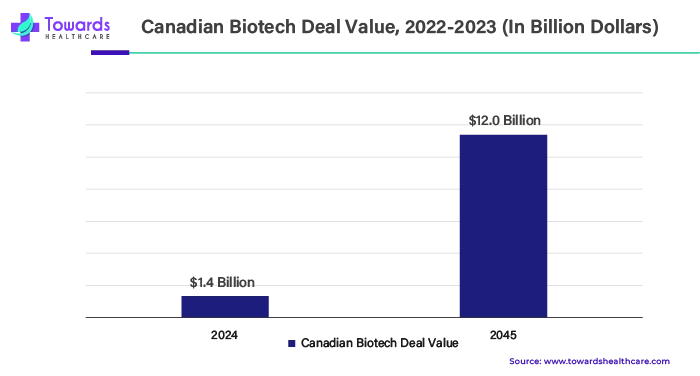
Since 2019, there has been a notable increase in the Canadian biotech industry due to both foreign and local investment in the life sciences sector. This rise is a sign of investor confidence in the value of the biotech sector. A total of $25.9 billion in investments have been made in over 175 Canadian companies. Bellus, Inversago Pharma, and Chinook Therapeutics are a few Canadian life science businesses that have recently received funding. While the total number of global acquisitions has declined, 65 investment deals totaling $12 billion were recorded in the Canadian biotech sector in 2023.
By region, Asia Pacific is expected to grow at the fastest rate during the forecast period. Asia Pacific is emerging as the 3D cell culture market with the quickest rate of growth, partly due to the region's rapidly rising burden of infectious and chronic illnesses. Opportunities exist for both existing and emerging market participants since more biotechnology businesses in this region are concentrating on cell research, and the need for cell treatments is developing quickly. The three main 3D cell culture markets in this area to keep an eye on are China, Japan, and India.
China, the nation with the largest population, is aging at a rate never seen before. In 2020, almost 1 in 5 individuals in China were over 60. By 2050, it is expected that this percentage will rise to 1 in 3, or 25% of the global population, who are elderly. 179.9 million older Chinese individuals, or 81.1% of the population, were affected by chronic illnesses nationwide.
Over 90% of persons in Japan who are 75 years of age or older have at least one chronic illness, and around 80% of them have several chronic illnesses. This information comes from a prior survey conducted in the country. The cause of death data from Japan, however, indicates a significant movement away from infectious diseases during and after World War II and toward non-communicable diseases (NCDs), which include heart and cerebrovascular illnesses as well as cancer.
Europe is considered to be a significantly growing area, due to the growing need for stem cell therapy products and the growing drug discovery research. The rising prevalence of chronic disorders also increases the need for organ transplantation. Technological advancements and the increasing demand for personalized medicines, such as tissue engineering products, augment the market. The rising adoption of advanced technologies and increasing investments also contribute to market growth. Several government organizations launch various initiatives regarding drug discovery and precision medicine, potentiating the need for the 3D cell culture technique.
Germany Market Trends
The Federal Anti-discrimination Agency of Germany reported that around 1 in every 6 people in Germany lives with a severe disability or chronic disease. The DECHEMA Society for Chemical Engineering and Biotechnology organized a conference, “3D Cell Culture 2025: Functional Precision Medicine”, to understand 3D cell culture better and expand the applications of functional precision medicines.
UK Market Trends
The UK government recently launched the “Health Data Research Service” to accelerate drug discovery and improve patient care across the UK. The government also announced an investment of £82.6 million ($102.2 million) in research funding to AI-based drug discovery companies, enabling them to expedite drug development.
Eric Perreault, CEO of Kiyatec, Inc., was appointed as the new CEO of Kiyatec, Inc., a leading biotechnology company specializing in 3D cell culture technology. He envisions driving the company toward truly revolutionizing cancer care, especially for brain cancer patients, using 3D cell culture technology, ultimately improving patient outcomes.
| Tier 1 | Tier 2 | Tier 3 | |
| Typical Market Influence | 68% | 22% | 10% |
| Tier 1 | ||||
| Company Name | Headquarters | Country | Why Relevant to This Market | Key Products/Services |
| Thermo Fisher Scientific | Waltham, Massachusetts | USA | Comprehensive global supplier of cell culture solutions with broad life science portfolio | Gibco™ media, matrices, cell culture reagents, organoid solutions |
| Corning Incorporated | Corning, New York | USA | Global leader in laboratory consumables and 3D culture vessels | Matrigel®, spheroid microplates, cell culture inserts, scaffold products |
| Merck KGaA (MilliporeSigma) | Darmstadt, Hesse | Germany | Major supplier of research reagents and advanced cell culture technologies | Cell culture media, extracellular matrices, organoid reagents |
| Tier 2 | ||||
| Company Name | Headquarters | Country | Why Relevant to This Market | Key Products/Services |
| REPROCELL Inc. | Yokohama, Kanagawa | Japan | Strong focus on stem cell, organoid and regenerative medicine technologies | Stem cell culture products, organoid platforms |
| PromoCell GmbH | Heidelberg, Baden-Württemberg | Germany | Specialized supplier of human primary cells and media | Human primary cells, specialized media, 3D culture reagents |
| Greiner Bio-One International GmbH | Kremsmünster, Upper Austria | Austria | Well-established manufacturer of advanced cell culture consumables | 3D culture plates, microplates, laboratory plastics |
| Tier 3 | ||||
| Company Name | Headquarters | Country | Why Relevant to This Market | Key Products/Services |
| CN Bio Innovations Ltd. | Cambridge, England | United Kingdom | Pioneer in organ-on-chip and human microphysiological systems | PhysioMimix® organ-on-chip platform |
| InSphero AG | Schlieren, Zurich | Switzerland | Leading specialist in 3D spheroid technology | Ready-to-use spheroids, microtissues, toxicity models |
| Emulate, Inc. | Boston, Massachusetts | USA | Commercial leader in organ-on-chip technologies | Human Organ-Chips, preclinical testing platforms |
By Technology
By Application
By End Use
By Region






Principal Consultant
Payal Rabde is a Healthcare Market Research Analyst at Towards Healthcare Research & Consulting with 4+ years of experience in pharmaceuticals, biotechnology, medical devices, and life sciences.
Learn more about Payal Rabde

Reviewed By
Aditi Shivarkar is a seasoned professional with over 14 years of experience in healthcare market research. As a content reviewer, Aditi ensures the quality and accuracy of all market insights and data presented by the research team.
Learn more about Aditi Shivarkar










