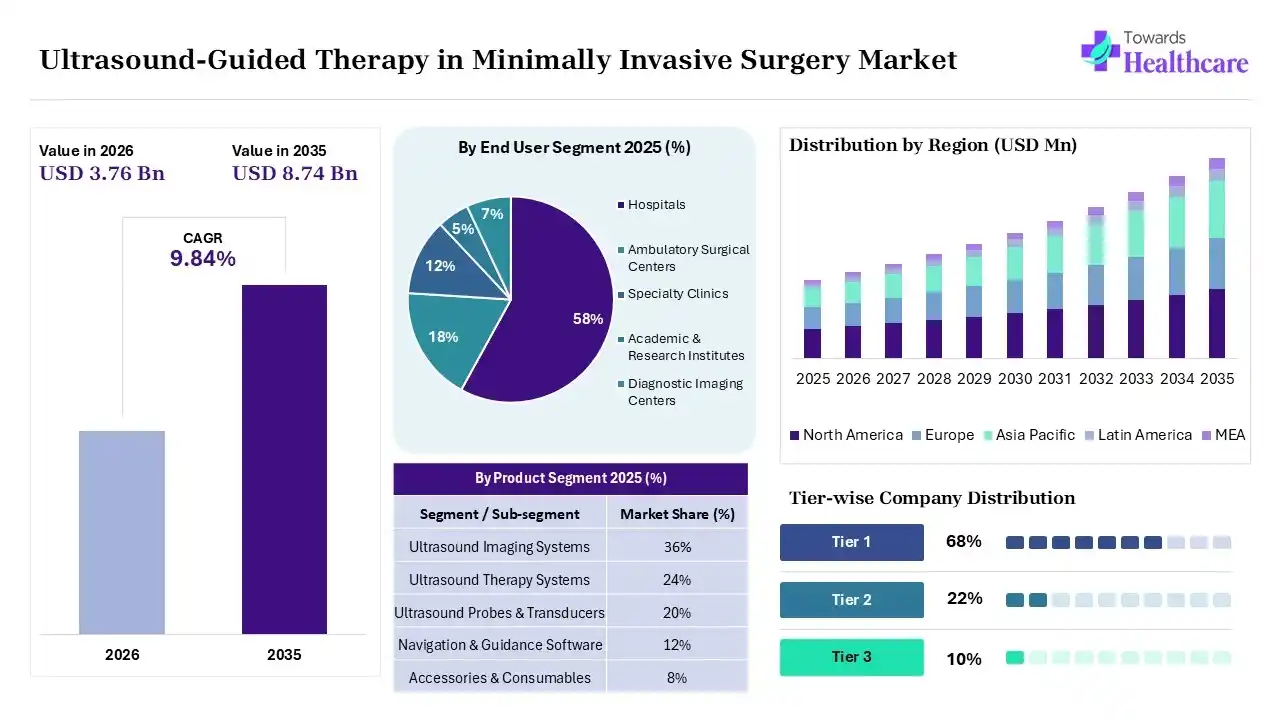
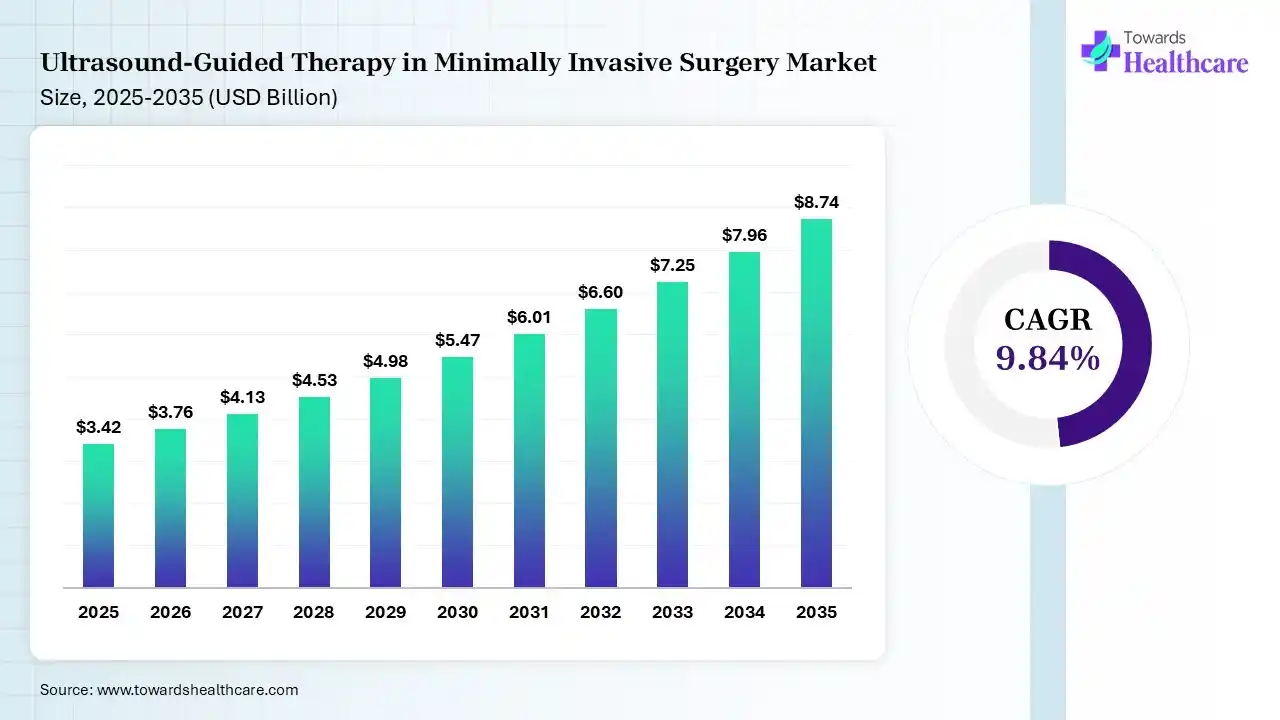
The global ultrasound-guided therapy in minimally invasive surgery market size is calculated at USD 3.42 billion in 2025, where it continues to grow in 2026 at USD 3.76 billion due to increasing cancer cases. It is expected to reach USD 8.74 billion by 2035 with a CAGR of 9.84% due to growing advancements in ultrasound systems. North America accounted for 38% of the market in 2025 due to well-established healthcare infrastructure.
Ultrasound-guided therapy in minimally invasive surgery refers to the medical procedure utilizing real-time ultrasound imaging solutions to guide surgical instruments and devices. They are performed by making small incisions, where ultrasound systems offer live images to navigate targeted areas, enhance treatment accuracy, and minimize damage to surrounding tissue.
The role of ultrasound guidance in minimally invasive interventions across healthcare settings involves real-time imaging, high procedural accuracy, faster recovery, lower tissue damage, minimal radiation exposure, and reduced risk of further complications.
1980s and 1990s marked the beginning of minimally invasive surgeries with the use of laparoscopic methods. The growth in complications and oncological restrictions led to a rise in the demand for imaging solutions, which introduced the use of diagnostic imaging systems. Furthermore, to enhance procedural accuracy and safety, advancements in ultrasound systems increased. Additionally, their growing innovations and applications are now driving their advancements.
The ultrasound-guided therapy in minimally invasive surgery market is driven by rising demand for radiation-free and high-precision real-time visualization, growing cancer cases, and a shift towards ambulatory services. Based on the information gathered by Payal Rabde, the expanding relationships between device manufacturers, software providers, hospitals, ambulatory surgical centers, distributors, regulators, and patients are increasing their accessibility, where their growing application are also increasing their demand.
Increasing preference for compact imaging systems across operating rooms and outpatient settings are driving the adoption of portable and handheld ultrasound systems.
Expanding AI applications such as improved image interpretation, navigation accuracy, workflow efficiency, and clinical decision-making are increasing its integration for image guidance.
The ultrasound integration with CT and MRI offers improved procedural accuracy, which is creating opportunities for fusion imaging technologies.
A rise in the shift towards ambulatory care is driving the demand for ultrasound-guided therapy in minimally invasive surgeries.
Increasing use of HIFU and other therapeutic ultrasound solutions are supporting the advancements of therapeutic ultrasound technologies.
The major factors accelerating market growth encompass increasing preference for minimally invasive surgery and rising cancer prevalence. Increasing healthcare infrastructure investments, growing adoption of image-guided interventions, and continuous advances in ultrasound imaging technology are also driving market expansion
The major barriers affecting the adoption of ultrasound-guided therapy in minimally invasive surgeries are high equipment acquisition costs, limited reimbursement in developing economies, skilled workforce shortages, and the learning curve for advanced navigation systems.
The future commercial opportunities for the market are AI-enabled navigation, robotic surgery integration, and portable ultrasound expansion. Advancements in Personalized surgical planning and emerging markets are also anticipated to drive market growth.
The major market challenges highlight the operational and competitive challenges faced by manufacturers and providers.
AI is reshaping imaging quality, workflow automation, procedure planning, predictive analytics, and clinical efficiency, which promotes its integration in ultrasound-guided therapy in minimally invasive surgeries.
| Table | Scope |
| Market Size in 2026 | USD 3.76 Billion |
| Projected Market Size in 2035 | USD 8.74 Billion |
| CAGR (2026 - 2035) | 9.84% |
| Leading Region | North America by 38% |
| Historical Data | 2020 - 2023 |
| Base Year | 2025 |
| Forecast Period | 2026 - 2035 |
| Measurable Values | USD Millions/Units/Volume |
| Market Segmentation | By product type, By technology type, By technology type, By procedure type, By surgery type, By application type, By end user, By region |
| Top Key Players | EDAP TMS, Chongqiug Haifu Medical Technology, Profound Medical, SonaCare Medical, Misonix |
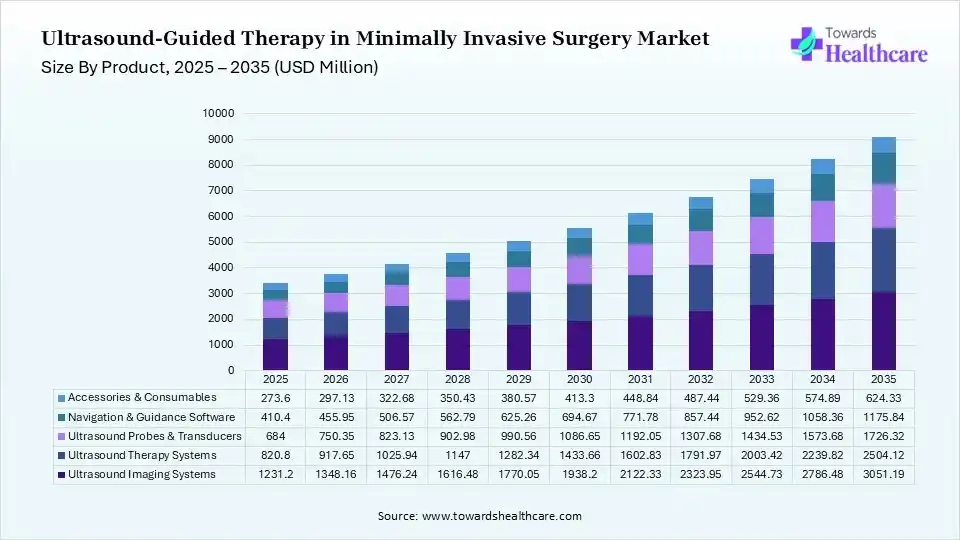
| Segment | Share 2025 (%) |
| Ultrasound Imaging Systems | 36% |
| Ultrasound Therapy Systems | 24% |
| Ultrasound Probes & Transducers | 20% |
| Navigation & Guidance Software | 12% |
| Accessories & Consumables | 8% |
The Ultrasound Imaging Systems Segment Dominated the Market With 36% in 2025
The ultrasound imaging systems segment led the ultrasound-guided therapy in minimally invasive surgery market with a 36% share in 2025, driven by the continued replacement of legacy imaging platforms with portable and AI-enabled systems across hospitals. Growth in minimally invasive procedures also increased their demand. Technological improvements also improved workflow efficiency.
The ultrasound therapy systems segment held the second-largest share of 24% of the market in 2025 and is expected to witness the fastest growth with a CAGR of 11.8% during the forecast period, due to increasing adoption of HIFU for non-invasive tumor treatment, which supports expansion. Clinical acceptance continues to rise. Based on information gathered by Payal Rabde, healthcare providers seek precision therapies, which increases their use.
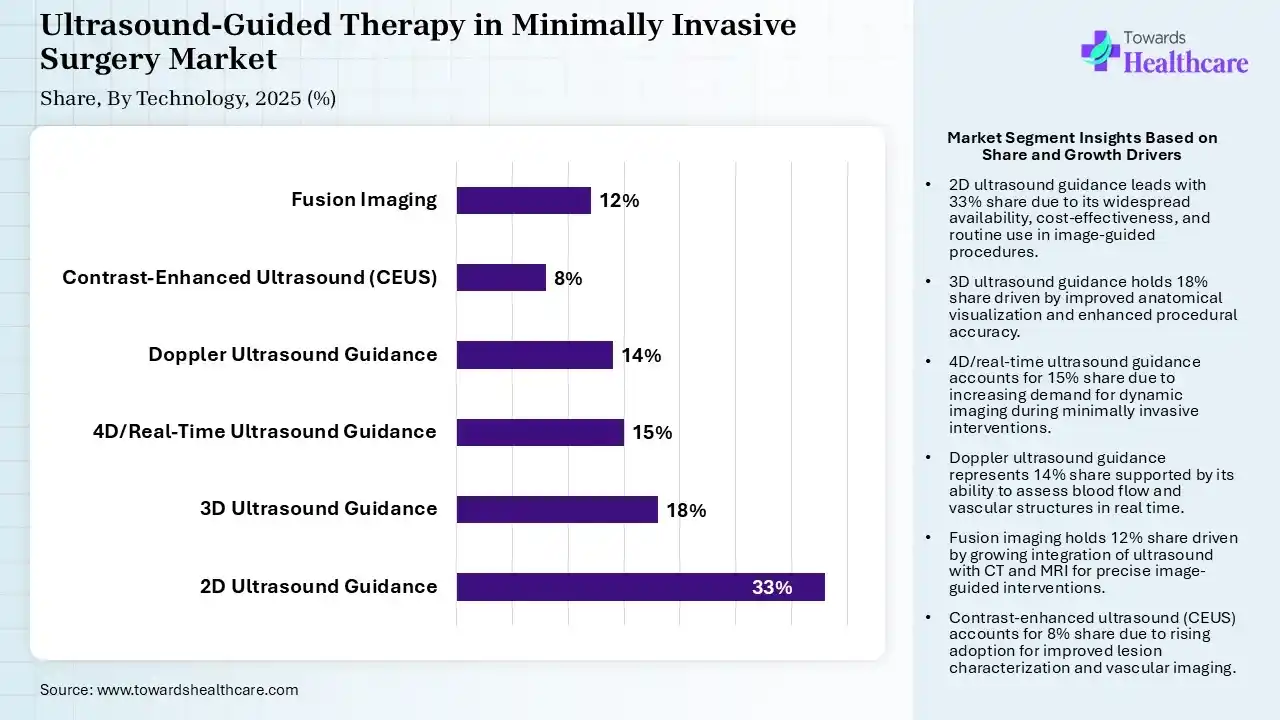
| Segment | Share 2025 (%) |
| 2D Ultrasound Guidance | 33% |
| 3D Ultrasound Guidance | 18% |
| 4D/Real-Time Ultrasound Guidance | 15% |
| Doppler Ultrasound Guidance | 14% |
| Contrast-Enhanced Ultrasound (CEUS) | 8% |
| Fusion Imaging | 12% |
The 2D Ultrasound Guidance Segment Dominated the Market With 33% in 2025
The 2D ultrasound guidance segment accounted for the highest revenue share of 33% of the ultrasound-guided therapy in minimally invasive surgery market in 2025, as cost-effective systems remained standard in most hospitals. Physicians possessed extensive experience, which increased their use. Broad procedural compatibility also sustained their adoption.
The contrast-enhanced ultrasound (CEUS) segment held the second-largest share of 8% of the market in 2025 and is expected to show the highest growth with a CAGR of 12.5% during the forecast period, due to CEUS improving lesion detection without radiation exposure. Clinical evidence continues expanding, which encourages their use. Oncology applications also accelerate their adoption.
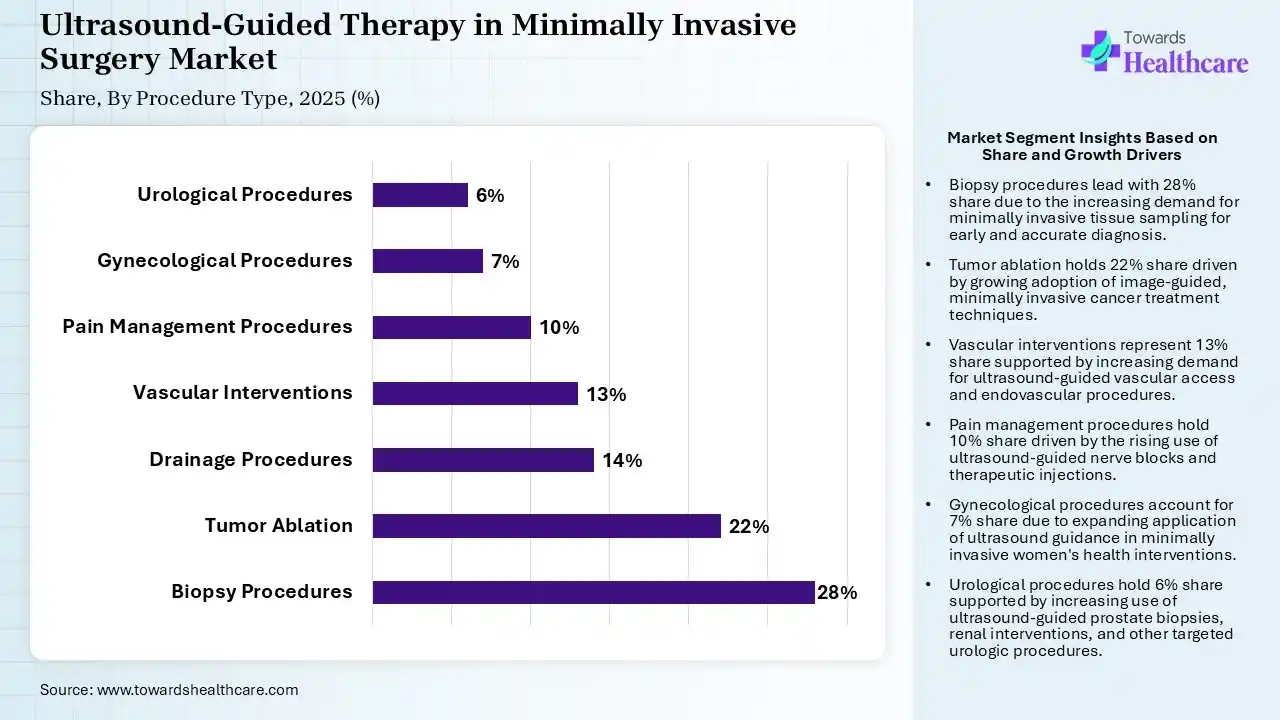
| Segment | Share 2025 (%) |
| Biopsy Procedures | 28% |
| Tumor Ablation | 22% |
| Drainage Procedures | 14% |
| Vascular Interventions | 13% |
| Pain Management Procedures | 10% |
| Gynecological Procedures | 7% |
| Urological Procedures | 6% |
The Biopsy Procedures Segment Dominated the Market With 28% in 2025
The biopsy procedures segment held a major revenue share of 28% of the ultrasound-guided therapy in minimally invasive surgery market in 2025, driven by image-guided biopsies, which remained routine across oncology care. Accurate localization also reduced complications. Rising cancer incidence also supported their demand.
The tumor ablation segment held the second-largest share of 22% of the market in 2025 and is expected to expand rapidly with a CAGR of 12.2% during the forecast period, due to growing preference for minimally invasive cancer therapy accelerating adoption. HIFU and thermal ablation also improve outcomes. Healthcare systems also favor shorter recovery times.
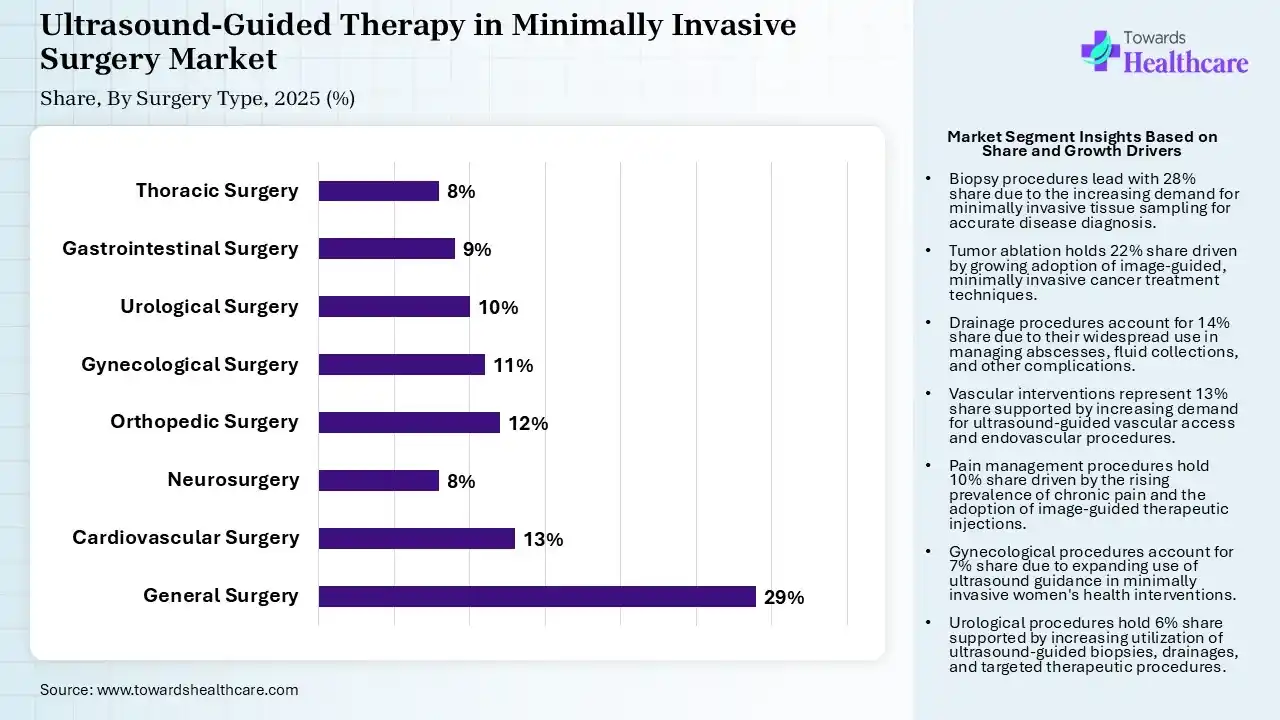
| Segment | Share 2025 (%) |
| General Surgery | 29% |
| Cardiovascular Surgery | 13% |
| Neurosurgery | 8% |
| Orthopedic Surgery | 12% |
| Gynecological Surgery | 11% |
| Urological Surgery | 10% |
| Gastrointestinal Surgery | 9% |
| Thoracic Surgery | 8% |
The General Surgery Segment Dominated the Market With 29% in 2025
The general surgery segment contributed the biggest revenue share of 29% of the ultrasound-guided therapy in minimally invasive surgery market in 2025, driven by general surgeons who increasingly performed ultrasound-guided interventions. High procedural volume also supported market leadership. Improved imaging also enhanced precision.
The urological surgery segment held the second-largest share of 10% of the market in 2025 and is expected to gain the highest share with a CAGR of 11.3% during the forecast period, due to rising prostate and kidney interventions expanding demand. Precision imaging improves procedural success. Robotic surgery integration also supports its growth.
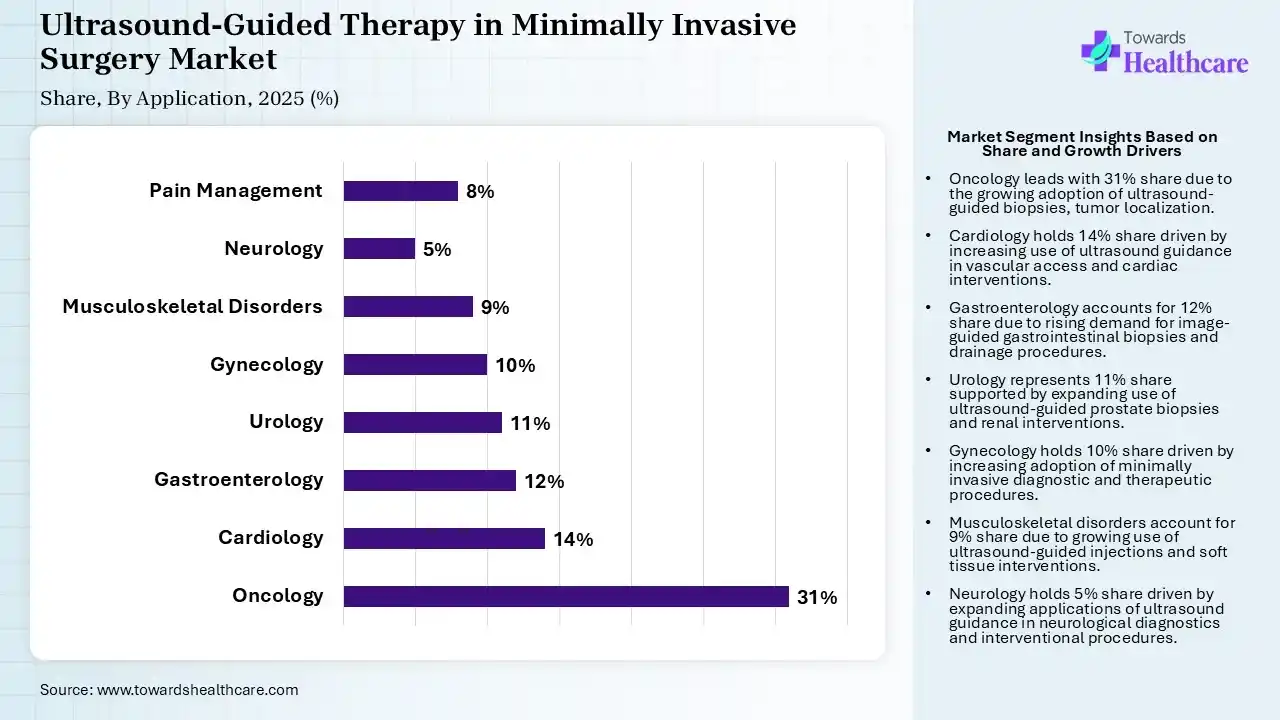
| Segment | Share 2025 (%) |
| Oncology | 31% |
| Cardiology | 14% |
| Gastroenterology | 12% |
| Urology | 11% |
| Gynecology | 10% |
| Musculoskeletal Disorders | 9% |
| Neurology | 5% |
| Pain Management | 8% |
The Oncology Segment Dominated the Market With 31% in 2025
The oncology segment contributed the biggest revenue share of 31% of the ultrasound-guided therapy in minimally invasive surgery market in 2025, driven by growth in cancer diagnosis and ablation procedures. According to the survey conducted by Payal Rabde, precision imaging also improved treatment accuracy. Expansion of oncology infrastructure also supported their growth.
The neurology segment held the second-largest share of 5% of the market in 2025 and is expected to gain the highest share with a CAGR of 11.7% during the forecast period, due to advanced neuro-navigation technologies, which support rapid growth. Brain tumor interventions increasingly use ultrasound guidance. Innovations are also accelerating clinical adoption.
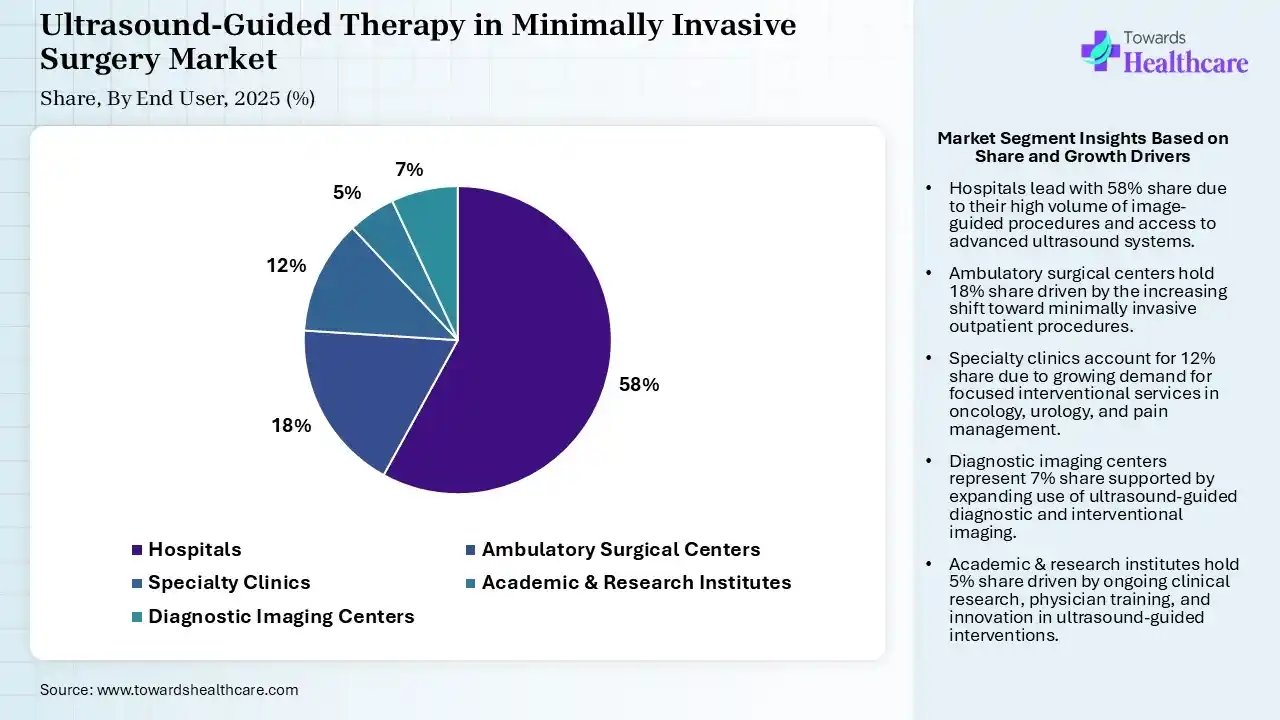
| Segment | Share 2025 (%) |
| Hospitals | 58% |
| Ambulatory Surgical Centers | 18% |
| Specialty Clinics | 12% |
| Academic & Research Institutes | 5% |
| Diagnostic Imaging Centers | 7% |
The Hospitals Segment Dominated the Market With 58% in 2025
The hospitals segment held the largest revenue share of 58% of the ultrasound-guided therapy in minimally invasive surgery market in 2025, as hospitals performed most minimally invasive surgeries. Large capital budgets also supported technology upgrades. High patient volume also helped in maintaining their leadership.
The ambulatory surgical centers segment held the second-largest share of 18% of the market in 2025 and is expected to grow with the fastest CAGR of 11.9% during the forecast period, as outpatient surgery continues expanding globally. Lower treatment costs also encourage patient preference. Compact ultrasound systems also support ASC adoption.
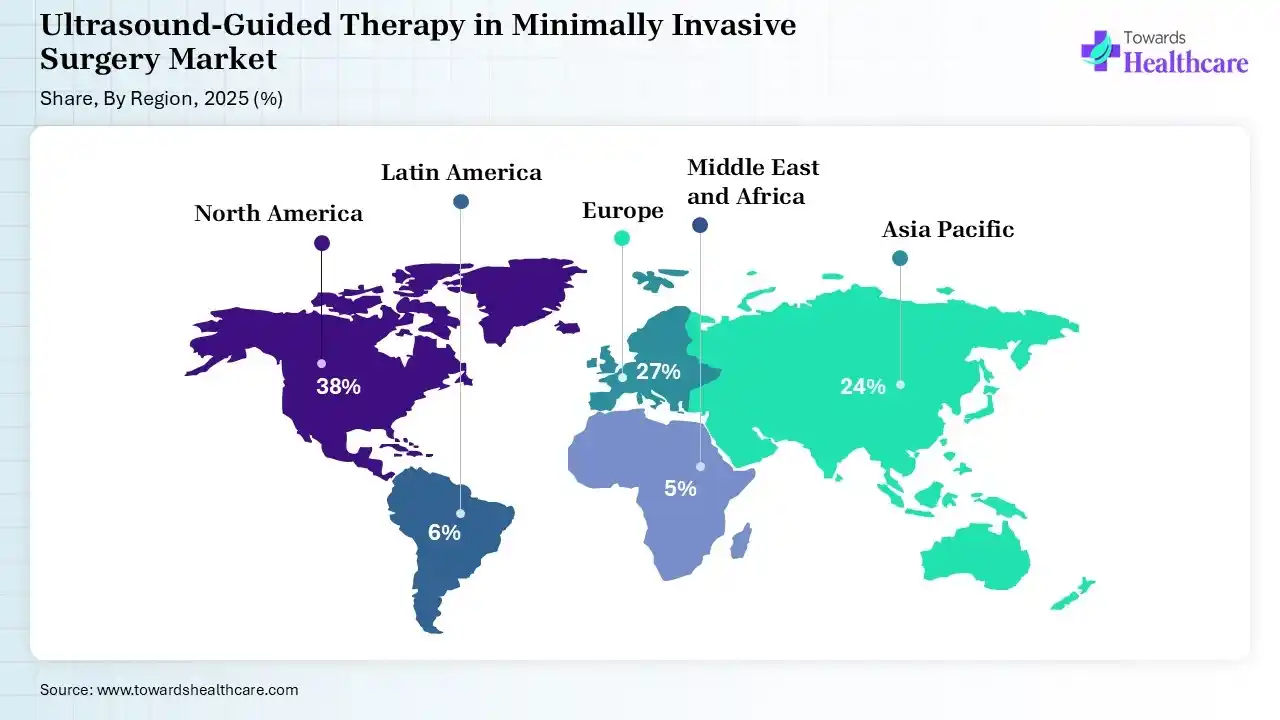
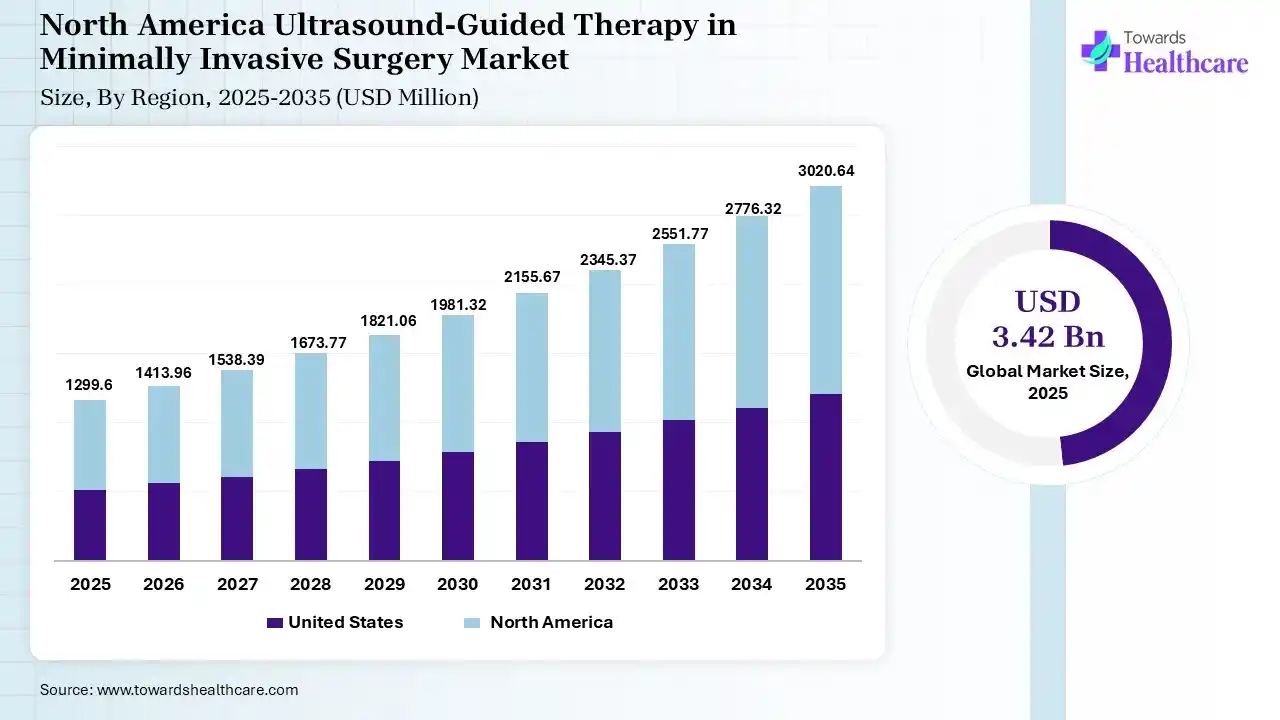
North America dominated the ultrasound-guided therapy in minimally invasive surgery market with 38% in 2025, due to the presence of an advanced healthcare infrastructure, which supported early technology adoption. Strong reimbursement also encouraged the utilization of ultrasound-guided therapy products for minimally invasive surgeries. High procedure volumes sustained their leadership, while the presence of leading medical device companies also increased their innovations and use. Growth in healthcare spending and R&D activities also contributed to the market growth.
US Market Growth
U.S. held a 30% share of the ultrasound-guided therapy in minimally invasive surgery market in 2025, driven by the largest regional market, which is supported by technological innovation. Strong hospital investments continued the adoption of ultrasound-guided therapy for minimally invasive surgery. Growth in minimally invasive surgery volume also increased demand, where a rise in chronic diseases like cancer and musculoskeletal disorders also increased their use. Additionally, based on Payal Rabdes ' survey, major companies like GE HealthCare, which invested $1 billion in R&D, also helped in maintaining market position. (Source: GE HealthCare Technologies Inc | GE HealthCare (India))
Mexico Market Growth
Mexico held a 3% share in the market in 2025 and is expected to grow with the highest CAGR of 9.2% during the studied years, due to private healthcare expansion increasing advanced imaging adoption. Growing medical tourism also supports demand, where infrastructure continues improving, promoting the adoption of ultrasound-guided therapy in minimally invasive surgery. Growing awareness and surgical services are also increasing demand, where expanding collaborations and R&D activities are also accelerating the development of advanced imaging systems.
Europe held a 27% share of the ultrasound-guided therapy in minimally invasive surgery market and is expected to grow significantly during the forecast period, due to strong clinical adoption and aging populations, which support growth. Research activity remains high, where continuous healthcare modernization also drives the adoption of ultrasound-guided therapy for minimally invasive surgeries. The growing government support and healthcare investments are also increasing their use, which is enhancing market growth.
Germany Market Growth
Germany held a 7% share in the ultrasound-guided therapy in minimally invasive surgery market in 2025, driven by the presence of a large medical device industry, which supported innovation. High procedural volume and growth in hospital investment in precision imaging also increased the adoption of ultrasound-guided therapy in minimally invasive surgeries. Growth in the geriatric population and expansion of hospital digitalization initiatives also increased their use, where a focus on improving patient outcomes and procedural accuracy also increased their adoption.
Rest of Europe held a 5% share in the market in 2025 and is expected to witness the fastest growth with a CAGR of 9.4% over the forecast period, due to Eastern European modernization expanding market opportunities. Technology access continues improving, driving the adoption of ultrasound-guided therapy in minimally invasive surgeries, where healthcare investment also supports their adoption. Growing awareness and chronic disease burden are also increasing their demand, where new collaborations are enhancing their innovations.
Asia Pacific held a 24% share of the ultrasound-guided therapy in minimally invasive surgery market in 2025 and is expected to grow at the fastest CAGR of 11.6% during the forecast period, due to rapid healthcare investment and expanding patient populations, which accelerate adoption of ultrasound-guided therapy for minimally invasive surgery. Domestic manufacturing reduces costs, where government healthcare reforms also support their growth. Expanding medical tourism and medical device advancements are also promoting market growth.
China Market Growth
China held a 9% share of the ultrasound-guided therapy in minimally invasive surgery market in 2025, driven by a large patient base and hospital expansion, which increased the demand for advanced medical devices. Local innovation improved affordability, where government investment also supports adoption of ultrasound-guided therapy in minimally invasive surgeries. At the same time, the growth in healthcare expenditure and medical device industries also increased their adoption as well as accelerated their innovations.
India Market Growth
India held a 4% share in the market in 2025 and is expected to expand rapidly with a CAGR of 12.5% in the coming years, due to expanding private hospitals accelerating equipment purchases. Rising chronic disease burden supports the growth of ultrasound-guided therapy in minimally invasive surgery. Healthcare access continues improving, which increases their use, where growing investments and government support promote their adoption. Additionally, increasing health awareness also drives the demand for minimally invasive solutions.
Latin America held a 6% share in the ultrasound-guided therapy in minimally invasive surgery market in 2025 and is expected to show lucrative growth during the forecast period, due to healthcare modernization and private investment improving access. Growing oncology procedures also support the adoption of ultrasound-guided therapy in minimally invasive surgeries. Technology awareness also increases their advancements, where growing disease burden and healthcare have also increased their adoption, which drives the market expansion.
Brazil Market Growth
Brazil held a 3% share in the ultrasound-guided therapy in minimally invasive surgery market in 2025 and is expected to gain the highest market share with a CAGR of 10% during the forecast period, driven by the presence of the largest regional healthcare market, which supported its adoption. Hospital expansion continued the adoption of ultrasound-guided therapy products. Rising minimally invasive procedures also increased their demand, and growth in chronic disease burden also encourages their use.
The rest of Latin America held a 1.50% share in the market in 2025, due to private healthcare expansion, which improves technology access. Urban hospitals are also increasing utilization of ultrasound-guided therapy in minimally invasive surgery, where procedure volume continues rising, driving their demand. The growing healthcare investments and expanding specialty clinics are also increasing their use. Furthermore, growing health awareness is also increasing their use for faster recovery, where new collaborations are enhancing their innovations.
MEA held a 5% share in the ultrasound-guided therapy in minimally invasive surgery market in 2025 and is expected to show notable growth during the forecast period, due to growing government healthcare investment accelerating technology adoption. Specialty hospitals expand services, where growing medical tourism are also supporting the rise in demand for ultrasound-guided therapy in minimally invasive surgeries. Moreover, the growing collaborations and healthcare expenditures are also fueling market expansion.
Saudi Arabia Market Growth
Saudi Arabia held a 2% share in the ultrasound-guided therapy in minimally invasive surgery market in 2025, driven by vision-driven healthcare investments, which supported modernization. As per Payal Rabde’s survey, the presence of advanced hospitals also increased the adoption of imaging technologies, where expansion of surgical capacity also increased the utilization of ultrasound-guided therapy in minimally invasive surgeries. Growth in chronic disease burden and R&D activities also increased their use and accelerated the development of advanced imaging solutions.
UAE Market Growth
United Arab Emirates (UAE) held a 1.50% share in the market in 2025 and is expected to show the fastest growth with a CAGR of 10.7% over the forecast period, due to premium healthcare facilities investing in advanced technologies. Expanding medical tourism also drives procedure growth, where increasing digital health initiatives also support the adoption of ultrasound-guided therapy in minimally invasive surgery. Expanding internally accredited hospitals and medical device industries, also increasing their demand, are driving innovations.
| Companies | Headquarters | Solutions |
| EDAP TMS | Lyon, France | Focal One and ExactVu |
| Chongqiug Haifu Medical Technology | Chongqing, China | JC Series HIFU Tumor Ablation System |
| Profound Medical | Toronto, Canada | TULSA-PRO |
| SonaCare Medical | Charlotte, U.S. | Sonablate |
| Misonix | Farmingdale, U.S. | SonicOne O.R. and BoneScalpel |
In March 2026, after the launch of MyLab™E85 and MyLab™C30 GTS Edition systems, the GTS Product and Clinical Solutions Manager at Esaote, Marta Daniel, stated that, “With these new ultrasound systems, our goal is to give interventional Radiologists the most reliable and intuitive tools to support every phase of their procedures.” “MyLab™E85 GTS offers advanced imaging technologies for precise diagnosis, excellent needle visualization, and enhanced interventional guidance through Virtual Navigator and exclusive built-in Ablation Confirmation Suite. Virtual Navigator enables real-time multimodality fusion imaging for accurate navigation, which, combined with the Ablation Suite for treatment verification, strengthens ultrasound as a reliable adjunct to CT-guided interventions. MyLab™C30 GTS reinforces the GTS solutions, providing outstanding imaging and flexibility across clinical environments in a premium compact system, delivering contrast-enhanced, shear-wave elastography and attenuation imaging modes in a portable unit for the first time.”
GE HealthCare, Siemens Healthineers, and Koninklijke Philips N.V. dominated the market based on market concentration, competitive intensity, and barriers to entry.
In the market share analysis, GE HealthCare, Siemens Healthineers, and Koninklijke Philips N.V. were the leading companies as per their competitive positioning and estimated market shares.
GE HealthCare, Koninklijke Philips N.V., and Siemens Healthineers were the top companies in the market depending on mergers, acquisitions, partnerships, collaborations, product launches, and investments.
GE HealthCare, Siemens Healthineers, and Koninklijke Philips N.V. were the market leaders based on product portfolio, geographic reach, innovation, pricing, clinical capabilities, and strategic initiatives.
Siemens Healthineers, GE HealthCare, and Koninklijke Philips N.V. were the major companies based on innovation strength and market presence.
| Company Overview | Medical equipment and solution supplier |
| Product Portfolio | Medical imaging, laboratory diagnostics, minimally invasive surgery, etc. |
| Ultrasound-Guided Therapy Strategy | Provides comprehensive imaging solutions for more precise diagnosis and confident treatment in different applications |
| Geographical Presence | China, U.S., India, Romania, Brazil, Australia, and the Netherlands |
| Strategic Initiatives | Extension of strategic partnership with Medtronic, reinforcing their commitment to support clinicians and patients across inpatient and outpatient settings in the United States. |
| Recent Developments | Showcased its Smart Hospital Ecosystem and unveiled a series of major new products |
| SWOT Analysis |
Strengths:
Weakness:
Threats:
|
| Company Overview | Provides products and services in the Healthcare, Electronics, and Imaging sector |
| Financial Performance | 40 billion yen - As of March 31, 2026 |
| Product Portfolio | Medical devices, healthcare IT solutions, pharmaceuticals, surgical products, and clinical testing solutions |
| Ultrasound-Guided Therapy Strategy | Offer a variety of products to enable smooth ultrasound imaging in diverse medical settings such as hospitals and home healthcare. |
| Geographical Presence | Japan, California, UK, Germany, and India |
| Strategic Initiatives | Entered into Practical Arrangements (PA) with the International Atomic Energy Agency (IAEA) |
| Recent Developments | Launched a commercial-scale cell culture manufacturing facility in Holly Springs, North Carolina |
| SWOT Analysis |
Strengths:
Weakness:
Opportunities:
Threats:
|
| Company Overview | Aims to fulfill healthcare’s greatest potential through groundbreaking medical technology, intelligent devices, and care solutions |
| Product Portfolio | Imaging, ultrasound, digital solutions, patient monitoring, etc. |
| Ultrasound-Guided Therapy Strategy | Ultrasound systems are designed to provide the best patient care. |
| Geographical Presence | U.S. and India |
| Strategic Initiatives | Tata Memorial Centre (TMC) signed a Memorandum of Understanding (MoU) with Wipro GE Healthcare Pvt. Ltd. |
| Recent Developments | Announced the commencement of the third phase of its statewide activation drive 'Health Yatra' |
| SWOT Analysis |
Strengths:
Weakness:
Opportunities:
Threats:
|
High-growth product opportunities focus on AI-powered, portable, handheld, 3D, and fusion imaging ultrasound systems.
High-growth product opportunities encompass healthcare transformation, high investments, expanding medical tourism, and advancements in image-guided therapies.
Emerging clinical applications highlight advancements in tumor ablation, image-guided biopsies, vascular interventions, and gynaecological interventions.
It highlights advancements in imaging technologies, rise in healthcare investments, growth in chronic disease, and expansion of ambulatory surgical centers.
It anticipates advancements and adoption of AI-enabled image systems, high-resolution ultrasound imaging, cloud-based platforms, fusion imaging, and robotic-assisted ultrasound-guided solutions.
It highlights sustainable growth drivers and opportunities such as expansion of oncology applications, advancements in robotic surgeries, focus on personalized approaches, and growth in automated procedure guidance.
Based on Payal Rabde's analysis, a variety of factors are responsible for the ultrasound-guided therapy in minimally invasive surgery market expansion during the predicted time. The growth in rise in demand for high-resolution and precise imaging solutions, increasing adoption of portable systems, growing chronic diseases, and expanding ambulatory surgical centres are increasing the utilization of ultrasound-guided therapy in minimally invasive surgeries. The growing AI integration, advancements in fusion imaging systems, and expanding therapeutic ultrasound technologies are also increasing their advancements. Expanding segments such as ultrasound therapy systems, contrast-enhanced ultrasound (CEUS), tumor ablation, urological surgery, oncology, neurology, and ambulatory surgical centers are likely to drive investment opportunities. Similarly, companies such as Fujifilm Corporation, GE HealthCare, EDAP TMS, and Profound Medical are anticipated to expand, attracting new investments.
By Product
By Technology
By Procedure Type
By Surgery Type
By Application
By End User
By Region











Principal Consultant
Payal Rabde is a Healthcare Market Research Analyst at Towards Healthcare Research & Consulting with 4+ years of experience in pharmaceuticals, biotechnology, medical devices, and life sciences.
Learn more about Payal Rabde

Reviewed By
Aditi Shivarkar is a seasoned professional with over 14 years of experience in healthcare market research. As a content reviewer, Aditi ensures the quality and accuracy of all market insights and data presented by the research team.
Learn more about Aditi Shivarkar