Pipeline Programs

CGT Companies Tracked

Manufacturing Facilities


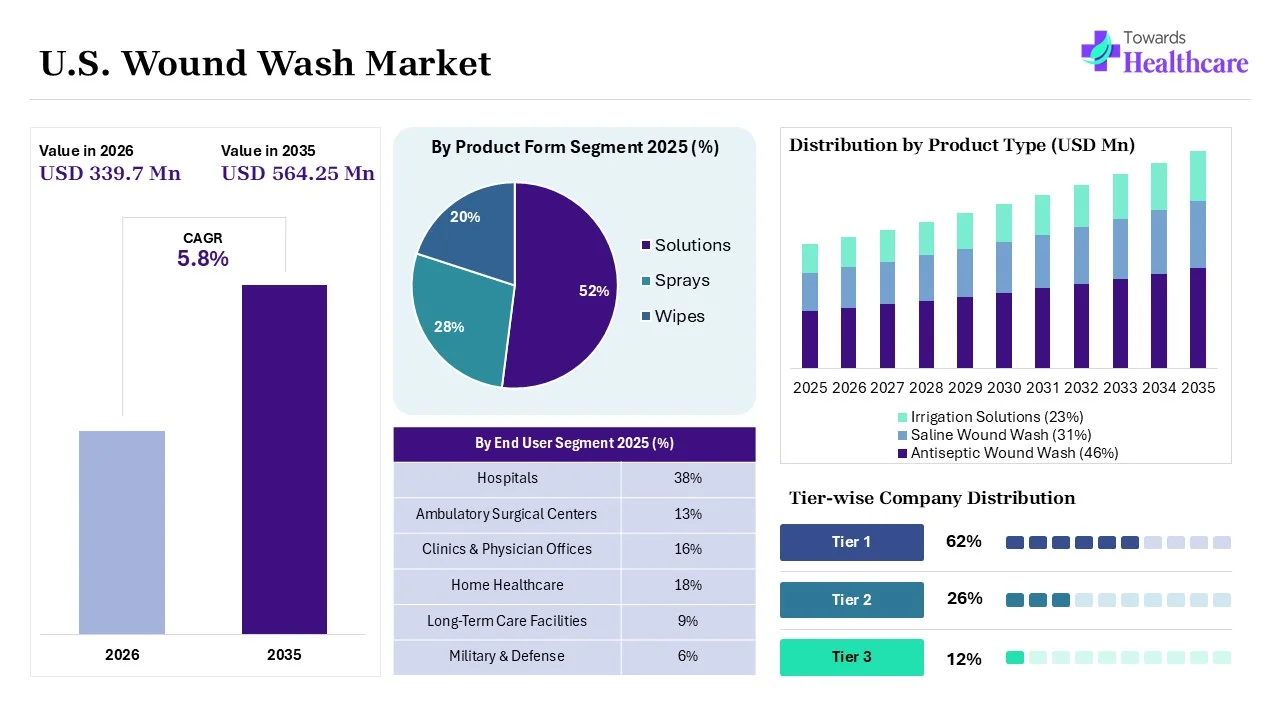
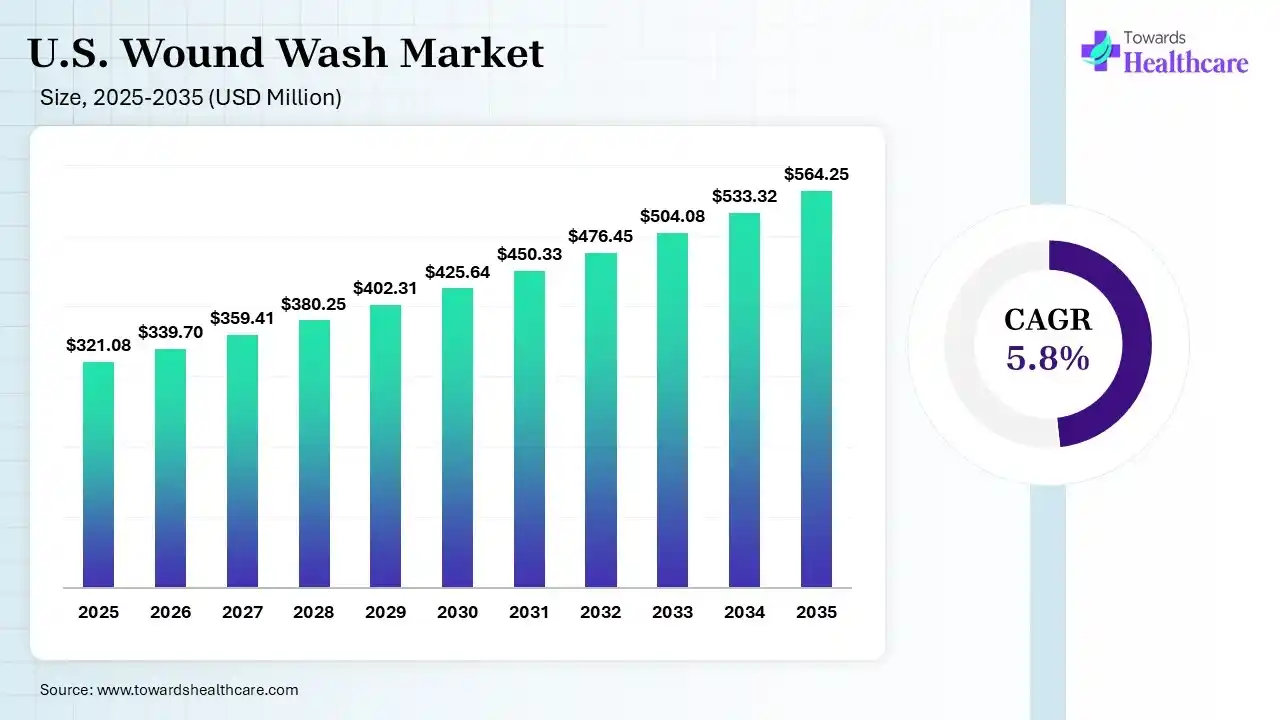
The U.S. wound wash market size was estimated at USD 321.08 million in 2025 and is predicted to increase from USD 339.7 million in 2026 to approximately USD 564.25 million by 2035, expanding at a CAGR of 5.8% from 2026 to 2035.
Wound wash is a rinsing solution used to remove debris from the surface of a wound and the surrounding skin. They are an economical option to aid wound healing and lower infection risks. However, routine cleaning can also eliminate beneficial substances like regenerating epithelium, growth factors, and chemokines that are crucial for healing. Common wound cleansers include water, saline, and antimicrobial agents. By removing local barriers and reducing infection chances, they support the healing process. Wounds tend to heal more effectively when cleaned of dirt, bacteria, and visible particles beforehand. Cleansing is vital for many acute wounds, including cuts, abrasions, burns, and open blisters.
There are various types of solutions used for wound healing, involving antiseptic and nonantimicrobial solutions; the standards for selecting a cleanser include the type of wound, the type of infection, the result on bacterial biofilms, simplicity of use and obtainability, healthcare effectiveness, and affordability. Povidone-iodine, chlorhexidine, and sodium hypochlorite are significant types of antiseptic cleansing solutions. It supports achieving the goals of wound bed preparation by assisting in removing loose material to make the optimal local conditions for wound healing by eliminating exudate, governing, and other debris.
The U.S. wound wash market is growing due to the rising prevalence of chronic wounds, increasing diabetes cases, and a rapidly aging population requiring long-term wound management. The growing adoption of home healthcare and outpatient treatment settings is further boosting demand. Key trends include the integration of AI-powered wound assessment tools, advanced wound cleansing solutions, telehealth-enabled monitoring, and personalized wound care approaches. Increasing healthcare investments and focus on infection prevention are also supporting market expansion.
Macro Factors
Micro Factors
AI-driven technology improves patient results, optimises resource allocation, and maintains high standards in wound care. AI-driven offers significant contributions to early identification, challenging factor analysis, risk stratification, forecasting, diagnosis, intelligent treatment, results prediction, and prognosis evaluation. ​AI-based technology allows quick identification of wound boundaries and infection risks across various wound types, bringing objectivity and efficiency to healthcare evaluations. This technology offers scaffolding and growth factors that accelerate healing in chronic or hard-to-heal wounds. It lowers the challenges of amputation in diabetic foot ulcers or severe pressure injuries. AI-driven pattern recognition and classification abilities allow it to distinguish between challenging-to-diagnose wound types.
Shift to Home and Outpatient: The increasing transition toward outpatient and home-based care settings is significantly influencing the wound care market. These care models help reduce hospital admissions, lower bed occupancy rates, and minimize overall treatment costs while improving patient convenience. Healthcare systems and insurance providers are increasingly supporting community nursing services, remote patient monitoring, and telehealth consultations, creating a strong framework for delivering wound care outside traditional hospital environments. This shift enables patients to receive timely and continuous wound management while reducing the burden on acute care facilities.
Rising prevalence of diabetes and mobility limitations: The growing incidence of diabetes and mobility-related disorders continues to drive demand for long-term wound care services. Diabetic foot ulcers remain one of the leading causes of chronic wounds worldwide and often require ongoing monitoring, specialized dressings, and frequent treatment interventions. Similarly, patients with reduced mobility are more susceptible to pressure ulcers and other wound complications. Home healthcare and outpatient settings provide a cost-effective and accessible solution for managing these conditions, supporting consistent treatment adherence and improved healing outcomes.
Aging populations and multimorbidity: The expanding elderly population is contributing significantly to the prevalence of chronic wounds, including pressure injuries, venous leg ulcers, and arterial ulcers. Older adults frequently experience multiple chronic conditions that can delay wound healing and increase the need for prolonged care. Many of these individuals reside in home-care settings, assisted living facilities, or long-term care centers rather than acute hospitals. As a result, the demand for repeated wound assessments, dressing changes, and specialized wound management services continues to rise, strengthening the role of home-based and outpatient wound care solutions in modern healthcare systems.
| Table | Scope |
| Market Size in 2026 | USD 339.7 Million |
| Projected Market Size in 2035 | USD 564.25 Million |
| CAGR (2026 - 2035) | 5.8% |
| Historical Data | 2020 - 2023 |
| Base Year | 2025 |
| Forecast Period | 2026 - 2035 |
| Measurable Values | USD Millions/Units/Volume |
| Market Segmentation | By Product Type, By Product Form, By Application, By End User, By Distribution Channel |
| Top Key Players | Solventum, Johnson & Johnson, Medline Industries, B. Braun, Cardinal Health |
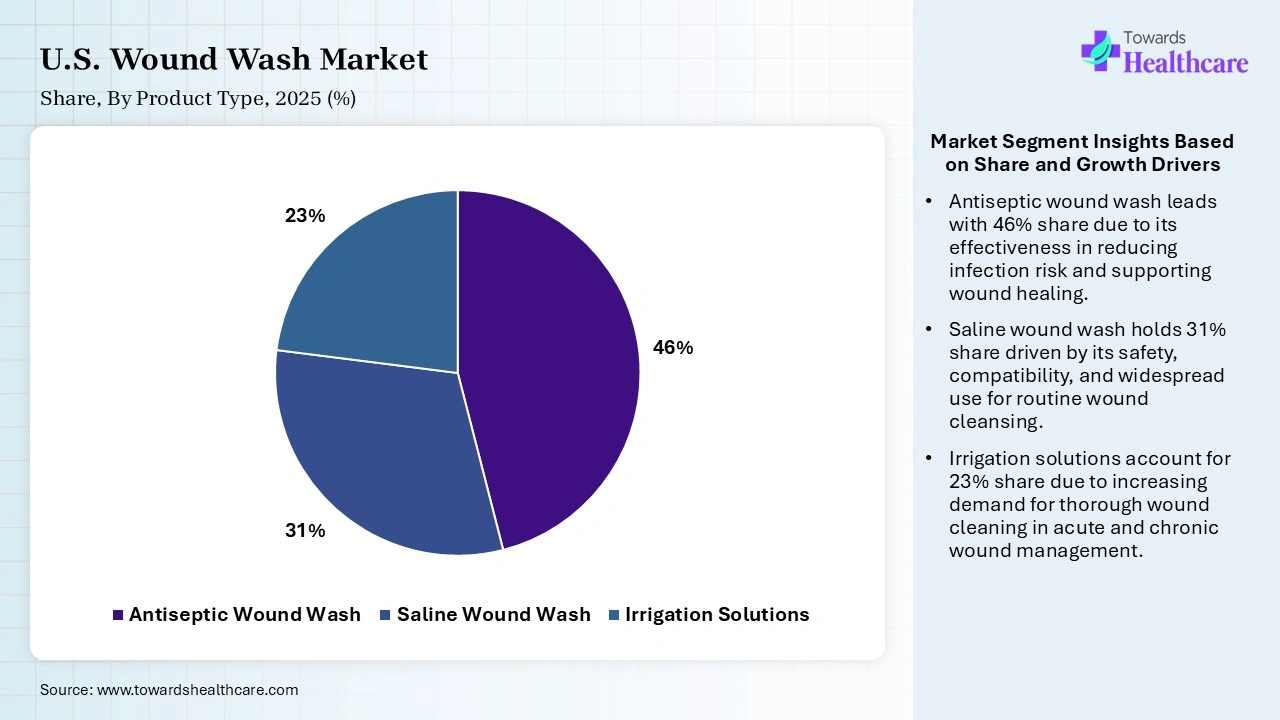
| Segment | Share 2025 (%) |
| Antiseptic Wound Wash | 46% |
| Saline Wound Wash | 31% |
| Irrigation Solutions | 23% |
The Antiseptic Wound Wash Segment Led the U.S. Wound Wash Market in 2025
The antiseptic wound wash segment contributed the largest market share of 46% in 2025, as antiseptics are antimicrobial agents that kill, inhibit, or lower the number of microorganisms and are thought to be significant for wound infection control. Wound antisepsis is progressively being considered as a significant asset for the prevention, treatment, and management of wound infection.
The saline wound wash segment held a significant share of 31% in 2025 and is expected to grow at the fastest CAGR of 6.4 % during the forecast period in the market, as sterile saline is considered the most appropriate and favored cleansing service, as it is a harmless, isotonic solution that does not damage curative tissues. Saline water promotes healing by cleaning wounds, lowering inflammation, and preventing infection.
The irrigation solutions segment held a significant share of 23% in 2025, as an efficient wound cleansing solution resolves to irrigate the wound, supports the facilitation of mechanical removal of microorganisms and cell debris, and helps keep healing on track. The irrigation solution is to remove cellular wreckage and surface pathogens deposited in wound residue or exudates.
| Segment | Share 2025 (%) |
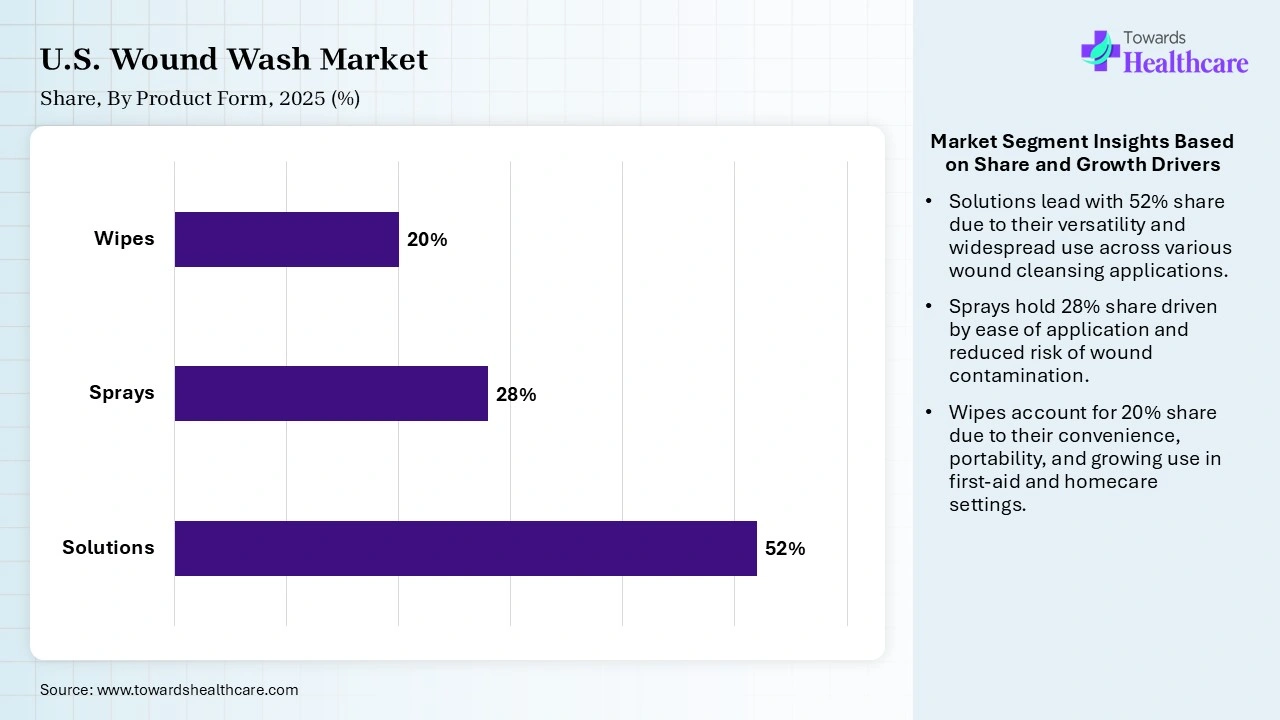
| Solutions | 52% |
| Sprays | 28% |
| Wipes | 20% |
Solutions Segment Led the U.S. Wound Wash Market in 2025
The solutions segment contributed the largest market share of 52% in 2025, as these solutions to eliminate debris, contaminants, and biofilm from the wound bed are a significant aspect of wound management. These solutions are non-toxic to human tissues, remain efficient in the presence of organic material, and reduce the number of microorganisms.
The sprays segment held a significant share of 28% of the market in 2025. Wound care sprays provide a versatile, convenient, and affordable option for wound management, offering quick application and even coverage. These sprays aid various purposes, involving cleansing, preventing infection, and managing specific conditions.
The wipes segment held a significant share of 20% of the market, and is expected to grow at the fastest CAGR of 7.20 % during the forecast period, as wound washing wipes are intended to clean wounds in place of disinfecting them. This is more efficient for healing wounds. Antiseptic wipes support disinfecting wounds, eliminating dirt, and lowering the risk of infection.
| Segment | Share 2025 (%) |
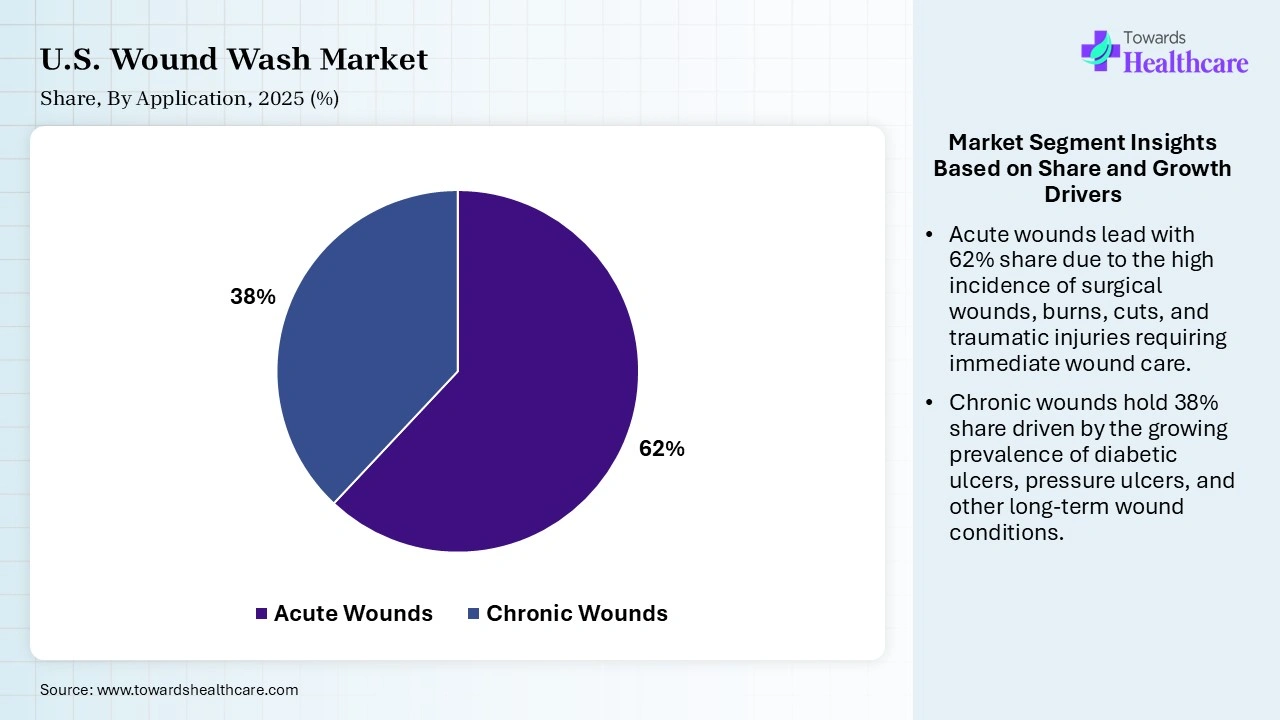
| Acute Wounds | 62% |
| Chronic Wounds | 38% |
The Acute Wounds Segment led the U.S. Wound Wash Market in 2025
The acute wounds segment held a major share of 62% in the market, as efficient wound care prevents acute wounds from becoming chronic by endorsing timely and effective healing and addressing underlying challenges that might impede the healing process. Wound wash is essential in avoiding infection as it eliminates debris, dirt, microorganisms, and devitalized tissue from the acute wound.
The chronic wounds segment contributed the largest market share of 38% in 2025 and is expected to grow at the fastest CAGR of 6.9% during the forecast period, as antimicrobial solutions provide advantages of being effective in the spectrum of chronic wounds without resulting in bacterial resistance challenges, as they are antiseptic rather than antibiotic. Wound cleansers enhance wound healing rates.
| Segment | Share 2025 (%) |
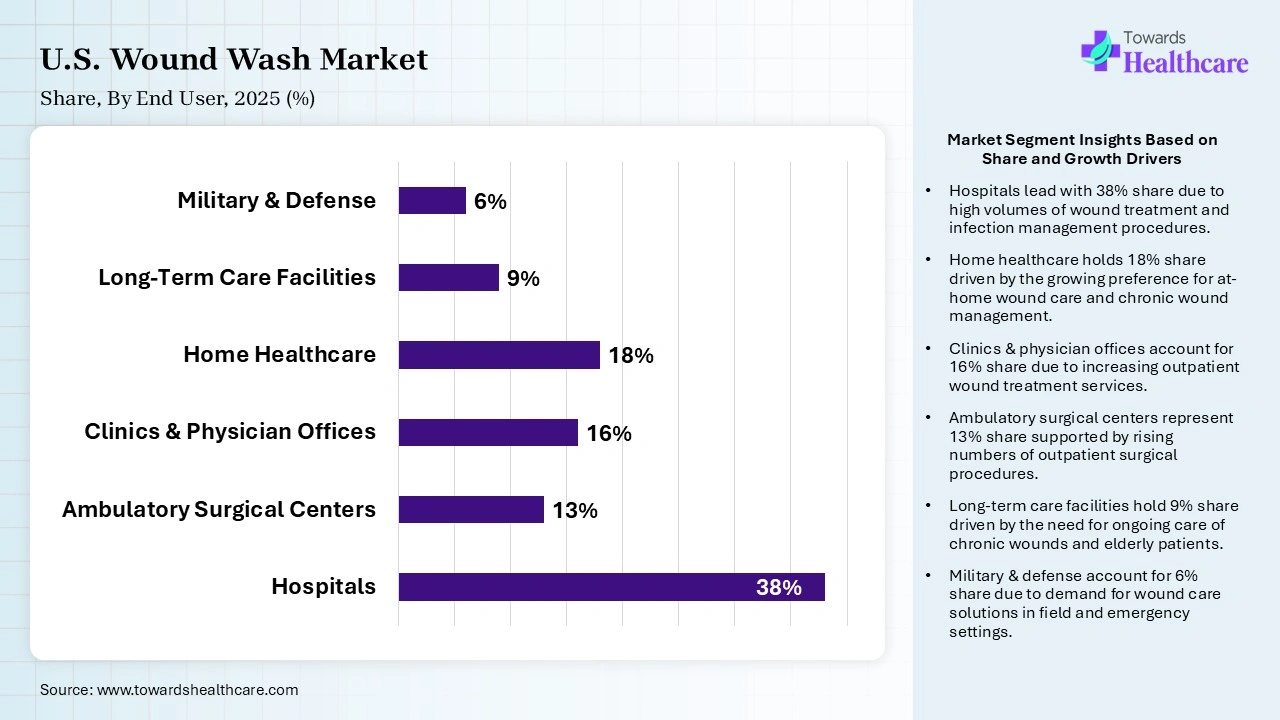
| Hospitals | 38% |
| Ambulatory Surgical Centers | 13% |
| Clinics & Physician Offices | 16% |
| Home Healthcare | 18% |
| Long-Term Care Facilities | 9% |
| Military & Defense | 6% |
The Hospitals Segment led the U.S. Wound Wash Market in 2025
The hospitals segment contributed the largest market share of 38%, as wound cleansing solutions should be non-toxic to human tissues, remain efficient in the presence of organic material, lower the number of microbes, not cause sensitivity responses, and be extensively available and affordable. Advanced wound care techniques supports to lowers inflammation and accelerating the healing process.
The home healthcare segment held a significant share of 18% in the market and is expected to grow at the fastest CAGR of 7.1% during the forecast period, as wound care solutions are significant for avoiding infections, endorsing rapid healing, lowering pain, and lessening scarring. Cleansing and moistening the wound in this technique also lowers the malodor related to necrotic tissue or bacterial colonisation in the wound bed.
The clinics & physician offices segment held a significant share of 16% in the U.S. wound wash market, as proper care eliminates necrotic tissue and lowers wound bioburden to improve wound healing. Physical cleaning with debridement and irrigation is of documented efficiency. Wounds are washed with water, saline, or Ringer's solution and cleaned with active ingredients, like hydrogen peroxide, alcohol, acetic acid, sodium hypochlorite, polyhexanide/betaine solution, chlorhexidine, ionized silver preparations, or povidone-iodine in clinics.
The ambulatory surgical centers segment held a significant share of 13% in the market. Active wound care speeds up the healing process. By preserving a clean and moist atmosphere, confirming adequate blood flow, and offering the required nutrients, wound care supports the body's restoration more effectively. The physical pressure of a wound wash flushes out dead cellular tissue, blood clots, and metabolic debris.
| Segment | Share 2025 (%) |
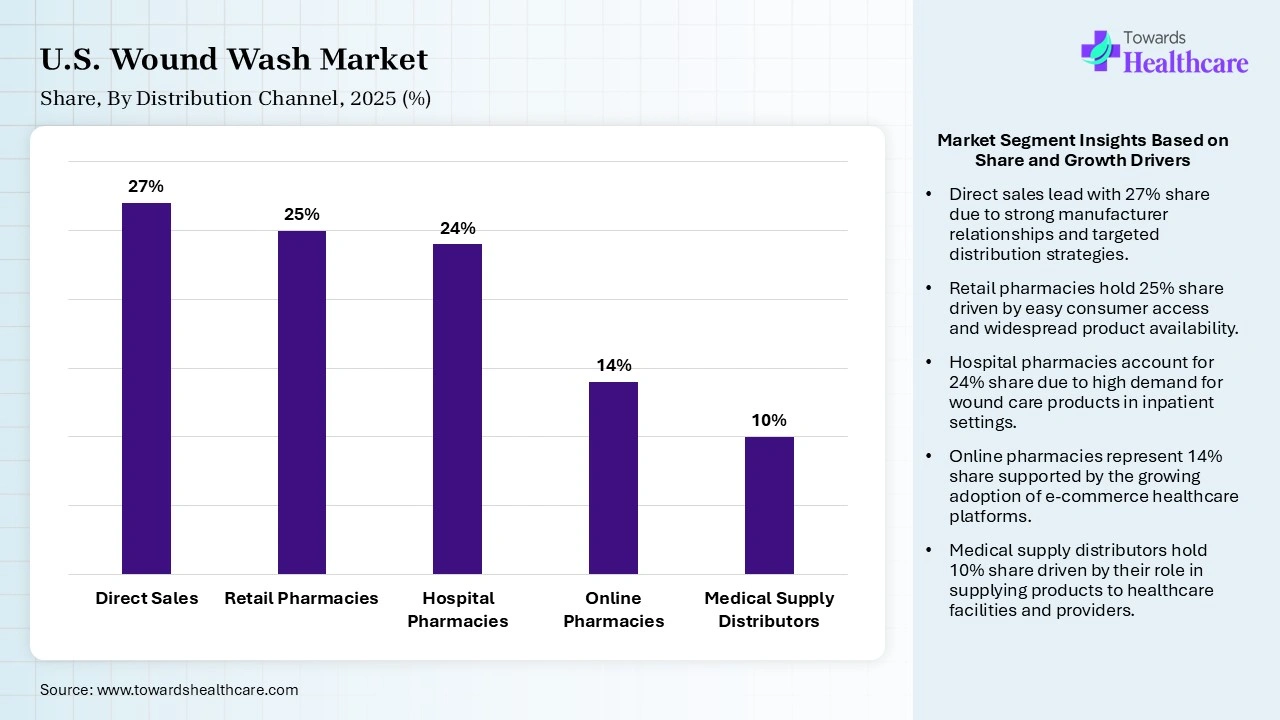
| Direct Sales | 27% |
| Retail Pharmacies | 25% |
| Hospital Pharmacies | 24% |
| Online Pharmacies | 14% |
| Medical Supply Distributors | 10% |
The Direct Sales Segment led the U.S. Wound Wash Market in 2025
The direct sales segment contributed the largest market share of 27%, as direct sales companies spend a significant amount of time in research and development to ensure they have advanced quality products. Improved patient access via direct shipping, lowering geographical or logistical challenges. Significant affordability through efficient pricing mechanisms.
The retail pharmacies segment held a significant share of 25% in the market. Retail pharmacies are an important part of health technology and, in numerous countries, are accountable for dispensing a major proportion of medical care products and associated solutions. Retail pharmacies play a significant role in medical care by offering convenient access to therapeutics and a broad range of products.
The hospital pharmacies segment held a significant share of 24% in the U.S. wound wash market, as the hospital pharmacist is allowed to purchase, store, handle, price, and dispense therapeutics. Increased incorporation with prescribers and other health specialists. Hospital pharmacists work alongside physicians on ward rounds to recommend significant drug therapies.
The online pharmacies segment held a significant share of 14% in the market and is expected to grow at the fastest CAGR of 7.4% during the forecast period, as these pharmacies often provide competitive pricing, reductions, and generic substitutes, leading to significant expense savings for patients. This cost-effectiveness is specifically relevant for those with chronic conditions needs long-term medication.
The U.S. wound wash market is witnessing robust growth across all major regions, driven by increasing awareness of wound hygiene, rising chronic wound cases, and expanding access to advanced wound care products. The Northeast benefits from a strong healthcare infrastructure and high adoption of innovative wound management solutions. In the Midwest, growing elderly populations and diabetes prevalence are fueling demand. The South represents a major growth hub due to its large patient base and increasing healthcare expenditures. Meanwhile, the West is experiencing rapid adoption of advanced wound care technologies, supported by healthcare innovation, outpatient care expansion, and heightened consumer focus on preventive healthcare practices.
R&D:
Manufacturing Processes:
Patient Services:
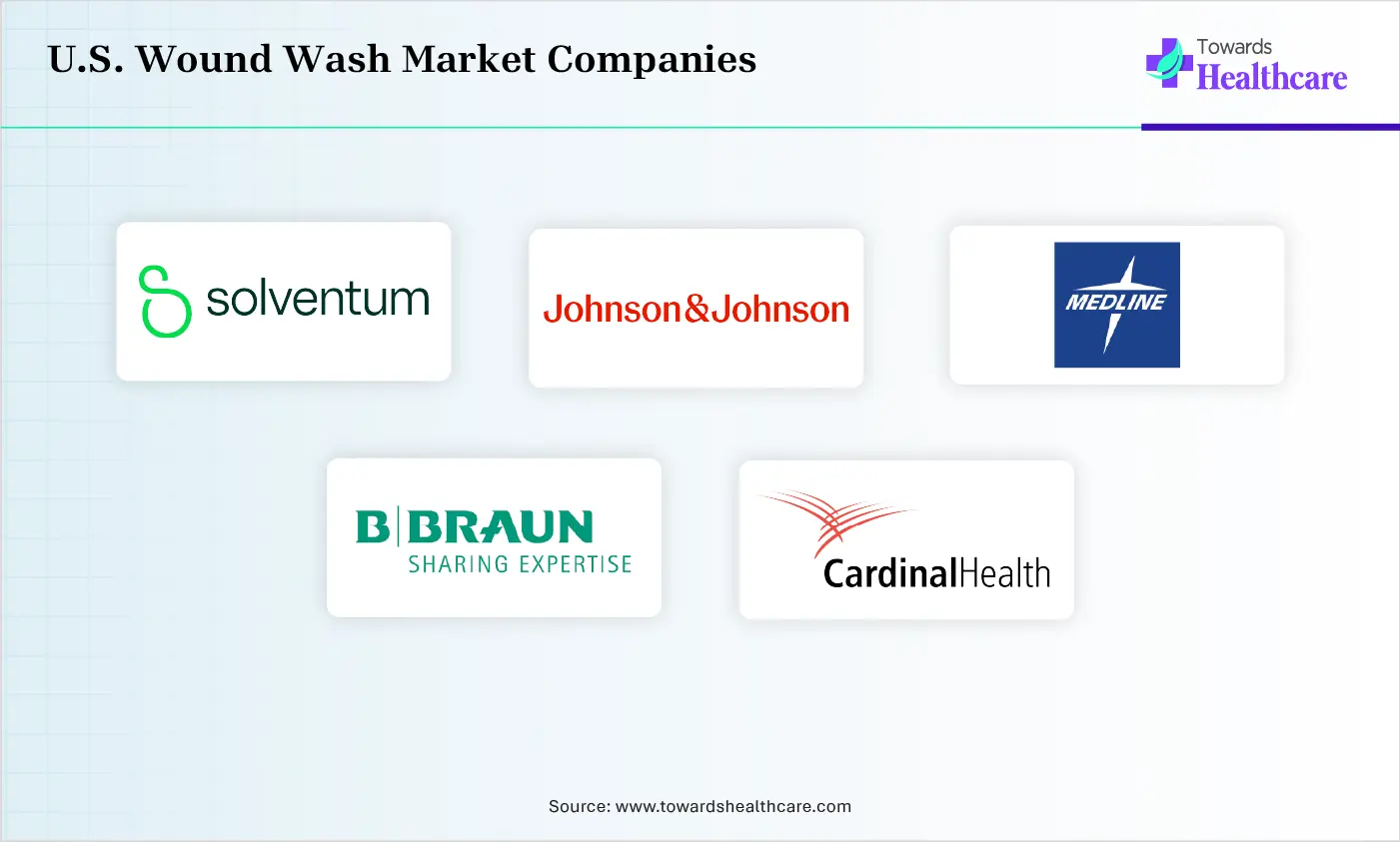
| Company | Headquarters | Latest Update |
| Solventum | U.S. | In December 2025, Solventum announced it had completed the acquisition of Acera Surgical (Acera), a privately held bioscience company focused on developing and commercializing fully engineered materials for regenerative wound care. |
| Johnson & Johnson | U.S. | In January 2026, Johnson & Johnson announced that it had submitted the OTTAVA Robotic Surgical System to the U.S. Food and Drug Administration (FDA) for De Novo classification. |
| Medline Industries | U.S. | In March 2026, Medline announced it had signed a new supply agreement with Better Life Medical & Surgical Supply, a home medical equipment (HME) provider based in Hallandale Beach, Fla., which serves patients and customers across Florida. |
| B. Braun | U.S | B. Braun has identified, through complaints, the potential for the product to contain particulate matter in solution. |
| Cardinal Health | U.S. | Cardinal Health Wound Solutions are products used to aid in the removal of foreign materials from wounds and skin. |
In October 2025, "We are very excited for the launch of the new HOCl wound cleanser into hospitals in the U.S., which marks a significant milestone in the growth of our U.S. business," said Amy Trombly, CEO of Sonoma Pharmaceuticals.
By Product Type
By Product Form
By Application
By End User
By Distribution Channel









Principal Consultant
Rohan Patil is a seasoned market research professional with over 5+ years of focused experience in the healthcare sector, bringing deep domain expertise, strategic foresight, and analytical precision to every project he undertakes.
Learn more about Rohan Patil

Reviewed By
Aditi Shivarkar is a seasoned professional with over 14 years of experience in healthcare market research. As a content reviewer, Aditi ensures the quality and accuracy of all market insights and data presented by the research team.
Learn more about Aditi Shivarkar