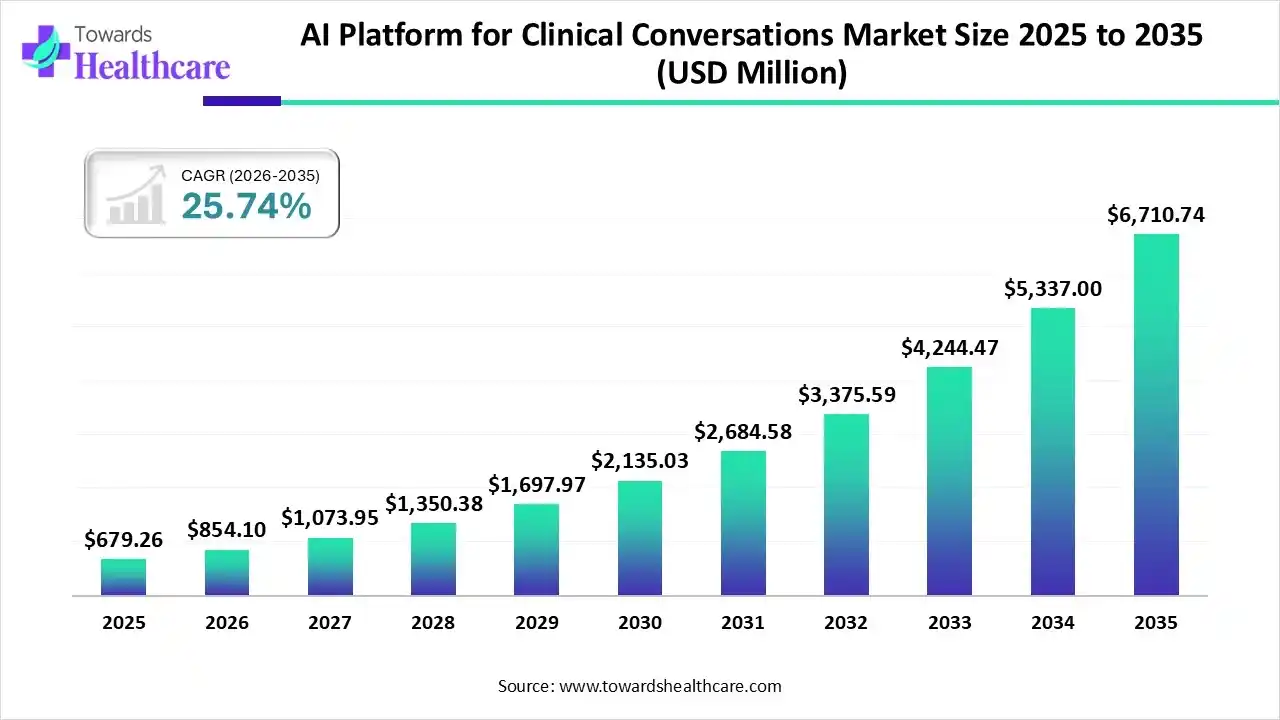
The global AI platform for clinical conversations market size was estimated at USD 679.26 million in 2025 and is predicted to increase from USD 854.1 million in 2026 to approximately USD 6710.74 million by 2035, expanding at a CAGR of 25.74% from 2026 to 2035. The market is gaining momentum as healthcare providers adopt speed-based AI to automate documentation, enhance clinician-patient interactions, and streamline workflows, supporting efficiency, accuracy, and scalable digital healthcare delivery.
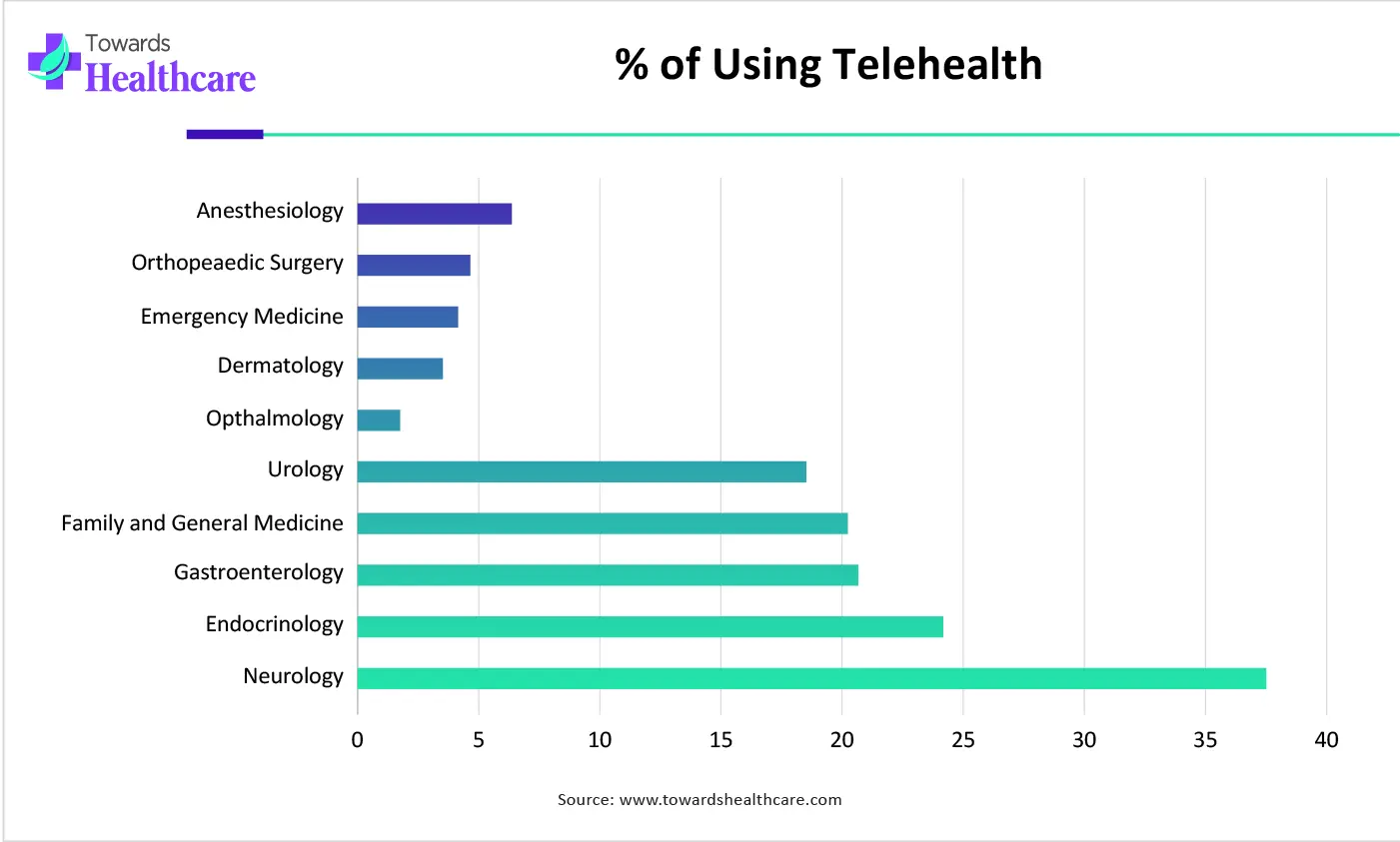
An AI Platform for clinical conversations is a technology that uses artificial intelligence to capture, transcribe, and analyze patient-clinician interactions, automatically generating clinical documentation and actionable insights to support efficient, accurate healthcare workflows. The AI platform for clinical conversations market is growing rapidly due to rising clinician burnout, increasing patient volumes, and demand for efficient documentation. These platforms automate note-taking, improve accuracy, and clinicans to focus more on patient care. Expanding telehealth adoption, advancements in speed recognition and NLP, and the need for workflow optimization across healthcare systems further fuel market growth globally.
The AI platform for clinical conversations market is gaining momentum as healthcare organizations seek solutions that reduce administrative workload and improve clinical documentation. These platforms use speech recognition, natural language processing, and generative AI to automatically capture physician-patient conversations and generate accurate clinical notes. By reducing manual documentation, healthcare professionals can spend more time interacting with patients while improving workflow efficiency. Growing adoption of electronic health records, increasing physician burnout, and the need for accurate medical documentation are major factors driving market growth. Continuous advancements in conversational AI, multilingual capabilities, and secure cloud-based technologies are further strengthening the adoption of these platforms across healthcare settings.
| Table | Scope |
| Market Size in 2026 | USD 854.1 Million |
| Projected Market Size in 2035 | USD 6710.74 Million |
| CAGR (2026 - 2035) | 25.74% |
| Leading Region | North America by 62% |
| Key Applications | Ambient clinical documentation, AI medical scribing, clinical note generation, coding support, revenue cycle optimization, clinical decision support, patient engagement |
| Primary End Users | Hospitals, Health Systems, Physician Groups, Ambulatory Clinics, Telehealth Providers, Specialty Practices |
| Key Growth Drivers | Physician burnout reduction, EHR optimization, AI advancements, staffing shortages, documentation automation demand, reimbursement optimization |
| Measurable Values | USD Millions/Units/Volume |
| Market Segmentation | By Component, By Application, By End Use, By Region |
| Top Key Players | Abridge AI, Inc., Infinitus Systems, IBM, Suki AI, Inc., Nuance Communications, Sunoh.ai, Speechmatics |
| Segments | Shares % |
| Software & Platform | 72% |
| Services | 28% |
Why did the Software & Platform Segment Dominate in the AI Platform for Clinical Conversations Market in 2025?
The software & platform segment dominated the market by 72% share in 2025 due to widespread adoption of integrated, cloud-based solutions that automate clinical documentation and streamline workflows. These platforms enable seamless interoperability with HER systems, offer real-time updates, and support large-scale deployment across healthcare settings. Their flexibility and ability to deliver long-term operational efficiency made them more attractive than service-based offerings.
Services
The services segment is expected to grow at the fastest CAGR during the forecast period due to increasing demand for implementation, integration, training, and ongoing support services. Healthcare providers require expert assistance to customize platforms, ensure seamless HER integration, maintain data security, and comply with regulatory standards, driving sustained demand for professional and managed services.
| Segments | Shares % |
| Clinical Documentation Automation | 42% |
| Administrative & Coding Support | 20% |
| Telehealth & Virtual Consultations | 18% |
| Training & Quality Assurance | 12% |
| Others | 8% |
What Application was Dominant in the AI Platform for Clinical Conversations Market in 2025?
The clinical documentation automation segment dominated the market by 42% share in 2025 due to rising administrative burdens and physician burnout across healthcare systems. Automating note creation from clinical conversations reduced manual workload, improved documentation accuracy, and supported faster patient throughput. Strong adoption across hospitals and outpatient settings, along with seamless HER integration, made documentation automation the most widely implemented and value-driven application.
Telehealth & Virtual Consultations
The telehealth & virtual consultations segment is expected to grow at the fastest CAGR during the forecast period due to sustained demand for remote care and digital-first healthcare delivery. AI-enabled clinical conversation platforms support real-time documentation, improve virtual visit efficiency, and enhance patient engagement. Expanding access to care, rising chronic disease management needs, and continued investment in telemedicine infrastructure are further accelerating growth.
| Segments | Shares % |
| Hospital/Inpatient Wards | 48% |
| Ambulatory Care Centers & Outpatient Facilities | 24% |
| Emergency/Urgent Care | 13% |
| Academic Medical Centers | 9% |
| Others | 6% |
How did the Hospital/Inpatient Wards Segment Dominate the AI Platform for Clinical Conversations Market in 2025?
The hospital/inpatient wards segment dominated the market by 48% share in 2025 due to high patient volume, complex clinical workflows, and extensive documentation requirements. The hospital adopted these platforms to reduce clinician workloads, improve record accuracy, and support multidisciplinary care. Strong IT infrastructure across departments further reinforced dominance in inpatient settings.
Ambulatory Care Centers & Outpatient Facilities
The ambulatory care centers & outpatient facilities segment is expected to grow at the fastest CAGR during the forecast period due to increasing outpatient visits and demand for efficient, high-throughput care. These settings benefit from conversation-based platforms that streamline documentation, shorten visit times, and improve clinician productivity. Rising adoption of digital health tools, cost-sensitive, and the shift towards value-based and preventive care models further support rapid growth.
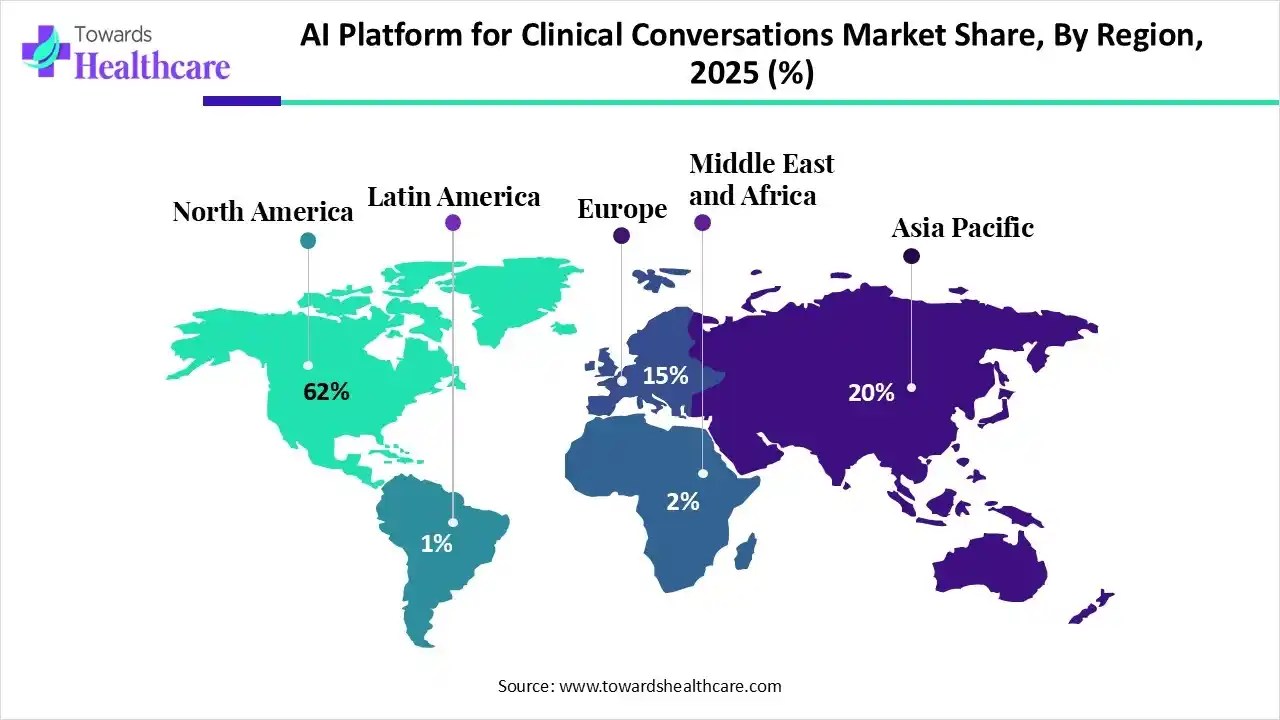
North America dominated the AI platform for clinical conversations market by 62% share due to early digital health technologies, strong healthcare IT infrastructure, and high demand to reduce clinician burnout. Favorable reimbursement policies, widespread EHR usage, and the presence of leading technology providers accelerate deployment across hospitals and ambulatory settings, reinforcing regional market leadership in 2025.
U.S. Market Trends
The U.S. led the AI platform for clinical conversations market by capturing the largest revenue share in 2025 due to the rapid adoption of advanced healthcare technologies and strong investment in digital transformation. High clinician burnout, widespread EHR integration, favorable reimbursement frameworks, and the presence of major technology providers accelerated large-scale deployment across hospitals and ambulatory care settings, driving higher spending and sustained market leadership.
Canada Market Trends
Canada is witnessing steady growth in the AI platform for clinical conversations market as healthcare providers increasingly adopt artificial intelligence to improve clinical documentation and patient communication. Hospitals and clinics are using AI platforms to reduce administrative tasks, allowing healthcare professionals to spend more time with patients. Growing investments in digital health technologies, supportive government initiatives, and rising demand for accurate medical records are driving adoption. Strong collaboration between healthcare organizations and technology companies is also helping develop advanced AI solutions for clinical workflows.
Asia Pacific is anticipated to grow by 20% share at the fastest CAGR during the forecast period due to rapid healthcare digitization, expanding patient population, and rising adoption of telehealth. Increasing investment in health IT, improving hospital infrastructure, and growing demand to reduce clinician workload are accelerating uptake across emerging and developed economies.
India Market Trends
India is anticipated to grow at a rapid CAGR in the AI platform for clinical conversations market during the forecast period due to expanding healthcare digitization, rising outpatient volumes, and increasing adoption of telehealth services. Growing pressure on clinicians, improving hospital IT infrastructure, and government-led digital health initiatives are accelerating adoption. Additionally, a cost-effective solution and a large patient-based driving demand across hospitals, clinics, and ambulatory care settings.
China Market Trends
China is experiencing rapid growth in the AI platform for clinical conversations market because of expanding digital healthcare infrastructure and strong investments in artificial intelligence. Hospitals are adopting AI-powered platforms to improve clinical documentation, streamline patient interactions, and enhance operational efficiency. Rising patient volumes and increasing demand for quality healthcare services are encouraging wider use of these technologies. Government support for healthcare digitalization, continuous innovation in AI, and growing collaboration between technology companies and healthcare providers are further accelerating market development across the country.
Europe is expected to grow by 15% share at a notable CAGR in the AI platform for clinical conversations market during the forecast period due to increasing focus on healthcare digital transformation and rising adoption of advanced clinical documentation tools. Strong regulatory frameworks supporting data protection, growing investments in health IT, and efforts to reduce clinician workload are encouraging adoption. Expansion of telehealth services, interoperability initiatives, and government-backed digital health programs across multiple countries further support steady market growth.
UK Market Trends
The UK is anticipated to grow at a rapid CAGR in the AI platform for clinical conversations market during the forecast period due to the increasing adoption of digital health solutions across NHS facilities and private healthcare providers. Rising clinician workload, focus on automating clinical documentation, and expanding telehealth services are driving demand. strong Government support for AI integration, data interoperability initiatives, and continued investment in healthcare IT infrastructure further accelerated market growth.
Germany Market Trends
Germany is seeing strong growth in the AI platform for clinical conversations market due to its advanced healthcare system and increasing focus on healthcare digitalization. Hospitals and healthcare providers are implementing AI solutions to automate clinical documentation, improve communication with patients, and reduce administrative workload. Rising demand for efficient healthcare services and accurate medical records is supporting adoption. Strong investments in health technology, active research in artificial intelligence, and partnerships between healthcare institutions and technology companies are driving continuous innovation and market expansion.
South America’s contribution in the growth of the AI platform for clinical conversations market is reflected by factors such as regional digital health expansion, rising adoption of automated patient engagement and triage tools, and local startup innovations that bridge fragmented healthcare systems. The region also accounts for major initiatives taken for healthcare AI and clinical automation, which are driven by heavy digital health investments, enterprise cloud adoption, and hospital modernization.
Brazil Market Trends
Brazil has a massive contribution to the growth of the market, which is fueled by localized language solutions, large public health datasets, and private sector adoption. The country is also pioneering native clinical documentation tools like Voa, the first AI digital scribe and documentation assistant tailored specifically to Brazilian Portuguese medical terminology, significantly reducing physician burnout and clinical documentation time.
Argentina Market Trends
Argentina also has a notable contribution to the market’s growth. The growth is immediately reflected by a strong software engineering talent pool, regional technology innovation, and the expansion of local health-tech and conversational AI startups. Argentina has a mature software development ecosystem and a cost-competitive tech-savvy workforce, making it a regional hub for artificial intelligence and natural language processing (NLP) tailored to Spanish-language markets, helpful for market’s growth.
Factors such as government modernization strategies, rising healthcare spending, and targeted technology partnerships reflect the Middle East and Africa’s contribution to the growth of the market. National strategic visions, such as Saudi Vision 2030 and the UAE National Strategy for Artificial Intelligence 2031, mandate the integration of AI tools, smart hospitals, and digital health data platforms into public healthcare systems.
Saudi Arabia Market Trends
Saudi Arabia has a massive contribution to the market’s growth, which is represented through government-led modernization, massive infrastructure spending, and strategic regulatory frameworks. The Kingdom’s Saudi Vision 2030 and the Health Sector Transformation Program prioritize digital health, electronic health records (EHRs), and smart hospital infrastructures. These policies encourage hospitals to integrate intelligent conversational and communication platforms to streamline patient engagement, fueling the growth of the market. Establishing the Saudi Data and AI Authority (SDAIA) in 2019 created a centralized hub for data management, AI deployment, and governance, ensuring clinical and conversational AI tools meet national data security and interoperability standards (such as HL7 and FHIR).
South Africa Market Trends
South Africa also contributes steadily to the growth of the AI platform for clinical conversations market. AI-driven telemedicine and mobile communication platforms bridge urban-rural care gaps, providing remote consultations, virtual monitoring, and triage for underserved populations, further fueling the market’s growth. Local healthcare IT providers and tech companies (such as InterSystems South Africa) deploy AI toolkits to streamline real-time patient monitoring, medication management, and clinical decision support across public and private hospitals, helpful for market’s growth.
| Ecosystem Segment | Key Participants | Role in Market |
| Technology Providers | Microsoft, AWS, IBM, Google Cloud | AI infrastructure, cloud computing, LLM services |
| Platform Providers | Abridge, Suki, Nabla, Ambience Healthcare, DeepScribe | End-to-end clinical conversation intelligence platforms |
| Clinical Documentation Vendors | Microsoft Dragon Copilot, Augmedix, Sunoh.ai | Ambient documentation and AI scribing |
| Healthcare AI Software Vendors | Regard, Corti, Infinitus | Workflow automation and conversational AI |
| Service Providers | Accenture, Deloitte, Cognizant | AI deployment and integration services |
| EHR Integration Partners | Epic Systems, Oracle Health, athenahealth | Workflow integration and data interoperability |
| Research Institutions | Mayo Clinic, Johns Hopkins Medicine, Stanford Medicine | Clinical validation and AI research collaborations |
| End User Industries | Hospitals, Health Systems, Clinics, Telemedicine Providers | Platform deployment and utilization |
| Tier 1 | Tier 2 | Tier 3 | |
| Typical Market Influence | 72% | 21% | 7% |
| Tier 1 | ||||
| Company Name | Headquarters | Country | Why Relevant to This Market | Key Products/Services |
| Microsoft (Nuance Communications) | Redmond, Washington, USA | USA | Largest installed healthcare voice AI ecosystem and enterprise healthcare footprint | Dragon Copilot, DAX Copilot, Dragon Medical One |
| Abridge | Pittsburgh, Pennsylvania, USA | USA | Market leader in ambient AI documentation across major health systems | Abridge Clinical Conversations Platform |
| Suki AI | Redwood City, California, USA | USA | Leading AI assistant for physicians with broad EHR interoperability | Suki Assistant, Ambient Documentation |
| Tier 2 | ||||
| Company Name | Headquarters | Country | Why Relevant to This Market | Key Products/Services |
| Nabla | Paris, France | France | Fast-growing ambient AI platform with strong clinician adoption | Nabla Copilot |
| DeepScribe | San Francisco, California, USA | USA | Specialized ambient AI documentation platform with specialty focus | DeepScribe Platform |
| Corti | Copenhagen, Denmark | Denmark | Strong conversational AI and clinical workflow automation capabilities | Corti Assistant, Symphony |
| Tier 3 | ||||
| Company Name | Headquarters | Country | Why Relevant to This Market | Key Products/Services |
| Sunoh.ai (healow) | Westborough, Massachusetts, USA | USA | AI medical scribe integrated with healthcare workflows | Sunoh AI Medical Scribe |
| Heidi Health | Melbourne, Victoria, Australia | Australia | Rapidly expanding AI medical assistant platform | Heidi AI Scribe |
| Robin Healthcare | San Jose, California, USA | USA | AI-powered medical documentation and workflow support | Robin Assistant |
Strengths
Weaknesses
Opportunities
Threats
By Component
By Application
By End Use
By Region






Principal Consultant
Shivani Zoting is a dedicated research analyst specializing in the healthcare industry. With a strong academic foundation, a B.Sc. in Biotechnology and an MBA in Pharmabiotechnology, she brings a unique blend of scientific understanding and strategy.
Learn more about Shivani Zoting
Reviewed By
Aditi Shivarkar is a seasoned professional with over 14 years of experience in healthcare market research. As a content reviewer, Aditi ensures the quality and accuracy of all market insights and data presented by the research team.
Learn more about Aditi Shivarkar