

Pipeline Programs

CGT Companies Tracked

Manufacturing Facilities


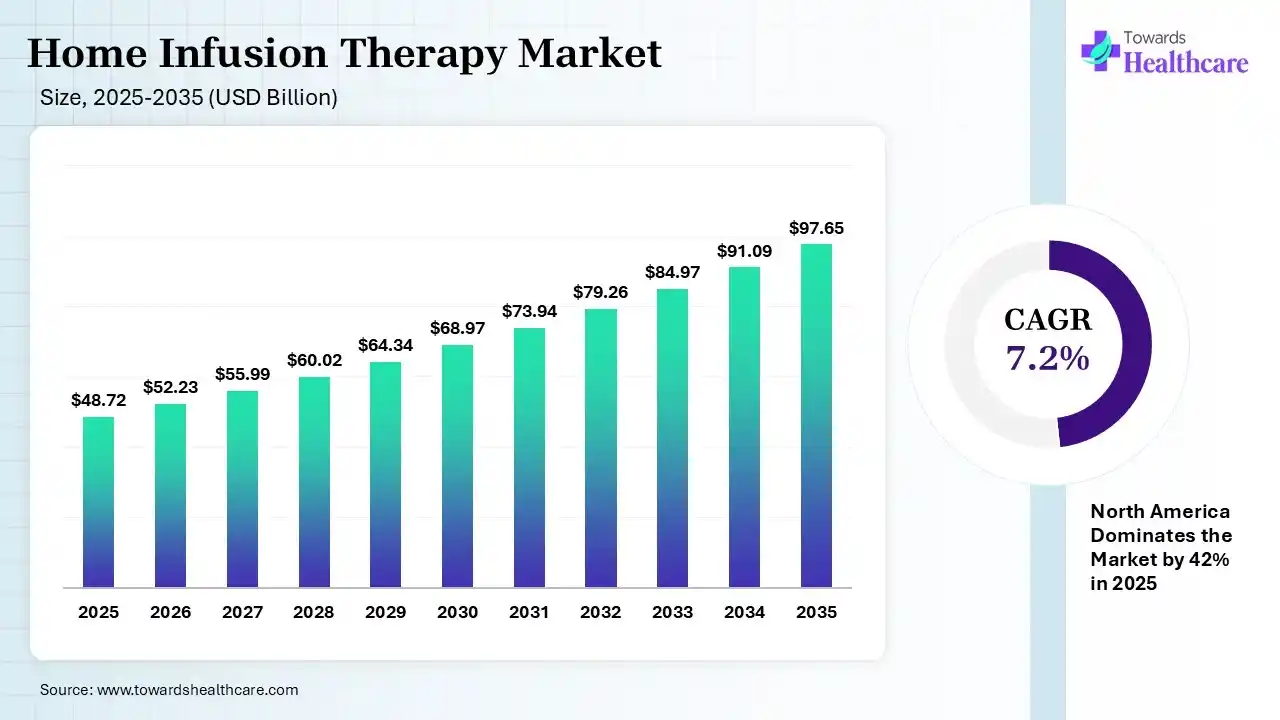
The global home infusion therapy market size was estimated at USD 48.72 billion in 2025 and is predicted to increase from USD 52.23 billion in 2026 to approximately USD 97.65 billion by 2035, expanding at a CAGR of 7.2% from 2026 to 2035. The home infusion therapy market is increasing as this therapy is a quickly rising sector in medical care, allowing patients to receive post-acute care at home at a fraction of the expenses of an inpatient stay.
Home infusion includes the administration of a medication via a needle or catheter in a setting other than a hospital or other healthcare facility. Patients who require infusion therapy are supported by pharmacists, nurses, and other professionals with superior training in offering infusion therapeutics. Infusing medications at home or elsewhere outside of an institutional setting lowers time spent away from normal activities, like work, school, and hobbies, while finishing therapy. Home infusion is a safe and efficient substitute to inpatient care for a different of therapies and disease states, both acute and chronic. Home infusion therapy enables patients to get Intravenous (IV) therapy or injectable medications at home.
This specialized care model transforms how patients experience medical recovery and long-term health management. By shifting complex treatment directly into the living room, individuals successfully maintain their daily independence and emotional well-being. Clinical teams closely monitor patient progress through regular virtual check-ins and scheduled home visits.
Advanced technology now easily allows for portable smart pumps that safely deliver precise medication doses. Families receive comprehensive training to confidently handle daily routines and identify potential medical issues early. This cooperative approach significantly reduces stress for caregivers and strengthens the bond between patients and medical providers. Ultimately, the practice fosters a highly comfortable healing environment that promotes faster recovery times, lowers infection risks, and ensures better overall health outcomes for diverse populations everywhere.
AI-based technology in infusion therapy points toward greater automation, modified care, and better operational effectiveness. This technology innovations, like smart infusion pumps with real-time monitoring, predictive analytics for maintenance, and remote management via telehealth, are renovating traditional infusion practices and setting novel standards for patient safety and precision. ​AI-driven support streamlines day-of operations in infusion centers by enhancing patient assignment, drug premixing, and other logistics. Predictive analytics manages resource allocation effectively, anticipating equipment requirements and potential staff limitations, which is particularly relevant as demand increases.
| Table | Scope |
| Market Size in 2026 | USD 48.72 Billion |
| Projected Market Size in 2035 | USD 97.65 Billion |
| CAGR (2026 - 2035) | 7.2% |
| Leading Region | North America by 42% |
| Historical Data | 2020 - 2023 |
| Base Year | 2025 |
| Forecast Period | 2026 - 2035 |
| Measurable Values | USD Millions/Units/Volume |
| Market Segmentation | By Product, By Therapy Type, By Route of Administration, By Applications, By End User, By Provider Type, By Region |
| Top Key Players | Coram CVS Health , Optum Infusion Services, KabaFusion, Baxter International, B. Braun Melsungen |
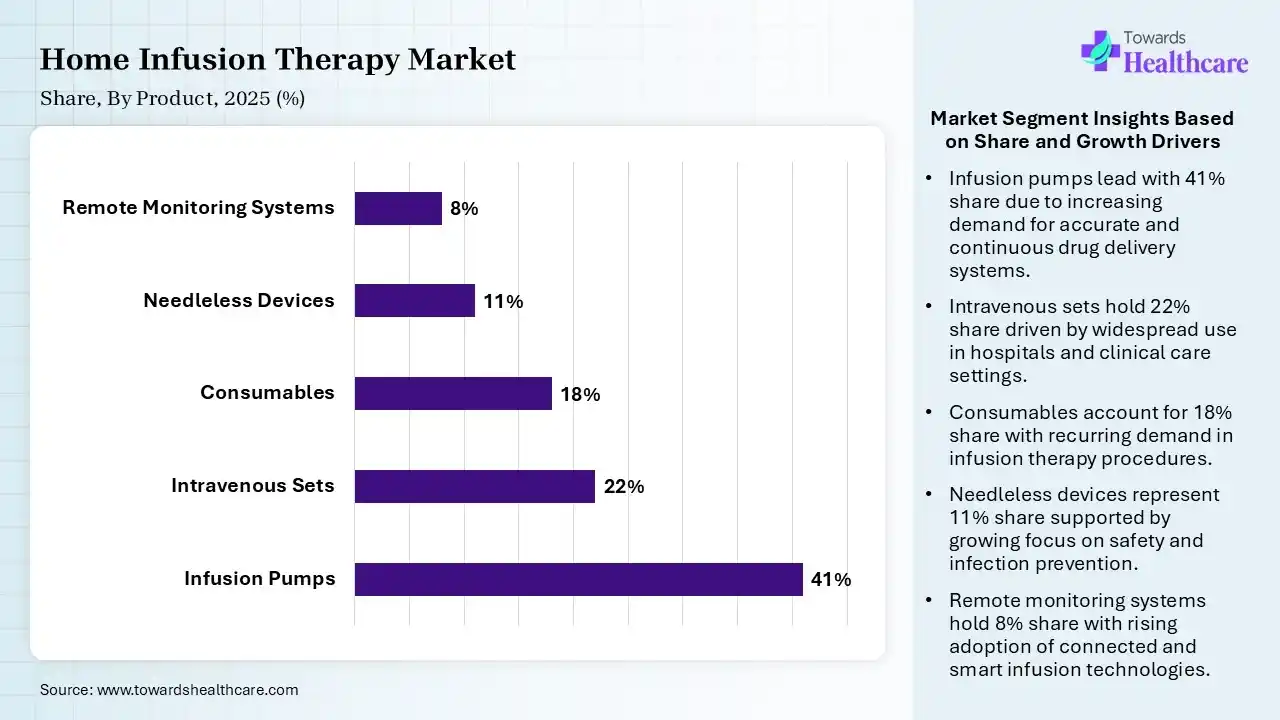
| Segment | Share 2025 (%) |
| Infusion Pumps | 41% |
| Intravenous Sets | 22% |
| Consumables | 18% |
| Needleless Devices | 11% |
| Remote Monitoring Systems | 8% |
The Infusion Pumps Segment Led the Home Infusion Therapy Market in 2025
The infusion pumps segment contributed the largest market share of 41% in 2025, as infusion pumps offer the benefits of controlled administration, the capability to deliver fluids in small volumes or at exactly programmed rates or intervals. Infusion pumps, common medical tools, are used to administer fluids such as nutrients or therapeutics to patients
The intravenous sets segment held a significant share of 22% in the market, as IV sets are applied for intravenous therapy and involve tubing, the needle, and the catheter. Application of various types of IV sets based on the type of fluid the patient requires to administer, as well as its viscosity and flow rate.
The consumables segment held a significant share of 18% in the market, as consumables like IV tubing, catheters, syringes, and pre-mixed therapeutics in home infusion therapy provide significant advantages. They offer superior convenience and comfort by letting patients skip frequent clinic appointments.
The needleless devices segment held a significant share of 11% in the home infusion therapy market, and is expected to grow at the fastest CAGR of 8% during the forecast period, as needleless devices are adaptable to a broad range of health care procedures, from simple vaccinations to challenging intravenous infusions. It removes the applications of sharp needles, potentially lessening the challenges of accidental needlesticks.
The remote monitoring systems segment held a significant share of 8% in the market. Remote monitoring makes a wealth of real-time data that medical care providers use to make more well-informed decisions related to patient care. Monitoring patients remotely enables medical care providers to identify changes in a patient’s condition more rapidly.
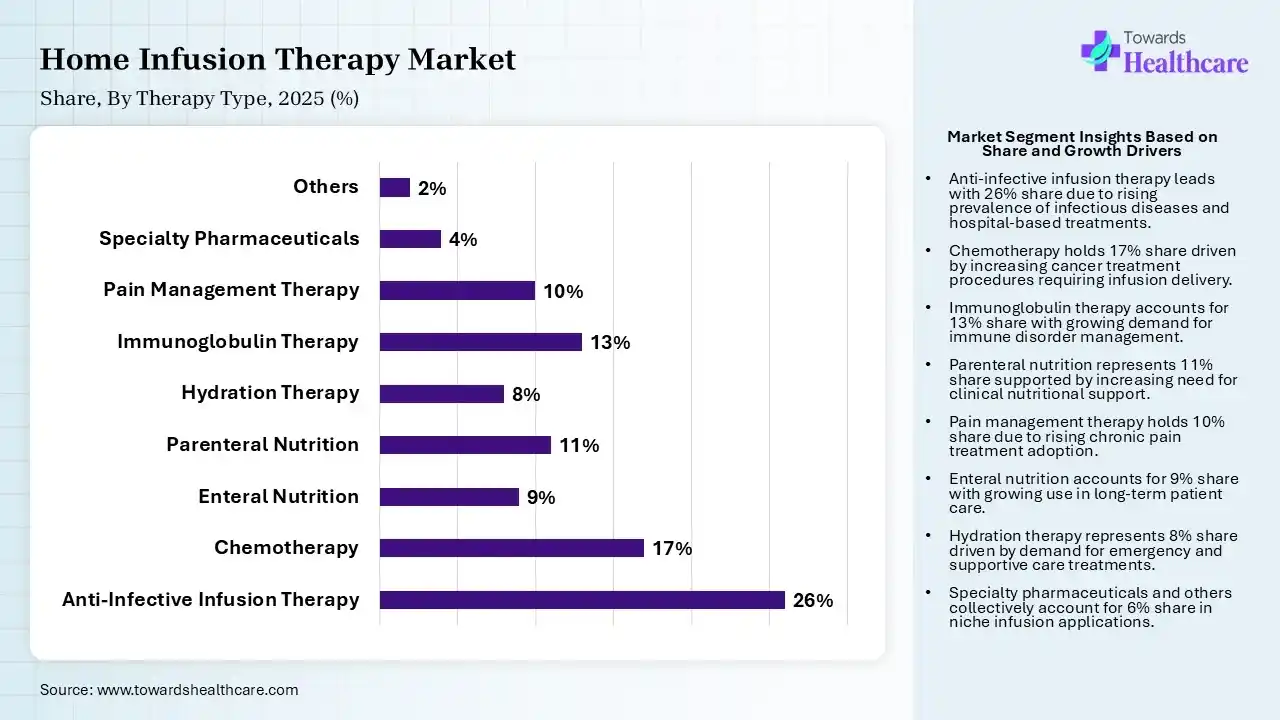
| Segment | Share 2025 (%) |
| Anti-Infective Infusion Therapy | 26% |
| Chemotherapy | 17% |
| Enteral Nutrition | 9% |
| Parenteral Nutrition | 11% |
| Hydration Therapy | 8% |
| Immunoglobulin Therapy | 13% |
| Pain Management Therapy | 10% |
| Specialty Pharmaceuticals | 4% |
| Others | 2% |
Anti-Infective Infusion Therapy Segment Led the Home Infusion Therapy Market in 2025
The anti-infective infusion therapy segment contributed the largest market share of 26%, as anti-infective therapy programs provide specialized infusions and specialty therapeutics designed to support managing multifaceted bacterial, viral, and fungal infections in the setting that best fits patient requirements.
The chemotherapy segment held a significant share of 17% of the market. Home-based intravenous chemotherapy improved by choosing the patient population carefully. Home-based chemotherapy infusion increases for parties Home-based chemotherapy infusion affords accurate monitoring of the patient through connected devices.
The immunoglobulin therapy segment held a significant share of 13% of the market and is expected to grow at the fastest CAGR of 8.3% during the forecast period, as immune globulin replacement is a safe and efficient therapy for patients with antibody-deficiency syndromes. It offers higher convenience and autonomy, reduces the challenges of hospital-acquired infections, and offers advanced flexibility.
The parenteral nutrition segment held a significant share of 11% of the home infusion therapy market, as parenteral nutrition (PN) includes the intravenous (IV) supply of macronutrients such as amino acids, glucose/dextrose, and intravenous lipid emulsion. Parenteral nutrition offers liquid nutrients, including carbohydrates, proteins, fats, vitamins, electrolytes, and minerals.
The pain management therapy segment held a significant share of 10% of the market, as infusion therapy brings medication directly into the bloodstream, causing fast relief. It’s predominantly valuable for managing chronic pain conditions, as it works earlier than oral therapeutics.
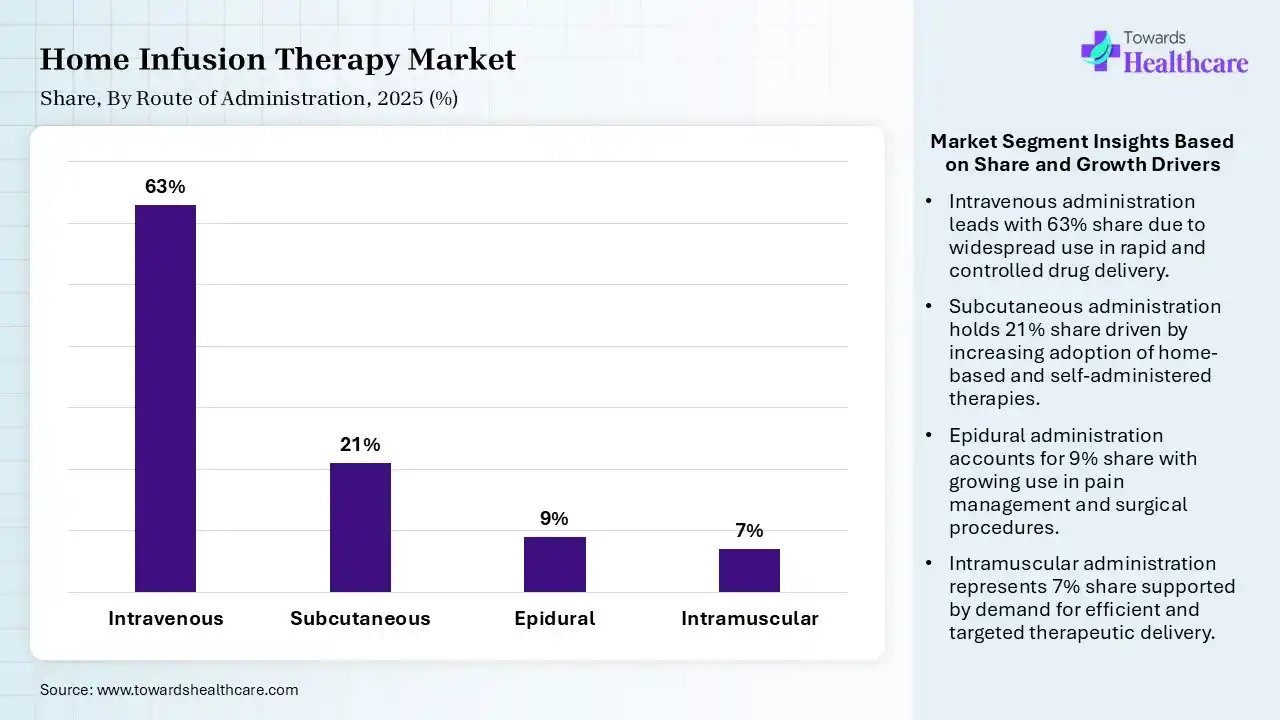
| Segment | Share 2025 (%) |
| Intravenous | 63% |
| Subcutaneous | 21% |
| Epidural | 9% |
| Intramuscular | 7% |
The Intravenous Segment led the Home Infusion Therapy Market in 2025
The intravenous segment held a significant share of 63% in the market, as IV infusion therapy transports fluids, blood, nutrients, and medication directly to patients' bloodstream to supports feel better instantly. IV therapy at home significantly lowers the challenges of infection.
The subcutaneous segment contributed the second-largest market share of 21%, and is expected to grow at the fastest CAGR of 8.5% during the forecast period, as subcutaneous administration enables therapeutics to be self-administered by patients or medical care providers using a variety of diverse drug delivery systems, involving advanced subcutaneous drug delivery tools.
The epidural segment held a significant 9% share of the home infusion therapy market, as epidural infusion is a safe and efficient route of pain relief if the medical measures have been seen for selecting patients receiving the action, and the caregivers understand the treatment and expected results.
The intramuscular segment held a significant share of 7% in the market, as intramuscular injection (IM) includes administering medicines into the depth of specifically targeted muscles. The large muscles have respectable vascularity, and thus the injected drug quickly reaches the systemic circulation and afterward into the particular area of action, avoiding the first-pass metabolism.
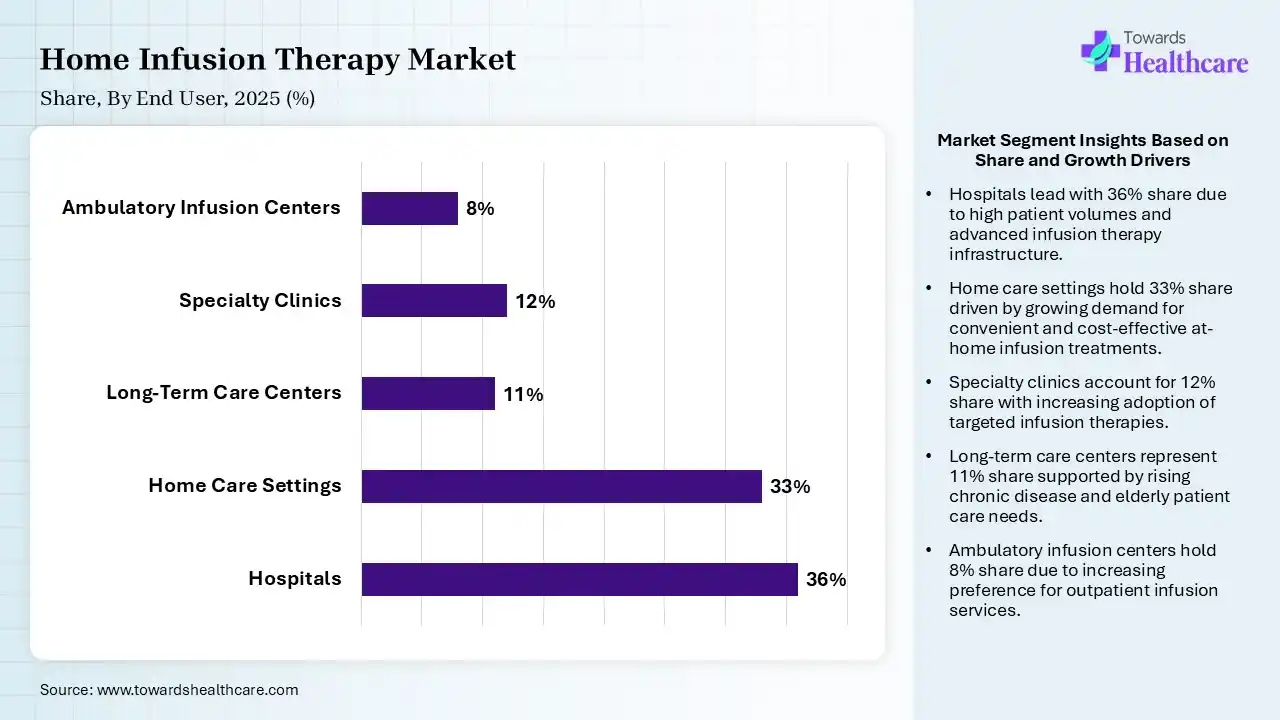
| Segment | Share 2025 (%) |
| Hospitals | 36% |
| Home Care Settings | 33% |
| Long-Term Care Centers | 11% |
| Specialty Clinics | 12% |
| Ambulatory Infusion Centers | 8% |
The Hospitals Segment led the Home Infusion Therapy Market in 2025
The hospitals segment contributed the largest market share of 36%, as hospital home infusion therapy lets individuals leave the hospital sooner, continue their treatment at home, and return to a usual daily routine. Hospitals can discharge patients early by transitioning them to home-based care for long-term treatments.
The home care settings segment held a significant share of 33% in the market, and is expected to grow at the fastest CAGR of 8.2% during the forecast period, as home infusion care offers safe, clinically operative care, improves patients' quality of life, and lessens healthcare costs.
The specialty clinics segment held a significant share of 12% in the market, as home infusion therapy enables patients to obtain specialty therapeutics in the comfort of their own homes rather than at a hospital or ambulatory clinic. These clinics often offer one-on-one attention from expert nurses who tailor the environment to the patient’s particular requirements.
The long-term care centers segment held a significant share of 11% in the home infusion therapy market, as it enhances patient quality of life, lowers expensive hospital transfers, and lessens the operational load on facility nursing staff. Home infusion care offers safe, clinically efficient care to enhance patients' quality of life and lower healthcare expenses.
The ambulatory infusion centers segment held a significant share of 8% in the market, as ambulatory infusion center is the lowered waiting period. This centers unpredictable, with delays because of emergencies and various priorities. Ambulatory infusion centers are intended to offer infusion therapies.
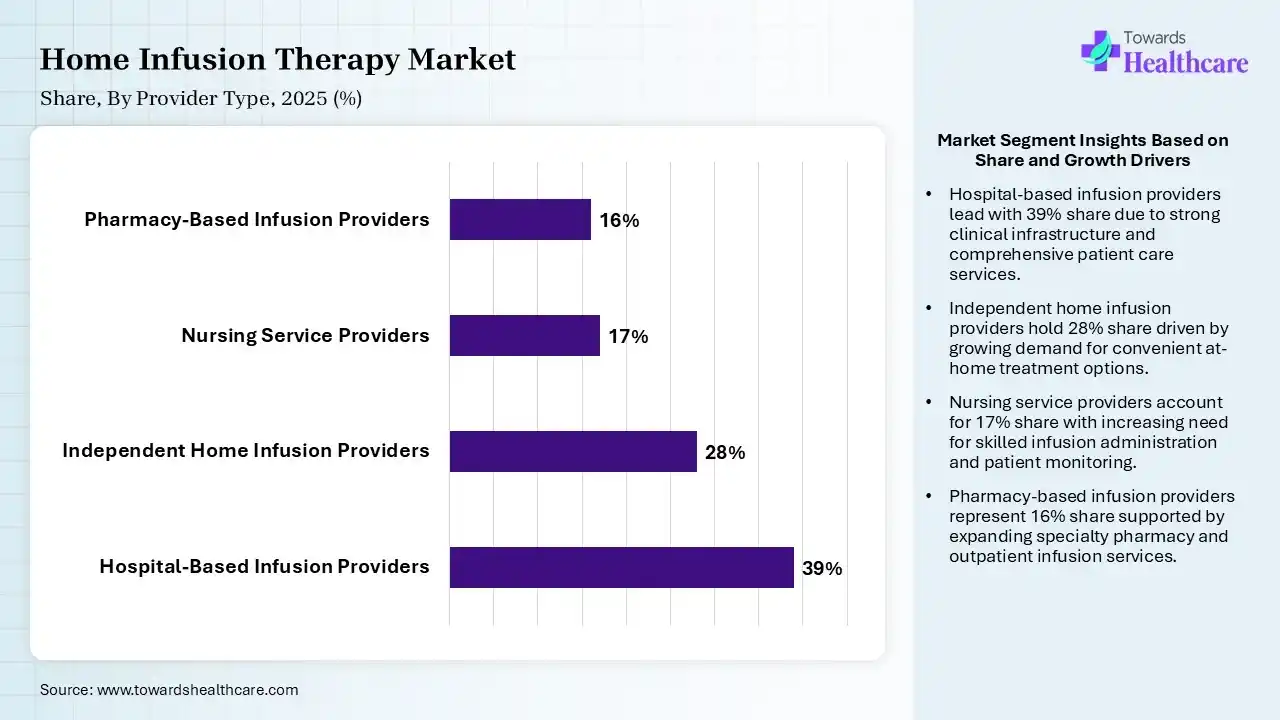
| Segment | Share 2025 (%) |
| Hospital-Based Infusion Providers | 39% |
| Independent Home Infusion Providers | 28% |
| Nursing Service Providers | 17% |
| Pharmacy-Based Infusion Providers | 16% |
The Hospital-Based Infusion Providers Segment led the Home Infusion Therapy Market in 2025
The hospital-based infusion providers segment held a significant share of 39% in the market, as it has lower overall treatment expenses as compared to inpatient or hospital outpatient settings. Patients save a lot of time, sometimes as much as vehicle expenses, each visit, which is a financial benefit.
The independent home infusion providers segment contributed the second-largest market share of 28%, and is expected to grow at the fastest CAGR of 8.1% during the forecast period, as this type of home infusion provider offers significant benefits for patients requiring specialized treatments such as intravenous (IV) antibiotics, biologics, and nutritional therapy outside of an outdated hospital.
The nursing service providers segment held a significant share of 17% in the home infusion therapy market, as these services are modified to meet patient medical requirements and daily routines, offering focused attention that is infrequently possible in full healthcare settings. Applications of home care or private nursing are substantially more affordable than a lengthy hospital or extended-care facility stay, it saves time and transport expenses.
The pharmacy-based infusion providers segment held a significant share of 16% in the market, as these providers offer convenient, affordable care by bringing specialty medications and intravenous treatments to outpatient settings or patients' homes.
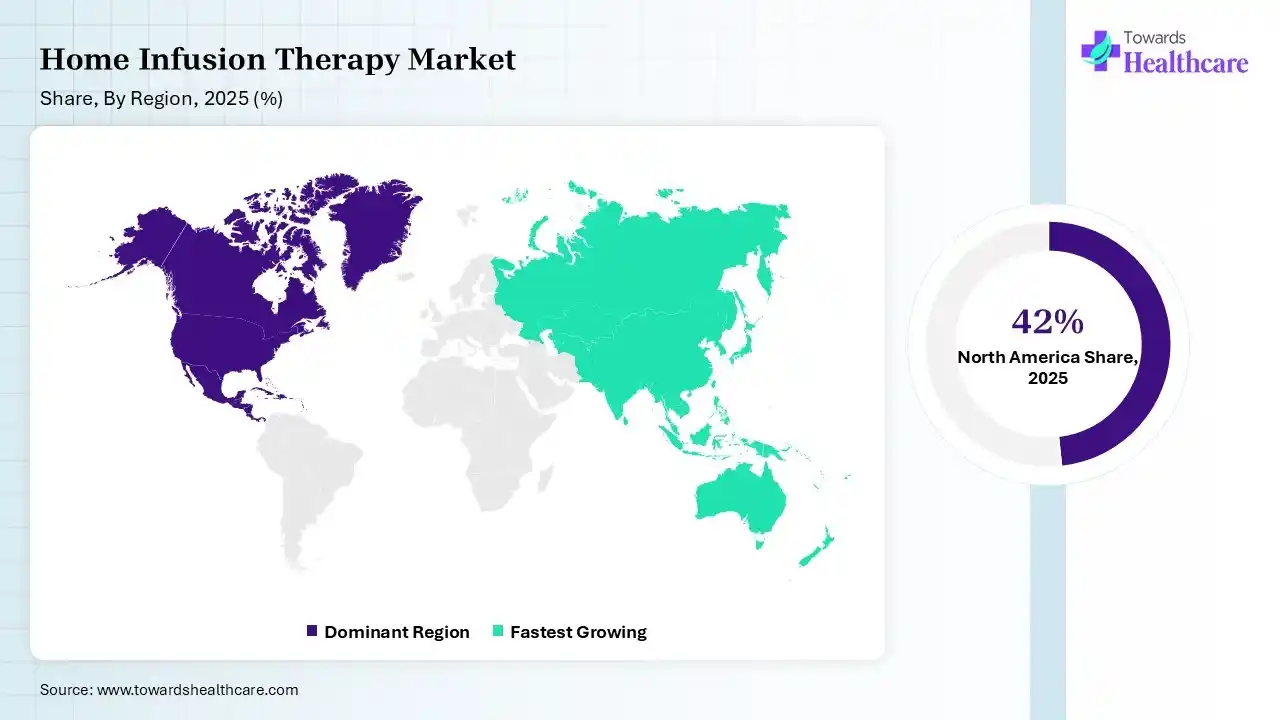
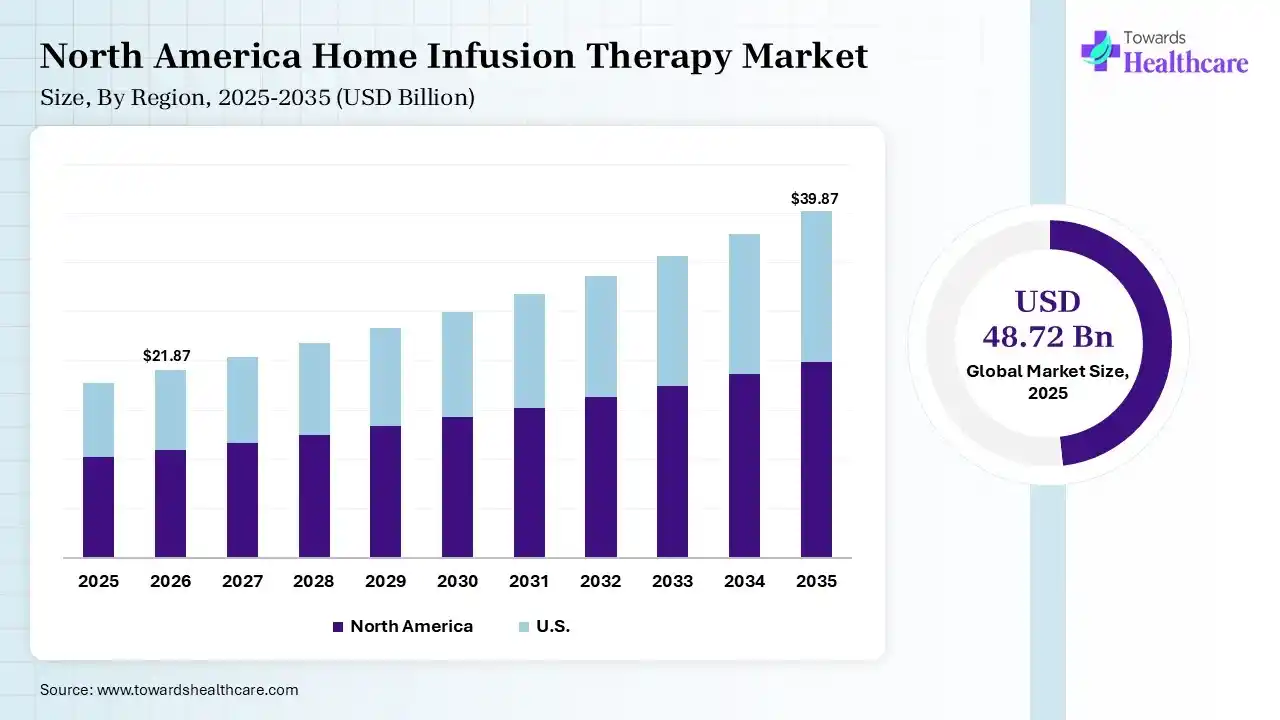
In 2025, North America dominated the home infusion therapy market with a share of 42% in 2025, due to the continuous advancement and increasing acceptance rate of portable, lightweight, and technologically progressive infusion pumps, which enable patients to safely self-administer therapeutics such as anti-infectives, chemotherapy, and biologics outside of a hospital, which contributes the growth of the market.
U.S. Market Trends
U.S. healthcare expenses are among the highest in the world. Home infusion bypasses costly hospital facility fees and significantly reduces expenses for both insurance organizations and patients. The U.S. benefits from an extensive, extremely integrated network of field pharmacies, home health agencies, and logistics workers capable of safely distributing specialty medications and handling infusion drugs.
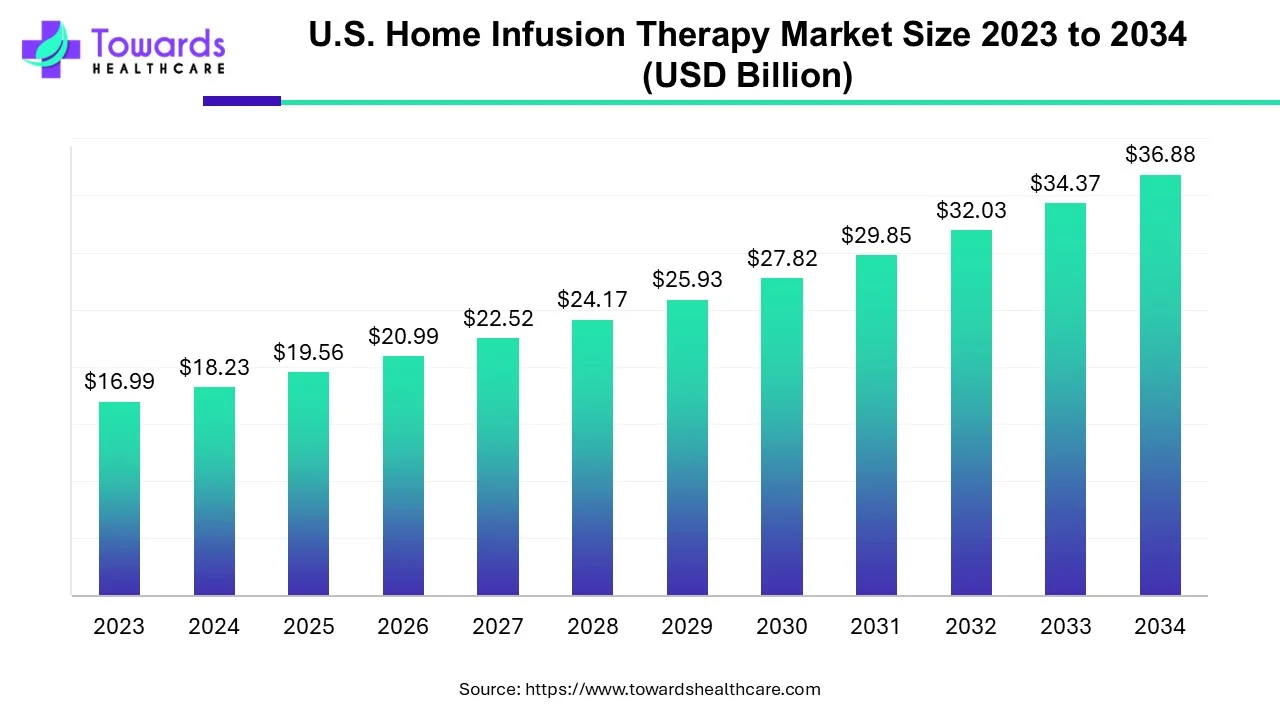
The U.S. home infusion therapy market is predicted to expand from USD 19.56 billion in 2025 to USD 39.57 billion by 2035, growing at a CAGR of 7.3% during the forecast period from 2026 to 2035.
Canada Market Trends
Canada faces a rapidly aging population and rising rates of chronic illnesses. Geographic challenges also drive the need for home care across vast rural territories. Provincial governments actively fund these programs to lower hospital overcrowding and reduce public spending. Patients prefer staying home rather than traveling long distances to crowded urban medical centres. Better internet access allows nurses to track health data remotely and support families instantly. Consequently, more Canadian families now choose home-based treatments over traditional hospital stays.
Asia Pacific held 21% share of the home infusion therapy market, and is expected to have the fastest CAGR of 8.5% during the forecast period, as the countries in this region account for a noteworthy portion of worldwide healthcare worker scarcities. Offering treatments at home relieves the huge burden on traditional hospital beds and strained medical staff. Rapidly aging populations, specifically in countries such as Japan and China, are driving the growth of the market.
India Market Trends
India faces a significant lack of medical care infrastructure. Home infusion and ICU solutions provide extremely affordable substitutes, supporting patients in avoiding prolonged hospital stays and exorbitant inpatient expenses. Major Indian families also prefer to care for aging relatives at home rather than use assisted living or extended hospitalizations, creating in-home intravenous treatments an imperious and greeted model of healthcare.
China Market Trends
China experiences massive growth in home care due to its huge elderly population. Major cities suffer from severe hospital congestion and long waiting times for basic therapies. The government heavily promotes community healthcare initiatives to ease pressure on large medical institutions. Domestic companies are rapidly manufacturing affordable, easy-to-use medical devices for families at home. Cultural traditions place a high value on family care, making home-based recovery highly desirable. These factors trigger a steady shift toward home treatment across many Chinese provinces.
R&D:
Manufacturing Processes:
Patient Services:
| Company | Headquarters | Latest Update |
| Coram CVS Health | United States | Coram CVS/specialty infusion services is a subsidiary of CVS Health, specializing in home infusion and enteral nutrition treatment. |
| Optum Infusion Services | United States | Optum grows its limited distribution drug network, increasing the opportunity to serve more patients with complex and rare diseases. |
| KabaFusion | United States | In February 2026, KabaFusion, a nationally recognized leader in home and alternative site infusion, and Nautic Partners announced that Nautic has completed its growth spending in KabaFusion. |
| Baxter International | United States | In April 2026, Baxter introduced the IV Verify line labeling system, an automated service to enhance IV labeling in medical care settings. |
| B. Braun Melsungen | Germany | In May 2026, B. Braun Medical Inc., a recognized leader in smart infusion therapy and pharmaceutical manufacturing, announced the launch of Rocuronium Bromide Injection, the first and only FDA-approved, room-temperature-stable prefilled syringe supplied as a 50 mg/5 mL single-dose Luer lock syringe. |
In July 2026, "Our vision is to deliver infusion care wherever it best serves the patient," said Dan McCarty, CEO of Infusion for Health. "Expanding our home infusion capabilities alongside our ambulatory infusion center network allows us to offer greater flexibility while maintaining the clinical excellence and patient experience that define our organization."
Strengths
Weaknesses
Opportunities
Threats
By Product
By Therapy Type
By Route of Administration
By Applications
By End User
By Provider Type
By Region











Principal Consultant
Payal Rabde is a Healthcare Market Research Analyst at Towards Healthcare Research & Consulting with 4+ years of experience in pharmaceuticals, biotechnology, medical devices, and life sciences.
Learn more about Payal Rabde

Reviewed By
Aditi Shivarkar is a seasoned professional with over 14 years of experience in healthcare market research. As a content reviewer, Aditi ensures the quality and accuracy of all market insights and data presented by the research team.
Learn more about Aditi Shivarkar









