

Pipeline Programs

CGT Companies Tracked

Manufacturing Facilities


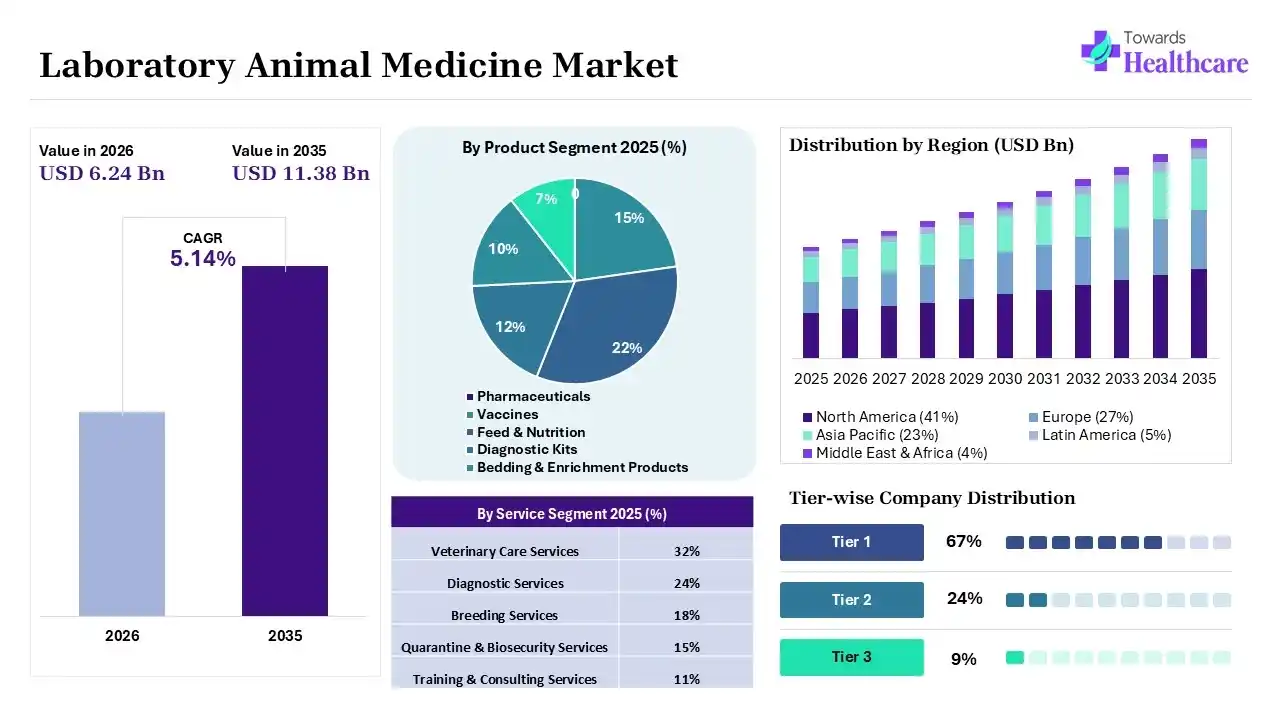
The laboratory animal medicine market size was estimated at USD 5.84 billion in 2025 and is predicted to increase from USD 6.24 billion in 2026 to approximately USD 11.38 billion by 2035, expanding at a CAGR of 5.14% from 2026 to 2035.
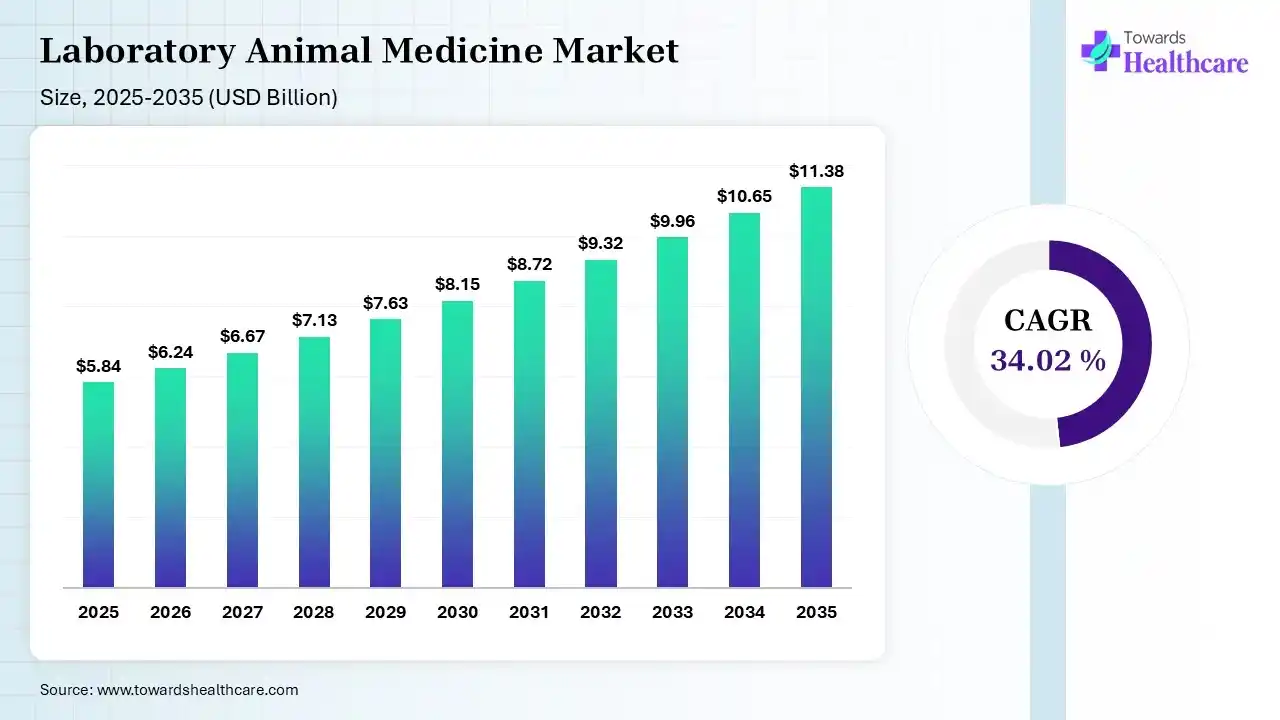
The laboratory animal medicine market is growing, as these medicines plays significant role in research for different disciplines such as toxicology, pharmacology, and physiology.
The laboratory animal medicine market is increasing because this type of medicine is an increasing field of veterinary practice that emphasizes animal wellbeing and improvement of research animal health care. The applications of animals as experimental models remain a vital tool in the immediate future, enabling innovative and increasingly molecular discoveries of basic science to be translated into developments in health care for humans and animals alike. The laboratory animal medicines play an important role in the research community and society by managing and supporting the safeguarding of animals in research. Laboratory animal medicine is an exciting discipline that encompasses numerous fields that relate to the use of animals in teaching, research, and testing involving ethology, welfare, biology, genetics, biosafety, physiology, regulatory affairs, toxicology, and animal model advancement.
Integration of AI-driven technology in laboratory animal medicine drives market growth, as AI-driven technology has huge potential to play various roles in veterinary practice, enhancing the way veterinary care is delivered, enhancing results for animals, and eventually humans. The evolution of AI-based technology has led to a novel direction in biomedical research, particularly in translational research with massive potential, promising to transform science. AI is renovating science by lowering the requirement for animal testing and providing more ethical and humane substitutes. AI, in integration with organ-on-a-chip (OoC) and computer simulations, is allowing the advancement of animal digital twins, permitting scientists to predict biological technology.
| Key Elements | Scope |
| Market Size in 2026 | USD 6.24 Billion |
| Projected Market Size in 2035 | USD 11.38 Billion |
| CAGR (2026 - 2035) | 5.14% |
| Leading Region | North America by 41% |
| Key Applications | Animal health management, disease prevention, anesthesia & analgesia, laboratory animal diagnostics, breeding colony management, biosecurity, surgical support, preclinical research, toxicology studies |
| Primary End Users | Pharmaceutical companies, Biotechnology companies, CROs, Academic research institutes, Government laboratories, Contract research facilities, Animal breeding facilities |
| Key Growth Drivers | Rising preclinical drug development, increasing biomedical research funding, expansion of CRO services, emphasis on animal welfare regulations, growth in genetically engineered animal models |
| Measurable Values | USD Millions/Units/Volume |
| Market Segmentation | By Animal Type, By Product, By Service, By Application, By End User, By Region |
| Top Key Players | Charles River Laboratories, Zoetis Inc., Merck Animal Health (MSD Animal Health), Inotiv Inc., Taconic Biosciences, Marshall BioResources, Tecniplast S.p.A., Allentown LLC, Lab Products LLC |
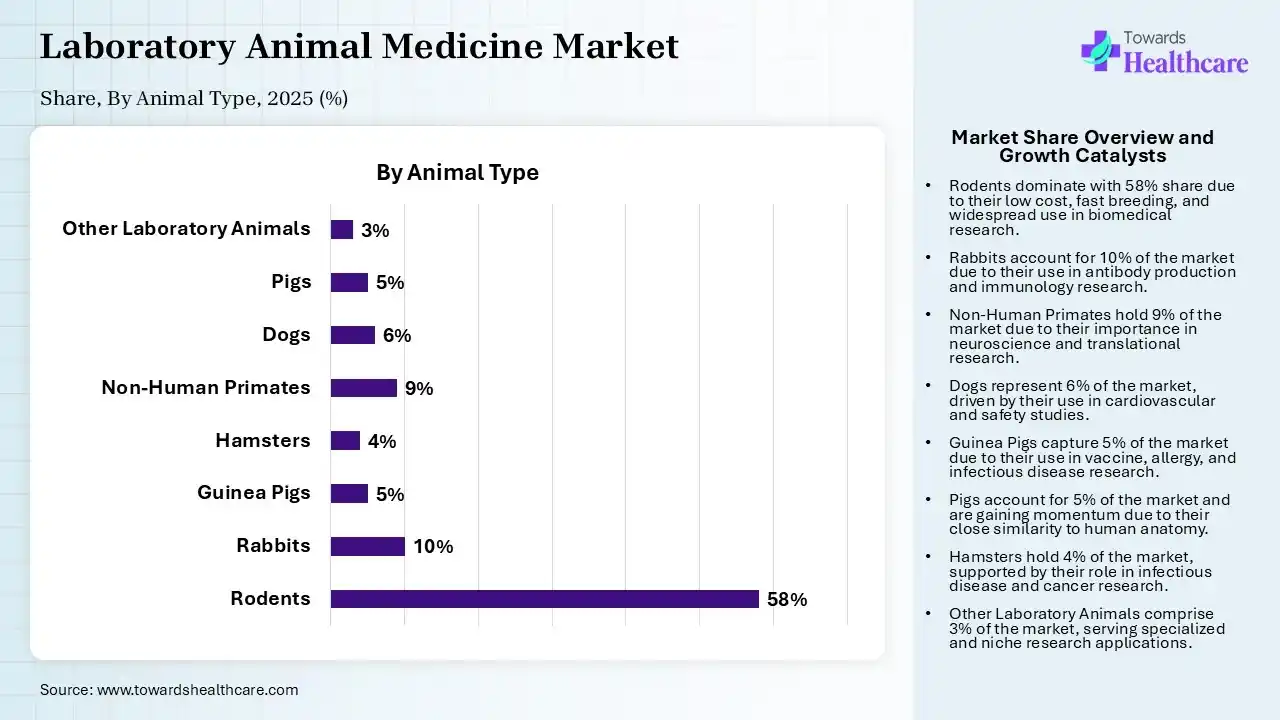
The Rodents Segment Led the Market in 2025
| Segments | Shares % |
| Rodents | 58% |
| Rabbits | 10% |
| Guinea Pigs | 5% |
| Hamsters | 4% |
| Non-Human Primates | 9% |
| Dogs | 6% |
| Pigs | 5% |
| Other Laboratory Animals | 3% |
In 2025, the rodents segment dominated with a 58% of the laboratory animal medicine market. Rodents include their ease of maintenance, small size, limited life cycle, and massive genetic resources. Basic biomedical research covers the description of genes/proteins, the research of anatomical and physiological functions, & the characterization of normal and pathological situations in a diversity of animal species. Rodents are indispensable in biomedical research because of their physiological and genetic resemblances to humans, allowing in considerate diseases, advanced therapies, & safeguarding safety in drug testing.
The rabbits segment held the second-largest share of a 10% in 2025, due to the growing antibody production demand. Ongoing expansion of immunology studies & higher physiological relevance are driving the adoption of rabbits. Alongside, rabbits have a pivotal role in the study of pyrogen and toxicity testing before human trials.
The non-human primates segment held a 9% share in 2025 & is predicted to expand at the 7.8% CAGR in the laboratory animal medicine market. As NHPs have over 93% DNA homology with humans, they are employed in the critical need for complex translational models in infectious disease, neuroscience & immunology. However, several pharmaceutical firms are highly outsourcing their NHP preclinical studies to specialized CROs to guide complex compliance, ethics, & breeding infrastructure.
The dogs segment held a lucrative share of 6% in 2025, due to the surging importance of toxicology & safety testing. Moreover, dogs have a major role in cardiovascular studies, hemophilia research, & oncology, like studying spontaneous lymphoma and cancer treatments.
| Segments | Shares % |
| Pharmaceuticals | 34% |
| Vaccines | 15% |
| Feed & Nutrition | 22% |
| Diagnostic Kits | 12% |
| Bedding & Enrichment Products | 10% |
| Other Consumables | 7% |
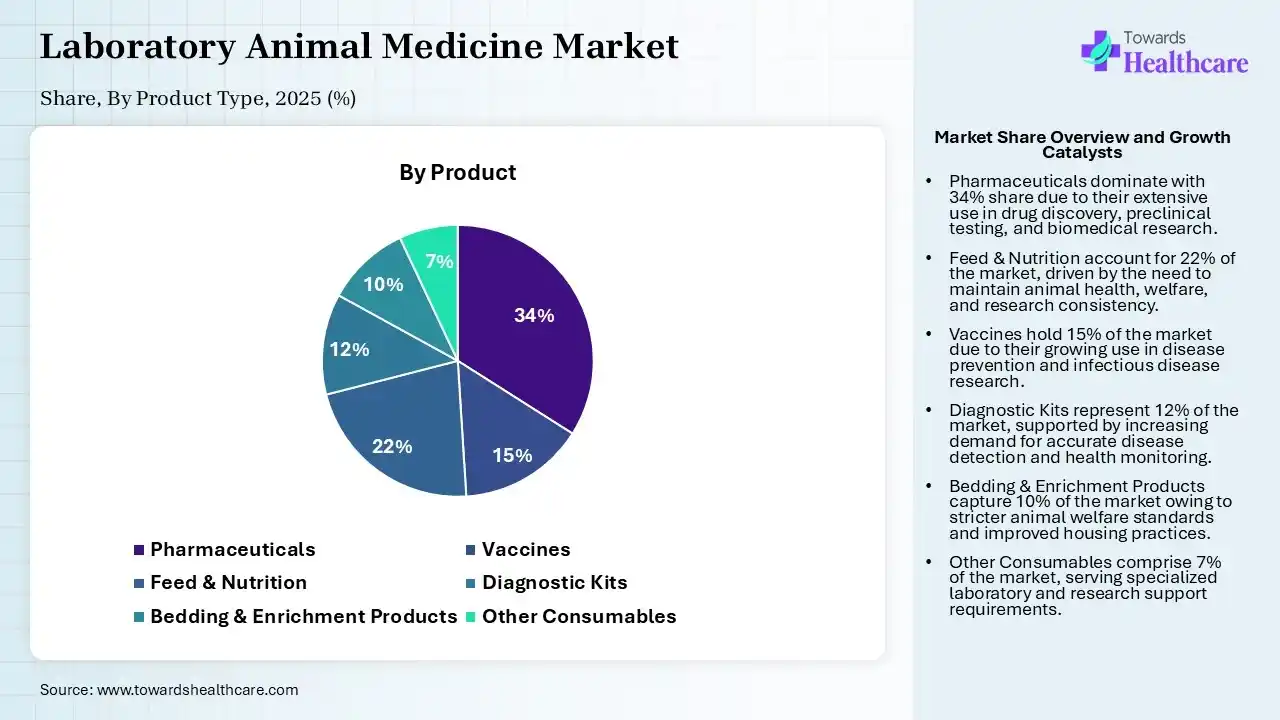
The Pharmaceuticals Segment Dominated the Market in 2025
The pharmaceuticals segment led with a 34% share of the laboratory animal medicine market in 2025. A rise in disease management needs and expanded laboratory animal welfare standards are fueling the growth of pharmaceuticals. The globally surging disease surveillance & maintenance of pathogen-free animal colonies drive the need for continuous veterinary pharmaceutical & diagnostic interventions.
In 2025, the feed & nutrition segment held the second-largest share of a 22% of the market. The segmental growth is propelled by a rising precision nutrition demand, and advancing research reproducibility necessitates standardized diets. Participation of Institutional Animal Care and Use Committees (IACUC) & similar global agencies demands comprehensive traceability of nutritional ingredients.
The vaccines segment accounted for a 15% share of the laboratory animal medicine market, due to the enforcement of biosecurity programs that increase vaccination. Alongside, accelerating focus on infection prevention & elevating the shift towards recombinant, DNA, and viral-vector vaccines, fosters the progression of vaccines.
On the other hand, the diagnostic kits segment captured a 12% share in 2025 & is estimated to grow at the 8.1% CAGR in the coming era. Respective expansion is fueled by the surging importance of rapid pathogen detection, the development of genetic monitoring, & broadening automation that enhances laboratory efficiency. Integrated digital & AI-enabled analysis, with molecular diagnostic kits, rises testing accuracy, sensitivity, & efficacy.
| Segments | Shares % |
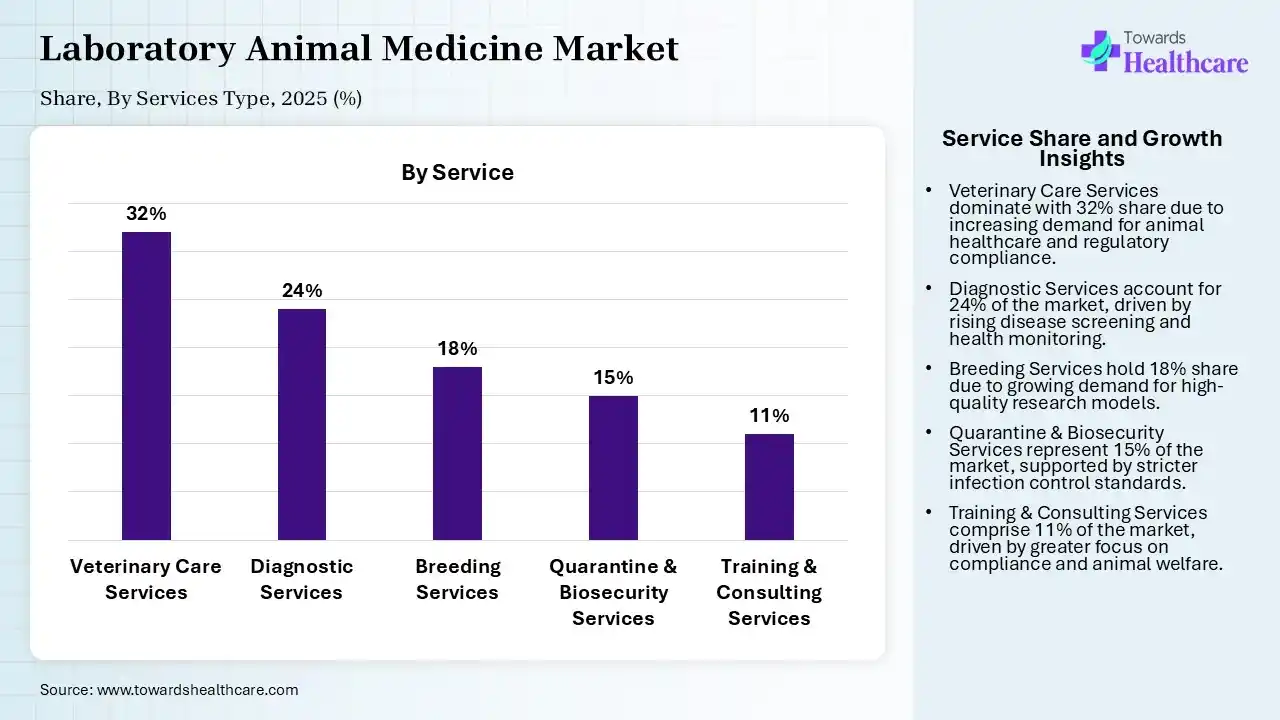
| Veterinary Care Services | 32% |
| Diagnostic Services | 24% |
| Breeding Services | 18% |
| Quarantine & Biosecurity Services | 15% |
| Training & Consulting Services | 11% |
The Veterinary Care Services Segment Was Dominant in the Market in 2025
The veterinary care services segment led with a 32% share of the market in 2025. Rising requirement for continuous health monitoring, empowerment of compliance standards, & rising investments in animal welfare drive the dominance of veterinary care services. Moreover, a rise in the need for the detection of subclinical pathogens & ensure continuous health monitoring is developing a robust demand for clinical pathology, microbiology, & molecular diagnostics to maintain colony integrity.
The diagnostic services segment captured a 24% share in 2025 & is anticipated to expand fastest at the 8.0% CAGR in the laboratory animal medicine market. Enforcement of extensive health monitoring, genetic quality assurance, & disease screening for lab animals demands advanced diagnostic services. Substantial growth in complex preclinical studies, like gene therapy, targeted oncology, is spurring highly specialized, precise diagnostic assays & pathology services.
The breeding services segment held a 18% share in 2025, due to increasing demand for genetically defined animals. Surging research pipelines & expansion of specialized breeding programs across the globe are driving these kinds of services. Consistent investments in infectious disease research & immunology pipelines are also boosting demand for breeding services.
The quarantine & biosecurity services segment captured a 15% share of the laboratory animal medicine market. Expanded awareness about global health security needs strong isolation & quarantine protocols. Besides this, in this era, government agencies are enforcing comprehensive biosecurity & quarantine mandates to ensure humane treatment & mitigate disease outbreaks.
| Segments | Shares % |
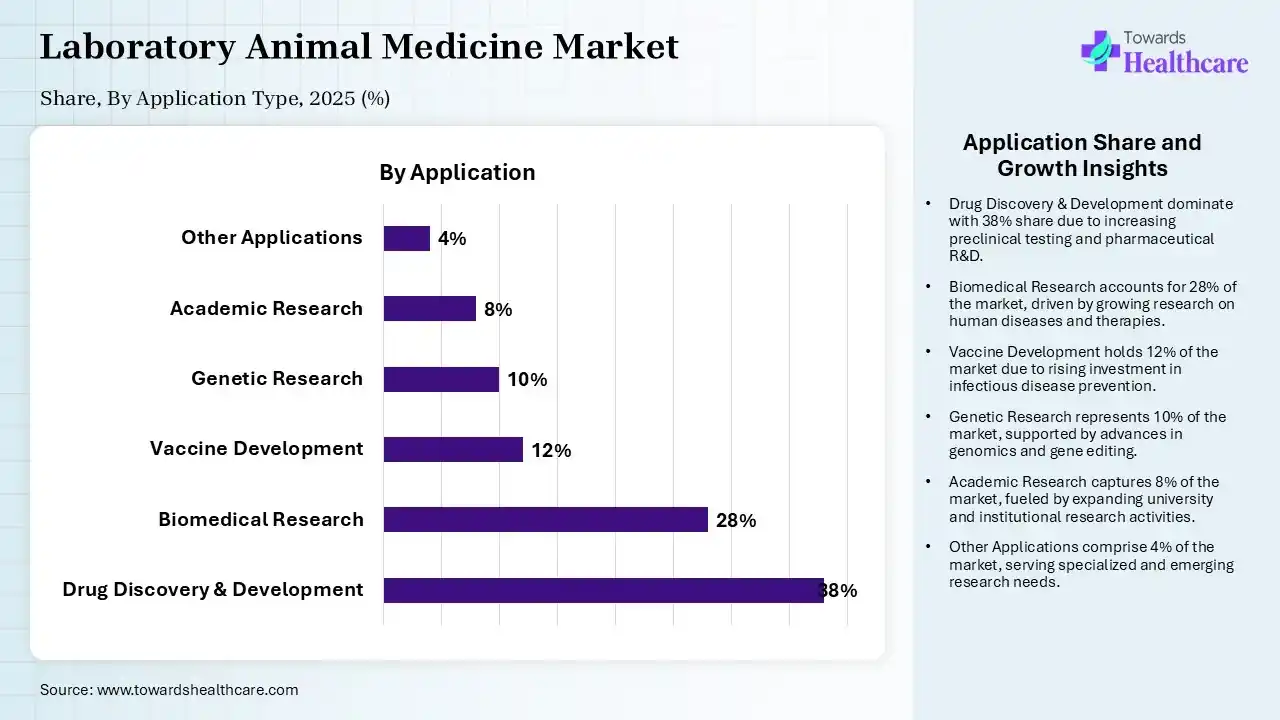
| Drug Discovery & Development | 38% |
| Biomedical Research | 28% |
| Vaccine Development | 12% |
| Genetic Research | 10% |
| Academic Research | 8% |
| Other Applications | 4% |
The Drug Discovery & Development Segment Dominated the Market in 2025
In 2025, the drug discovery & development segment held a major share of 38% of the market. Stringent regulatory requirements for preclinical safety testing, & progression of Genetically Engineered Mouse Models (GEMs) mimics complex human concerns, fostering the respective application. The worldwide rising investments in biologics and targeted immunotherapies need complex in vivo platforms to record pharmacokinetics (PK) & pharmacodynamics (PD) accurately.
The biomedical research segment held the second-largest share of a 28% of the market in 2025. The segmental growth is driven by an accelerated disease burden, which stimulates studies. In addition, ongoing development in precision medicine research, coupled with funding that pushes translational science.
In 2025, the vaccine development segment captured a notable share of 12% of the laboratory animal medicine market. Day by day, emerging infectious diseases are fueling investment. Alongside, advanced vaccine platforms are boosting testing. However, massive public health initiatives are supporting the overall research activities for the vaccine.
The genetic research segment held a 10% share in 2025 & is predicted to expand at the 8.4% CAGR. The emergence of the latest CRISPR technology has significantly lowered the expenditure, time, & complexity of developing genetically modified animal models. Strict guidelines for laboratory animal genetics are propelling the need for continuous, genetically monitored, & rigorously controlled transgenic colonies.
| Segments | Shares % |
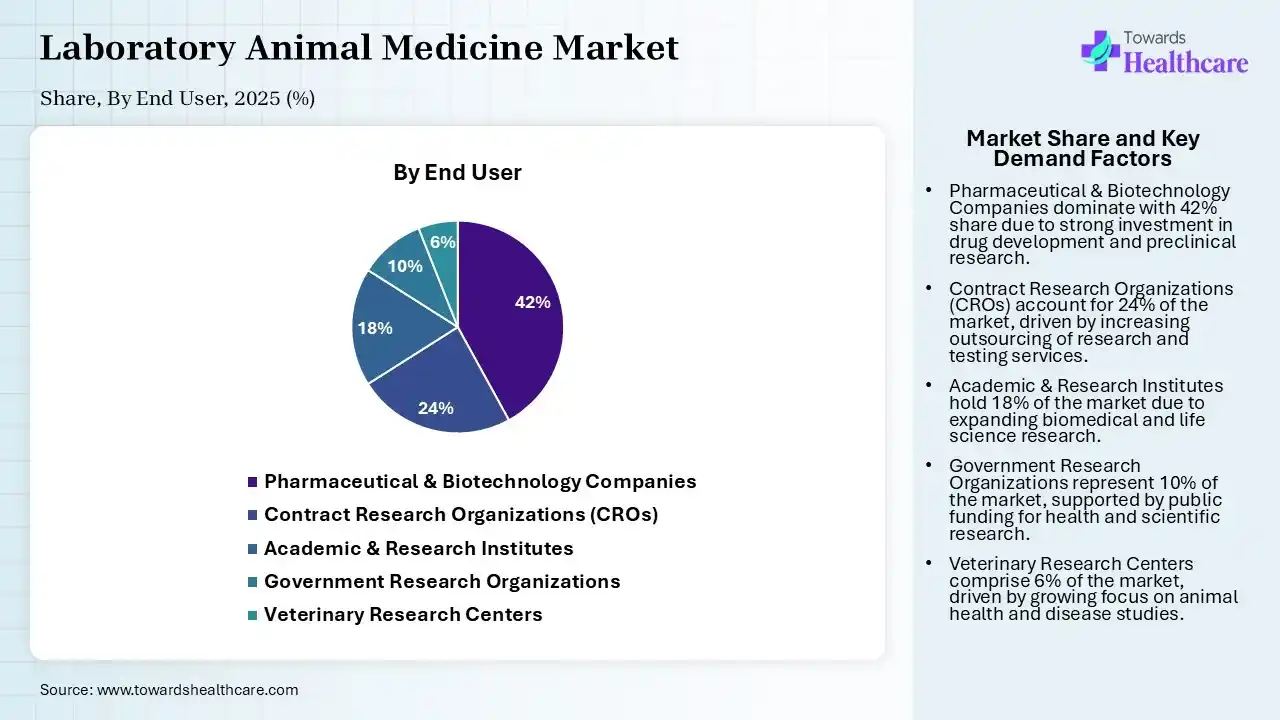
| Pharmaceutical & Biotechnology Companies | 42% |
| Contract Research Organizations (CROs) | 24% |
| Academic & Research Institutes | 18% |
| Government Research Organizations | 10% |
| Veterinary Research Centers | 6% |
The Pharmaceutical & Biotechnology Companies Segment Led the Market in 2025
In 2025, the pharmaceutical & biotechnology companies segment captured a dominant share of 42% of the market. Animal pharmaceutical companies play a vital role in safeguarding & optimizing the inclusive health of both livestock and pets via the development and distribution of pharma veterinary products. This invention range spans a diversity of interventions, like antibiotics, vaccines, antiparasitics, and nutritional supplements. Companies play a significant role in disease prevention policies. Vaccination programs are industrialized by animal pharmaceutical organizations.
Moreover, the contract research organizations (CROs) segment held a 24% share in 2025 & is estimated to expand at the 8.2% CAGR in the laboratory animal medicine market. Outsourcing preclinical studies offers access to dedicated expertise, advanced technologies, and affordable services, leading to rapid project timelines and enhanced compliance with government standards. CROs are familiar with the government requirements, supporting organizations in navigating compliance requirements efficiently and reducing the challenges of government issues throughout submission processes.
The academic & research institutes segment held a 18% share in 2025, due to the escalating public funding that supports projects. These institutes are promoting collaborative programs, along with the expansion of translational research activity. These institutes are acting as centres for academic training & spurring education for laboratory animal veterinarians.
Whereas government research organizations segment held a 10% share in 2025, due to national health initiatives driving studies. These organizations are promoting disease surveillance programs, along with continuous strategic research investments. Although the emergence of state-sponsored diagnostic networks to track zoonotic diseases & assess vaccines fuels continuous veterinary oversight & diagnostic reagents.
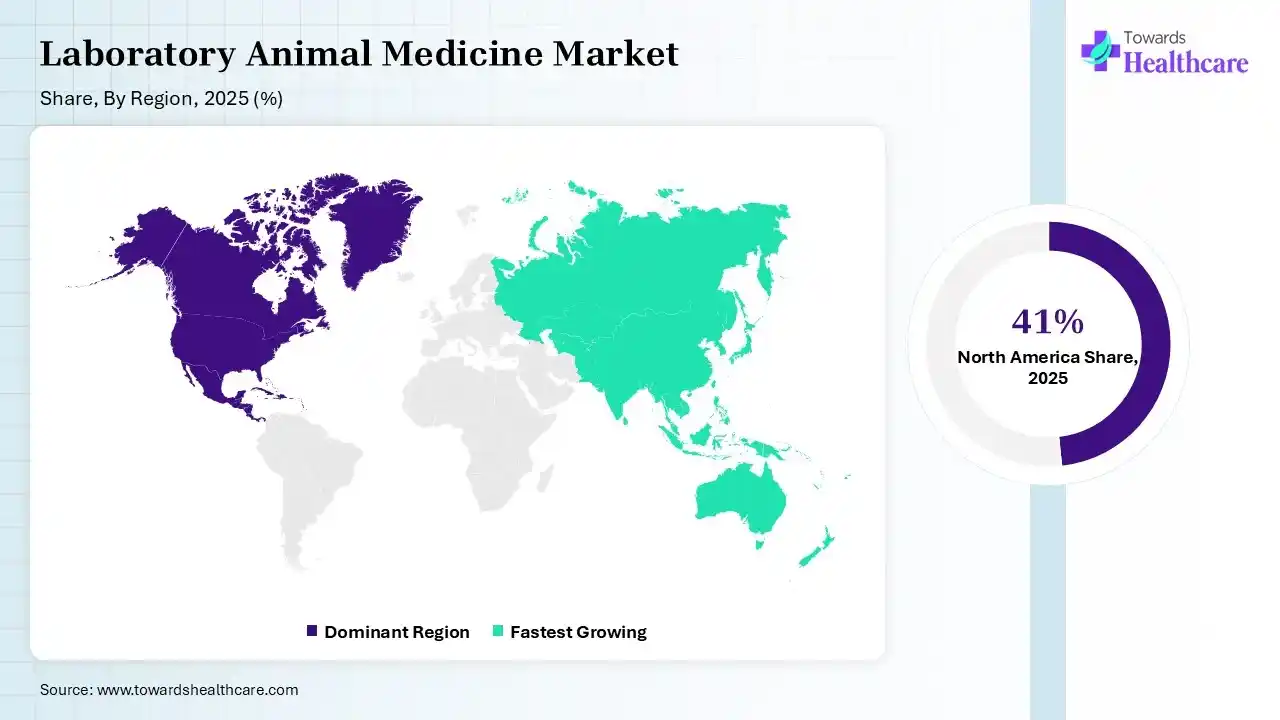
In 2025, North America registered dominance with a 41% share of the laboratory animal medicine market due to its advanced pharmaceutical and academic research ecosystem. Spending in medical care innovation is increasing contributions to the American economy and solidifying the nation's role as a leader in healthcare innovation. A strong presence of major pharmaceutical companies and specialized contract research organizations (CROs) such as Charles River Laboratories drives demand and invention in in-vivo models, which contributes to the growth of the market.
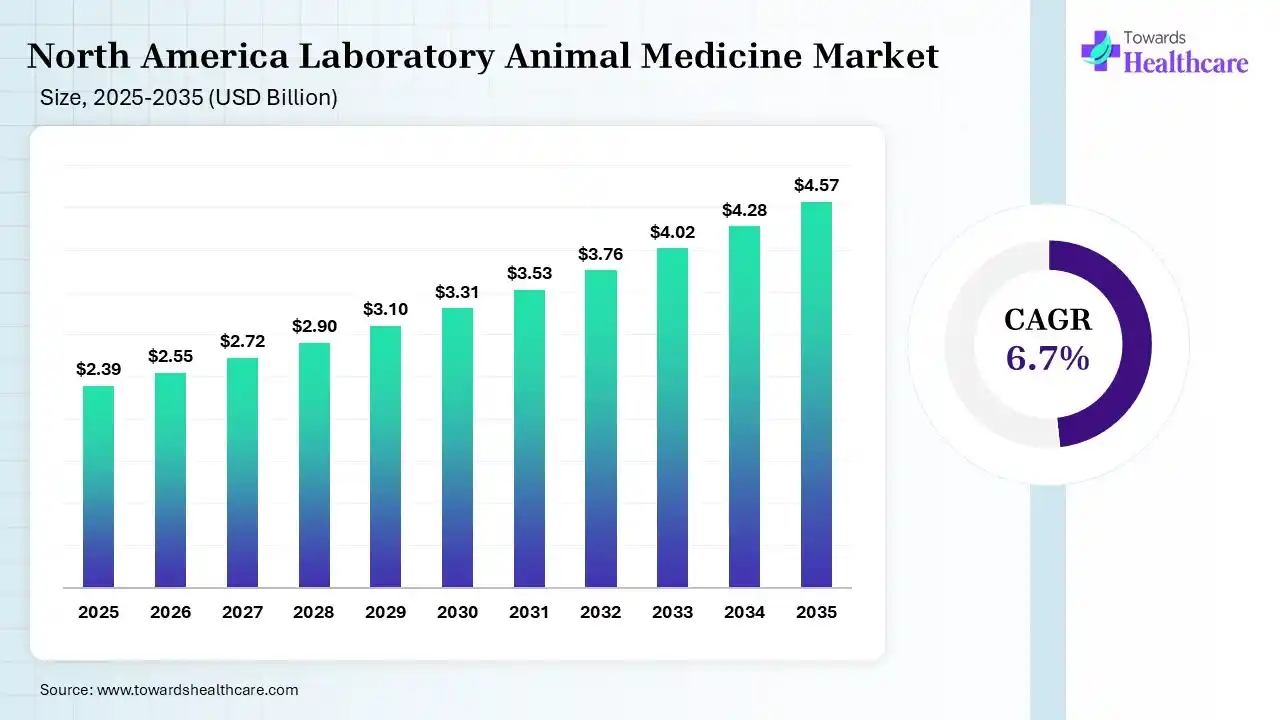
The North America laboratory animal medicine market size was estimated at USD 2.39 billion in 2025 and is predicted to increase from USD 2.55 billion in 2026 to approximately USD 4.57 billion by 2035, expanding at a CAGR of 6.7% from 2026 to 2035.
For Instance,
U.S. Market Trends
The U.S. contributed a major share of 85% of the market in 2025. In the U.S., the National Institutes of Health (NIH) is accepting a novel initiative to expand innovative, human-driven science while lowering animal use in research, making the U.S. the worldwide center for biomedical innovations. This region established strict ethical strategies and accreditation systems, such as AAALAC International, which was originally established as the American Association for the Accreditation of Laboratory Animal Care, which endorses the humane treatment of animals in science via voluntary assessment and accreditation.
Canada Market Trends
Canada captured a 10% share of the laboratory animal medicine market in 2025. Ongoing developments are impelled by strict biomedical research funding, rigorous animal welfare laws, and a rise in demand for tailored medicine. Besides this, the Canadian Council on Animal Care (CCAC) is mandating higher standards of care, routine health monitoring, & pain management for research animals.
Asia Pacific held a 23% share in 2025, & is anticipated to witness rapid growth at the 8.3% CAGR during 2026-2035. Asia Pacific is expected to see rapid growth in the laboratory animal medicine market, driven by a worldwide hub for biomedical and pharmaceutical research, with China, Japan, and India leading in the advancement of sophisticated, standardized animal services. Due to advancements in biodiversity, experiencing rapid land-use modification, the region has seen extensive habitat loss, increasing human-wildlife integration, and high levels of unregulated wildlife trade, which drives the growth of the market.
China Market Trends
China held a 34% share of the laboratory animal medicine market, & is estimated to expand at the 9.00% CAGR. Key drivers include massive investments by both domestic and international companies into clinical research, oncology, & pharmacology. The progressive CRO sector and local drug development are highly supporting rising chronic disease cases in China.
India Market Trends
India accounted for a 14% share in 2025 & is predicted to expand rapidly at 9.3% CAGR in the laboratory animal medicine market. India has more than 2300 animal services registered with CPCSEA for leading experiments using animals. India is transitioning from traditional animal-based to advanced human-relevant technology, such as AI and organoids. This transformation aims to enhance drug achievement rates and establish India as a worldwide revolution hub. India's bio-pharmaceutical industry, ranked third worldwide in terms of volume, is the major supplier of generic drugs worldwide and an advocate of advanced-quality.
Europe accounted for a lucrative share of 27% in 2025 & is estimated to expand notably at a 6.40% CAGR. Europe is growing significantly in the laboratory animal medicine market, as EU legislation is unique, as it sets a concluding aim of full replacement of animal applications for scientific and educational purposes, and is taking concrete action towards that goal. EU strategies have led to efforts to enhanced enforcement of legislation and to the spending of significant research on animal welfare by the European Commission. Encouraging high standards of laboratory animal medicine via scientific inquiry, which contributes to the growth of the market.
Germany Market Trends
In 2025, Germany captured a 23% share & is predicted to expand at 6.30$ CAGR in the laboratory animal medicine market. A prominent catalyst is the strong adherence of Germany to European Union regulations, like Directive 2010/63/EU & stricter local German Animal Welfare laws that mandate high standards of veterinary care, pain management, & living conditions for all research animals. Local firms, like Boehringer Ingelheim, Bayer, & Merck, are propelling continuous demand for laboratory animal models, preventive medicines, & veterinary therapeutics.
Netherlands Market Trends
The Netherlands held a 7% share in 2025 and is predicted to expand at 6.7% CAGR in the coming era. Especially, the Dutch government is actively fueling a shift away from animal testing in favor of in vitro methods, organ-on-a-chip, & advanced computational models. This nation is known for vast life science hubs, pharmaceutical leaders, & research institutions, such as the Hubrecht Institute & Netherlands Cancer Institute (NKI).
| Ecosystem Category | Key Participants | Explanation |
| Technology Providers | Tecniplast, Allentown LLC, Lab Products LLC | Supply animal housing, monitoring systems, ventilation, automation, and facility technologies. |
| Product Manufacturers | Zoetis, Merck Animal Health, Elanco, IDEXX Laboratories, Covetrus | Manufacture pharmaceuticals, vaccines, diagnostics, anesthetics, nutritional products, and laboratory animal healthcare products. |
| Service Providers | Charles River Laboratories, Inotiv, Labcorp, Marshall BioResources | Provide laboratory animal medicine, veterinary care, colony management, health monitoring, and research support. |
| Platform Providers | Charles River Laboratories, Taconic Biosciences | Integrated platforms for breeding, animal models, health monitoring, and research services. |
| CROs | Charles River Laboratories, Inotiv, Labcorp Drug Development, Altasciences | Conduct preclinical studies while providing laboratory animal medicine support. |
| Software Vendors | Tecniplast (DVC®), Mosaic Vivarium Management Systems | Vivarium management, animal tracking, welfare monitoring, and compliance software. |
| Research Institutions | The Jackson Laboratory, NIH, University laboratory animal medicine departments | Conduct laboratory animal medicine research, disease modeling, breeding, and veterinary science. |
| End-User Industries | Pharmaceutical, Biotechnology, Academic Research, Government Research, Medical Device Companies | Organizations utilizing laboratory animals during research and product development. |
R&D
Manufacturing Processes
Patient Services
| Tier 1 | Tier 2 | Tier 3 | |
| Typical Market Influence | 67% | 24% | 9% |
| Tier 1 | ||||
| Company Name | Headquarters | Country | Why Relevant to This Market | Key Products/Services |
| Charles River Laboratories | Wilmington, Massachusetts | USA | Global leader in preclinical research and laboratory animal services | Laboratory animal medicine, veterinary services, health monitoring, animal models |
| Zoetis Inc. | Parsippany, New Jersey | USA | Leading animal health company supplying medicines widely used in research animals | Pharmaceuticals, vaccines, anti-infectives, pain management |
| Merck Animal Health (MSD Animal Health) | Rahway, New Jersey | USA | Major supplier of veterinary pharmaceuticals used in laboratory animal care | Vaccines, parasiticides, anesthesia, veterinary medicines |
| Tier 2 | ||||
| Company Name | Headquarters | Country | Why Relevant to This Market | Key Products/Services |
| Inotiv Inc. | West Lafayette, Indiana | USA | Specialized provider of preclinical research and laboratory animal services | Laboratory animal medicine, animal models, CRO services |
| Taconic Biosciences | Rensselaer, New York | USA | Major supplier of genetically engineered research models and colony health services | Animal models, breeding, microbiome services |
| Marshall BioResources | North Rose, New York | USA | Leading supplier of research animals with veterinary support | Research animal breeding, health monitoring |
| Tier 3 | ||||
| Company Name | Headquarters | Country | Why Relevant to This Market | Key Products/Services |
| Tecniplast S.p.A. | Buguggiate, Varese | Italy | Global innovator in laboratory animal housing and welfare technologies | IVC systems, animal housing, monitoring platforms |
| Allentown LLC | Allentown, New Jersey | USA | Specialist in vivarium equipment and animal care systems | Animal cages, racks, ventilation systems |
| Lab Products LLC | Seaford, Delaware | USA | Manufacturer focused on laboratory animal housing systems | Cage systems, animal housing equipment |
Strengths
Weaknesses
Opportunities
Threats
By Animal Type
By Product
By Service
By Application
By End User
By Region












Principal Consultant
Shivani Zoting is a dedicated research analyst specializing in the healthcare industry. With a strong academic foundation, a B.Sc. in Biotechnology and an MBA in Pharmabiotechnology, she brings a unique blend of scientific understanding and strategy.
Learn more about Shivani Zoting
Reviewed By
Aditi Shivarkar is a seasoned professional with over 14 years of experience in healthcare market research. As a content reviewer, Aditi ensures the quality and accuracy of all market insights and data presented by the research team.
Learn more about Aditi Shivarkar









