


The U.S. academic medical center market size was estimated at USD 1002.6 billion in 2025 due to growing NIH funding and is predicted to increase from USD 1081.3 billion in 2026 due to increasing cancer incidences. The market is expected to grow to approximately USD 2134.66 billion by 2035, expanding at a CAGR of 7.85% from 2026 to 2035 due to growing advancements in healthcare technologies.
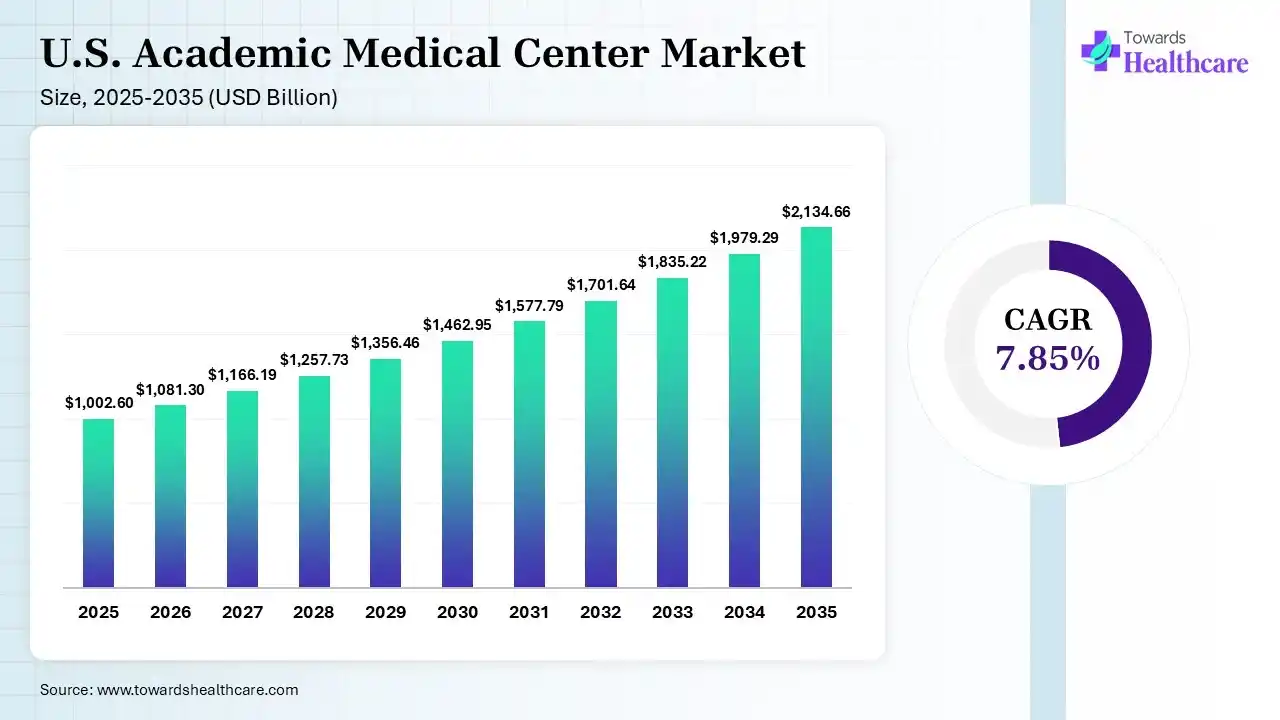
A U.S. academic medical center refers to a healthcare facility or institution offering medical education, patient care services, and research activities. They are responsible for training healthcare professionals and paramedical staff, developing new treatment options, and conducting scientific research. The major U.S. academic medical centers include Mayo Clinic, Cleveland Clinic, and Johns Hopkins.
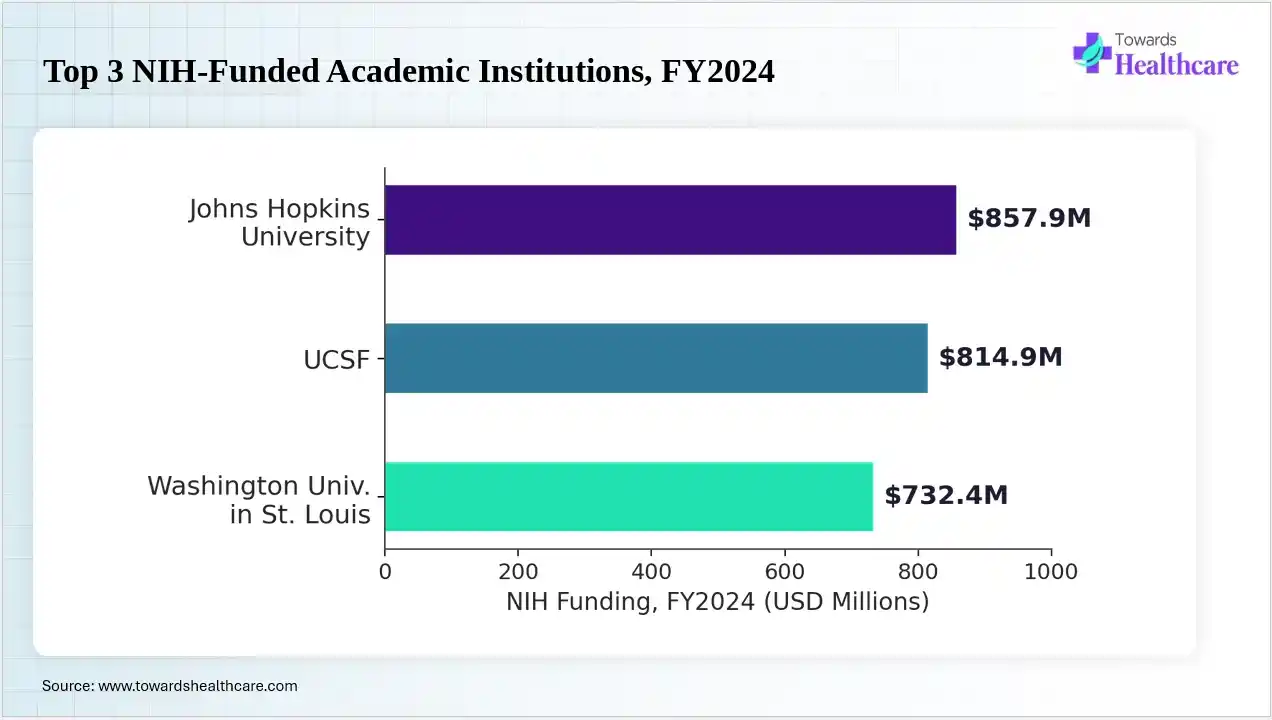
Graph 1: Based on the information I gathered, Johns Hopkins University dominated the market with $857.9 million NIH funding in FY2024, which made it the prestigious institution with high talent acquisition and commercialization potential. University of California, San Francisco held the second position by receiving $814.9M (revised) / $726.0M NIH funding, followed by Washington University in St. Louis with $732.4 million NIH funding.
Key Insight:
Johns Hopkins University was awarded $857.9M, representing approximately a $15M year-over-year increase and reinforcing a multi-decade pattern of concentration, while small academic medical centers received a disproportionate share of federal biomedical research funding.
Source: Blue Ridge Institute for Medical Research (BRIMR) FY2024 Rankings; Forbes, Feb. 27, 2025
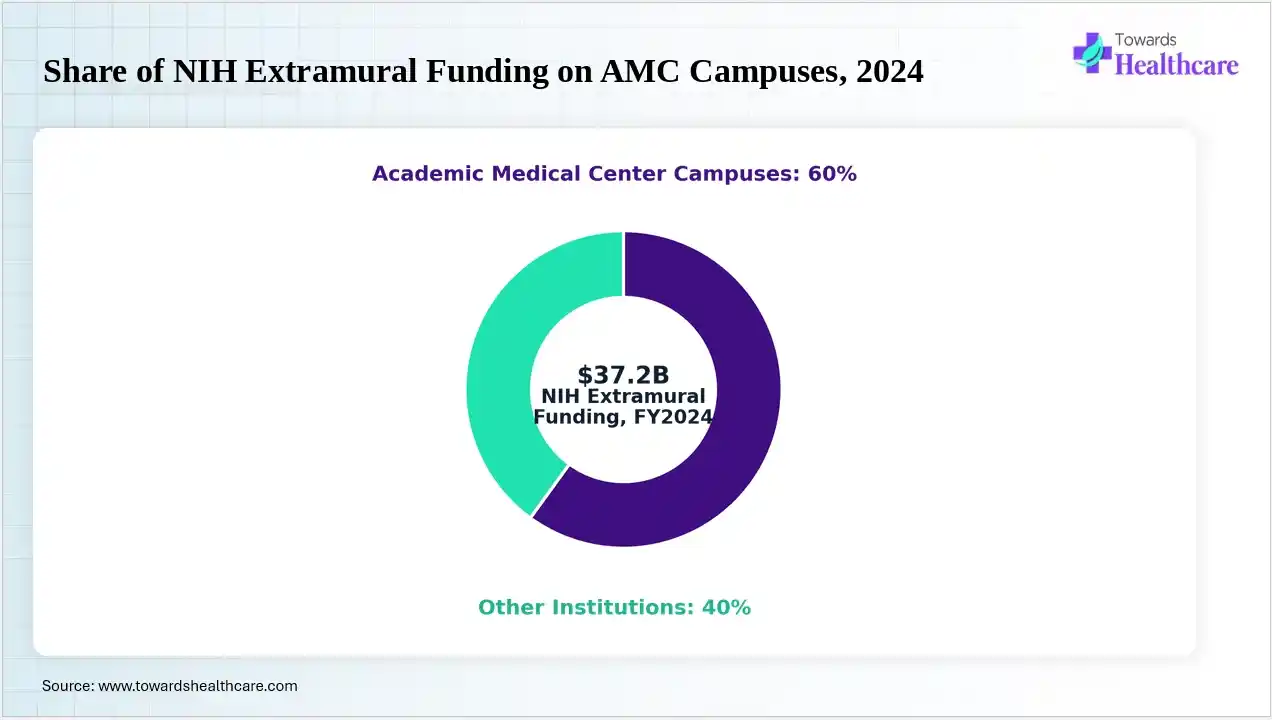
Graph 2: The graph represents NIH extramural funding, which offered around $37.2 billion in 2024. The academic medical campuses received 60% of the funding, while other institutions were granted 40% of the funding. Additionally, the awards/contracts in 2024 were reported to be more than 65,000, where these funds supported around 300,000 researchers across 2,500+ institutions, which helped in improving their services.
Key Insight:
Academic medical centers offer the majority of federally funded discovery work nationwide, which maintains their position as the operational backbone of American biomedical discovery with the help of NIH extramural funding.
Source: AAMC, “Congress must support robust federal funding for the NIH,” Feb. 4, 2025; GEN, “Top 50 NIH-Funded Institutions of 2024,” Oct. 2, 2024
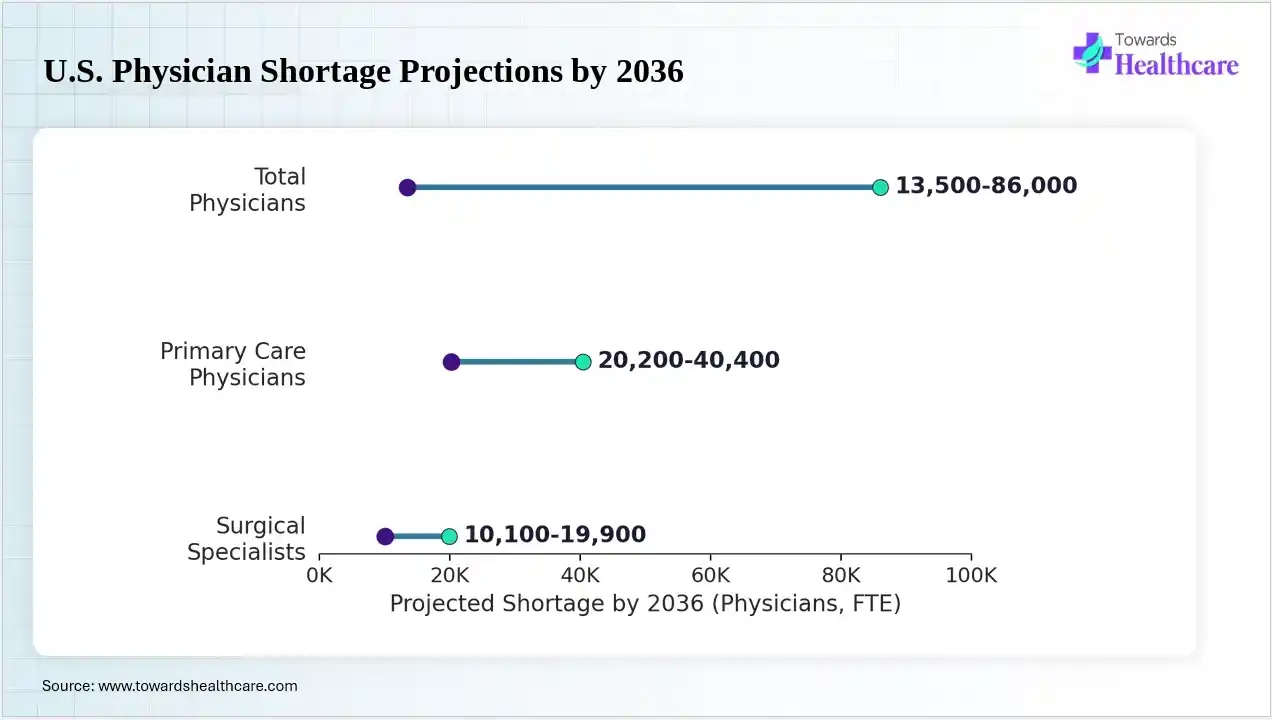
Graph 3: As the market research analyst, I interpret that the total physician shortage by 2036 will be between 13,500 and 86,000, creating a huge gap in their services. The shortage of primary care physicians will be around 20,200 to 40,400, while surgical specialists will experience a shortage of 10,100 to 19,900, due to physician burnout, long waiting timelines, and limited medical schools' capacity.
Key Insight:
The total physician shortage by 2036 in the U.S. will create a gap in medical education and patient services, which will prioritize investments to make teaching hospitals' residency pipelines a national infrastructure, not just an academic one.
Source: AAMC, “New AAMC Report Shows Continuing Projected Physician Shortage,” March 21, 2024
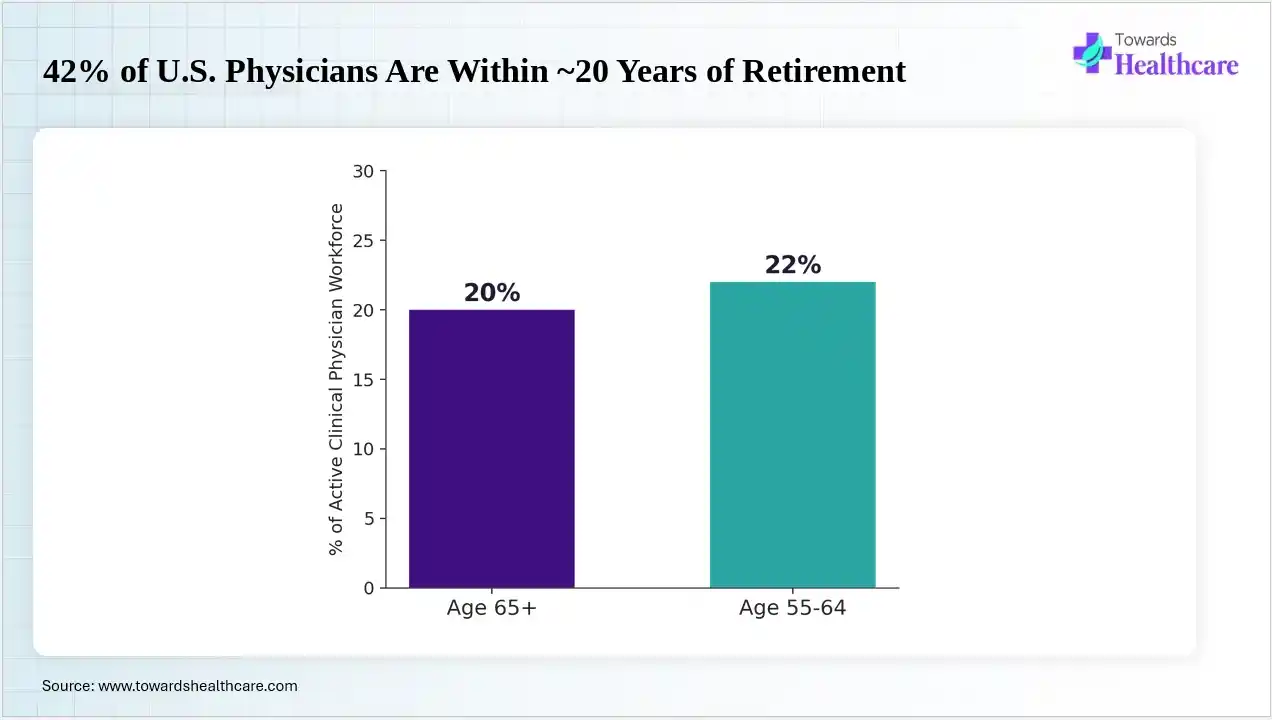
Graph 4: The graphs highlight U.S. physicians retiring within 20 years, reducing the active workload, hampering training programs, and increasing the demand for new physicians. The maximum number of physicians retiring will be between 55 and 64, contributing to 22%, while 65 or older will show retirement around 20% in the coming 20 years, due to ideal retirement age, burnout, and evolving regulations.
Key Insight:
With over four in ten physicians nearing retirement, academic medical centers' residency and fellowship pipelines make it essential for a faster replacement to prevent an even deeper workforce crisis than currently projected.
Source: AAMC, “New AAMC Report Shows Continuing Projected Physician Shortage,” March 21, 2024
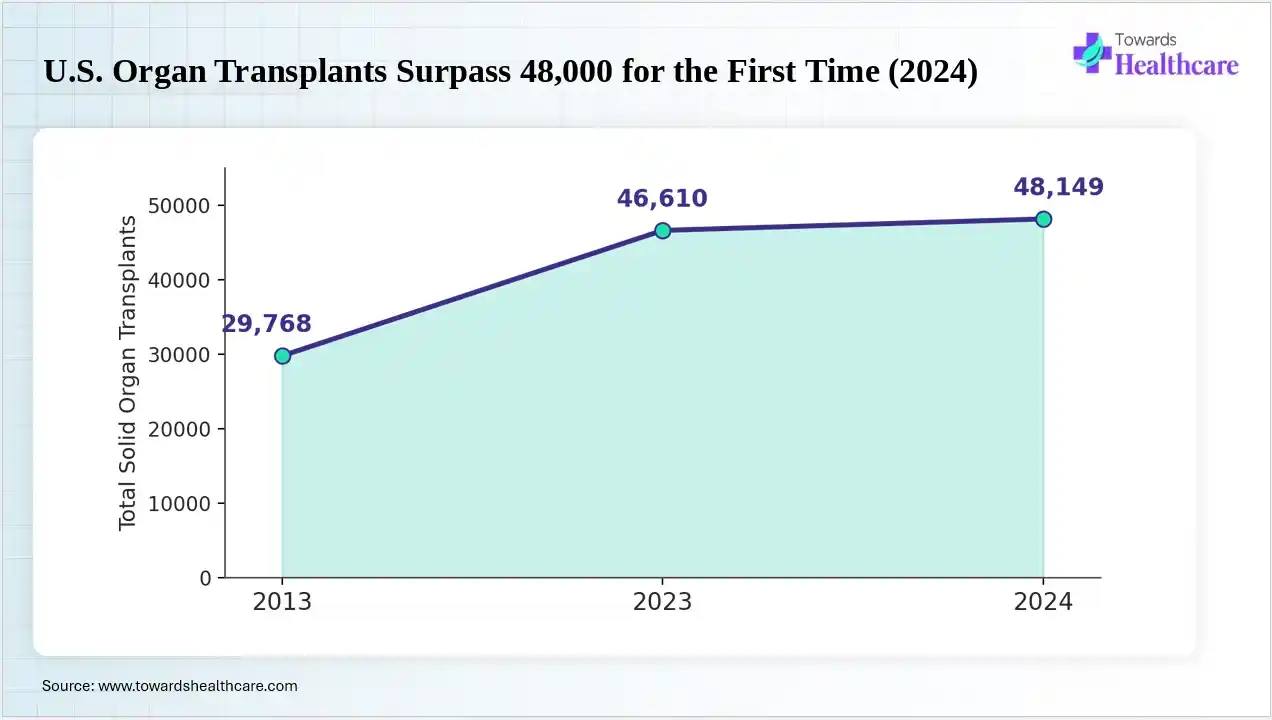
Graph 5: As per our research, the organ transplant procedures across the U.S. academic medical centres were reported to have crossed 48,000 in 2024, due to growth in chronic disease burden and enhanced success rates. In 2013, the total organ transplants were recorded to be 29,768, which increased to approximately 46,610 in 2023. Finally, for the first time in 2024, the record was 48,149, which marked a historic threshold.
Key Insight:
Annual transplant volume has grown more than 60% over an 11-year span, which in turn promotes transplant medicine's role as one of the fastest-scaling specialty lines within academic health systems.
Source: HRSA/OPTN, “Organ Transplants Exceeded 48,000 in 2024,” Jan. 15, 2025; UNOS Media Release, Jan. 15, 2025
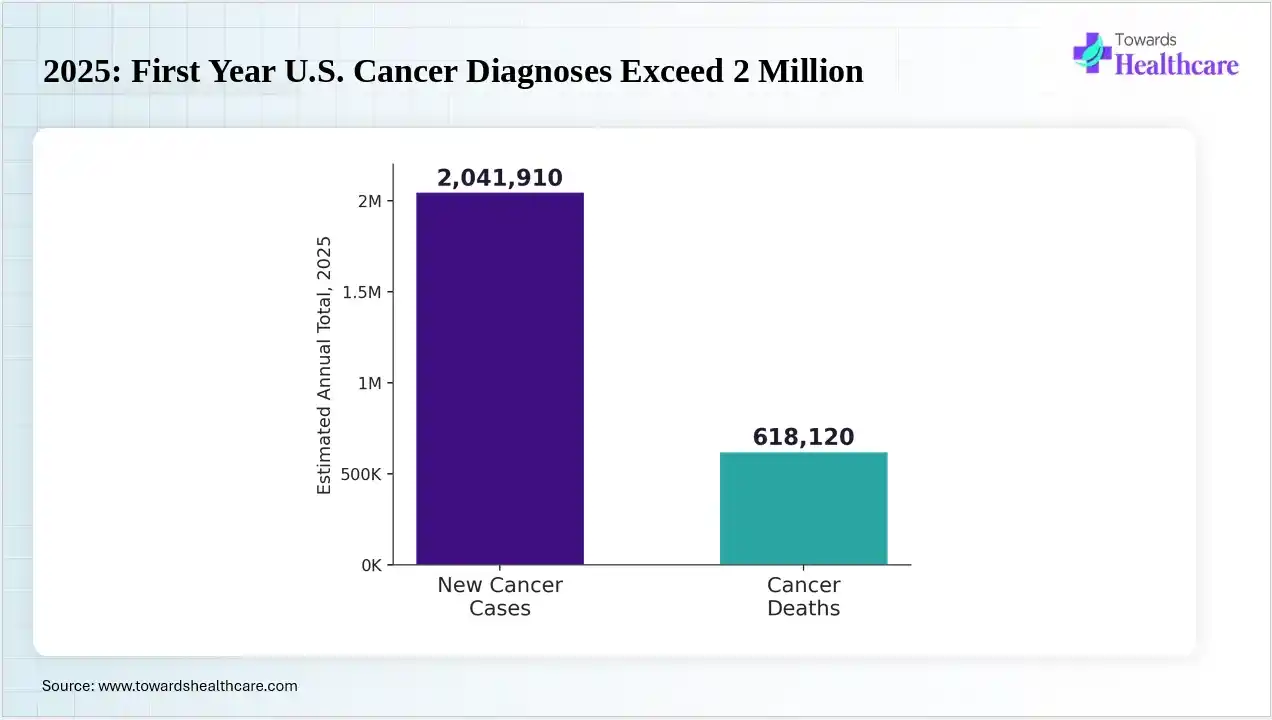
Graph 6: Based on the information I gathered, the graph represents the total number of new cancer cases and deaths in 2025. The new cancer cases in 2025 were reported to be 2,041,910, contributing to approximately 5,600 cases per day, while the cancer death rate represented a total of 618,120 in 2025, that is 1,700 deaths per day, which will ultimately drive the demand for oncology care. Furthermore, the mortality decline of 34% was observed between 1991 and 2022, which prevented approximately 4.5M deaths.
Key Insight:
Despite three decades of declining mortality, 2025 is the first year where U.S. annual cancer diagnoses exceeded 2 million, which indicates that academic cancer centers should be equipped for complex, multidisciplinary oncology care.
Source: Siegel RL, et al., “Cancer statistics, 2025,” CA: A Cancer Journal for Clinicians, Jan. 16, 2025; American Cancer Society Press Release, Jan. 16, 2025
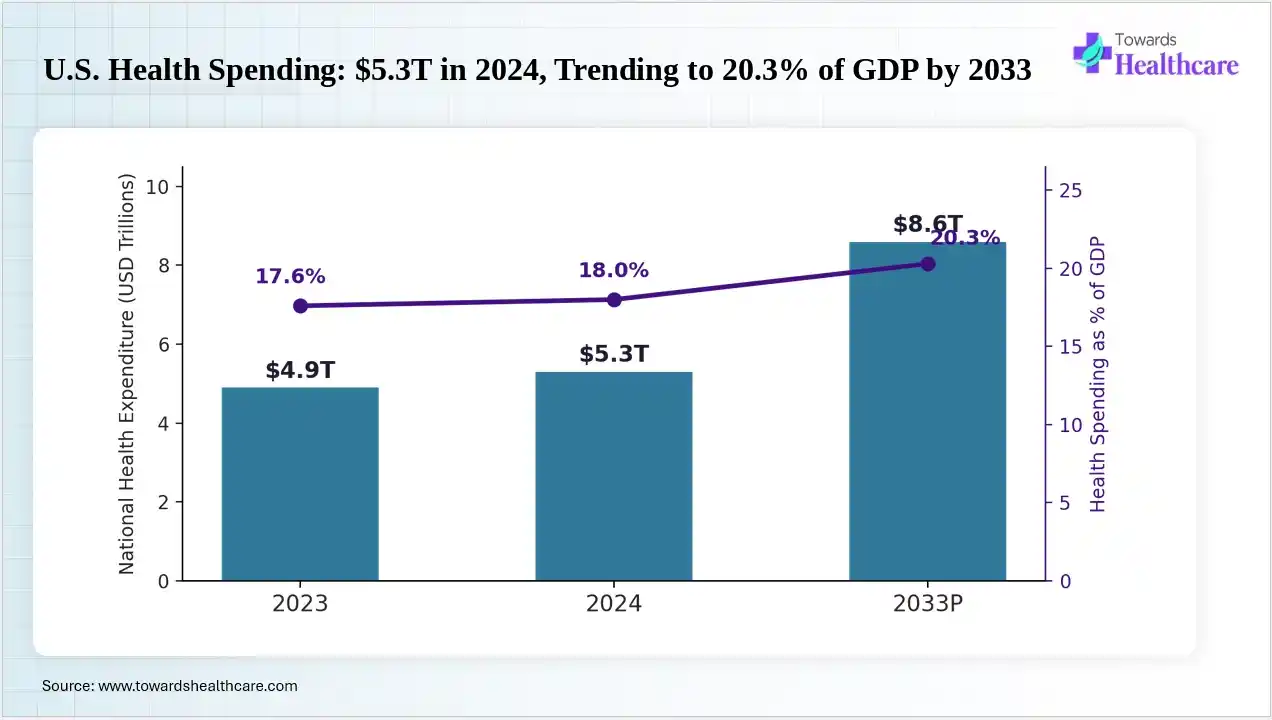
Graph 7: As the market analyst, I interpret that U.S. health spending is anticipated to rise to 20.3% of GDP by 2033, expanding the U.S. academic medical centres. Total national health expenditure in 2023 was noted to be $4.9T, while the share of GDP was 17.6%. The total national health expenditure in 2024 increased to $5.3 trillion; per-capita spending was reported to be $15,474, and the share of GDP rose to 18.0%. Furthermore, 2024 also experienced a rise in hospital care spending around $1.6 trillion, contributing 31% of the total, and physician & clinical services valued around $1.1 trillion (21% of the total).
Key Insight:
Health spending, at 18% of GDP in 2024, is projected to hit 20.3% by 2033, intensifying both funding opportunity and reimbursement-pressure risk across academic medical centers.
Source: Keehan SP, et al., Health Affairs, “National Health Expenditure Projections, 2024–33,” June 2025; CMS NHE Historical Data
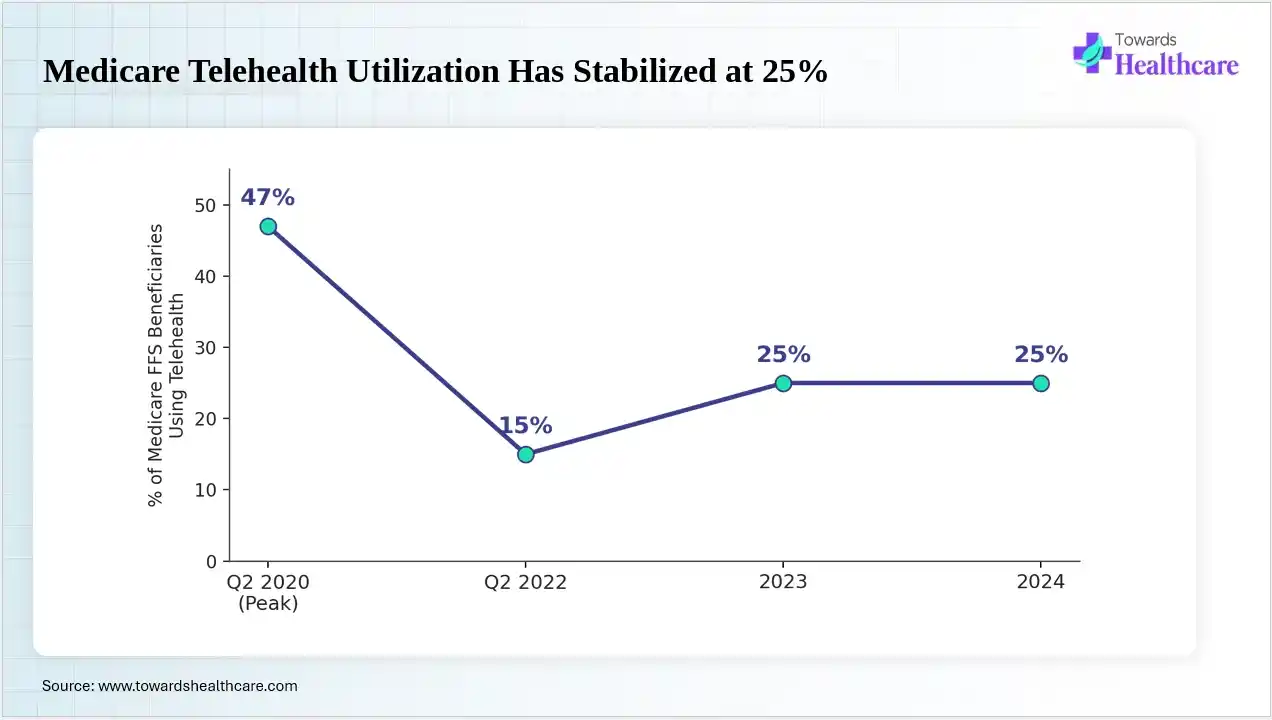
Graph 8: The graph represents a steady rise in the use of Medicare telehealth solutions, due to a growing geriatric population and chronic diseases. In Q2 2020 reported a pandemic peak of 47%, which declined to 15% in Q2 2022 due to operational challenges and a rise in the demand for preventive healthcare. The 2023 and 2024 data showed steady growth of 25%, encouraging their utilization for virtual care.
Key Insight:
Telehealth utilization has plateaued at roughly one in four Medicare beneficiaries, five times the pre-pandemic baseline, which promotes the use of virtual care for a durable, not disappearing share of patient volume.
Source: CMS, “Medicare Telehealth Trends Report,” data through March 2024; KFF, “What to Know About Medicare Coverage of Telehealth,” 2026
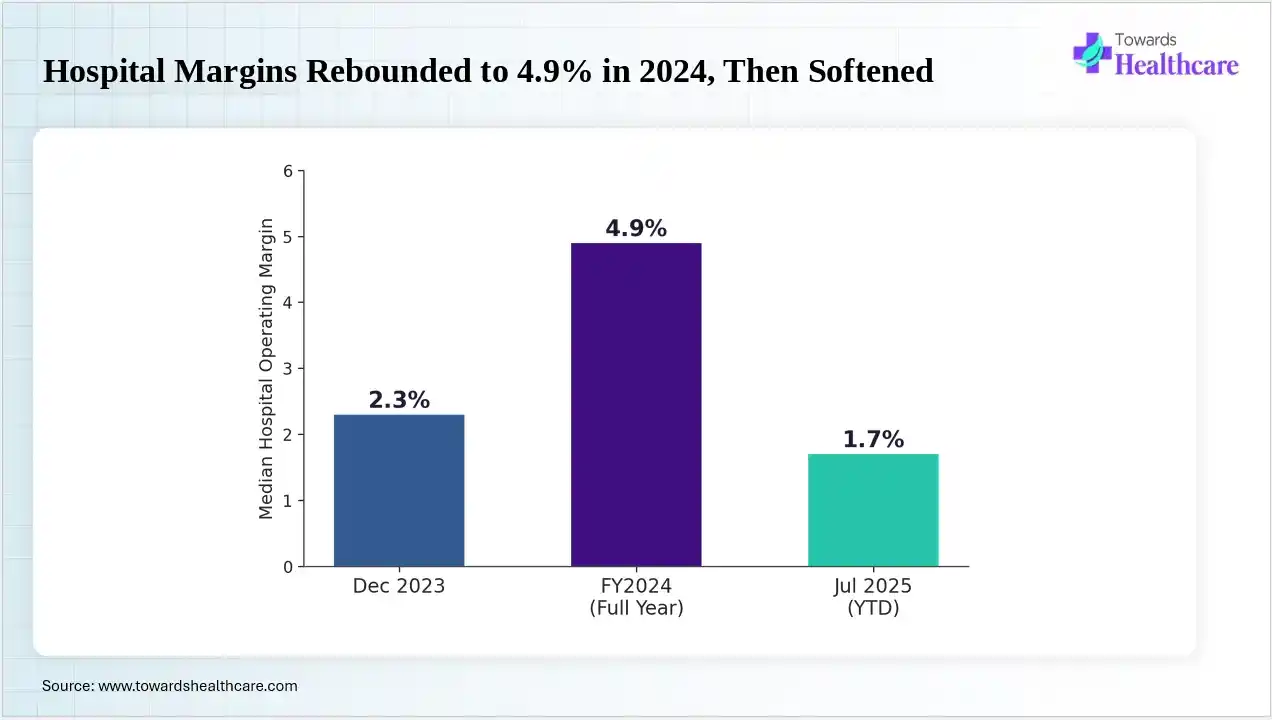
Graph 9: Based on the information gathered by Aman, the graph highlights hospital margins for the years 2023, 2024, and 2025. As of December 2023, the median operating margin was reported to be between 2.3% and 2.7%, while it rose to 7.6% at the end of December from 4.9% in 2024. As for Mid-year 2025 (through July, YTD), it was reported to be around 1.7% to 3.4%, due to a rise in labor costs, pharmaceutical costs, and digital health investments.
Key Insight:
While 2024's 4.9% median margin marked the strongest full-year hospital performance, the margins have softened through 2025 amid rising supply, drug, and bad-debt costs, signaling that academic medical centers' financial recovery is slowing.
Source: Kaufman Hall, “National Hospital Flash Report,” Feb. 2025 and Sept. 2025 editions; Advisory Board analysis, Feb. 13, 2025
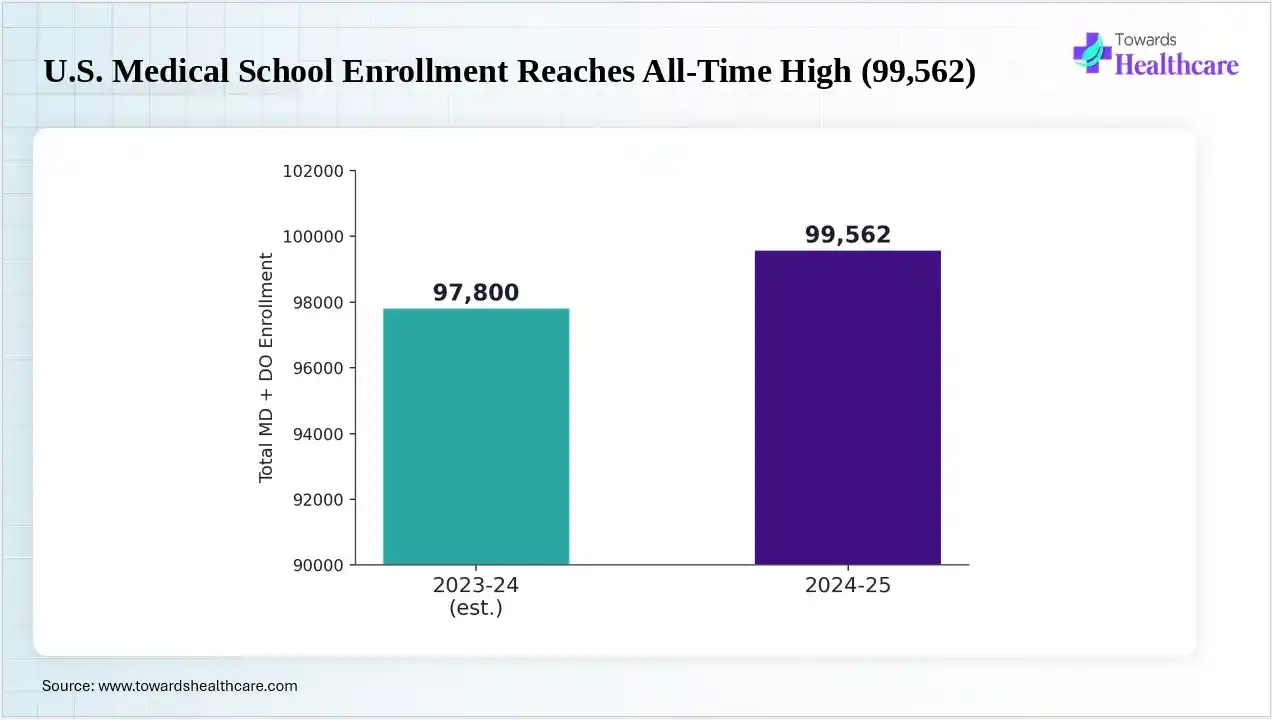
Graph 10: Based on the information I gathered, the U.S. medical school enrollment experienced a rise in 2024-25, due to growing interest and specialized fields. The 2024-25 year enrolled a total of 99,562 students MD & DO, which contributed to more than a 1.8% rise year over year, while first-year MD matriculants enrolled were approximately 0.8% year over year. The first-time applicants experienced a rise of more than 2.3% year over year, contributing a total of 74.3% of all applicants, while the match rate for U.S. MD/DO seniors was reported to be between 93%–94%. Furthermore, total applicants declined by 1.2% due to high cost, long training duration, and alternative career opportunities.
Key Insight:
Medical school capacity is expanding at a faster rate, shifting from “not enough students” to “not enough federally funded graduate medical education positions” and increasing constraint on academic medical centers' training capacity.
Source: AAMC, “New AAMC Data on Medical School Applicants and Enrollment in 2024,” Jan. 9, 2025; PracticeMatch, “Record U.S. Medical School Enrollment in 2025”
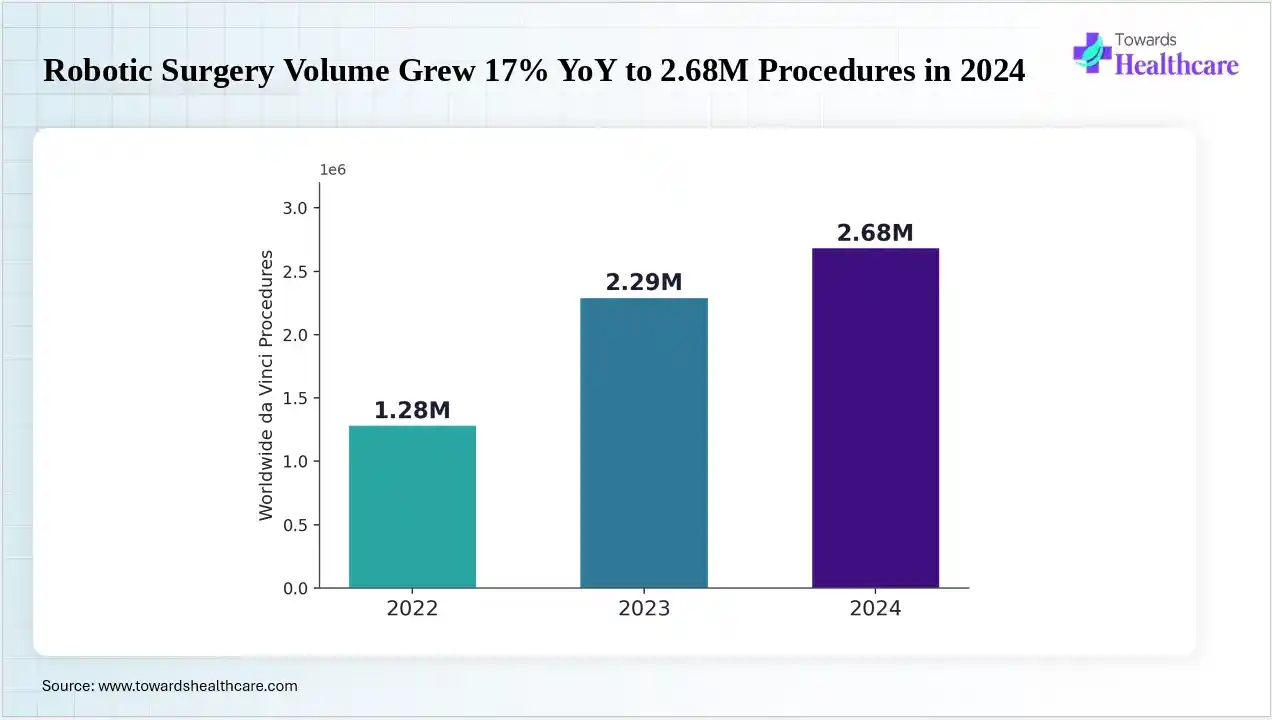
Graph 11: The graph represents exponential growth in robotic surgery volume from 2022 to 2024, due to growing demand for minimally invasive procedures. The use of da Vinci procedures in the U.S. academic medical centres were reported to be approximately 1,282,000 in 2022, which increased to approximately 2,286,000 in 2023, due to their enhanced surgical precision and control. Additionally, reduced complications, technological advancements, and complex procedures also increased the use of da Vinci procedures to approximately 2,683,000 in 2024, contributing to more than a 17% rise year over year.
Key Insight:
With worldwide robotic procedure volume growing 17% annually, robotic-assisted platforms are shifting from a specialty differentiator to a standard-of-care expectation at leading U.S. academic surgical programs.
Source: Intuitive Surgical, SEC Form ARS FY2024 Annual Report; Intuitive Surgical Preliminary Q4/FY2024 Results Press Release, Jan. 15, 2025
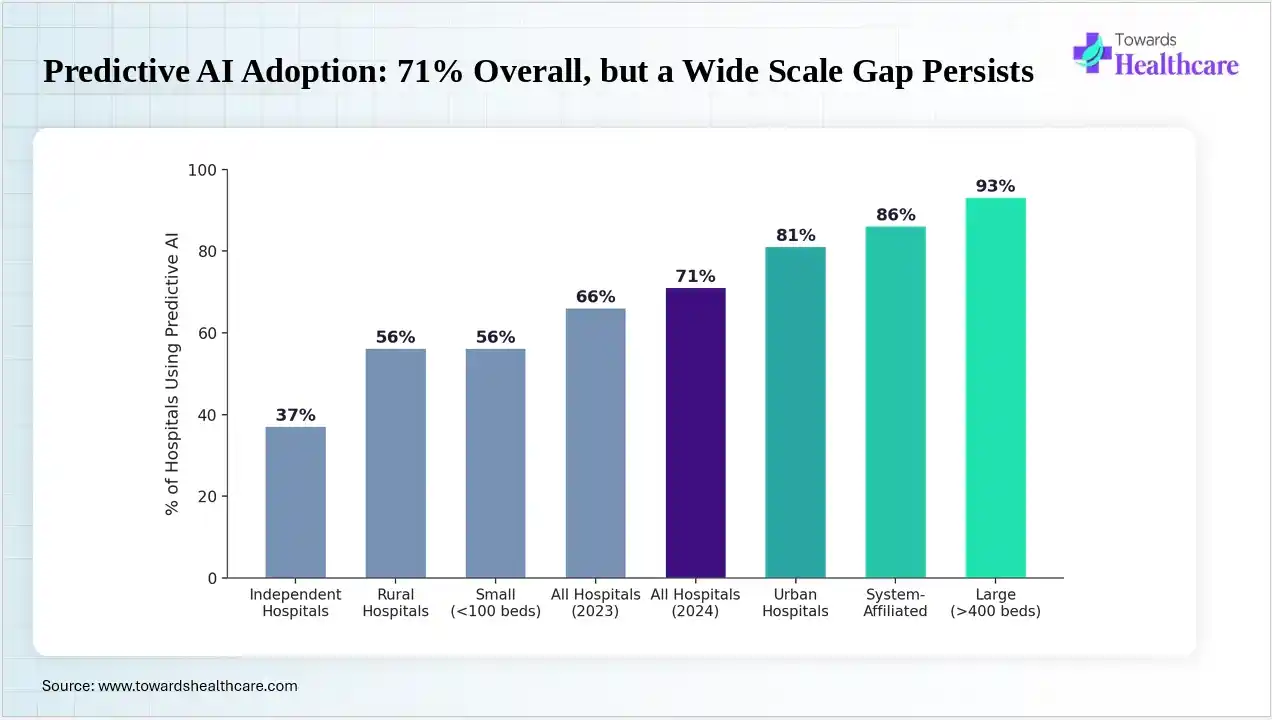
Graph 12: As the market analyst, I interpret that the above-mentioned graph represents the rising rates of predictive AI adoption across the U.S. medical centres, for faster disease detection, clinical decision-making, and personalized treatment. Independent facilities reported 37% AI adoption, followed by rural hospitals with 56%, and small hospitals (<100 beds) with approximately 53-59%. All non-federal acute-care hospitals held 71%, urban hospitals contributed to 81%, and multi-hospital system-affiliated 86%. The highest share was held by large hospitals (>400 beds), with approximately 90–96% in 2024.
Key Insight:
Large, academically affiliated health systems are adopting predictive AI at more than double the rate of small independent hospitals, promoting its use from pilot programs to embedded infrastructure inside the EHR and driving academic-system membership expansion.
Source: ONC/ASTP Health IT Data Brief, “Hospital Trends in the Use, Evaluation, and Governance of Predictive AI, 2023-2024”; AHA IT Supplement Survey (N=2,253 hospitals, 51% response rate)
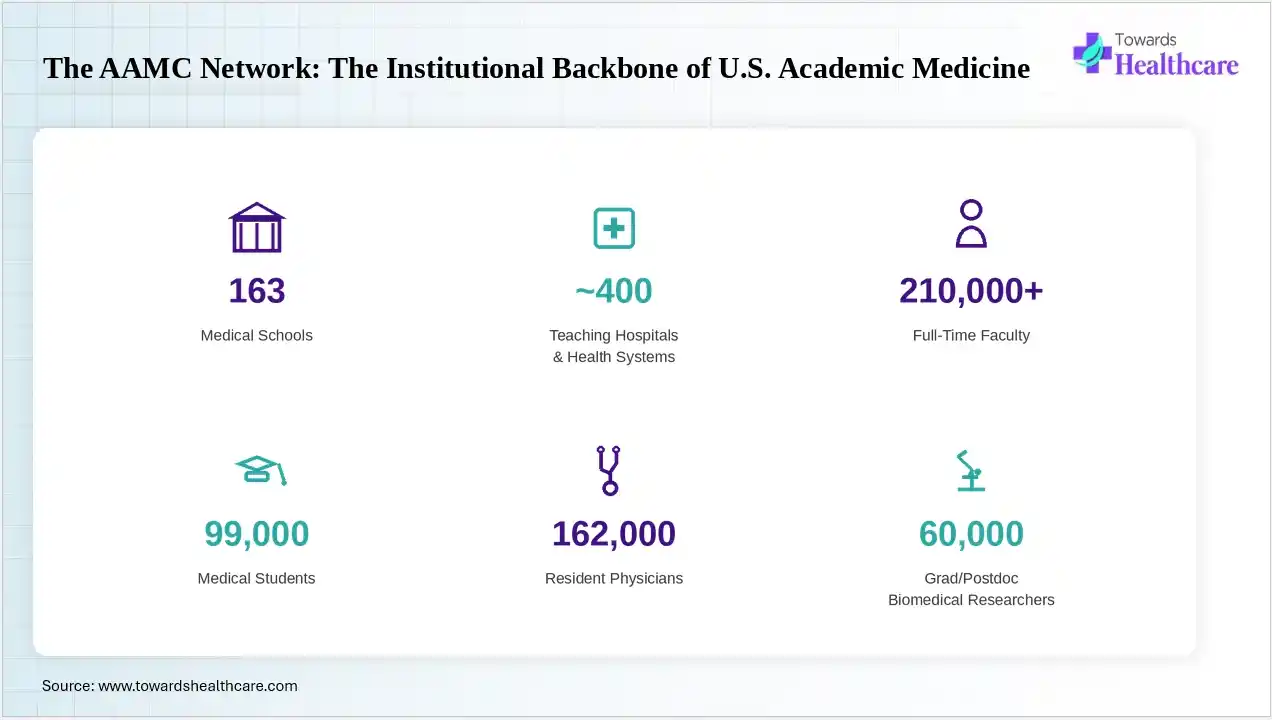
Graph 13: Based on the information I gathered, the AAMC network supports medical education, training, research, and offers healthcare policies. Therefore, this backbone supports around 163 U. S. LCME-accredited medical schools and approximately 400 academic health systems & teaching hospitals. It also provided its support to more than 210,000 full-time faculty members and 162,000 resident physicians. 99,000 medical students and 60,000 graduate/postdoctoral biomedical researchers also leveraged their services, where they also offered more than 8,000 residency/fellowship programs using ERAS.
Key Insight:
The AAMC network supports various medical schools, faculty, and teaching hospitals, constituting the operational core of nearly every major biomedical research, physician-training, and complex-care function in the U.S.
Source: AAMC, “Tomorrow's Doctors, Tomorrow's Cures” institutional data page, 2025; AAMC “Access to Care” (Academic Medicine), 2025
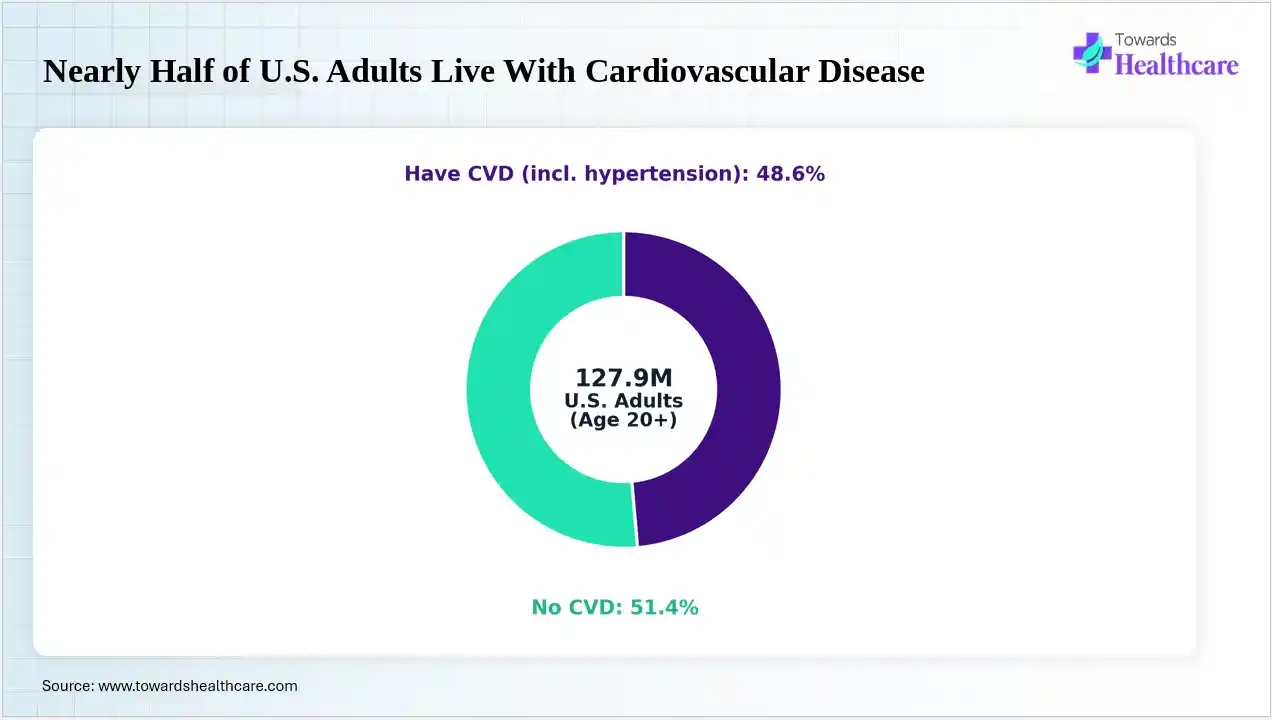
Graph 14: The graph represents the total number of adults suffering from CVD in the U.S, making it the leading cause of death for 100 consecutive years (since 1921), and cardiology the 2nd largest clinical specialty across U.S. academic medical centres. In 2024, adults over 20 years with CVD (incl. hypertension) accounted for 127.9 million, which is 48.6%, while adults with CVD (excl. hypertension) were reported to be 28.6 million, which held a 9.9% share. Adults with high blood pressure contributed to 46.7%, where 38% of patients were unaware of the condition. CVD prevalence among non-hispanic black females/males was noted to be 59%/58.9%.
Key Insight:
With cardiovascular disease affecting nearly half of the adult U.S. population and heart disease as the nation's leading cause of death, the demand for academic cardiology, electrophysiology, and heart-failure programs is rising, creating future opportunities.
Source: American Heart Association, “2024 Heart Disease and Stroke Statistics: A Report of US and Global Data,” Circulation, Feb. 20, 2024
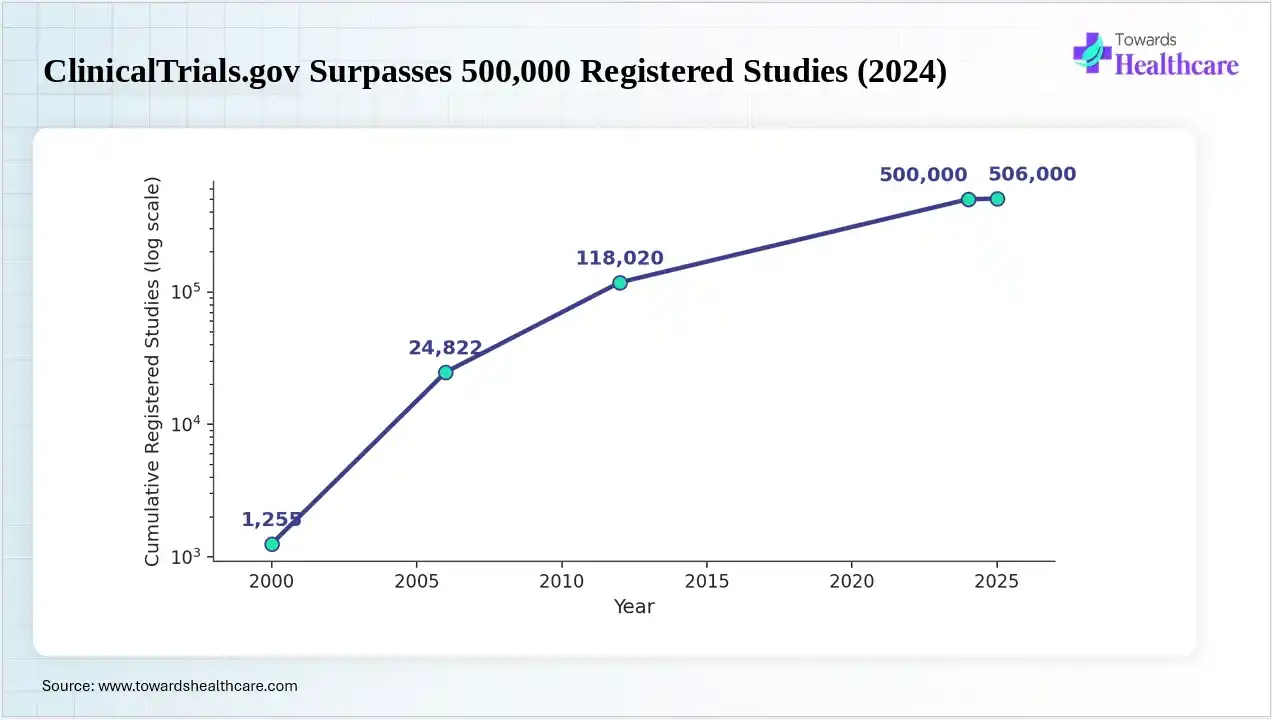
Graph 15: As per our research, the number of registered clinical trials surpassed 500,000 in 2024. Total cumulative registered studies for February 2000 were reported to be 1,255, which increased to 24,822 in early 2006. Similarly, in early 2012, it recorded 118,020, and as of January 2024, the number increased to 477,227. Moreover, 2024 achieved a milestone by registering more than 500,000 studies, whereas as of March 2025, they increased to more than 530,000 across 226 countries.
Key Insight:
With the growing clinical-trials enterprise roughly 400-fold since 2000, academic medical centers are being considered the leading institutional sponsors and sites for NIH- and industry-funded trials, making them the operational center of this expanding research infrastructure.
Source: National Library of Medicine, “ClinicalTrials.gov: A 25-Year Journey to a Half-Million Registered Studies,” NLM Musings from the Mezzanine, April 2, 2025
June 4, 2026, a collaboration between Florida International University (FIU) and Baptist Health South Florida began the construction of a new on-campus academic medical centre in Miami to integrate research, education, and outpatient care.
Source: International Hospitals and Healthcare
January 6, 2026, the Trump administration's proposed 15% cap on NIH indirect cost reimbursement rates, after suing citing violations of appropriations law and NIH grant regulations, was blocked by a federal judge, followed by a federal appeals court in January 2026.
Source: Forbes
June 25, 2025, FY2024 National Health Expenditure data in Health Affairs was published by the CMS Office, which confirmed the spending reached $5.3 trillion (18.0% of GDP) and anticipated the health share of GDP to reach 20.3% by 2033.
Source: Health Affairs, June 2025
March 21, 2024, a shortage of up to 86,000 physicians by 2036 with a smaller shortfall than the 2021 report, driven by hypothesized GME expansion, was mentioned in “The Complexities of Physician Supply and Demand: Projections From 2021 to 2036”, which was released by AAMC.
Source: AAMC Press Release
January 15, 2025, U.S. surpassed 48,000 organ transplants for the first time in history in a single year with 48,149 total, as per the UNOS and OPTN announcement, which also highlighted deceased-donor transplants exceeding 40,000.
Source: UNOS/HRSA Press Release
January 16, 2025, A Cancer Journal for Clinicians titled “Cancer Statistics, 2025” was released by the American Cancer Society in CA, highlighting the annual diagnoses to exceed 2 million.
Source: ACS Press Release
January 9, 2025, 2024-25 medical school enrollment data was released by AAMC, confirming a record of 99,562 total MD/DO students and total applicant volume, which declined for a third consecutive year.
Source: AAMC Press Release
January 15, 2025, preliminary FY2024 results presenting 2,683,000 worldwide da Vinci procedures (+17% YoY) and $7.12 billion in annual revenue were published by Intuitive Surgical ahead of the J.P. Morgan Healthcare Conference.
Source: Intuitive Surgical Investor Relations
2025 (ASTP Data Brief release), findings from the 2023–2024 AHA IT Supplement highlighting predictive AI adoption in non-federal acute-care hospitals were released by ONC/ASTP, which showed a rise from 66% to 71%, where system-affiliated (86%) and independent (37%) hospitals showed a persistent adoption gap.
Source: healthit.gov Data Brief
In February 2025, an achievement of a 4.9% median full-year operating margin in 2024, representing the strongest annual performance even before the pandemic, was provided in Kaufman Hall's National Hospital Flash Report. It also outlined a 14% increase in bad debt/charity care resulting in continued fragility.
Source: Kaufman Hall/Advisory Board
April 2, 2025, at the 25th anniversary of ClinicalTrials.gov, the National Library of Medicine confirmed the registry exceeded 500,000 total registered studies in 2024 and over 530,000 by March 2025.
Source: NLM Musings from the Mezzanine
It is the academic health system and the top NIH-funded university nationally, which received $857.9M in NIH funding in FY2024.
It is an academic medical center with a top-ranked medical school for NIH funding, where it received $814.9M/$726.0M in NIH funding in FY2024, ranking it the 1st with approximately $724M in FY2025.
Academic health system, with major NIH grant recipient and announced to have received $732.4M–$683.3M in NIH funding, FY2024.
It is a nonprofit organization representing 163 medical schools, approximately 400–500 teaching hospitals/health systems, 210,000+ faculty, and publishing workforce data.
It is a nonprofit organization managing the U.S. organ transplant system (OPTN), where it reported 48,149 organ transplants in 2024.
A nonprofit cancer research, advocacy & statistics organization which published an annual “Cancer Statistics” report and 2,041,910 new U.S. cancer cases for 2025.
Nonprofit cardiovascular research & advocacy organization, which highlighted that 127.9M U.S. adults (48.6%) lived with CVD in its 2024 report.
It is a federal agency for national health expenditure accounts & Medicare/Medicaid administration, which reported $5.3T (18.0% of GDP) U.S. health spending in 2024.
It is a medical device company, well known as a maker of the da Vinci robotic surgical system, with 2,683,000 procedures globally and with FY2024 revenue of $7.12B.
A healthcare management consulting firm, publishing the National Hospital Flash Report, with a 4.9% median hospital operating margin.
It is an NIH division, operating the U.S. national clinical trial registry, surpassing 500,000 registered studies in 2024, across 226 countries.
A federal office for health IT policy and adoption tracking, which predicted a rise of 66% (2023) to 71% (2024) in AI adoption across U.S hospitals.
Aditi is a healthcare services research expert with strong experience in medical training programs, chronic diseases, and funding support markets. She conducted detailed market research, analyzed company data, emerging market trends, and industry developments. Based on her comprehensive analysis, the following strategic key takeaways highlight the most important market insights and opportunities.
Based on my assessment, the market is experiencing significant growth due to expanding academic medical centres. I see strong demand for oncology and cardiovascular services, which will drive academic enrolment in specialized fields. In my view, increasing NIH funding, R&D activities, and training programs will also promote their growth. I also expect a rise in telehealth platforms and robotic surgery, which will expand their accessibility and acceptance rate.
Payal Rabde led the primary market research, developed the methodology, analyzed trends, segmentation, competition, forecasts, and strategic opportunities, forming the report's analytical foundation.
Aman was responsible for collecting and validating clinical trial data, research publications, company information, partnerships, and other quantitative datasets, strengthening evidence-based analysis and market estimations.
Aditi reviewed the complete research document, performed quality checks, validated findings, refined content, corrected inconsistencies, and finalized the report, ensuring accuracy, clarity, credibility, and publication-ready quality.

















Principal Consultant
Payal Rabde is a Healthcare Market Research Analyst at Towards Healthcare Research & Consulting with 4+ years of experience in pharmaceuticals, biotechnology, medical devices, and life sciences.
Learn more about Payal Rabde

Reviewed By
Aditi Shivarkar is a seasoned professional with over 14 years of experience in healthcare market research. As a content reviewer, Aditi ensures the quality and accuracy of all market insights and data presented by the research team.
Learn more about Aditi Shivarkar









