


The U.S. Food and Drug Administration (FDA) has issued a warning letter to a China-based medical device manufacturer, BMC Medical, after identifying significant regulatory concerns related to its continuous positive airway pressure (CPAP) devices. The action followed an inspection of the company's U.S. distributor, 3B Medical, in Dublin, Ohio. Although BMC Medical already had FDA clearance for several CPAP products used to treat obstructive sleep apnea, the agency found that the company introduced important design and software changes without obtaining the required regulatory approval. According to the FDA, these modifications created a new version of the device, known as the G3X auto-adjusting positive airway pressure (APAP) system, which should have gone through a new regulatory review before entering the U.S. market. The warning highlights the importance of following FDA requirements whenever medical device manufacturers make changes that could affect product safety or performance.
During its review, the FDA found that BMC Medical made several changes to its Luna CPAP and Auto CPAP systems after the devices had already received market clearance. The updates included new firmware and software features capable of identifying additional breathing patterns, such as flow limitation, respiratory effort-related arousals, periodic breathing, and distinguishing between obstructive and central hypopnea events. The company also modified the sound reduction system, changed parts of the airflow pathway, and introduced a new printed circuit board chip with updated control software. According to the FDA, these changes could influence how the device performs and how accurately it monitors patients during therapy. Because these modifications may affect both safety and effectiveness, the agency believes the company should have submitted a new premarket notification before marketing the updated devices.
The FDA also identified another compliance problem involving the Luna G3 APAP devices. According to the warning letter, BMC Medical failed to report a product correction within the required regulatory timeline. The agency stated that certain devices running a specific firmware version could unexpectedly shut down during use, interrupting therapy for patients with obstructive sleep apnea. FDA regulations require manufacturers to report such corrections or removals within ten working days when they could reduce a health risk or prevent further safety issues. However, the agency said the required report was not submitted on time. As a result, the FDA instructed the company to stop activities that could lead to products being considered misbranded or adulterated until the regulatory issues are fully addressed. The company is expected to take corrective actions and demonstrate compliance with all applicable FDA requirements.
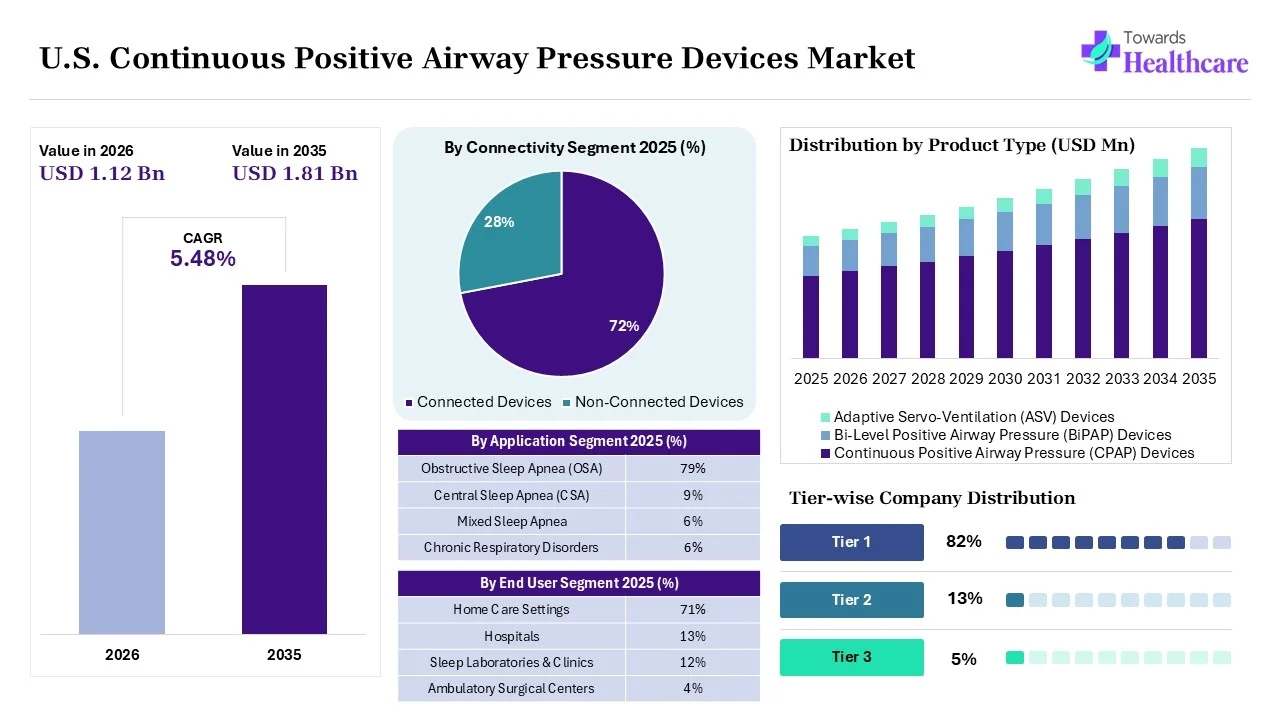
According to Towards Healthcare, the U.S. continuous positive airway pressure market is projected to experience significant growth, with estimates suggesting the market size will increase from USD 1.12 billion in 2026 to approximately USD 1.81 billion by 2035, representing a compound annual growth rate (CAGR) of 5.48% from 2026 to 2035. The rising prevalence of sleep apnea, increasing awareness of sleep health, and growing adoption of home healthcare solutions are creating significant opportunities. Technological advancements, improved patient comfort, and favorable reimbursement policies continue to support long-term market growth.
The warning letter reflects the FDA's continued efforts to strengthen oversight of medical devices entering the U.S. market. Regulatory agencies are placing greater emphasis on ensuring that manufacturers properly evaluate and report any design, software, or material changes before updated products become available to healthcare providers and patients. This approach helps maintain confidence in medical technologies while reducing potential safety risks. For companies developing respiratory devices and other advanced medical equipment, the case serves as an important reminder that innovation must be supported by regulatory compliance throughout the product lifecycle. As medical devices become increasingly dependent on software, electronics, and digital features, manufacturers are expected to work closely with regulators whenever major modifications are introduced. Strong quality systems, timely reporting, and transparent communication remain essential for protecting patients and maintaining trust in healthcare technologies worldwide.
"Collectively, these changes represent significant modifications in device design, materials, and software that could significantly affect the safety and effectiveness of the device," the FDA wrote in the warning.
A recent report by Towards Healthcare highlights that the U.S. continuous positive airway pressure (CPAP) devices market is witnessing robust growth due to increasing diagnosis of obstructive sleep apnea, expanding access to sleep clinics, and rising demand for non-invasive respiratory therapies. Integration of smart monitoring features, portable CPAP systems, and connected healthcare technologies is improving treatment adherence and patient outcomes. Growing investments in sleep medicine, supportive insurance coverage, and continuous product innovation are expected to create strong growth opportunities across the U.S. market.


