Pipeline Programs

CGT Companies Tracked

Manufacturing Facilities


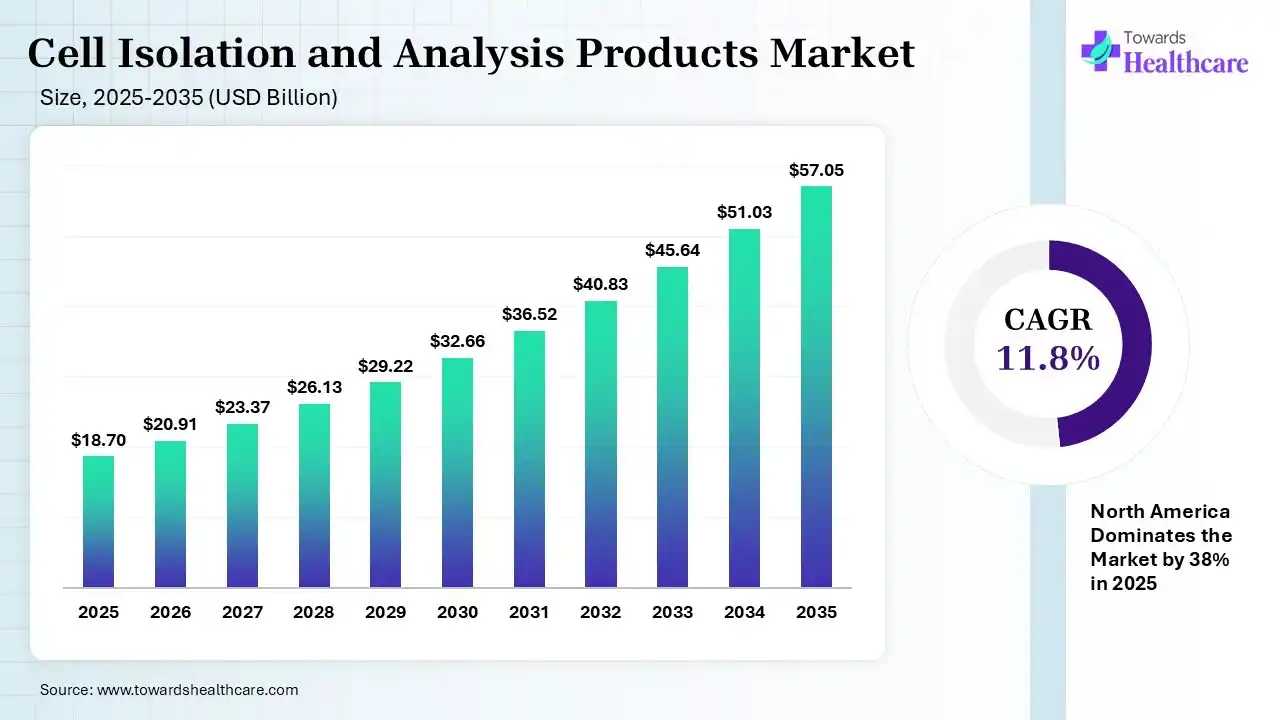
The global cell isolation and analysis products market size was estimated at USD 18.7 billion in 2025 and is predicted to increase from USD 20.91 billion in 2026 to approximately USD 57.05 billion by 2035, expanding at a CAGR of 11.8% from 2026 to 2035. The cell isolation and analysis products market is growing because of increasing technical innovation, rising demand for targeted medicine, and government support for cell-driven therapies.
The cell isolation and analysis products market is growing as the rising prevalence of diseases like cancer, autoimmune disorders, and degenerative conditions increases demand for specific cell separation technology, the increasing demand for biopharmaceuticals, increasing government funding for cell-driven research, and increasing research on targeted medicine. CAR T-cell therapy includes genetically engineering a patient's own T cells to attack cancer cells. Cancer remains an important global health complexity, with conventional diagnostic and treatment processes often missing precision and adaptability. Targeted medicine has transformed cancer treatment by utilizing genomic insights to tailor therapies based on patients’ molecular profiles. Increasing spending in the biomedical research, healthcare development, and regulatory approval, which drives the growth of the market.
AI-based algorithms allow the recognition of particular cell types, involving pluripotent stem cells, high-producer cells, and immune cells, with growing adaptability and precision. Advanced AI-based algorithms associated with laser-induced forward transfer (LIFT) technology to achieve rapid and precise cell isolation. AI-based technology has introduced significant novel capabilities to automate, accelerate, and improve the quality control of stem cell cultures. AI-based algorithms are employed for a broad range of tasks, involving blood smear analysis, cell counting and classification, flow cytometry analysis, and early identification of haematological malignancies. AIâ€based technology strategy, specifically convolutional neural networks (CNNs), allows continuous, non-invasive tracking of morphological changes.
| Table | Scope |
| Market Size in 2026 | USD 20.91 Billion |
| Projected Market Size in 2035 | USD 57.05 Billion |
| CAGR (2026 - 2035) | 11.8% |
| Leading Region | North America by 38% |
| Key Applications | Cell Therapy, Immunology Research, Oncology Research, Stem Cell Research, Drug Discovery, Bioprocessing, Precision Medicine |
| Primary End Users | Academic Institutes, Pharmaceutical Companies, Biotechnology Companies, CROs, Hospitals, Clinical Laboratories |
| Key Growth Drivers | Cell therapy expansion, single-cell analysis adoption, precision medicine, biopharmaceutical R&D, AI-enabled cell analytics |
| Measurable Values | USD Millions/Units/Volume |
| Market Segmentation | By Product Type, By Cell Type, By Technique, By Application, By End User, By Region |
| Top Key Players | Thermo Fisher Scientific Inc., Danaher Corporation, Becton, Dickinson and Company (BD), Miltenyi Biotec, Merck KGaA |
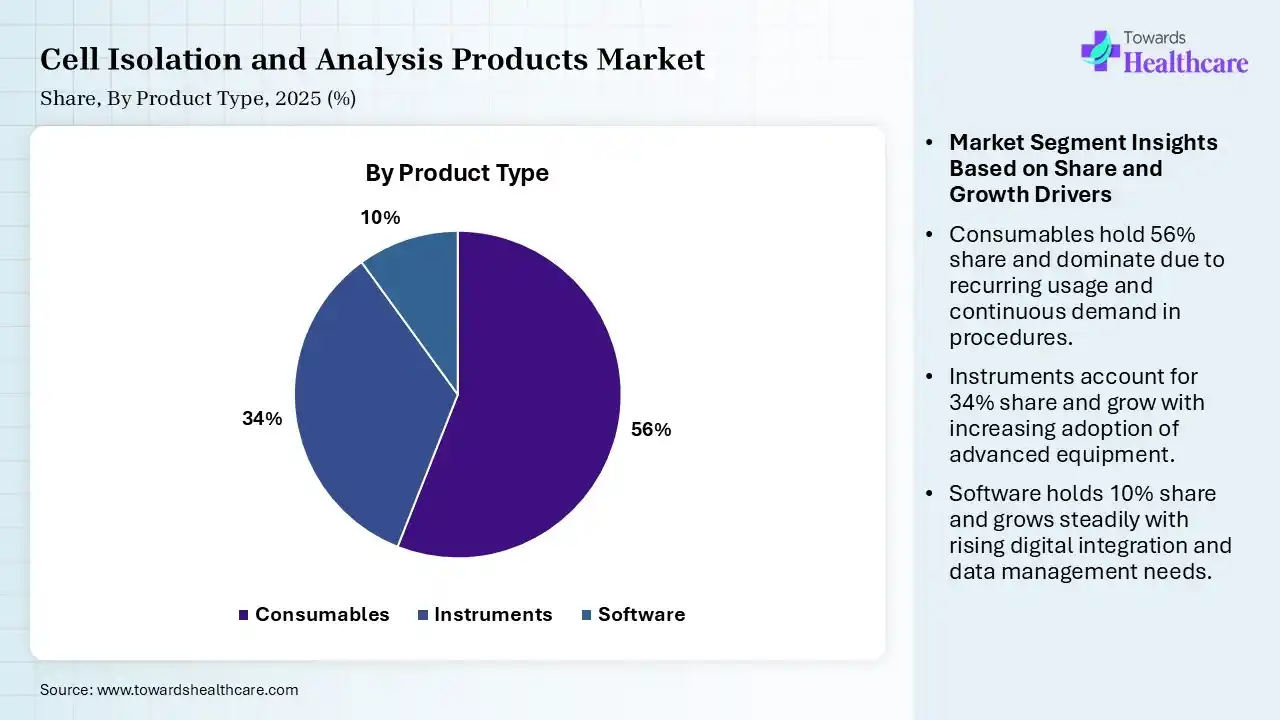
| Segment | Share 2025 (%) |
| Consumables | 56% |
| Instruments | 34% |
| Software | 10% |
The Consumables Segment Led the Cell Isolation and Analysis Products Market in 2025
The consumables segment contributed the largest market share of 56% in 2025, as this consumable involving antibody cocktails, magnetic beads, microbubbles, and specialized separation tubes, which provide significant benefits for modern laboratory and healthcare workflows, particularly in improving purity, viability, and effectiveness. Kits and reagents allow for precise selection of target cell populations from challenging heterogeneous mixtures, often achieving more than 95 percent purity.
The instruments segment held a significant share of 34% in the market, as instruments are earlier, a lifesaver, a massive number of samples, and tend to supply better data on patients' cells. Cell isolation tools support the separation and recovery of intended cell types from an assumed sample, such as blood, tissue, or culture.
The software segment held a significant share of 10% in the market, and is expected to grow at the fastest CAGR during the forecast period, as the incorporation of sample isolation, preparation, and analysis enhances. These systems integrate with automated quality control checkpoints. They trigger protocol adjustments without human involvement. Analytical modality distinctions last blurring. Future platforms capture genomic, proteomic, transcriptomic, and metabolic data.
| Segment | Share 2025 (%) |
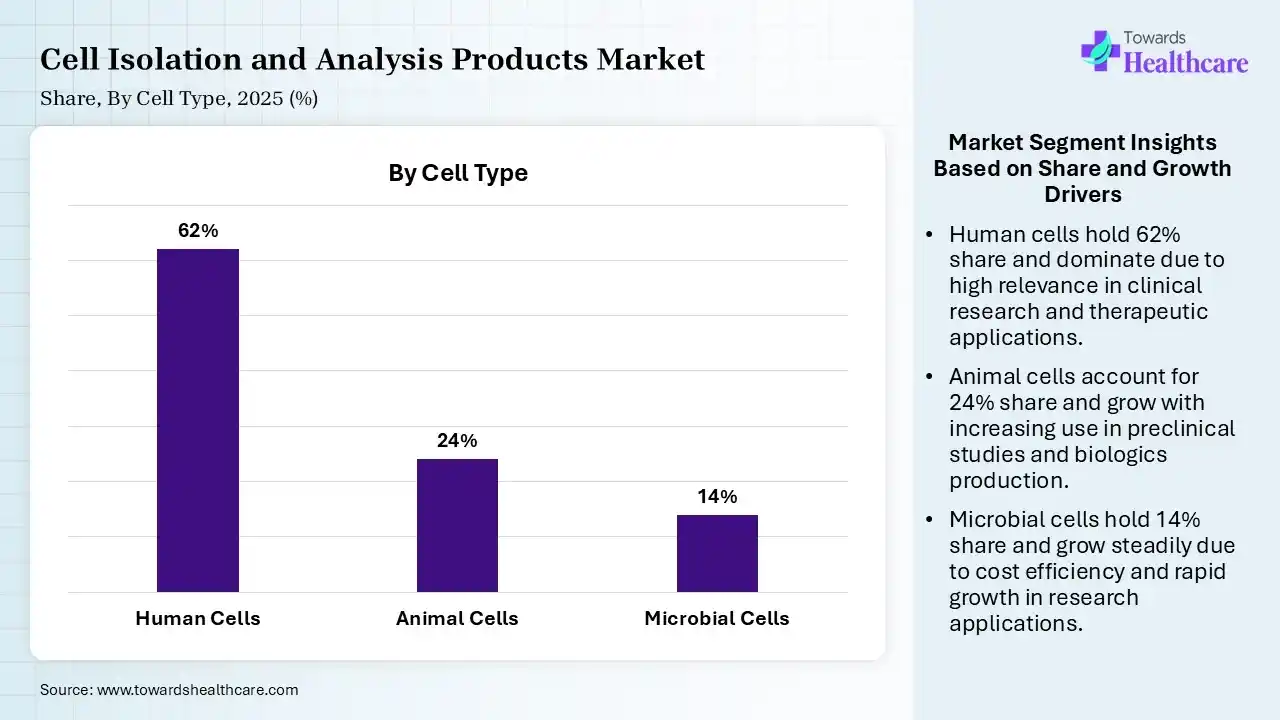
| Human Cells | 62% |
| Animal Cells | 24% |
| Microbial Cells | 14% |
Human Cells Segment Led the Cell Isolation and Analysis Products Market in 2025
The human cells segment contributed the largest market share of 62%, as cell isolation supports scientists in characterizing specific, pure cell populations in laboratories. It offers deep insights into cell biology and disease pathology. The underlying signalling pathways are much simpler to elucidate with cells than with animal models. It offers more specific and reliable data about the biology of the disease.
The animal cells segment held a significant share of 24% of the market in 2025, as using animal cells for the manufacturing of biologically active molecules is based on the fidelity with which they produce appropriately processed animal and human proteins. Using animal cells for the manufacturing of biologically active molecules relies on the fidelity with which they produce properly processed human and animal proteins.
The microbial cells segment held a significant share of 14% the market, and is expected to grow at the fastest CAGR during the forecast period, as isolation of microbial cells offers high-purity cultures, significant for studying patients' characteristics, metabolic pathways, and gene expression, predominantly for uncultured microorganisms. Isolated different microorganisms from various samples, providing advantages such as high purity and compatibility with downstream processes.
| Segment | Share 2025 (%) |
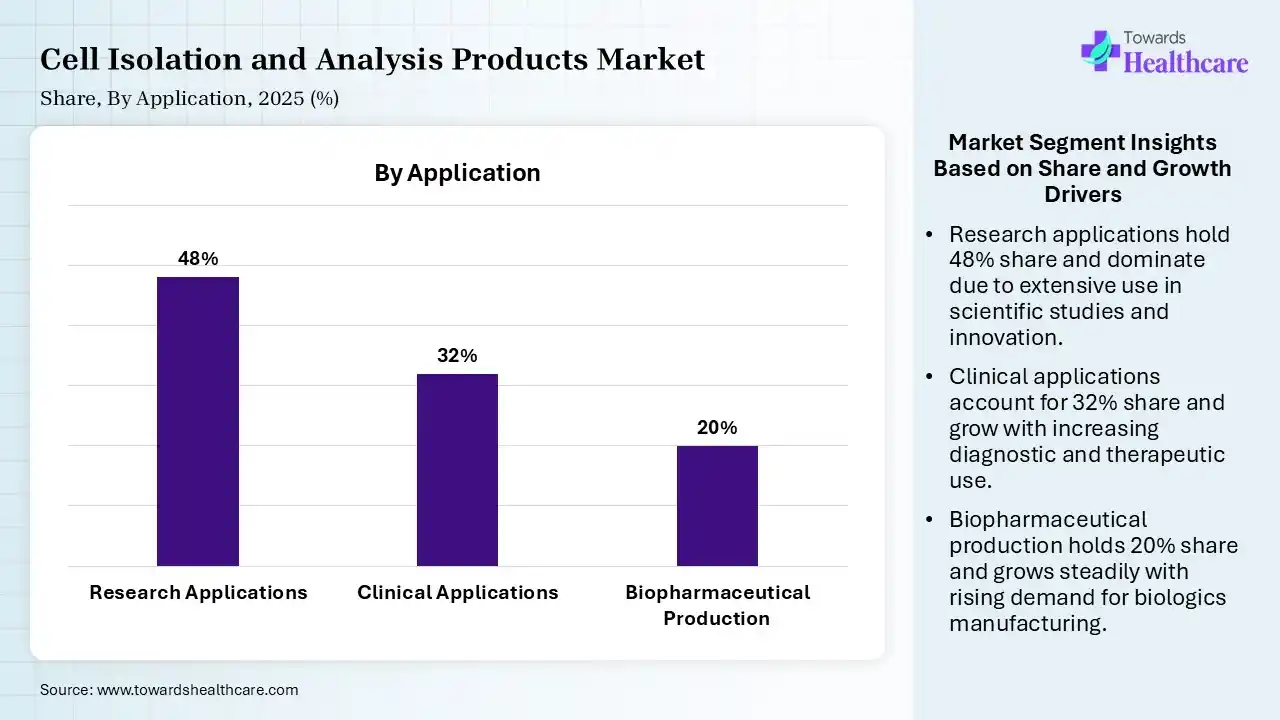
| Research Applications | 48% |
| Clinical Applications | 32% |
| Biopharmaceutical Production | 20% |
Research Applications Segment Led the Cell Isolation and Analysis Products Market in 2025
The research applications segment contributed the largest market share of 48%, as conducting experiments on remote cells permits researchers to confidently answer research questions, particularly by minimizing interference from other cell types in the sample. Cell analysis has become significant to a diversity of biomedical applications, involving clinical cell therapy, drug discovery, and basic research.
The clinical applications segment held a significant share of 32% in the market, as cell analysis enables the study of cell-to-cell disparity in a cell population. Cell analysis supports the detection of specific cell types and molecular mechanisms, including in disease, also identifying therapeutic targets and evaluating drug effectiveness at a cellular level. It helps recognize the genes and regulatory networks that control the cellular and molecular processes governing tissue advancement and organogenesis.
The biopharmaceutical production segment held a significant share of 20% in the market and is expected to grow at the fastest CAGR during the forecast period, as biopharmaceutical analysis is significant for safeguarding the safety, quality, and efficacy of these medicines. Advanced cell analysis, like high-throughput imaging and flow cytometry, enables precise monitoring of significant process parameters (CPPs) and significant quality attributes (CQAs).
| Segment | Share 2025 (%) |
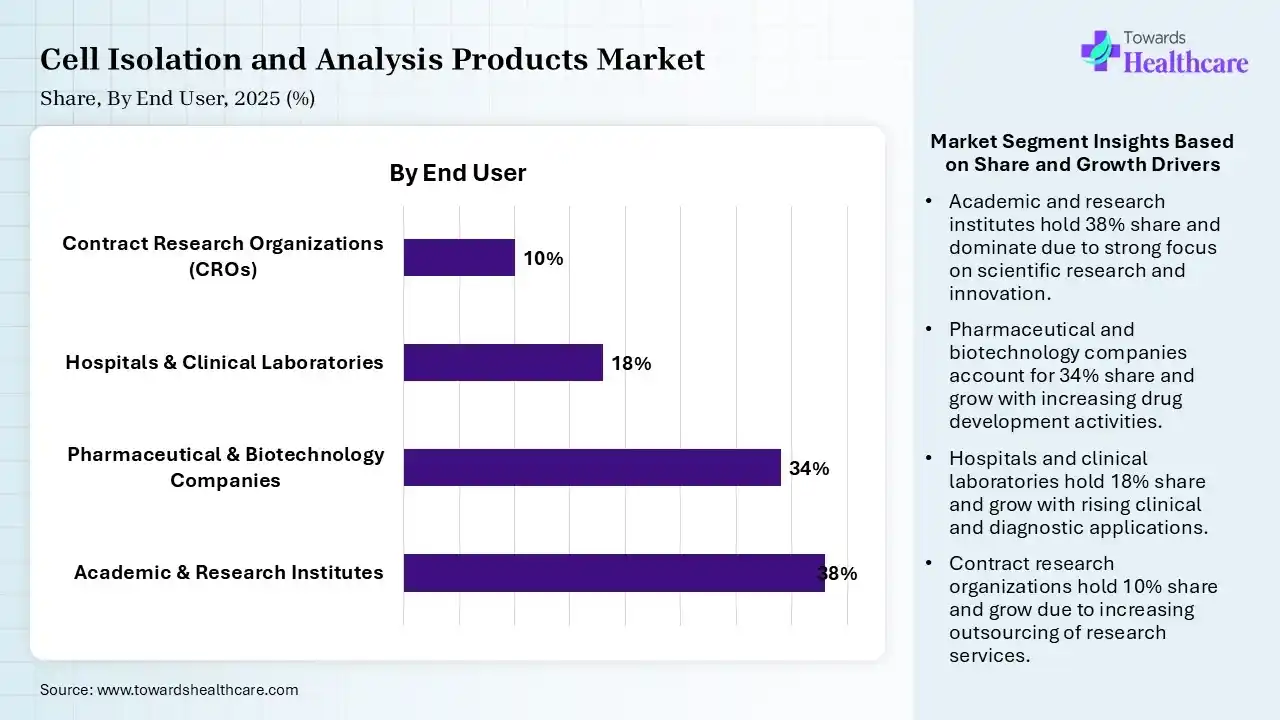
| Academic & Research Institutes | 38% |
| Pharmaceutical & Biotechnology Companies | 34% |
| Hospitals & Clinical Laboratories | 18% |
| Contract Research Organizations (CROs) | 10% |
Academic & Research Institutes Segment Led the Cell Isolation and Analysis Products Market in 2025
The academic & research institutes segment contributed the largest market share of 38%, as academic institutions and medical care providers drive rapid adoption and validation of novel technologies. Cell separation systems serve as a significant tool in modern biotechnology, allowing researchers and healthcare professionals to separate particular target cells from multifaceted mixtures.
The pharmaceutical & biotechnology companies segment held a significant share of 34% in the market, expected to grow at the fastest CAGR during the forecast period, as isolated cells enable experts to confidently answer particular research questions by reducing interference from other cell types in the sample. Cell isolation is significant in both basic and translational research, playing a opening role in drug discovery, disease modelling, and biomarker identification.
The hospitals & clinical laboratories segment held a significant share of 18% in the market, as in the hospitals, these rooms protect patients with compromised immune systems and avert cross-contamination. Isolation precautions are designed to reduce pathogen transmission and lower hospital-acquired infections.
The contract research organizations (CROs) segment held a significant share of 10% in the market, as cell isolation in contract research organizations (CROs) provides significant benefits to pharmaceutical and biotechnology organizations by offering access to specialized, high-purity cell populations for research and therapeutic advancement. Working with CROs includes project, data, and resource management, and the availability of technology.
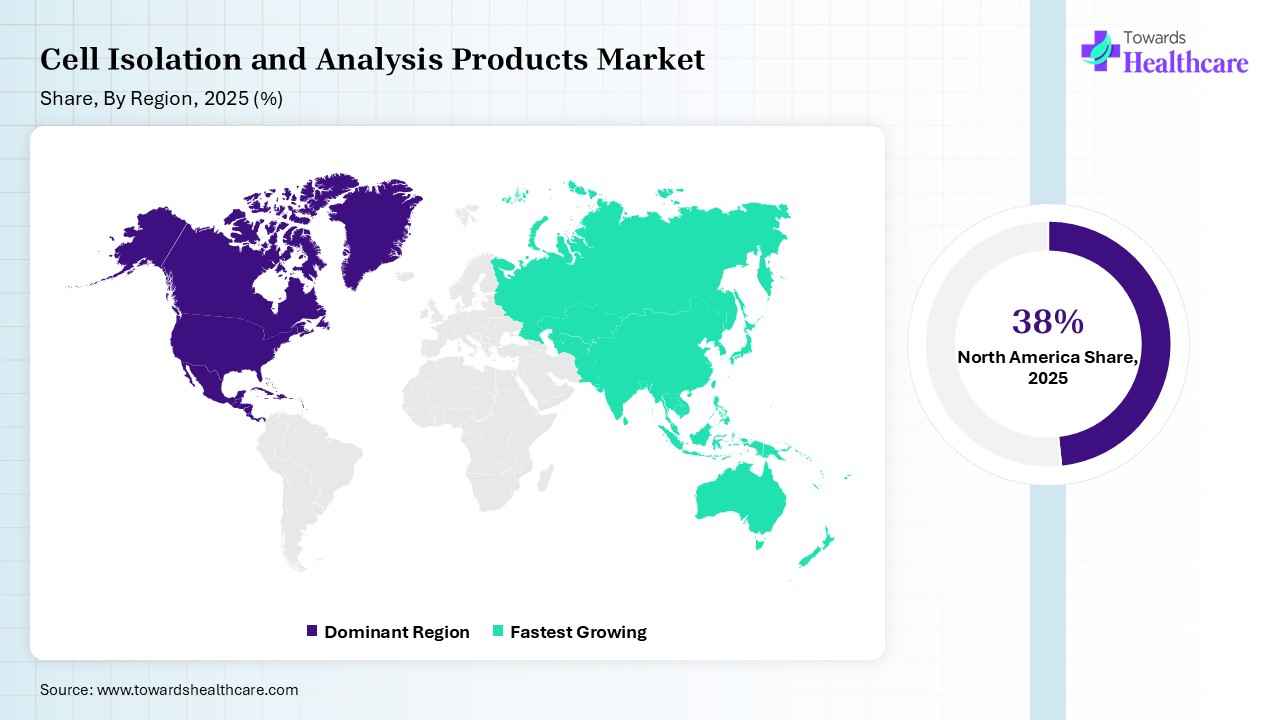
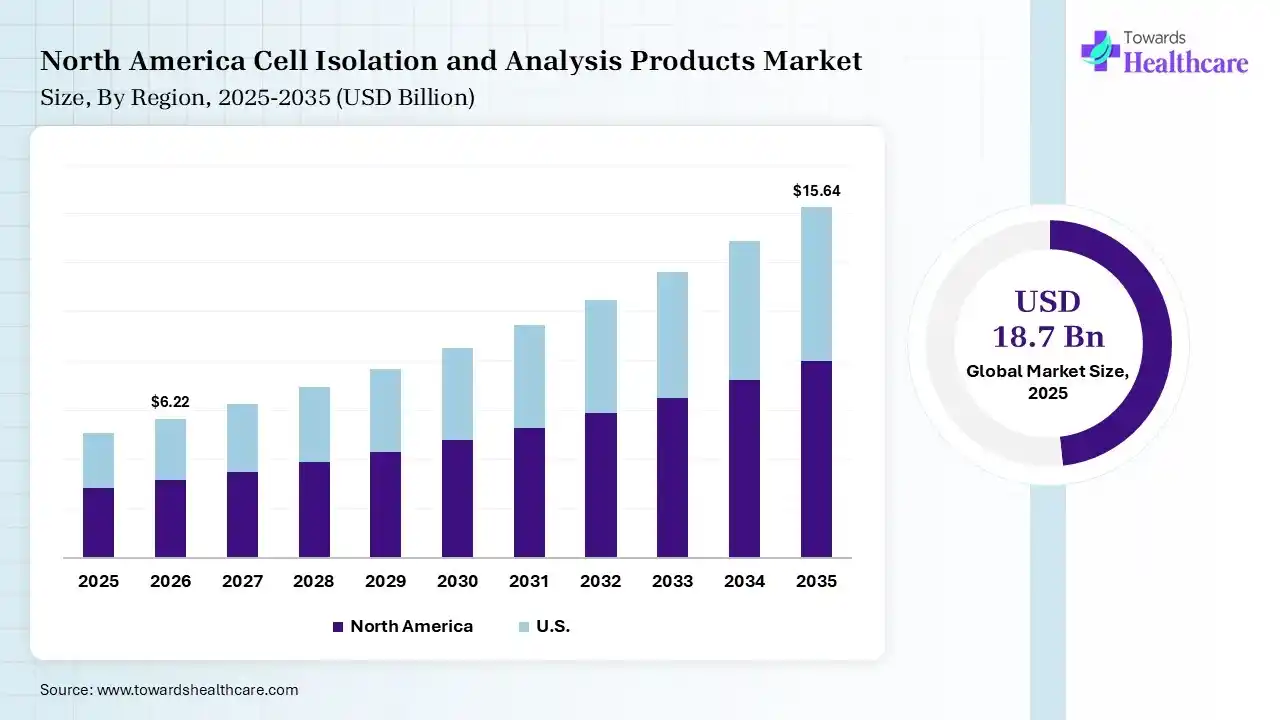
In 2025, North America dominated the cell isolation and analysis products market with a share of 38% in 2025, as strong spending in R&D is closely tied to economic growth, efficiency gains, and long-term profit potential. In North America, the biotechnology and healthcare technology sectors are being expanded by major companies such as Johnson & Johnson, Pfizer, Amgen, Eli Lilly, and AbbVie. The National Institutes of Health (NIH) is the primary Federal agency for conducting and supporting healthcare research.
For Instance,
U.S. Market Trends
In the U.S. cell isolation and analysis products market, noteworthy funding for research institutions and the largest attention of biotechnology organizations drive continuous innovation in instruments and consumables. Companies prioritize products that provide higher purity, yield, and reproducibility, driven by novelties like microfluidics, magnetic-activated cell sorting (MACS), and label-free techniques.
Asia Pacific held 24% share of the cell isolation and analysis products market, and is expected to have the fastest growth during the forecast period, as increasing urban development has led to sedentary work and lowered physical activity, integrating with dietary shifts toward high salt, sugar, and unhealthy fat consumption. Rapid population aging drives up disease problems, specifically for chronic conditions, even as healthcare advancements enhance results for individual patients. Medical advances and disease management support reducing individual disease burden, which drives the growth of the market.
India Market Trends
In India, increasing government creativity and subsidies for biomedical research, stem cell therapy, and specific medicine have increased the demand for advanced cell isolation machinery. India remains a vaccine capital, catering to around 60% of worldwide vaccine demand. India's increasing investment in stem cell research is powered by its economic growth and vision to acquire worldwide leadership in biotherapeutics.
| Ecosystem Segment | Key Participants | Explanation |
| Technology Providers | Miltenyi Biotec, BD Biosciences, Beckman Coulter Life Sciences | Develop cell separation, flow cytometry, and analysis technologies |
| Product Manufacturers | Thermo Fisher Scientific, Merck KGaA, Bio-Rad Laboratories | Produce instruments, reagents, kits, consumables, and software |
| Service Providers | STEMCELL Technologies, Akadeum Life Sciences | Provide specialized cell isolation solutions and support services |
| Platform Providers | Standard BioTools, 10x Genomics | Deliver single-cell and high-throughput analytical platforms |
| CROs/CDMOs | Charles River Laboratories, Lonza Group | Offer cell processing, analytical testing, and cell therapy development services |
| Software Vendors | Standard BioTools, BD Biosciences, Beckman Coulter Life Sciences | Develop cell analysis software and data interpretation platforms |
| Research Institutions | NIH, Broad Institute, MD Anderson Cancer Center | Drive technology adoption and validation through research |
| End-User Industries | Biopharma, Cell Therapy, Diagnostics, Academic Research | Primary consumers of cell isolation and analysis products |
R&D:
Manufacturing Processes:
Patient Services:
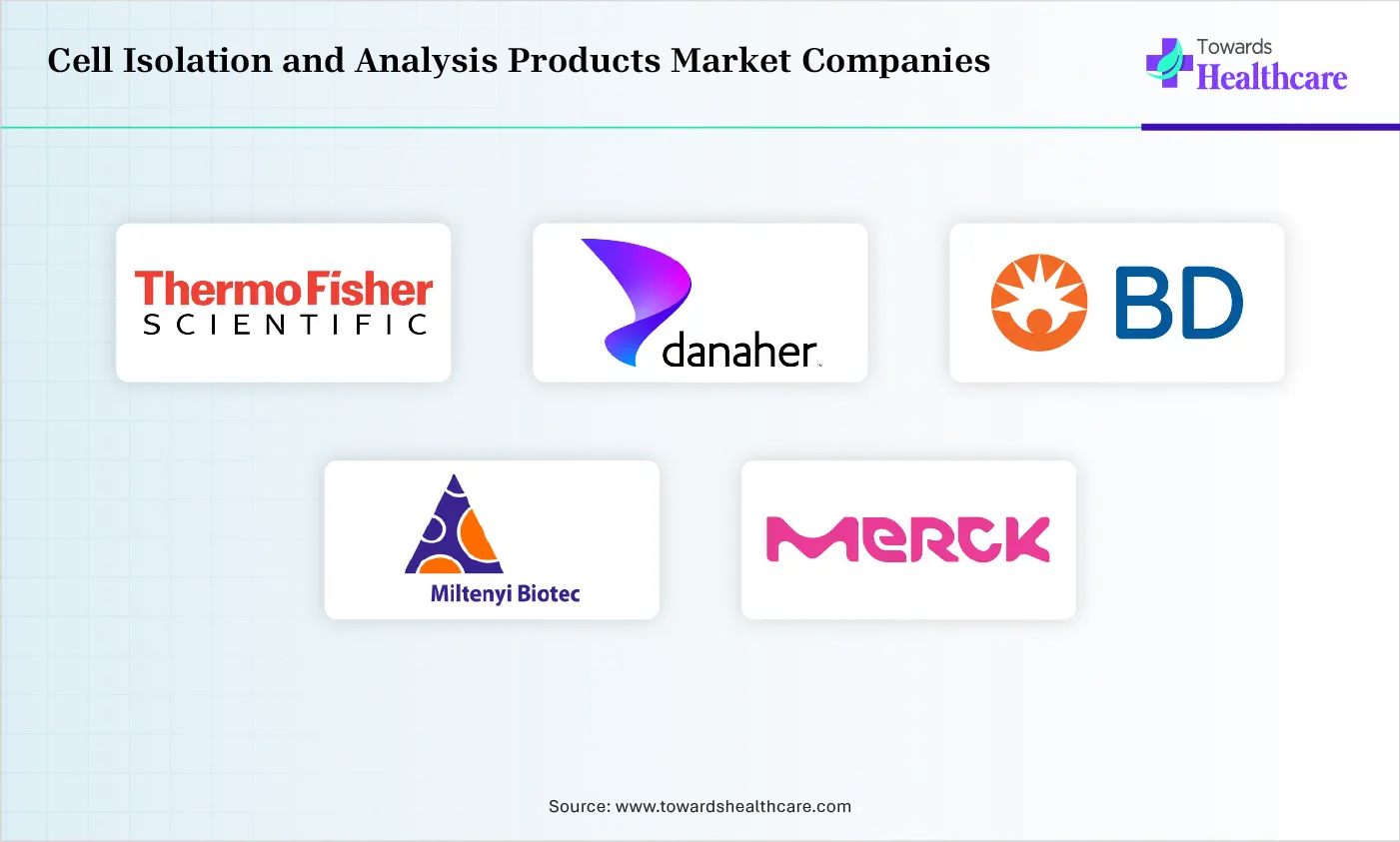
| Tier 1 | Tier 2 | Tier 3 | |
| Typical Market Influence | 67% | 24% | 9% |
| Tier 1 | ||||
| Company Name | Headquarters | Country | Why Relevant to This Market | Key Products/Services |
| Thermo Fisher Scientific | Waltham, Massachusetts | USA | Largest life sciences tools provider with extensive cell analysis portfolio | Gibco products, Invitrogen reagents, flow cytometry solutions, cell isolation kits |
| Danaher Corporation (Beckman Coulter Life Sciences & Cytiva) | Washington, D.C. | USA | Strong presence in cell separation, flow cytometry and bioprocessing | CellMek, CytoFLEX, cell analysis platforms |
| Becton, Dickinson and Company (BD) | Franklin Lakes, New Jersey | USA | Global leader in flow cytometry and cellular analysis | BD FACSymphony, BD FACSDiscover, cell sorting systems |
| Tier 2 | ||||
| Company Name | Headquarters | Country | Why Relevant to This Market | Key Products/Services |
| Miltenyi Biotec | Bergisch Gladbach, North Rhine-Westphalia | Germany | Industry leader in magnetic cell separation technologies | MACS Cell Separation Systems |
| STEMCELL Technologies | Vancouver, British Columbia | Canada | Major provider of cell isolation media and kits | EasySep Cell Isolation Kits |
| Standard BioTools (formerly Fluidigm) | South San Francisco, California | USA | Significant player in single-cell analysis | CyTOF, Hyperion Imaging Systems |
| Tier 3 | ||||
| Company Name | Headquarters | Country | Why Relevant to This Market | Key Products/Services |
| 10x Genomics | Pleasanton, California | USA | Pioneer in single-cell genomics and analysis | Chromium Single Cell Platform |
| Akadeum Life Sciences | Ann Arbor, Michigan | USA | Specialized cell separation innovator | Microbubble Cell Separation Technology |
| Cytena GmbH | Freiburg, Baden-Württemberg | Germany | Focused on single-cell isolation technologies | Single-cell dispensing platforms |
Strengths
Weakness
Opportunities
Threats
By Product Type
By Cell Type
By Technique
By Application
By End User
By Region










Principal Consultant
Shivani Zoting is a dedicated research analyst specializing in the healthcare industry. With a strong academic foundation, a B.Sc. in Biotechnology and an MBA in Pharmabiotechnology, she brings a unique blend of scientific understanding and strategy.
Learn more about Shivani Zoting
Reviewed By
Aditi Shivarkar is a seasoned professional with over 14 years of experience in healthcare market research. As a content reviewer, Aditi ensures the quality and accuracy of all market insights and data presented by the research team.
Learn more about Aditi Shivarkar