


The global enteral feeding devices market size is predicted to increase from USD 4.97 billion in 2026 to approximately USD 8.98 billion by 2035, expanding at a CAGR of 6.8% from 2026 to 2035. The enteral feeding devices market is growing because these feeding tools deliver liquid nutrition via a flexible tube, which goes in through the nose or directly into the stomach or small intestine.
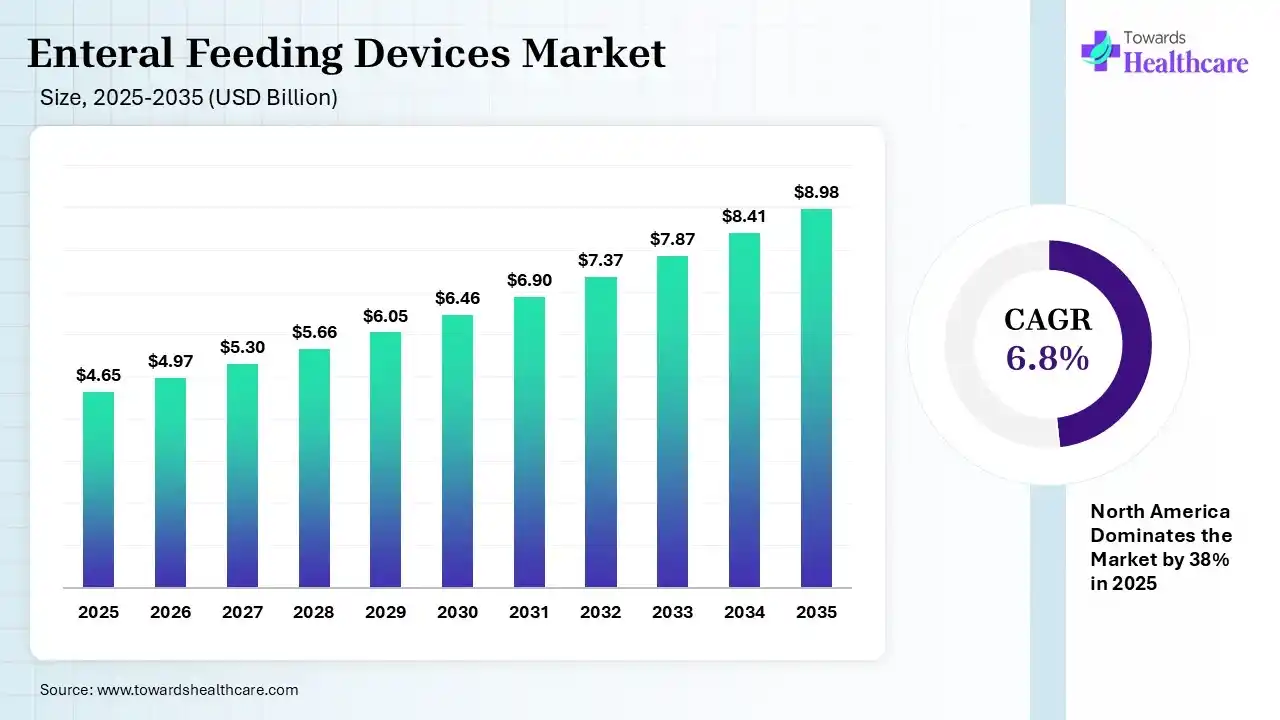
The enteral feeding devices market is growing, as enteral nutrition is a significant process for delivering nutrients to patients who cannot eat via mouth because of different healthcare conditions. Enteral feeding is a process of supplying nutrition directly into the gastrointestinal tract. It helps to doctrs in administering feeds and medications via an enteral feeding tube, including orogastric, nasogastric, and gastrostomy tubes in a safe and suitable manner. Enteral feeds are administered via different devices such as syringes, a gravity feeding set, and a feeding pump. The technology of administration is based on the nature of the feed and the health status of the patients. Feeding tubes support patients' metabolism and overall digestive health. Enteral feeding is a therapy for those who cannot get enough nourishment by eating or drinking.
Enteral feeding devices are medical devices used to deliver nutrients, fluids, and medication directly into the gastrointestinal tract for patients who cannot consume food orally but have a functioning digestive system. The enteral feeding devices market is expanding due to the increasing prevalence of chronic diseases, neurological disorders, cancer, and the growing aging population requiring long-term nutritional support. Rising demand for home enteral nutrition and minimally invasive feeding techniques is accelerating market growth. Technological advancements, including smart feeding systems and digital monitoring solutions, are improving safety, accuracy and patient convenience. A key market trend is the shift towards home-based nutritional care supported by connected healthcare technologies. Future opportunities lie in AI-enabled nutrition management, personalized feeding protocols, remote patient monitoring, and innovations that enhance patient comfort, reduce complications, and improve long-term clinical outcomes.
AI-based technology applied in enteral feeding it evaluate energy and protein requirements, optimizes EN initiation and composition, predicts gastrointestinal (GI) intolerance and metabolic challenges, and adapts therapy in real time. Artificial Intelligence technologies are evolving as the most innovative tools in advanced medicine, allowing the analysis of challenging datasets, improving healthcare decision-making, and helping targeted therapeutic interventions such as nutritional therapy. AI-based technology supports identifying patients who benefit from delayed initiation of nutrition and those who are at high risk of difficulties from EN. ML algorithms are used to analyze massive, continuously updated datasets to predict feeding intolerance, diarrhea, or refeeding-syndrome hypophosphatemia.
| Table | Scope |
| Market Size in 2026 | USD 4.97 Billion |
| Projected Market Size in 2035 | USD 8.98 Billion |
| CAGR (2026 - 2035) | 6.8% |
| Leading Region | North America by 38% |
| Key Applications | Oncology, Neurology, Gastroenterology, Critical Care, Diabetes Management, Neonatal Care |
| Primary End Users | Hospitals, Home Care Settings, Long-Term Care Facilities, Ambulatory Surgical Centers |
| Key Growth Drivers | Aging population, rising chronic diseases, increasing cancer prevalence, expansion of home enteral nutrition, technological improvements in feeding pumps |
| Measurable Values | USD Millions/Units/Volume |
| Market Segmentation | By Product Type, By Age Group, By Application, By End User, By Region |
| Top Key Players | Boston Scientific Corporation, Applied Medical Technology, Vygon SA, Avanos Medical, Inc., Fresenius Kabi AG |
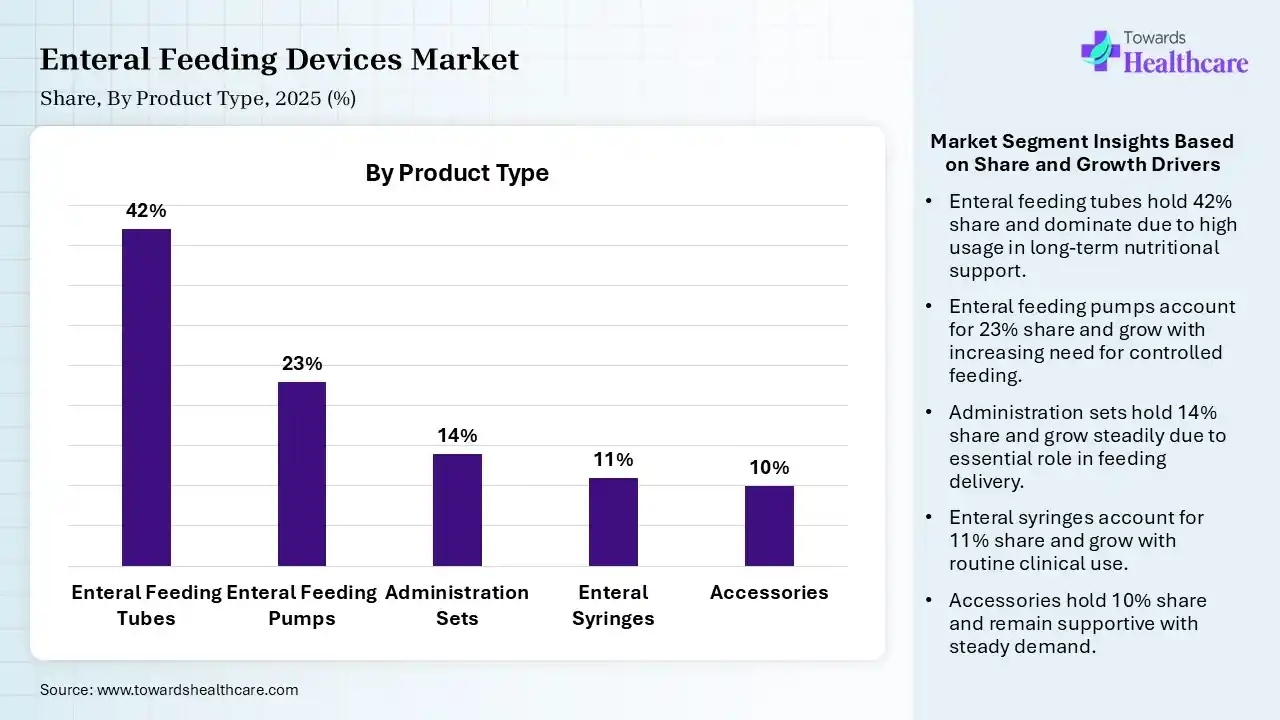
| Segment | Share 2025 (%) |
| Enteral Feeding Tubes | 42% |
| Enteral Feeding Pumps | 23% |
| Administration Sets | 14% |
| Enteral Syringes | 11% |
| Accessories | 10% |
The Enteral Feeding Tubes Segment Led the Enteral Feeding Devices Market in 2025
The enteral feeding tubes segment contributed the largest market share of 42% in 2025, as these feeding tubes support patients' metabolism and entire digestive health. Tube feeding offers good nutrition, which enhances a sense of well-being, lowers fatigue, supports the body's fight against infection, helps to prevent weight loss, and promotes weight gain. The direct connection between the bottle and the feeding tube output reduces the risk of contamination as compared to syringe feeding.
The enteral feeding pumps segment held a significant share of 23% in the market, and is expected to grow at the fastest rate of 7.5% during the forecast period, as this portable feeding enhances mobility. Pumps offer a choice for return to normality, specifically for children.
The administration sets segment held a significant share of 14% of the market, as enteral feeding pump administration sets offer key advantages, including improved accuracy and consistency in formula delivery, increased patient safety through alarms, and increased effectiveness for caregivers. They are simply programmed to dispense the exact amount of nutrients required.
The enteral syringes segment held a significant share of 11% of the market, as the use of syringe pumps for the administration of enteral nutrition supports to enhance the precision of the formula to be infused. They enable constant volumes to be administered, which lowers the possibility of increased gastric residue, reduces the challenges of aspiration, and enhance the diet, and reduces the challenges to the health of the specialized or the family.
The accessories segment held a significant share of 10% of the market. These accessories involving feeding tubes, administration sets, pumps, extension sets, and syringes. Through combining advanced materials and ergonomic design, these enteral feeding accessories reduce the challenges of blockages, leakage, and patient discomfort.
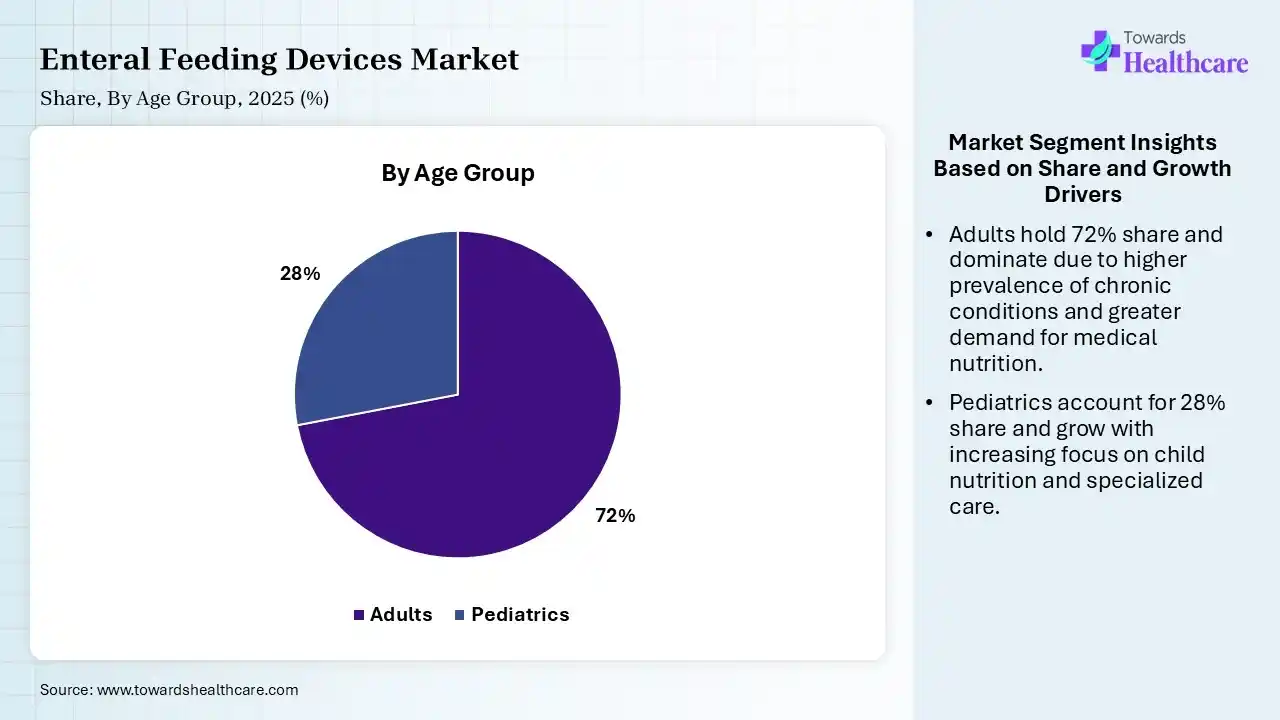
| Segment | Share 2025 (%) |
| Adults | 72% |
| Pediatrics | 28% |
The Adults Segment Led the Enteral Feeding Devices Market in 2025
The adults segment contributed the largest market share of 72% in 2025, as enteral feeding is the preferred process of delivering nutritional support when nutritional requirements cannot be met orally and can only be initiated where the patient has a functioning intestinal tract. It is significant to apply the GI tract for enteral nutrition because this type of nutrition is closer to normal and supports the immune and GI systems' work.
The pediatrics segment held a significant share of 28% of the market, and is expected to grow at the fastest rate of 7.9% during the forecast period, as enteral nutrition supports doctors to get children the nutrients they require when eating and drinking via the mouth becomes uncomfortable, unsafe, or impossible. These devices are significant in pediatric healthcare, particularly for children with congenital disabilities, nervous disorders, or serious illnesses that impair swallowing or digestion.
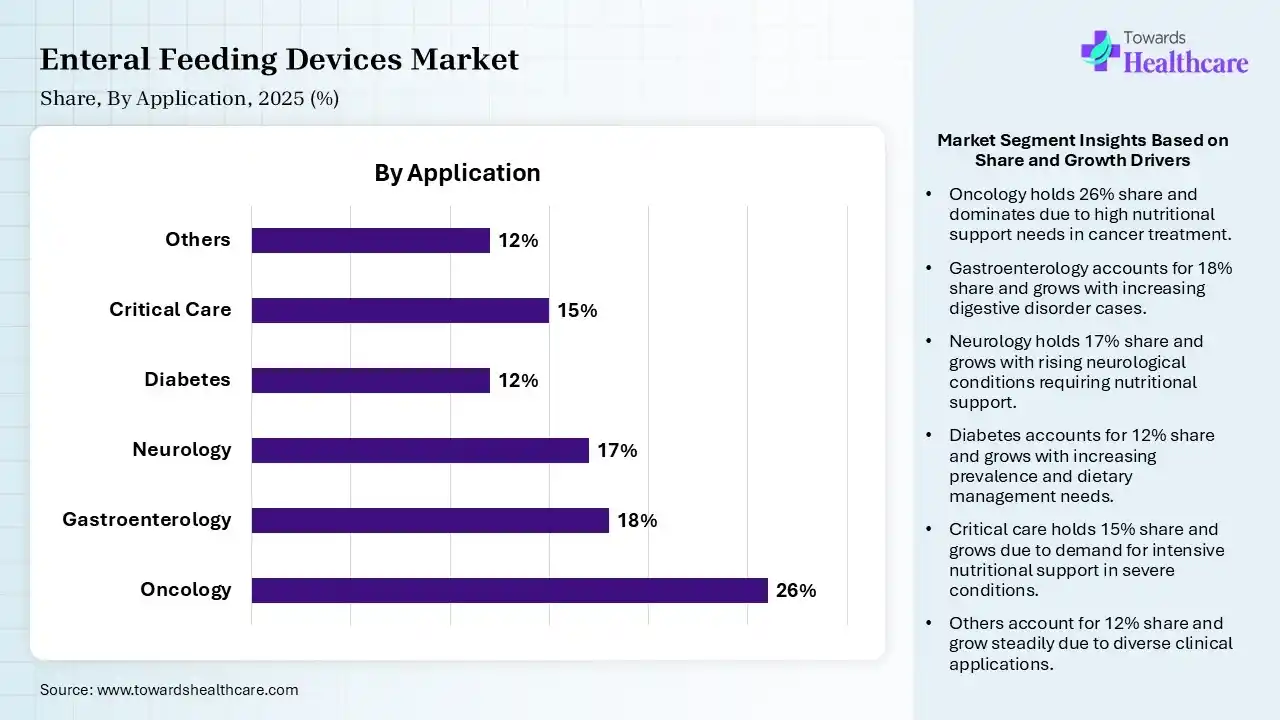
| Segment | Share 2025 (%) |
| Oncology | 26% |
| Gastroenterology | 18% |
| Neurology | 17% |
| Diabetes | 12% |
| Critical Care | 15% |
| Others | 12% |
Oncology Segment Led the Enteral Feeding Devices Market in 2025
The oncology segment contributed the largest market share of 26% in 2025, as enteral feeding is significant for maintaining strength, enabling patients to complete full cycles of chemotherapy or radiotherapy, particularly in head and neck cancers, where oral intake is limited. Feeding tubes are efficient for delivering high-calorie and high-protein formulations.
The gastroenterology segment held a significant share of 18% in the market, as feeding tubes support metabolism and entire digestive health. The benefits of defensive GI barrier function include preventing GI mucosa atrophy and lowering intestinal bacterial translocation. Enteral feeding brings liquid nutrition directly to the gastrointestinal (GI) tract.
The neurology segment held a significant share of 17% in the market, and is expected to grow at the fastest 7.4% CAGR during the forecast period, as nutritional management of nervous patients is significant, and enteral feeding is generally used to offer nutritional support. Enteral tube feeding is progressively used to enhance the growth and nutritional status of children with oral dysphagia related to progressive neurological disorders and undernutrition.
The critical care segment held a significant share of 15% in the market, as it is less costly than parenteral nutrition and is favored in most cases because of less severe challenges and advanced patient results. It works by preserving the intestinal barrier, preventing bacterial translocation, reducing expenses, and offering better nutritional utilization.
The diabetes segment held a significant share of 12% in the market, as the role of enteral nutrition in patients with diabetes is to offer the needed macro- and micro-nutrients involving protein, energy, vitamins, and minerals, in part or whole, to lower the risk of malnutrition in these patients.
| Segment | Share 2025 (%) |
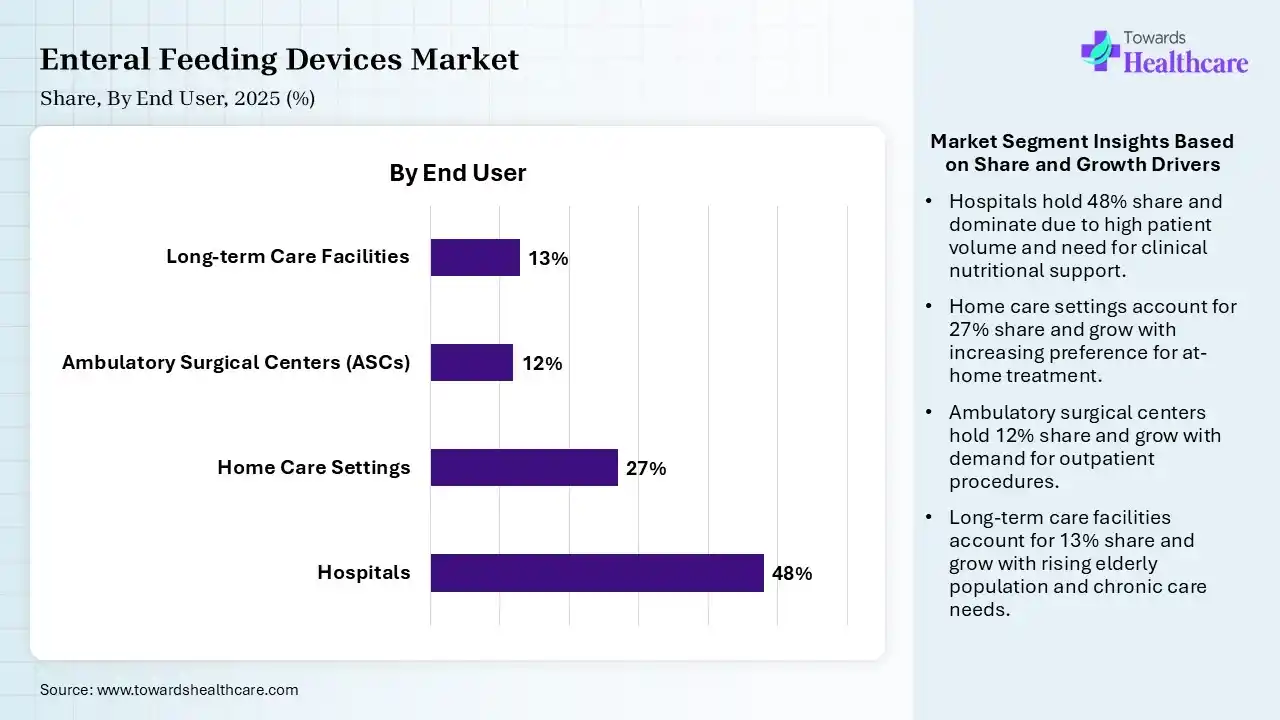
| Hospitals | 48% |
| Home Care Settings | 27% |
| Ambulatory Surgical Centers (ASCs) | 12% |
| Long-term Care Facilities | 13% |
Hospitals Segment Led the Enteral Feeding Devices Market in 2025
The hospitals segment contributed the largest market share of 48% in 2025, as enteral nutrition is harmless, with a reduced incidence of infectious and non-infectious challenges compared to parenteral nutrition. Enteral nutrition is chosen over parenteral nutrition as it is simpler, physiological, cheaper, and less complex. It is related to reduced hyperglycaemia as compared to intravenous feeding.
The home care settings segment held a significant share of 27% in the market, and is expected to grow at the fastest CAGR of 8.1% during the forecast period, as home enteral nutrition is a suitable and efficient method to support the nutritional requirements of patients who do not require continuous hospitalization. Home enteral nutrition is an efficient way to offer adequate nutrition to patients who are unable to consume food through the mouth because of medical conditions such as swallowing disorders, gastrointestinal diseases, and neurological disorders.
The long-term care facilities segment held a significant share of 13% in the market, as long-term care services provide a broad range of activities and programs intended to promote social interaction and engagement among residents. Long-term care facilities assist with daily living activities to ensure that residents’ requirements are met comprehensively.
The ambulatory surgical centers (ASCs) segment held a significant share of 12% in the market, as ASCs support cutting expenses and reducing the out-of-pocket cost for patients. It is estimated that ASCs can cost 45-60% less than hospital stays. ASCs provide better control over the development of surgeries.
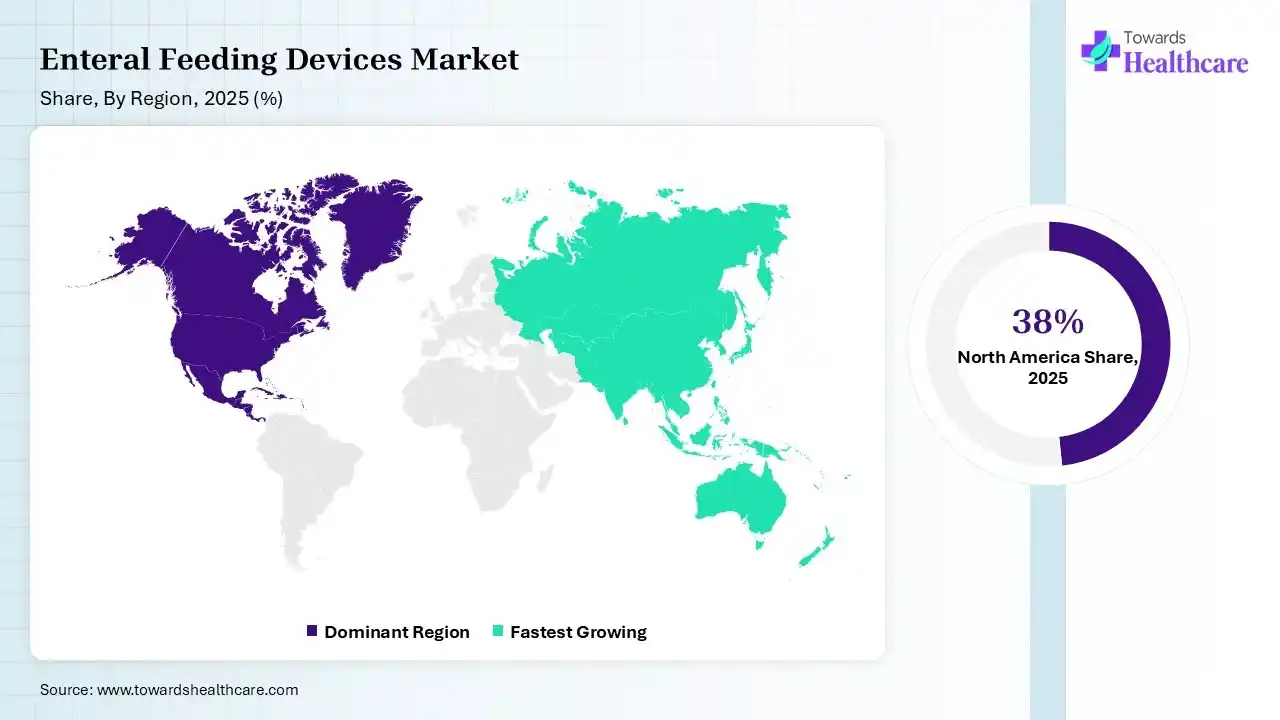
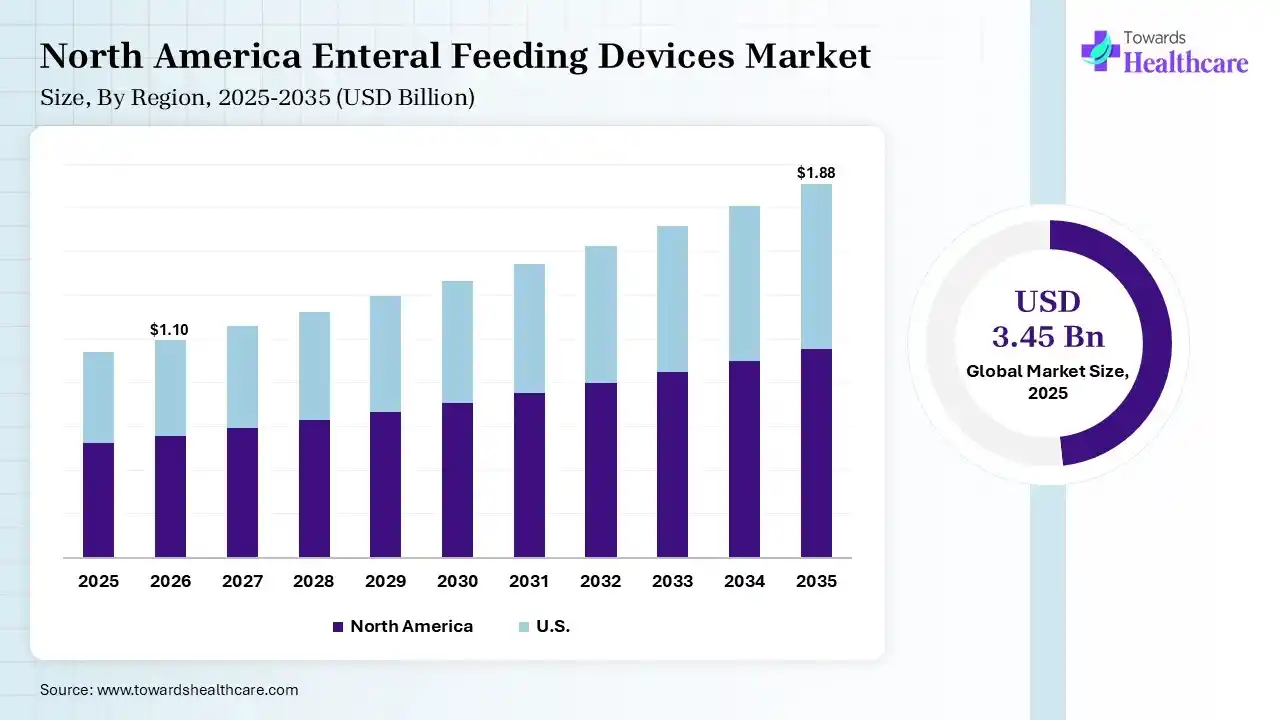
In 2025, North America dominated the enteral feeding devices market with a share of 38% in 2025, as a rise in ageing of worldwide populations means that longâ€term care systems are facing serious complexities in meeting the growing demand. Major chronic conditions rise in prevalence with age and occur in approximately two-thirds of medicare beneficiaries.
U.S. Market Trends
In the U.S., increasing numbers of preterm infants receive early mom, which increases demand for neonatal enteral feeding products. Plant-based enteral formulas are beginning to be extensively accepted and covered by most insurances, based on the type of coverage. A huge number of cancer patients, specifically those with oral cancer, undergoing radiation or chemo, need enteral feeding.
Canda Advances as a hub for Clinical Nutrition Excellence
Canada enteral feeding devices market tie experiencing significant growth due to the rising prevalence of chronic diseases, increasing aging population, and growing demand for long-term nutritional aging population, and growing demand for long-term nutritional support. Advanced healthcare services and widespread adoption of smart enteral feeding technologies are accelerating market expansion. Additionally, strong government healthcare funding and increasing focus on patient safety and clinical nutritional continues to strengthen Canada’s market growth.
Asia Pacific held 22% share of the market in 2025, and is expected to have the fastest growth with 8.3% CAGR during the forecast period, as this region bears the greatest oncology burden, accounting for 49% of cases worldwide, underscoring an increasing public health and workforce complexities for the region, which is increasing demand for enteral feeding tools. Improved access to hospitals and the expansion of home healthcare services contribute to the growth of the market.
India Market Trends
In India, an aging population and increasing rates of preterm births create a substantial, reliable demand for enteral nutrition. Strong local production abilities are significantly reducing expenses, making tools more accessible. India's aging population is more susceptible to chronic illnesses, increasing the demand for enteral nutrition solutions.
China Emerges as a Powerhouse in Enteral Feeding Innovatio
China's enteral feeding devices market is growing significantly due to the rapidly aging population, increasing incidence of chronic and gastrointestinal diseases, and expanding demand for clinical nutrition support. Rising healthcare investments, modernization of hospitals, and greater adoption of home enteral nutrition are fueling market expansion. Additionally, domestic medical device manufacturing, technological innovation, and supportive healthcare reforms are enhancing access to advanced enteral feeding solutions across the country.
Europe is experiencing notable growth in the market in 2025. The increasing rate of dysphagia and the prevalence of gastrointestinal disorders are increasing the adoption of enteral feeding devices. The focus on shortening hospital stays and structured clinical nutrition increases the use of enteral feeding devices. The preference for low-profile devices and the investment in biocompatible devices drive the growth.
Germany Market Trends
Germany is a robust player in the enteral feeding devices market. The growing cancer rates and the requirements for nutritional support increase adoption of enteral feeding devices. The demand for long-term care facilities and the spending on connected medical technology help with expansion. The rise in user-friendly feeding devices and the growing home-based care boost the overall market growth.
United Kingdom Market Trends
United Kingdom is growing rapidly in the market. The increased malnutrition issue in aged people and the expansion of home care increase the adoption of enteral feeding devices. The need for nutritional support in long-term chronic diseases and the strong NHS reimbursement structures help with expansion. The focus on nutritional management and the rise in programmable enteral feeding pumps supports the overall growth.
Latin America is growing substantially in the market. The intensive nutritional needs in neurological disorders & other diseases, and the growing swallowing difficulties increase the adoption of enteral feeding devices. The modernization of acute-care facilities and the high use of post-surgery recovery infrastructure increase the adoption of enteral feeding devices. The rise in ambulatory settings and the surge in medical nutrition boost the overall growth.
Brazil Market Trends
Brazil is a strong contributor to the market in Latin America. The increased prevalence of nutrition-impacting diseases and swallowing difficulties in older people increases the use of enteral feeding devices. The investments in critical care units and the investments in modernization of private hospitals help with expansion. The early nutrition protocols and expanding domestic manufacturers' collaborations support the overall growth of the market.
Argentina Market Trends
Argentina is growing significantly in the market. The prevalence of diseases like sarcopenia, Alzheimer’s disease, and others increases the use of enteral feeding devices. The rise in disease-specific nutritional formats and the modernization of ICUs help with expansion. The presence of home enteral feeding and the rising training on tube feeding among healthcare professionals supports the overall growth of the market.
The Middle East and Africa is growing substantially in the market. The increased use of tube feeding in diseases like stroke and cancer helps with expansion. The clinical nutrition requirements and the demand for advanced medical technology increase the use of enteral feeding devices. The rise in smart enteral feeding pumps and interest in pediatric enteral feeding options boost the overall growth.
South Africa Market Trends
South Africa is growing in the market due to the growing number of patients with chronic conditions. The focus on specialized nutritional care increases use of enteral feeding devices. The rise in clinical nutritional solutions and trending home care increases adoption of devices, supporting the overall growth.
| Ecosystem Segment | Key Participants | Explanation |
| Technology Providers | Fresenius Kabi, Cardinal Health, Baxter International | Develop feeding systems, pumps, connectors, and nutritional delivery technologies |
| Product Manufacturers | Avanos Medical, Applied Medical Technology (AMT), Vygon, B. Braun, Moog | Manufacture feeding tubes, pumps, administration sets, and accessories |
| Service Providers | Option Care Health, Coram CVS Specialty Infusion Services | Provide home enteral nutrition support and patient management services |
| Platform Providers | Baxter International, Fresenius Kabi | Integrated nutrition management and infusion platforms |
| CROs/CDMOs | Not a major market component | Most development is performed internally by device manufacturers |
| Software Vendors | Moog, Baxter International | Feeding pump monitoring, smart pump software, safety systems |
| Research Institutions | Mayo Clinic, Cleveland Clinic, Johns Hopkins Medicine | Clinical nutrition research and enteral feeding protocol development |
| End-User Industries | Hospitals, Home Healthcare, Long-Term Care, Specialty Clinics | Primary purchasers and users of enteral feeding devices |
| Tier 1 | Tier 2 | Tier 3 | |
| Typical Market Influence | 68% | 24% | 8% |
| Tier 1 | ||||
| Company Name | Headquarters | Country | Why Relevant to This Market | Key Products/Services |
| Fresenius Kabi AG | Bad Homburg, Hesse | Germany | Global leader in clinical nutrition and enteral feeding systems | Feeding pumps, feeding tubes, enteral nutrition systems |
| Avanos Medical, Inc. | Alpharetta, Georgia | United States | Major global supplier of enteral access devices | MIC-KEY feeding tubes, gastrostomy products |
| Baxter International Inc. | Deerfield, Illinois | United States | Large nutrition and infusion therapy provider | Enteral feeding systems, nutrition delivery technologies |
| Tier 2 | ||||
| Company Name | Headquarters | Country | Why Relevant to This Market | Key Products/Services |
| Moog Inc. | East Aurora, New York | United States | Specialized enteral feeding pump manufacturer | Infinity Enteral Feeding Pump System |
| Vygon SA | Écouen, Île-de-France | France | Strong European enteral feeding supplier | Feeding tubes, enteral nutrition systems |
| Applied Medical Technology, Inc. | Brecksville, Ohio | United States | Specialist in enteral access devices | Gastrostomy tubes, jejunal feeding devices |
| Tier 3 | ||||
| Company Name | Headquarters | Country | Why Relevant to This Market | Key Products/Services |
| ENvue Medical, Inc. | Elmsford, New York | United States | Focused on feeding tube placement technology | ENvue feeding tube navigation system |
| Medela AG | Baar, Zug | Switzerland | Specialized neonatal and enteral feeding solutions | Enteral feeding products for neonatal care |
| GBUK Group Ltd. | Selby, England | United Kingdom | Dedicated enteral feeding device specialist | Feeding tubes, enteral connectors, accessories |
In April 2026, “Enteral nutrition is a critical therapy for millions of patients, yet the technology supporting it has changed very little over time,“Much of the burden still falls on patients and caregivers to manage feeds and communicate what is happening at home. A system like Luminoah Flow may help bring greater simplicity and visibility to that process, allowing clinicians to better support patients between visits”, said Tegan Medico, MS, MPH, RDN, CNSC, Clinical Dietitian at UVA Health
By Product Type
By Age Group
By Application
By End User
By Region









Principal Consultant
Payal Rabde is a Healthcare Market Research Analyst at Towards Healthcare Research & Consulting with 4+ years of experience in pharmaceuticals, biotechnology, medical devices, and life sciences.
Learn more about Payal Rabde

Reviewed By
Aditi Shivarkar is a seasoned professional with over 14 years of experience in healthcare market research. As a content reviewer, Aditi ensures the quality and accuracy of all market insights and data presented by the research team.
Learn more about Aditi Shivarkar









