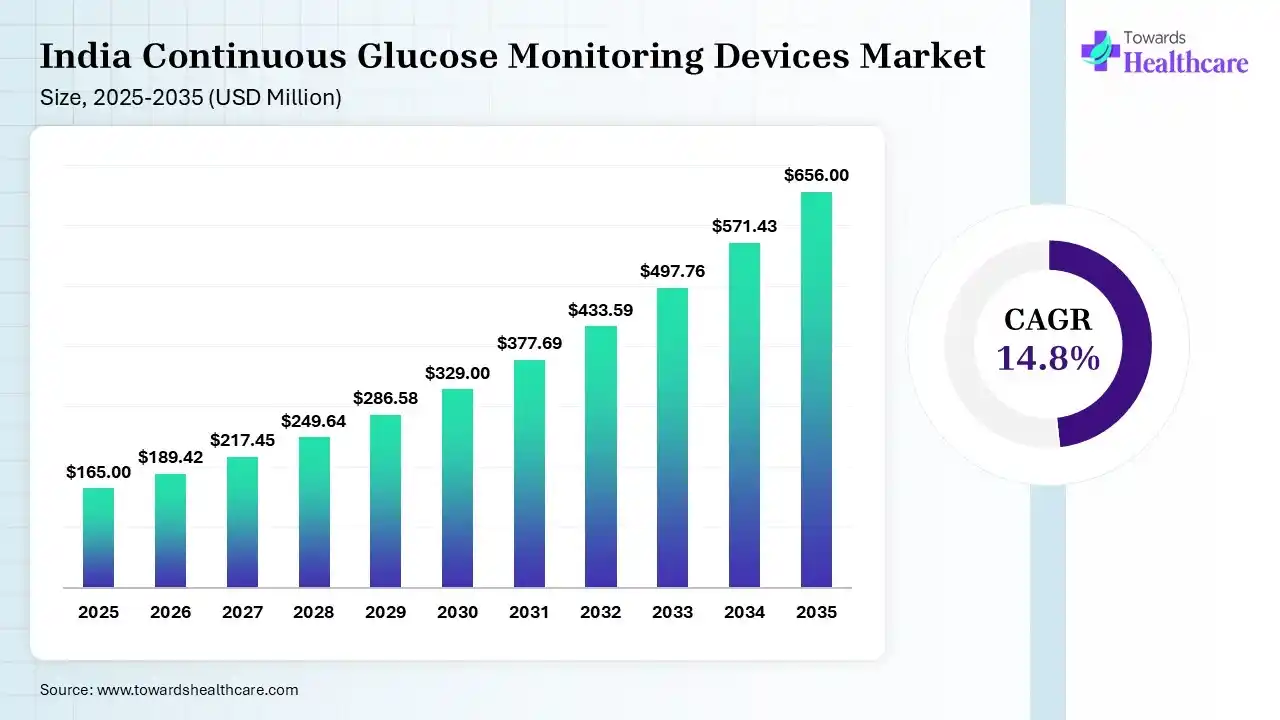
The India continuous glucose monitoring devices market size stood at US$ 165 million in 2025, grew to US$ 189.42 million in 2026, and is forecast to reach US$ 656 million by 2035, expanding at a CAGR of 14.8% from 2026 to 2035.
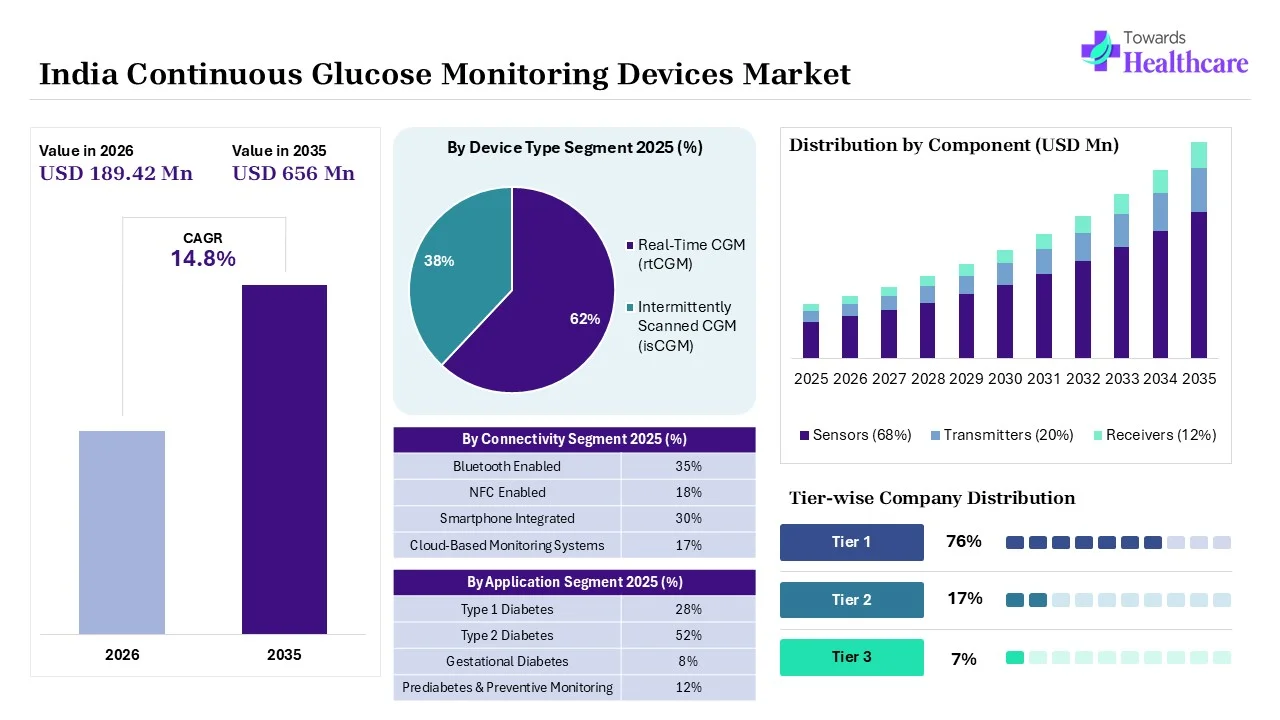
India continuous glucose monitoring devices market is driven by a massive diabetic population, increasing interest in metabolic fitness, and rising demand for smartphone-integrated glucose tracking solutions. India continuous glucose monitoring devices encompass medical devices that continuously measure and track glucose levels throughout the day and night. Diabetes is a chronic metabolic disease leading to high blood sugar levels due to ineffective use of insulin or insufficient insulin production. Different types of diabetes include type 1 diabetes (no insulin production), type 2 diabetes (insufficient insulin production), and gestational diabetes (during pregnancy), and their growing incidence in India is driving the demand for accurate diagnostics, effective treatment, and management solutions.
This, in turn, is increasing the adoption of various continuous glucose monitoring (CGM) devices in India to improve glycemic control, optimize treatment strategies, and reduce the risk of further complications. The CMG devices available in India include real-time continuous glucose monitoring devices, intermittently scanned CGM systems, professional continuous glucose monitoring systems, and personal CGM devices, where the sensors, transmitters, and receivers help in measuring, sending, and displaying glucose readings. They track glucose levels 24/7, offer alerts during low glucose levels, show real-time glucose fluctuation, and help in insulin dose optimization and long-term diabetes management. At the same time, increasing health awareness, digital health platforms, a shift towards personalized and preventive healthcare, and technological advancements are driving their adoption and innovations, which are fueling the market expansion.
AI plays an important role in India continuous glucose monitoring devices market, where it analyses real-time glucose data and predicts high and low blood sugar levels. It also helps in optimizing insulin dosing, treatment decisions, and abnormal glucose levels, where it also offers reminders, notifications, alerts, and digital coaching, promoting their integration in CGM devices. AI also helps in remote patient monitoring, automated insulin deliveries, and data-driven clinical decisions, which drives their use for long-term diabetes management and reduces their complications.
Expanding Home-Based Monitoring
The growing shift towards home-based monitoring is increasing the demand for continuous glucose monitoring devices across India. They are being preferred for the management of diabetes at home, reducing frequent hospital visits, where the growing health awareness is also increasing their use for self-management and as a preventive healthcare option. Expansion in smartphone penetration and shift towards personalized healthcare are also increasing the use of these devices for remote monitoring and patient-centric care.
Growing Specialty Diabetes Clinics
The rapid expansion of specialty diabetes clinics is fueling the demand for continuous glucose monitoring devices to address the rising diabetes burden in India. These clinics are utilizing various CGM devices for diabetes diagnosis, management, and treatment, where they are also being used for personalized treatment planning by the diabetologists and endocrinologists. Moreover, the expansion in awareness and diabetes management programs is also increasing the adoption of these devices
Blooming Innovations
The growing diabetic population in India is increasing the development of various continuous glucose monitoring devices. The companies are investing in the development of advanced sensor technologies to enhance the accuracy and comfort of the CGM devices and are also developing cloud platforms for remote glucose monitoring and data sharing. Furthermore, they are also diving into the development of next-generation, smaller, affordable, and improved connective CGM devices, where they are also focusing on integrating insulin pumps for automated insulin delivery systems manufacturing.
| Table | Scope |
| Market Size in 2026 | USD 189.42 Million |
| Projected Market Size in 2035 | USD 656 Million |
| CAGR (2026 - 2035) | 14.8% |
| Historical Data | 2020 - 2023 |
| Base Year | 2025 |
| Forecast Period | 2026 - 2035 |
| Measurable Values | USD Millions/Units/Volume |
| Market Segmentation | By Component, By Device Type, By Connectivity, By Application, By End User, By Age Group, By Distribution Channel |
| Top Key Players | Abbott Laboratories, Ultrahuman Healthcare Pvt. Ltd., Medtronic plc, HealthifyMe, Dexcom, Inc., GlucoRx India, Health Arx Technologies Pvt. Ltd. |
| Segment | Share 2025 (%) |
| Sensors | 68% |
| Transmitters | 20% |
| Receivers | 12% |
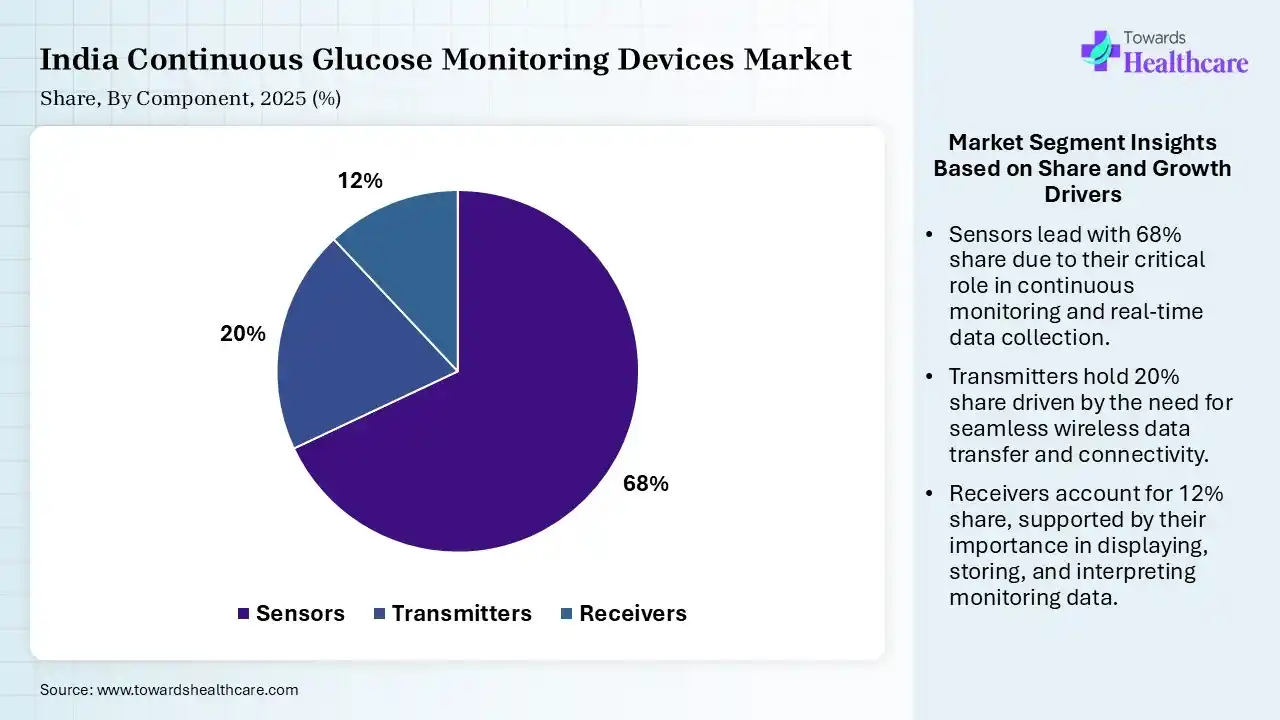
The Sensors Segment Dominated the Market With 68% in 2025
The sensors segment led the India continuous glucose monitoring devices market with a 68% share in 2025 and is expected to witness the fastest growth with a CAGR during the forecast period, as the sensors require periodic replacement, which generates recurring demand. The rise in CGM adoption among diabetics also increased sensor consumption. Technological advances improved their accuracy and wear duration, which also encouraged their adoption.
The transmitters segment held the second-largest share of 20% of the market in 2025, due to manufacturers improving wireless communication capabilities. Their enhanced integration with smartphones, instant alerts, and uninterrupted glucose tracking also enhances their usability. A growing installed device base supports demand, facilitating remote patient monitoring.
The receivers segment held 12% of the India continuous glucose monitoring devices market share in 2025, driven by increasing demand for digital monitoring and data visualization tools. Healthcare providers are also relying on glucose trend analysis, which drives their demand. At the same time, remote patient monitoring is also supporting their adoption.
| Segment | Share 2025 (%) |
| Real-Time CGM (rtCGM) | 62% |
| Intermittently Scanned CGM (isCGM) | 38% |
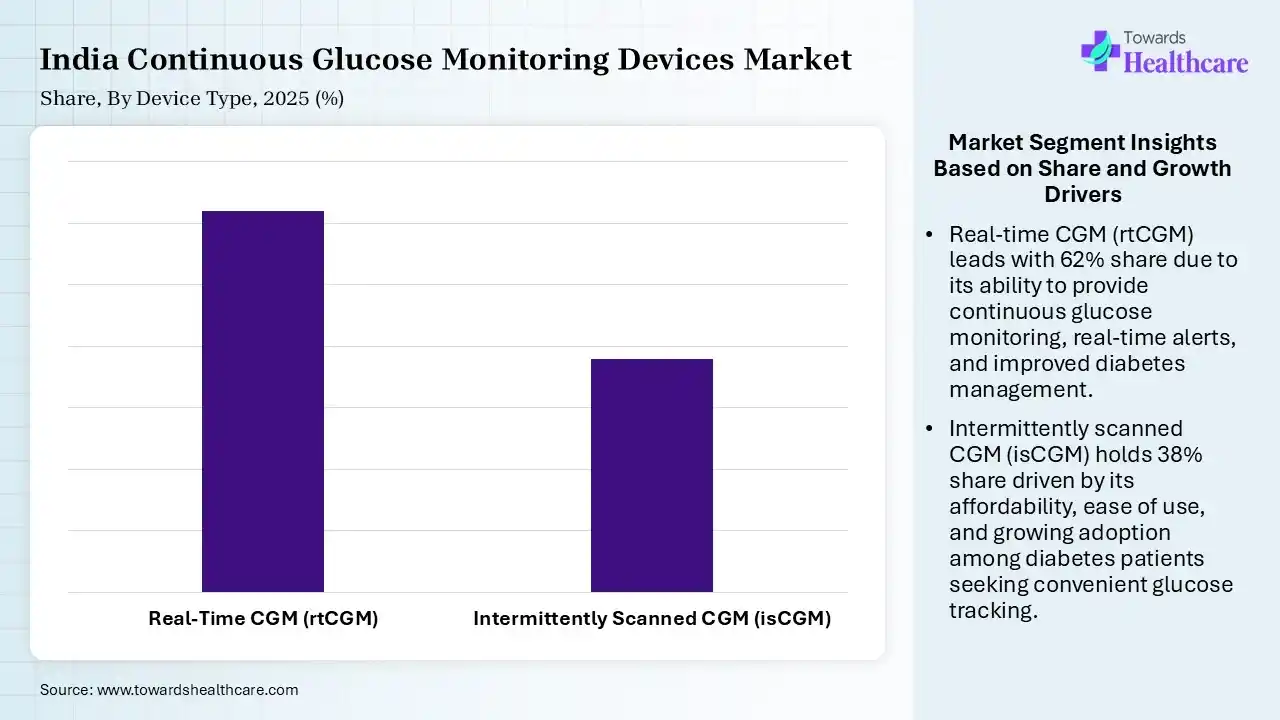
The Real-Time CGM (rtCGM) Segment Dominated the Market With 62% in 2025
The real-time CGM (rtCGM) segment accounted for the highest revenue share of 62% of the India continuous glucose monitoring devices market in 2025, due to its continuous alerts, which improved glycemic control. Physicians increasingly recommended real-time monitoring, which promoted their adoption rates. Moreover, integration with insulin therapies also increased their use.
The intermittently scanned CGM (isCGM) segment held the second-largest share of 38% of the market in 2025 and is expected to show the highest growth with a CAGR during the forecast period, driven by lower cost, which improves the accessibility of these devices in India. User-friendly scanning systems also encourage their adoption. Expanding awareness also supports market penetration.
| Segment | Share 2025 (%) |
| Bluetooth Enabled | 35% |
| NFC Enabled | 18% |
| Smartphone Integrated | 30% |
| Cloud-Based Monitoring Systems | 17% |
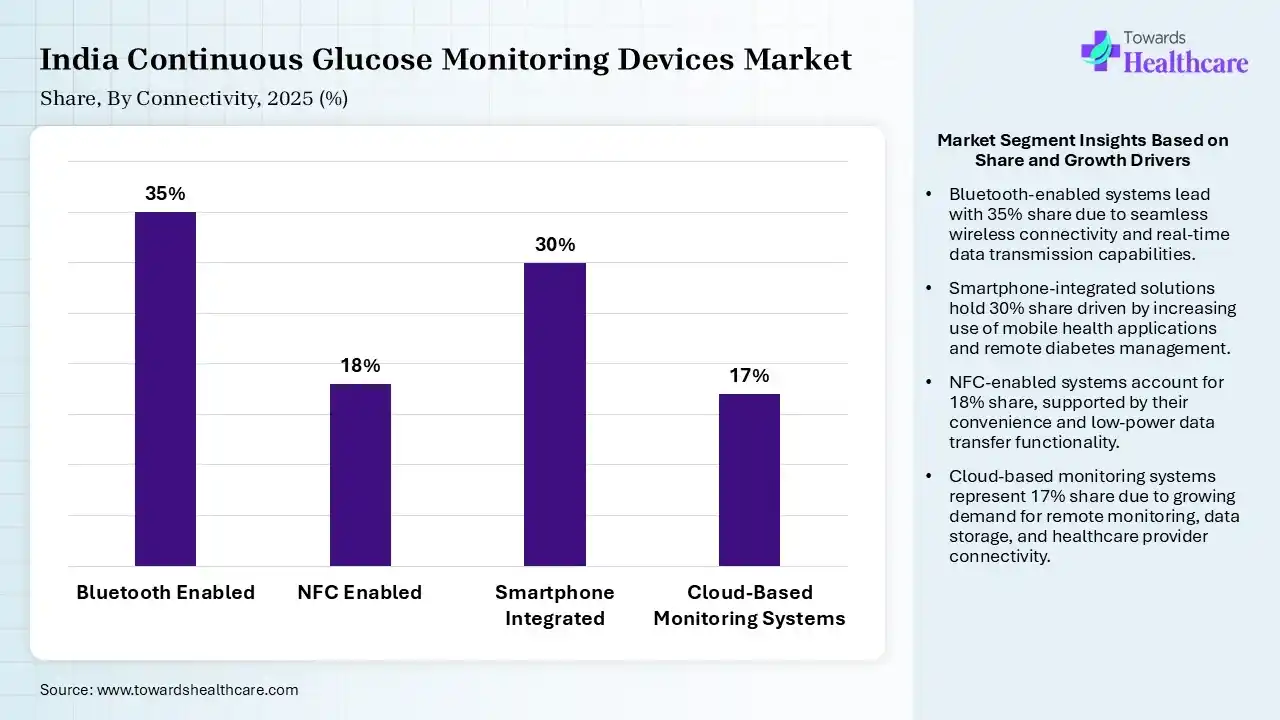
The Bluetooth-Enabled Segment Dominated the Market With 35% in 2025
The Bluetooth-enabled segment held a major revenue share of 35% of the India continuous glucose monitoring devices market in 2025, driven by their seamless wireless transmission, which improved convenience. Their enhanced compatibility with smartphones also increased their adoption. Furthermore, device manufacturers also prioritized Bluetooth connectivity, which increased their production rates.
The smartphone integrated segment held the second-largest share of 30% of the market in 2025 and is expected to expand rapidly with a CAGR of 16.2% during the forecast period, due to the rapid and continuous expansion of smartphone penetration. Their expanding mobile health applications are also improving their engagement. Real-time analytics also increases their clinical value.
The NFC-enabled segment held 18% of the India continuous glucose monitoring devices market share in 2025, driven by the easy scanning capability that attracts first-time users. Cost-effective and quick glucose data transfer designs also support their demand. Consumer preference for simplicity aids growth. Additionally, their extended battery life also increased their adoption.
The cloud-based monitoring systems segment held 17% of the market share in 2025 due to remote monitoring, which supports physician oversight. Expanding telemedicine adoption also accelerates cloud integration, promoting personalized diabetes management. Data sharing for multiple devices also improves diabetes management, which drives the adoption of cloud-based monitoring systems.
| Segment | Share 2025 (%) |
| Type 1 Diabetes | 28% |
| Type 2 Diabetes | 52% |
| Gestational Diabetes | 8% |
| Prediabetes & Preventive Monitoring | 12% |
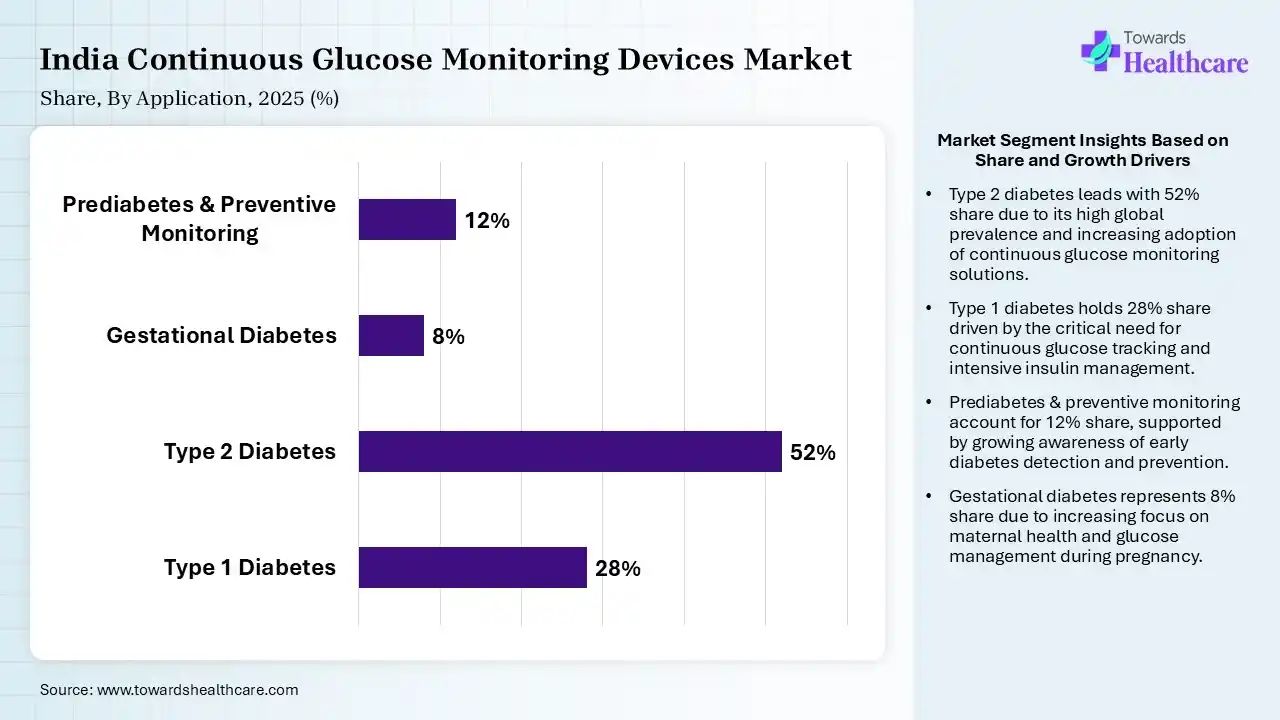
The Type 2 Diabetes Segment Dominated the Market With 52% in 2025
The type 2 diabetes segment contributed the biggest revenue share of 52% of the India continuous glucose monitoring devices market in 2025 and is expected to gain the highest share with a CAGR during the forecast period, due to a large diabetic population, which created substantial demand. Physicians increasingly prescribed CGM for insulin-treated patients. Additionally, a rise in awareness also improved their utilization.
The type 1 diabetes segment held the second-largest share of 28% of the market in 2025, driven by intensive insulin therapies requiring continuous monitoring, which drives the adoption of CGM devices. Clinical guidelines also favor CGM usage, promoting its adoption. Improved outcomes support their adoption. The real-time alerts and improved glycemic control also increase their use.
The prediabetes & preventive monitoring segment held 12% of the India continuous glucose monitoring devices market share in 2025, due to expanding preventive healthcare trends. Consumers increasingly monitor metabolic health, which drives the demand for CGM devices for predicting real-time glucose levels. Wellness-focused adoption also supports their growth.
The gestational diabetes segment held 8% of the market share in 2025, driven by growing attention on maternal health monitoring, which drives the need for frequent glucose monitoring. Early glucose control also improves pregnancy outcomes, which encourages the use of CGM devices. Furthermore, healthcare providers are also encouraging continuous monitoring.
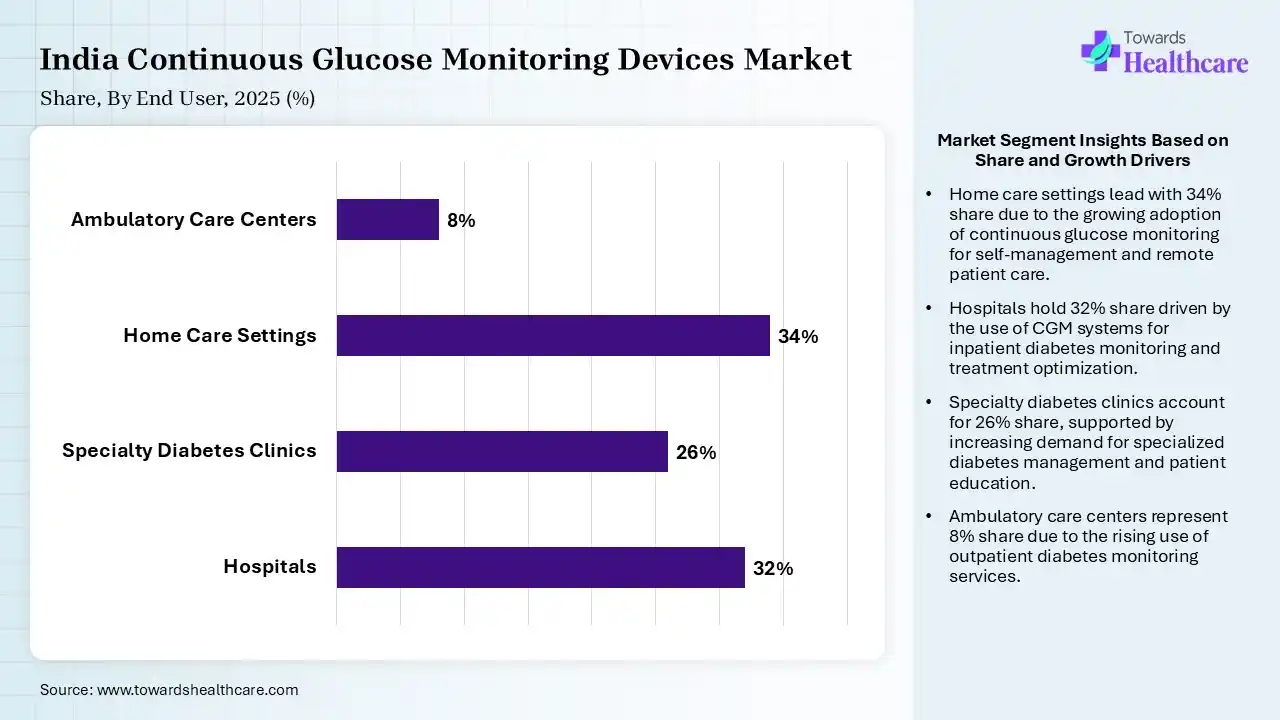
| Segment | Share 2025 (%) |
| Hospitals | 32% |
| Specialty Diabetes Clinics | 26% |
| Home Care Settings | 34% |
| Ambulatory Care Centers | 8% |
The Home Care Settings Segment Dominated the Market With 34% in 2025
The home care settings segment held the largest revenue share of 34% of the India continuous glucose monitoring devices market in 2025 and is expected to grow with the fastest CAGR during the forecast period, driven by the growth in patients preferring self-monitoring solutions. Remote healthcare adoption also continued expanding. Convenience and improved outcomes also increased their demand.
The hospitals segment held the second-largest share of 32% of the market in 2025, as hospitals remained major diagnosis and treatment centers. Clinical monitoring requirements and growth in diabetes event rates also increased the procurement of continuous glucose monitoring devices. At the same time, growth in patient inflow also supported their demand.
The specialty diabetes clinics segment held 26% of the India continuous glucose monitoring devices market share in 2025, due to growing specialized diabetes management, which increases CGM utilization. Endocrinologists actively recommend advanced monitoring, promoting their adoption rates. Awareness programs also support their growth, and their personalized diabetes care solutions also attract patients.
The ambulatory care centers segment held 8% of the market share in 2025, due to the increasing outpatient diabetes management. Cost-effective care models and shorter waiting time also support their utilization. Monitoring requirements and a focus on preventive healthcare also encourage their adoption.
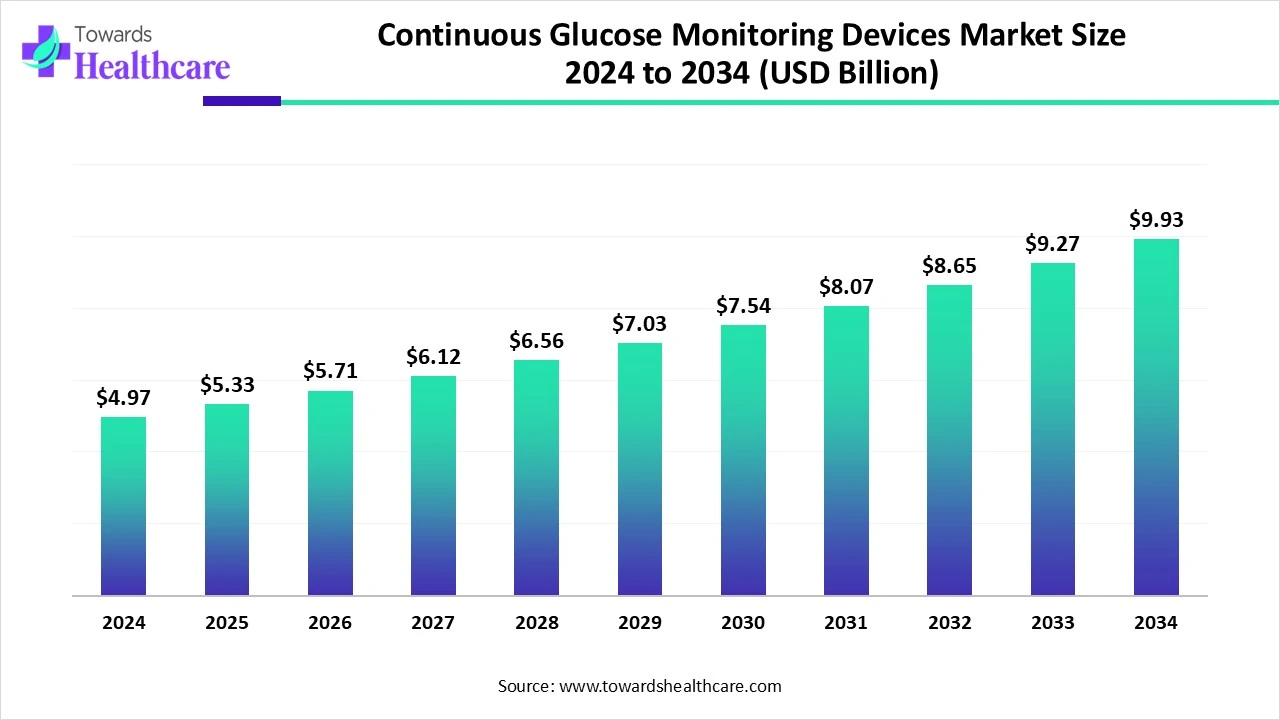
The global continuous glucose monitoring devices market size is calculated at USD 5.33 billion in 2025, grew to USD 5.71 billion in 2026, and is projected to reach around USD 10.7 billion by 2035. The market is expanding at a CAGR of 7.22% between 2026 and 2035.
India continuous glucose monitoring devices market is expected to show lucrative growth during the forecast period, due to growth in the diabetes burden. Increasing health awareness and healthcare expenditure are also increasing the demand for continuous glucose monitoring devices, and the increasing geriatric population is also increasing the use of remote patient monitoring services. The growing shift towards personalized diabetes care is also increasing the use of real-time glucose tracking solutions, where the rising adoption of smartphones is also increasing the use of CGM systems. Expanding telemedicine and government support are also increasing their accessibility and affordability, which is enhancing the market growth.
R&D
Clinical Trials and Regulatory Approvals
Patient Support and Services
| Companies | Headquarters | Continuous Glucose Monitoring Devices in India |
| Abbott Laboratories | Abbott Park, U.S. | FreeStyle Libre 2 Plus Sensor |
| Ultrahuman Healthcare Pvt. Ltd. | Bengaluru, India | Ultrahuman M1/M1 Live |
| Medtronic plc | Dublin, Ireland | Guardian Connect CGM Systems |
| HealthifyMe | Bengaluru, India | Healthify CGM |
| Dexcom, Inc. | San Diego, U.S. | Dexcom G7 |
| GlucoRx India | Guildford, UK | GlucoRx Vixxa 2 |
| Health Arx Technologies Pvt. Ltd. | New Delhi. India | BeatO 15-Day Bluetooth CGM |
In August 2025, after the launch of next-generation continuous glucose monitoring (CGM) device, the FreeStyle Libre 2 Plus, in India, the Regional Medical Affairs Director, Asia Pacific, Diabetes Division of Abbott, Dr. Kenneth Lee, stated that “With 101 million people living with diabetes, India is the second-largest diabetes population globally,” “FreeStyle Libre 2 Plus empowers people to manage their condition better, with robust accuracy and the freedom to avoid routine fingersticks.”
By Component
By Device Type
By Connectivity
By Application
By End User
By Age Group
By Distribution Channel










Principal Consultant
Payal Rabde is a Healthcare Market Research Analyst at Towards Healthcare Research & Consulting with 4+ years of experience in pharmaceuticals, biotechnology, medical devices, and life sciences.
Learn more about Payal Rabde

Reviewed By
Aditi Shivarkar is a seasoned professional with over 14 years of experience in healthcare market research. As a content reviewer, Aditi ensures the quality and accuracy of all market insights and data presented by the research team.
Learn more about Aditi Shivarkar