Pipeline Programs

CGT Companies Tracked

Manufacturing Facilities


The Japan cell therapy market size was estimated at USD 250 million in 2025 and is predicted to increase from USD 308.08 million in 2026 to approximately USD 2018.85 million by 2035, expanding at a CAGR of 23.23% from 2026 to 2035. The market is expanding rapidly, driven by advancements in regenerative medicine and increasing adoption of personalized treatment approaches. Strong government support, ongoing research activities, and rising demand for innovative therapies are further accelerating market growth.
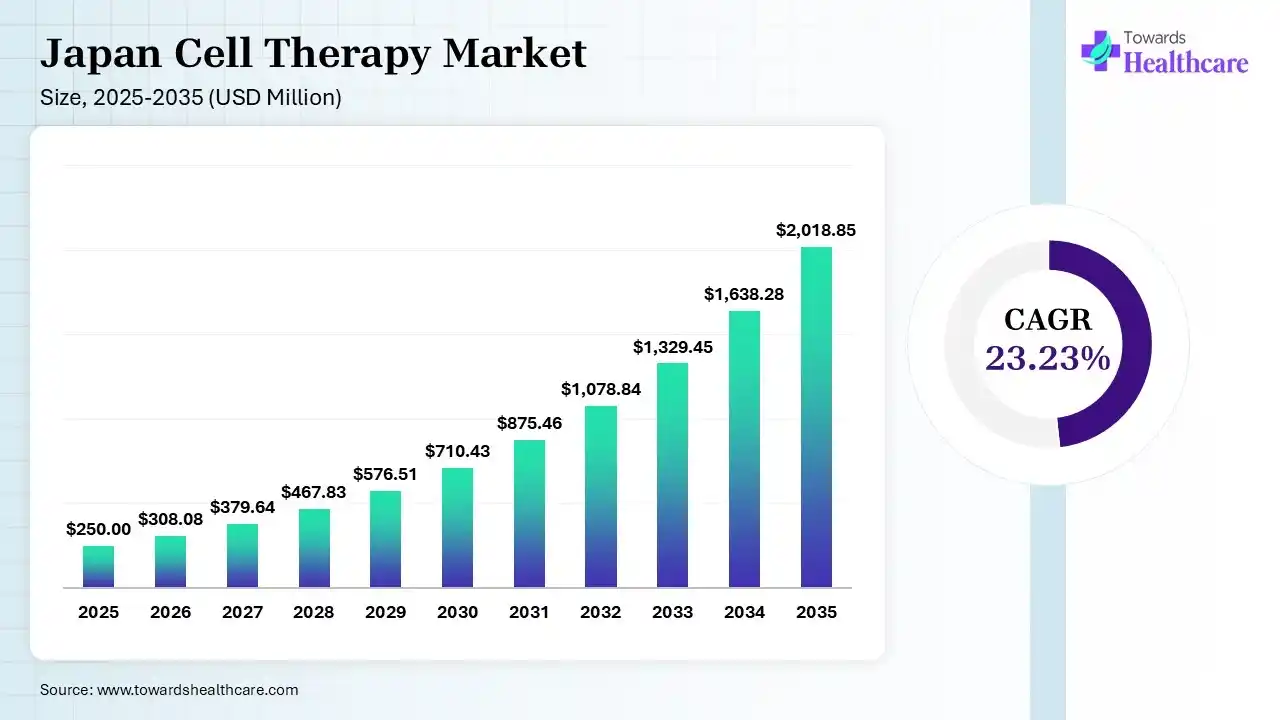
Cell therapy is an advanced medical treatment that involves the administration of living cells to prevent, manage, or cure diseases by repairing, replacing, or regenerating damaged tissues and cells in the body. Japan cell therapy market is growing due to strong government support for regenerative medicine, increasing investment in advanced healthcare technologies, and the rising prevalence of chronic diseases. The country’s fast-track approval system for regenerative therapies is encouraging innovation and accelerating product commercialization. In addition, expanding research activities, growing adoption of personalized medicine, research activities, and collaboration between biotechnology companies and research institutes are further driving market expansion.
Artificial intelligence is accelerating growth in the market by improving drug discovery, optimizing cell manufacturing processes, and enhancing treatment precision. AI-driven data analysis helps researchers identify effective therapies faster while reducing development costs and timelines. In addition, AI supports personalized medicine by analyzing patient-specific data, enabling more targeted treatments. Its integration into regenerative medicine research is expected to boost innovation, efficiency, and clinical success rates.
Growing Focus on Regenerative Medicine:
Japan is witnessing a rising demand for regenerative medicine therapies to treat chronic and age-related diseases. Supportive government initiatives and increasing clinical trials are encouraging innovation and accelerating the development of advanced cell-based treatments.
Expansion of Personalized Cell Therapies:
The market is increasingly adopting personalized therapies that use patient-specific cells for targeted treatment outcomes. Advancements in precision medicine and stem cell research are improving therapy effectiveness and supporting the growth of customized healthcare solutions.
Rising Investments and Strategic Collaborations:
Biotechnology companies, research institutes, and healthcare organizations are increasing investments and partnerships to expand cell therapy research and commercialization. These collaborations are strengthening product development capabilities and helping bring innovative therapies to market more efficiently
| Table | Scope |
| Market Size in 2026 | USD 308.08 Million |
| Projected Market Size in 2035 | USD 2018.85 Million |
| CAGR (2026 - 2035) | 23.23% |
| Historical Data | 2020 - 2023 |
| Base Year | 2025 |
| Forecast Period | 2026 - 2035 |
| Measurable Values | USD Millions/Units/Volume |
| Market Segmentation | By Therapy Type, By Application, By End User, By Cell Source |
| Top Key Players | Astellas Pharma, Takara Bio, JCR Pharmaceuticals, REPROCELL, Terumo Corporation, Fujifilm Cellular Dynamics, Sumitomo Pharma, CMIC Group, Gilead Sciences, Novartis, Bristol Myers Squibb, BlueRock Therapeutics |
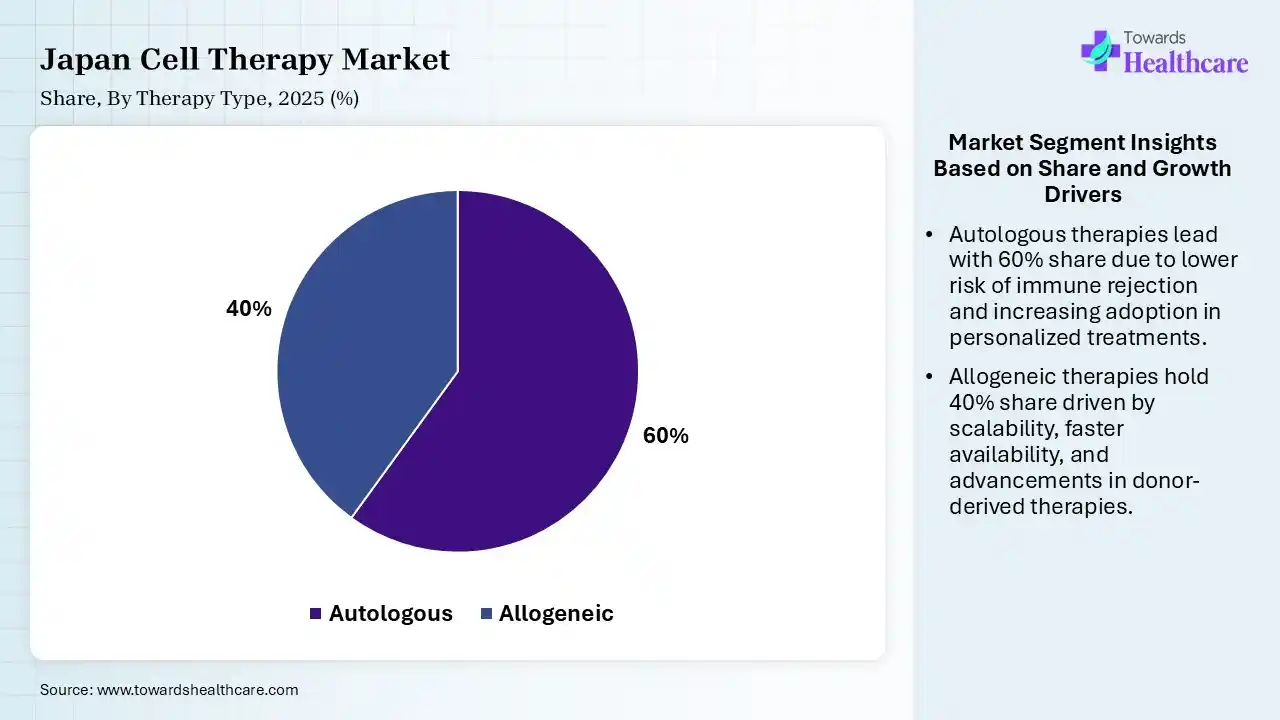
| Segment | Share 2025 (%) |
| Autologous | 60% |
| Allogeneic | 40% |
The Autologous Segment Dominated the Japan Cell Therapy Market in 2025
The autologous segment held a dominant share of 60% in 2025 due to its high safety profile and minimal risk of immune rejection since it uses a patient’s own cells. Strong clinical acceptance, supportive regulatory pathways, and proven effectiveness in regenerative treatments further boosted adoption. Additionally, increasing applications in cancer, orthopedics, and rare diseases, along with advancements in personalized medicine, strengthened the segment’s leading position in the market.
The allogenic segment held the second-largest share of 40% in 2025 and is expected to grow at the fastest CAGR in the Japan cell therapy market during the forecast period due to its scalability and ability to treat multiple patients using cells from a single donor source. It offers faster treatment availability compared to autologous therapies and supports off-the-shelf applications. Growing research in stem cell banks, advancements in immunotherapy, and increasing clinical trials are further driving adoption, especially in oncology and regenerative medicine applications.
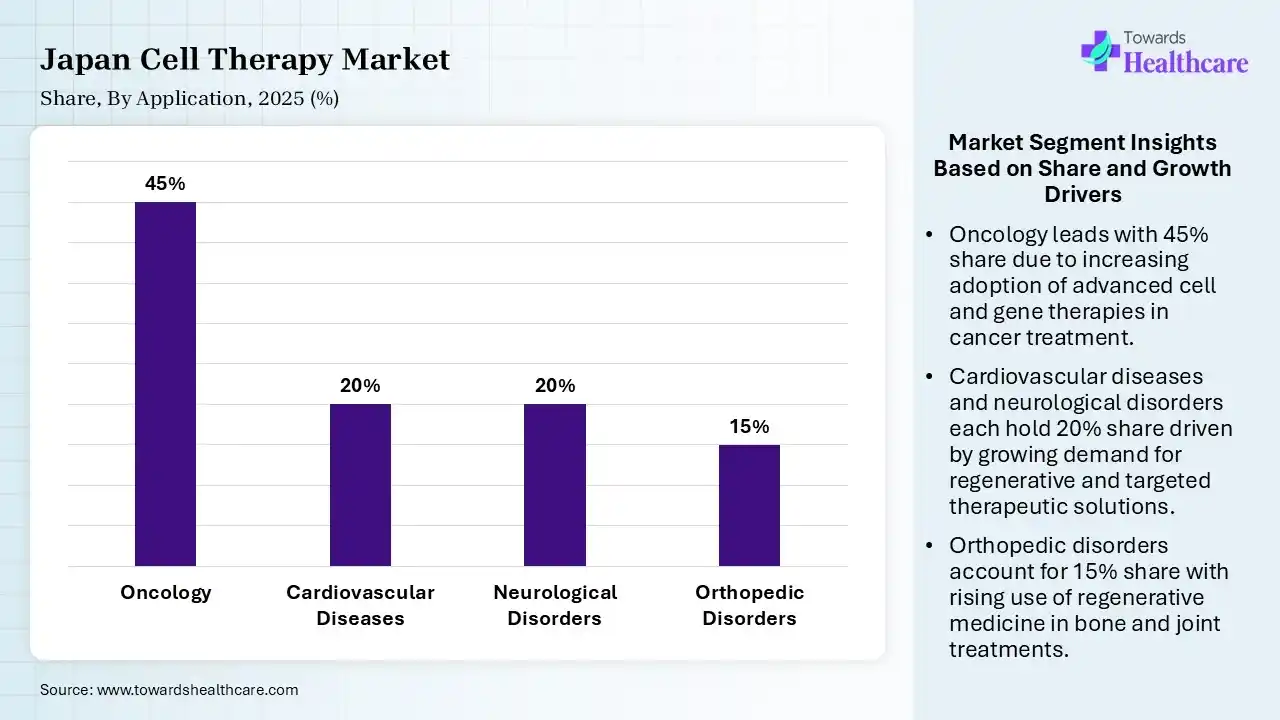
| Segment | Share 2025 (%) |
| Oncology | 45% |
| Cardiovascular Diseases | 20% |
| Neurological Disorders | 20% |
| Orthopedic Disorders | 15% |
The Oncology Segment Led the Market in 2025 with the Largest Share
The oncology segment led the Japan cell therapy market with a share of 45% in 2025 and is expected to grow at the fastest CAGR in the market during the forecast period due to the rising burden of cancer and strong demand for advanced treatment options. Cell therapies, especially CAR-T and stem cell-based approaches, offer targeted and effective cancer treatment with improved outcomes. Strong government support, increasing clinical trials, and rapid adoption of immunotherapy innovations further strengthened oncology leadership in regenerative medicine applications across Japan.
The cardiovascular diseases segment held the second-largest share of 20% in 2025 due to the high prevalence of heart-related disorders and an aging population. Cell-based therapies are gaining attention for their potential to repair damaged cardiac tissues and improve heart function. Increasing clinical research, rising demand for minimally invasive treatments, and advancements in regenerative medicine are further supporting the segment’s steady market expansion.
The neurological disorders segment held a 20% of the Japan cell therapy market share due to increasing cases of Alzheimer’s, Parkinson’s, and stroke-related conditions, especially in the aging population. Cell-based therapies offer promising potential for repairing damaged neurons and improving brain function. Expanding clinical trials, advancements in stem cell research, and a strong focus on regenerative medicine are further driving interest and accelerating development in this emerging therapeutic area.
The orthopedic disorders segment held a 15% of market share due to rising cases of bone and joint diseases such as osteoarthritis and cartilage damage, driven by an aging population. Cell-based therapies help regenerate damaged tissues, improve mobility, and reduce the need for invasive surgeries. Increasing clinical research, growing awareness of regenerative treatment, and advancements in stem cell applications are further supporting segment growth.
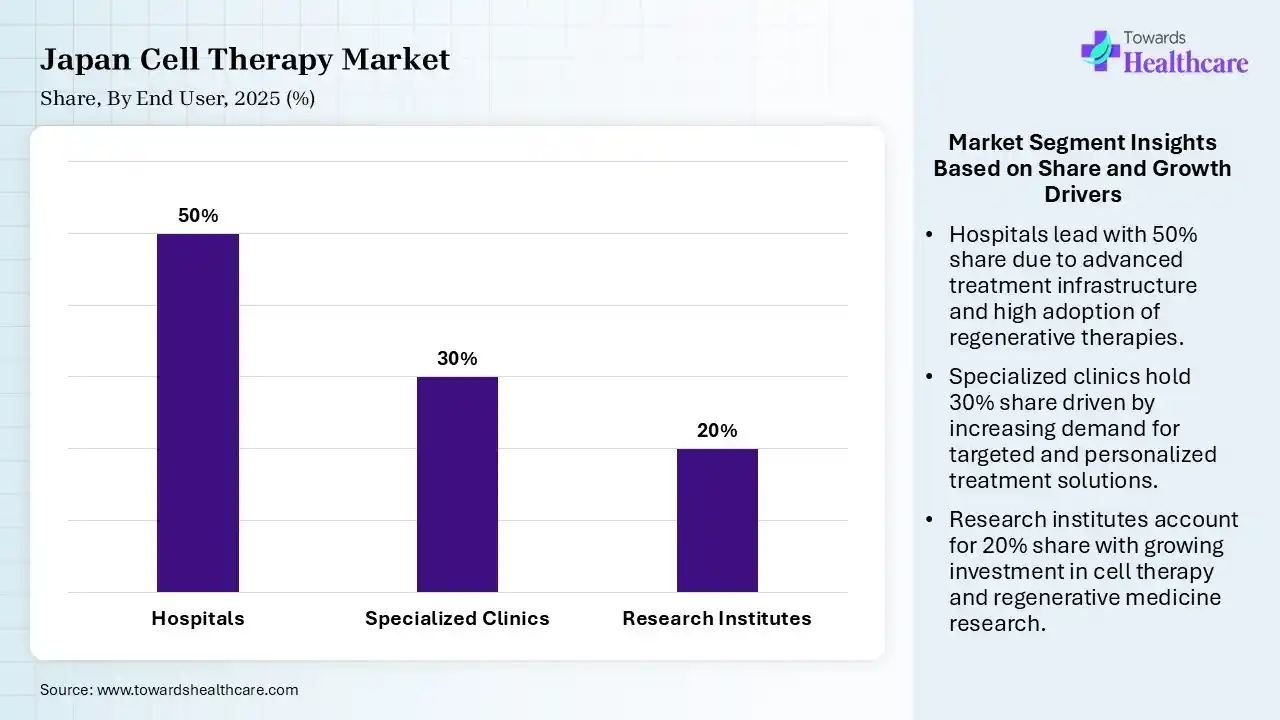
| Segment | Share 2025 (%) |
| Hospitals | 50% |
| Specialized Clinics | 30% |
| Research Institutes | 20% |
The Hospitals Segment Led the Japan Cell Therapy Market in 2025 with the Largest Share
The hospitals segment dominated the market with a share of 50% in 2025 due to their advanced infrastructure, availability of specialized medical professionals, and ability to handle complex regenerative procedures. Hospitals are the primary centers for administering cell-based treatment, clinical trials, and post-therapy care. Increasing patient inflow, strong reimbursement support, and integration of advanced biotechnologies further strengthened their leading position as key end users in the market.
The specialized clinics segment held the second-largest share of 30% in 2025 and is expected to grow at the fastest CAGR in the market during the forecast period due to their expertise in regenerative medicine and personalized treatments. These clinics offer quicker access to therapies, shorter waiting times, and patient-centric care compared to large hospitals. Increasing demand for minimally invasive procedures, rising adoption of outpatient-based treatments, and growing availability of advanced cell therapy services further supported their market expansion.
The research institutes segment held a 20% of Japan cell therapy market share due to strong involvement in regenerative medicine innovation and early-stage clinical research. They play a key role in developing new cell-based therapies, conducting preclinical studies, and advancing stem cell technologies. Increasing government funding, collaborations with biotech companies, and rising focus on translational research are further driving their contribution to market growth and scientific advancement.
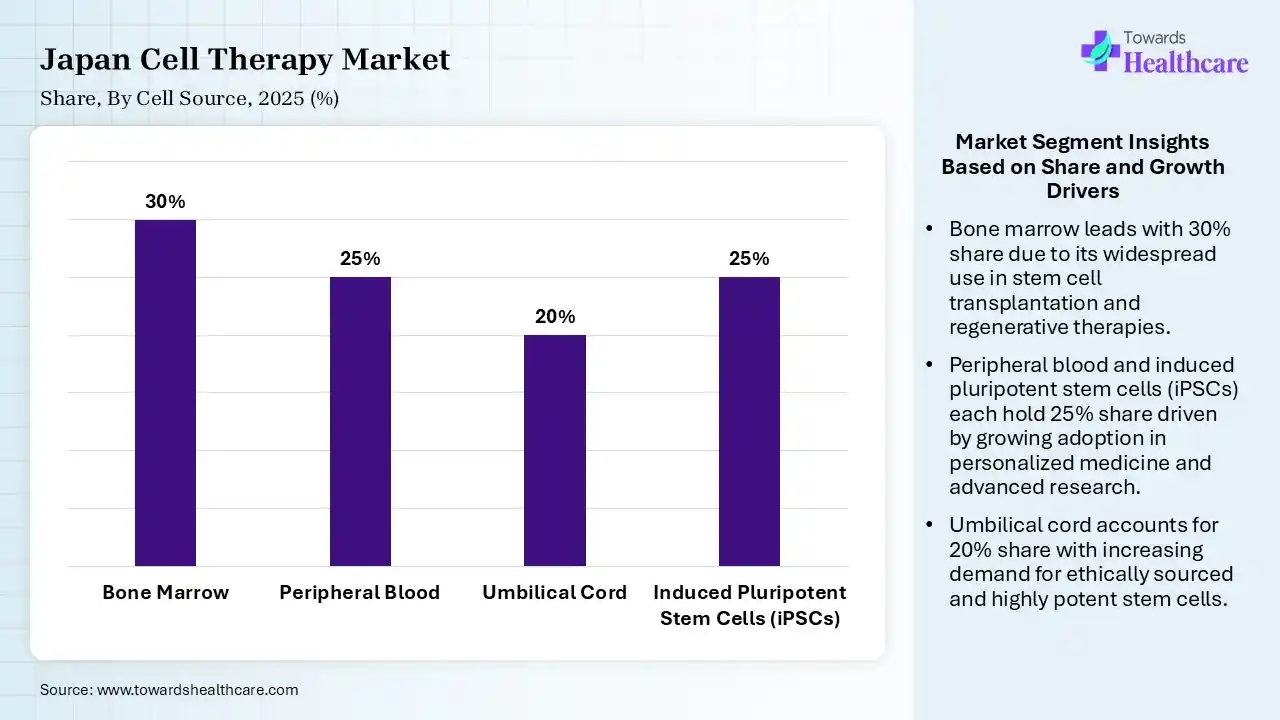
| Segment | Share 2025 (%) |
| Bone Marrow | 30% |
| Peripheral Blood | 25% |
| Umbilical Cord | 20% |
| Induced Pluripotent Stem Cells (iPSCs) | 25% |
The Bone Marrow Segment Led the Japan Cell Therapy Market in 2025 with the Largest Share
The bone marrow segment held a dominant share of 30% in 2025 due to its rich source of hematopoietic and mesenchymal stem cells, widely used in regenerative medicine. These cells show strong therapeutic potential in treating blood disorders, cancers, and immune-related diseases. Established clinical success, high compatibility in autologous and allogeneic therapies, and extensive research support further strengthen bone marrow’s leading to position in cell-based applications.
The peripheral blood segment held the second-largest share of 25% in 2025 due to its easy and minimally invasive collection process compared to other sources. It is widely used for isolating immune cells such as T-cells and stem cells in regenerative and cancer therapies. Increasing use in CAR-T treatment, faster cell mobilization techniques, and growing clinical research activities further support its rising adoption in cell-based applications.
The induced pluripotent stem cells (iPSCs) segment held 25% of the market share due to their strong ability to differentiate into various cell types, enabling wide therapeutic applications. Japan is a global leader in iPSC research, supported by strong government funding and Nobel-winning advancements. Their use in disease modeling, regenerative medicine, and personalized therapies, along with reduced ethical concerns compared to embryonic stem cells, is further driving rapid growth.
The umbilical cord segment held 20% share in 2025 and is expected to grow at the fastest CAGR in the Japan cell therapy market during the forecast period due to its rich source of highly potent and youthful stem cells with strong regenerative capabilities. These cells are non-invasive to collect, pose minimal ethical concerns, and show low risk of immune rejection. Increasing use in regenerative medicine, rising cord blood banking, and expanding clinical research are further accelerating segment growth.
The global cell therapy market size was estimated at US$ 7.21 billion in 2025 and is projected to grow to US$ 55.72 billion by 2035, rising at a compound annual growth rate (CAGR) of 22.69% from 2026 to 2035.
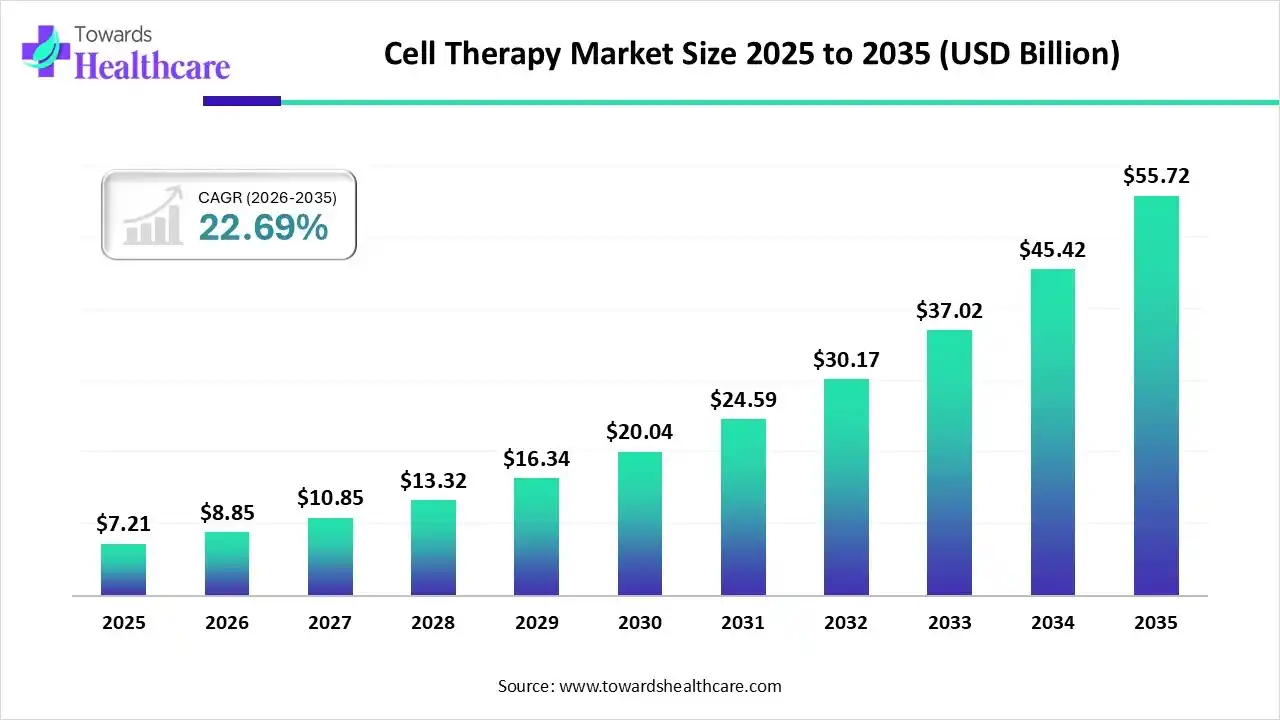
Japan holds a leading position in the Asia Pacific cell therapy market, driven by its advanced regenerative medicine ecosystem and strong government support. The country accounts for a significant share of global cell therapy clinical trials, with over 200+ ongoing regenerative medicine studies and increasing approvals under Japan’s expedited Regenerative Medicine Act. The aging population, where more than 29% of people are aged 65+, is accelerating demand for therapies targeted to cancer, cardiovascular, and neurological disorders. Strong R&D investment, exceeding a billion yen annually, along with rising adoption of iPSC-based technologies, is further strengthening Japan’s dominance in cell therapy innovation and commercialization.
R&D
Regulatory Approvals
Patient Support and Services
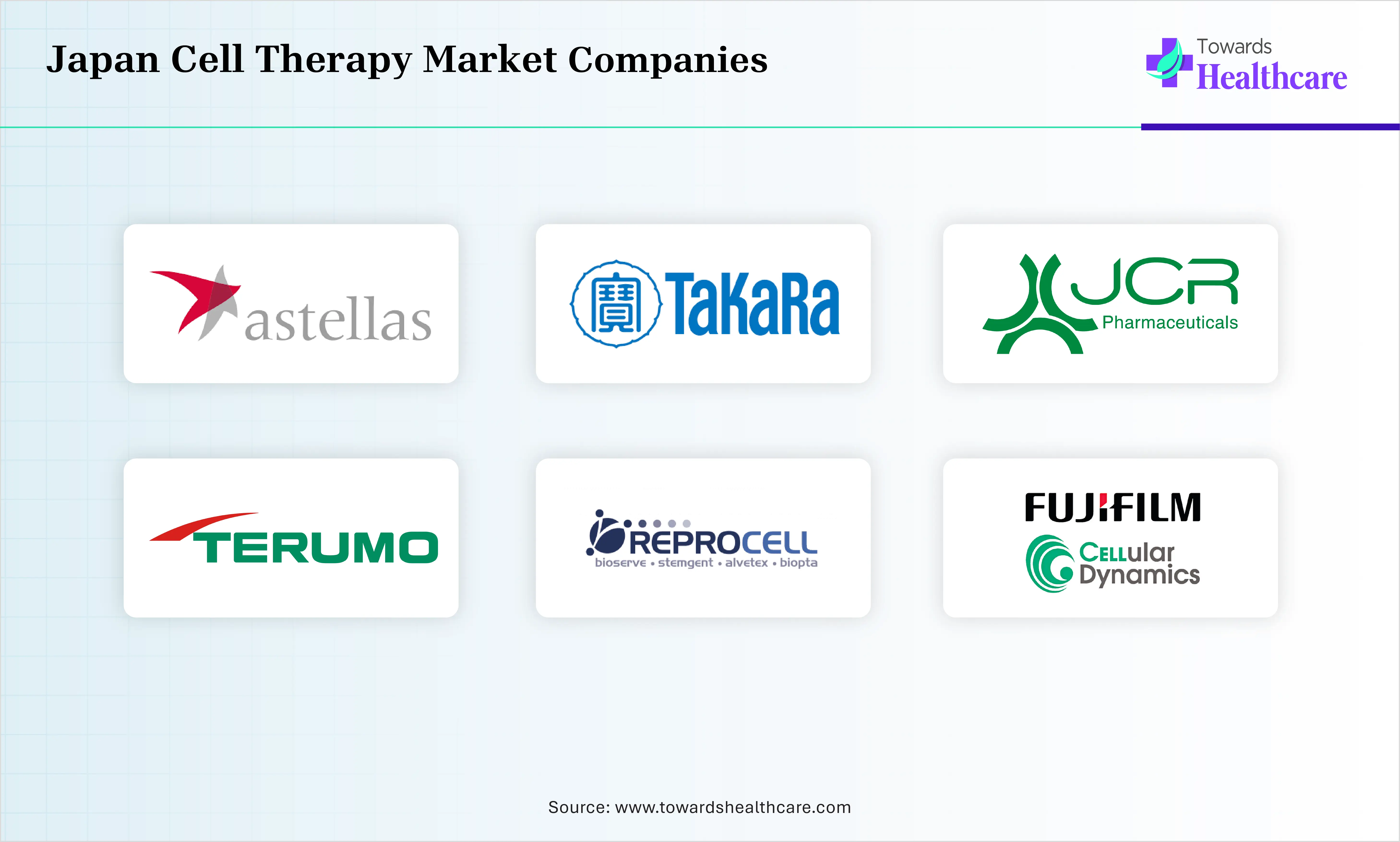
| Vendor | Key Offerings in the Japan Cell Therapy Market |
| Astellas Pharma | Developing regenerative ophthalmology therapies and advanced iPSC-based cell therapy platforms through its AIRM initiatives. |
| Takara Bio | Provides cell processing instruments, gene engineering technologies, viral vectors, and research reagents supporting regenerative medicine and CAR-T development. |
| JCR Pharmaceuticals | Focuses on regenerative medicine and cell therapy manufacturing, including advanced biologics and stem cell-related therapies. |
| REPROCELL | Offers StemRNA technology, GMP-grade iPSC services, stem cell banking, and regenerative medicine solutions. |
| Terumo Corporation | Supplies automated cell processing systems and closed manufacturing platforms widely used in Japanese hospitals and cell therapy centers. |
| Fujifilm Cellular Dynamics | Develops iPSC-derived therapies for cardiology, neurology, and regenerative medicine applications. |
| Sumitomo Pharma | Advancing iPSC-derived therapies for Parkinson’s disease and regenerative medicine products, including neural progenitor cell therapies. |
| CMIC Group | Provides end-to-end cell and gene therapy support services, including regulatory consulting, clinical studies, and commercialization support. |
| Gilead Sciences | Markets CAR-T therapies such as Yescarta in Japan through its Kite Cell Therapy division, focused on hematologic oncology. |
| Novartis | Offers CAR-T therapies, including Kymriah for blood cancer treatment in Japan’s expanding cell therapy market. |
| Bristol Myers Squibb | Provides CAR-T therapies such as Breyanzi and Abecma for hematological malignancies. |
| BlueRock Therapeutics | Develops iPSC-derived therapies targeting Parkinson’s disease, ophthalmology, and cardiovascular disorders. |
Strengths
Weaknesses
Opportunities
Threats
By Therapy Type
By Application
By End User
By Cell Source








Principal Consultant
Rohan Patil is a seasoned market research professional with over 5+ years of focused experience in the healthcare sector, bringing deep domain expertise, strategic foresight, and analytical precision to every project he undertakes.
Learn more about Rohan Patil

Reviewed By
Aditi Shivarkar is a seasoned professional with over 14 years of experience in healthcare market research. As a content reviewer, Aditi ensures the quality and accuracy of all market insights and data presented by the research team.
Learn more about Aditi Shivarkar