Pipeline Programs

CGT Companies Tracked

Manufacturing Facilities


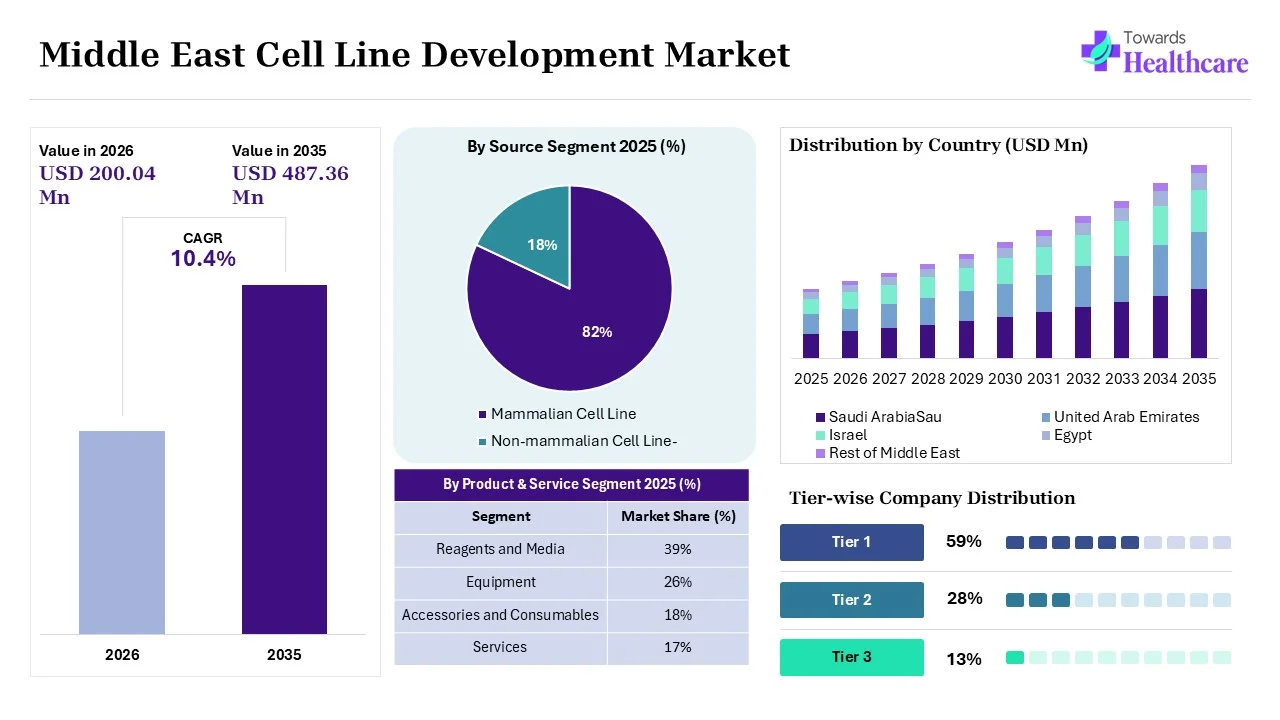
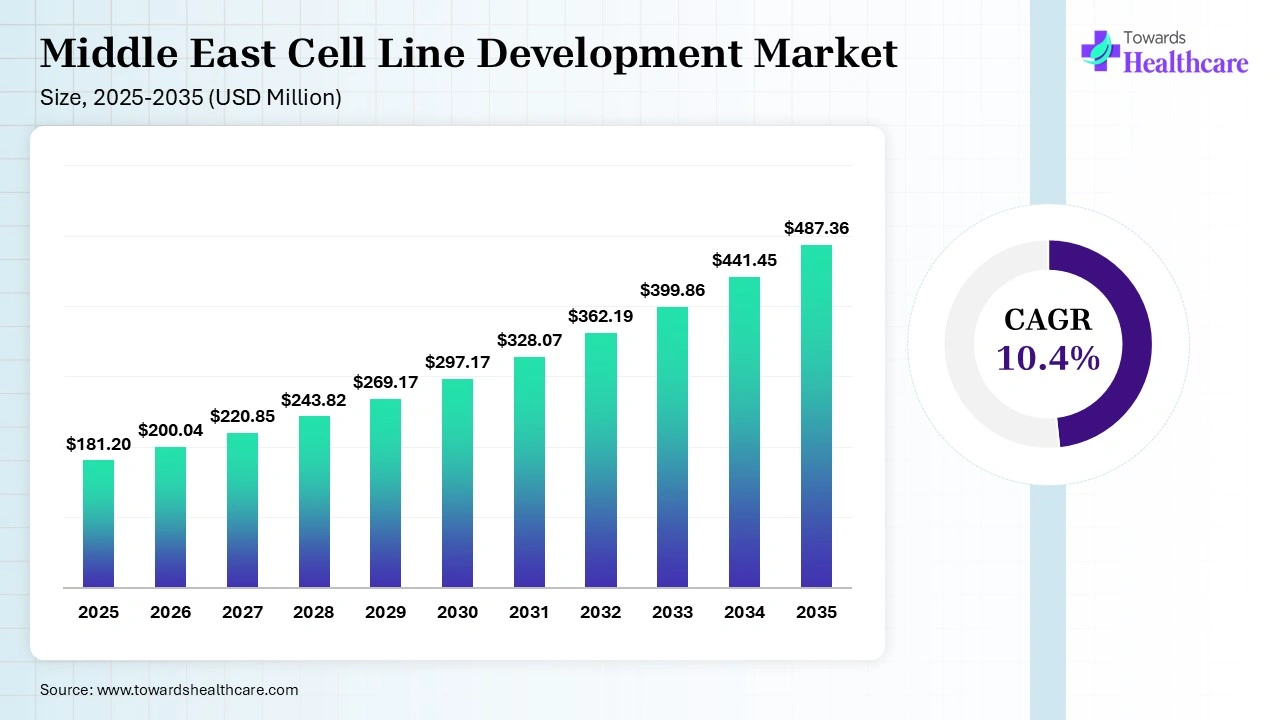
The Middle East cell line development market is estimated at USD 181.2 million in 2025, driven by the rising adoption of biologics and biosimilars, increasing investments in biopharmaceutical research and development, and growing demand for advanced cell line engineering technologies. The market is expected to witness steady growth USD 200.04 million in 2026 as regional biotechnology capabilities expand, research institutions strengthen innovation, and pharmaceutical companies accelerate biologics manufacturing initiatives. It is projected to reach USD 487.36 million by 2035, supported by continuous advancements in stable cell line development, increasing collaborations between global and regional biopharmaceutical companies, expanding contract research and manufacturing activities, and the growing emphasis on cost-effective biologics production, therapeutic innovation, and precision medicine.
Cell line development is the process of creating stable and high-production cell lines for manufacturing biologics, monoclonal antibodies, vaccines, and recombinant proteins. The market is driven by the rising demand for biologics and biosimilars, increasing biopharmaceutical R&D investments, expanding biotechnology capabilities, and the growing adoption of precision medicines.
The market is witnessing advancements in CRISPR-based gene editing, AI-enabled close selection, automated cell screening, and serum-free cell culture technologies, improving efficiency and product quality. Growing collaborations, increasing outsourcing to CDMOs, and expanding biologics manufacturing facilities are creating significant growth opportunities and supporting the market’s long-term expansion.
The Middle East cell line development market is growing due to the rising demand for biologics and biosimilars, increasing investment in biotechnology and biopharmaceutical research, and expanding regional healthcare infrastructure. Governments and private organizations are supporting life sciences innovation, while advancements in gene editing, automated cell line development, and strategic collaborations are strengthening biologics manufacturing capabilities and accelerating the development of advanced therapy products.
Artificial intelligence is transforming the market by improving clone selection, optimizing cell culture conditions, and accelerating data analysis. AI-powered automation enhances productivity, reduces development time, and improves product consistency for biologics manufacturing. As regional biopharmaceutical investments increase, AI-driven platforms are expected to strengthen research efficiency, lower production costs, and support faster development of high-quality therapeutic products.
Rising Adoption of Advanced Cell Engineering
The Middle East is increasingly adopting advanced cell engineering technologies, including CRISPR-based gene editing and stable cell line platforms. These innovations improve productivity, accelerate biologics development, and enhance product quality, enabling regional biopharmaceutical companies to strengthen research capabilities and compete in the global biotechnology market.
Expansion of Biopharmaceutical Manufacturing
Governments and private investors are expanding regional biopharmaceutical manufacturing infrastructure to reduce import dependence and strengthen local production. Increased investments in biotechnology parks, research centers, and manufacturing facilities are expected to drive demand for advanced cell line development solutions over the coming years.
Growing Strategic Collaborations and Outsourcing
The market is witnessing increased partnerships between pharmaceutical companies, biotechnology firms, and contract development and manufacturing organizations (CDMOs). These collaborations accelerate technology transfer, improve manufacturing efficiency, expand access to advanced cell line development expertise, and support faster commercialization of biologics and biosimilars across the Middle East.
| Table | Scope |
| Market Size in 2026 | USD 200.04 Billion |
| Projected Market Size in 2035 | USD 487.36 Billion |
| CAGR (2026 - 2035) | 10.4% |
| Historical Data | 2020 - 2023 |
| Base Year | 2025 |
| Forecast Period | 2026 - 2035 |
| Measurable Values | USD Millions/Units/Volume |
| Market Segmentation | By Product & Service, By Source, By Type of Cell Lines, By Application, By Region |
| Top Key Players | Thermo Fisher Scientific, Merck KGaA, Danaher Corporation, Sartorius AG, Lonza Group, FUJIFILM Diosynth Biotechnologies, Cytiva |
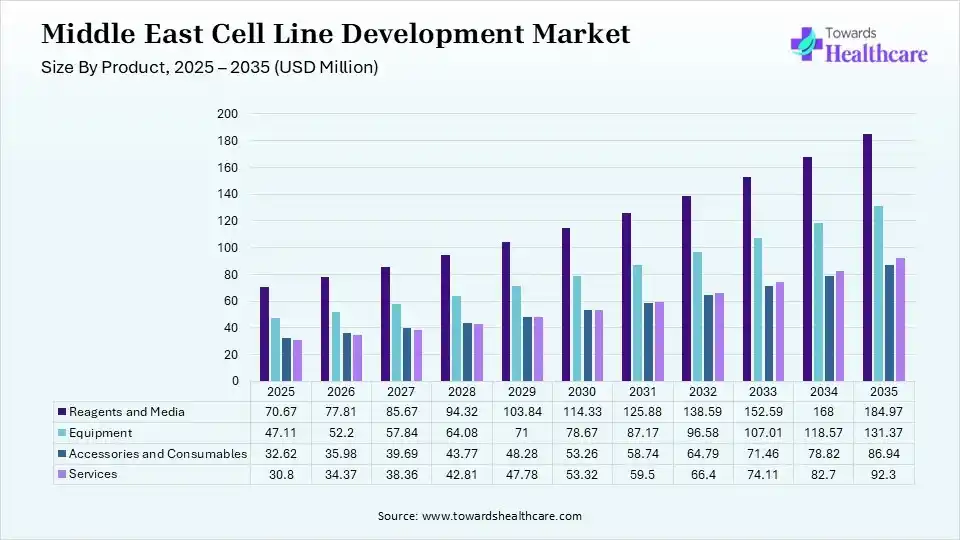
| Segment | Share 2025 (%) |
| Reagents and Media | 39% |
| Equipment | 26% |
| Accessories and Consumables | 18% |
| Services | 17% |
The Reagents and Media Segment Dominated the Middle East Cell Line Development Market in 2025
The reagents media segment dominated the market with a share of 39% in 2025 because they are essential for cell growth, maintenance, genetic modification, and stable cell line production. Their repeated use throughout research and biopharmaceutical manufacturing drives consistent demand. Increasing biologics production, expanding R&D activities, and the growing adoption of serum-free and chemically defined media further strengthened the segment’s market leadership.
The equipment segment held the second-largest share of 26% in 2025 due to the increasing adoption of advanced bioprocessing Middle East cell line development market due to the increasing adoption of advanced bioprocessing systems, automated cell culture platforms, bioreactors, incubators, and cell imaging instruments. Growing investment in biotechnology laboratories and biopharmaceutical manufacturing facilities, along with the need for high-throughput and scalable production processes, continues to drive demand for advanced laboratory equipment.
The services segment held a 17% share in 2025 and is expected to grow at the fastest CAGR of 11.60% in the market during the forecast period due to increasing outsourcing of cell line development to contract development and manufacturing organizations (CDMOs) and specialized service providers. Biopharmaceutical companies are seeking cost-effective expertise, faster project execution, and regulatory support. Rising biologics development, limited in-house capabilities, and growing demand for customized cell line solutions are further accelerating segment growth.
The accessories and consumables segment held an 18% Middle East cell line development market share due to their continuous use in cell culture, cell line development, cloning, and biopharmaceutical research workflows. Increasing biologics production, expanding laboratory activities, and rising research investments are driving recurring demand for culture vessels, filters, pipettes, and other disposable products. The growing adoption of automated laboratory processes is further supporting segment growth.
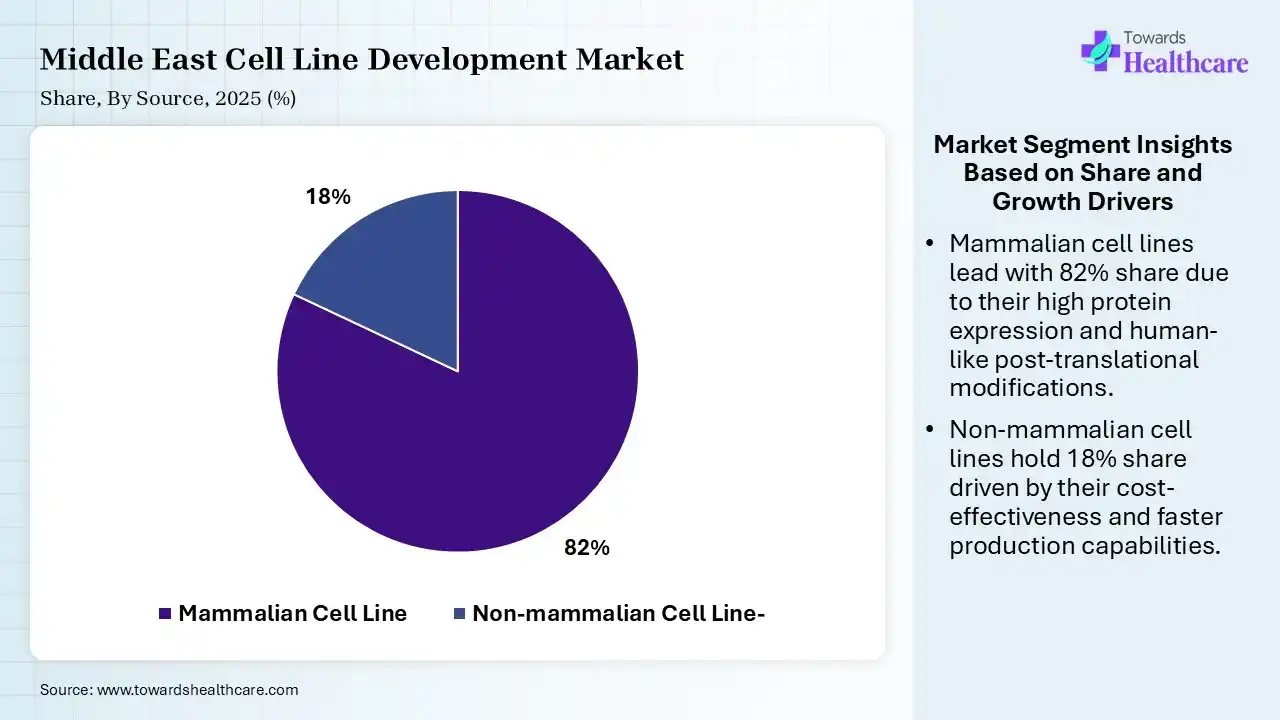
| Segment | Share 2025 (%) |
| Mammalian Cell Line | 82% |
| Non-mammalian Cell Line- | 18% |
The Mammalian Cell Line Segment Dominated the Middle East Cell Line Development Market in 2025
The mammalian cell line segment led the market with a share of 82% in 2025 due to its widespread use in producing complex biologics, monoclonal antibodies, recombinant proteins, and vaccines. Mammalian cells provide human-like protein expression and post-translational modifications, ensuring high product quality. Rising biologics demand, expanding biopharmaceutical R&D, and increasing investment in advanced therapeutic development further supported the segment’s leadership.
The non-mammalian cell line segment held the second-largest share of 18% in 2025 and is expected to grow at the fastest CAGR of 11.30% in the Middle East cell line development market during the forecast period due to its cost-effectiveness, rapid growth rates, and suitability for producing recombinant proteins, enzymes, and vaccines. Increasing demand for scalable biomanufacturing, expanding biotechnology research, and advancements in microbial and insect cell expression systems are accelerating adoption across the Middle East biopharmaceutical industry.
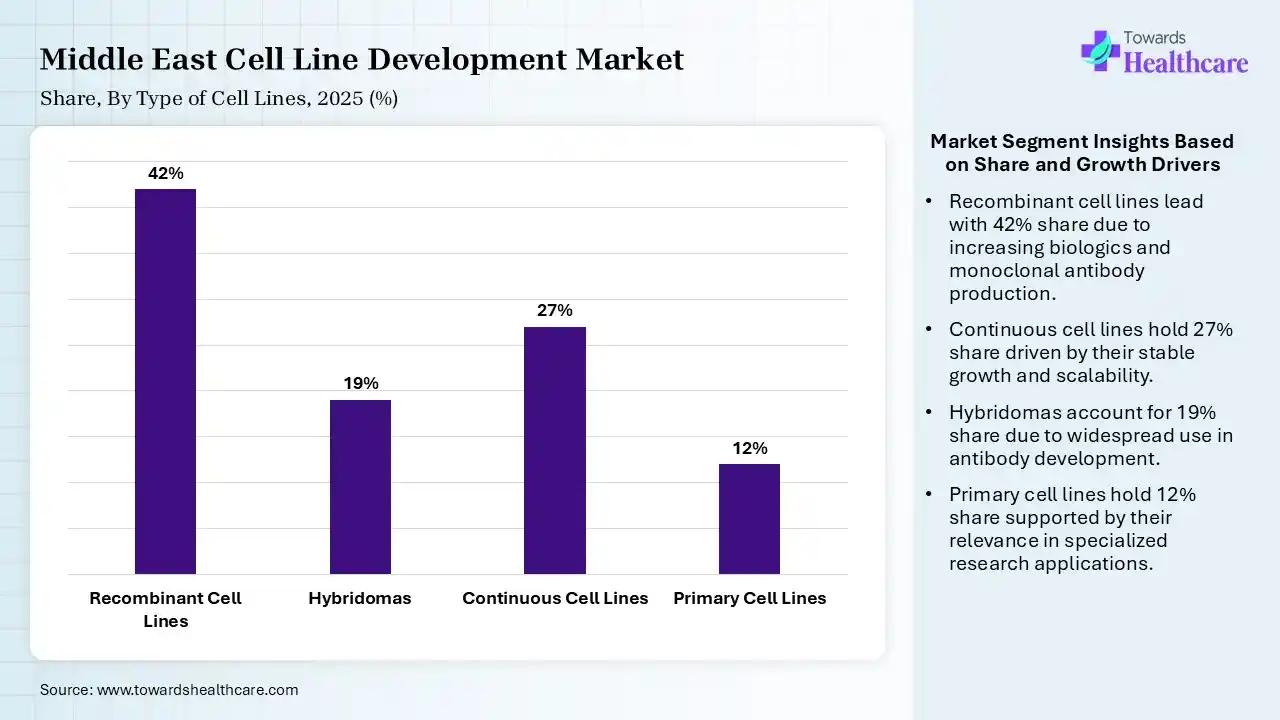
| Segment | Share 2025 (%) |
| Recombinant Cell Lines | 42% |
| Hybridomas | 19% |
| Continuous Cell Lines | 27% |
| Primary Cell Lines | 12% |
The Recombinant Cell Lines Segment Led the Middle East Cell Line Development Market in 2025 with the Largest Share
The recombinant cell lines segment held a dominant share of 42% in 2025 due to their extensive use in producing monoclonal antibodies, recombinant proteins, vaccines, and other biologics. These cell lines provide high productivity, stable protein expression, and consistent product quality. Rising demand for advanced biologics, increasing biopharmaceutical R&D investments, and expanding therapeutic development activities further strengthened the segment’s market leadership.
The hybridoma segment held the second-largest share of 19% in 2025 due to its widespread use in developing hybridoma cell lines for monoclonal antibody production. The technology offers high specificity, stable antibody expression, and reliable performance in research and therapeutic applications. Growing demand for antibody-based therapies, diagnostics, and biologics continues to support the segment’s strong market position.
The continuous cell lines segment held a 27% market share due to their unlimited proliferation capacity, ease of maintenance, and suitability for large-scale biologics production and laboratory research. These cell lines offer consistent performance, cost-effective cultivation, and high reproducibility, making them ideal for drug discovery, vaccine development, and recombinant protein production. Expanding biopharmaceutical research and manufacturing activities continue to drive their adoption.
The primary cell lines segment held a 12% share in 2025 and is expected to grow at the fastest CAGR of 11.20% in the Middle East cell line development market during the forecast period due to their ability to closely replicate natural cellular behavior, making them highly valuable for drug discovery, toxicology studies, and personalized medicine research. Increasing demand for psychologically relevant disease models, regenerative medicine, and advanced therapeutic development is driving their adoption across the Middle East biotechnology and biopharmaceutical sectors.
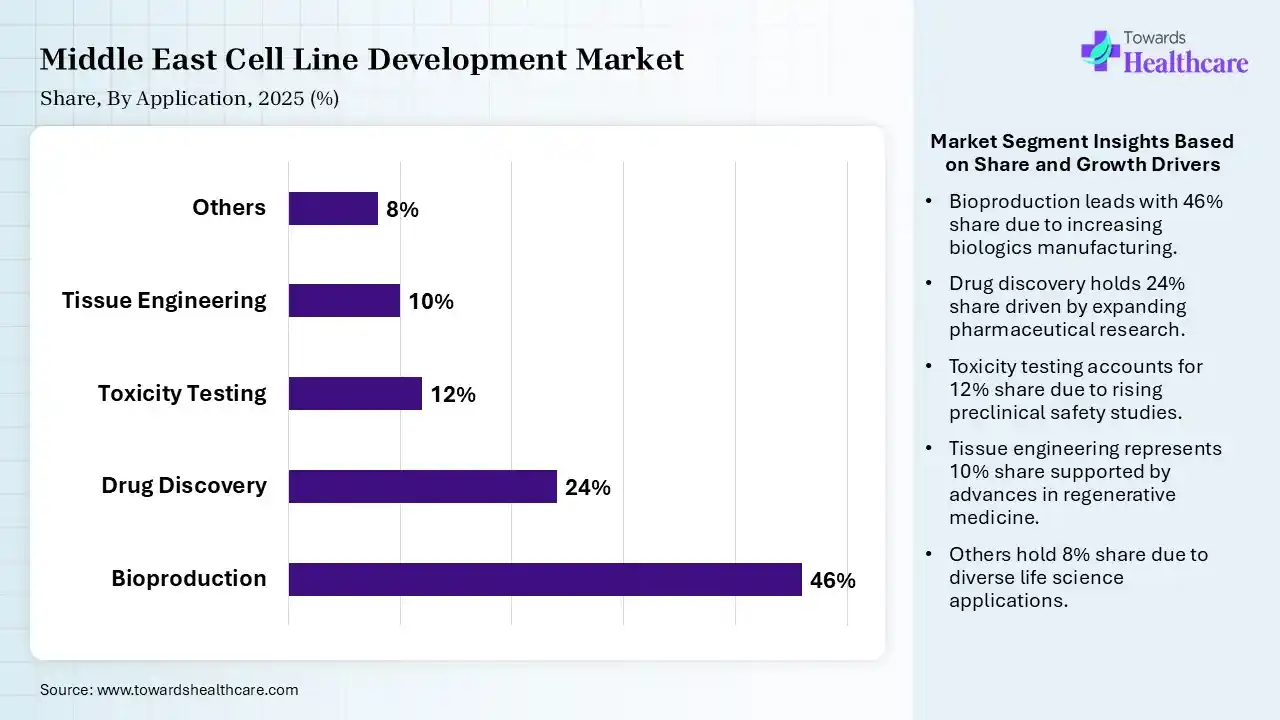
| Segment | Share 2025 (%) |
| Bioproduction | 46% |
| Drug Discovery | 24% |
| Toxicity Testing | 12% |
| Tissue Engineering | 10% |
| Others | 8% |
The Bioproduction Segment Dominated the Middle East Cell Line Development Market in 2025
The bioproduction segment dominated the market with a 46% share in 2025, driven by increased production of biologics, monoclonal antibodies, vaccines, and recombinant proteins. Cell line development is essential for generating stable, high-yield production cell lines that ensure product quality and manufacturing efficiency. Rising investments in biopharmaceutical manufacturing, expanding biologics demand, and growing regional biotechnology capabilities further strengthened the segment’s leading position.
The drug discovery segment held the second-largest share of 24% in 2025 and is expected to grow at the fastest CAGR of 11.4% in the market during the forecast period due to increasing investments in biopharmaceutical research, precision medicines, and targeted therapies. Cell line development plays a vital role in target identification, disease modeling, and preclinical testing. Rising demand for innovative therapeutics and expanding biotechnology research activities are further accelerating segment growth across the Middle East.
The toxicity testing segment held a 12% Middle East cell line development market share due to the increasing need to evaluate the safety and efficacy of drug candidates before clinical trials. Cell line development enables reliable in vitro toxicity studies, reducing dependence on animal testing in vitro toxicity studies, reducing dependence on animal testing and improving predictive accuracy. Rising pharmaceutical R&D activities, stricter regulatory requirements, and growing adoption of advanced cell-based assays are driving the segment’s growth across the Middle East.
The tissue engineering segment held a 10% market share due to the growing demand for regenerative medicine, organ repair, and advanced cell-based therapies. Cell line development provides a reliable cell source for developing engineered tissue and supporting biomedical research. Increasing investments in biotechnology, advancements in stem cell research, and rising focus on personalized medicine are further driving the adoption of tissue engineering applications across the Middle East.
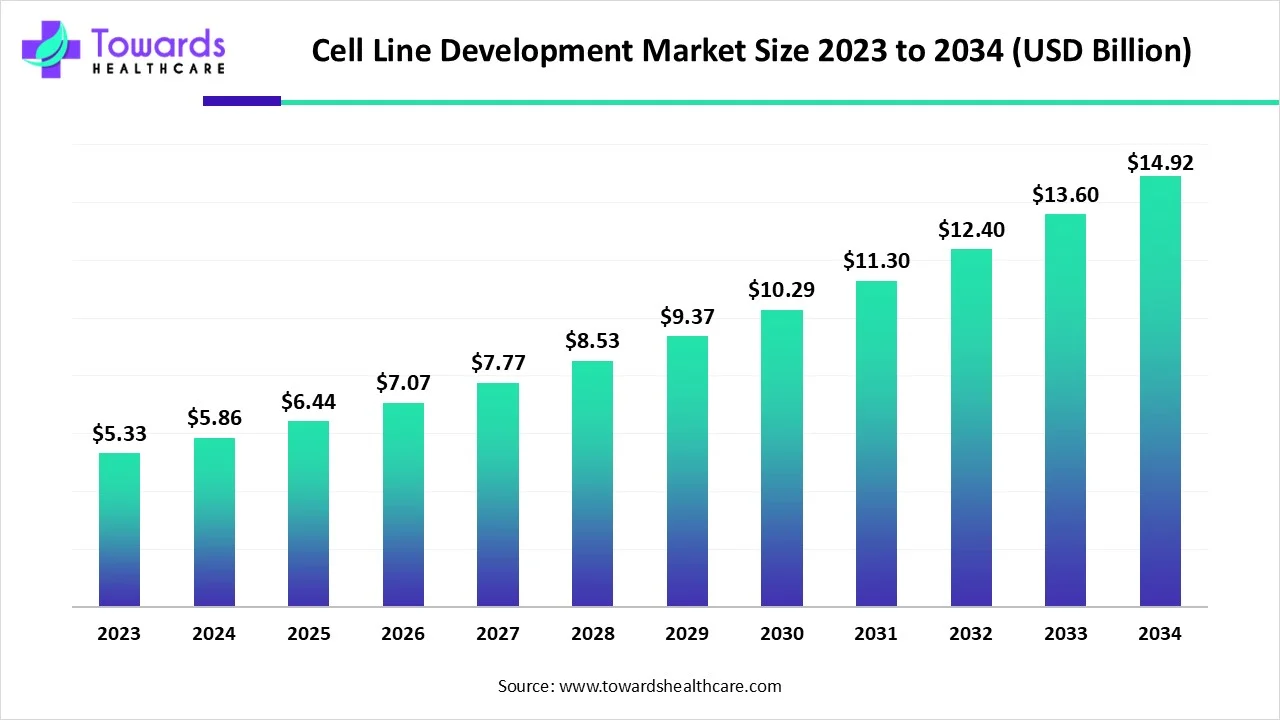
The global cell line development market size is calculated at US$ 6.44 billion in 2025, grew to US$ 7.07 billion in 2026, and is projected to reach around US$ 16.47 billion by 2035. The market is expanding at a CAGR of 9.85% between 2026 and 2035.
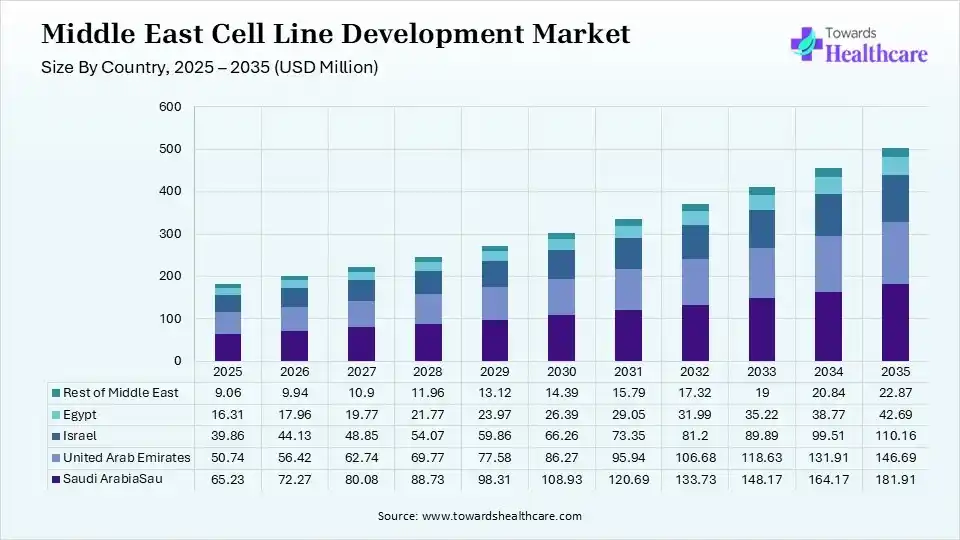
The market leads due to increasing investment in biotechnology and biopharmaceutical research, expanding healthcare infrastructure, and growing demand for biologics and biosimilars. Government initiatives supporting life sciences innovation, rising collaborations with global biotechnology companies, and the expansion of research laboratories and biologics manufacturing facilities are further strengthening the region’s market position
What Makes Saudi Arabia the Largest Contributor to the Middle East Cell Line Development Market?
Saudi Arabia dominated the market with a share of 36% in 2025 due to significant investments in biotechnology, expanding biopharmaceutical manufacturing, and strong government support for the sciences under Vision 2030. The country’s growing research infrastructure, increasing biologics production, strategic partnership with global biotechnology companies, and rising focus on healthcare innovation continue to drive market leadership.
Why is the UAE Emerging as the fastest-growing Middle East Cell Line Development Market?
The United Arab Emirates held a 28% share in 2025 and is expected to grow at the fastest CAGR of 11.2% in the market during the forecast period due to rising investments in biotechnology, expanding life science research, and increasing government support for healthcare innovation. The country’s growing biopharmaceutical manufacturing capabilities, favorable business environments, strategic partnerships with global biotechnology companies, and increasing demand for biologics are accelerating the adoption af advanced cell line development technologies.
Why Does Israel Hold a Significant Share in the Middle East Cell Line Development Market?
Israel held a significant market share of 22% in 2025 due to its strong biotechnology ecosystems, advanced research infrastructure, and high investments in life sciences innovation. The country’s leading academic institutions, growing biopharmaceutical R&D activities, and string collaborations between research organizations and global biotechnology companies continue to drive advancements in cell line development and biologics manufacturing.
R&D
Clinical Trials
Regulatory Approvals
| Companies | Headquarters | Offerings |
| Thermo Fisher Scientific | Waltham, Massachusetts, USA | Cell line development services, cell culture media, reagents, bioprocessing solutions, gene editing tools |
| Merck KGaA | Darmstadt, Germany | Cell culture media, CHO cell line development, process development, biomanufacturing solutions |
| Danaher Corporation | Washington, D.C., USA | Cell line development platforms, bioprocessing technologies, filtration systems, analytical solutions |
| Sartorius AG | Göttingen, Germany | Cell line development platforms, bioprocessing technologies, filtration systems, analytical solutions |
| Lonza Group | Basel, Switzerland | Cell line development, expression systems, biologics manufacturing, CDMO services |
| FUJIFILM Diosynth Biotechnologies | Billingham, United Kingdom | Cell line development, biologics process development, contract manufacturing services |
| Cytiva | Marlborough, Massachusetts, USA | Cell culture media, cell line development technologies, bioprocessing equipment, automation solutions |
In January 2025, "Through this centre, we aim to prepare a new generation of Emirati scientists capable of offering advanced medical solutions and solidifying the UAE's position as a global leader in regenerative medicine, said, Prof Fatma Al Jasmi, acting dean of the College of Medicine and Health Sciences at United Arab Emirates University, underlined the importance of the centre for the country's expanding health sector."
By Product & Service
By Source
By Type of Cell Lines
By Application
By Region









Principal Consultant
Rohan Patil is a seasoned market research professional with over 5+ years of focused experience in the healthcare sector, bringing deep domain expertise, strategic foresight, and analytical precision to every project he undertakes.
Learn more about Rohan Patil

Reviewed By
Aditi Shivarkar is a seasoned professional with over 14 years of experience in healthcare market research. As a content reviewer, Aditi ensures the quality and accuracy of all market insights and data presented by the research team.
Learn more about Aditi Shivarkar