Pipeline Programs

CGT Companies Tracked

Manufacturing Facilities


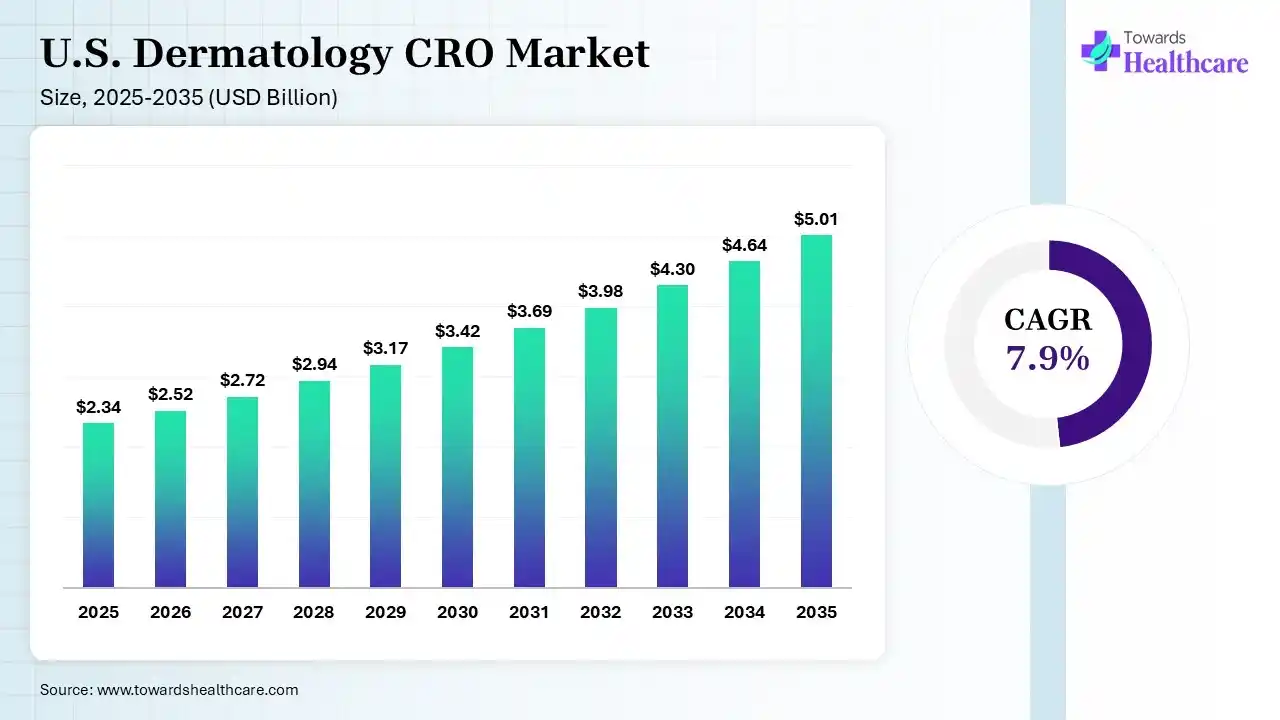
The U.S. dermatology CRO market size was estimated at USD 2.34 billion in 2025 and is predicted to increase from USD 2.52 billion in 2026 to approximately USD 5.01 billion by 2035, expanding at a CAGR of 7.9% from 2026 to 2035. Her analysis highlights that the U.S. dermatology CRO market is expanding due to growing incidence of various dermatological disorders, increasing focus on pediatric care, growing innovations, increasing NIH funding support, expanding clinical trials, and key industry players like IQVIA Holdings Inc., ICON plc, Fortrea, Medpace Holdings, Inc., and American Academy of Dermatology (AAD).
The U.S. dermatology CRO refers to the organization offering specialized clinical research services to the biotechnology, pharmaceutical, cosmetics, and medical device companies for their skin-related products. They provide outsourced services such as clinical trial design, patient recruitment, site selection, data management, pharmacovigilance, etc., to ensure regulatory compliance. The growing incidence of skin disorders such as psoriasis, acne vulgaris, skin cancer, eczema, alopecia, and rare dermatological conditions are also increasing their demand. Additionally, expanding advancements in biologics, targeted therapies, and cosmetic treatments are also driving new collaborations.
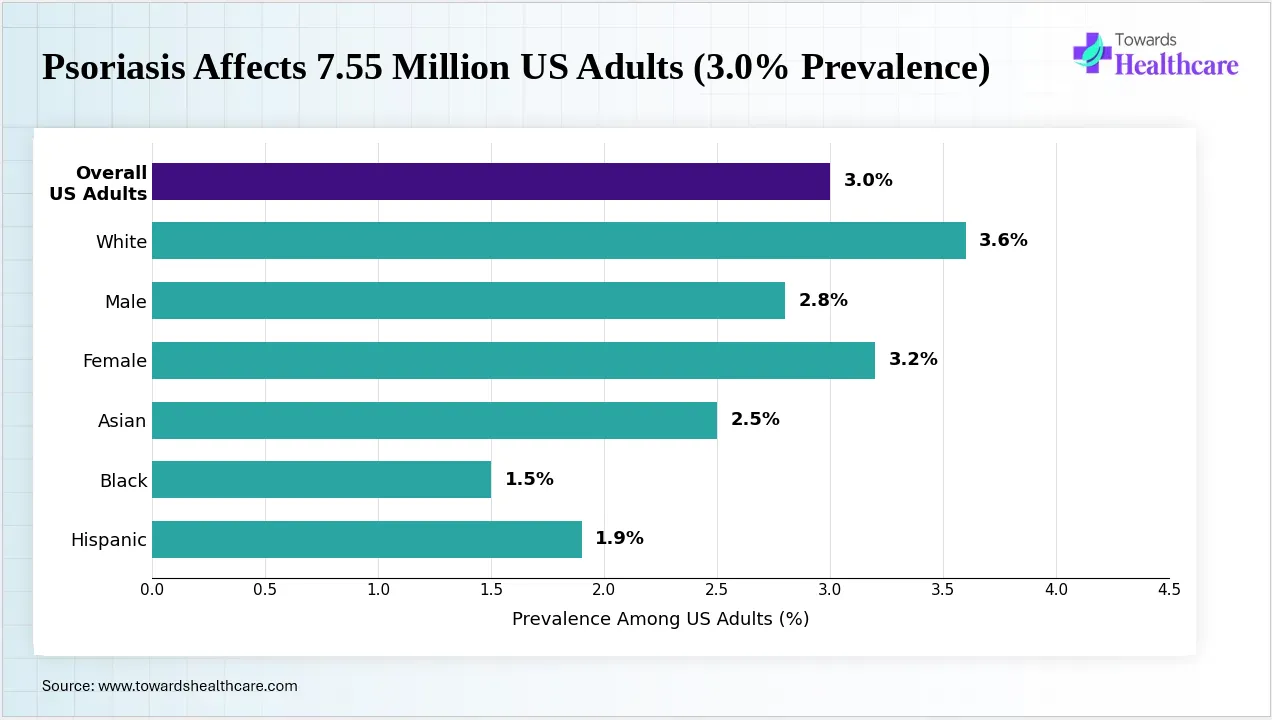
Graph 1: As the market research analyst, I interpret the graph highlights a rising incidence of psoriasis affecting 7.55 million U.S. adults over 20 years of age, which increased the demand for biologic treatment. The total number of White individuals affected was 3.6%, Asian individuals recorded 2.5%, Hispanic individuals held 1.9%, while Black individuals were noted to be 1.5%. Females and males contributed to 3.2% and 2.8%, respectively, while the undiagnosed adults contributed to approximately 600,000, driving the demand for new accurate diagnostic and effective treatment options.
Key Insight:
Psoriasis affected 7.55 million, where a well-established biologics treatment paradigm also expanded the U.S. dermatology CRO trial volume, making specific operational expertise an essential CRO differentiator.
Source: JAMA Dermatology (Armstrong et al., NHANES-based); National Psoriasis Foundation, “Prevalence of Psoriasis,” 2024
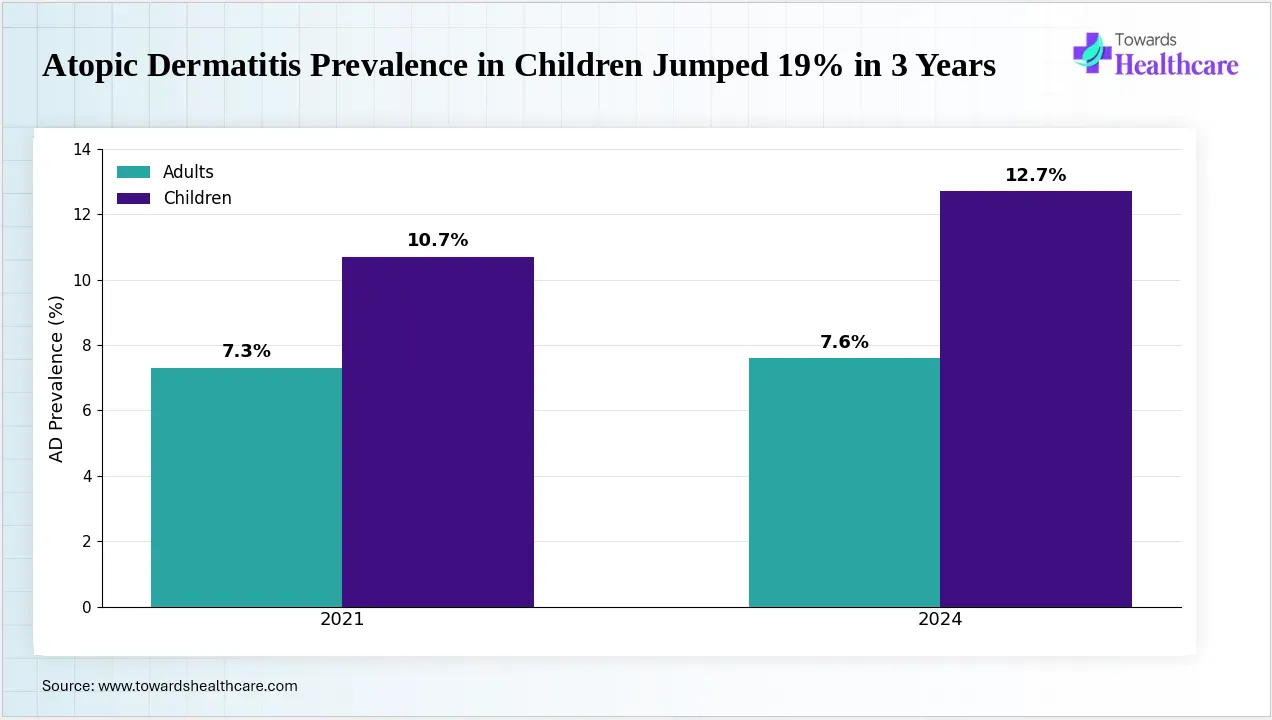
Graph 2: The given graph represents the growing prevalence of atopic dermatitis in adults and children, which increases the demand for advanced dermatological treatment options. In 2021, adults above the age of 18 suffering from atopic dermatitis were recorded to be 7.3%, which increased to 7.6% in 2024. Similarly, children contributed to 10% in 2021, which increased to 12.7% in 2024, promoting their R&D activities.
Key Insight:
The rise in pediatric AD prevalence in just three years is driving the demand for CRO services with dedicated pediatric dermatology trial infrastructure along with caregiver-inclusive recruitment protocols.
Source: Journal of the American Academy of Dermatology, “Prevalence of Atopic Dermatitis in the US 2021 to 2024,” National Health Interview Survey, 2025
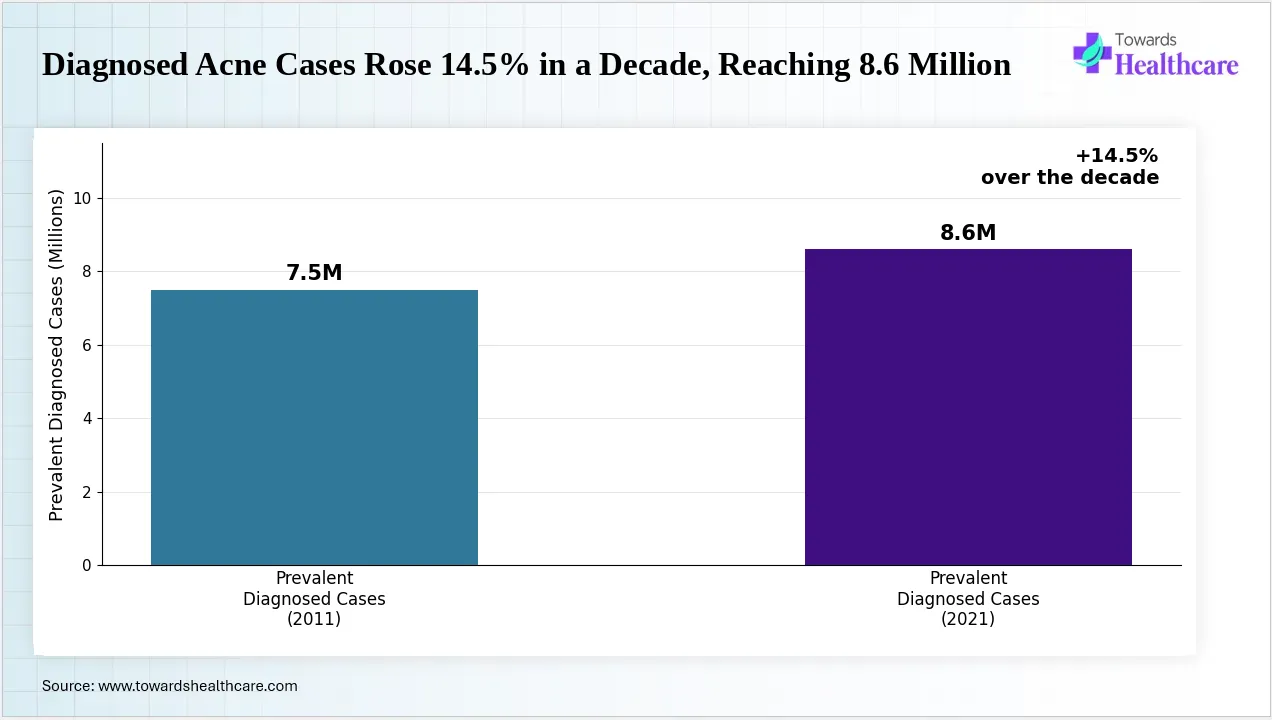
Graph 3: Based on the information I gathered, the diagnosed acne cases rose from 7.5 million in 2011 to 8.6 million in 2021, which indicated a total of 14.5% rise. This, in turn, increased the demand for topical as well as oral treatment options. Age-standardized prevalence rate in 2021 was noted to be 3,128 per 100,000, where individuals affected at some point, based on AAD estimates, were recorded to be approximately 85% for ages 12 to 24. Moreover, adult women in their 20s, 30s, and 40s affected with acne were reported to be approximately 50%, 33%, and 25%, respectively.
Key Insight:
The rapidly increasing acne conditions in children under 14 and females are propelling clinical development investments and CRO collaboration to develop combination therapies and long-term maintenance trials.
Source: Dermatology Times (claims-data incidence/prevalence analysis, 2021 data); American Academy of Dermatology
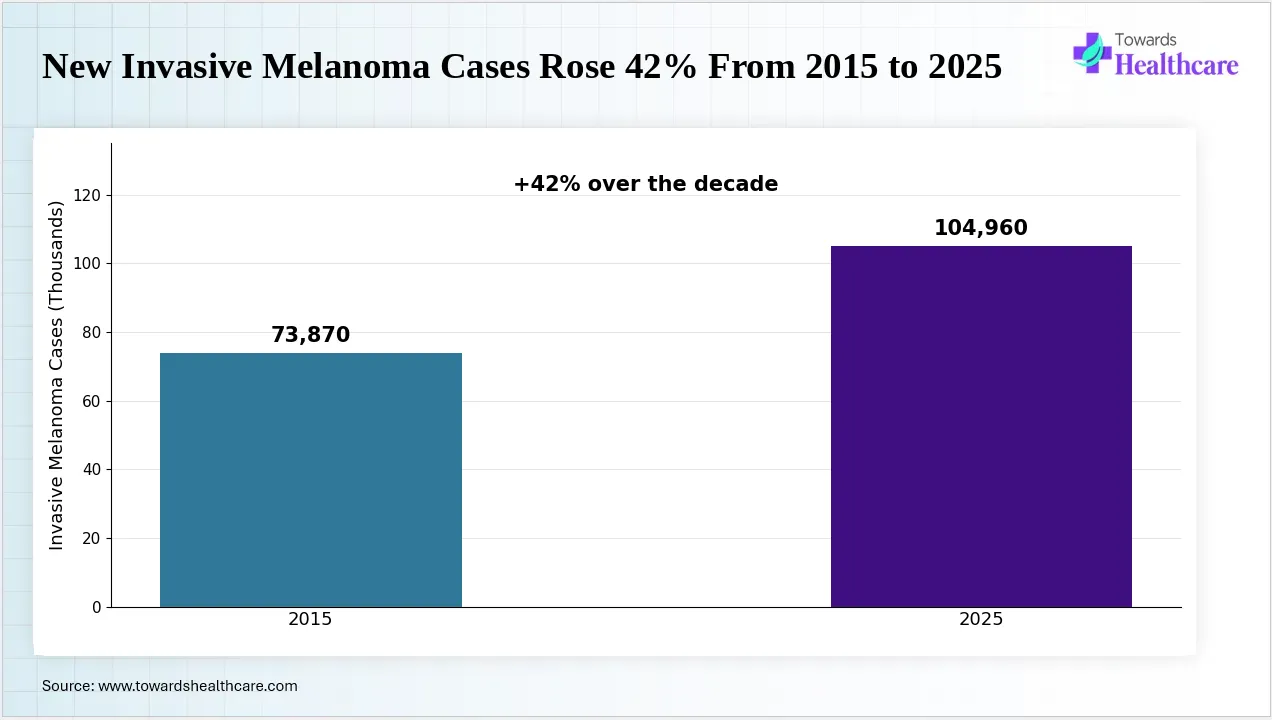
Graph 4: Based on the graph mentioned above, the new invasive melanoma cases showed a growth from approximately 73,870 in 2015 to 104,960 in 2025, indicating rapid skin cancer growth and encouraged the use of their advanced diagnostic and treatment options. The total number of men and women affected with new invasive melanoma were reported to be 60,550 and 44,410, respectively. The diagnoses in 2025, including melanoma in situ, were recorded to be 212,200, while the deaths were noted to be 8,430.
Key Insight:
With the growing invasive melanoma diagnoses up 42% in a decade and now exceeding 212,000 annually, the use of CRO capabilities is increasing to leverage melanoma trial recruitment infrastructure, including immunotherapy-experienced sites and biomarker-driven enrolment.
Source: American Cancer Society, Cancer Facts & Figures 2025; Melanoma Research Alliance, Feb. 2025
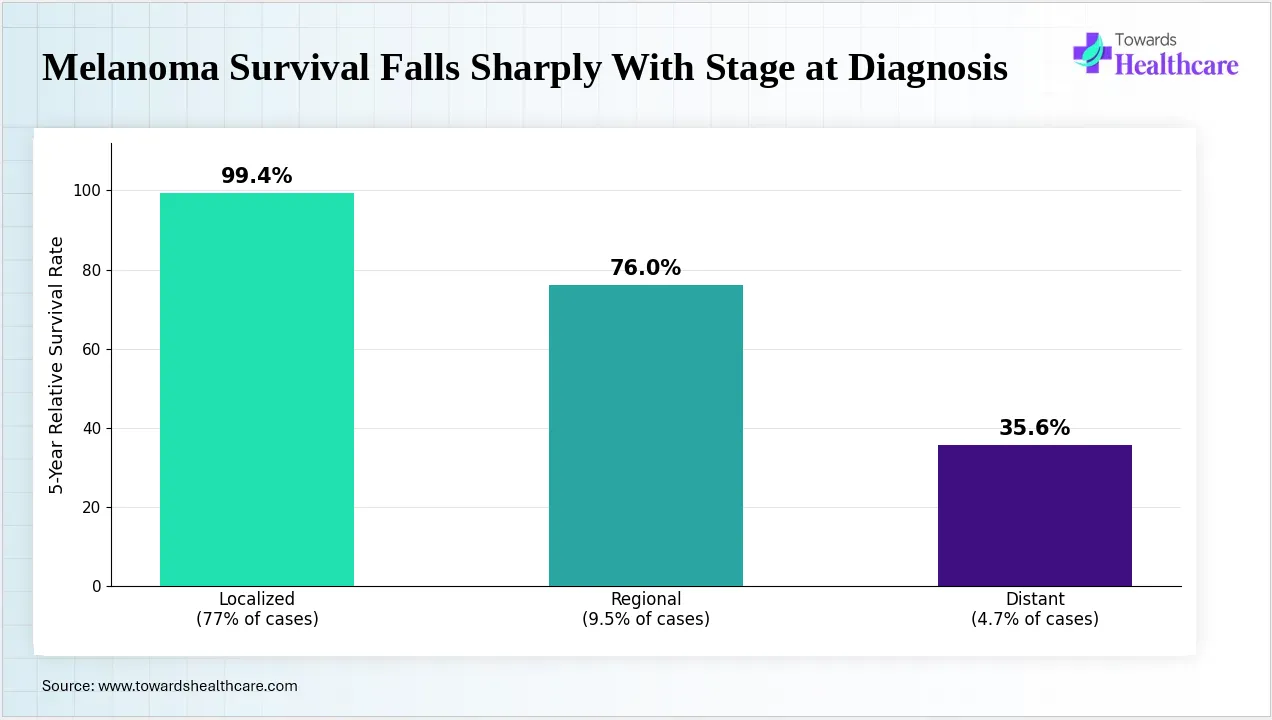
Graph 5: As the market analyst, I interpret based on the graph information that the melanoma survival rate will experience a sharp fall. The localized melanoma survival rate held a 77.0% share, while its 5-year relative survival rate will increase to 99.4%. Regional cases were recorded to be 9.5%, which will increase to approximately 76%, while distant cases will experience a rise to 35.6% from 4.7%, where unstaged cases were recorded to be 8.8%. The drop in the survival rate will accelerate the development of various diagnostic solutions and treatment options.
Key Insight:
The survival gap between localized and distant melanoma acts as the direct clinical driver for sponsor investment in early-detection diagnostics and biomarker-stratified trial recruitment, expanding CRO services.
Source: National Cancer Institute SEER Program; United States Cancer Statistics (USCS) Database Analysis, PMC, 2024
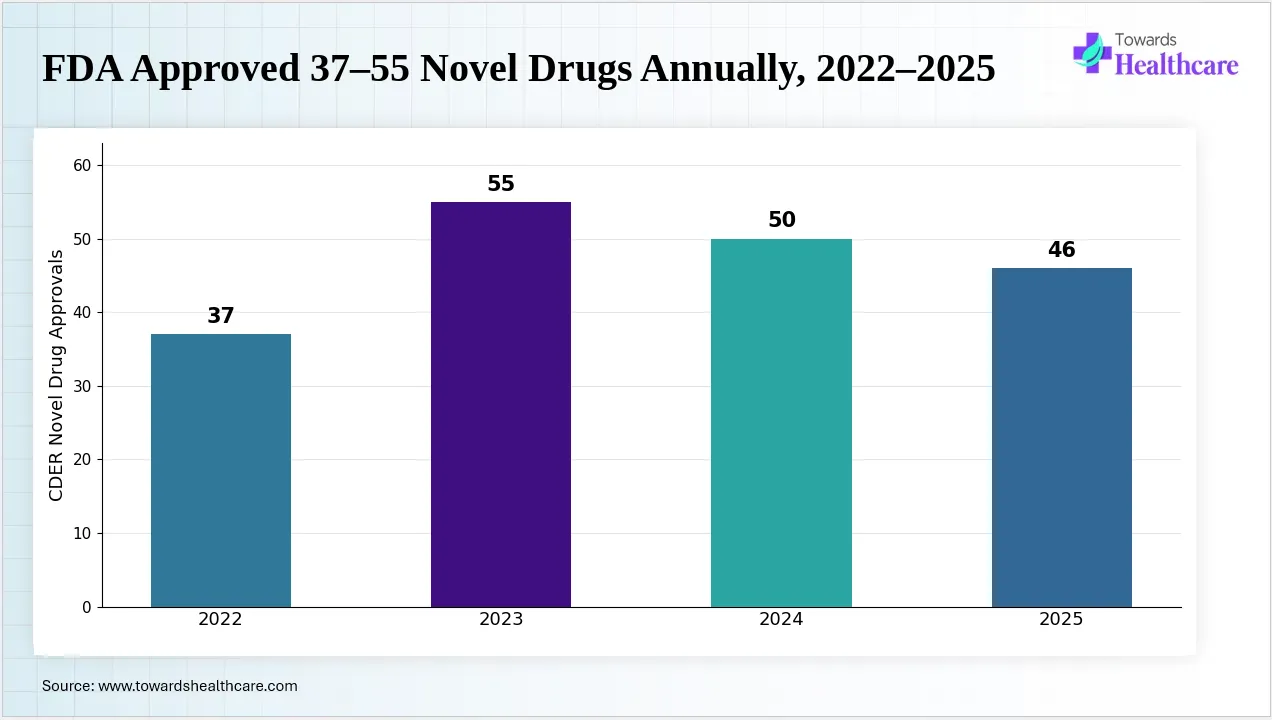
Graph 6: The graph represents a rise in FDA-approved drugs from 2022 to 2025, which encourages the development of advanced therapies, biologics, medical devices, and aesthetic treatment options. 2023 recorded the highest CDER novel drug approvals, whereas 2022 accounted for the fewest approvals, that is, 37. In 2024, 50 CDER novel drug approvals were granted, while in 2025 it slightly dropped to 46, where more than half of the drugs were designated for rare-disease indications.
Key Insight:
Steady growth in CDER approvals are consistently creating new opportunities for dermatology, with a growing focus on atopic dermatitis, psoriasis, hidradenitis suppurativa, and alopecia, and is expected to achieve a new benchmark.
Source: FDA CDER, Novel Drug Approvals Reports, 2022–2025; RAPS Regulatory Focus, 2025–2026
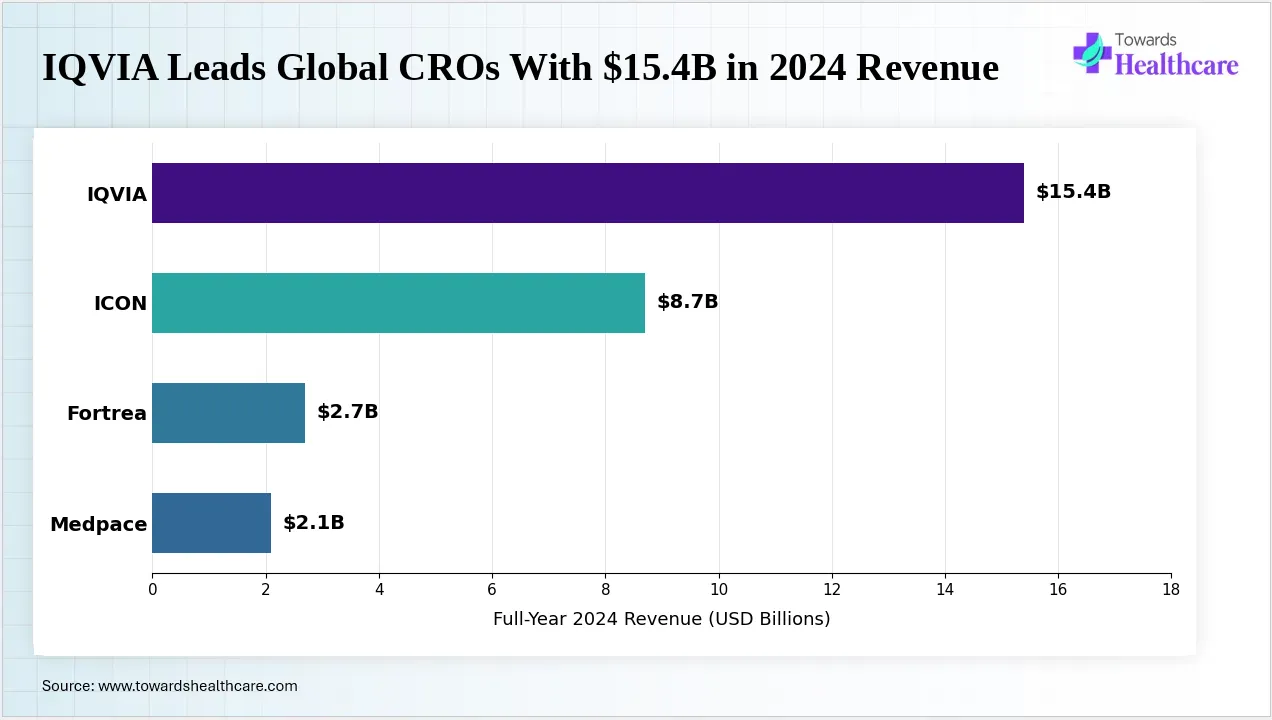
Graph 7: As per my analysis, IQVIA held the highest position in the market due to growth in its revenue. IQVIA Holdings recorded a total of $15.4 billion, which is more than 2.8% year-over-year FY2024 revenue, while the second position was held by ICON plc with an approximate $8.7 billion FY2024 revenue. Fortrea held $2.7–3.1 billion FY2024 revenue, making it the third-largest CRO, which was followed by Medpace Holdings with $2.109 billion (+11.8% YoY) FY2024 revenue.
Key Insight:
IQVIA led the market with a 2.8% growth rate, confirming its position as the industry's dominant full-service operator, where the growing small-to-mid biotech and specialty-therapeutic relationships are expanding Medpace share gains.
Source: Company FY2024 financial reports (IQVIA, ICON, Fortrea, Medpace); industry analysis compilations, 2025
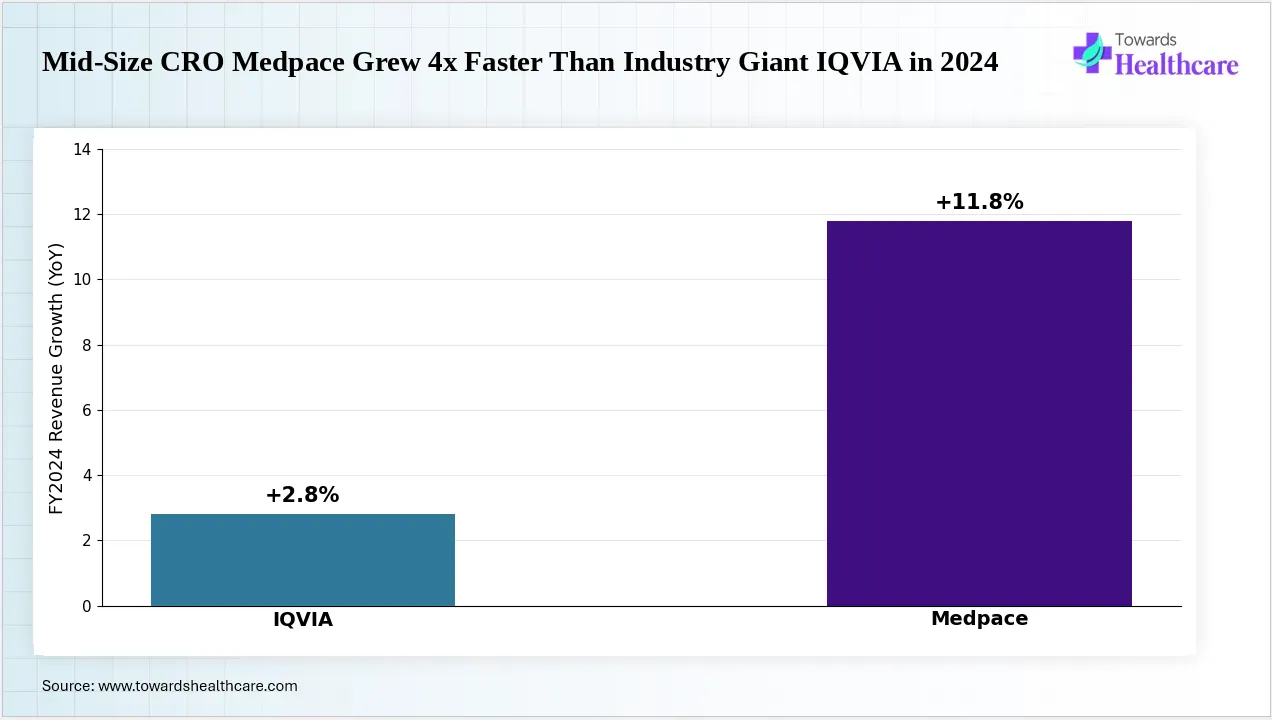
Graph 8: According to the information gathered, Medpace is experiencing rapid growth due to growing collaborations and innovations. The FY2024 revenue growth (YoY) for IQVIA Holdings was +2.8% while for Medpace Holdings it was +11.8%, which indicated a broader shift in sponsor outsourcing preference toward smaller, more agile partners.
Key Insight:
Medpace showed more than four times revenue growth compared to IQVIA, reflecting a strong focus on small-to-mid-size biotech sponsors, prominent in dermatology's biologics-heavy pipeline.
Source: Company FY2024 earnings reports; The PBC Group CRO revenue analysis, 2025
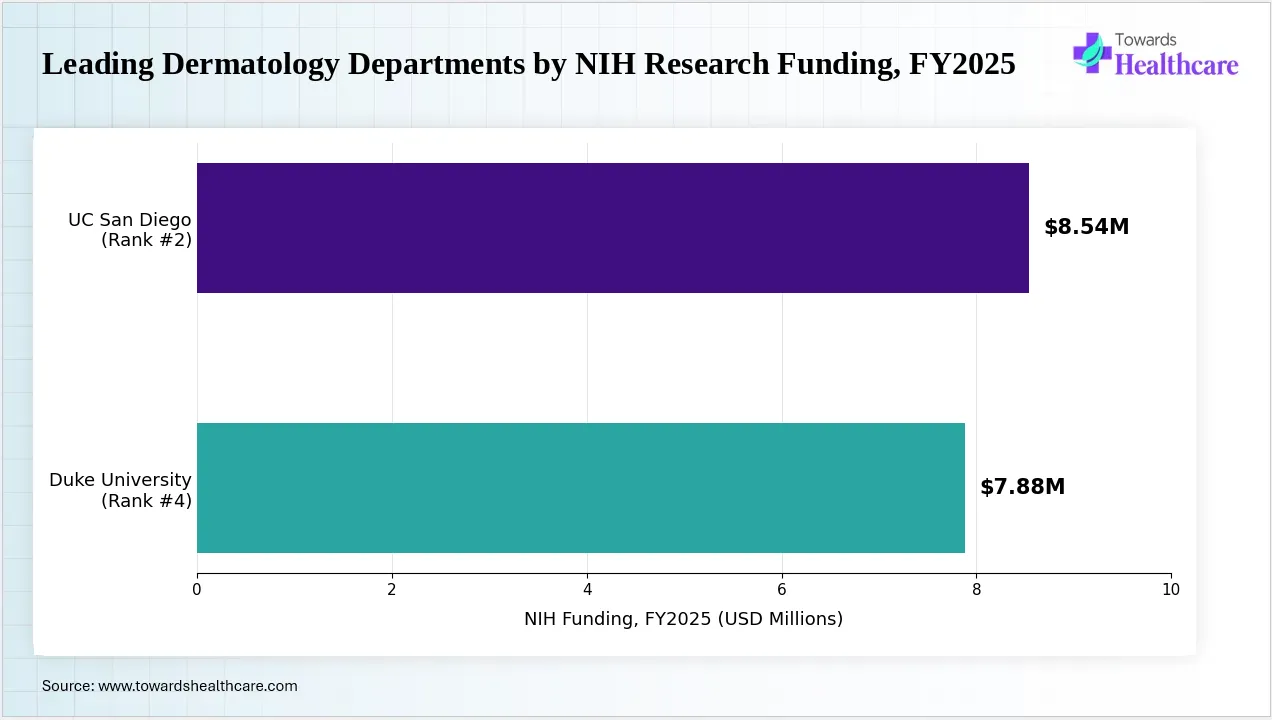
Graph 9: The graph represents leading dermatology departments backed by NIH research funding in 2025. It highlights the UC San Diego School of Medicine as the second-leading national dermatology department, with NIH funding for FY2025 contributing $8.54 million. Duke University School of Medicine held the fourth position in the national dermatology department rankings, where it received $7.88 million in NIH funding for FY2025, which increased from $ 2.43 million in FY2024. The rise in funding helps to expand their dermatology pipeline and CRO services.
Key Insight:
Duke University School of Medicine jumped from the top 15th to 4th national ranking as NIH funding increased more than tripled year-over-year, accelerating the discovery pipeline for future dermatology CRO trial work.
Source: Blue Ridge Institute for Medical Research (BRIMR), 2025 Rankings; Duke Dermatology, UC San Diego School of Medicine press releases
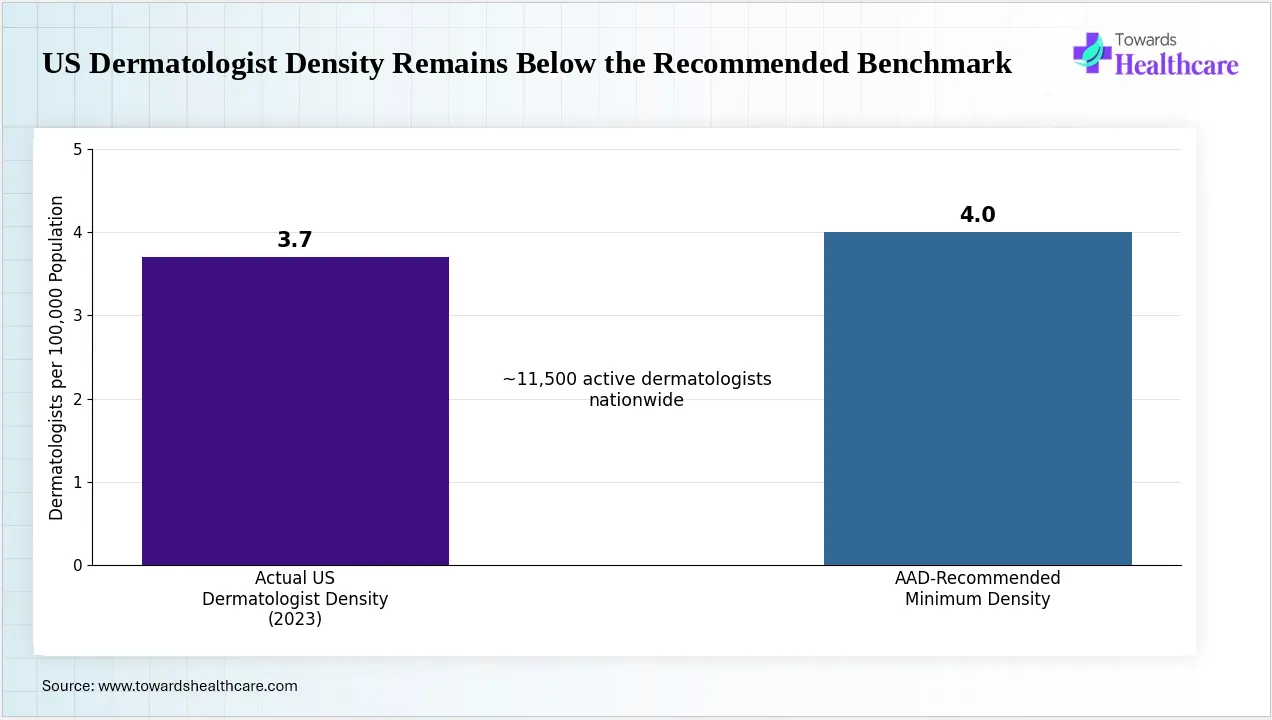
Graph 10: Based on the information gathered by Aman, the U.S. dermatology density falls short of the recommended benchmark, restricting their services. The actual U.S. dermatologist density in 2023 was valued at 3.7 per 100,000 population, while the AAD-recommended minimum density was estimated to be 4.0 per 100,000 population. Active dermatologists in patient care, nationwide, contribute to approximately 11,500. The estimated overall U.S. physician shortage by 2034, according to AAMC, is anticipated to range between 37,800–124,000, creating a persistent shortage of dermatologists.
Key Insight:
The rapid decline in dermatologists is limiting patient care as well as investigator-site capacity, and is creating a structural bottleneck that specialized dermatology CROs are increasingly expected to solve.
Source: Journal of Drugs in Dermatology, US Dermatology Clinician Workforce Trends 2016–2023; AMN Healthcare; AAMC
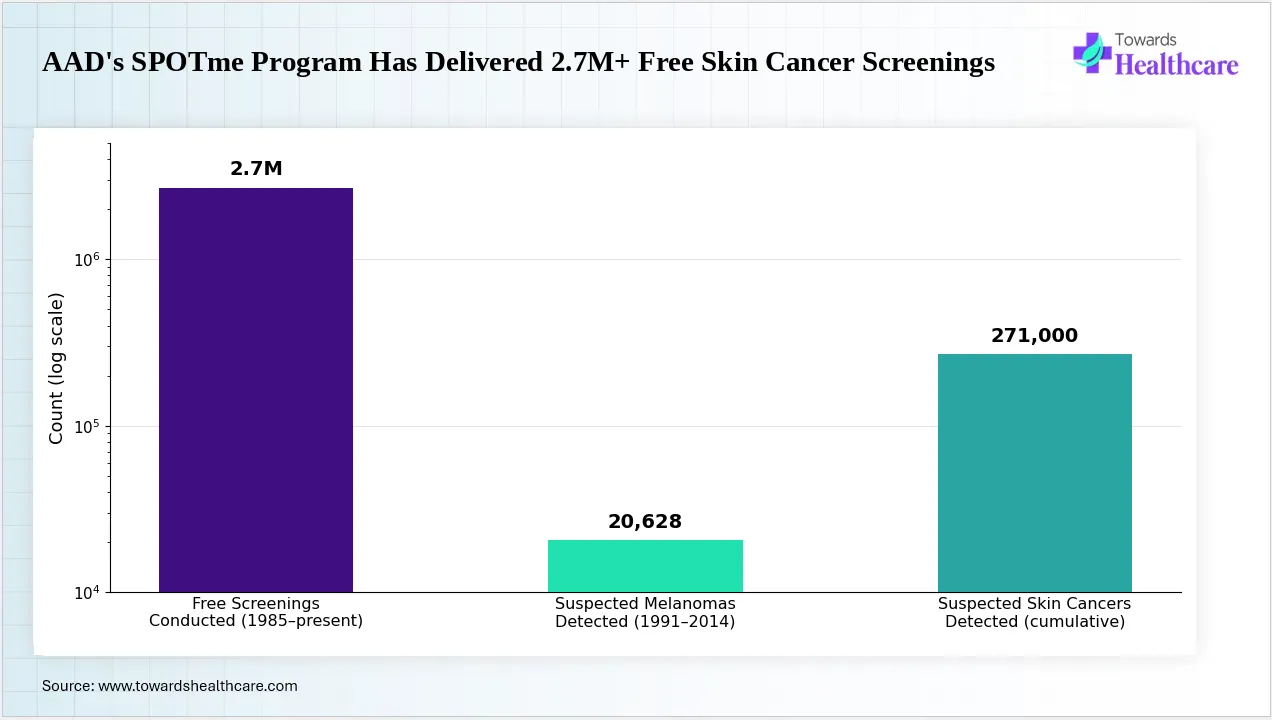
Graph 11: As the market research analyst, I interpret that the given data highlights the total number of free cancer screenings provided by the AAD SPOTme Program. Cumulative free screenings conducted from 1985 till now are recorded to be more than 2.7 million, where suspected melanomas detected from 1991 to 2014 were noted to be 20,628. Cumulative suspected skin cancers/lesions detected accounted for more than 271,000 cases. Additionally, screenees without a regular dermatologist were reported to be approximately 80%, while screenees who would not have sought care otherwise held an approximate 51%.
Key Insight:
Lack of a regular dermatologist contributing to roughly 80% of SPOTme screenees increases a large pool of undiagnosed, treatment-naive skin disease in the community, which in turn promotes decentralized and community-based dermatology trial recruitment strategies.
Source: American Academy of Dermatology, SPOTme Program; JAAD, “The First 30 Years of the AAD Skin Cancer Screening Program: 1985–2014”
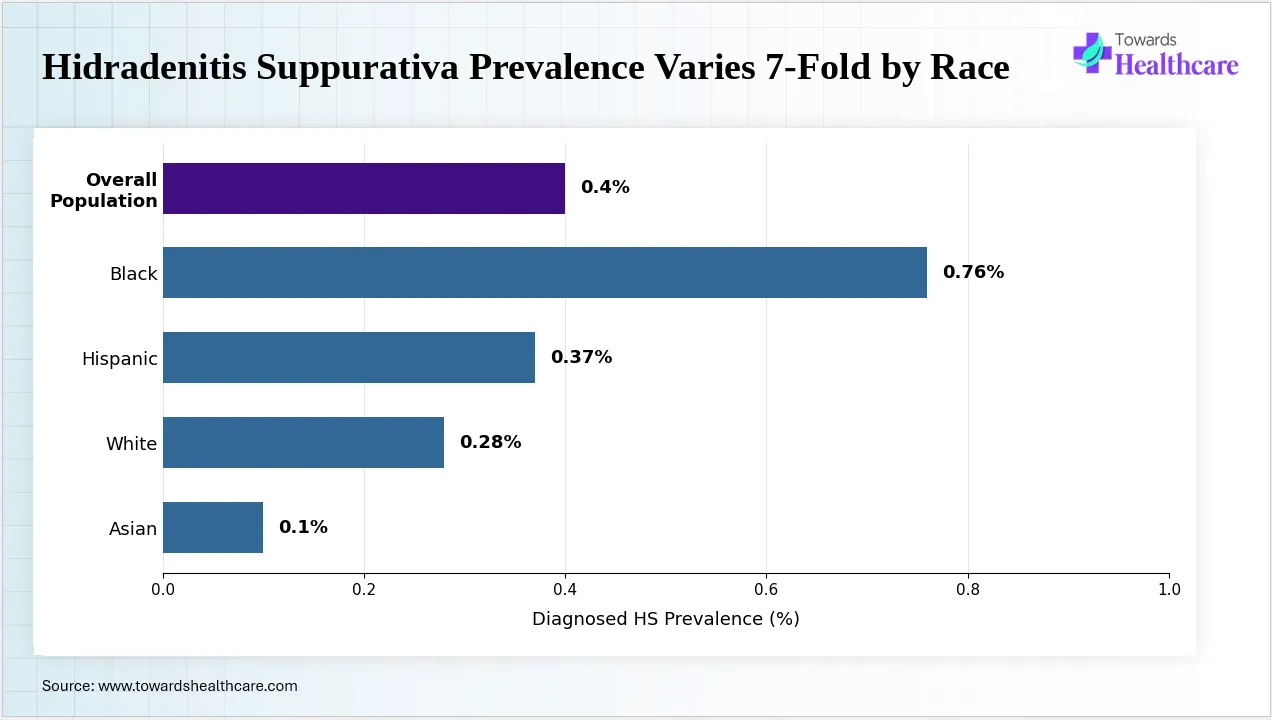
Graph 12: The graph highlights the growing prevalence of hidradenitis suppurativa (HS), where the overall population diagnosed with HS is reported to be 0.40%. This, in turn, is increasing the demand for diagnostic and treatment options, ultimately prompting clinical trials. Black individuals held 0.76%, Hispanic individuals contributed to 0.37%, White individuals accounted for 0.28%, and Asian individuals recorded 0.10%. The female-to-male ratio was reported to be 4:1, while the peak prevalence age group was considered to be between 18 and 25 years, which contributed to 1.70%.
Key Insight:
With the growing incidence in Black individuals and females, the HS trial sponsors and CROs are focusing on site selection in demographically diverse geographies.
Source: NIH All of Us Research Program; Journal of Dermatology and Dermatologic Surgery, 2024
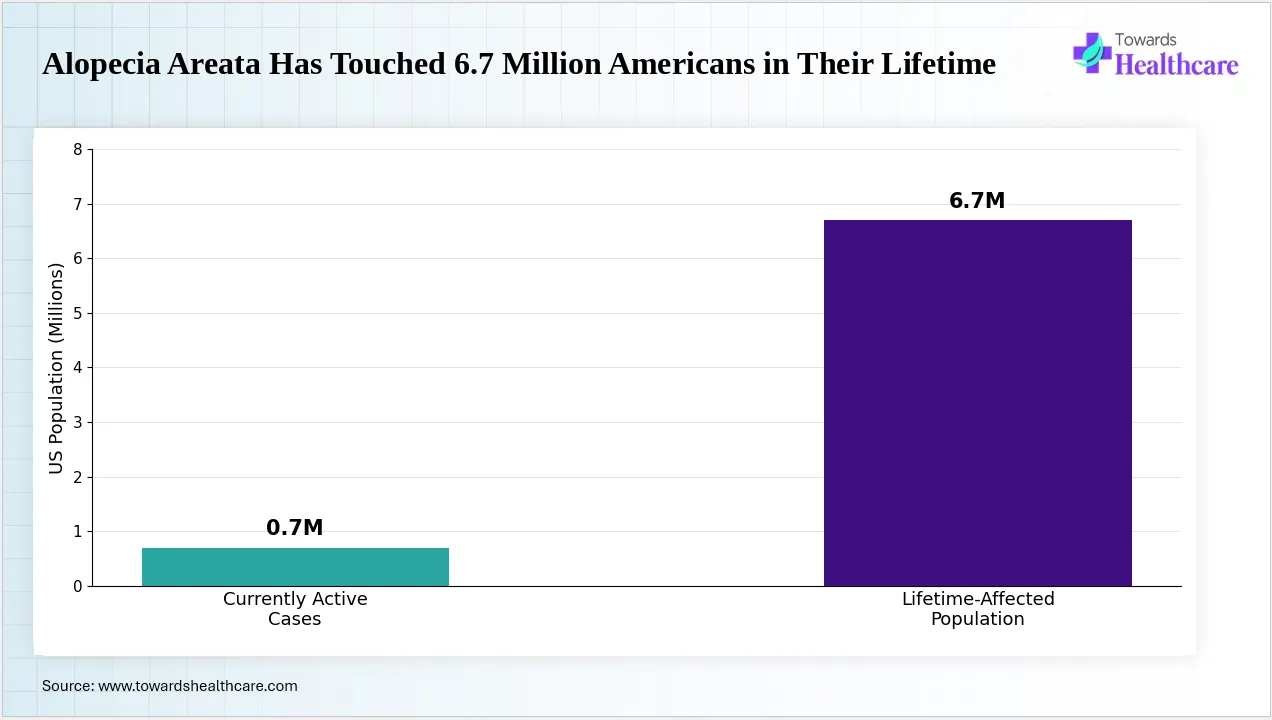
Graph 13: The graph represents a significant rise in alopecia areata (AA) cases, which increases the demand for JAK inhibitors and other hair-regeneration therapies. The lifetime-affected U.S. population accounted for 6.7 million, where the currently active cases are reported to be approximately 700,000. The self-reported lifetime prevalence based on the survey was recorded to be 2.51%, while female adult cases contributed to approximately 67%.
Key Insight:
The tenfold gap between lifetime-affected and currently-active populations is reflecting AA's relapsing-remitting course, complicating trial enrollment criteria as well as driving the demand for CROs with specific autoimmune dermatology recruitment expertise.
Source: National Alopecia Areata Foundation (NAAF), 2024; Journal of Managed Care & Specialty Pharmacy, 2023
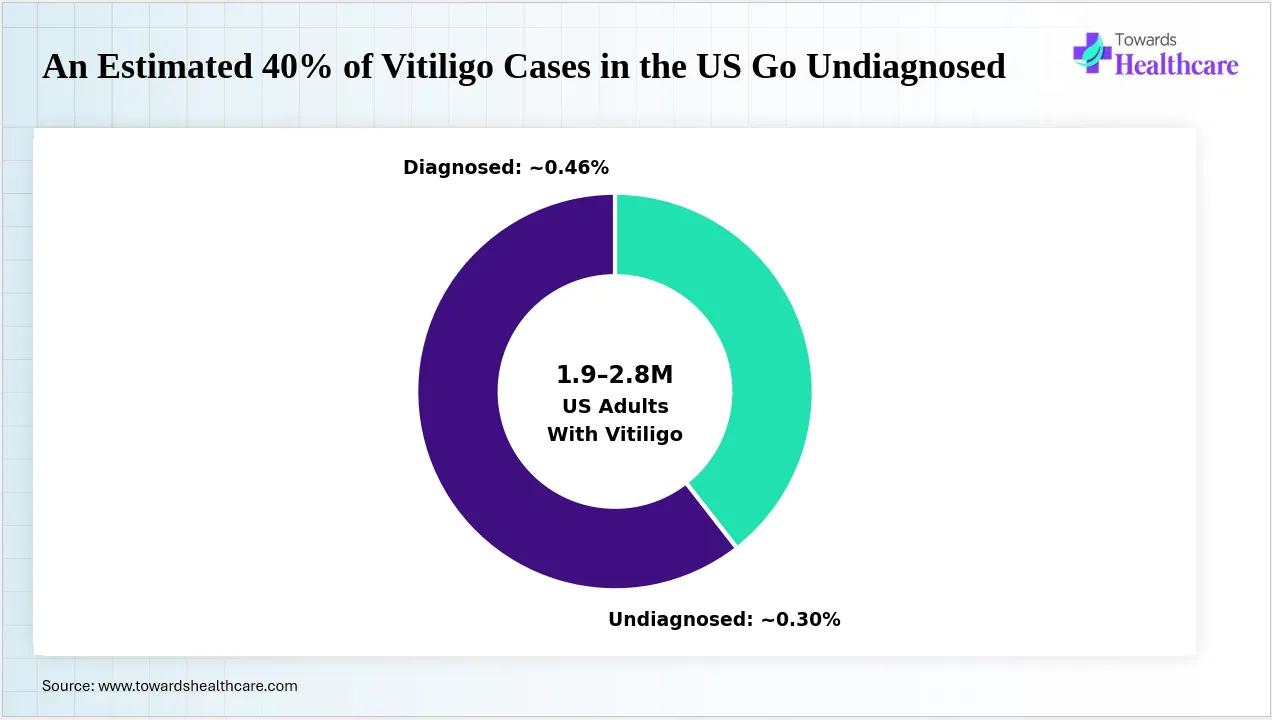
Graph 14: The graph represents a comparison between diagnosed and undiagnosed vitiligo cases, which increases the demand for early diagnosis and repigmentation treatment options. Clinician-adjudicated prevalence, which includes diagnosed cases, contributes to 0.46%, while the undiagnosed ranges between 0.29%-0.50%. The total clinician-adjudicated prevalence range is reported to be around 0.76%-1.11%, while total US adults affected are estimated to be 1.9 to 2.8 million. Furthermore, the share of cases estimated to be undiagnosed is approximately 40%.
Key Insight:
The undiagnosed vitiligo patients create both a recruitment opportunity and a challenge to the sponsors and CROs contributing to the clinical trials for newer repigmentation therapies.
Source: JAMA Dermatology, Ezzedine et al., “Prevalence of Vitiligo Among Adults in the United States,” 2022; Global Vitiligo Foundation, 2025
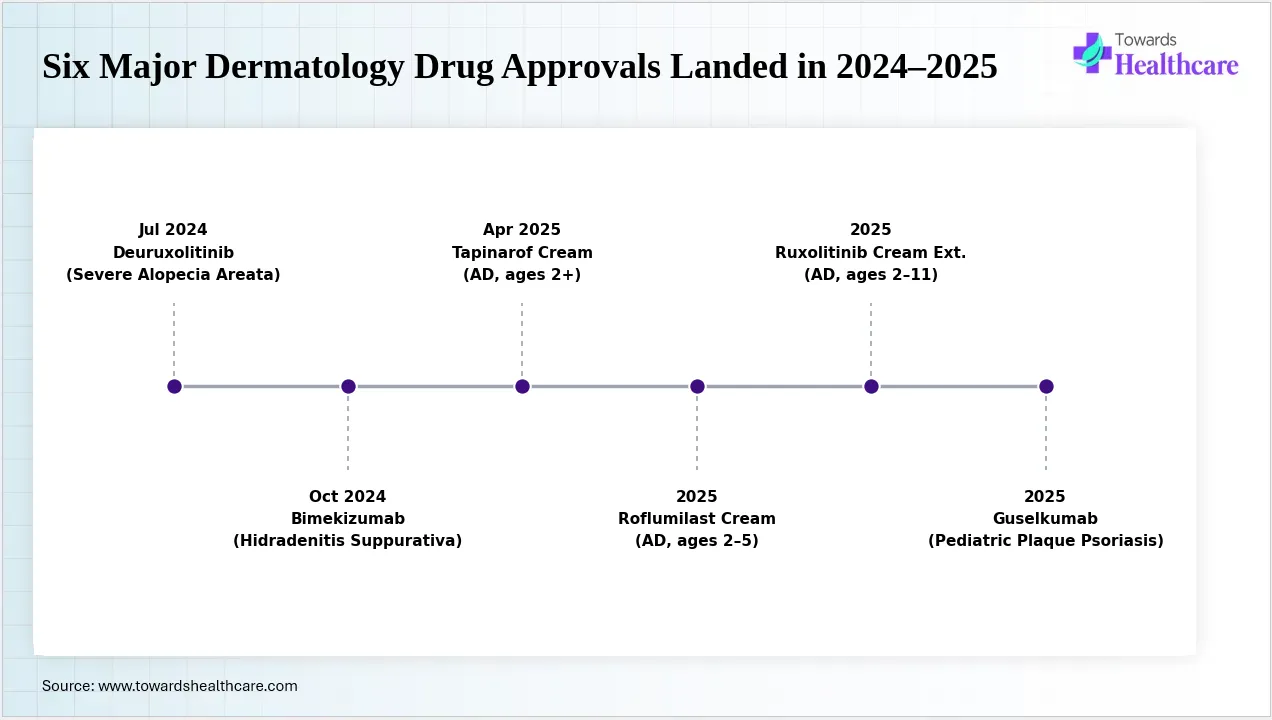
Graph 15: As the market analyst, I interpret that the above-mentioned graph covers six major dermatology drugs approved from 2024 to 2025, which in turn is encouraging the development of new products. In July 2024, Deuruxolitinib was approved for severe alopecia areata treatment, followed by Bimekizumab (Bimzelx), which was approved in October 2024 for the treatment of Hidradenitis suppurativa. In 2025, 4 major drugs were approved, including 1% Tapinarof cream for atopic dermatitis for patients above 2 years of age in April 2025, and 0.05% Roflumilast cream was approved for atopic dermatitis for the age group 2 to 5. Additionally, 1.5% Ruxolitinib cream (extension) for atopic dermatitis was approved for the age group 2 to 11 years, which was followed by Guselkumab (Tremfya) approval for the pediatric plaque psoriasis indication.
Key Insight:
Six major approvals within 18 months for pediatric indications highlighted an accelerated and increased pediatric-inclusive dermatology pipeline as well as a growing base of post-marketing (Phase IV) study opportunity for CROs.
Source: FDA approval announcements; Dermatology Times, “Highlighting Major Breakthroughs for Atopic Dermatitis and Psoriasis in 2025”; HCPLive, “Dermatology Year in Review: 2024”
February 26, 2026, NIH funding of Duke Dermatology tripled year-over-year, increasing from $2.43 million to $7.88 million, driving its position from 15th to 4th national rank among the dermatology departments.
Source: Duke Dermatology, BRIMR 2025 Rankings
January 13, 2026, a trend with direct relevance to several rare dermatologic indications such as HS, vitiligo increased due to approval of 46 novel drugs in 2025 by CDER, which consisted of more than half the number of drugs with orphan/rare-disease designation, though it experienced a slight decline in the approval rate from 50 novel drugs in 2024.
Source: RAPS Regulatory Focus, “CDER approved 46 novel drugs in 2025,” 2026
In October 2025, FDA approval was granted for 0.05% Roflumilast cream for atopic dermatitis treatment in children with 2 to 5 years of age. Based on its Phase 3 clinical data, a significant itch improvement was observed on first application within 24 hours.
Source: Dermatology Times, 2025
March 2025, FDA approval was granted to Guselkumab (Tremfya), making it the first IL-23 inhibitor for the treatment of both pediatric plaque psoriasis and active psoriatic arthritis, where its Phase 3 data presented that 56% of patients achieved PASI 90 at week 16.
Source: Dermatology Times, “Highlighting Major Breakthroughs for AD and Psoriasis in 2025”
February 10, 2025, a full-year 2024 revenue of $2.109 billion (+11.8% YoY) was noted by Medpace Holdings, expanding beyond large full-service CRO peers and driving new partnerships with small-to-mid-size biotech companies specializing in dermatology biologics development.
Source: Company FY2024 earnings; Clinical Outsourcing Group analysis, 2025
January 9, 2025, “Cancer Statistics, 2025” was published by the American Cancer Society, where it highlighted 104,960 new invasive melanoma cases for the year and anticipated a decade-long upward trend in incidence.
Source: American Cancer Society / Melanoma Research Alliance, Feb. 2025
December 16, 2024, tapinarof cream 1% received FDA approval for the treatment of dermatitis in patients as young as 2 years old, which expanded the nonsteroidal topical treatment landscape for pediatric AD.
Source: Dermatology Times, 2025
October 2024, FDA approval for bimekizumab-bkzx (Bimzelx) was announced by UCB for moderate-to-severe hidradenitis suppurativa treatment, followed by BE HEARD I and II Phase 3 trial positive results.
Source: HCPLive, “Dermatology Year in Review: 2024”
September 18, 2024, to clarify regulatory expectations for decentralized clinical trials, the final guidance was released by the FDA, which highlighted the flexibility in trial design and remote/local care options for participants, which are directly related to dermatology's growing use of teledermatology-enabled trial visits.
Source: FDA Guidance Document, Sept. 2024
July 25, 2024, deuruxolitinib for the treatment of adults with severe alopecia areata was approved by the FDA, making it the second oral JAK inhibitor option in the AA treatment landscape.
Source: FDA Alerts in Dermatology, Dermatology Advisor, Dec. 2024
It is the world's largest full-service CRO, offering R&D solutions, technology & analytics, and contract sales divisions, with FY2024 revenue of $15.4 billion and approximately 88,000 employees across more than 100 countries.
It is the second largest global full-service CRO by revenue, reporting approximately $8.5–$9.0 billion in revenue for FY2024 and a strong focus on large-scale integrated trial delivery.
The full-service CRO spun off from Labcorp, offering phase I–IV clinical services and revenue of $2.7 billion in FY2025.
Full-service CRO supporting small-to-mid biotech/pharma sponsors, and phase I–IV, with revenue of $2.109 billion for FY2024, which encompasses an approximate 5,900 employees across 44 countries and 90% of clients from small-to-mid biotech companies.
It is the largest U.S. dermatology professional association, operating the SPOTme free skin cancer screening program, which has reached 2.7 million since 1985 and detected more than 271,000 skin cancers.
It is a nonprofit patient advocacy and research organization specializing in psoriasis and psoriatic arthritis, which also publishes the authoritative U.S. psoriasis prevalence estimate.
It is a nonprofit organization focusing on vitiligo awareness, research funding, and patient advocacy, where it also estimated that 1.9 to 2.8 million Americans are affected by vitiligo and approximately 40% of the population is undiagnosed.
It is a nonprofit organization specializing in cancer research, advocacy, and statistics, where it published an estimate of 104,960 new invasive melanoma cases for 2025 in the “Cancer Statistics” report.
It is the federal agency regulating and approving new drugs such as all dermatology biologics and topicals. Between 2022 and 2025, it has approved 37 to 55 novel drugs with multiple dermatology therapies.
An independent nonprofit organization that publishes annual NIH funding ranks by institution and department, where it ranked UC San Diego as the top second and Duke as the top 4th dermatology departments based on FY2025 NIH funding.
It is the primary NIH institute that provides funds for skin disease research such as psoriasis, alopecia areata, and rare dermatologic disorders. The total NIAMS extramural funding crossed $500 million annually for arthritis, musculoskeletal, and skin disease research, where it also supports research activities through R01, career development, and intramural programs.
Aditi is a life science research expert with strong experience in pharmaceuticals, advanced therapies, and dermatological markets. She conducted detailed market research, analyzed company data, clinical trends, and industry developments. Based on her comprehensive analysis, the following strategic key takeaways highlight the most important market insights and opportunities.
For Dermatology CROs
For Pharma & Biotech Sponsors
For Investors & Corporate Strategy Teams
Based on my assessment, the market is expanding rapidly due to increasing incidences of dermatological diseases such as psoriasis, atopic dermatitis, melanoma, etc. I also see strong growth in pediatric dermatological pipelines, which is creating new market opportunities. The growth in NIH funding is also driving CRO collaborations, promoting the development of biologics and advanced therapies. I also anticipate that the rising approvals of dermatologic drugs with rare disease or orphan drug designations are expanding the clinical research areas.
Payal Rabde led the primary market research, developed the methodology, analyzed trends, segmentation, competition, forecasts, and strategic opportunities, forming the report's analytical foundation.
Aman was responsible for collecting and validating clinical trial data, research publications, company information, partnerships, and other quantitative datasets, strengthening evidence-based analysis and market estimations.
Aditi reviewed the complete research document, performed quality checks, validated findings, refined content, corrected inconsistencies, and finalized the report, ensuring accuracy, clarity, credibility, and publication-ready quality.
By Service Type
By Therapeutic Indication
By Study Phase
By Sponsor Type
By Trial Type
By Delivery Model
By End User

















Principal Consultant
Payal Rabde is a Healthcare Market Research Analyst at Towards Healthcare Research & Consulting with 4+ years of experience in pharmaceuticals, biotechnology, medical devices, and life sciences.
Learn more about Payal Rabde

Reviewed By
Aditi Shivarkar is a seasoned professional with over 14 years of experience in healthcare market research. As a content reviewer, Aditi ensures the quality and accuracy of all market insights and data presented by the research team.
Learn more about Aditi Shivarkar