Pipeline Programs

CGT Companies Tracked

Manufacturing Facilities


The global cystic fibrosis transmembrane conductance regulator modulator market size was estimated at USD 22.85 billion in 2025 and is predicted to increase from USD 26.19 billion in 2026 to approximately USD 89.28 billion by 2035, expanding at a CAGR of 14.6% from 2026 to 2035. The market is expanding rapidly due to rising cystic fibrosis cases and the growing use of advanced targeted therapies that improve disease outcomes and quality of life. Strong growth is driven by increasing adoption of combination drugs and continuous innovation in next-generation modulators, especially for improving lung function and long-term patient survival.
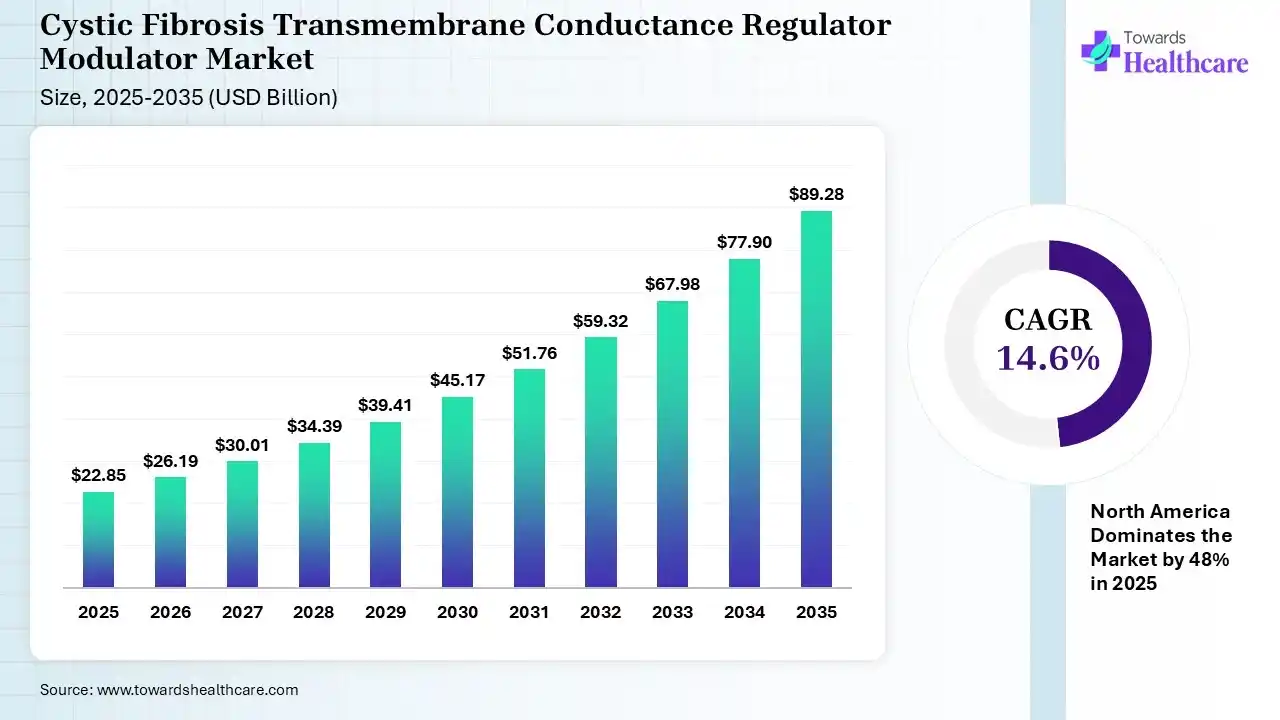
CFTR modulators are drugs that correct or enhance the function of the defective cystic fibrosis transmembrane conductance regulator proteins, improving chloride ion transport in patients with cystic fibrosis. The cystic fibrosis transmembrane conductance regulator modulator market is growing due to increasing cystic fibrosis prevalence and rising awareness of genetic testing for early diagnosis. Advancements in precision medicine and the success of combination therapies that target the root cause of the disease are improving patient outcomes. Additionally, expanding regulatory approvals and strong clinical pipelines are boosting adoption across global healthcare systems.
AI is transforming the cystic fibrosis transmembrane conductance regulator modulator market by accelerating drug discovery, identifying new mutation-specific targets, and optimizing clinical trial design through predictive analytics. It helps personalize treatment by matching patients with the most effective modulators based on genetic profiles. Additionally, AI-driven data analysis improves real-world evidence generation, enhances treatment monitoring, and supports faster regulatory decisions, ultimately boosting innovation and market growth.
Expansion of Next-Generation Combination Therapies
The market is shifting toward advanced triple and quadruple combination modulators that target multiple CFTR defects simultaneously. These therapies aim to deliver improved efficacy, broader patient coverage, and better long-term outcomes, strengthening their adoption globally.
Growing Focus on Personalized and Mutation-Specific Treatments
Increasing emphasis on precision medicine is driving the development of therapies tailored to rare and specific CFTR gene mutations. This trend enhances treatment effectiveness and expands access for previously untreated patient subgroups, supporting overall cystic fibrosis transmembrane conductance regulator modulator market growth.
Pipeline Innovation and Geographic Market Expansion
A strong clinical pipeline and ongoing research investments are accelerating new product approvals. At the same time, improving healthcare infrastructure and regulatory support in emerging markets are expanding access, creating significant future growth opportunities.
| Table | Scope |
| Market Size in 2026 | USD 26.19 Billion |
| Projected Market Size in 2035 | USD 89.28 Billion |
| CAGR (2026 - 2035) | 14.6% |
| Leading Region | North America by 48% |
| Historical Data | 2020 - 2023 |
| Base Year | 2025 |
| Forecast Period | 2026 - 2035 |
| Measurable Values | USD Millions/Units/Volume |
| Market Segmentation | By Drug Type, By Route of Administration, By Age Group, By Distribution Channel, By End User, By Region |
| Top Key Players | Allergan plc, Chiesi Farmaceutici S.p.A., AbbVie, F. Hoffmann-La Roche AG, Gilead Sciences, PTC Therapeutics |
| Segment | Share 2025 (%) |
| Potentiators | 18% |
| Correctors | 32% |
| Amplifiers | 6% |
| Combination Therapies | 44% |
The Combination Therapies Segment Dominated the Market in 2025
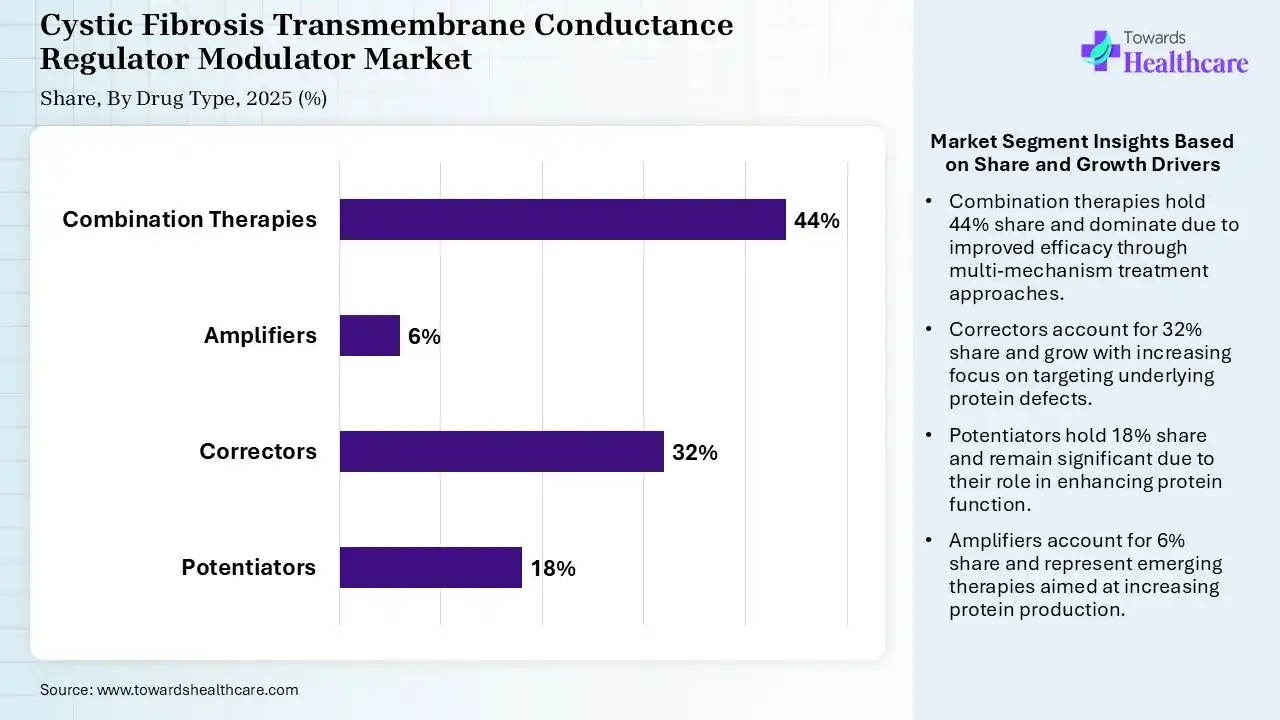
The combination therapies segment dominated the cystic fibrosis transmembrane conductance regulator modulator market with a revenue share of 44% in 2025 because they target multiple defects in the CFTR protein simultaneously, delivering significantly better clinical outcomes than single-drug treatments. These therapies improve lung function, reduce disease progression, and benefit a broader patient population with different genetic mutations. Their proven efficacy, strong physician preference, and widespread regulatory approvals have accelerated adoption, making them the leading segment in the market.
The correctors segment held the second-largest share of 32% in 2025 due to its critical role in fixing misfolded CFTR proteins and improving their transport to the cell surface. These drugs are widely used in combination therapies, enhancing overall treatment effectiveness. Their proven clinical benefits, strong inclusion in approved regimens, and ability to address common genetic mutations have driven significant adoption, positioning them just behind combination therapies in market share.
The potentiators segment held a 18% of cystic fibrosis transmembrane conductance regulator modulator market share in 2025 due to its ability to enhance the function of CFTR proteins at the cell surface, improving ion transport in patients with specific mutations. These drugs deliver rapid symptomatic relief and are often used alone or in combination therapies. Increasing diagnosis of responsive mutation, strong clinical outcomes, and their role in personalized treatment approaches are driving steady adoption and market growth.
The amplifiers segment held the 6% share and is expected to grow at the fastest CAGR in the market during the forecast period due to its novel mechanism of increasing CFTR protein production, enhancing the effectiveness of other modulators like correctors and potentiators. Ongoing research and clinical trials are expanding its therapeutic potential, especially for patients with limited treatment options. This innovation-driven approach and its ability to complement existing therapies are driving strong future growth in the segment.

| Segment | Share 2025 (%) |
| Oral | 82% |
| Parenteral | 8% |
| Inhalation | 10% |
The Oral Segment Led the Market in 2025 with the Largest Share
The oral segment held a dominant share of 82% in 2025 due to its high patient convenience, ease of administration, and improved treatment adherence compared to injectable alternatives. Oral CFTR modulators allow long-term, at-home management of cystic fibrosis without frequent clinical visits. Their widespread availability, strong patient preference, and proven efficacy in daily therapy regimens have driven extensive adoption, making oral administration the leading route in the market.
The inhalation segment held the second-largest share of 10% in 2025 and is expected to grow at the fastest CAGR in the market during the forecast period due to its ability to deliver drugs directly to the lungs, the primary site affected in cystic fibrosis. This targeted approach enhances drug concentration, improves respiratory outcomes, and reduces systemic side effects. Growing use of inhaled therapies alongside modulators, along with advancements in nebulizers and inhalers, has supported its widespread adoption and strong position in the market.
The parenteral segment held 8% share of the cystic fibrosis transmembrane conductance regulator modulator market due to its effectiveness in delivering drugs directly into the bloodstream, ensuring a rapid onset of action and precise dosing. It is particularly useful for severe cases or patients unable to tolerate oral or inhaled therapies. Increased hospital-based treatments, advancement in injectable formulation, and its role in combination regimens are driving steady demand and supporting growth in this segment.
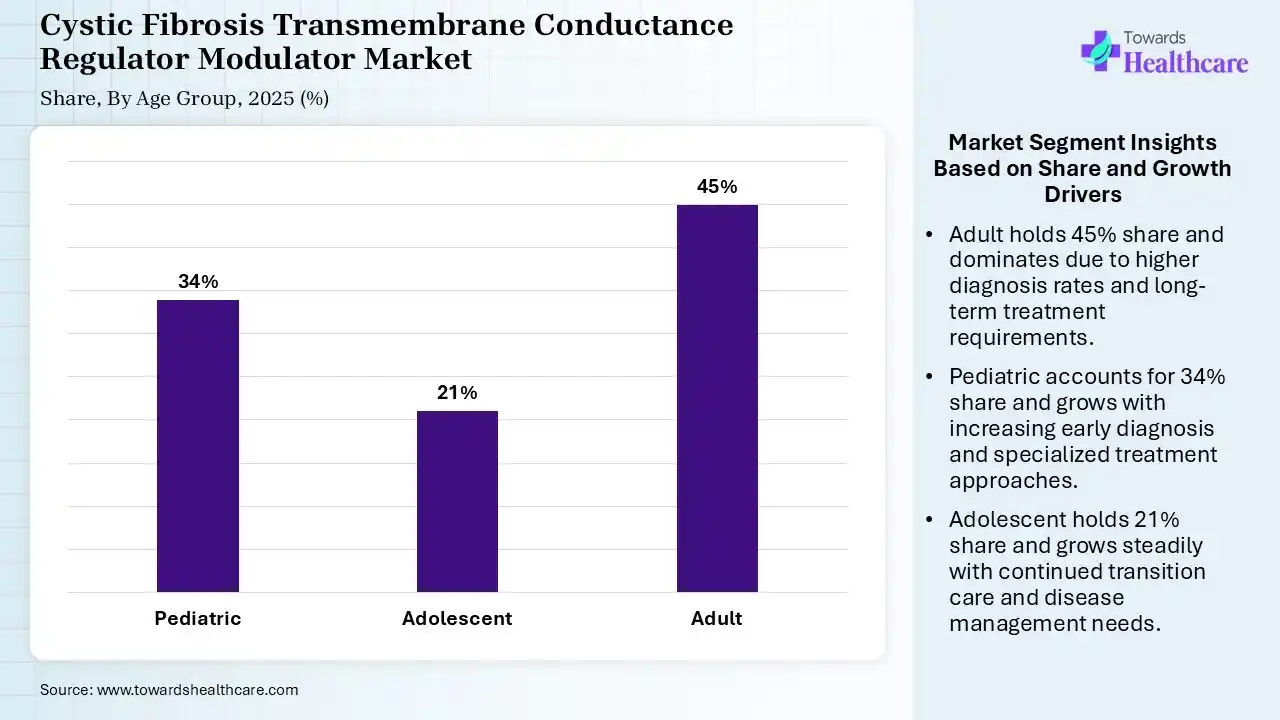
| Segment | Share 2025 (%) |
| Pediatric | 34% |
| Adolescent | 21% |
| Adult | 45% |
The Adult Segment Led the Market in 2025 with the Largest Share
The adult segment held a dominant share of 45% in 2025 due to improved life expectancy of cystic fibrosis patients, leading to a larger adult patient pool. Increased diagnosis in adulthood and long-term use of CFTR modulators contribute to sustained demand. Additionally, higher treatment adherence, better access to advanced therapies, and expanded approvals for the adult population have strengthened this segment’s leading market share.
The pediatric segment held the second-largest share of 34% in 2025 and is expected to grow at the fastest CAGR in the market during the forecast period due to early diagnosis through newborn screening and increasing awareness of early intervention benefits. Growing approvals of CFTR modulators for the younger age group enable timely treatment, improving long-term outcomes. Additionally, strong clinical focus on slowing disease progression in children and supportive healthcare programs have driven significant adoption, positioning pediatric as a key contributing segment.
The adolescent segment held a 21% of cystic fibrosis transmembrane conductance regulator modulator market share due to increasing newborn screening and early diagnosis of cystic fibrosis, enabling timely initiation of CFTR modulator therapies. Growing regulatory approvals for the younger age group and rising focus on early disease management are improving long-term outcomes. Additionally, advancements in pediatric-friendly formulations and strong clinical evidence supporting early intervention are driving higher adoption and sustained growth in this segment.
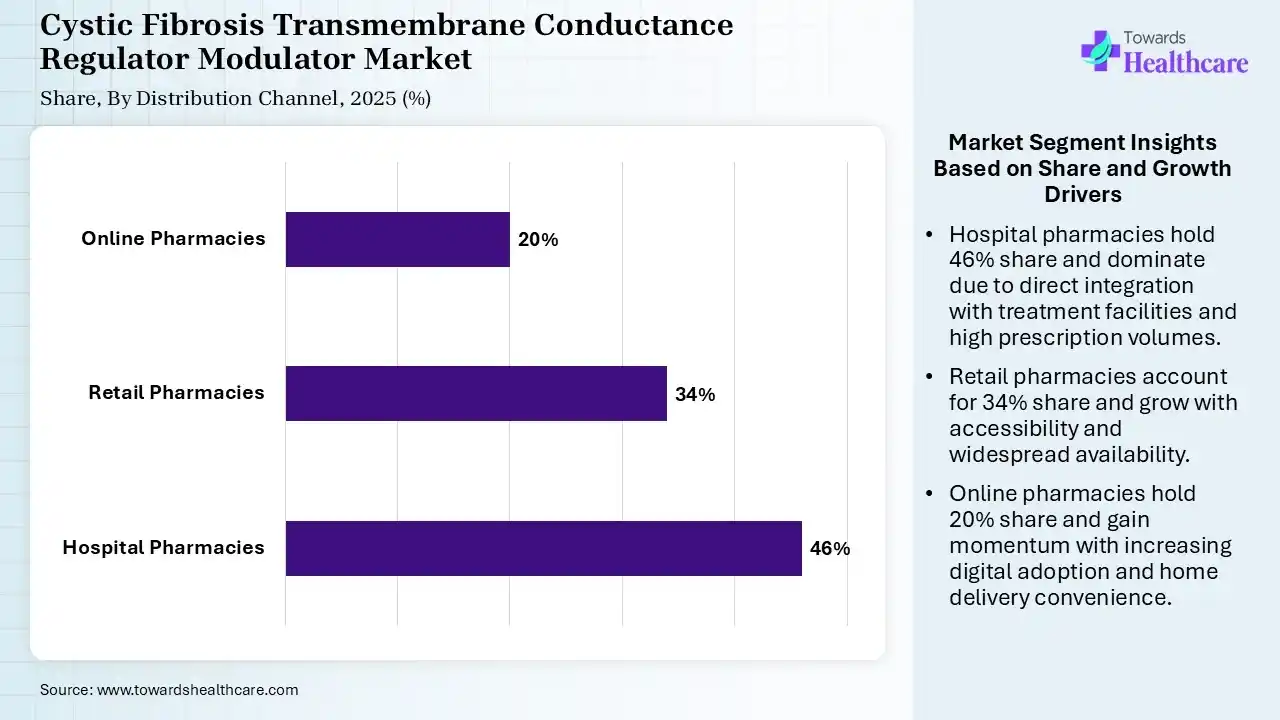
| Segment | Share 2025 (%) |
| Hospital Pharmacies | 46% |
| Retail Pharmacies | 34% |
| Online Pharmacies | 20% |
The Hospital Pharmacies Segment Led the Market in 2025 with the Largest Share
The hospital pharmacies segment led the cystic fibrosis transmembrane conductance regulator modulator market with a share of 46% in 2025 due to the specialized nature of CFTR modulators, which require physician supervision, careful dosing, and monitoring. These therapies are often initiated in hospital settings, ensuring proper patient management and adherence. Additionally, strong hospital procurement systems, availability of multidisciplinary care, and access to advanced treatments have driven higher dispensing through hospital pharmacies, supporting their dominant market share.
The retail pharmacies segment held the second-largest share of 34% in 2025 due to the increasing availability of CFTR modulators for long-term outpatient use. As a patient stabilizer on therapy, prescriptions are commonly refilled through the retail channel for convenience and accessibility. Expanding pharmacy networks, improved insurance coverage, and growing patient preference for easy access to medication have driven steady adoption, supporting retail pharmacies as a key distribution channel.
The online pharmacies segment held the 20% share and is expected to grow at the fastest CAGR in the cystic fibrosis transmembrane conductance regulator modulator market during the forecast period due to increasing digital adoption and preference for convenient, home-based medication access. Patients benefit from easy ordering, doorstep delivery, and better price transparency. Additionally, rising internet penetration, supportive e-pharmacy regulations, and integration with telehealth services are enhancing accessibility to CFTR modulations, driving rapid growth in this distribution channel.

| Segment | Share 2025 (%) |
| Hospitals | 48% |
| Specialty Clinics | 32% |
| Homecare Settings | 20% |
The Hospitals Segment Led the Market in 2025 with the Largest Share
The hospitals segment held a dominant share of 48% in 2025 due to the need for specialized care, accurate diagnosis, and continuous monitoring required for cycle fibrosis treatment. CFTR modulator therapies are often initiated and managed in hospital settings under expert supervision. Additionally, access to multidisciplinary teams, advanced infrastructure, and a strong drug procurement system in hospitals drives higher treatment adoption, supporting their leading share in the market.
The specialty clinics segment held the second-largest share of 32% in 2025 and is expected to grow at the fastest CAGR in the market during the forecast period due to its focused expertise in managing cystic fibrosis and delivering targeted therapies like CFTR modulators. These clinics offer personalized treatment plans, regular follow-ups, and genetic testing services. Their role in long-term disease management, combined with increasing patient preference for specialized outpatient care, has driven strong adoption and positioned them as a key end user segment.
The homecare settings segment held a 20% of cystic fibrosis transmembrane conductance regulator modulator market share due to the growing preference for convenient, long-term disease management outside hospital settings. CFTR modulators are suitable for daily use at home, improving patient comfort and adherence. Additionally, advancements in telehealth, remote monitoring, and home delivery of medications are supporting this shift. Rising healthcare costs and efforts to reduce hospital visits are further driving the adoption of home-based care.
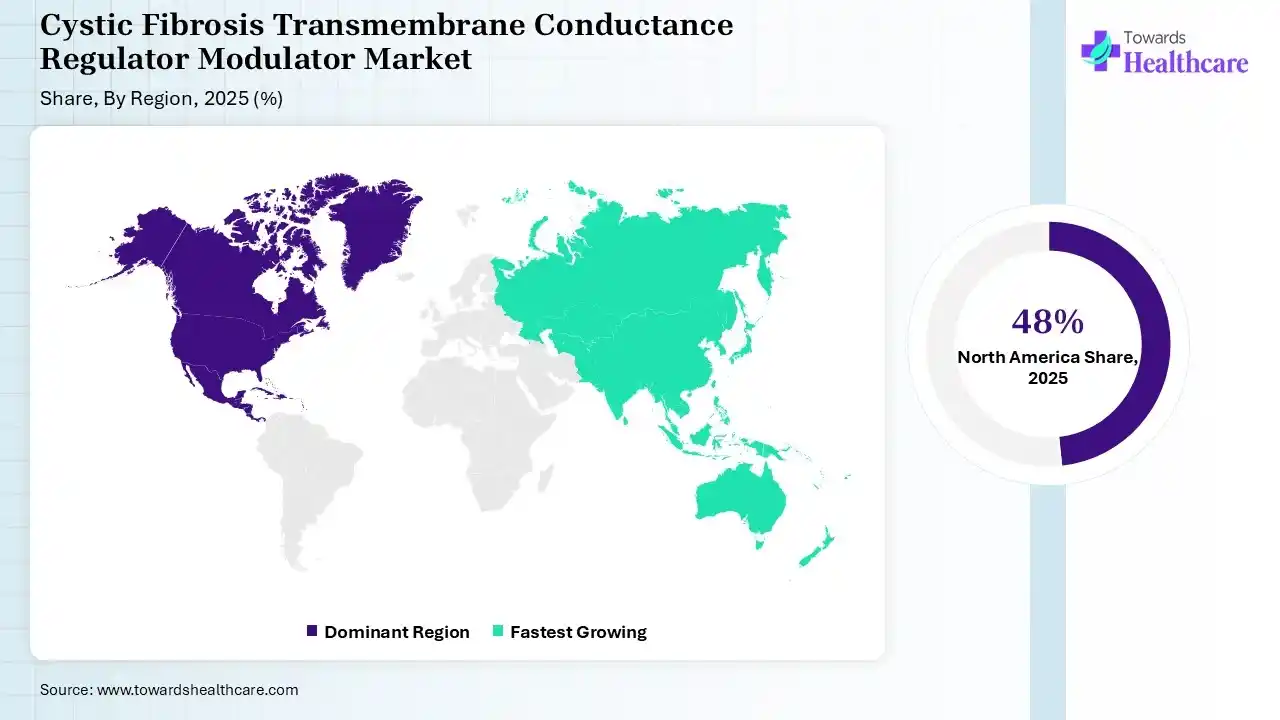

North America dominated the cystic fibrosis transmembrane conductance regulator modulator market with 48% share in 2025 due to its high prevalence of cystic fibrosis, strong healthcare infrastructure, and early adoption of advanced CFTR modulator therapies. The region benefits from favorable reimbursement policies, widespread genetic screening, and robust R&D activities led by major biopharmaceutical companies. Additionally, strong patient support programs and quick regulatory approvals have accelerated access and sustained market leadership.
U.S. Market Trends
The U.S. leads the cystic fibrosis transmembrane conductance regulator modulator market due to its large cystic fibrosis patient base, advanced healthcare system, and strong presence of innovative drug development. Early approvals and rapid adoption of the CFTR modulator, supported by favorable reimbursement policies, drive high treatment uptake. Additionally, extensive R&D investment, widespread genetic testing, and robust patient support programs further strengthen the country’s dominant position.
Asia Pacific captured 15% share in 2025 and is expected to grow at the fastest CAGR in the cystic fibrosis transmembrane conductance regulator modulator market due to improving healthcare infrastructure, rising awareness of cystic fibrosis, and increasing access to advanced therapies. Expanding diagnostic capabilities and growing adoption of genetic testing are enabling early detection. Additionally, supportive government initiatives, expanding pharmaceutical presence, and a large untapped patient population are creating significant growth opportunities in the region.
India Market Trends
India is anticipated to grow at the fastest CAGR in the cystic fibrosis transmembrane conductance regulator modulator market due to improving healthcare infrastructure and rising awareness of cystic fibrosis. Increasing access to genetic testing and diagnosis is enabling early treatment adoption. Additionally, supportive government initiatives, the expanding presence of pharmaceutical companies, and a large underserved patient population are creating strong growth opportunities for CFTR modulators in the country.
R&Ds
Serialization
Patient Support and Services
| Companies | Headquarters | Offerings |
| Allergan plc | Dublin, Ireland | Limited direct presence in CFTR modulators; focuses more broadly on specialty pharmaceuticals, with indirect involvement through respiratory and GI portfolios. |
| Chiesi Farmaceutici S.p.A. | Parma, Italy | Active in cystic fibrosis care through inhalation therapies and supportive respiratory treatments; collaborates on CF research, though not a major CFTR modulator developer. |
| AbbVie | North Chicago, Illinois, USA | Engaged in R&D of next-generation CFTR modulators, including combination therapies targeting underlying genetic defects. |
| F. Hoffmann-La Roche AG | Basel, Switzerland | Focuses on diagnostics and personalized medicine; limited direct CFTR modulator portfolio but supports precision medicine approaches. |
| Gilead Sciences | Foster City, California, USA | Indirect involvement via research capabilities and past collaborations; not a leading CFTR modulator provider. |
| PTC Therapeutics | New Jersey, USA | Develops therapies for genetic disorders, including research into treatments targeting nonsense mutations in cystic fibrosis. |
Strengths
Weaknesses
Opportunities
Threats
By Drug Type
By Route of Administration
By Age Group
By Distribution Channel
By End User
By Region










Principal Consultant
Rohan Patil is a seasoned market research professional with over 5+ years of focused experience in the healthcare sector, bringing deep domain expertise, strategic foresight, and analytical precision to every project he undertakes.
Learn more about Rohan Patil

Reviewed By
Aditi Shivarkar is a seasoned professional with over 14 years of experience in healthcare market research. As a content reviewer, Aditi ensures the quality and accuracy of all market insights and data presented by the research team.
Learn more about Aditi Shivarkar