Pipeline Programs

CGT Companies Tracked

Manufacturing Facilities


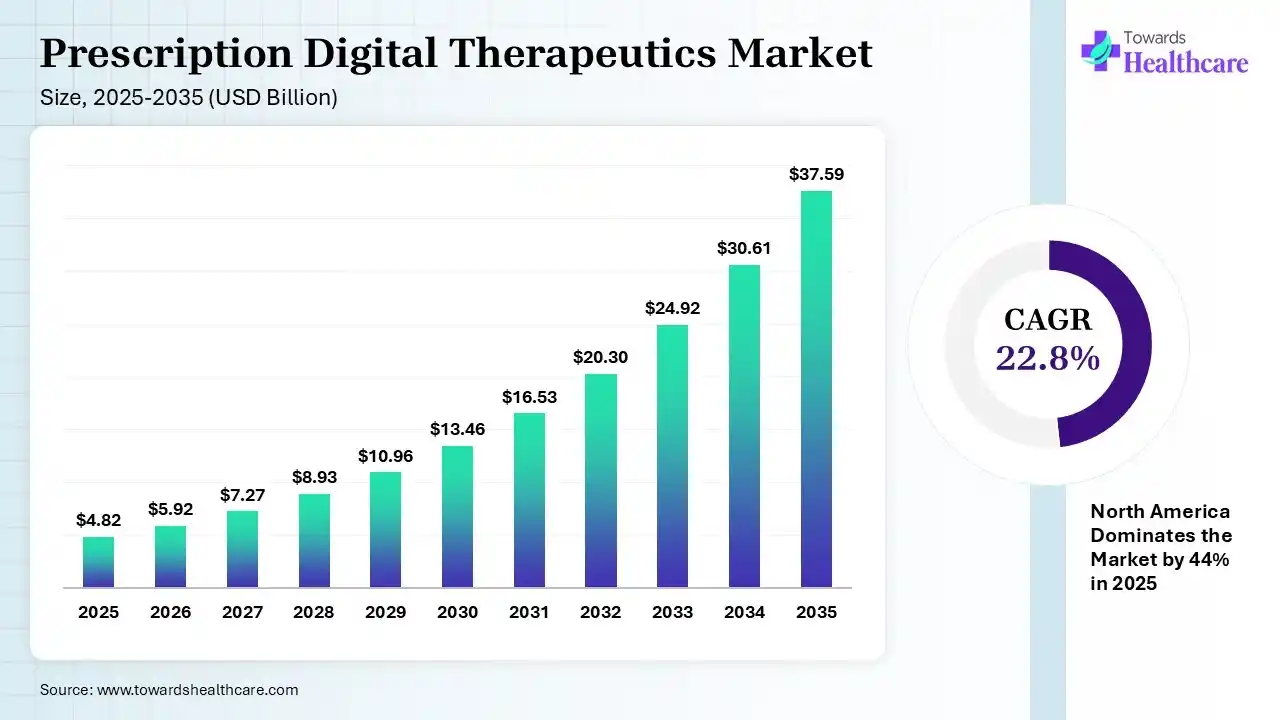
The global prescription digital therapeutics market size was estimated at USD 4.82 billion in 2025 and is predicted to increase from USD 5.92 billion in 2026 to approximately USD 37.59 billion by 2035, expanding at a CAGR of 22.8% from 2026 to 2035. The prescription digital therapeutics market is growing as PDTs are increasingly being embedded into mental health care pathways, enabling easier prescribing, automated data flows, and simplified monitoring.
Prescription Digital Therapeutics (PDTs) are software-driven treatments intended to prevent, achieve, or treat a healthcare disorder or disease. PDTs need a prescription from a licensed clinician and are used under healthcare supervision. PDTs deliver clinically validated, U.S. Food and Drug Administration (FDA) authorized therapy through smartphones, tablets, or computers, meeting patients when they require it. PDTs deployed rapidly, moving geographically, by transportation, or tackling significant barriers. It reduces medical care utilization by enhancing results and preventing disease development. PDTs are clinically proven to help treat, manage, or prevent a wide spectrum of diseases and disorders. PDTs are software-driven interventions that deliver evidence-driven therapeutic programs to manage, prevent, or treat healthcare conditions.
AI-enabled prescription digital therapeutics (PDTs) are emerging as a transformative force, offering personalized and adaptive treatment journeys that improve patient results. AI-driven algorithms analyse massive datasets to detect potential drug candidates more rapidly and precisely than traditional processes. This system improves healthcare decision-making, clinical documentation, and patient care by offering insights and recommendations. AI enhances formulations and facilitates targeted medicines. AI-driven predictions help determine optimal dosing, while in clinical trials, which assist with patient stratification, trial simulations, and digital twins.
Drug-Software Combinations:
The software component enhances patient results while increasing the likelihood of drug adherence, creating a synergistic effect that is advantageous for both patient health and commercial success.
Wearable and VR Integration:
DTx platforms connect with wearables and sensors to gather biometric information, like heart rate, sleep patterns, and glucose levels, making comprehensive patient health profiles.
| Table | Scope |
| Market Size in 2026 | USD 5.92 Billion |
| Projected Market Size in 2035 | USD 37.59 Billion |
| CAGR (2026 - 2035) | 22.8% |
| Leading Region | North America by 44% |
| Historical Data | 2020 - 2023 |
| Base Year | 2025 |
| Forecast Period | 2026 - 2035 |
| Measurable Values | USD Millions/Units/Volume |
| Market Segmentation | By Application, By Device Type, By Business Model, By End User, By Technology, By Prescription Type, By Distribution Channel, By Delivery Mode, By Region |
| Top Key Players | Akili, Inc., Click Therapeutics, Big Health, Omada Health, WellDoc |
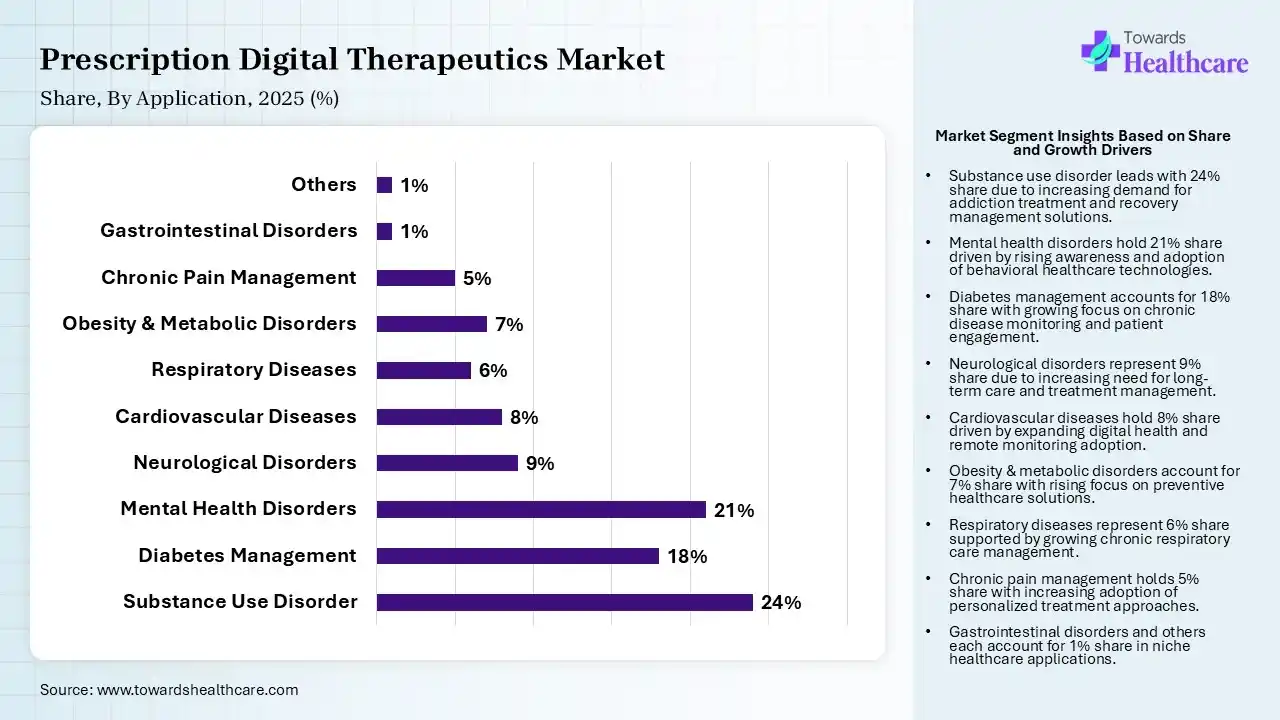
| Segment | Share 2025 (%) |
| Substance Use Disorder | 24% |
| Diabetes Management | 18% |
| Mental Health Disorders | 21% |
| Neurological Disorders | 9% |
| Cardiovascular Diseases | 8% |
| Respiratory Diseases | 6% |
| Obesity & Metabolic Disorders | 7% |
| Chronic Pain Management | 5% |
| Gastrointestinal Disorders | 1% |
| Others | 1% |
The Substance Use Disorder Segment Led the Prescription Digital Therapeutics Market in 2025
The substance use disorder segment contributed the largest market share of 24% in 2025, as digital involvement has the strength to increase patient access to SUD treatment. One particular form of digital intervention involves those that need a prescription and are intended to treat, manage, or avoid disorders. PDTs are accessed on a tablet or smartphone when it is convenient for the patients.
The mental health disorders segment held a significant share of 21% in the market, and is expected to grow at the fastest CAGR during the forecast period, as PDTs are innovative tools for treating mental and brain health, distinct from other SaMDs because of their unique regulatory frameworks.
The diabetes management segment held a significant share of 18% in the prescription digital therapeutics market as DTx provides substantial benefits, involving lower development time and expenses, while significantly enhancing healthcare results in diabetic patients.
The neurological disorders segment held a significant share of 9% in the market, as in neurology, digital therapeutics have focused on managing mood and anxiety symptoms related to a particular neurologic indication, or offering physical and occupational therapy mechanisms to enhance daily functions like walking or writing.
The cardiovascular diseases segment held a significant share of 8% in the market as digital technology has exposed advance strenth in delivering cardiac rehabilitation remotely to patients with negligible expenses implications. Their capability to target underserved health challenges.
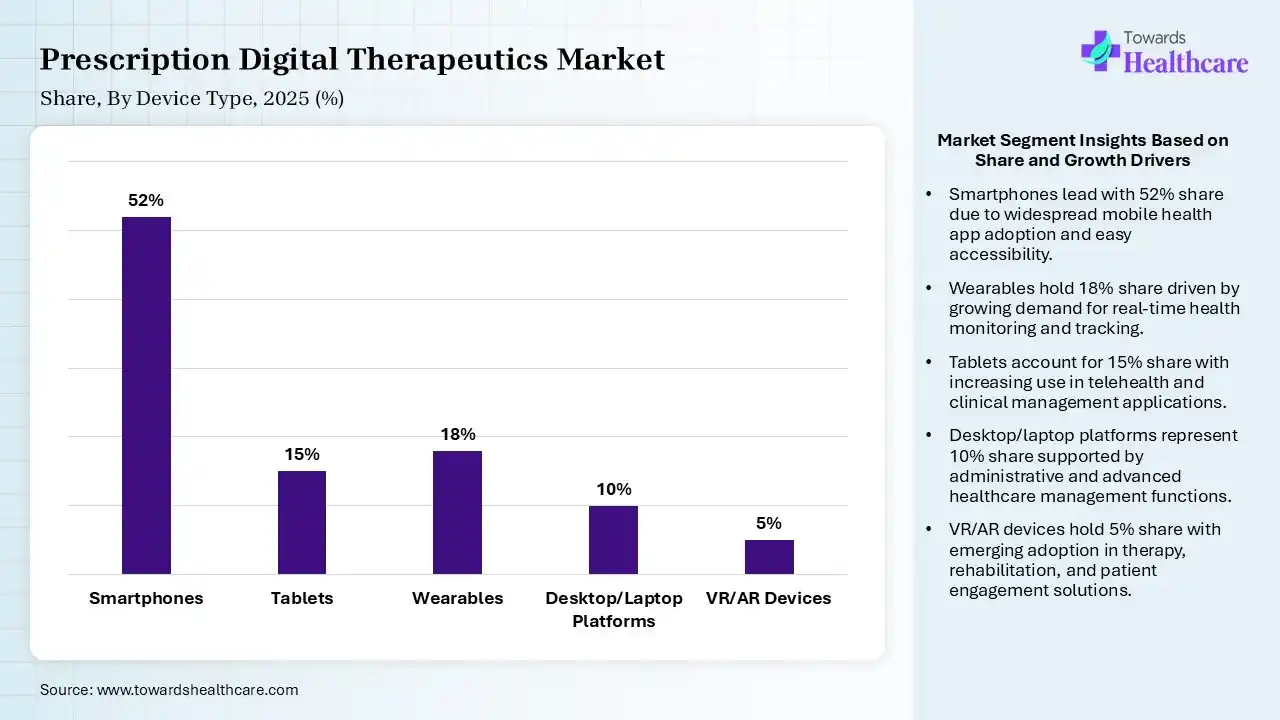
| Segment | Share 2025 (%) |
| Smartphones | 52% |
| Tablets | 15% |
| Wearables | 18% |
| Desktop/Laptop Platforms | 10% |
| VR/AR Devices | 5% |
Smartphones Segment Led the Prescription Digital Therapeutics Market in 2025
The smartphones segment contributed the largest market share of 52%, and is expected to grow at the fastest CAGR during the forecast period, as via the smartphones PDTs are thoroughly assessed for safety and efficacy and are authorized through the US Food and Drug Administration (FDA).
The wearables segment held a significant share of 18% of the market, as wearables keep patients with chronic diseases in check, remind them to take their drugs, and contribute to healthcare trial information. Wearable devices hold significant strength to deliver tangible benefits with regard to patient outcomes.
The tablets segment held a significant share of 15% of the prescription digital therapeutics market, providing therapies using tablets and similar techniques. It is increasing patient access to clinically safe and effective therapies. Increasing the clinician’s capability to care for patients.
The desktop/laptop platforms segment held a significant share of 10% of the market, as prescription digital therapeutics (PDTs) on desktop and laptop platforms provide significant benefits, such as optimized cognitive behavioral therapy (CBT) modules.
The VR/AR devices segment held a significant share of 5% of the market as VR has developed a game-changing device in medical care solutions, providing an enhanced patient experience, advanced healthcare training, and ground-breaking therapeutic interventions.
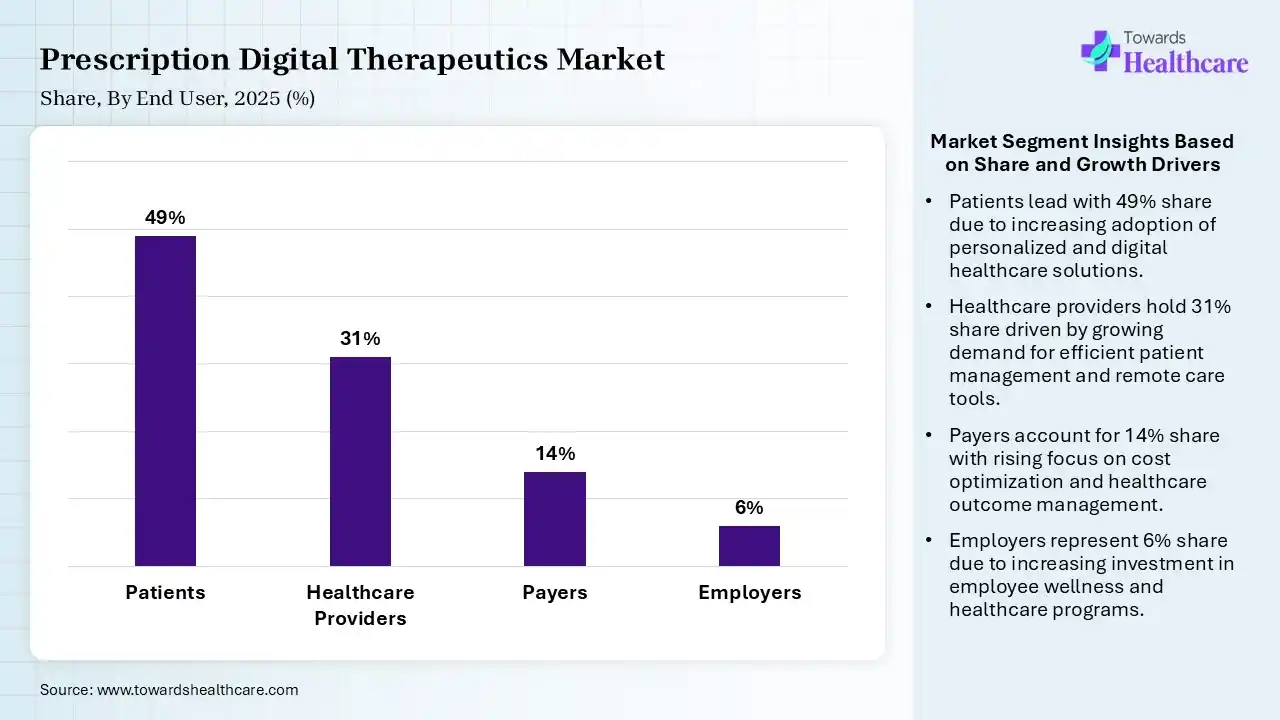
| Segment | Share 2025 (%) |
| Patients | 49% |
| Healthcare Providers | 31% |
| Payers | 14% |
| Employers | 6% |
The Patients Segment led the Prescription Digital Therapeutics Market in 2025
The patients segment held a significant share of 49% in the market, and is expected to grow at the fastest CAGR during the forecast period, as digital medicine is emerging to incorporate digital technologies of significant kinds that enhance patient health, lower clinician workload, lower expenses, lower health disparities, and increase access to required treatments.
The healthcare providers segment contributed the largest market share of 31%, as PDTs have the strength to add countless value to patients as a complementary therapy for the treatment of complex diseases through enhanced patient adherence, increasing quality care, and better results.
The payers segment held a significant 14% share of the prescription digital therapeutics market as prescription digital therapeutics (PDTs) provide health insurers and payers with reduced medical expenses, enhanced care quality, and stronger network effectiveness.
The employers segment held a significant share of 6% in the market, as employers leverage digital medical care technologies as an advantageous choice to attract and retain employees who prefer digital health solutions. Employers are progressively being exposed to novel care choices for covered plan members based on burgeoning digital medical care options.
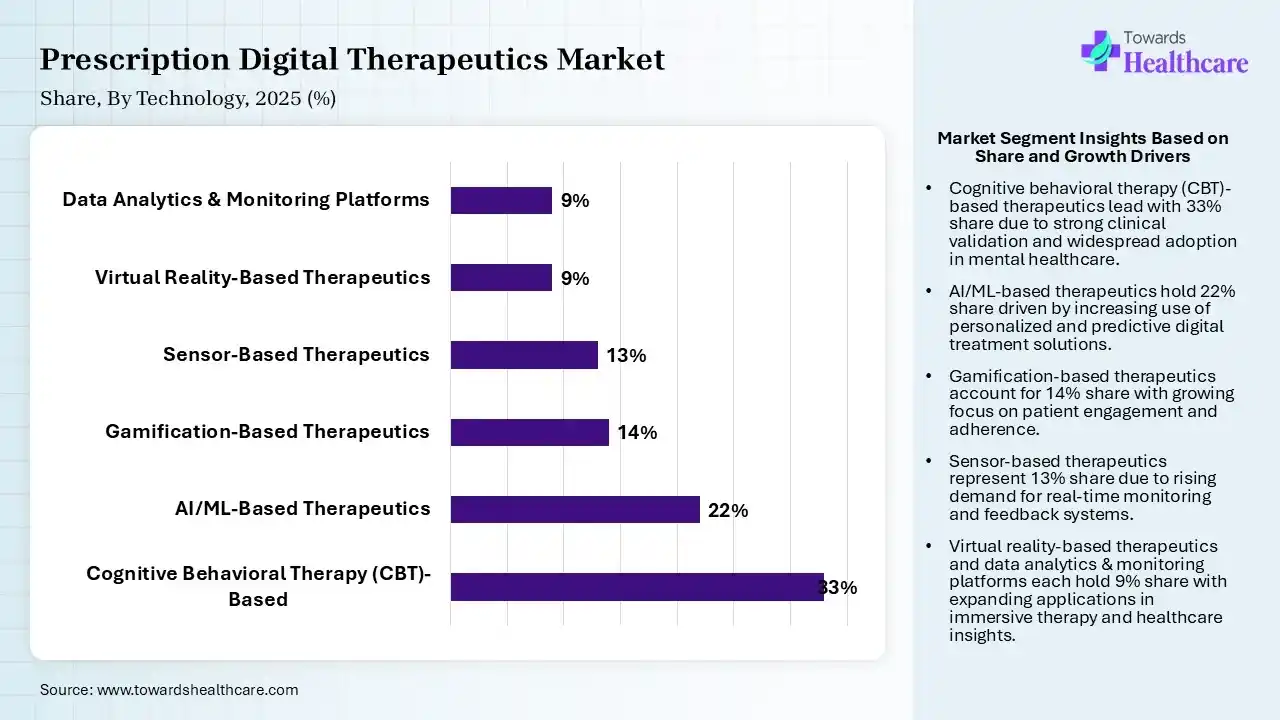
| Segment | Share 2025 (%) |
| Cognitive Behavioral Therapy (CBT)-Based | 33% |
| AI/ML-Based Therapeutics | 22% |
| Gamification-Based Therapeutics | 14% |
| Sensor-Based Therapeutics | 13% |
| Virtual Reality-Based Therapeutics | 9% |
| Data Analytics & Monitoring Platforms | 9% |
The Cognitive Behavioral Therapy (CBT)-Based Segment led the Prescription Digital Therapeutics Market in 2025
The cognitive behavioral therapy (CBT)-based segment contributed the largest market share of 33%, as it improves care by increasing access, regulating therapeutic delivery, guaranteeing user privacy, and seamlessly tracking individual progress among clinical visits. CBT deeply relies on in-session homework and practice.
The AI/ML-based therapeutics segment held a significant share of 22% in the market, and is expected to grow at the fastest CAGR during the forecast period, as PDTs allow by AI/ML support to reduce or amplify disparities in mental and behavioural health care.
The gamification-based therapeutics segment held a significant share of 14% in the prescription digital therapeutics market, as digital therapeutics services involved gamified risks and incentives to track and drive adherence to prescribed diets, medications, and lifestyle practices.
The sensor-based therapeutics segment held a significant share of 13% in the market, as sensors suggestively monitor and passively record physiological information, PDTs energetically deliver healthcare interventions, like interactive cognitive behavioral therapy (CBT) modules for depression or substance use disorders.
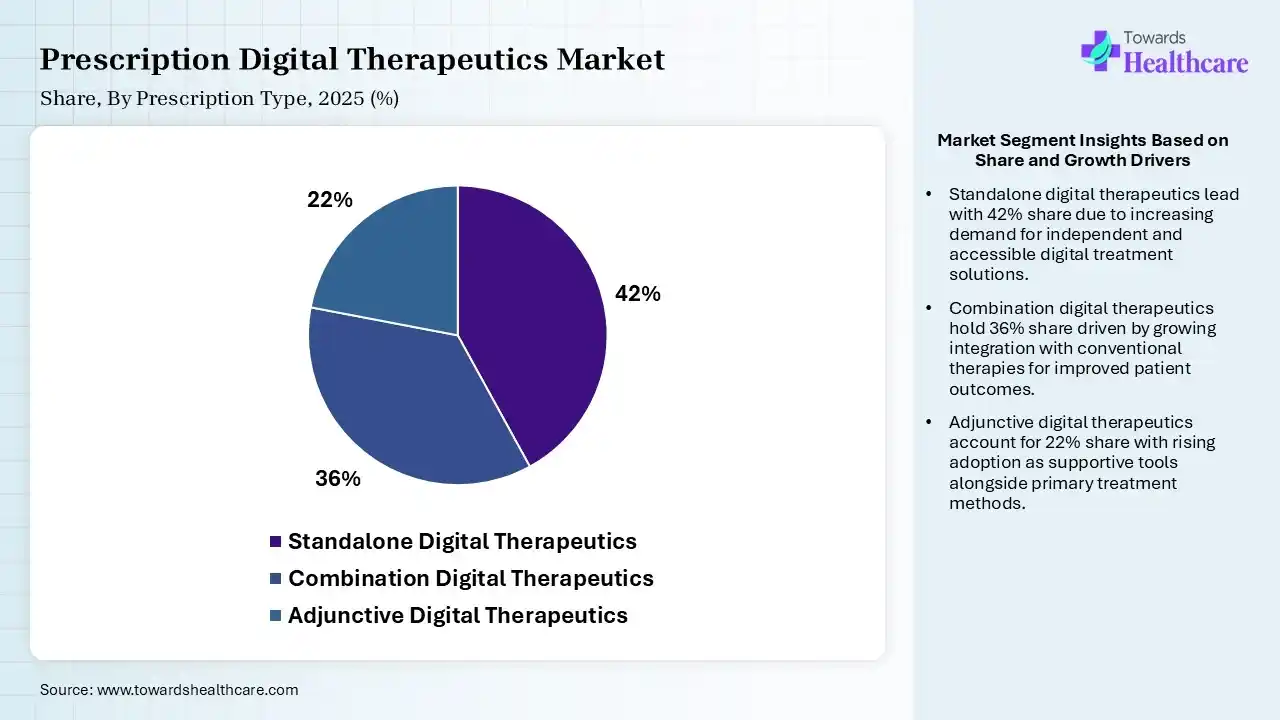
| Segment | Share 2025 (%) |
| Standalone Digital Therapeutics | 42% |
| Combination Digital Therapeutics | 36% |
| Adjunctive Digital Therapeutics | 22% |
The Standalone Digital Therapeutics Segment led the Prescription Digital Therapeutics Market in 2025
The standalone digital therapeutics segment held a significant share of 42% in the market, as standalone digital therapeutics (DTx) are evidence-based software agendas that deliver scientific interventions to manage, prevent, or treat healthcare conditions.
The combination digital therapeutics segment contributed the largest market share of 36%, and is expected to grow at the fastest CAGR during the forecast period, as drug-software combination therapy brings measurable clinical advantages compared to the drug alone.
The adjunctive digital therapeutics segment held a significant share of 22% in the market, as this type of digital therapeutics (DTx) is evidence-driven, software-based healthcare interventions intended to be used alongside outdated management, like pharmaceuticals or physical treatment.
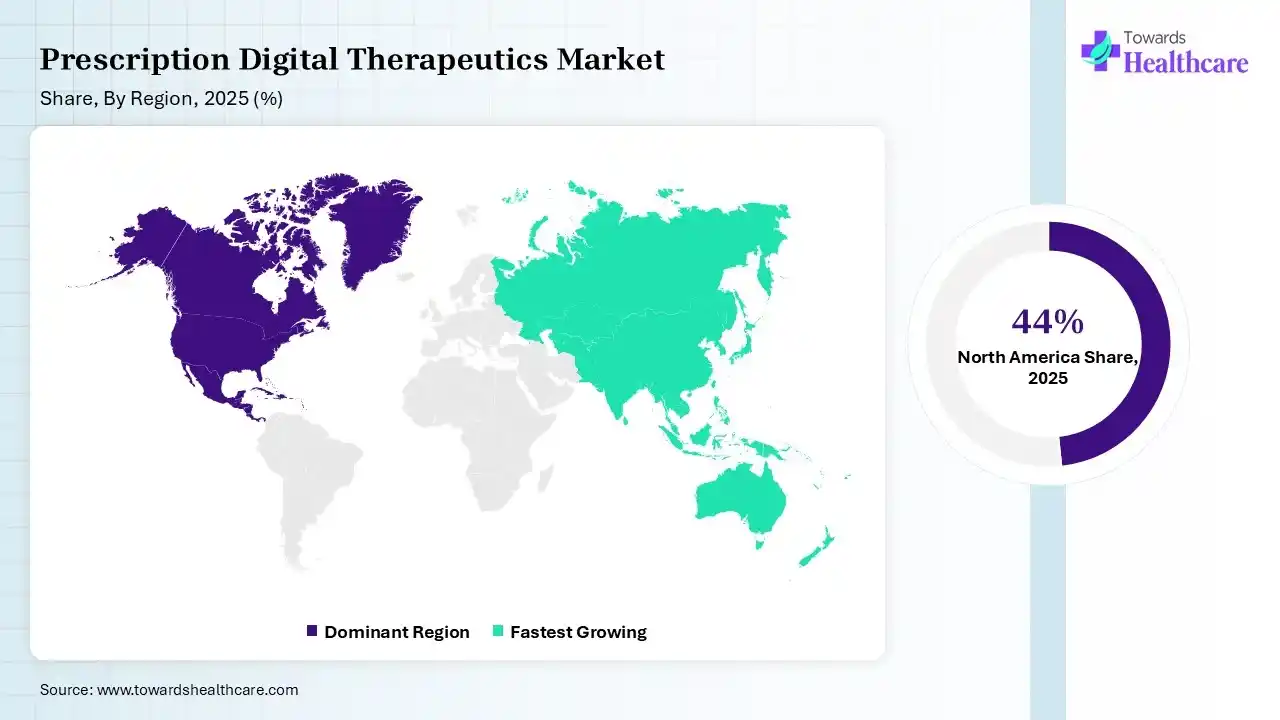
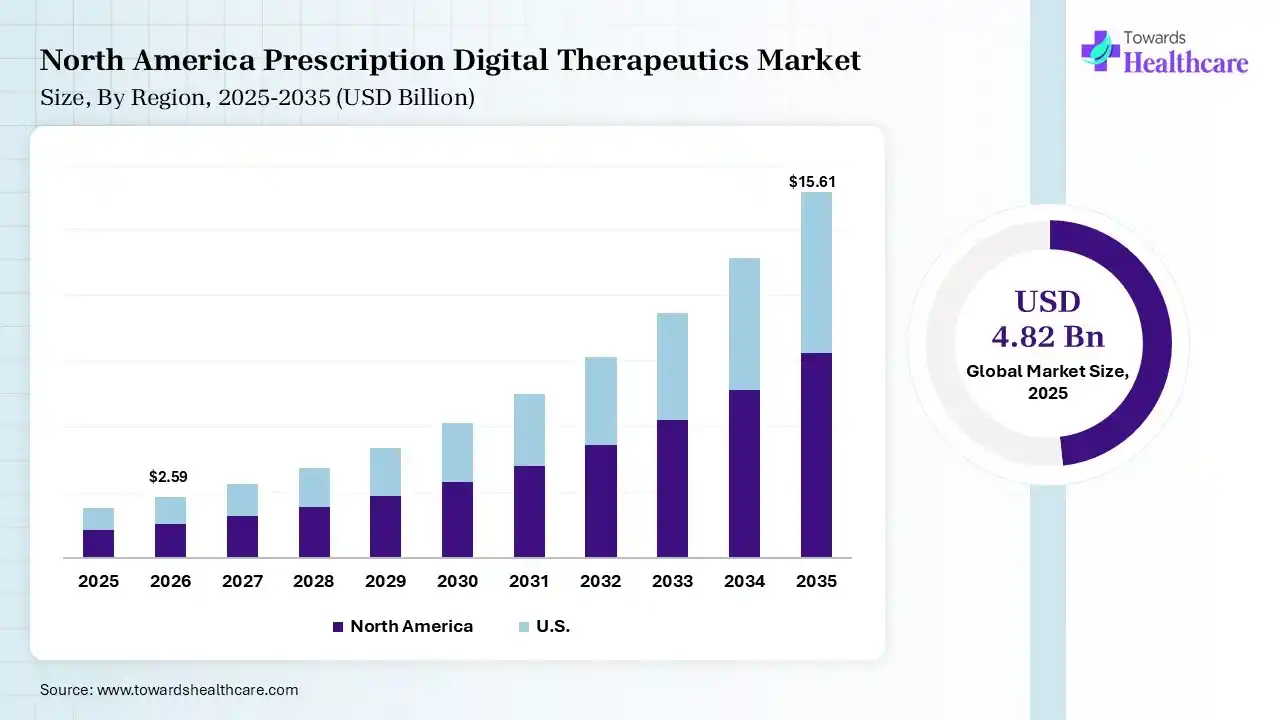
In 2025, North America dominated the prescription digital therapeutics market with a share of 44% in 2025, due to this region leading in establishing codes and payer incentives to cover digital therapeutics, ever-changing PDTs from out-of-pocket innovation to recognized, reimbursable healthcare expenses. Medical care expenses and an increasing concentration of digital health startups alongside significant pharmaceutical organizations significantly investing in PDT research contribute to the growth of the market.
U.S. Market Trends
A rising surge in long-term health conditions, clinical depression, and substance use disorders (SUD) outpaced the traditional brick-and-mortar care organization. U.S. life sciences and pharmaceutical giants vigorously cooperated with digital startups to advance modular platform abilities at scale, treating PDTs as usual extensions of traditional medication commercialization.
Canada Market Trends
Canada is steadily embracing the prescription digital therapeutics market through provincial health system modernizations. A major trend is the rising integration of cognitive behavioral therapy software into standard mental health care pathways. The primary growth factor is the vast geographic distance separating rural communities from urban specialist clinics, making remote digital treatments essential. The competitive landscape features local software developers partnering with regional telecom firms to secure data transmission. Strong federal funding for virtual medical care helps clinics adopt these certified software applications safely.
Mexico Market Trends
Mexico is establishing its prescription digital therapeutics market by targeting chronic metabolic disease management. A key trend involves doctors prescribing mobile applications to help patients track diabetes and hypertension metrics in real time. The main growth factor is the rapid, widespread adoption of smartphones across diverse economic demographics nationwide. The competitive landscape consists of international software providers translating programs to fit local cultural needs. Public health initiatives increasingly support digital tools to lower the strain on overcrowded public hospitals.
Asia Pacific held 20% share of the market, and is expected to have the fastest CAGR during the forecast period, as extensive 5G connectivity, rising smartphone penetration, and a social affinity for mobile health applications offer the infrastructure needed to scale digital medicine. Increasing smartphone penetration and internet accessibility drive the extensive acceptance of digital therapeutics, which contributes to the growth of the market.
India Market Trends
India faces a significant shortage of surgeons. Digital platforms and remote monitoring act as a scalable substitute, enabling a single medical care provider to track and manage much larger patient populations. Increasing Initiatives such as the Ayushman Bharat Digital Mission and the e-Sanjeevani telemedicine platform have recognized a foundational, trusted digital medical care ecosystem.
China Market Trends
China is rapidly expanding its prescription digital therapeutics market through large-scale digital hospital networks. A prominent trend is utilizing artificial intelligence to personalize digital therapy programs for substance abuse and insomnia. High patient volumes in urban medical centers act as a powerful growth factor, forcing doctors to seek efficient digital solutions. The competitive landscape features intense rivalry between massive domestic internet conglomerates and specialized medical software firms. National digital health policies mandate unified electronic prescriptions to support software therapies.
Japan Market Trends
Japan is advancing its prescription digital therapeutics market to support its super-aging population. A dominant trend is developing software therapies to assist elderly patients with stroke rehabilitation and cognitive decline at home. The critical growth factor is the severe shortage of specialized healthcare workers in rural prefectures. The competitive landscape involves traditional Japanese pharmaceutical corporations collaborating with agile software startups to distribute products. The universal health insurance system is actively reviewing these applications to provide full reimbursement coverage.
| Company | Headquarters | Latest Update |
| Akili, Inc. | United States | Akili is a digital therapeutics organization that provides advanced video game-based therapies for neurological and psychiatric conditions. |
| Click Therapeutics | United States | In April 2026, Click Therapeutics received a $50 million Series D investment from Boehringer Ingelheim to commercialize CT-155, an investigational digital healing for schizophrenia. |
| Big Health | United States | In February 2026, Big Health, a foremost developer of digital treatments for the most pervasive mental health conditions, announced a novel round of strategic funding of $23.7M to hasten access to its FDA-cleared, reimbursable solutions. |
| Omada Health | United States | In November 2025, Omada launched prescribing and medication management for anti-obesity medicines (AOMs), involving GLP-1s, providing members with behavioral coaching alongside clinical treatment. |
| WellDoc | United States | In May 2026, Welldoc, an AI-driven health technology leader, announced that it had been named the winner of the Best Overall Digital Health Organization award for the fourth consecutive year in the MedTech Breakthrough Awards. |
In July 2026, “At this stage of our launch, our goal is to make accessing VIZZ as seamless as possible,” said Eef Schimmelpennink, President and Chief Executive Officer of LENZ Therapeutics. “VIZZ continues to deliver the real-world efficacy we expected, and a telehealth platform provides a convenient option for the majority of the 128 million Americans living with presbyopia who may not visit an eye doctor annually. Through the launch of this platform, we are removing a key hurdle to product access by providing consumers with a safe and convenient way to be evaluated by an independent licensed eye care professional online who can determine whether VIZZ may be appropriate for them. We believe the combination of introducing telehealth and our national television advertising campaign will help accelerate consumer awareness, access, and adoption of VIZZ.”
Strengths
Weakness
Opportunities
Threat
By Application
By Device Type
By Business Model
By End User
By Technology
By Prescription Type
By Distribution Channel
By Delivery Mode
By Region










Principal Consultant
Payal Rabde is a Healthcare Market Research Analyst at Towards Healthcare Research & Consulting with 4+ years of experience in pharmaceuticals, biotechnology, medical devices, and life sciences.
Learn more about Payal Rabde

Reviewed By
Aditi Shivarkar is a seasoned professional with over 14 years of experience in healthcare market research. As a content reviewer, Aditi ensures the quality and accuracy of all market insights and data presented by the research team.
Learn more about Aditi Shivarkar