

Pipeline Programs

CGT Companies Tracked

Manufacturing Facilities


The U.S. Tirzepatide market size was estimated at USD 373.98 million in 2025 and is predicted to increase from USD 395.67 million in 2026 to approximately USD 657.21 million by 2035, expanding at a CAGR of 5.8% from 2026 to 2035. Her analysis highlights that the U.S. Tirzepatide market is rapidly expanding due to growing FDA approvals, growing demand for obesity management products, expanding manufacturing capabilities, new government agreements, increasing lead candidates, and key industry players like Eli Lilly and Company, Novo Nordisk, Amgen Inc., Viking Therapeutics, and Roche.
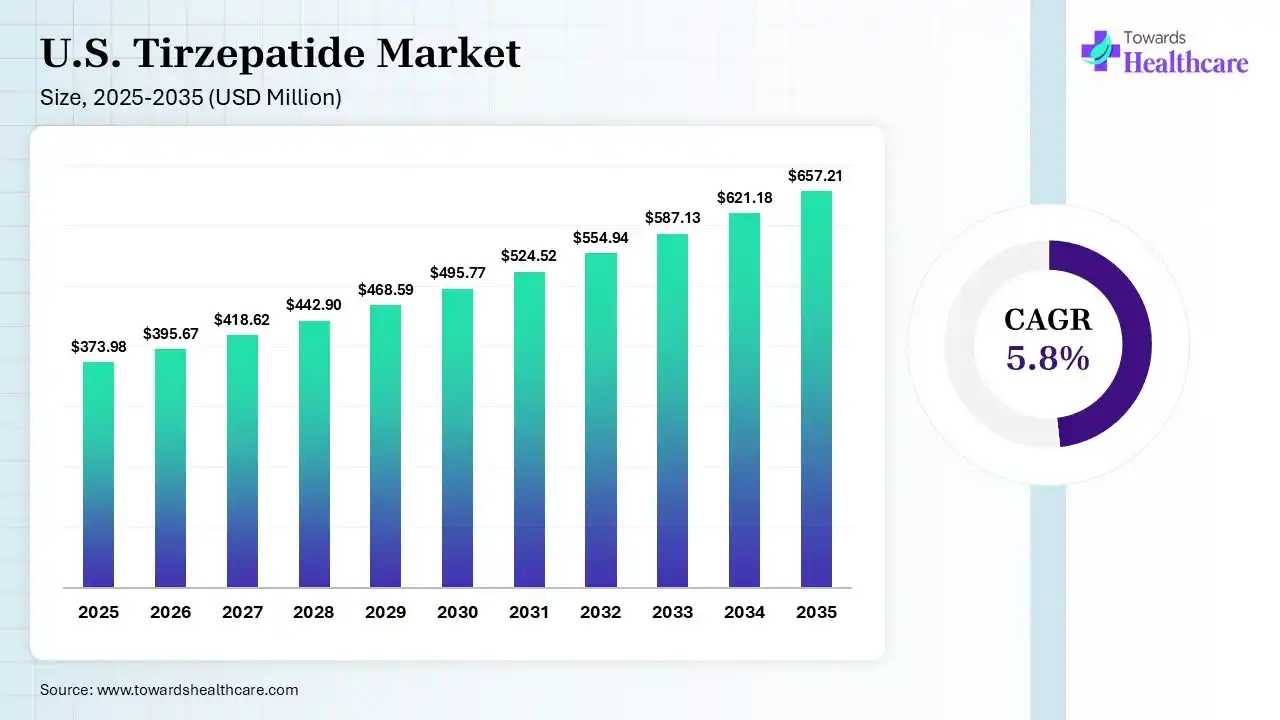
The U.S. tirzepatide refers to the dual GIP/GLP-1 receptor agonist molecule marketed by Eli Lilly and Company across the U.S. It was launched under two brand names, that is, Mounjaro for type 2 diabetes and Zepbound for chronic weight management applications, where Zepbound was also approved for obstructive sleep apnea in December 2024. Furthermore, the presence of one commercial supplier in the U.S. market encourages the company to enhance manufacturing capacity and create a broader field of next-generation incretin challengers instead of direct branded-molecule competition.
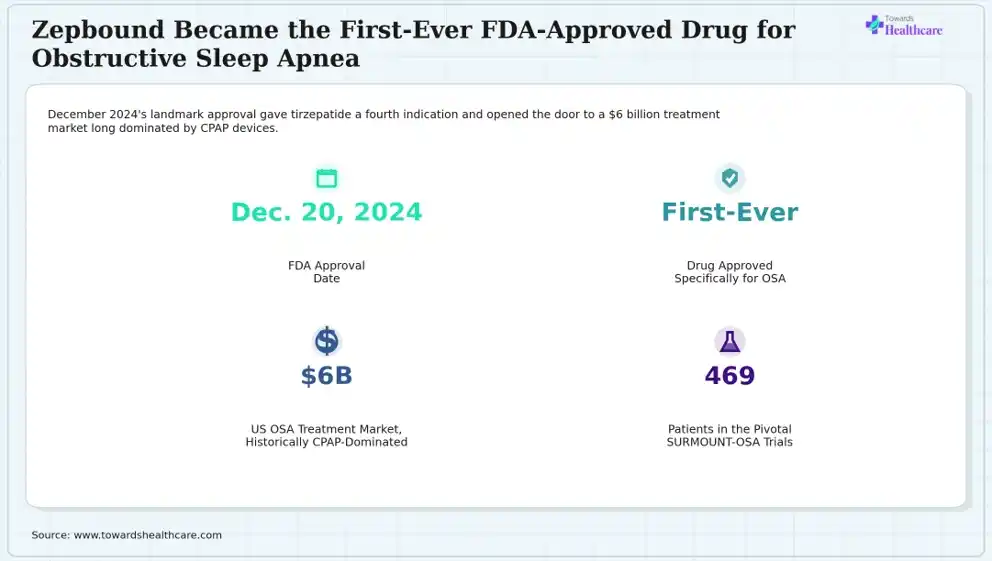
As the market research analyst, I interpret that the given infographic stat panel represents Zepbound OSA approval metrics. Zepbound was granted FDA approval on December 20, 2024, making it the first-ever drug approved specifically for OSA. Its pivotal trial patient enrollment for SURMOUNT-OSA was reported to be 469 patients across 2 trials, while its U.S. OSA treatment market size was reported to be approximately $6 billion.
Key Insight:
With the approval of Zepbound for the OSA indication, which was previously treated almost exclusively with medical devices, now has expanded the applications of tirzepatide launching a new market competitor for device makers like ResMed rather than just for GLP-1 drugs.
Source: Eli Lilly and Company, “FDA approves Zepbound as the first and only prescription medicine for moderate-to-severe obstructive sleep apnea,” Dec. 20, 2024.
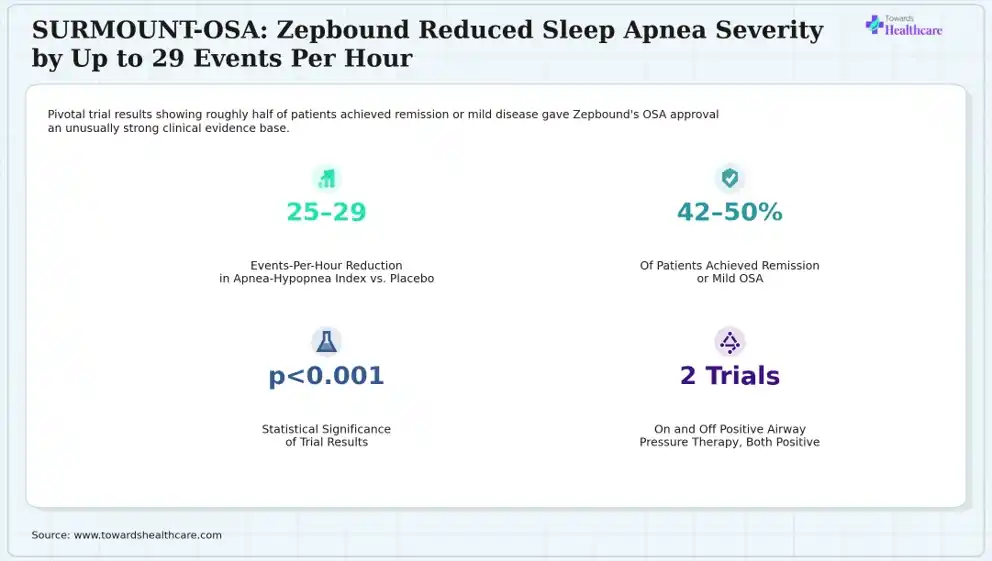
The above-mentioned infographic stat panel covers SURMOUNT-OSA pivotal trial results. 2 randomized, double-blind, placebo-controlled trials with on- and off-PAP therapy were conducted, whose results highlighted 25-29 events per hour for Apnea-hypopnea index reduction vs. placebo, with 42-50% of patients achieving remission or mild OSA, along with p<0.001 statistical significance.
Key Insight:
The with- and without-concurrent positive airway pressure therapy and statistically significant results in both settings offered clear evidence for the use of Zepbound as a CPAP replacement or a complementary therapy.
Source: NovaPharma News, “FDA Eli Lilly Zepbound Obstructive Sleep Apnea Approval,” citing SURMOUNT-OSA trial data (NCT05412004).
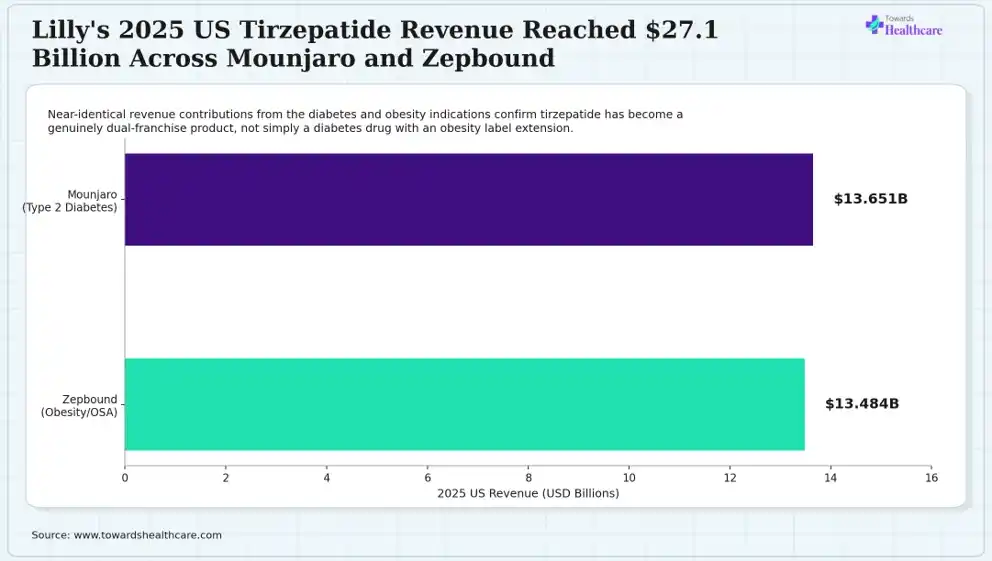
Based on our research, the horizontal bar chart highlights Lilly U.S. tirzepatide revenue by product for FY2025. The 2025 U.S. revenue for Mounjaro (type 2 diabetes) was reported to be $13.651 billion, and Zepbound (obesity/OSA) achieved $13.484 billion, while the combined U.S. tirzepatide revenue contributed to $27.135 billion.
Key Insight:
The almost exactly equal revenues of Mounjaro and Zepbound are minimizing its dependence on any single physician specialty or payer category, driving Lilly's tirzepatide franchise and making it structurally diversified across two distinct prescriber bases, including endocrinology/primary care for diabetes and obesity medicine for weight management.
Source: Eli Lilly and Company, FY2025 financial results, as reflected in company competitive intelligence data.
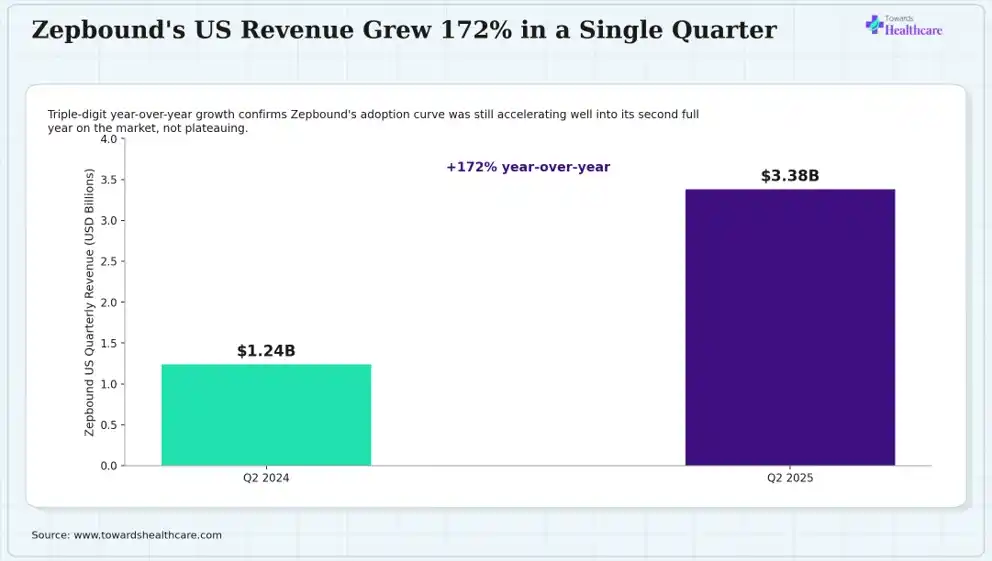
As per the given bar chart, comparing Zepbound U.S. quarterly revenue for Q2 2024 and Q2 2025 represents significant growth. In Q2 2024, Zepbound U.S. revenue was noted to be $1.24 billion, and Q2 2025 was reported to be $3.38 billion, indicating a 172% rise.
Key Insight:
Similar to specialty pharmaceutical products, Zepbound experienced a 172% single-quarter growth rate more than a year after its launch, indicating a combined effect of expanding manufacturing supply, new OSA-indication prescribing, and continued market share gains against Wegovy.
Source: Eli Lilly and Company, Q2 2025 financial results press release, Aug. 7, 2025.
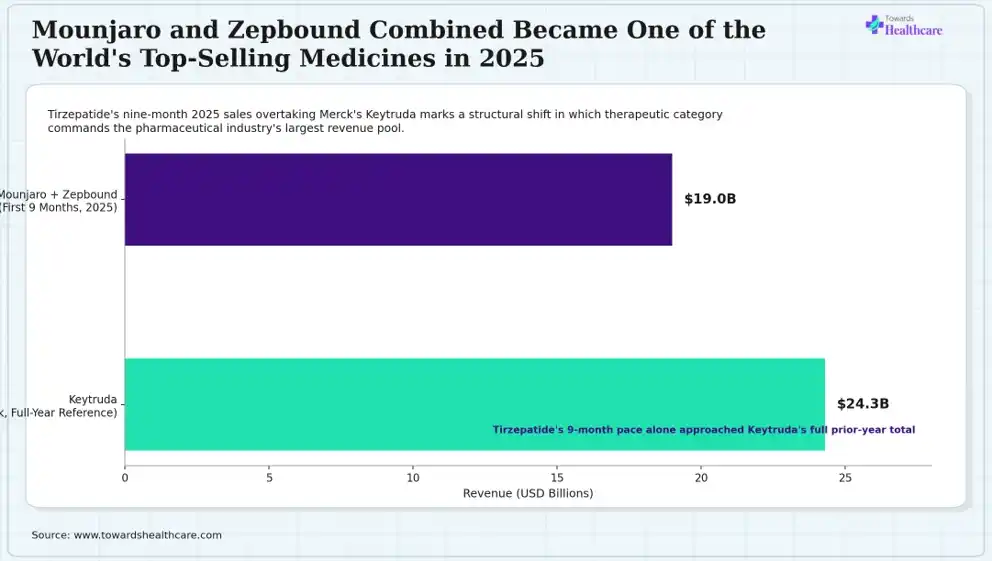
According to the analysis, the horizontal bar chart compares tirzepatide and Keytruda revenue. Keytruda, an oncology drug developed by Merck, recorded roughly $24.3 billion at an approximate prior full-year pace, while tirzepatide, first 9 months 2025 combining Mounjaro and Zepbound of Lilly, was noted to be $19.0 billion.
Key Insight:
The growth of nine-month 2025 tirzepatide revenue approaching a full year of Keytruda's revenue in just three quarters provides the clearest evidence that metabolic disease has registered its dominance over oncology as pharma's largest single revenue category during 2025.
Source: PharmaSource, “How Lilly Reached $1 Trillion: Manufacturing Strategy Behind the Obesity Drug Boom,” Dec. 2025.
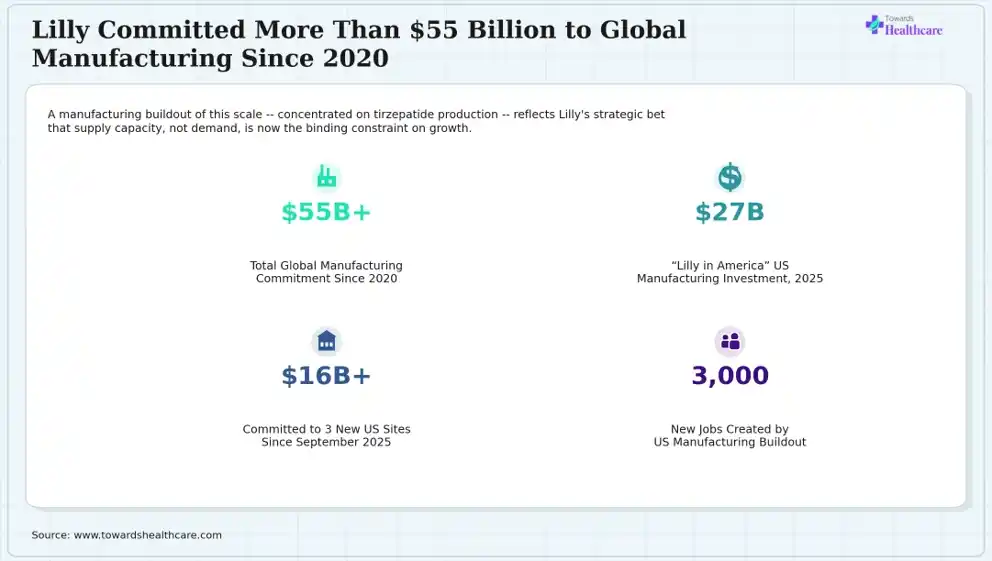
Based on the information gathered by Aman, the infographic stat panel encompasses Eli Lilly's cumulative manufacturing investment metrics. In 2025, the company announced “Lilly in America” U.S. manufacturing investment of $27 billion, which provided more than $16 billion to 3 new U.S. sites since September 2025. The U.S. manufacturing buildout further created more than 3,000 new jobs, while over $55 billion accounted for total global manufacturing commitment since 2020.
Key Insight:
The growth in domestic manufacturing spend indicates that Lilly views U.S.-based tirzepatide production capacity as a durable competitive moat rather than a response to a temporary supply shortage.
Source: PharmaSource, “How Lilly Reached $1 Trillion,” Dec. 2025; Eli Lilly, “Year in Review,” lilly.com.
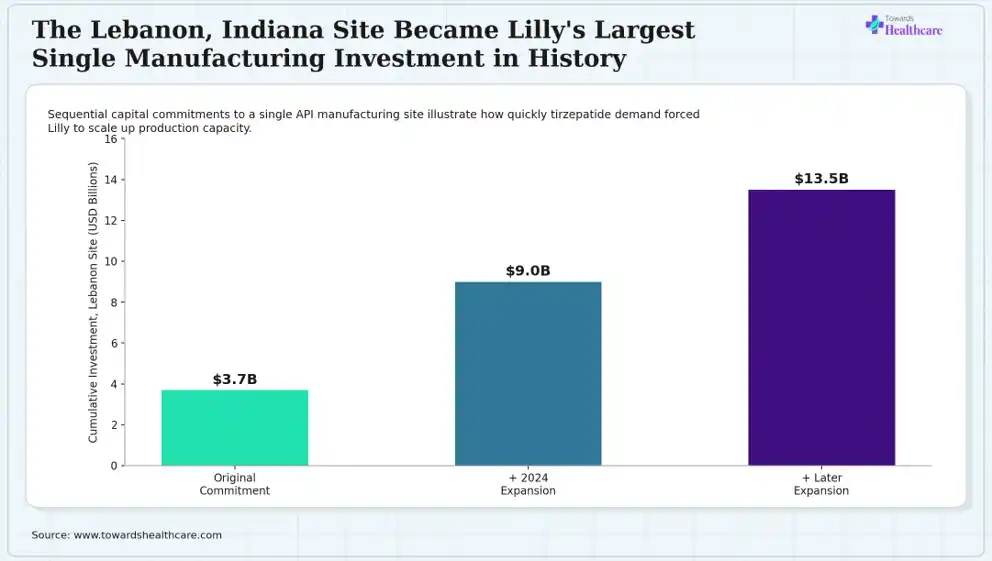
As per the survey conducted by Aman, the bar chart illustrates cumulative Lebanon, Indiana site investment by commitment stage. The cumulative investment of the original commitment was noted to be $3.7 billion, which increased to $9.0 billion in plus 2024 expansion, while plus later Indiana-wide expansion reported a growth of $13.5 billion.
Key Insight:
The three sequential capital increases in roughly two years reflect an underestimation of tirzepatide demand relative to the initial manufacturing plans by Eli Lilly and Company.
Source: BioPharma Dive, “Lilly to pour $5B more into expanding Zepbound, Mounjaro production,” 2024; Eli Lilly, “Lilly commits additional $4.5 billion across Indiana manufacturing sites,” 2025–2026.
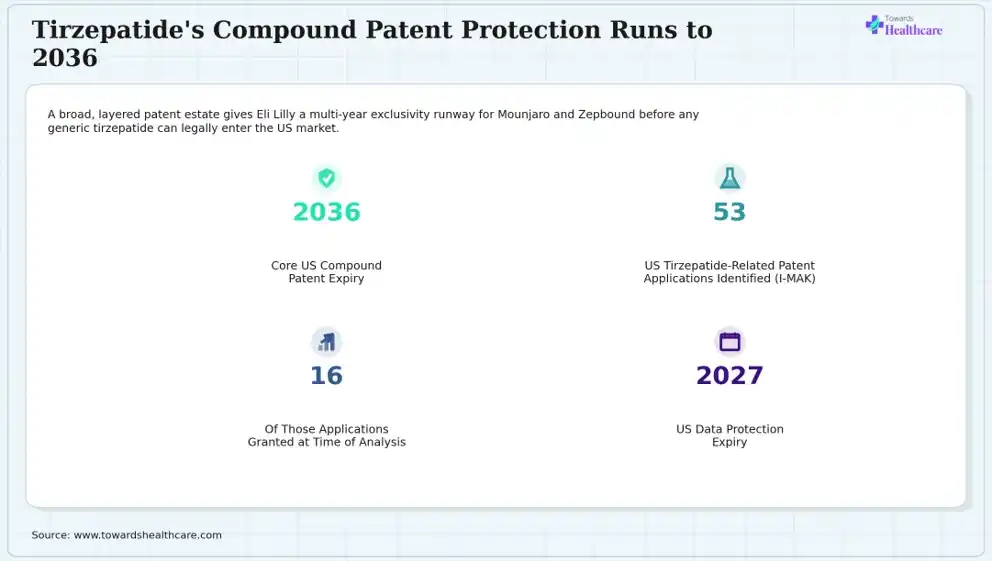
As the market research analyst, I interpret that the infographic stat panel represents tirzepatide U.S. patent protection metrics. The core U.S. compound patent expiry is expected in 2036, where a total of 53 U.S. tirzepatide-related patent applications were identified, out of which 16 were granted approval at the time of analysis, with U.S. data protection expiry in 2027.
Key Insight:
Lilly's tirzepatide patent estate is still actively expanding due to 53 identified patent applications and only 16 granted at the time of I-MAK's analysis, promoting patent protection beyond 2036.
Source: Eli Lilly and Company SEC filings (compound patent expiry); I-MAK, patent landscape analysis, as reflected in company competitive intelligence data.
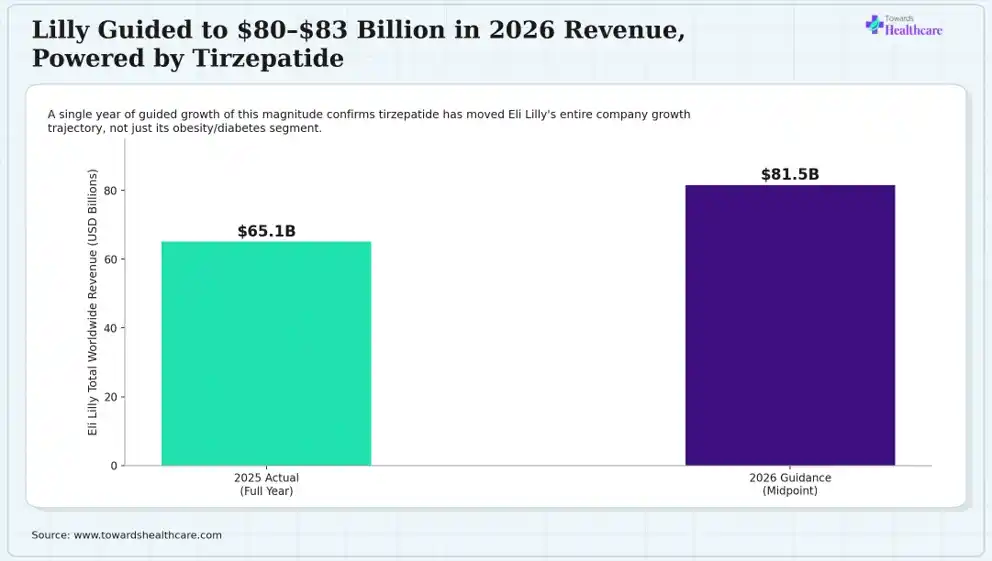
The above-mentioned bar chart compares Eli Lilly's total worldwide revenue, 2025 actual with 2026 guidance. The 2025 actual full-year revenue, as implied by quarterly reports, was noted to be approximately $65 billion, while the 2026 guidance range was reported to be between $80–$83 billion.
Key Insight:
The continued rise in the demand for tirzepatide and orforglipron is driving the growth of the company with already generating tens of billions in annual revenue, along with roughly 25% company-wide revenue growth for a single year guidance.
Source: Eli Lilly and Company, “Lilly reports fourth-quarter 2025 financial results and provides 2026 guidance,” Feb. 4, 2026.
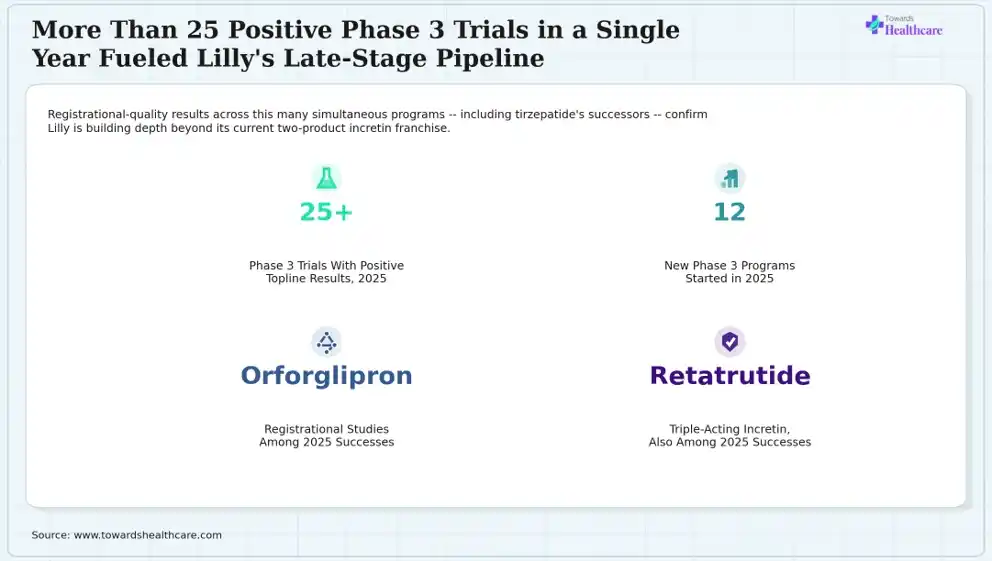
Based on our research, the infographic stat panel covers Eli Lilly's 2025 Phase 3 pipeline momentum metrics. In 2025, more than 25 Phase 3 trials with positive topline results were reported, alongside 12 New Phase 3 program initiations. The same year also recorded Orforglipron and Retatrutide (triple-acting incretin) registrational studies successes.
Key Insight:
Lilly’s commitment to expand tirzepatide's pipeline across diverse fields rather than focusing only on the current incretin franchise is reflected by the initiation of 12 new Phase 3 programs in a single year covering cardiovascular disease and oncology, not just metabolic disease.
Source: Eli Lilly and Company, “Year in Review,” lilly.com, 2025.
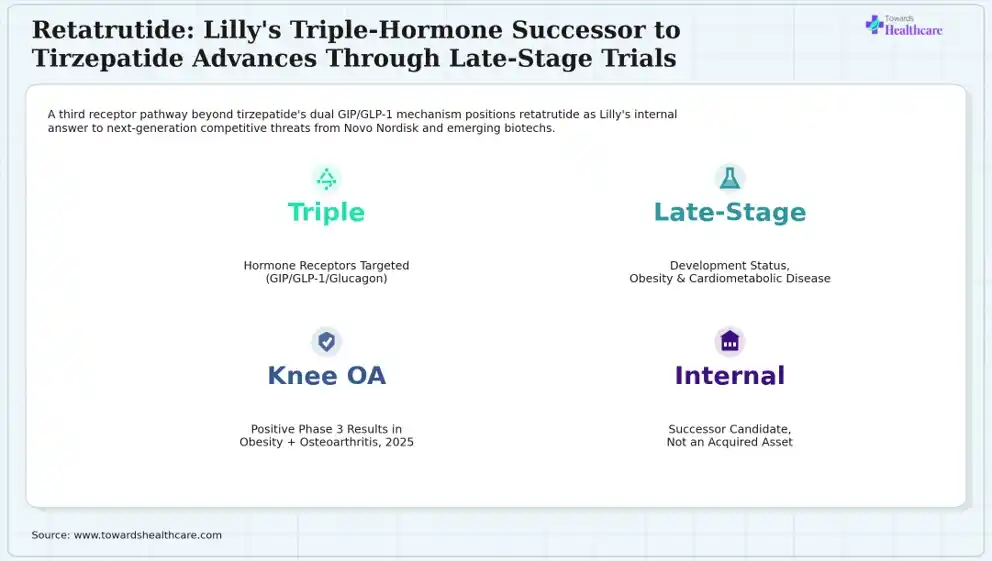
The given infographic stat panel focuses on retatrutide development metrics. Retatrutide, a triple agonist targeting GIP, GLP-1, and glucagon, was announced to have positive Phase 3 results in obesity plus knee osteoarthritis, marking 2025 as a milestone, where the product has now moved to the late stage of development for obesity and cardiometabolic disease, which is being internally developed and is yet to be acquired.
Key Insight:
The recent advances in retatrutide, which is yet to be acquired, are encouraging Lilly to succeed its own tirzepatide franchise with a next-generation product before the entry of external competitors like Novo Nordisk's CagriSema in the U.S. market.
Source: Eli Lilly and Company, “Year in Review,” lilly.com, 2025; Q4 2025 financial results press release, Feb. 2026.
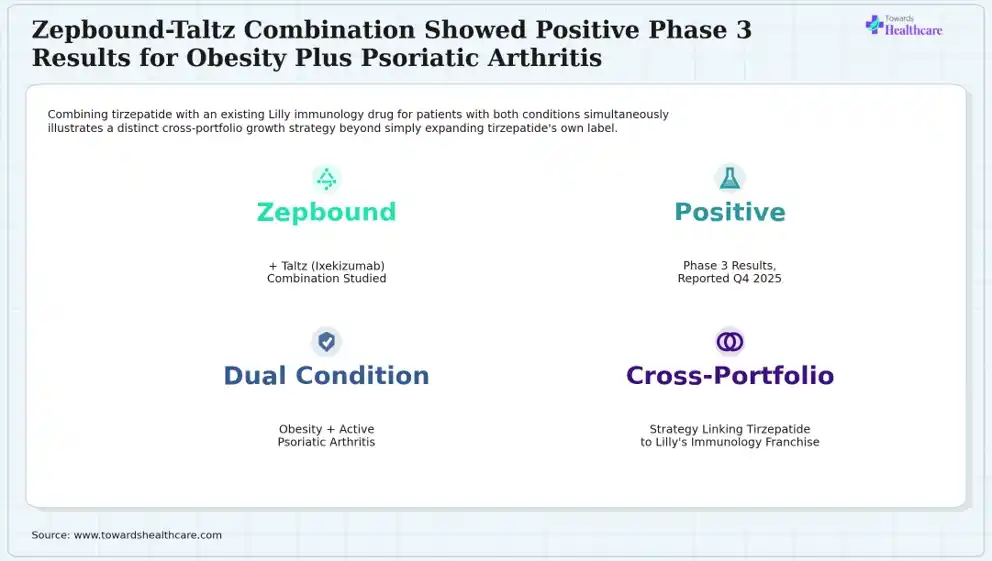
According to the analysis, the infographic stat panel covers Zepbound-Taltz combination trial metrics. The Zepbound + Taltz (ixekizumab) Q4 2025 reported positive Phase 3 results in adults with active psoriatic arthritis and obesity, linking the tirzepatide franchise to Lilly's immunology portfolio.
Key Insight:
The study conducted by Lilly focusing on tirzepatide in combination with a drug from a completely different therapeutic franchise highlights a broader cross-portfolio strategy for expanding and covering Zepbound's addressable patient population.
Source: Eli Lilly and Company, Q4 2025 financial results press release, Feb. 4, 2026.
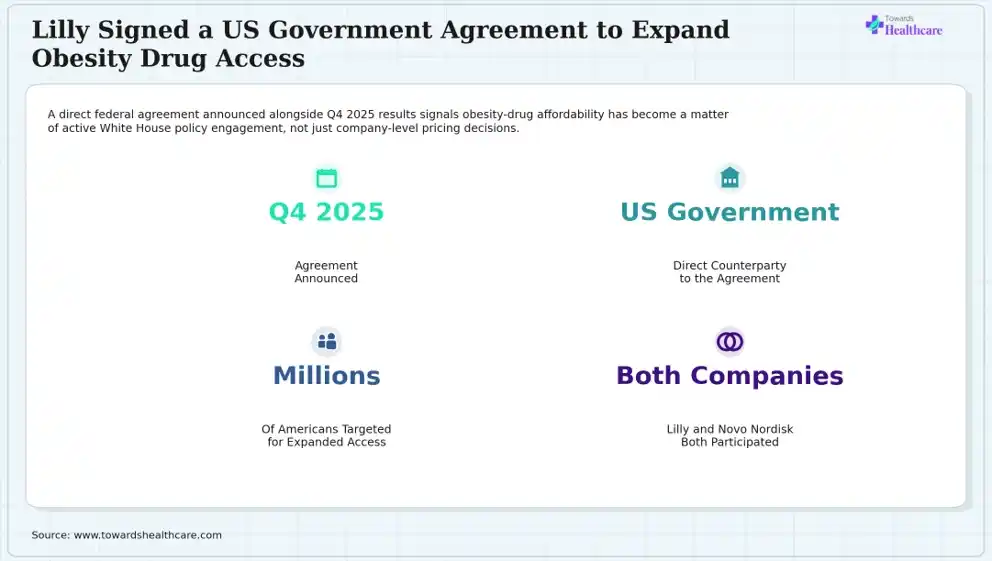
As per the survey conducted, the infographic stat-panel illustrates U.S. government obesity-drug access agreement metrics. The agreement was announced alongside Q4 2025 results in February 2026, where the U.S. government was the direct counterparty. The agreement aims to expand access to obesity medicines for millions of Americans, with Novo Nordisk participating in a related Most Favored Nation agreement.
Key Insight:
Within roughly 18 months of Zepbound's OSA approval, obesity-drug affordability has shifted from a company-specific PR issue to a coordinated national policy discussion, where the active participation by both leading tirzepatide/semaglutide manufacturers with federal policymakers is reducing their products' pricing and improving access.
Source: Eli Lilly and Company, “Lilly reports fourth-quarter 2025 financial results and provides 2026 guidance,” Feb. 4, 2026.
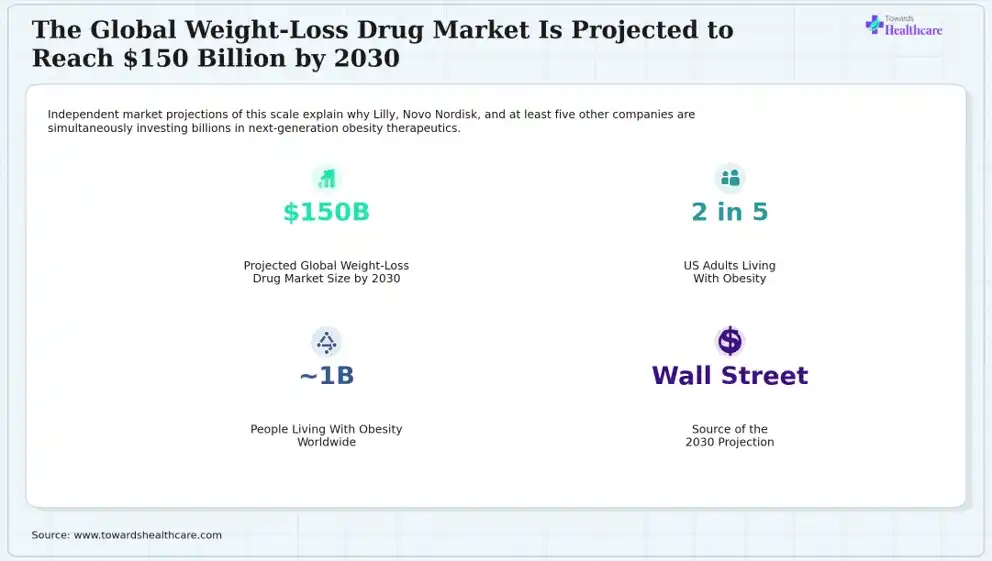
Based on the information gathered by Aman, the infographic stat panel encompasses global weight-loss drug market projection metrics. Approximately 1 billion people are living with obesity, highlighting that roughly 2 in 5 U.S. adults are living with obesity. Furthermore, based on Wall Street analyst estimates, the projected global weight-loss drug market size by 2030 will be approximately $150 billion.
Key Insight:
The $150 billion addressable market by 2030 reflects five times Lilly's current tirzepatide revenue, which represents manufacturing capacity as the primary competitive battleground in this category rather than the clinical efficacy of the product.
Source: PharmaSource, “How Lilly Reached $1 Trillion,” Dec. 2025 (citing Wall Street market projections).
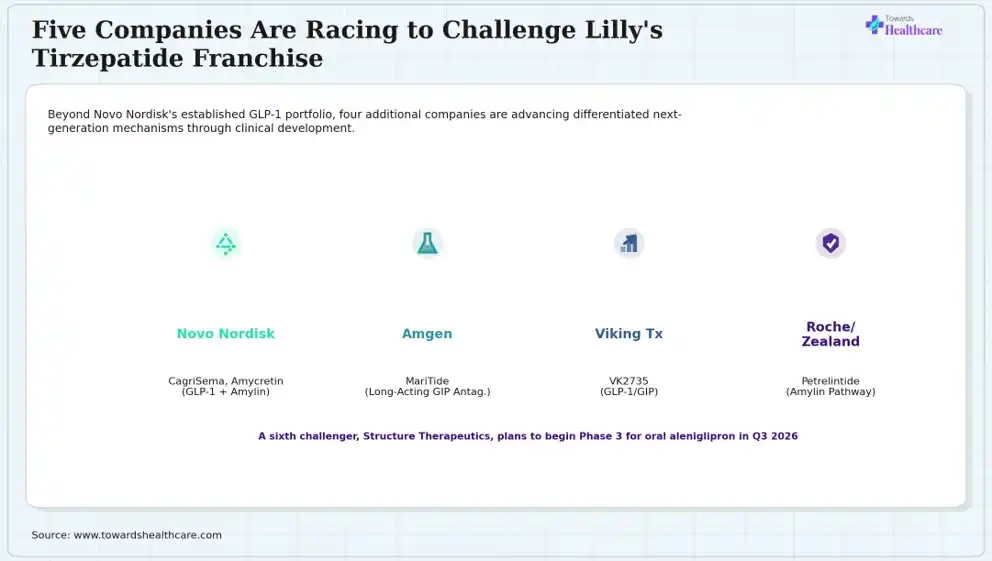
As the market analyst, interpret that ecosystem infographic focuses on the five leading tirzepatide competitive challengers. CagriSema and amycretin, with GLP-1 + amylin mechanisms, are developed by Novo Nordisk, while MariTide, a long-acting GIP antagonist developed by Amgen, are maintaining their market position. Viking Therapeutics offers VK2735, a GLP-1/GIP; followed by Roche/Zealand Pharma and Structure Therapeutics providing Petrelintide targeting the amylin pathway, and Aleniglipron, an oral GLP-1, with Phase 3 planned for Q3 2026, respectively, are also sustaining their market stance.
Key Insight:
The presence of these five challengers in the market increases competitive risk for Lilly not for brand substitution but for differentiated mechanisms, where their clinical superiority can shift physician and patient preference before the retatrutide succession plan matures.
Source: Company pipeline disclosures as supplied in competitive intelligence benchmarking, cross-referenced against public clinical trial status.
| Indicator | Value | Source |
| Combined 2025 U.S. Mounjaro + Zepbound revenue | $27.135 billion | Eli Lilly FY2025 results |
| Zepbound U.S. revenue growth (Q2 2024 to Q2 2025) | +172% | Eli Lilly Q2 2025 results |
| Combined tirzepatide 9-month 2025 revenue (worldwide) | $19.0 billion | PharmaSource, Dec. 2025 |
| Eli Lilly cumulative manufacturing commitment since 2020 | $55 billion+ | PharmaSource; Eli Lilly Year in Review |
| Tirzepatide core U.S. compound patent expiry | 2036 | Eli Lilly SEC filings |
| Eli Lilly 2026 revenue guidance | $80–$83 billion | Eli Lilly Q4 2025 results, Feb. 2026 |
The table encompasses revenue growth and patent protection timeline for tirzepatide. The combined 2025 U.S. revenue for Mounjaro & Zepbound was reported to be $27.135 billion, and that of tirzepatide 9-month revenue globally was noted to be $19.0 billion. The Q2 2024 to Q2 2025 Zepbound U.S. revenue growth reflected a rise by 172%. The Eli Lilly cumulative manufacturing commitment since 2020 contributed to more than $55 billion, while its 2026 revenue guidance was recorded to be between $80-$83 billion. Moreover, the tirzepatide core U.S. compound patent expiry is expected by the year 2036.
Eight different types of segmentation dimensions, such as Product, Indication, Dosage Strength, Route of Administration, Distribution Channel, Payer, Patient Type, Age Group, and End User, their market share and CAGR percentages, and recent advancements are mentioned in this section.
Mounjaro Segment Dominates the Market with 50.30% in 2025
| Product | Verified Data Point | Source |
| Mounjaro (type 2 diabetes) | FY2025 U.S. revenue was reported to be $13.651 billion | Eli Lilly FY2025 results |
| Zepbound (obesity / OSA) |
FY2025 U.S. revenue was recorded to be $13.484 billion Q2 2025 alone experienced a rise of 172% YoY December 2024 recognized it as the first-ever FDA-approved product for OSA |
Eli Lilly FY2025 & Q2 2025 results |
The above-mentioned table highlights Mounjaro and Zepbound along with their revenue growth. Mounjaro segment held a 50.30% market share in 2025 due to expanded use across type 2 diabetes populations, while Zepbound held 49.70% in 2025 and is expected to expand rapidly during the predicted period due to its increasing adoption for chronic weight management.
Based on the research conducted, the data acquired confirm the expansion of tirzepatide's indications beyond the four categories consisting of diabetes, obesity, overweight with comorbidities, and OSA in 2025-2026. In December 2024, the product was approved for obstructive sleep apnea (Graph 1-2), followed by Q4 2025, where the Zepbound-Taltz combination trial highlighted its use for obesity plus psoriatic arthritis (Graph 12).
As of today, there are no any FDA-approved oral formulations of tirzepatide, meaning all the commercial revenue is generated by subcutaneous injections. Furthermore, the oral incretin pipeline of Lilly utilizes a different molecule than tirzepatide, such as orforglipron, branded Foundayo, indicating new opportunities for oral formulations.
On December 20, 2024, Zepbound, the first and only prescription medicine for moderate-to-severe obstructive sleep apnea in adults with obesity in the SURMOUNT-OSA Phase 3 program, was approved by the FDA.
Source: Eli Lilly and Company press release, Dec. 20, 2024
In October 2024, a cumulative $13.5 billion was provided by Eli Lilly across three sequential capital announcements to its Lebanon, Indiana manufacturing site, which made it the largest single manufacturing investment in the history of the company.
Source: BioPharma Dive, 2024; Eli Lilly, 2025–2026
In February 2025, as part of a broader commitment exceeding $55 billion in global manufacturing since 2020, Eli Lilly announced “Lilly in America,” which is a $27 billion U.S. manufacturing investment plan.
Source: PharmaSource, Dec. 2025
On October 30, 2025, a total of $17.60 billion, with a rise of 54% YoY in Q3 2025, was reported by Eli Lilly, while key revenue from Mounjaro and Zepbound was announced to have achieved $11.98 billion for the quarter.
Source: Eli Lilly Q3 2025 financial results, Oct. 30, 2025
In February 2026, positive Phase 3 results in obesity plus active psoriatic arthritis for Zepbound combined with Taltz were announced by Eli Lilly, and to expand obesity-medicine access for millions of Americans, it also announced an agreement with the U.S. government.
Source: Eli Lilly Q4 2025 financial results, Feb. 4, 2026
On February 4, 2026, with more than 25 positive topline results during Phase 3 trials in 2025, along with full-year 2025 revenue growth of 45%, Eli Lilly delivered 2026 revenue guidance of $80-$83 billion.
Source: Eli Lilly Q4 2025 financial results and 2026 guidance, Feb. 4, 2026
It is the sole commercial tirzepatide supplier, with combined Mounjaro and Zepbound 2025 U.S. revenue of $27.1B and more than $55B in manufacturing commitments since 2020.
Though without any tirzepatide products, it is a primary indirect competitor supporting the development of CagriSema and amycretin, where its Ozempic/Wegovy compete directly with Mounjaro/Zepbound.
It is a pipeline competitor with MariTide, which is a long-acting GIP antagonist in Phase 3.
It is an emerging pipeline competitor with VK2735, which is a GLP-1/GIP dual agonist in the clinical development stage.
It is a next-generation competitor, with Petrelintide (amylin pathway) in clinical development.
It is an emerging competitor focusing on oral formulation and is expected to initiate its Aleniglipron Phase 3 trials in Q3 2026.
It is a federal regulator that, in December 2024, approved Zepbound for OSA, based on SURMOUNT-OSA trial data.
It is an independent patent-analysis organization, with 53 identified U.S. tirzepatide-related patent applications and 16 granted at the time of analysis.
Aditi is a pharmaceutical research expert with strong experience in GLP-1/GIP therapies, products for obesity with comorbidities, and emerging combination drug markets. She conducted detailed market research, analyzed company data, clinical trends, and industry developments. Based on her comprehensive analysis, the following strategic key takeaways highlight the most important market insights and opportunities.
For Service Providers & CDMOs
For Pharma companies
For Investors & Corporate Strategy Teams
Based on my assessment, the market is expanding rapidly due to the increasing acceptance rate of tirzepatide. The expanding manufacturing capabilities and revenues are also driving their advancements. I also anticipate that the new collaboration among the major companies can enhance their production and innovations. I also see strong growth in government initiatives and FDA approvals, which will create new market opportunities.
Payal Rabde led the primary market research, developed the methodology, analyzed trends, segmentation, competition, forecasts, and strategic opportunities, forming the report's analytical foundation.
Aman was responsible for collecting and validating clinical trial data, research publications, company information, partnerships, and other quantitative datasets, strengthening evidence-based analysis and market estimations.
Aditi reviewed the complete research document, performed quality checks, validated findings, refined content, corrected inconsistencies, and finalized the report, ensuring accuracy, clarity, credibility, and publication-ready quality.
By Product
By Indication
By Dosage Strength
By Route of Administration
By Distribution Channel
By Payer
By Patient Type
By Age Group
By End User

















Principal Consultant
Payal Rabde is a Healthcare Market Research Analyst at Towards Healthcare Research & Consulting with 4+ years of experience in pharmaceuticals, biotechnology, medical devices, and life sciences.
Learn more about Payal Rabde

Reviewed By
Aditi Shivarkar is a seasoned professional with over 14 years of experience in healthcare market research. As a content reviewer, Aditi ensures the quality and accuracy of all market insights and data presented by the research team.
Learn more about Aditi Shivarkar









