

Pipeline Programs

CGT Companies Tracked

Manufacturing Facilities


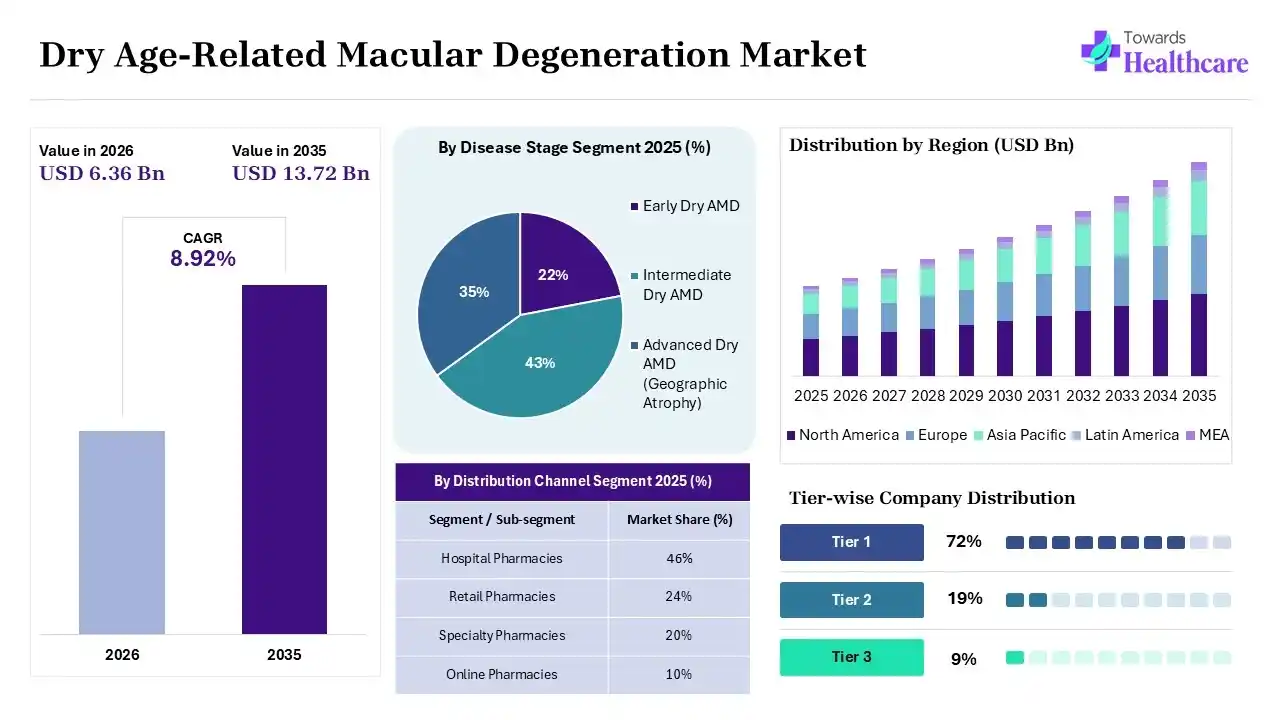
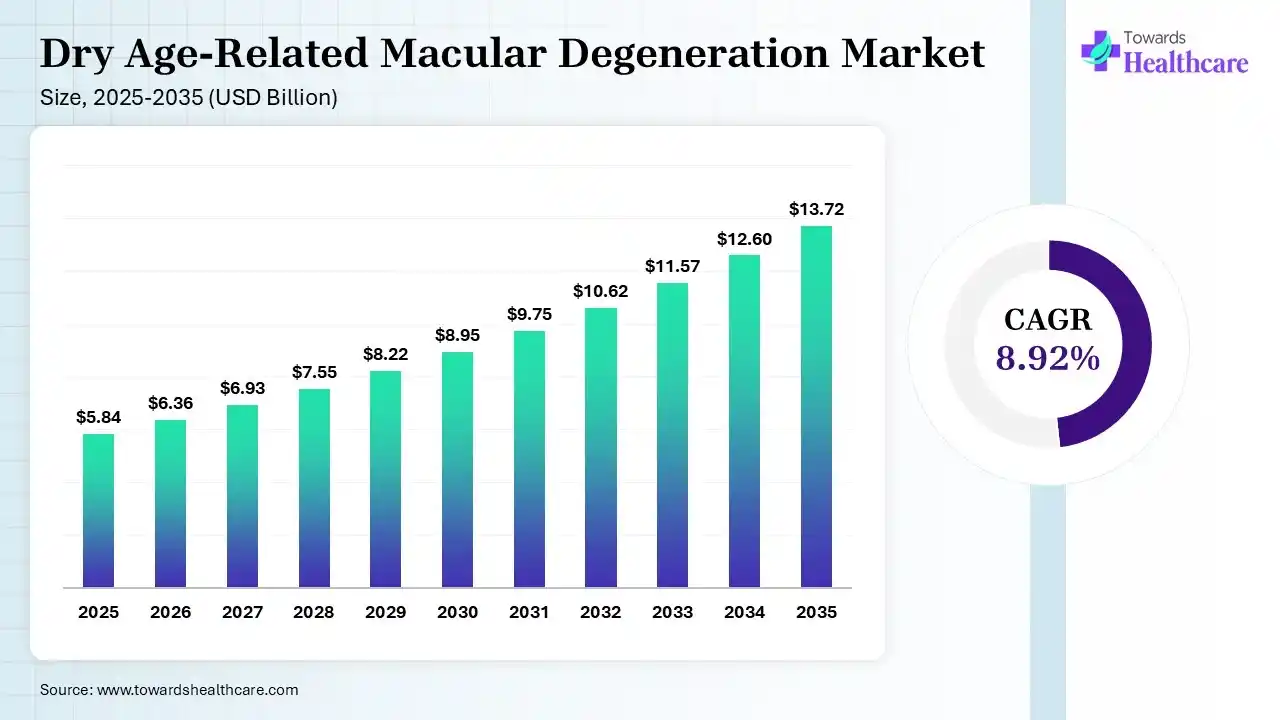
The global dry age-related macular degeneration market size is calculated at USD 5.84 billion in 2025, where it continues to grow in 2026 at USD 6.36 billion due to increasing approval of targeted therapies. It is expected to reach USD 13.72 billion by 2035 with a CAGR of 8.92% due to growing geographic atrophy treatment options. North America accounted for 41% of the market in 2025 due to high product approvals.
What is Dry Age-Related Macular Degeneration?
Dry age-related macular degeneration refers to the chronic eye disease leading to gradual deterioration of the macula due to aging, which causes slow loss of vision. The common symptoms include blurred vision, need for more bright light, and a dark spot in the center of vision. Based on the information gathered by Payal Rabde, the market is driven by a growing geriatric population and approval of targeted therapies.
Evolution of Dry AMD Treatment
Previously, nutritional supplements were recommended for the treatment of AMD due to limited treatment options, while growing advances in disease diagnostics increased R&D activities. This in turn increased the development of advanced targeted therapies with specific action on genetic factors, risk factors, and pathological hallmarks. Thus, treatment has evolved from nutritional supplementation toward targeted complement inhibition, regenerative medicine, and gene therapy
Disease Burden and Epidemiology Snapshot
The global prevalence of AMD is increasing due to a rise in the aging population, geographic atrophy prevalence, and visual impairments. It is mostly observed after the age of 50 were obesity, cardiovascular disease, and smoking are its major epidemiological risk factors.
It highlights pipeline trends, clinical trial growth, and technology adoption timeline, along with other major commercial and scientific trends.
It helps cover every stakeholder involved from research through commercialization in the market.
Stakeholder Mapping: It focuses on the influence of dry age-related macular degeneration products on pharmaceutical companies, biotechnology companies, contract research organizations, CDMOs, regulatory agencies, healthcare providers, insurance companies, patient advocacy groups, and research institutions.
It outlines current diagnosed patients, the undiagnosed population, geographic atrophy prevalence, and disease progression statistics.
It encompasses advanced therapies, imaging platforms, monitoring systems, and drug delivery systems.
It encompasses pipeline by phase, pipeline by company, and pipeline by mechanism.
It involves comparison of average treatment cost, annual therapy cost, regional pricing comparison, and reimbursement status.
Includes reimbursement support across Medicare, Medicaid, private insurance, along with Japan, China, and European reimbursement policies.
Manufacturing and Distribution Network
They encompass operations such as production, manufacturing, sterile packaging, quality control, transportation, and traceability.
They help in accelerating R&D, clinical trials, manufacturing, regulatory approvals, commercialization, and distribution.
Intellectual Property Landscape: They cover recent patents, patent expiration, patent trends, innovation hotspots, and technology ownership.
They outline purchasing criteria, brand preference, clinical efficacy, safety, cost-effectiveness, and a decision matrix.
| Table | Scope |
| Market Size in 2026 | USD 6.36 Billion |
| Projected Market Size in 2035 | USD 13.72 Billion |
| CAGR (2026 - 2035) | 8.92% |
| Leading Region | North America by 41% |
| Historical Data | 2020 - 2023 |
| Base Year | 2025 |
| Forecast Period | 2026 - 2035 |
| Measurable Values | USD Millions/Units/Volume |
| Market Segmentation | By Disease Stage, By Treatment Type, By Route of Administration, By End User, By Distribution Channel, By Region |
| Top Key Players | Apellis Pharmaceuticals, Alkeus Pharmaceuticals, Astellas Pharma Inc., Belite Bio Inc., Annexon Biosciences |
| Segment | Share 2025 (%) |
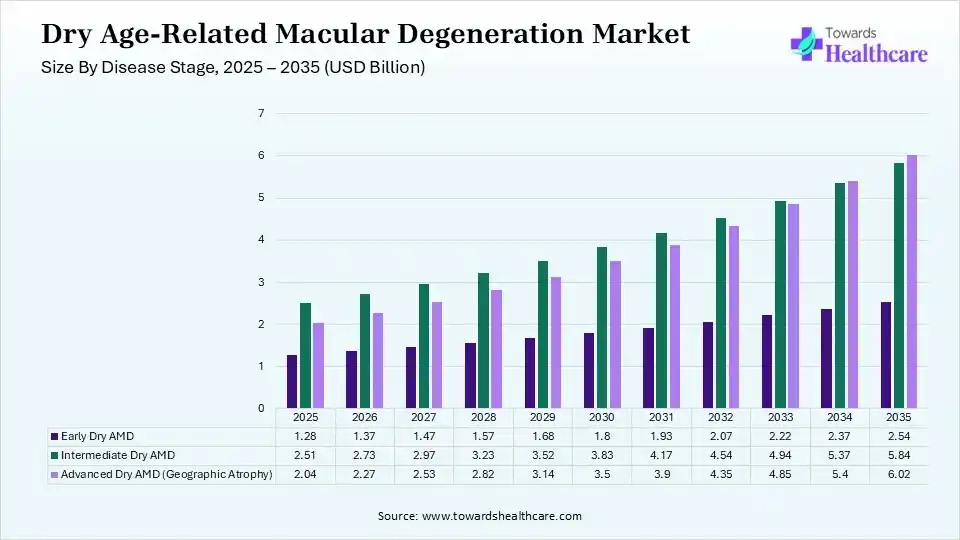
| Early Dry AMD | 22% |
| Intermediate Dry AMD | 43% |
| Advanced Dry AMD (Geographic Atrophy) | 35% |
The Intermediate Dry AMD Segment Dominated the Market With 43% in 2025
The intermediate dry AMD segment led the dry age-related macular degeneration market with a 43% share in 2025, driven by growth in monitoring rates and therapeutic interventions, which supported adoption of effective treatment options. Biomarker-based diagnosis improved treatment planning. An aging population increased the prevalence rate and encouraged their use.
The advanced dry AMD (geographic atrophy) segment held the second-largest share of 35% of the market in 2025 and is expected to witness the fastest growth with a CAGR of 11.42% during the forecast period, due to growing approval of complement inhibitors, which expand treatment options. Growing clinical trials improve patient access. As per the survey conducted by Payal Rabde, high unmet medical need also accelerates their innovations.
| Segment | Share 2025 (%) |
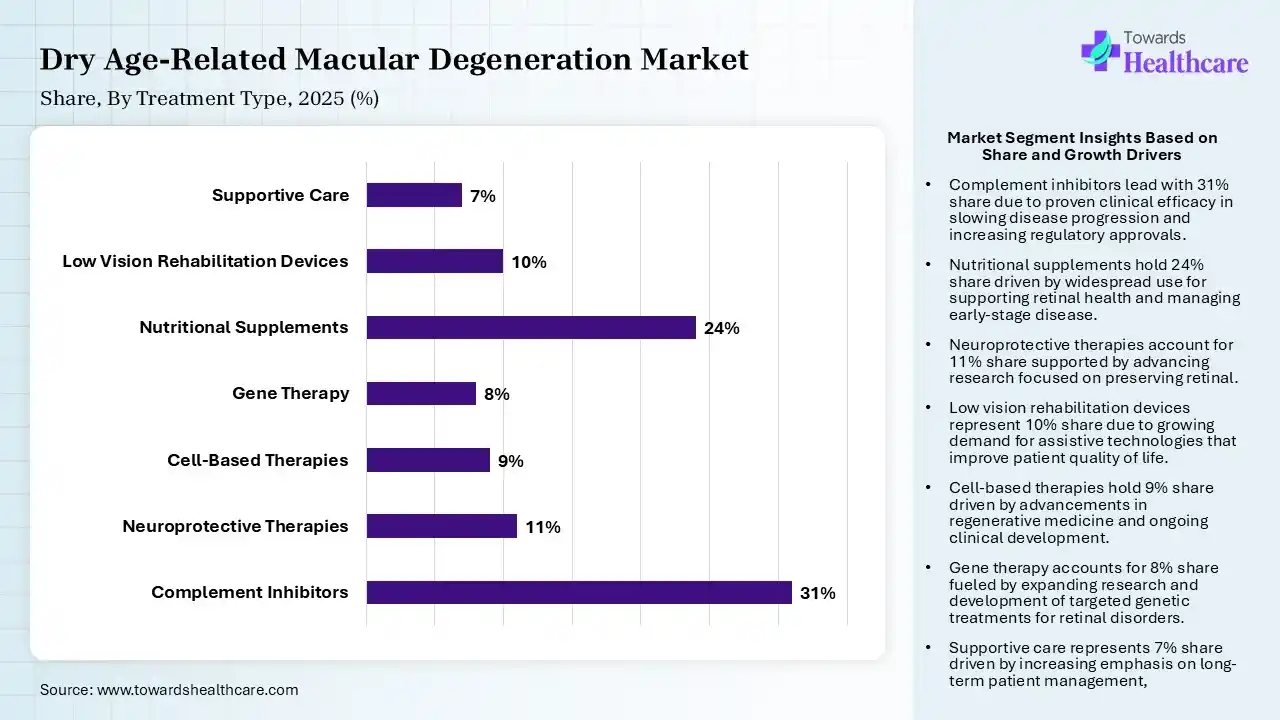
| Complement Inhibitors | 31% |
| Neuroprotective Therapies | 11% |
| Cell-Based Therapies | 9% |
| Gene Therapy | 8% |
| Nutritional Supplements | 24% |
| Low Vision Rehabilitation Devices | 10% |
| Supportive Care | 7% |
The Complement Inhibitors Segment Dominated the Market With 31% in 2025
The complement inhibitors segment accounted for the highest revenue share of 31% of the dry age-related macular degeneration market in 2025, driven by the commercial launch of targeted therapies, which increased their demand. Expansion of reimbursement policies also improved their accessibility. A strong pipeline also supported their long-term growth.
The cell-based therapies segment held the second-largest share of 9% of the market in 2025 and is expected to show the highest growth during the forecast period, due to stem cell innovations attracting investment. Regenerative medicine advances improve clinical outcomes. Pipeline expansion is also supporting their commercialization.
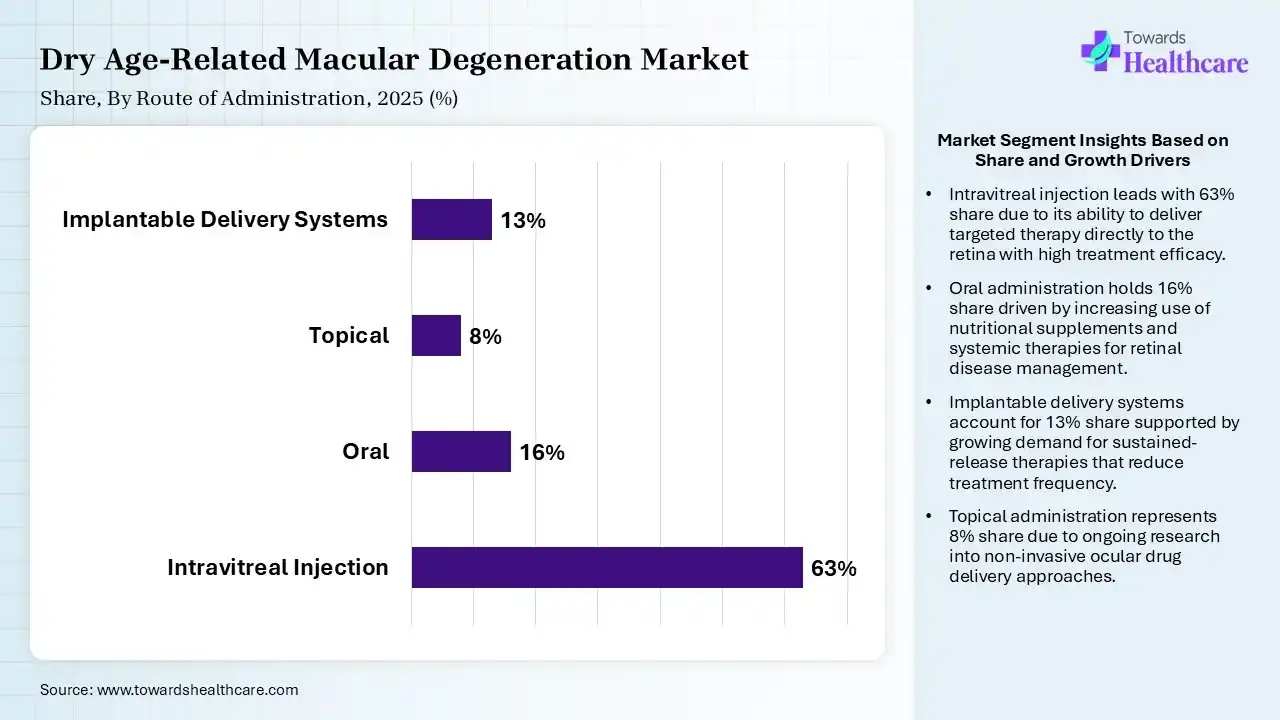
| Segment | Share 2025 (%) |
| Intravitreal Injection | 63% |
| Oral | 16% |
| Topical | 8% |
| Implantable Delivery Systems | 13% |
The Intravitreal Injection Segment Dominated the Market With 63% in 2025
The intravitreal injection segment held a major revenue share of 63% of the dry age-related macular degeneration market in 2025, as approved complement inhibitors were primarily used for intravitreal delivery. High clinical efficacy also supported physician preference. Hospital infrastructure also enabled growth in their treatment.
The oral segment held the second-largest share of 16% of the market in 2025 and is expected to expand rapidly with a CAGR of 12.14% during the forecast period, due to oral pipeline therapies, which improve patient convenience. Better compliance also encourages development. Pharmaceutical innovations also expand opportunities.
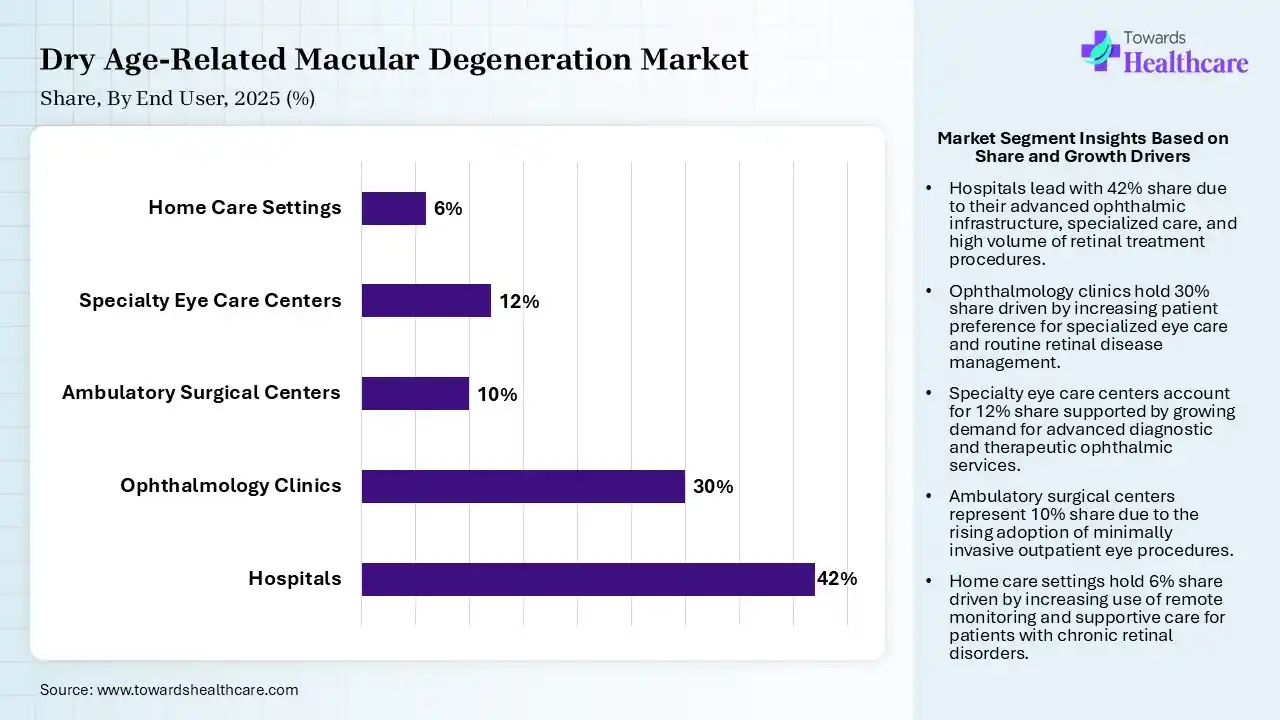
| Segment | Share 2025 (%) |
| Hospitals | 42% |
| Ophthalmology Clinics | 30% |
| Ambulatory Surgical Centers | 10% |
| Specialty Eye Care Centers | 12% |
| Home Care Settings | 6% |
The Hospitals Segment Dominated the Market With 42% in 2025
The hospitals segment contributed the biggest revenue share of 42% of the dry age-related macular degeneration market in 2025, as most intravitreal procedures occurred in hospitals. Advanced diagnostic facilities also improved patient management. Strong reimbursement also supported a rise in their treatment volumes.
The ophthalmology clinics segment held the second-largest share of 30% of the market in 2025 and is expected to gain the highest share with a CAGR of 10.34% during the forecast period, due to increasing specialist clinics, which improve accessibility. Dedicated retinal services also attract patients. Outpatient treatment volumes also continue to rise, encouraging their use.
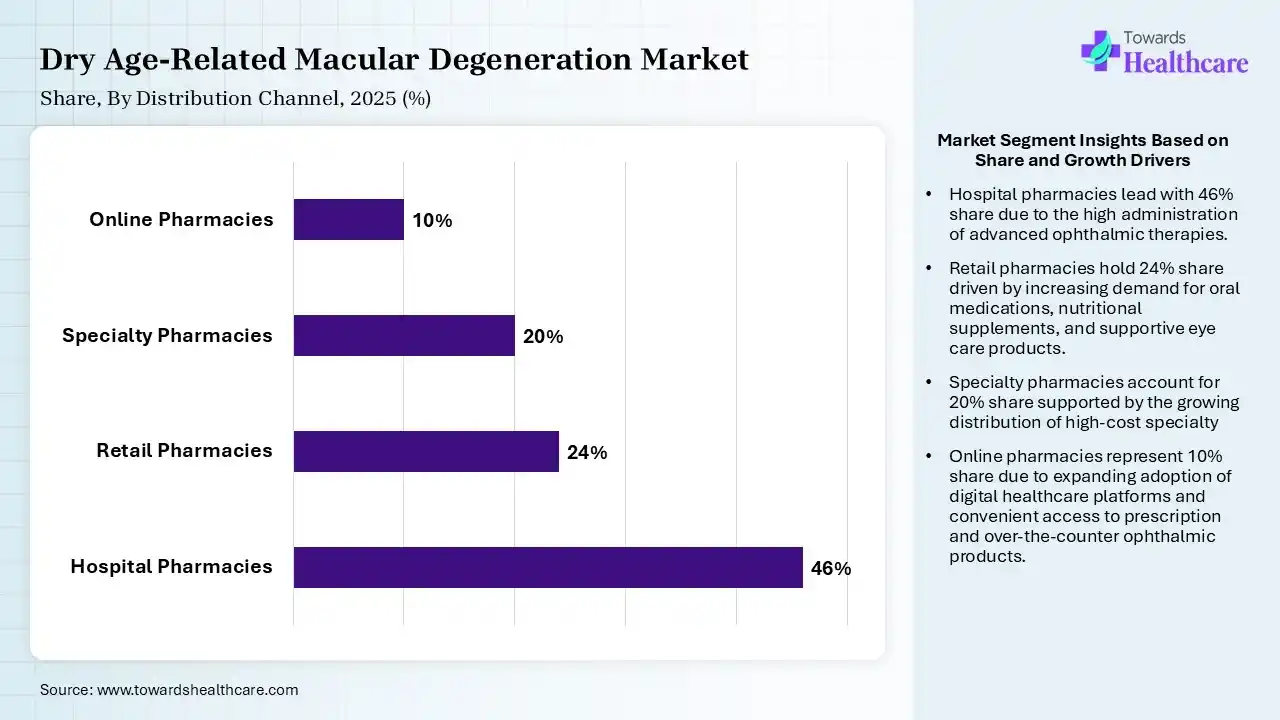
| Segment | Share 2025 (%) |
| Hospital Pharmacies | 46% |
| Retail Pharmacies | 24% |
| Specialty Pharmacies | 20% |
| Online Pharmacies | 10% |
The Hospital Pharmacies Segment Dominated the Market With 46% in 2025
The hospital pharmacies segment held the largest revenue share of 46% of the dry age-related macular degeneration market in 2025, as injectable biologics were mainly dispensed through hospitals. Integrated treatment pathways also improved their efficiency. Based on the analysis of Payal Rabde, institutional procurement also supported a rise in their demand.
The specialty pharmacies segment held the second-largest share of 20% of the market in 2025 and is expected to grow with the fastest CAGR of 11.64% during the forecast period, due to specialty biologics requiring expert handling. Cold-chain infrastructure expands availability. Increasing reimbursement also strengthens their utilization.
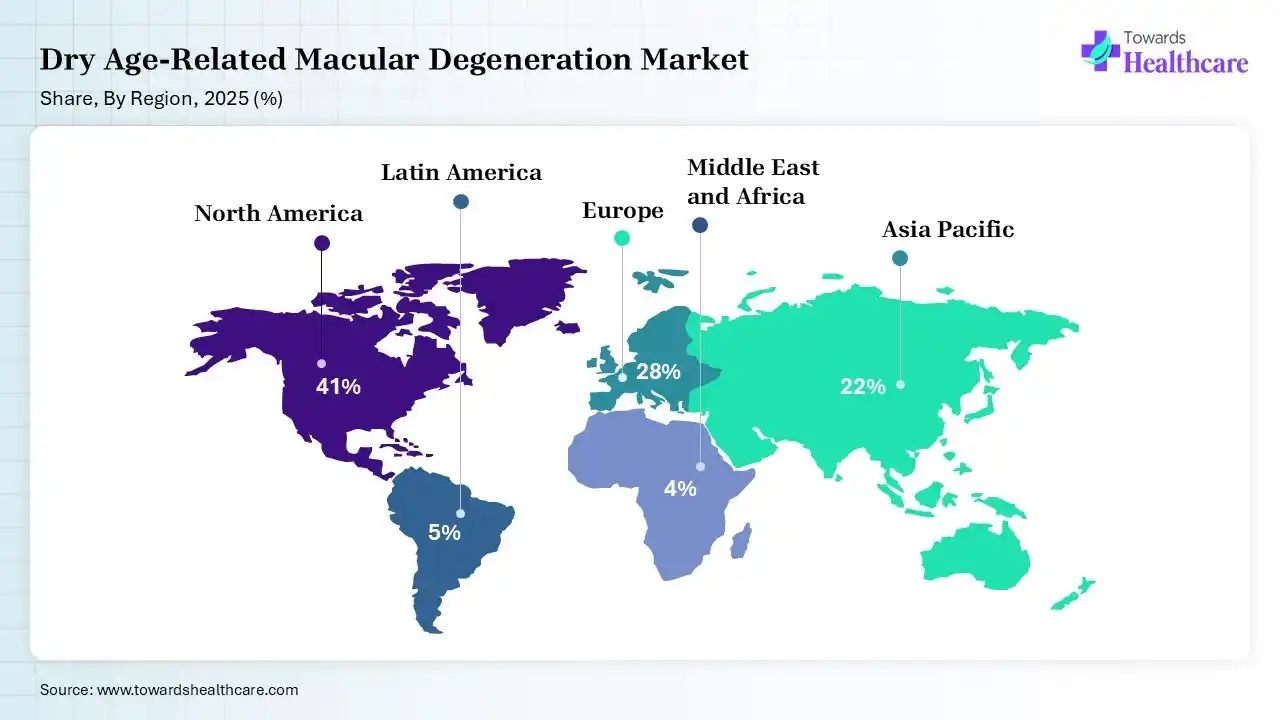
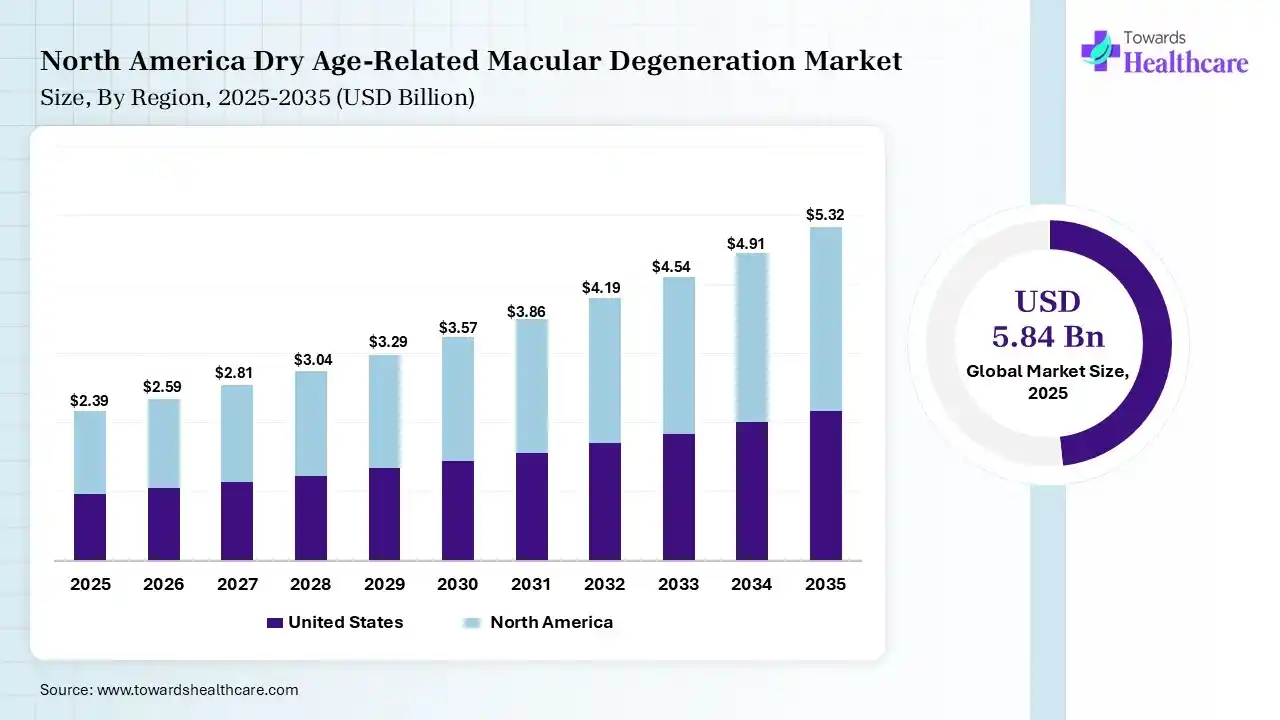
North America dominated the dry age-related macular degeneration market with 41% in 2025, due to early product approvals and strong reimbursement support, which accelerated adoption rates. High disease prevalence also supported market leadership. Significant R&D investments also sustained innovation. Growth in health awareness and expansion of ophthalmology facilities also increased the adoption of dry age-related macular degeneration treatment options. Their widespread availability also increased their use, which contributed to the market growth.
US Market Trends
U.S. held a 33% share of the market in 2025 and is expected to grow with the highest CAGR of 8.42% during the studied years, driven by a large elderly population, which increased demand for dry age-related macular degeneration treatment options. A robust clinical trial ecosystem also supported innovations, where premium biologic adoption also remained high. According to the information gathered by Payal Rabde, companies like Apellis Pharmaceuticals Inc., with a total revenue for 2025 of 1,003,782, also helped in maintaining its market position.
Mexico Market Trends
Mexico held a 3% share in the dry age-related macular degeneration market in 2025, due to healthcare modernization, which improves ophthalmology access. Urban diagnosis rates continue rising, which increased the demand for dry age-related macular degeneration treatment solutions. Growing private investment also supports their expansion, where a growing geriatric population and health awareness are also increasing their use. A rise in government initiatives is also increasing their use and innovations.
Europe held a 28% share of the dry age-related macular degeneration market and is expected to grow significantly during the forecast period, due to a growing elderly population increasing disease burden. Favorable regulatory pathways improve access to dry age-related macular degeneration treatments. Strong academic research also supports innovations, where well-established healthcare infrastructure also increases their adoption rates. The presence of advanced industries is also driving their innovations, enhancing market growth.
Germany Market Trends
Germany held a 7% share in the dry age-related macular degeneration market in 2025, driven by advanced retinal care infrastructure, which supported treatment. High healthcare spending also improved accessibility to dry age-related macular degeneration treatment options. Clinical research remained strong, where growth in collaborations also accelerated the development of new products. Growth in R&D investments also encouraged their innovations, where high disease awareness improved their adoption rates.
Rest of Europe held a 5% share in the market in 2025 and is expected to witness the fastest growth with a CAGR of 8.91% over the forecast period, due to healthcare modernization expanding treatment availability. Clinical collaborations improve innovation, and aging demographics also sustain demand for dry age-related macular degeneration treatment solutions. Favourable government support also increases their use, and expanding reimbursement policies are also increasing their accessibility.
Asia Pacific held a 22% share of the dry age-related macular degeneration market in 2025 and is expected to grow at the fastest CAGR of 10.63% during the forecast period, due to rapid aging population, which increases disease incidence. Healthcare investments also improve access to dry age-related macular degeneration treatments. Expanding clinical research also accelerates their adoption rates. Growing healthcare expenditure and expanding healthcare infrastructure are also promoting market growth.
China Market Trends
China held an 8% share of the dry age-related macular degeneration market in 2025, driven by a large patient population, which enhanced market expansion. Government healthcare reforms also improved access to dry age-related macular degeneration treatment. Domestic innovation also strengthened the pipeline. Growth in health awareness and the presence of advanced imaging technologies also increased their use. Expansion of healthcare expenditures and specialized ophthalmology clinics also increased their use.
India Market Trends
India held a 3% share in the market in 2025 and is expected to expand rapidly with a CAGR of 11.64% in the coming years, due to expanding eye care programs, which improve diagnosis. Healthcare spending continues increasing, which accelerates dry age-related macular degeneration treatment innovations. A large underserved population creates opportunity, where expanding reimbursements support, and R&D activities are also enhancing their advancements. Increasing patient volume is also driving demand.
Latin America held a 5% share in the dry age-related macular degeneration market in 2025 and is expected to show lucrative growth during the forecast period, due to expanding healthcare access and improving diagnosis. Aging demographics increase the prevalence of dry age-related macular degeneration, which drives the demand for their effective treatment options. Public-private investments also support retinal care, encouraging their use. Expanding clinics and hospitals are also propelling market expansion.
Brazil Market Trends
Brazil held a 3% share in the dry age-related macular degeneration market in 2025, driven by the largest regional healthcare market, which increased the demand for dry age-related macular degeneration treatment options. Improved specialist care also supported their adoption. Growth in awareness increased the diagnosis rate, which encouraged adoption. A rise in healthcare expenditures and emerging companies also increased their innovations, while favorable insurance coverage also increased their accessibility.
The rest of Latin America held a 1% share in the market in 2025 and is expected to gain the highest market share with a CAGR of 8.63% during the forecast period, due to improving healthcare infrastructure, which expands access to dry age-related macular degeneration treatments. Government investments also support ophthalmology services, where diagnosis rates continue rising, promoting their use. Increasing awareness and the increasing use of ophthalmologists are also driving up their use to tackle unmet medical needs.
MEA held a 4% share in the dry age-related macular degeneration market in 2025 and is expected to show notable growth during the forecast period, due to rising healthcare investments which improve specialty eye care. An aging population also supports market expansion, where increasing awareness also drives early diagnosis of dry age-related macular degeneration patients. Expanding healthcare infrastructure and ophthalmology services are also increasing the demand for their treatment options, fueling market growth.
Saudi Arabia Market Trends
Saudi Arabia held a 1.50% share in the dry age-related macular degeneration market in 2025 and is expected to show the fastest growth with a CAGR of 8.72% during the forecast period, driven by high vision care investments, which strengthened treatment capacity. Modern hospitals also improved access to dry age-related macular degeneration treatment options. Government initiatives also supported ophthalmology products adoption, where growth in collaborations also increased their innovations.
UAE Market Trends
United Arab Emirates (UAE) held a 1% share in the market in 2025, due to premium healthcare facilities, which encourage advanced therapies adoption. Expanding medical tourism also supports a rise in the demand for dry age-related macular degeneration treatment options. Specialist services continue expanding, which increases access to these treatment options. Growing dry age-related macular degeneration disease rates and increasing health awareness are also increasing diagnostic rates, which promotes their innovations.
| Companies | Headquarters | Solutions |
| Apellis Pharmaceuticals | Waltham, U.S. | Syfovre |
| Alkeus Pharmaceuticals | Waltham, U.S. | Gildeuretinol |
| Astellas Pharma Inc. | Tokyo, Japan | Izervay |
| Belite Bio Inc. | San Diego, U.S. | Tinlarebant |
| Annexon Biosciences | San Francisco, U.S. | ANX007 |
In May 2026, after announcing positive results of Phase II clinical trial of QA102 in patients with intermediate dry age-related macular degeneration (AMD), Scott Whitcup, MD, an expert in ophthalmic drug development and Sunil Patel, MD, PhD, a principal investigator of the study, highlighted, "Intermediate AMD represents the most prevalent stage of the disease, yet remains an area of significant unmet medical need with a lack of therapies to slow or prevent progression.". "The phase II data for QA102 are very encouraging for millions of people affected by intermediate or advanced forms of dry age-related macular degeneration."
| Company Overview | Leader in cutting-edge innovation and breakthrough technology, transforming the way we treat eye diseases and eye conditions |
| Financial Performance | In the first quarter of 2026, sales were $2.7 billion |
| Product Portfolio | Eye care products, contact lenses, LASIK, vitreoretinal, cataract, and glaucoma |
| Dry AMD portfolio | Platforms & Probes, Laser & Laser Probes, Grieshaber® DSP Instrumentation, etc. |
| Geographical Presence | U.S., Switzerland, Pune, and Bengaluru |
| Strategic Development | A non-exclusive collaboration with RxSight, Inc. |
| Recent Developments | Launched new initiative to increase awareness and consideration of Laser-Assisted In Situ Keratomileusis (LASIK) |
| Growth Strategy | To improve lives, strengthen communities, and create long-term value by innovating products that improve sight |
| SWOT Analysis |
Strengths:
Weakness:
Opportunities:
Threats:
|
| Company Overview | Innovative biopharmaceutical company advancing therapies to treat the mitochondrial dysfunction associated with rare genetic mitochondrial diseases and many common age-related diseases. |
| Product Portfolio | AMD, Barth Syndrome, Ophthalmology, etc. |
| Dry AMD portfolio | Elamipretide and bevemipretide |
| Geographical Presence | U.S. |
| Strategic Development | Closing of transactions securing up to $150 million in non-dilutive growth and equity capital |
| Recent Developments | First patient was dosed in 4TAZPower, a global Phase 4 study of once-daily elamipretide, which is used in individuals at least 5 years of age living with Barth syndrome. |
| Growth Strategy | To pioneer a new class of medicines directly targeting mitochondrial dysfunction and improving quality of life |
| SWOT Analysis |
Strengths:
Weakness:
Opportunities:
Threats:
|
| Company Overview | A pioneering biotechnology leader in gene therapies for blindness diseases |
| Financial Performance | Cash, cash equivalents, and restricted cash of $112.1 million |
| Product Portfolio | Retinal disease and infectious disease products |
| Dry AMD portfolio | OCU410, OCU200 |
| Geographical Presence | U.S., Canada, and India |
| Strategic Development | Signed a binding term sheet to negotiate and enter into a license agreement with Roots Pharmaceutical and Al-Dhow International Holding for the exclusive rights to OCU400 |
| Recent Developments | U.S. FDA granted RMAT designation for OCU410 |
| Growth Strategy | To identify and develop revolutionary science and bring something unique to impact diseases and conditions like no other therapeutic option can |
| SWOT Analysis |
Strengths:
Weakness:
Opportunities:
Threats:
|
Company Comparison Dashboard: It compares companies' revenues, R&D expenditure, pipeline, geographic reach, approved products, clinical trials, partnerships, manufacturing capabilities, and benchmarking matrix.
High-Growth Investment Areas: They encompass growing incidence of geographic atrophy, rising development of complement inhibitors, oral therapies, gene therapy, stem cell therapy, AI diagnostics, long-acting delivery platforms, and emerging markets.
It evaluates how scientific advances, regulatory developments, demographic shifts, healthcare investments, reimbursement improvements, and commercialization strategies are expected to reshape the market.
It focuses on product development priorities, partnership strategies, market entry approaches, manufacturing expansion, reimbursement planning, commercialization, portfolio diversification, and long-term competitive positioning.
Based on Payal Rabde's analysis, the dry age-related macular degeneration market is expected to show significant growth during the forecast period due to a wide range of factors. The growth in geriatric populations, advanced therapies, retinal clinics, complementary therapy, and cell and gene therapies are increasing the demand for dry age-related macular degeneration diagnostic and treatment options. Advancements in biomarker-based monitoring, AI imaging, remote monitoring, stem cell platforms, and sustained drug delivery systems are also driving their expansion. Additionally, segments such as advanced dry AMD (geographic atrophy), cell-based therapies, oral, ophthalmology clinics, and specialty pharmacies are expanding to show considerable growth, driving new investment opportunities. Similarly, companies like Apellis Pharmaceuticals, Astellas Pharma Inc., Alcon, Inc., Alkeus Pharmaceuticals, Mighty Therapeutics, Annexon Biosciences, and Ocugen, Inc. are anticipated to expand notably, which will attract new investments and funding.
By Disease Stage
By Treatment Type
By Route of Administration
By End User
By Distribution Channel
By Region










Principal Consultant
Payal Rabde is a Healthcare Market Research Analyst at Towards Healthcare Research & Consulting with 4+ years of experience in pharmaceuticals, biotechnology, medical devices, and life sciences.
Learn more about Payal Rabde

Reviewed By
Aditi Shivarkar is a seasoned professional with over 14 years of experience in healthcare market research. As a content reviewer, Aditi ensures the quality and accuracy of all market insights and data presented by the research team.
Learn more about Aditi Shivarkar










