

Pipeline Programs

CGT Companies Tracked

Manufacturing Facilities


The global iPSC cell therapies market size was estimated at USD 10.44 billion in 2025 and is predicted to increase from USD 11.64 billion in 2026 to approximately USD 30.87 billion by 2035, expanding at a CAGR of 11.45% from 2026 to 2035.
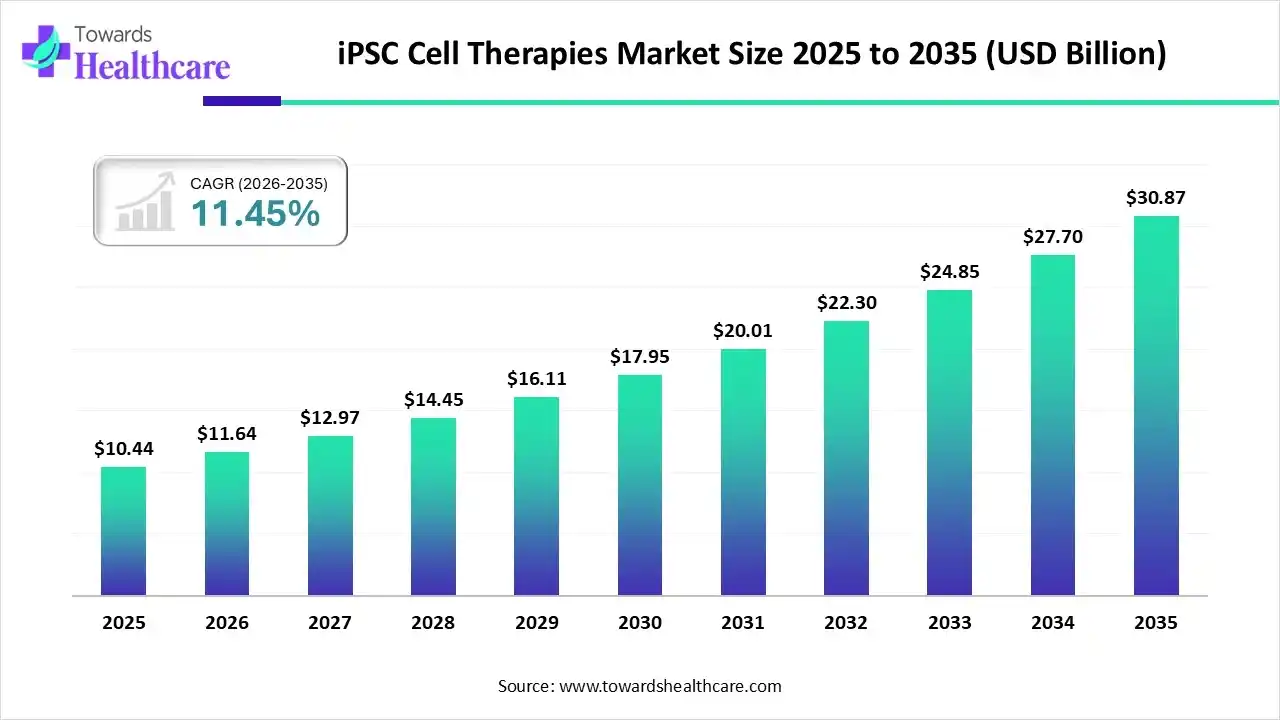
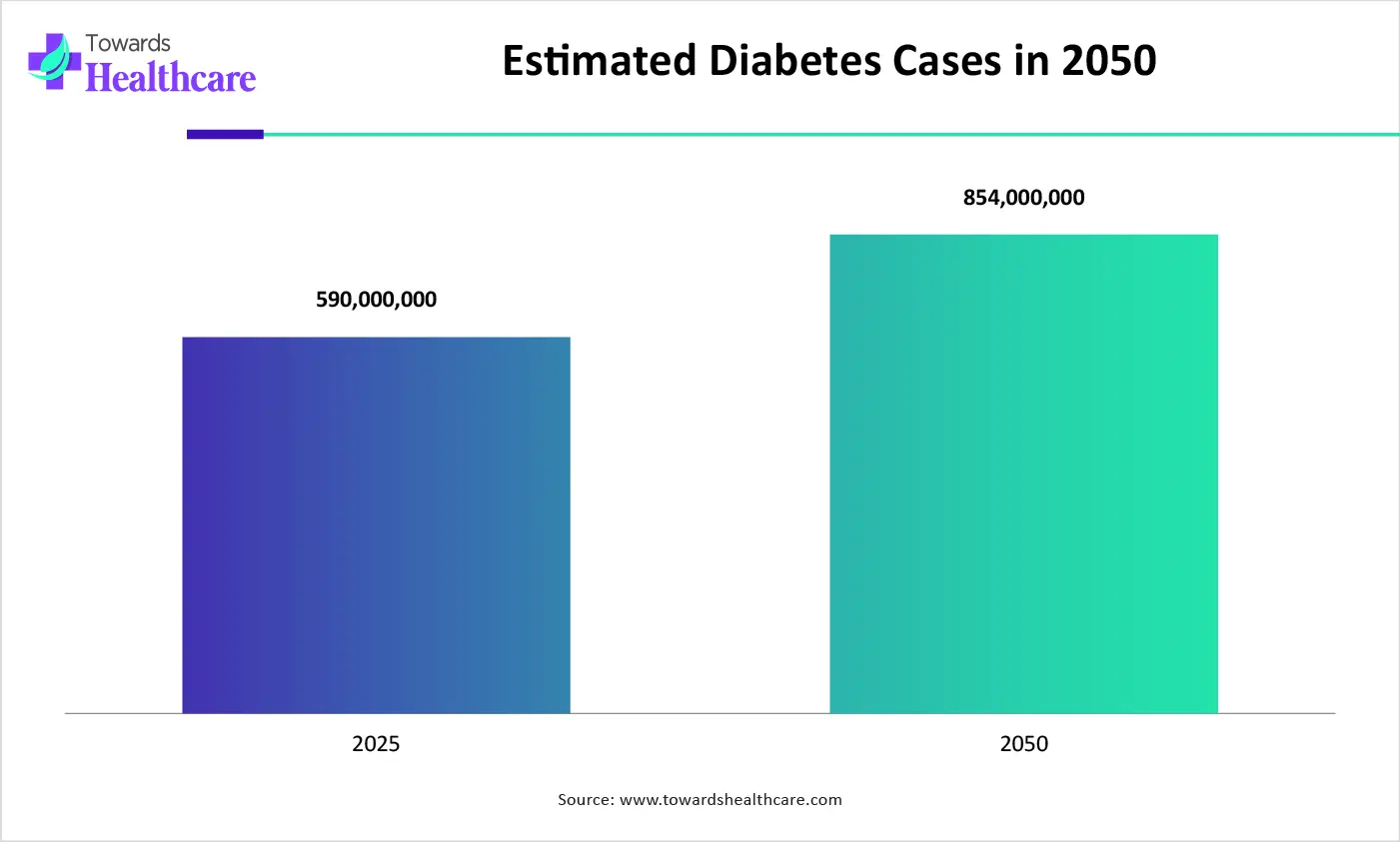
The industry has transitioned from a purely research-driven field into a clinical reality, with the world’s first regulatory submissions for iPSC-based therapies now occurring in Japan and the U.S. Additionally, growing disease burden, AI integration, and new product launches are also promoting the market growth.
The iPSC cell therapies market is driven by growing chronic diseases, R&D funding, and technological advancements. The iPSC cell therapies refer to the therapies utilizing induced pluripotent stem cells (iPSCs) for the treatment or repair of damaged tissue or organs. They are used in gene therapy, tissue regeneration, disease modelling, personalized treatments, and drug testing.
iPSC cell therapies use adult cells that are reprogrammed into a stem-like state and developed into specialized cells for therapeutic applications. Increasing demand for advanced regenerative treatments and expanding clinical research are supporting the adoption of iPSC-based therapies. The industry is moving toward off-the-shelf cell products, allogeneic therapies, standardized manufacturing, and improved cell quality. Growing therapeutic pipelines and broader applications in neurological, cardiovascular, ophthalmic, and metabolic disorders create significant opportunities for commercialization. Innovation in cell reprogramming, gene editing, automated production, bioreactors, and precision differentiation are improving scalability and consistency. Rising investments in cell therapy research, increasing prevalence of chronic diseases, demand for personalized treatments, improved manufacturing capabilities, and growing interest in replacing damaged or dysfunctional cells are accelerating the development of iPSC-based therapies.
AI provides a wide range of applications in the market, such as analysis of large datasets, enhancing cell quality, and reducing errors. It also detects the cell growth, its health, abnormalities, and differentiates them, with the use of automated imaging and monitoring. It also detects drug response, toxicity, optimizes various manufacturing parameters, and helps in the development of personalized therapies, using patient health data.
The growing advancements in iPSC cell therapies are driving the development of new treatment options for various metabolic, retinal, rare genetic disorders, and autoimmune disorders.
The growing health awareness and focus on the development of patient-specific treatment are increasing the demand and development of various personalized autologous iPSC cell therapies with low rejection risks.
The companies are integrating advanced technologies such as CRISPR and other gene editing tools to develop novel curative therapies that can offer correction of genetic defects before transplantation.
| Key Elements | Scope |
| Market Size in 2026 | USD 11.64 Billion |
| Projected Market Size in 2035 | USD 30.87 Billion |
| CAGR (2026 - 2035) | 11.45% |
| Leading Region | North America |
| Market Segmentation | By Therapy Type, By Derived Cell Type, By Application, By End-User, By Region |
| Top Key Players | FUJIFILM Cellular Dynamics (FCDI), BlueRock Therapeutics (Bayer), Fate Therapeutics, Cynata Therapeutics, Astellas Pharma (Ocata), Evotec SE, Lonza Group AG, REPROCELL Inc., Aspen Neuroscience |
Why Did the Allogeneic iPSC Therapies Segment Dominate in the iPSC Cell Therapies Market in 2025?
The allogeneic iPSC therapies segment held the largest share of approximate 65% in the market in 2025, as they are favored for scalability and lower "off-the-shelf" costs. It also provided enhanced compliance with regulatory standards and improved batch consistency, which increased the quality of the products, which contributed to their increased use.
Autologous iPSC Therapies
The autologous iPSC therapies segment is expected to show the highest growth during the predicted time, as they are used for personalized neurology (e.g., Parkinson's) to avoid immune rejection. Moreover, the target-specific action, with low side effects and expanding applications are also increasing the adoption rates.
How Cardiomyocytes Segment Dominated the iPSC Cell Therapies Market in 2025?
The cardiomyocytes segment led the market with approximate 29% share in 2025, due to the growth in cardiovascular disease. This increased the demand for regenerative treatment options, which increased their use. Moreover, their clear functional endpoints also increased their demand and adoption rates.
Neurons/Neural Progenitors
The neurons/neural progenitors segment is expected to show the fastest growth rate during the predicted time, due to their growing use in Parkinson’s and spinal cord injury trials. At the same time, growing neurodegenerative diseases and the low self-repair capacity of the neurons are also increasing their use in the development of new treatment options.
Which Application Type Segment Held the Dominating Share of the iPSC Cell Therapies Market in 2025?
The drug discovery & toxicology segment held the dominating share of approximately 39% in the market in 2025, as the iPSC-derived cells were used to replace animal testing. They accelerated the R&D study and promoted their faster adoption. Furthermore, their affordability and scalability also encouraged their use.
Regenerative Medicine
The regenerative medicine segment is expected to show the highest growth during the upcoming years, as the iPSC cell therapies provide direct tissue replacement for AMD and heart failure. Moreover, the growing chronic diseases and expanding pipeline are also increasing their demand as a curative treatment option.
What Made Pharmaceutical & Biotech Companies the Dominant Segment in the iPSC Cell Therapies Market in 2025?
The pharmaceutical & biotech companies segment led the market with approximate 48% share in 2025, due to the growth in the R&D activities. Moreover, the growth in R&D investments and the expansion of the manufacturing infrastructure also increased their use in the development of various drug development processes.
CROs & CDMOs
The CROs & CDMOs segment is expected to show the fastest growth rate during the upcoming years, due to a surge in outsourcing of GMP-grade iPSC production. They also offer high technical expertise and affordable services, which lead to new collaborations, enhancing the development of iPSC cell therapies.
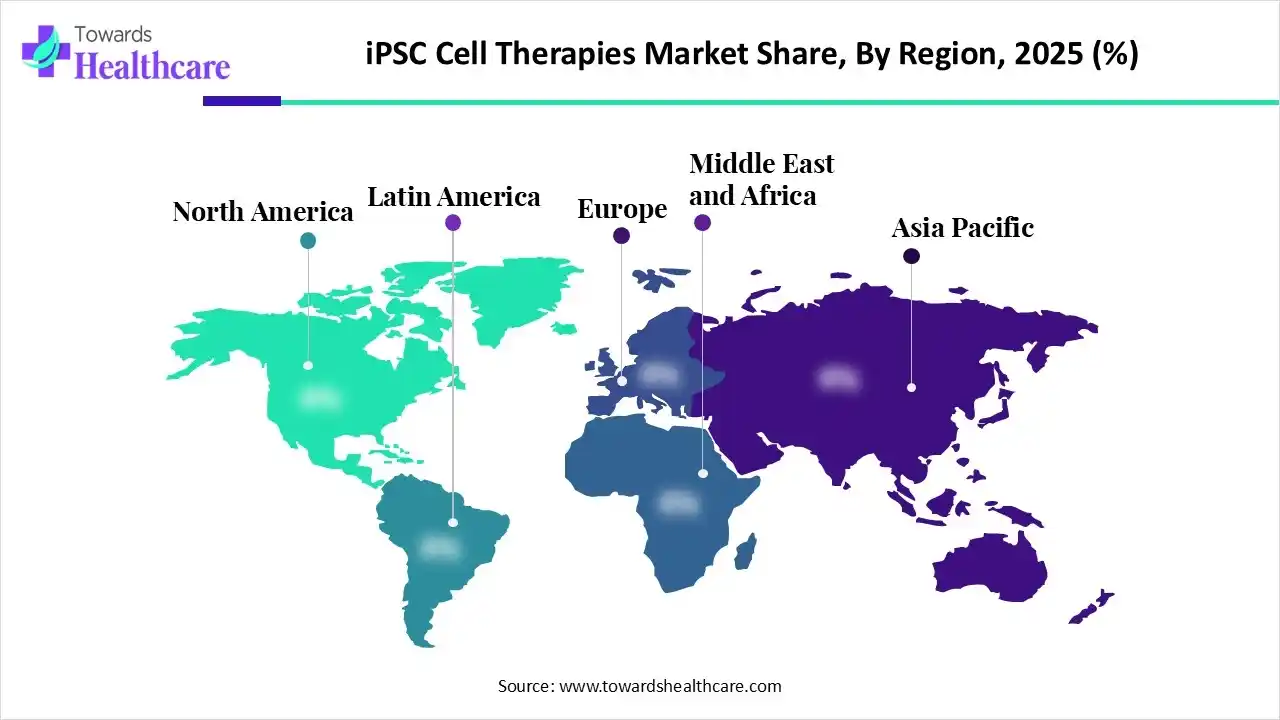
North America dominated the iPSC cell therapies market in 2025, due to the presence of robust R&D ecosystems. The growth in healthcare investments and funding also increased the development of iPSC cell therapies. Additionally, early adoption of advanced technologies, stringent regulations, and growth in clinical trials also contributed to the market growth.
U.S. Market Trends
The growth in healthcare investments and the presence of robust research institutes and universities in the U.S. are increasing the advancements in iPSC cell therapies. The growing regulatory approvals are also increasing their adoption, where the growing technological advancements are also accelerating their development and innovations.
Canada Accelerates iPSC Cell Therapy Development
Canada is significantly growing in the iPSC cell therapies market due to its strong stem cell research capabilities, expanding biotechnology sectors, and increasing focus on regenerative medicine. Growing collaboration among research institutions, healthcare organizations, and biotechnology companies is accelerating therapeutic development. Rising investment in advanced cell manufacturing, precision medicine, and innovative research is further supporting the development and commercialization of iPSC-based therapies across multiple disease areas.
Asia Pacific is expected to host the fastest-growing iPSC cell therapies market during the forecast period, due to expanding biotech hubs. The growing government support and chronic diseases are also increasing the demand for iPSC cell therapies. Moreover, growing R&D activities, collaborations, and expanding healthcare are also enhancing the market growth.
China Market Trends
China is experiencing a rapid growth in biotech startups and manufacturing capabilities, which are actively contributing to the development of new iPSC cell therapies. The growing government initiatives and increasing patient population are also increasing their innovation and adoption rates, respectively.
India Strengthened Its iPSC Cell Therapy Potential
India is notably growing in the iPSC cell therapies market due to expanding stem cell research, increasing biotechnology capabilities, and rising interest in regenerative medicine. Growing investments in advanced healthcare technologies are encouraging research into iPSC-derived treatments. Collaboration between academic institutions, research organizations, and biotechnology companies is supporting innovation in cell reprogramming and therapeutic development. Improvements in laboratory infrastructure and specialized expertise are further creating opportunities for India’s emerging iPSC cell therapies sector.
Europe is expected to grow significantly in the iPSC cell therapies market during the forecast period, due to growing clinical trials. The presence of advanced research infrastructures and regulatory bodies are also encouraging their use and driving their advancements. Furthermore, growing collaborations, R&D activities, and government grants are also promoting the market growth.
UK Market Trends
The presence of robust research infrastructure in the UK is increasing the iPSC-based R&D activities, driving the development of new iPSC cell therapies. The increasing approval and government funding are also increasing their advancements, where the growing partnerships are also increasing their use in the development of personalized solutions.
Germany Strengthens its iPSC Cell Therapy Market
Germany is significantly expanding in the iPSC cell therapies market due to its strong biomedical research ecosystems, advanced biotechnology capabilities, and increased focus on regenerative medicines. The country’s established expertise in stem cell research supports the development of innovative therapeutic applications. Growing collaborations between research institutions, hospitals, and biotechnology companies is accelerating clinical development. Advancements in cell engineering, manufacturing technologies, and personalized medicine are further creating favorable opportunities for Germany’s iPSC cell therapy market.
| Companies | Headquarters | iPSC Cell Therapies |
| FUJIFILM Cellular Dynamics (FCDI) | Madison, U.S. | Cardiology and neurology therapies |
| BlueRock Therapeutics (Bayer) | Boston, U.S. | Therapies for Parkinson’s disease, ophthalmology, and heart failure |
| Fate Therapeutics | San Diego, U.S. | Allogeneic NK CAR-T cell therapies |
| Cynata Therapeutics | Melbourne, Australia | Provides the Cymerus platform |
| Astellas Pharma (Ocata) | Tokyo, Japan | Regenerative ophthalmology via AIRM |
| Evotec SE | Hamburg, Germany | Provides an end-to-end iPSC platform |
| Lonza Group AG | Basel, Switzerland | Supports large-scale expansion and differentiation of iPSCs |
| REPROCELL Inc. | Yokohama, Japan | Provides StemRNA technology |
| Century Therapeutics | Philadelphia, U.S. | NK and T-cell therapies |
| Aspen Neuroscience | San Diego, U.S. | Personalized autologous iPSC-derived neuron replacement for Parkinson's disease |
In July 2026, “China represents an important and rapidly growing market for regenerative medicine innovation, and our collaboration with WEIPU Biotechnology enables regional developers to access globally aligned stem cell materials together with complementary biological testing support,” said Dr Sarah Eminli-Meissner, Head of Business, Stem Cells at REPROCELL.
By Therapy Type
By Derived Cell Type
By Application
By End-User
By Region





Principal Consultant
Payal Rabde is a Healthcare Market Research Analyst at Towards Healthcare Research & Consulting with 4+ years of experience in pharmaceuticals, biotechnology, medical devices, and life sciences.
Learn more about Payal Rabde

Reviewed By
Aditi Shivarkar is a seasoned professional with over 14 years of experience in healthcare market research. As a content reviewer, Aditi ensures the quality and accuracy of all market insights and data presented by the research team.
Learn more about Aditi Shivarkar










