

Pipeline Programs

CGT Companies Tracked

Manufacturing Facilities


The global recombinant albumin market size was estimated at USD 152.9 million in 2025 and is predicted to increase from USD 162.2 million in 2026 to approximately USD 275.89 million by 2035, expanding at a CAGR of 6.08% from 2026 to 2035.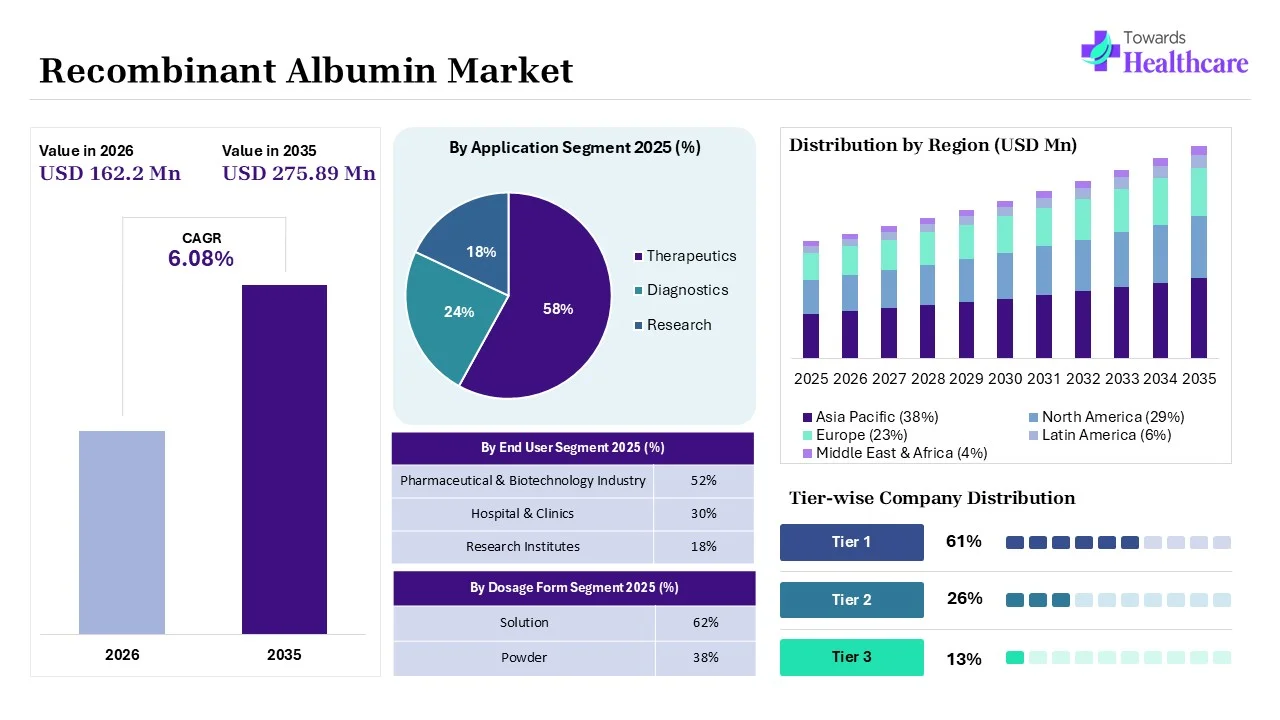
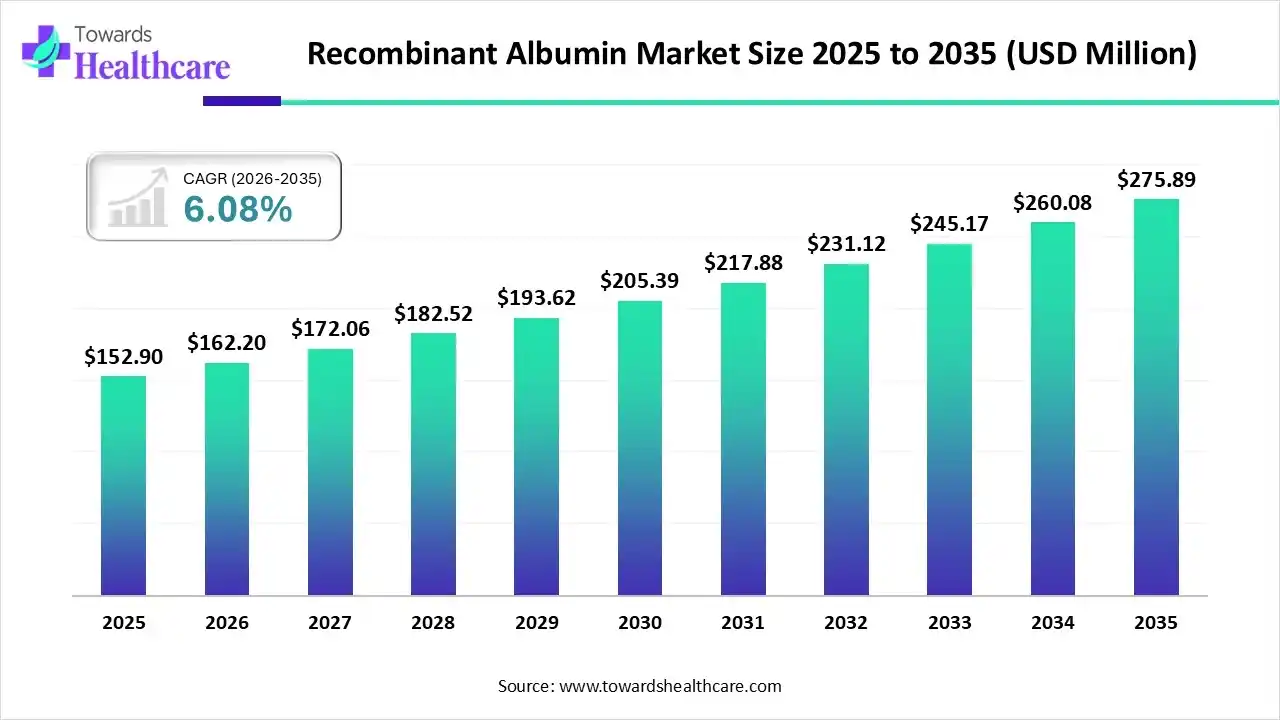
The growing diseases are increasing the demand for recombinant albumin across various regions. The presence of large populations, advanced healthcare, and industries is increasing their use in the development of various effective therapeutic products and diagnostic solutions. AI is also being used to enhance their properties and applications, where companies are also investing and launching their new products, promoting the market growth.
The recombinant albumin market is driven by increasing demand for safety, ethically sourced, and high-purity alternatives to plasma-derived albumin. The recombinant albumin refers to the albumin developed by recombinant DNA technology, by inserting the albumin gene into a host organism. They are used for the development of cell culture, media supplements, biologics , vaccines , drug delivery systems, diagnostic tests, regenerative medicines, and cell & gene therapies.
The use of AI in the optimization of recombinant albumin is increasing, where it is also being used in the prediction of their stability, aggregation risk, and binding capacity. It also enhances their yield and identification of their mutations, reducing their errors. AI also detects deviations and abnormalities, reducing the chances of their failure. This is increasing the use of AI in enhancing the recombinant albumin properties, optimization, and enhancing their applications.
Recombinant albumin is a genetically engineered, animal-free form of albumin produced using recombinant DNA technology. It is widely used in biopharmaceutical manufacturing, cell culture media, vaccine production, drug formulation, regenerative medicine, and diagnostic applications due to its high purity, consistent quality, and reduced risk of pathogen contamination compared with plasma-derived albumin.
The recombinant albumin market is expanding due to the increasing demand for animal component-free bioprocessing, growing biologics production, and rising adoption of cell and gene therapies. Key trends include the use of serum-free cell culture media, advanced recombinant protein expression systems, and scalable manufacturing technologies. Technological advancements in protein engineering and bioprocess optimization are improving production efficiency and product quality. Future opportunities lie in precision biologics, stem cell research, tissue engineering, and next-generation vaccine development, supported by continuous investments in biotechnology and pharmaceutical innovation.
Growth In Advanced Therapies
Due to growing focus on the development of cell and gene therapies and regenerative medicine, the demand for recombinant albumin is increasing.
Shift Towards Albumin-Based Drug Deliveries
The recombinant albumin is being used in the development of albumin-based nanoparticles and albumin fusion therapeutics to enhance the drug delivery properties.
Increasing Disease Burden
The increasing chronic diseases are increasing the demand for recombinant albumin for the development of vaccines, diagnostics, and therapeutics.
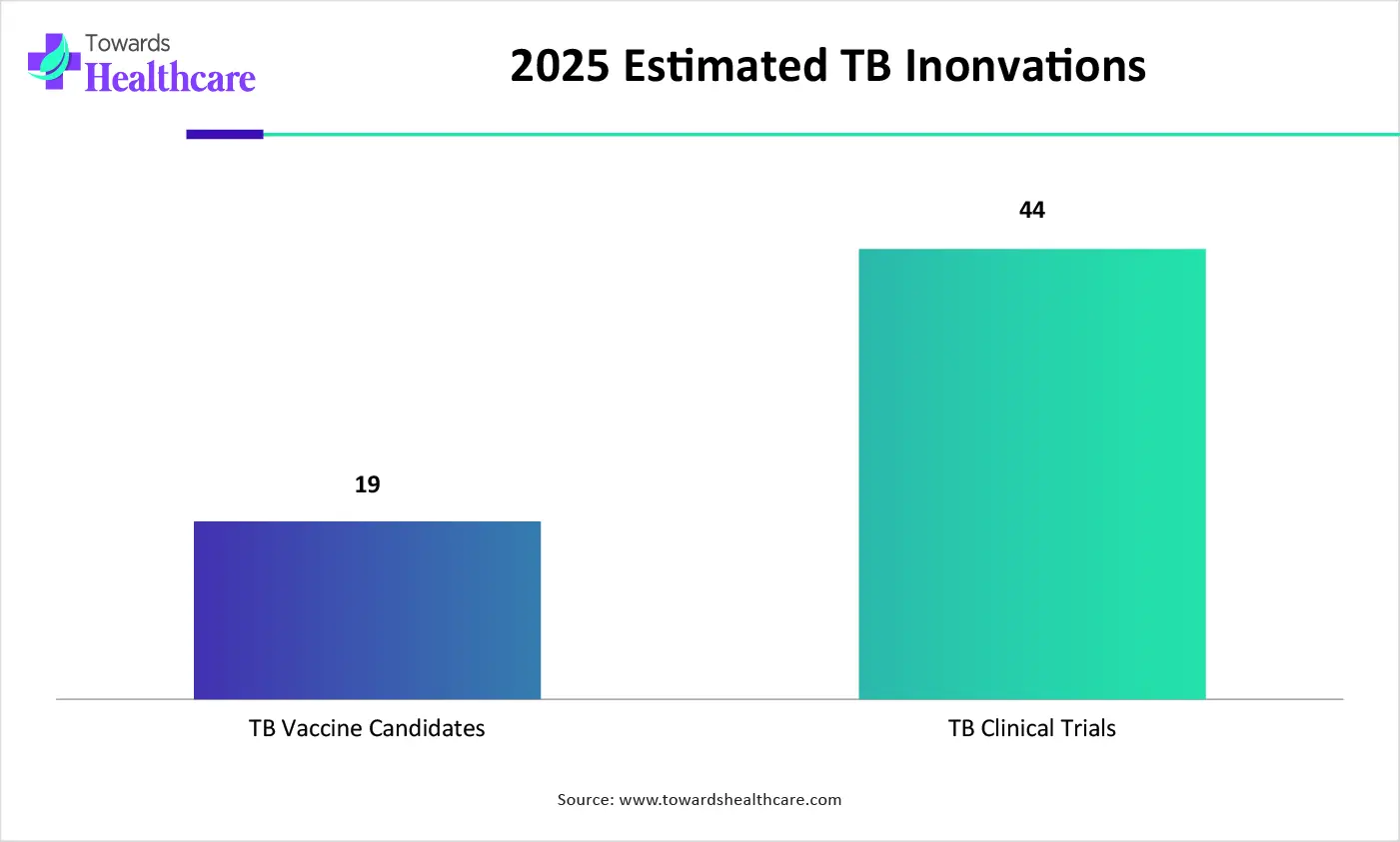
| Innovations | Estimation |
| TB Vaccine Candidates | 19 |
| TB Clinical Trial Phases | 44 |
| Key Elements | Scope |
| Market Size in 2026 | USD 162.2 Million |
| Projected Market Size in 2035 | USD 275.89 Million |
| CAGR (2026 - 2035) | 6.08% |
| Leading Region | Asia Pacific by 38% |
| Key Applications | Cell & Gene Therapy, Vaccine Manufacturing, Bioprocessing, Regenerative Medicine, Stem Cell Culture, Diagnostics, Drug Formulation, Cryopreservation |
| Primary End Users | Biopharmaceutical Companies, CDMOs, Research Institutes, Cell Therapy Developers, Vaccine Manufacturers |
| Key Challenges | High production costs, scale-up complexity, regulatory validation requirements, competition from plasma-derived albumin, manufacturing capacity constraints |
| Market Segmentation | By Dosage Form, By Application, By End User, By Region |
| Top Key Players | Albumedix, Biocon Limited, Merck KGaA, InVitria, FUJIFILM Wako Pure Chemical Corp., HiMedia Laboratories Pvt. Ltd., Shandong Chuangxin Biotechnology, NCPC Genetech Biotechnology, Wuhan Healthgen Biotechnology Corp., ProSpec-Tany TechnoGene Ltd., Cyagen Biosciences |
| Segments | Shares % |
| Solution | 62% |
| Powder | 38% |
Why Did the Solution Segment Dominate in the Recombinant Albumin Market in 2025?
The solution segment held the largest share of 62% of the market in 2025, due to its stability. At the same time, it also provided ease of administration and rapid onset of action, which increased their acceptance rates. Moreover, their easy formulation also increased the development of ready-to-use solutions, which increased their adoption rates.
Powder
The powder segment is expected to show the fastest growth rate during the predicted time, due to its enhanced shelf life. Their use is increasing due to their reconstitution flexibility and easier storage. Furthermore, their easy transportation and low risk of chemical degradation are also increasing their use.
| Segments | Shares % |
| Therapeutics | 58% |
| Diagnostics | 24% |
| Research | 18% |
Which Application Type Segment Held the Dominating Share of the Recombinant Albumin Market in 2025?
The therapeutics segment held the dominating share of 58% of the market in 2025, due to its increasing applications. This, in turn, increased their use in the treatment of shock, liver diseases, and burns. Additionally, growth in the use of human albumin innovations and an increase in disease burden also increased their use in emergency situations.
Diagnostics
The diagnostics segment is expected to show the highest growth during the upcoming years, due to growing R&D. This, in turn, is increasing its use in the development of cell cultures and assays. At the same time, their reduced risk of contamination and technological advancements are driving their demand.
| Segments | Shares % |
| Pharmaceutical & Biotechnology Industry | 52% |
| Hospital & Clinics | 30% |
| Research Institutes | 18% |
What Made the Pharmaceutical & Biotechnology Industry the Dominant Segment in the Recombinant Albumin Market in 2025?
The pharmaceutical & biotechnology industry segment led the market in 2025 by 52% share due to growth in the development of various therapeutics. They were used in forming various IV therapies, vaccines, and medications. At the same time, they were also used in the development of various cell culture applications, where the investments promoted their adoption rates.
Hospital & Clinics
The hospital & clinics segment is expected to show the fastest growth rate during the forthcoming years, due to growing liver disease. This, in turn, is driving the demand for ready-to-use products, where the growing number of critical cases and burn cases is also contributing to the same. Additionally, their safety profile is also increasing their acceptance rates.
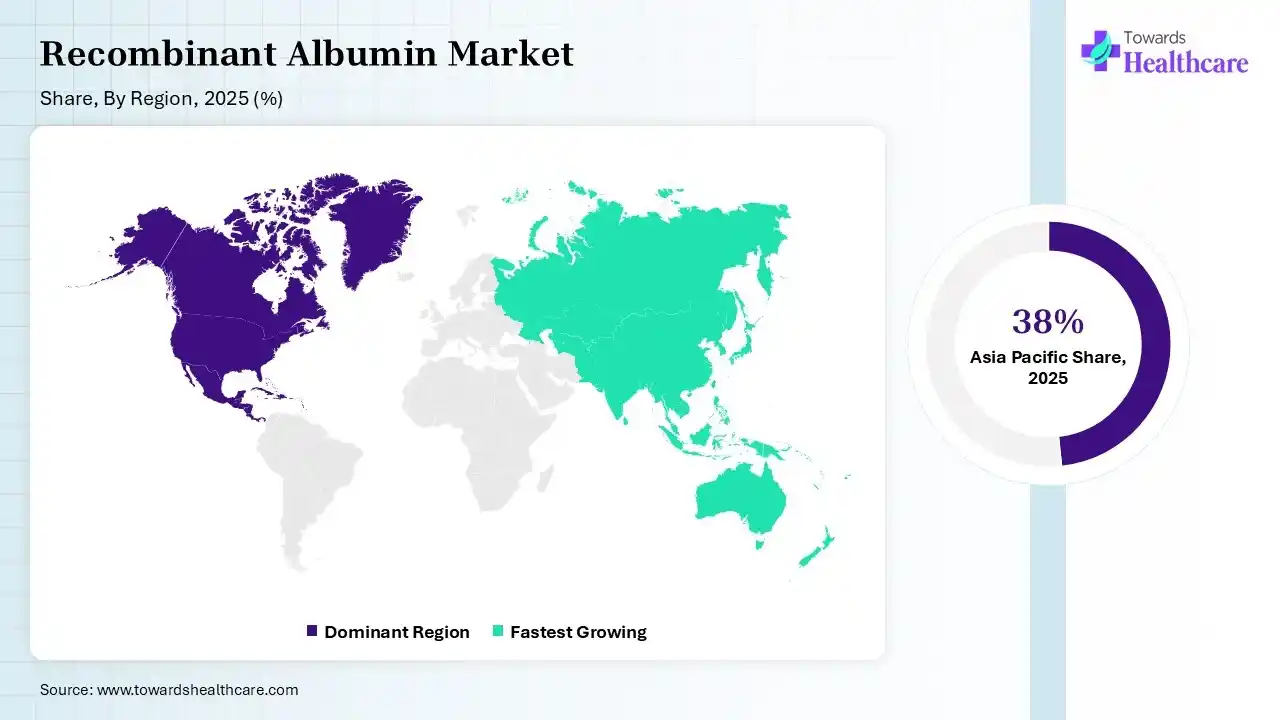
Asia Pacific dominated the recombinant albumin market by 38% share in 2025, due to the presence of a large population, which increased the incidence of diseases, driving the demand for recombinant albumin therapeutic products. They were also used in the development of various diagnostic solutions, where the expanding healthcare sector also increased their adoption rates. Furthermore, the growth in R&D activities and government initiatives also contributed to the market growth.
China Market Trends
There is a rise in the disease burden in China, which is increasing the demand for effective therapeutic and accurate diagnostics, driving the demand for recombinant albumin. Moreover, the presence of a robust healthcare sector and industries is also increasing their use, which is backed by investments from various sources, accelerating their innovations.
India Accelerates Growth in the Recombinant Albumin Market
The India recombinant albumin market is increasing due to the rapid expansion of the biotechnology and biopharmaceutical industries, rising demand for animal-free bioprocessing, and growing investments in biologics, vaccines, and cell and gene therapy research. Increasing adoption of serum-free cell culture media, expanding biomanufacturing capabilities, and supportive government initiatives for biotechnology innovation are further driving market growth across research and commercial applications.
North America is expected to host the fastest-growing recombinant albumin market during the forecast period, due to the presence of the advanced healthcare sector. This, in turn, is increasing the use of IV recombinant albumin solutions and increasing the development of various diagnostics. At the same time, growing safety awareness is also increasing their use, where their rising cell culture applications are also enhancing the market growth.
U.S. Market Trends
Due to the presence of well-developed industries and the healthcare sector, the use of recombinant albumin products is increasing across the U.S. The growing vaccination program and chronic diseases are increasing their use in the development of various effective treatments and diagnostic options. Moreover, their safety profile is also increasing their use for various applications.
Canada Strengthens Growth in the Recombinant Albumin Market
The Canada recombinant albumin market is growing due to the expanding biopharmaceutical and biotechnology sectors, increasing demand for animal-free bioprocessing, and rising investments in biologics and vaccine development. Strong research capabilities, growing adoption of serum-free cell culture media, and supportive government funding for life sciences innovation are accelerating market growth. Increasing focus on advanced biomanufacturing and regenerative medicine further supports long-term expansion.
Europe is expected to grow significantly in the recombinant albumin market during the forecast period, due to the presence of robust pharmaceutical industries. This is increasing the demand for recombinant albumin for various R&D activities. They were also used across the hospital and clinics for the treatment of liver diseases and burns. Moreover, the growth in the development of biologics, vaccines, and cell cultures is also increasing their demand, which is promoting the market growth.
The UK consists of a well-established healthcare sector, which utilizes recombinant albumin for the treatment of various conditions. This, in turn, is driving various innovations, where they are being used in the development of vaccines and diagnostics. Additionally, their low infection risk and reduced chances of contamination are also increasing their use for R&D activities.
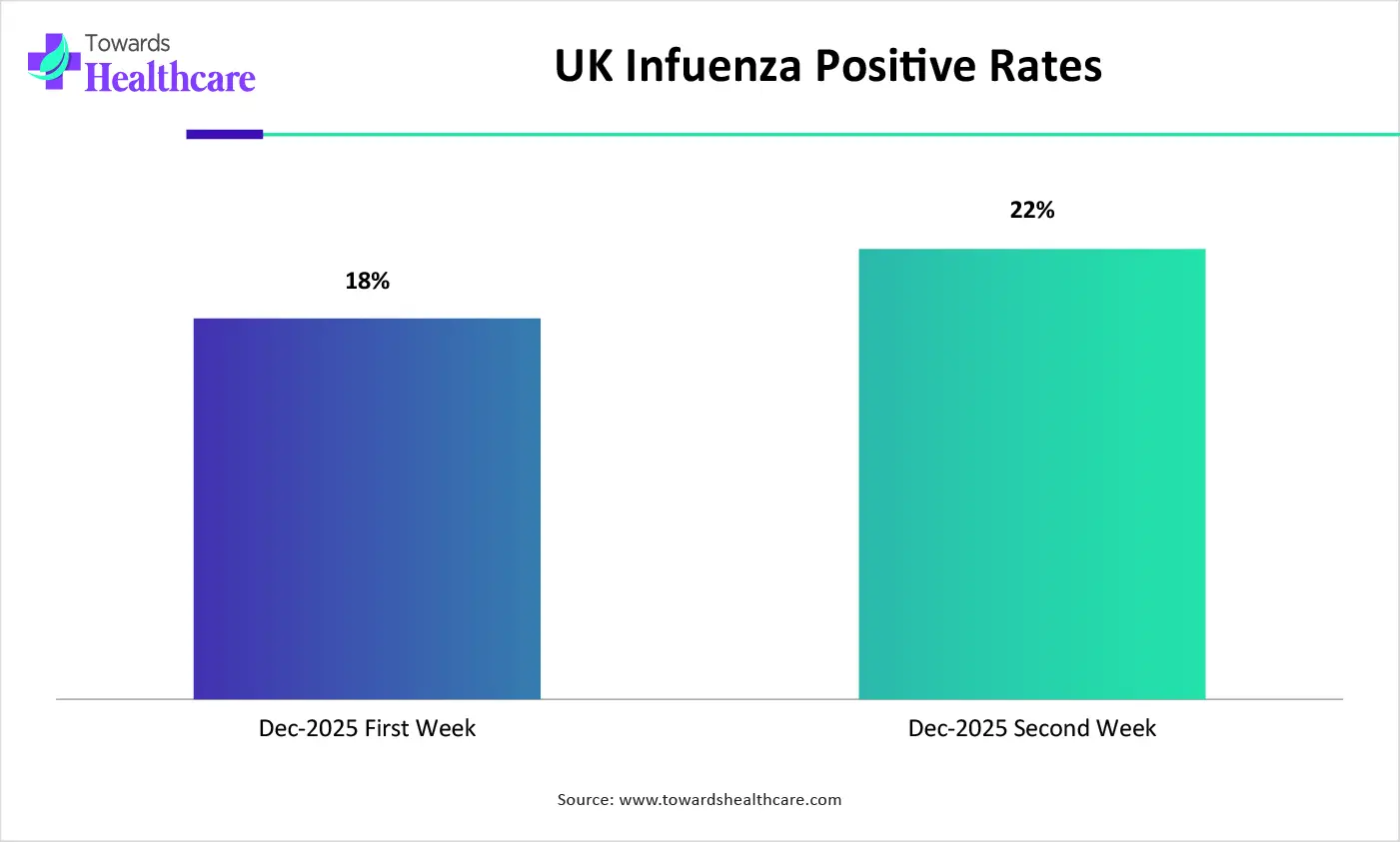
| December 2025 | Influenza Positive Rates |
| First week | 18% |
| Second week | 22% |
| Ecosystem Segment | Key Participants | Role in Market |
|---|---|---|
| Technology Providers | Sartorius (Albumedix), Merck KGaA, InVitria, Oryzogen | Develop recombinant albumin expression and purification technologies |
| Product Manufacturers | Sartorius, InVitria, HiMedia Laboratories, NCPC, Oryzogen | Manufacture GMP and research-grade recombinant albumin products |
| Service Providers | Sartorius, Merck, Thermo Fisher Scientific | Supply bioprocessing solutions and technical support |
| Platform Providers | Sartorius, Merck, InVitria | Provide recombinant protein manufacturing platforms |
| CROs/CDMOs | Lonza, FUJIFILM Diosynth Biotechnologies, Catalent | Utilize recombinant albumin in biologics and cell therapy manufacturing |
| Software Vendors | Cytiva, Sartorius Digital Solutions, Merck Digital Platforms | Support bioprocess optimization and manufacturing analytics |
| Research Institutions | NIH, Harvard Medical School, Stanford University, University of Oxford | Research recombinant protein applications and biotherapeutics |
| End-User Industries | Biopharmaceuticals, Vaccines, Cell Therapy, Gene Therapy, Diagnostics | Primary consumers of recombinant albumin products |
R&D
Clinical Trials and Regulatory Approvals
Formulation and Final Dosage Preparation
Packaging and Serialization
Patient Support and Services
| Tier 1 | Tier 2 | Tier 3 | |
| Typical Market Influence | 65% | 25% | 10% |
| Tier 1 | ||||
| Company Name | Headquarters | Country | Why Relevant to This Market | Key Products/Services |
| Sartorius AG | Göttingen, Lower Saxony | Germany | Global leader following acquisition of Albumedix; extensive commercial recombinant albumin portfolio | Recombumin® recombinant human albumin |
| Merck KGaA | Darmstadt, Hesse | Germany | Major supplier of recombinant albumin for bioprocessing and cell culture applications | Recombinant Human Serum Albumin products |
| InVitria | Junction City, Kansas | United States | One of the most recognized dedicated recombinant albumin specialists | Exbumin®, Optibumin® 20, Optibumin® 25 |
| Tier 2 | ||||
| Company Name | Headquarters | Country | Why Relevant to This Market | Key Products/Services |
| Oryzogen | Barcelona, Catalonia | Spain | Specialized recombinant human albumin developer with proprietary production technology | Recombinant Human Albumin |
| HiMedia Laboratories | Mumbai, Maharashtra | India | Established supplier of recombinant albumin for research and bioprocess applications | Recombinant Human Albumin |
| FUJIFILM Irvine Scientific | Santa Ana, California | United States | Integrates recombinant albumin into advanced cell culture systems | Cell therapy media components |
| Tier 3 | ||||
| Company Name | Headquarters | Country | Why Relevant to This Market | Key Products/Services |
| Ventria Bioscience | Fort Collins, Colorado | United States | Pioneer in rice-based recombinant protein production and parent organization behind InVitria technologies | Recombinant albumin platforms |
| Innoprot | Derio, Basque Country | Spain | Supplies recombinant proteins including albumin for research applications | Recombinant albumin reagents |
Strengths
Weaknesses
Opportunities
Threats
By Dosage Form
By Application
By End User
By Region







Principal Consultant
Rohan Patil is a seasoned market research professional with over 5+ years of focused experience in the healthcare sector, bringing deep domain expertise, strategic foresight, and analytical precision to every project he undertakes.
Learn more about Rohan Patil

Reviewed By
Aditi Shivarkar is a seasoned professional with over 14 years of experience in healthcare market research. As a content reviewer, Aditi ensures the quality and accuracy of all market insights and data presented by the research team.
Learn more about Aditi Shivarkar










