




 Request Consultation
Very firstly, Asia Pacific (APAC) has developed as the world’s fastest-growing life sciences ecosystem, revolutionizing from an affordable production destination into a global innovation hub specifically for biotechnology, pharmaceuticals, & clinical research. Particular involvement of nations, such as China, India, Japan, South Korea, Singapore, & Australia, is massively investing in R&D, advanced therapeutics, personalized medicine, biologics manufacturing, & digital healthcare infrastructure. These developments are spurring APAC to become one of the most appealing destinations for pharmaceutical companies, biotechnology investors, contract research organizations (CROs), and healthcare technology providers. There are many structural advantages consistently expediting APAC’s momentum.
Primarily, APAC possess more than half of the world’s population, also experiencing a faster surge in the ageing demographic. This rising demographic is witnessing a substantial growth in chronic & infectious diseases, & benefits from enhancing healthcare spending across emerging economies. Regional governments are increasingly executing suitable regulatory transformations, tax incentives, biotechnology funding programs, & innovation bundles that assist commercialization of advanced therapies.
The market statistics clearly indicate these reforms.
| Market | 2025 Market Size | Forecast |
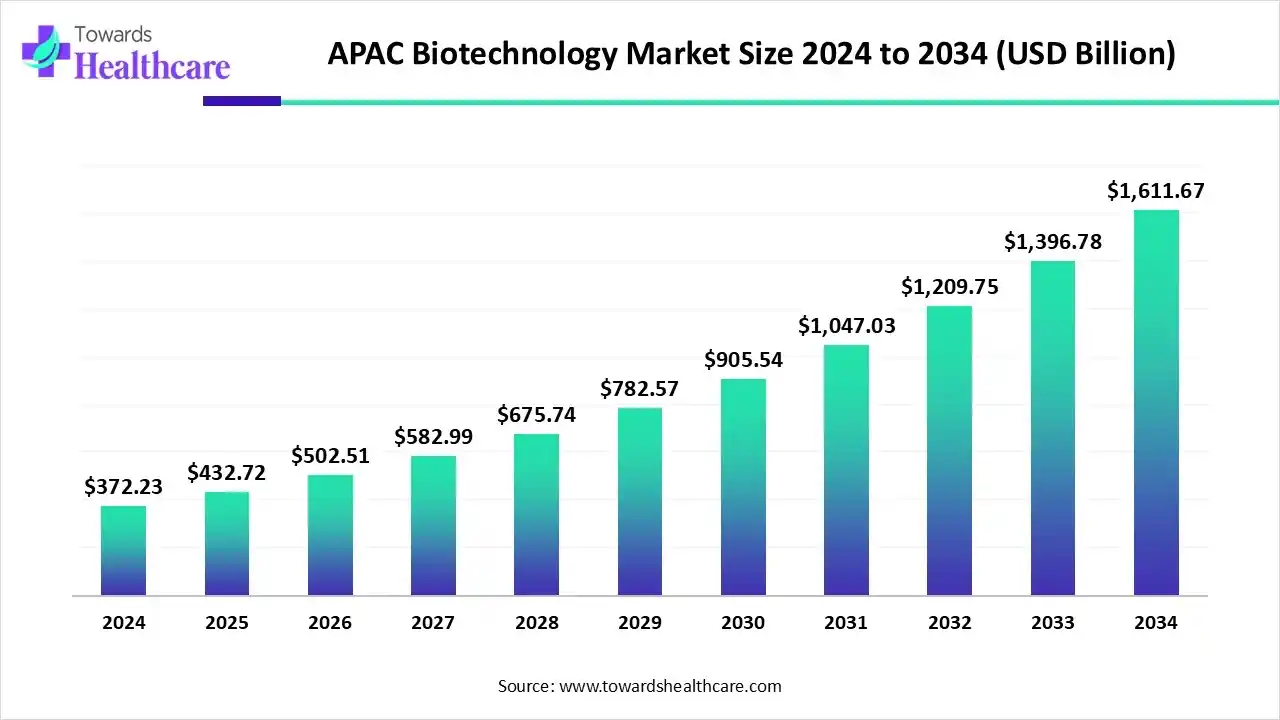
| APAC Biotechnology | US$432.72 Billion | US$1,611.67 Billion (2034) |
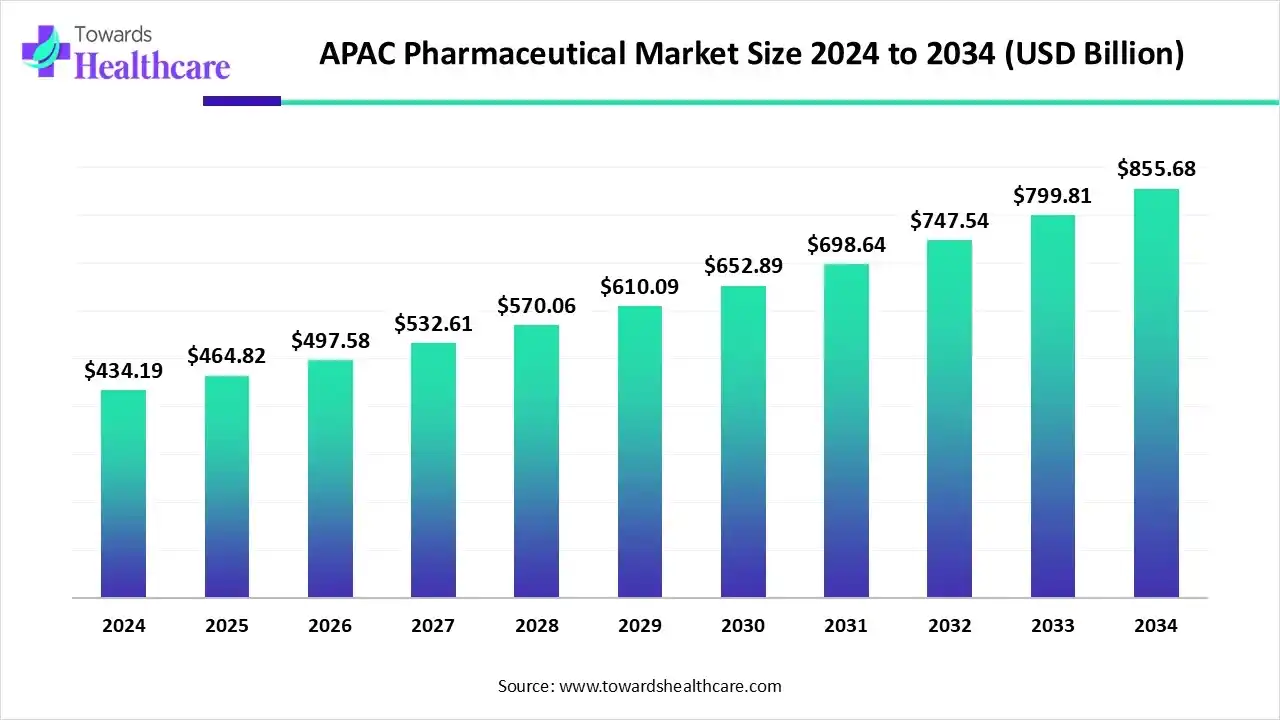
| APAC Pharmaceutical | US$464.82 Billion | US$855.68 Billion (2034) |
| Global Clinical Trial Services | US$66.07 Billion | US$154.28 Billion (2035) |
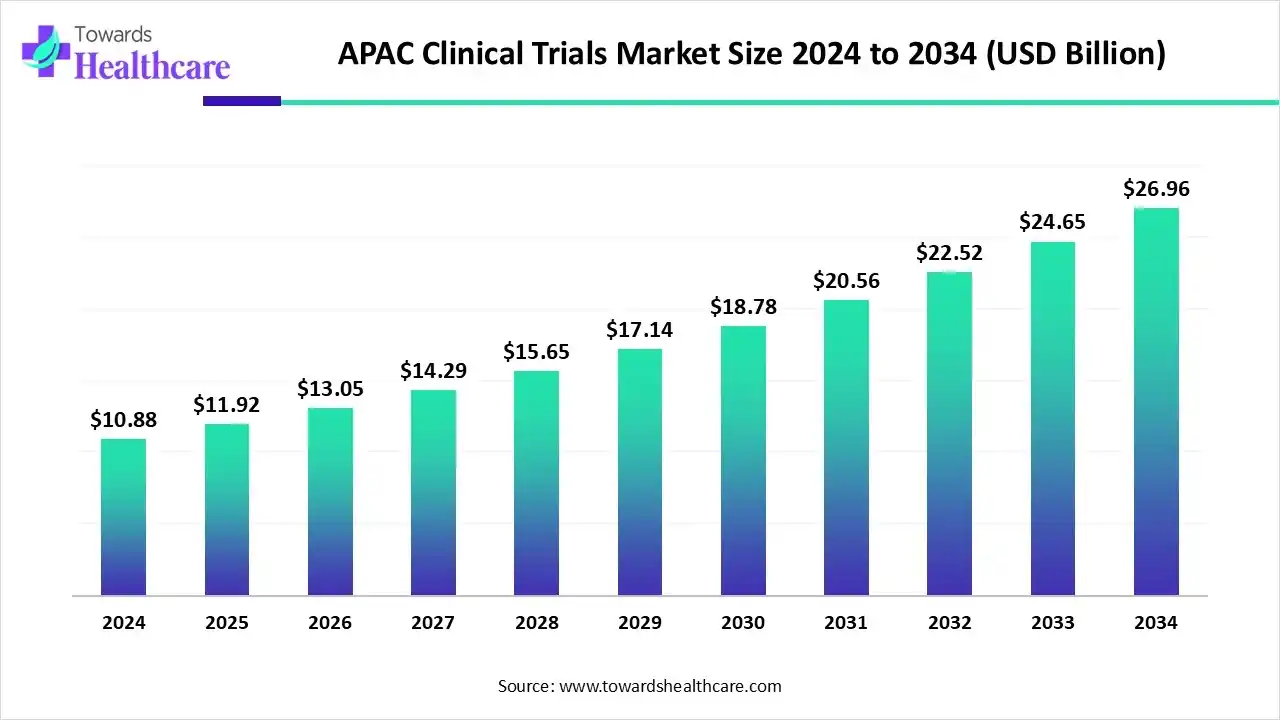
The above analysis indicates that the APAC biotechnology market is predicted to show the fastest expansion at a 14.80% CAGR in the upcoming years. However, the APAC pharmaceutical market will expand rapidly at a 7.02% CAGR, due to the broadened access to healthcare, accelerating biologics adoption, growing demand for specialty medicines, & increased investments in local pharmaceutical production. On the other hand, the global clinical trial services market is expected to exceed US$71.92 billion in 2026 & is estimated to register rapid growth at an 8.85% CAGR during the forecast period. Within this share, APAC is anticipated to hold an increasing share of global outsourced clinical development because of its wide range of patient population, cost advantages, mature investigators, & expeditiously modernizing regulatory landscapes.
As a whole, these three streams are establishing one of the world’s giant integrated life sciences opportunities. Robust biotechnology innovation fuels newer drug discovery, while pharmaceutical leaders encourage commercialization of therapies at scale. Whereas clinical trial service providers are pushing product development through strong research execution. Furthermore, a unified expansion is empowering APAC’s reach as the preferred destination for global life sciences investment in the coming era.
Key Highlights
APAC is projected to remain the fastest-growing global life sciences region through 2035.
- Biotechnology is growing more than twice as fast as traditional pharmaceuticals.
- China & India are becoming global R&D and manufacturing hubs.
- Japan continues to grow in regenerative medicine & groundbreaking drug development.
- South Korea is rapidly progressing in biologics manufacturing & biosimilars.
- Singapore has advanced itself as Southeast Asia’s premier biotechnology innovation hub.
- Australia sustains itself as a preferred nation for early-stage & oncology clinical trials.
Besides this, surging biologics, gene therapies, precision medicine, AI-powered drug discovery, & decentralized clinical trials are reshaping the competitive landscape.
Why Has APAC Become the World’s Fastest-Growing Life Sciences Region?
In recent decades, APAC has shifted from being mainly a manufacturing foundation for generic pharmaceuticals into an extensive innovative ecosystem. This prominently covers research, development, production, commercialization, & clinical validation. In this era, multinational pharmaceutical companies widely develop regional headquarters, innovation centers, biologics facilities, & clinical development programs across APAC. Meanwhile, domestic biotechnology leaders are evolving innovative therapies capable of competing throughout the globe.
Massive Population Generating Unmatched Healthcare Demand
Especially, APAC accounts for approximately 60% of the global population, which creates an immense addressable market for pharmaceuticals, biotechnology products, vaccines, diagnostics, & clinical research. The region encompasses
- China: Over 1.4 billion people
- India: Over 1.4 billion people
- Japan: Nearly 124 million
- Indonesia: Over 280 million
- Vietnam: > 100 million
- Philippines: Over 115 million
The steep scale of patients enables players to recruit clinical trial participants more rapidly while simultaneously developing significant commercial opportunities following regulatory approval. Increasing urbanization, higher incomes, improved insurance coverage, & advanced hospital infrastructure are persistently driving pharmaceutical consumption throughput both developed & developing APAC economies.
Ageing Population is Accelerating Drug Demand
Japan has one of the world’s oldest populations, while South Korea, China, Singapore, & Thailand are also experiencing rapid demographic ageing. An older population naturally increases the incidence of cancer, cardiovascular diseases, diabetes, Alzheimer’s disease, Parkinson’s disease, autoimmune disorders, & rare diseases. Consequently, pharmaceutical firms are prioritizing investments in innovative biologics, cell therapies, gene therapies, monoclonal antibodies, & tailored medicines targeting age-related diseases.
Rising Healthcare Spending Across APAC
Nowadays, healthcare expenditure has constantly increased across APAC because of economic expansion, broadening middle-class populations, & robust government commitments to healthcare access. Pivotal contributors include:
China: They are investing heavily in hospital modernization, universal healthcare coverage, biopharmaceutical innovation, national reimbursement reforms, biopharmaceutical innovation, national reimbursement reshapes, & precision medicine initiatives. Ongoing Chinese healthcare transformations have significantly improved access to innovative medicines while impelling domestic biotechnology development.
India: This country remains one of the world’s largest producers of generic medicines while notably increasing investments in biotechnology parks, vaccine production, API manufacturing, digital healthcare, & medical research institutions. Government programs, such as ‘Make in India’ & the Production Linked Incentive (PLI) scheme, are strengthening pharmaceutical self-reliance & export competitiveness.
Southeast Asia: Nations like Vietnam, Malaysia, Indonesia, & Thailand are empowering healthcare budgets to bolster infrastructure, raise insurance coverage, & assist domestic pharmaceutical manufacturing.
Government Support is Propelling Biotechnology Innovation
Regardless of earlier decades, current biotechnology growth in APAC is no longer fueled solely by private investment. Whereas governments have become active participants in impelling life sciences ecosystems, such as;
China: It has been promoting diverse strategic biotechnology initiatives to support novel biologics, gene therapy, cell therapy, genomics, AI-assisted drug discovery, & domestic CRO expansion. However, its national industrial policies spur biotechnology commercialization, while accelerating regulatory approvals for innovative therapies.
South Korea: It has positioned biotechnology as a strategic economic sector. National priorities comprise biologics manufacturing, biosimilars, cell therapies, digital healthcare, & AI-driven pharmaceutical development. Many companies headquartered in South Korea have become major global CDMOs & biosimilar innovators.
Singapore: This has built one of Asia’s powerful biotechnology ecosystems through research grants, international collaborations, biomedical research institutes, attractive tax incentives, & highly skilled workforce development. This also acts as a regional headquarters for several multinational pharmaceutical companies while assisting many biotechnology startups.
Australia: It is internationally popular for clinical research excellence through efficient ethics approval systems, robust intellectual property protection, high-quality healthcare infrastructure, impressive R&D tax incentives, & worldwide respected academic institutions. These benefits have boosted Australia as one of the preferred areas for Phase I & oncology clinical trials.
APAC is Becoming the Global Manufacturing Hub
Specifically, the Asia Pacific has evolved beyond cost-effective production into a sophisticated manufacturing center capable of supporting advanced biologics & modern therapies. Today, APAC manufacturers are focusing on active pharmaceutical ingredients (APIs), generic medicines, vaccines, monoclonal antibodies, cell therapies, gene therapy vectors, & diagnostic products.
Estimated APAC pharmaceutical manufacturing share by segment includes:
- Generic APIs: 55-60%
- Generic Finished Dosage Forms: 45-50%
- Vaccine Manufacturing: 35-40%
- Biosimilar Manufacturing: 30-35%
- Biologics Manufacturing Capacity: 25-30%
Specifically, China & India are registering a dominant share across API production, while South Korea & Singapore have dominated as key centers for biologics manufacturing. Moreover, Japan is broadly involved in premium innovative pharmaceutical manufacturing, & Australia is widely supporting the latest biologics & precision medicine production.
Venture Capital is Accelerating Biotechnology Growth
Throughout APAC, biotechnology startups are attracting growing levels of venture capital, strategic alliances, licensing agreements, & public market investments. The strongest funding activity is emphasized oncology, cell & gene therapy, AI-enabled drug discovery, mRNA therapeutics, precision medicine, rare diseases, digital therapeutics, & RNA technologies. China has established itself as Asia’s largest biotechnology investment market, while Singapore & South Korea are showcasing rapid growth in venture-led life sciences players. Moreover, India is also witnessing surging investment in biotechnology startups aimed at diagnostics, biosimilars, vaccine development, & AI-enhanced healthcare.
Biotechnology Market: The Fastest-Growing Opportunity in APAC
Among all life sciences sectors, biotechnology stands out as the foremost engine of innovation & long-term value creation. APAC biotech market’s predicted increase from US$432.72 billion in 2025 to US$1.61 trillion by 2034 shows more than simple industry expansion; it signifies a structural transformation in healthcare delivery, therapeutic development, & biomedical research across APAC.
Many high-growth technologies are propelling this expansion, including monoclonal antibodies, cell & gene therapies, CRISPR gene editing, synthetic biology, RNA therapeutics, precision oncology, next-generation sequencing, companion diagnostics, AI-optimized drug discovery, & regenerative medicine. These technologies are transforming pharmaceutical pipelines & attracting unprecedented investment from governments, venture capital firms, multinational pharmaceutical companies, & institutional investors.
Why is Biotechnology Growing Faster Than Traditional Pharmaceuticals?
Across APAC, the major population is experiencing diverse chronic diseases, while cancer prevalence continues to rise as populations age, & diabetes, CVD, autoimmune disorders, & neurological conditions are becoming more common because of changing lifestyles & longer life expectancy. Conventional treatment frequently facilitates symptom management, whereas biotechnology is highly focused on modifying disease progression or understanding the basic biological reasons. This transition is fueling demand for biologics, monoclonal antibodies, gene therapies, & cell-based treatments.
Asia Pacific is accelerating adoption of biologics, which is holding a lucrative portion of new drug approvals across the world. This widespread adoption is driven by superior outcomes for intricate diseases, which mainly covers monoclonal antibodies, recombinant proteins, vaccines, hormones, & other products derived from living organisms. Many healthcare systems are widening reimbursement for biologic therapies, enhancing patient access while impelling domestic manufacturers to invest in advanced biologics production.
| Therapeutic Area | Biologics Adoption Trend |
| Oncology | Very High |
| Autoimmune Diseases | High |
| Rare Diseases | High |
| Hematology | High |
| Endocrinology | Moderate |
| Infectious Diseases | Moderate to High |
Ongoing expiration of patents on many blockbuster biologics has created a crucial opportunity for biosimilars, i.e. highly similar versions of approved biologic medicines that provide comparable effectiveness & safety at cost-efficient prices. In APAC, South Korea has evolved as a global player in biosimilar commercialization, whereas India & China are continuously strengthening production capabilities to comply with domestic & international demand. Emerging biosimilars possess lower treatment expenses, optimized patient access, minimal health spending, expanded market competition, & rapid adoption of biologic therapies. During the prospective period, biosimilars are estimated to remain one of the strongest contributors to biotechnology market expansion.
Country-Wise Biotechnology Market
China (Largest in the APAC Region)
- Key Focus Areas: Development of novel biologics, gene therapies, CAR-T therapies, & personalized medicine platforms.
- Key Strengths: Vast local patient population, advanced genomic research capabilities, increasing venture capital ecosystem, rising global licensing activity, advancing biologics manufacturing capacity.
- The country has also simplified regulatory guidelines, minimizing approval timelines for new medicines & supporting multinational pharmaceutical companies to unveil products earlier in the Chinese market.
- China captured nearly 45-50% of the APAC biotechnology market.
India (Elevating Biotechnology Innovation Hub)
- Key Focus Areas: Vaccines, biosimilars, agricultural biotechnology, industrial biotechnology, biopharmaceutical research, contract development & manufacturing.
- Key Strengths: The country's large pool of scientists, engineers, clinicians, & data professionals. Specifically, government programs support biotechnology parks, startup incubators, genomic research, & vaccine innovation to develop a more diverse system.
- India registered an approximate 12-15% share of the APAC biotechnology market.
Japan (A Global Leader in Premium Innovation)
- Key Focus Areas: Regenerative medicine, stem cell research, precision medicine, oncology research, neurological therapies, rare disease drug development.
- Key Strengths: Its regulatory landscape has been especially favorable to regenerative medicine, allowing rapid commercialization of innovative therapies by maintaining high safety benchmarks. Also, Japanese leaders are fostering heavy investments in biotechnology acquisitions, licensing agreements, & collaborative research with international biotech firms.
- Japan is estimated to account for an 18-20% share of the APAC biotechnology market.
South Korea (Building a Global Biologics Powerhouse)
- Key Focus Areas: Biologics manufacturing, biosimilars, cell therapy, gene therapy, CDMO services, digital biotechnology.
- Key Strengths: Broadened investment in AI for drug discovery, with expanding capabilities as an attractive production base for multinational pharmaceutical firms looking for industrial-scale biologics manufacturing.
Singapore (Southeast Asia’s Biotechnology Gateway)
- Key Strengths: World-class research institutions, strong intellectual property protection, attractive tax incentives, international talent, modern production infrastructure, regional headquarters for multinational pharmaceutical firms.
- This serves a pivotal role in offering regional alliances, clinical research, & commercialization of novel therapies across Southeast Asia.
Australia (Excellence in Translation Research)
- Key Strengths: Cancer research, immunotherapy, clinical trials, medical devices, precision medicine, regenerative medicine. Also, they have government-led research programs, globally respected universities, & supportive tax incentives.
- Australia also gains advantages from close collaboration between hospitals, universities, & biotechnology companies, expediting product development & commercialization.
Emerging Technologies Revolutionizing APAC Biotechnology Market
Gene Therapy: This therapy emphasizes treating diseases by altering or substituting defective genes. Also, it has indicated substantial confidence for inherited disorders, rare diseases, & certain cancers. Alongside, China, Japan, South Korea, & Australia are actively investing in gene therapy research, manufacturing infrastructure, & clinical development.
Cell Therapy: Diverse cell-based therapies, like CAR-T treatments, have reshaped the management of many blood cancers. Whereas several APAC biotechnology companies are investing in autologous cell therapies, allogeneic cell therapies, stem cell therapies, regenerative medicine, & tissue engineering.
Artificial Intelligence in Drug Discovery: Expansive use of AI across the biotechnology industry has influenced the overall regional progression. Various AI solutions have applications, such as drug target identification, molecule screening, clinical trial design, biomarker discovery, predictive toxicology, protein structure modeling, & drug repurposing. AI algorithms are increasingly assisting biotechnology companies by shortening research timelines, enhancing success rates, coupled with a need for minimal development spending while speeding up innovation.
Precision Medicine: Despite providing standardized treatments for all patients, precision medicine employs genetic, molecular, & clinical data to customize therapies to individual patient profiles. This approach is especially precious in oncology, rare disease, neurology, immunology, & cardiovascular medicine. Ongoing investment in genomic sequencing & companion diagnostics is projected to drastically grow precision medicine across APAC in the predicted timeframe.
Developing Investment Activity is Reaching New Highs
In this era, investor promise in APAC biotechnology has grown considerably as the region shows its ability to evolve worldwide competitive innovation. Currently, funding activity spans multiple stages of company development, including seed-stage biotechnology startups, venture capital financing, growth equity investments, strategic pharmaceutical partnerships, licensing agreements, initial public offerings (IPOs), & cross-broader acquisitions. A key focus on oncology, cell and gene therapy, RNA therapeutics, AI-assisted drug discovery, and precision medicine continues to attract the dominant share of investment capital.
Moreover, a notable trend is the increasing number of collaboration agreements among multinational pharmaceutical companies and APAC biotechnology players. Instead of depending solely on acquisitions, numerous global companies are entering licensing & co-development alliances to gain access to innovative pipelines while allowing regional biotech companies to retain operational independence. This collaborative effort is accelerating technology transfer, widening access to international markets, & reinforcing APAC's position within the global biotechnology value chain.
APAC Pharmaceutical Market: From Production Strength to Global Innovation Leadership
The pharmaceutical industry across Asia-Pacific has undergone a remarkable revolution over the past two decades. Once understood primarily as an inexpensive manufacturing hub for generic medicines and active pharmaceutical ingredients (APIs), the region has established into one of the world's most influential pharmaceutical markets. Today, APAC is home to world-competitive drug manufacturers, innovative pharmaceutical companies, modern biologics producers, & quickly advancing research ecosystems.
What is Driving Pharmaceutical Growth Across APAC?
APAC has experienced one of the fastest-growing middle-class populations in the world. Furthermore, escalating disposable incomes have crucially enhanced health spending, & this enables more patients to access prescription medicines, preventive healthcare, specialty drugs, & innovative treatments. Especially, China, India, Indonesia, Vietnam, the Philippines, & Thailand are witnessing significant optimization in healthcare accessibility as income levels rise & healthcare systems mature.
Several governments in APAC are notably widening public healthcare coverage to boost access to necessary medicines. Like, China’s National Reimbursement Drug List (NRDL) expanded access to novel therapies, while India explored the Ayushman Bharat Program with huge publicly funded health insurance initiatives. Whereas Japan promotes an extensive universal healthcare system, & South Korea unveiled a national health insurance program to raise pharmaceutical usage.
Another driver is a booming geriatric population, mainly across Japan, China, South Korea, Singapore, & Thailand. This population demands wider use of medicines, particularly in hypertension, diabetes, CVD, arthritis, osteoporosis, Alzheimer’s disease, Parkinson’s disease, & cancer
Country-Level Pharmaceutical Market Dynamics
China (Giant in the APAC Pharmaceutical Market)
As the largest country across the APAC market, China has shown dominance with a population exceeding 1.4 billion people, consistent healthcare modifications, advancing hospital infrastructure, surging pharmaceutical innovation, & increasing biologics adoption. Also, they have implemented policies that foster local pharmaceutical innovation, coupled with improvements in intellectual property protection & streamlined drug approval processes. It accounted for nearly a 40- 45% share of the APAC pharmaceutical market.
India (The Pharmacy of the Globe)
A key developer of generic medicines & vaccines, India is supplying medicines to > 200 nations & is projected to manufacture approximately 20% of the world’s generic medicines by volume, & > 60% of global vaccine demand by volume. Along with affordable production, massive-scale Api production, robust regulatory expertise, skilled scientific workforce & progressing biologics capabilities, India captured a 10-12% share of the market. Indian government has rolled out the PLI scheme & huge investment in bulk drug parks to bolster self-reliance and lower dependency on imported APIs.
Japan (Innovation Over Volume)
With a 25-28% share of the APAC pharmaceutical market, Japan is widely investing in oncology, neuroscience, rare diseases, regenerative medicine, immunology & tailored medicine. Also, it has published rigorous regulatory frameworks & strong intellectual property protections, making it an appealing market for innovative medicines.
South Korea (A Rising Pharmaceutical Innovator)
Beyond generic drug manufacturing, South Korea focuses on biopharmaceuticals, biosimilars, contract manufacturing, specialty medicines, & digital therapeutics. Expanding government investment in biotech & pharma R&D pushes international collaborations & production projects.
Southeast Asia (The Next Growth Frontier)
Especially Indonesia, Vietnam, Malaysia, Thailand, & the Philippines are experiencing faster expansion because of accelerating insurance coverage, massive burden of urban populations, advanced healthcare infrastructure, & raised pharmaceutical consumption. Collectively, they indicate a major long-term opportunity for multinational pharma leaders seeking sustained progression.
Therapeutic Areas Driving Market Expansion
Oncology: Nowadays, cancer is spotlighting as one of the key causes of mortality across APAC. This further results in significantly higher demand for targeted therapies, immunotherapies, biologics, CAR-T treatments, & tailored oncology medicines. As a prominent area, oncology is spurring pharmaceutical R&D investment globally, & APAC is becoming an increasingly crucial market for both clinical development & commercialization.
Cardiovascular Diseases: faster urbanization, sedentary lifestyles, obesity, & geriatric populations are persistently propelling cardiovascular disease cases. This further raises demand for antihypertensives, lipid-lowering therapies, anticoagulants, & heart failure treatments. These therapeutics are reflecting as one of the largest contributors to overall pharma sales across APAC.
• Diabetes: Asia-Pacific registers a dominant share of the world’s diabetic population, whereas China & India are continuously reporting a surge in diabetes incidence because of lifestyle modifications & an ageing population. These incidences are further quickly demanding insulin analogs, GLP-1 receptor agonists, SGLT2 inhibitors, & continuous glucose management solutions. Eventually emerging next-generation diabetes therapies are estimated to push sustained pharmaceutical market progression during the forecast period.
• Rare Diseases: These diseases are collectively affecting millions of patients across the APAC. With robust support from governments, which are usually optimizing regulatory solutions & reimbursement frameworks for orphan drugs, impelling pharmaceutical leaders to foster development efforts in this area.
Gradually growing APAC’s pharmaceutical manufacturing capabilities are promoting the region’s greatest competitive strengths across the globe. Furthermore, APAC assists nearly every stage of the pharmaceutical value chain, including API production, finished dosage formulation, vaccine manufacturing, biologics manufacturing, packaging, quality testing, & global distribution.
Global Manufacturing Position
| Manufacturing Segment | Estimated Global Share |
| Generic APIs | 55-60% |
| Finished Generic Medicines | 45-50% |
| Vaccine Manufacturing | 35-40% |
| Biosimilar Manufacturing | 30-35% |
| Pharmaceutical Export Production | Over 40% |
According to research, China & India are highlighted as dominant suppliers of APIs & generic medicines; meanwhile, South Korea & Singapore have become substantial hubs for biologics production. On the other hand, Japan is continuously aiming at high-end innovative pharmaceutical production. The COVID-19 pandemic also strengthened APAC’s importance to global pharmaceutical supply chains, driving additional investments in production capacity & supply chain diversification.
Digital transformation is reshaping the pharmaceutical industry.
Exploration of digital technologies is highly impacting every stage of pharmaceutical processes. Day by day, many companies are employing AI for drug discovery, machine learning for clinical data analytics, digital twins in manufacturing, predictive analytics for supply chain optimization, robotics in production settings, electronic quality management systems (QMSs) & RWE platforms. An expansive implementation of these technologies is improving operational efficiency by lowering development timelines & production expenses. The respective digital revolution is also allowing pharm firms to engage more efficiently with healthcare providers & patients through digital health platforms, telemedicine integration, & remote patient monitoring.
APAC’s Elevating Role in Global Pharmaceutical Exports
Exports from countries like India, China, South Korea, Singapore, and Japan continue to advance as multinational companies diversify supply chains & look for reliable manufacturing partners. Ongoing regional consolidation of regulatory expertise, skilled workforce, competitive production costs, & surging compliance with international quality standards has strengthened its position in the global pharmaceutical trade. As demand for biologics, specialty medicines, vaccines, and advanced therapies continues to rise globally, APAC is anticipated to play an even more important role in ensuring the resilience and efficiency of global pharmaceutical supply chains.
Clinical Trial Services: Why APAC is Becoming the World’s Prominent Destination for Drug Development?
Execution of strong and immersive clinical trials is a bridge between scientific discovery & commercial success, which makes these services one of the most vital parts of the life sciences value chain. As biotechnology innovation speeds up & pharmaceutical pipelines become increasingly specialized, demand for contract research organizations (CROs), decentralized clinical trials, real-world evidence generation, and advanced data management services will continue to rise across APAC.
Why Are Global Sponsors Broadening Clinical Trials in APAC?
First of all, the region has a massive & genetically varied population, coupled with approximately 60% of the global population, which offers researchers access to patients across diverse ethnicities, disease profiles, & socioeconomic backgrounds. This diversity is important for studies involving oncology, CVD, rare disease, respiratory diseases, etc. Mainly, China & India are specific attractions due to their vast treatment-naïve populations, enabling quick enrollment for numerous therapeutic areas.
APAC is providing many advantages that enhance patient recruitment efficiency, such as large patient populations, increased disease incidence, advancing hospital networks, rising physician participation, expanding awareness of clinical research & improved patient engagement activities. By overcoming clinical trials delays, thousands of multinational pharma companies are significantly shortening enrollment timelines in APSC, especially for oncology, infectious disease, & metabolic disorders.
Increasingly competitive clinical development costs are also driving clinical trials in APAC. Despite expenditures changing by country & therapeutic area, conducting clinical research in many regional markets is more affordable than in North America or Western Europe. APAC achieves cost benefits from minimal investigator spending, competitive site management costs, reduced operational expenses, robust patient recruitment, lower monitoring expenses, & advancing local CRO capabilities. These factors allow pharma leaders to enhance research budgets by maintaining high-quality clinical benchmarks.
Moreover, older regulatory difficulties restricted clinical research growth in certain APC nations. However, emerging transformations in the last few years have drastically optimized the regulatory landscape. This prominently consists of
- China’s implemented comprehensive reforms emphasized expediting innovative drug development, coupled with recent changes, like rapid ethics approvals, acceptance of international clinical data, higher alignment with ICH guidelines, & streamlined regulatory review approaches.
- Meanwhile, India has reinforced regulatory supervision via advancing clinical research governance. India’s key initiatives focused on improving participant safety, rising visibility, digitalizing regulatory submissions, optimizing ethics committee oversight, & empowering investigator training.
- Australia’s well-known regulatory system represents faster study initiation, well-developed ethics review pathways, stronger IPP, worldwide recognized research institutions, & robust R&D tax incentives. It is pursuing its position for Phase I, oncology, & first-in- human studies.
In 2026, decentralized clinical trials (DCTs) are modifying research models.
Instead of necessitating every participant to encounter centralized research sites, DCTs use digital technologies that enable several study activities to be conducted remotely. Key examples are telemedicine consultations, electronic informed consent, remote patient monitoring (RPM), wearable health devices, home nursing visits, mobile health applications, & electronic patient-reported outcomes (ePRO). These kinds of technologies are improving patient convenience, with minimal travel stress & rising study retention. Apart from this, many APAC countries are heavily investing in digital health infrastructure, which makes them highly suitable for hybrid & DCT models.
Digital Technologies Are Transforming Clinical Research
An emphasis on data-driven clinical trial operations fuels sponsors & CROs, which are leveraging advanced technologies, like
Artificial Intelligence: The broader adoption of AI supports patient recruitment improvement, site selection, protocol optimization, predictive enrollment modeling, & safety signal detection.
Electronic Data Capture (EDC): Incorporation of modern EDC systems enhances data quality, regulatory compliance, real-time monitoring, & rapid database lock.
Real-World Evidence (RWE): Day by day, many healthcare providers are generating huge volumes of real-world clinical data through electronic health records, disease registries, insurance claim databases, and digital health programs. These modern data sources highly complement traditional clinical trial evidence.
Wearable devices: The emergence of connected devices enables constant monitoring of heart rate, blood pressure, physical activity, sleep quality, blood glucose, & cardiac rhythm. Moreover, wearables are bolstering data collection while lowering patient burden.
Country Spotlight: Clinical Trial Opportunities Across APAC
China
This nation has become one of the world’s giant clinical research markets. This country has several strengths, including comprehensive hospital networks, huge patient populations, regulatory breakthroughs, an elevating domestic biotechnology sector, and robust government support. China is also broadly covering global crucial studies across oncology, rare diseases, immunology, & metabolic disorders.
India
India facilitates one of the largest pools of treatment-naïve patients globally and also offers many advantages, like inexpensive clinical operations, mature investigators, a vast English-speaking workforce, strong information technology capabilities, & progressing hospital infrastructure. The country is specifically attractive for massive multicenter Phase III studies.
Japan
This nation is bolstering its position as essential for innovative drug development due to high-quality clinical data, sophisticated healthcare infrastructure, efficient regulatory oversight, & a premium pharmaceutical market. Even though patient recruitment may be slower than in larger developing markets, Japanese involvement remains strategically significant for several global regulatory programs.
South Korea
It has expeditiously developed itself as a leader in technologically advanced clinical research, with key strengths like digitized hospitals, precision medicine initiatives, oncology expertise, advanced imaging capabilities & modern research institutions. Alongside, its well-established healthcare infrastructure assists complex clinical studies, especially in oncology & biologics.
Australia
It is appealing to international sponsors due to its efficient regulatory framework & worldwide popular clinical research capabilities. It is widening its powerful reach in early-phase clinical trials, oncology, rare diseases, neuroscience, and vaccine research. Besides this, generous R&D encouragement & simplified ethics review processes further boost Australia’s competitiveness.
Southeast Asia
Specifically, Singapore, Malaysia, Thailand, Vietnam, & Indonesia are becoming increasingly important for regional & multinational studies. These national markets are providing surging healthcare infrastructure, broadening investigator networks, & a wide range of patient populations, with increasing government assistance for clinical research.
Strategic Growth Opportunities Across the Life Sciences Value Chain
The consolidation of biotechnology, pharmaceuticals, & clinical research is developing opportunities that span well beyond drug development. Specific areas expected to attract significant investment include contract research organizations (CROs), clinical data management services, biostatistics & medical writing, regulatory consulting, pharmacovigilance, & clinical technology platforms. In the coming era, life sciences firms are focusing on electronic clinical outcome assessment (eCOA), patient recruitment & retention solutions, real-world evidence analytics, decentralized clinical trial infrastructure, & biomarker and companion diagnostic development.
A gradual rise in clinical development across the globe is allowing firms to unify digital technologies, regulatory expertise, & operational excellence. This will spur firms to capitalize on APAC’s expanding research ecosystem.
Major Steps Taken by Certain Government & Private Entities Across APAC in 2026
In July 2026, A NITI Aayog roadmap explored generating a ₹50,000 crore BioEconomy Growth Fund, a devoted production-linked incentive (PLI) scheme for biomanufacturing, & six national biotechnology missions as part of an aspirational strategy to revolutionize India into one of the world’s top three biotechnology reinforces by 2035.
In July 2026, Pakistan & Chinese companies signed agreements worth $850 million at the Pakistan-China Pharmaceutical and Healthcare B2B Investment Conference in Islamabad. The event was focused on vaccine production, active pharmaceutical ingredients (API), medical devices, clinical trials, and related pharmaceutical subsectors.
In June 2026, Immuneel Therapeutics closed its Series B funding round, raising more than ₹100 crore, with the involvement of Singularity AMC, Rainmatter by Zerodha and many high-net-worth individuals, to bolster its GMP manufacturing capacity, advance its cell and gene therapy pipeline towards clinical milestones, assist the commercialisation of Qartemi, & speed up expansion into markets across Asia Pacific & the Middle East.
In April 2026, Austrade entered into a strong collaboration between Australia and Southeast Asia during Clinical Trials Festival Asia (CTFA) 2026 in Singapore to empower engagement with Southeast Asian hospitals, regulators, & research institutions to optimize trial delivery and support multi-country clinical development strategies.
In February 2026, Japan’s Ministry of Health, Labour and Welfare (MHLW) collaboration between the International Joint Clinical Trial One-Stop Consultation Window and the Pharmaceuticals and Medical Devices Agency (PMDA) to understand Japan’s constant challenges of drug lag and drug loss by attracting international clinical trials and enhancing the country’s development environment.
Conclusion
In 2026, Asia Pacific is witnessing rapid expansion across the biotechnology, pharmaceutical, & clinical trial services markets, with a focus on widening innovative opportunities across the same industries. In the case of the biotechnology sector, APAC countries like China, India, & other key nations are fostering the development of innovative biologics, including C&G therapies, vaccines, etc. Moreover, India & China are advancing their biotechnology hubs by adopting new digital technologies, such as AI, predictive analytics, robotics, etc.
Whereas in the APAC pharmaceutical market, India is growing as a prominent player in generic medicines, with an emphasis on raising global distribution. Along with South Korea’s pharmaceutical innovations, Southeast nations are broadening investment across healthcare sectors. APAC’s clinical trial services are primarily fueled by the massive burden of an ageing population, especially across China, India, & India. This stress has been supporting immersive & strong clinical studies, mainly in oncology, rare diseases, & other important chronic diseases. Decentralized clinical trials are widely pushing changes in research models, including implementation of telemedicine consultations, electronic informed consent, RPM, wearable devices, etc.