Pipeline Programs

CGT Companies Tracked

Manufacturing Facilities


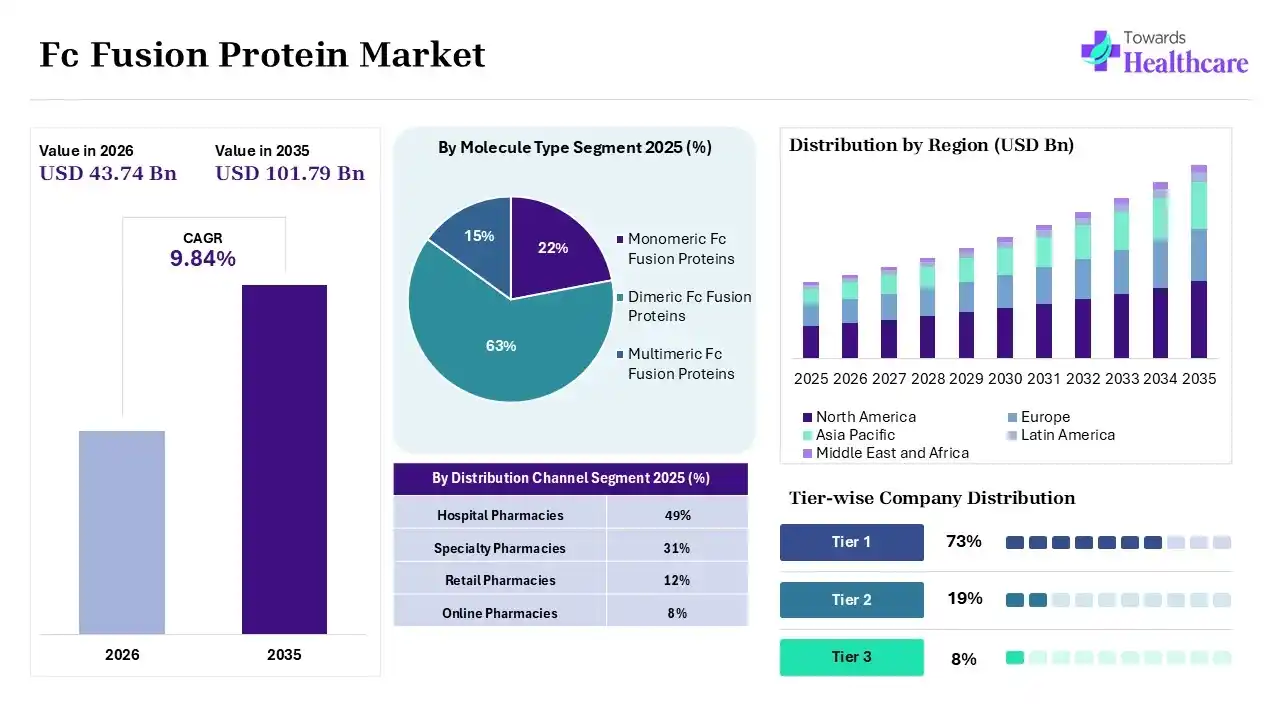
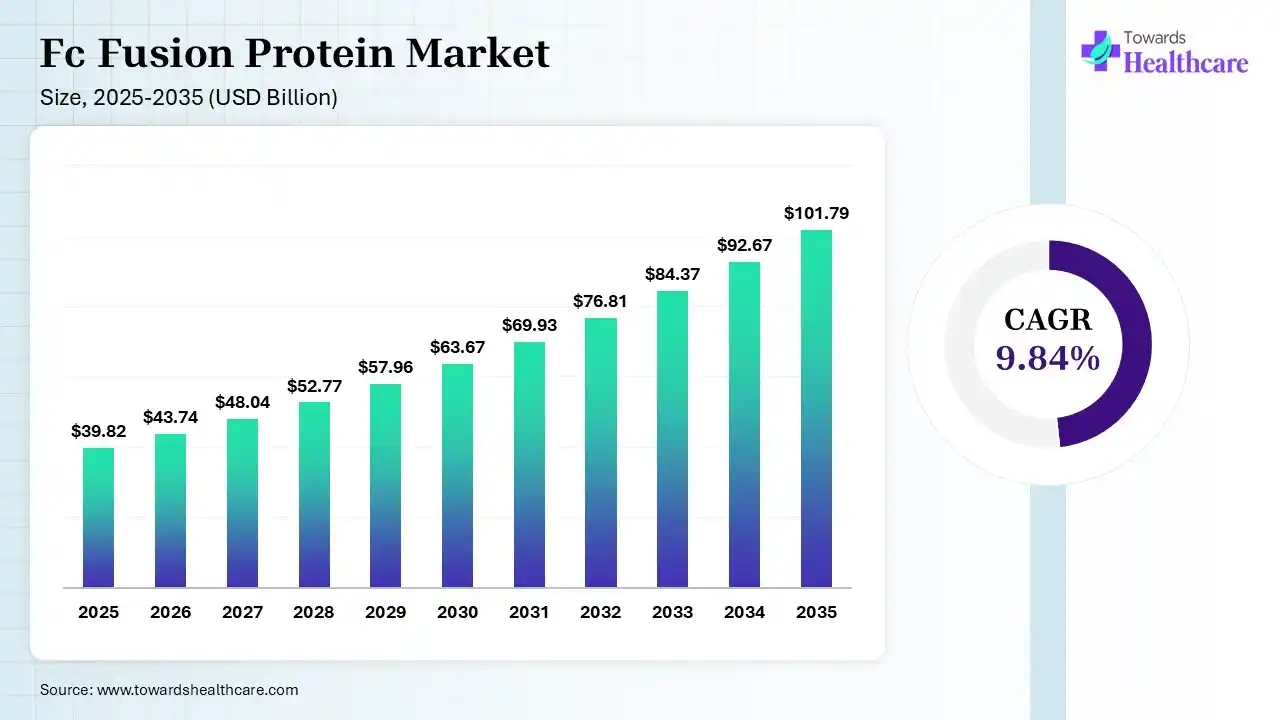
The global Fc fusion protein market size is calculated at USD 39.82 billion in 2025, driven by growth in incidences of chronic disease worldwide. The market continues to grow USD 43.74 billion in 2026 due to the rising demand for long-acting therapies, protein engineering advancements, and expanding biologics. It is expected to reach USD 101.79 billion by 2035, CAGR of 9.84% expected in between 2026 to 2035. as continued rise in healthcare investments, technological advancements, and growing demand for targeted therapies accelerate market expansion. North America accounted for 43% of the market in 2025 due to its advanced industries, favourable reimbursement support, and extensive clinical research.
Fc fusion proteins refer to the engineered recombinant molecules developed by merging the Fc region of an immunoglobulin G (IgG) antibody and a biologically active protein. They help in offering target-specific action, with improved drug stability and therapeutic effectiveness. This drives the demand for the treatment of autoimmune diseases, cancer treatment, hemophilia, rare genetic diseases, ophthalmic disorders, and metabolic disorders.
The first description of Fc fusion proteins was recorded in 1989, which highlighted CD4-Fc-fusion antagonists that inhibit human immunodeficiency virus entry into T cells, where 1998 introduced etanercept with improved half-life and stability. In 2005, abatacept was discovered, and by the end of 2011, six Fc-fusion-based drugs were introduced in the market. This fueled the R&D activities, which led to a rise in the development of next-generation Fc fusion proteins with improved properties and applications.
The extended half-life, improved therapeutic efficacy, drug stability, and clinical success rates are increasing investment in the development of new Fc fusion proteins. The growth in the demand for biologic drugs and the rise in the adoption of advanced technologies are also accelerating their development, attracting new investments.
The Fc fusion protein market is driven by a rise in the demand for long-acting therapies and rapid advancements in technological platforms. The growth in chronic disease prevalence worldwide drives the demand for Fc fusion proteins, where growth in their approval rates is also strengthening their pipeline. Additionally, demand for personalized medicines and targeted biologic therapies is also driving their advancements.
Expansion of Long-Acting Therapeutic Platforms
Increasing demand for extended half-life biologics is driving the adoption of long-acting therapeutic platforms. They help in minimizing dosing frequency and promoting patient treatment adherence.
Rising Development of Next-Generation Fc Engineering
To improve efficacy, stability, and pharmacokinetic properties of Fc fusion proteins, companies are developing a wide range of next-generation products. They are also driving the development of target-specific and multifunctional biologics.
Increasing Focus on Rare Disease Therapies
Growing incidences of orphan indications are creating new commercial opportunities for Fc fusion proteins. To tackle unmet medical needs, their demand is increasing, where regulatory support is also propelling their innovations.
Growth of Combination Biologic Therapies
Integration of Fc fusion proteins into combination treatment strategies is driving the growth in the development of new combination biologic therapies. These therapies enhance therapeutic efficacy, clinical applications, and address complex disease pathways.
AI and Computational Protein Engineering
AI accelerates protein discovery and optimization, reducing development time. They also help in improving Fc fusion protein stability, safety, and efficacy, which drives their demand in the development of next-generation Fc fusion proteins.
Market Drivers
Growing Chronic Diseases
Increasing incidence of rheumatoid arthritis, cancer, rare diseases, and inflammatory bowel disease is increasing the demand for effective treatment options. This is driving the adoption of Fc fusion proteins as effective and safe biologic therapies.
Rising Geriatric Population
A rise in the ageing population globally is increasing the cases of chronic disease. This, in turn, is increasing the demand for advanced biologic treatments, which is encouraging the use of Fc fusion proteins due to their enhanced half-life, safety, and improved outcomes.
Increasing Shift Towards Targeted Treatment Options
The growing health awareness is driving a shift towards targeted treatment options, which is increasing the use of Fc fusion proteins. Their target-specific action and minimized off-target effects also increase their adoption rates.
Market Restraints
High Cost
High cost associated with Fc fusion protein manufacturing and development reduces their adoption. Moreover, high treatment cost also reduces their accessibility.
Risk of Immunogenicity
The risk of immunogenicity triggered by Fc fusion proteins also reduces their therapeutic effectiveness and adoption rates.
Market Opportunities
A Rise in R&D Investments
With an aim to overcome unmet medical needs, the companies are actively investing in the development of the biologic pipeline. Additionally, growing collaborations are also driving new investment and funding from various sources.
Expanding Applications
The growing innovation and advancements are expanding the applications of Fc fusion proteins. This is creating new opportunities across ophthalmology, immunology, rare disease, oncology, and hematology sectors.
Blooming Personalized Medicine
Increasing focus on personalized treatment is creating new opportunities for precision medicines. This is promoting the development of personalized Fc fusion proteins for specific patient populations and disease pathways.
Market Challenges
Stringent regulatory requirements
Stringent regulatory requirements demonstrating enhanced safety, effectiveness, and quality limit the advancement of Fc fusion proteins.
High Market Competition
The presence of alternative therapies such as monoclonal antibodies, cell therapies, and gene therapies also restricts their adoption rates.
Research Organizations
Research organizations are focusing on translational studies and novel therapeutic target discoveries, promoting market expansion.
Biotechnology Companies
Advancements in next-generation biologics and protein engineering technologies are driving the development of new Fc fusion protein candidates.
Pharmaceutical Manufacturers
Growing biologics R&D activities, clinical trials, and launches are strengthening their position in the market.
Contract Development and Manufacturing Organizations (CDMOs)
Increasing outsourcing trends and demand for regulatory expertise are fueling their use in the development of next-generation Fc fusion proteins.
Regulatory Authorities
Regulatory guidelines focusing on the Fc fusion protein safety, efficacy, and quality standards ensure the development of safe and effective products.
Healthcare Providers
Healthcare providers are recommending Fc fusion proteins for the treatment of a wide range of chronic diseases.
Distributors and Specialty Pharmacies
Ensuring the product's integrity and safe distribution across the healthcare setting is driving the demand for distributors and specialty pharmacies.
Patients and Patient Advocacy Organizations
Expanding reimbursement support and funding are increasing the accessibility of Fc fusion proteins to the patient population.
Discovery and Target Identification
Protein Engineering
Preclinical Development
Clinical Development
Regulatory Approval
Commercial Manufacturing
Distribution and Market Access
Post-Marketing Surveillance
Raw Material Supply
The raw material supply of Fc fusion proteins involves the sourcing of culture media, single-use bioreactor liners, chromatography resins, and complex chemical feeds.
Cell Line Development
The cell line development of Fc fusion proteins includes transfecting a human IgG Fc-fusion gene sequence in a host mammalian cell, followed by screening and isolation of structurally stable monoclonal cell lines.
Bioprocess Manufacturing
The bioprocess manufacturing of Fc fusion proteins involves scaling up genetically engineered mammalian cells and isolation for structurally intact biological drug sub-batches with the use of chromatography and filtration techniques.
Fill-Finish Operations
Fill-finish operations of Fc fusion protein encompass sterile filtration, precise dose dispensing in syringes, and sealing.
Cold Chain Logistics
Cold chain logistics help in storing and transporting Fc fusion protein under controlled temperature conditions.
Supply Chain Risks
Supply chain risk encompasses vulnerabilities in raw materials, disruptions at central mammalian bioreactor hubs, and temperature changes during cold chain shipping.
Fc Engineering Technologies
Fc engineering technologies are used for half-life expansion, enhanced target specificity, improved efficacy, and enabling multi-specific therapeutics.
Glycoengineering
They help in enhancing therapeutic properties by modifying sugar structures attached to the Fc region of proteins.
Half-Life Extension Technologies
They help in enhancing the therapeutic action of Fc fusion proteins and reducing their dosing frequency.
Protein Stability Enhancement
It helps in improving shelf life, structural integrity, and reducing chances for protein degradation.
High-Throughput Screening Platforms
They help in rapid evaluation of a wide range of Fc fusion protein candidates with optimal stability, efficacy, and manufacturability.
Computational Protein Design
It involves AI and advanced technologies for rapid Fc fusion protein development with improved ability and efficacy.
Next-Generation Manufacturing Technologies
They help in improving quality, efficiency, and scalability of Fc fusion proteins.
Clinical Pipeline by Development Stage
The clinical pipeline by development stage focuses on human safety, initial pharmacokinetics, and tolerability of Fc fusion proteins.
Pipeline by Therapeutic Area
The tumor targeting precision and synergistic curative rates are evaluated in the pipeline by therapeutic area of Fc fusion proteins.
Novel Candidate Analysis
The novel candidate analysis involves modification of the Fc domain to achieve precise neonatal receptor recycling for extended half-life, and elimination of targeted medication drug disposition.
Pipeline Success Probability
Target binding specificity, clinical efficacy, pharmacokinetic durability, and immunogenicity risk are evaluated in pipeline success probability of Fc fusion proteins.
Emerging Pipeline Opportunities
Development of bispecific fusion variants, oral or inhaled delivery formulations, and rare disease applications are emerging pipeline opportunities for Fc fusion proteins.
Global Regulatory Framework
The global regulatory framework involves the evaluation of quality, efficacy, manufacturing standards, safety, clinical performance, and post-marketing surveillance of the Fc fusion proteins.
FDA Regulatory Environment
The safety, efficacy, quality, manufacturing, and post-marketing surveillance are evaluated in the Fc fusion protein FDA regulatory environment.
EMA Approval Framework
EMA approval framework for Fc fusion proteins focuses on manufacturing consistency, safety, quality, and efficacy.
Asia-Pacific Regulatory Developments
Asia-Pacific regulatory developments of Fc fusion proteins involve maintaining strong safety, quality, efficacy, and post-market surveillance standards.
Biosimilar Regulations
Biosimilar regulations for Fc fusion proteins involve demonstrating comparability of safety, efficacy, quality, and immunogenicity to the reference product.
Manufacturing Compliance Standards
The manufacturing compliance standards for Fc fusion proteins involve GMP adherence, quality control, process validation, consistent quality, efficacy, and safety evaluation.
Global Pricing Trends
The global pricing trends of Fc fusion proteins depend on the innovative therapies, biochemical composition, and shift towards value-based care solutions.
Reimbursement Models
The reimbursement models help in enhancing the affordability and accessibility of Fc fusion proteins.
Payer Decision Criteria
The payer decision criteria for Fc fusion proteins evaluate their safety, benefits, cost-effectiveness, budget impact, and ability to address medical needs.
Cost-Effectiveness Considerations
Cost-effectiveness considerations focus on balancing treatment cost along with clinical benefits and long-term disease management.
Market Access Challenges
Market access challenges of Fc fusion protein involve high treatment cost, biosimilar competition, reimbursement barriers, and regulatory hurdles.
Demand by Therapeutic Area
The demand by therapeutic area is driven by growth in chronic diseases such as cancer, autoimmune disorders, and inflammatory conditions.
Demand by Healthcare Setting
A rise in the shift towards outpatient clinics and home-based care are fueling demand by healthcare setting for Fc fusion proteins.
Demand by Geography
Growing population, healthcare investment, and reimbursement support are responsible for the rise in demand by geography for Fc fusion proteins.
Future Demand Outlook
The growth in multi-specific candidates, demand for affordable biologics, and rising chronic disease burden drive the future demand outlook for Fc fusion proteins.
Hospital Procurement Trends
Focus on reducing dosage frequency, use of subcutaneous formulation, and rising demand for novel biosimilars are driving the hospital procurement trends.
Physician Treatment Preferences
Physicians' treatment preferences are increasing the use of Fc fusion proteins due to their extended half-life, improving patient treatment adherence.
Patient Adoption Factors
Reducing dosing frequency, affordability, and availability are the patient adoption factors for Fc fusion proteins.
Payer Influence on Purchasing
Payer influence on purchasing Fc fusion proteins focuses on utilizing restrictive formularies, protocols, and authorization mandates.
Purchasing Criteria for Biologics
Safety, efficacy, total treatment cost, and reimbursement support are the purchasing criteria for biologics.
Venture Capital Investment
The growth in venture capital investments supports the adoption of protein design platforms, AI technologies, and accelerated R&D activities.
Pharmaceutical Investments
It drives R&D activities, expands Fc fusion protein applications, and supports new collaborations.
Government Funding
It supports academic research programs and promotes the adoption of advanced technologies, promoting competitiveness.
Public Market Financing
It supports Fc fusion protein development, manufacturing facilities, and clinical trials.
Mergers and Acquisitions
It drives Fc fusion protein pipeline growth, expansion applications, and market reach.
Licensing and Collaboration Agreements
It drives global Fc fusion protein commercialization and enhances access to new technologies.
Patent Filing Trends
The patent filing trends encompasses filling related to next-generation Fc fusion proteins, multifunctional Fc fusion proteins, rare disease therapies, and oncology therapies.
Patent Expiration Analysis
Patent expiration will accelerate the development of next-generation Fc fusion proteins and intensify the market competition.
Emerging Intellectual Property Areas
Multifunctional Fc fusion protein designs, novel therapeutic targets, extended half-life profiles, and self-administration systems are the emerging intellectual property areas of Fc fusion proteins.
Licensing Opportunities
Growing strategic partnerships and commercialization agreements are driving licensing opportunities.
| Table | Scope |
| Market Size in 2026 | USD 43.74 Billion |
| Projected Market Size in 2035 | USD 101.79 Billion |
| CAGR (2026 - 2035) | 9.84% |
| Historical Data | 2020 - 2023 |
| Base Year | 2025 |
| Forecast Period | 2026 - 2035 |
| Measurable Values | USD Millions/Units/Volume |
| Market Segmentation | By Product Type, By Molecule Type, By Therapeutic Application, By End User, By Route of Administration, By Distribution Channel, By Region |
| Top Key Players | Amgen, Regeneron, Bristol Myers Squibb, Sanofi, Eli Lilly And Company, AstraZeneca, Pfizer, Roche, Sobi, Merck & Co. |
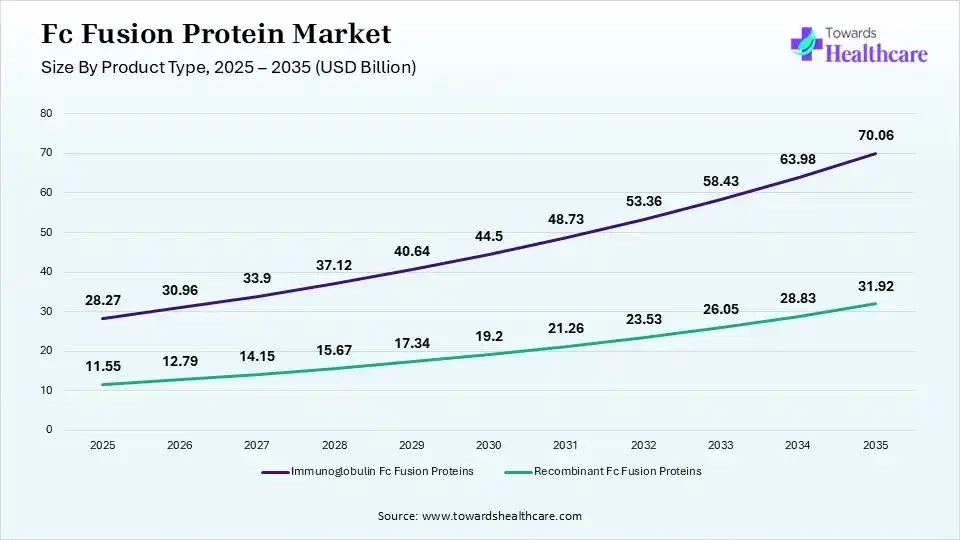
| Segment | Share 2025 (%) |
| Immunoglobulin Fc Fusion Proteins | 71% |
| Recombinant Fc Fusion Proteins | 29% |
The Immunoglobulin Fc Fusion Proteins Segment Dominated the Fc Fusion Protein Market With 71% in 2025
The immunoglobulin Fc fusion proteins segment led the market with 71% share in 2025, USD 30.96 billion in 2026 to USD 70.06 billion by 2035, at a CAGR of 9.5%. Due to a broad commercial product portfolio which increased their adoption across autoimmune and ophthalmic diseases. Continuous approvals also expanded clinical utilization. Strong physician familiarity also supported sustained demand.
The recombinant Fc fusion proteins segment held the second-largest share of 29% of the market in 2025 and is expected to witness the fastest growth with a CAGR of 10.70% during the forecast period, driven by expanding protein engineering technologies that improve half-life and efficacy. Growing R&D investment accelerates pipeline development. Increasing focus on rare diseases also creates new opportunities.
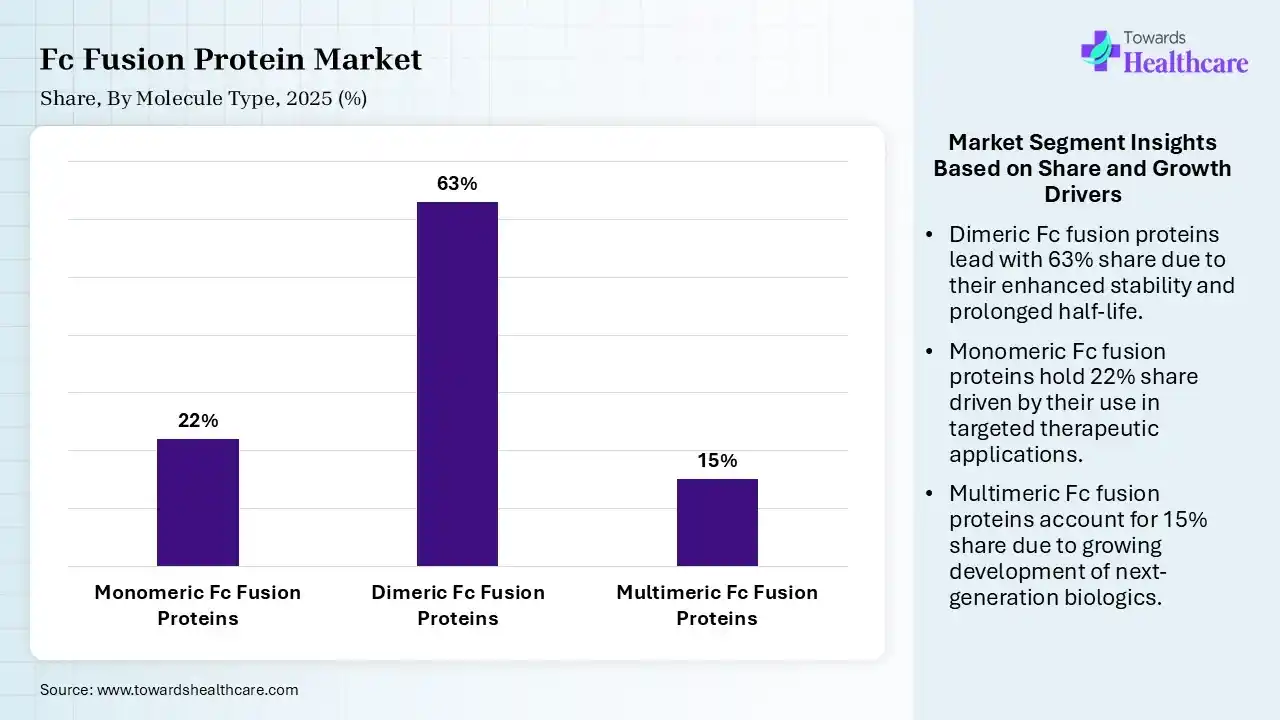
| Segment | Share 2025 (%) |
| Monomeric Fc Fusion Proteins | 22% |
| Dimeric Fc Fusion Proteins | 63% |
| Multimeric Fc Fusion Proteins | 15% |
The Dimeric Fc Fusion Proteins Segment Dominated the Fc Fusion Protein Market With 63% in 2025
The dimeric Fc fusion proteins segment accounted for the highest revenue share of 63% of the market in 2025, due to superior stability and prolonged circulation, which increased therapeutic effectiveness. Most approved Fc fusion biologics employed dimeric formats. Manufacturing platforms were well established, which increased their production.
The monomeric Fc fusion proteins segment held the second-largest share of 22% of the market in 2025, driven by developers utilizing monomeric formats for targeted therapeutic applications. Improved molecular flexibility supports niche indications. Research activity also remains steady.
The multimeric Fc fusion proteins segment held 15% of the Fc fusion protein market share in 2025 and is expected to show the highest growth with a CAGR of 11.80% during the forecast period, due to next-generation biologics requiring higher receptor binding affinity. Advanced protein engineering enhances multivalent interactions. Pipeline expansion also supports rapid growth.
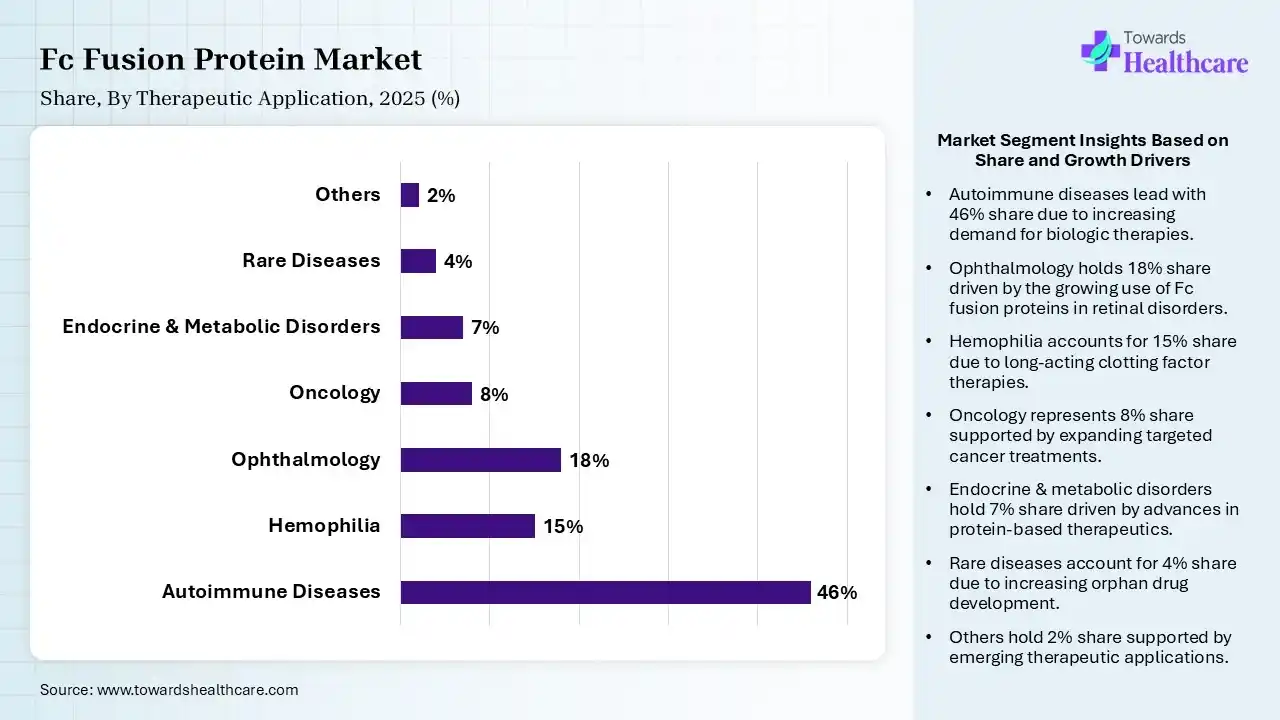
| Segment | Share 2025 (%) |
| Autoimmune Diseases | 46% |
| Hemophilia | 15% |
| Ophthalmology | 18% |
| Oncology | 8% |
| Endocrine & Metabolic Disorders | 7% |
| Rare Diseases | 4% |
| Others | 2% |
The Autoimmune Diseases Segment Dominated the Fc Fusion Protein Market With 46% in 2025
The autoimmune diseases segment held a major revenue share of 46% of the market in 2025, due to the high prevalence of chronic inflammatory diseases, which sustained biologic demand. Long-term treatment also improved market stability. Continuous label expansion also strengthened adoption.
The ophthalmology segment held the second-largest share of 18% of the market in 2025, driven by increasing retinal disease burden, which drives anti-VEGF Fc fusion adoption. Aging populations expand eligible patients. Longer dosing intervals also improve outcomes.
The hemophilia segment held 15% of the Fc fusion protein market share in 2025, due to extended half-life clotting factors reducing infusion frequency. Improved patient compliance also increases utilization. Growing diagnosis rates also support a rise in their demand.
The endocrine & metabolic disorders segment held 7% of the market share in 2025 and is expected to expand rapidly with a CAGR of 12.60% during the forecast period, driven by rising obesity and diabetes prevalence, which stimulate long-acting biologic demand. Novel GLP-1 Fc fusion molecules are gaining investment. Improved patient convenience also supports uptake.
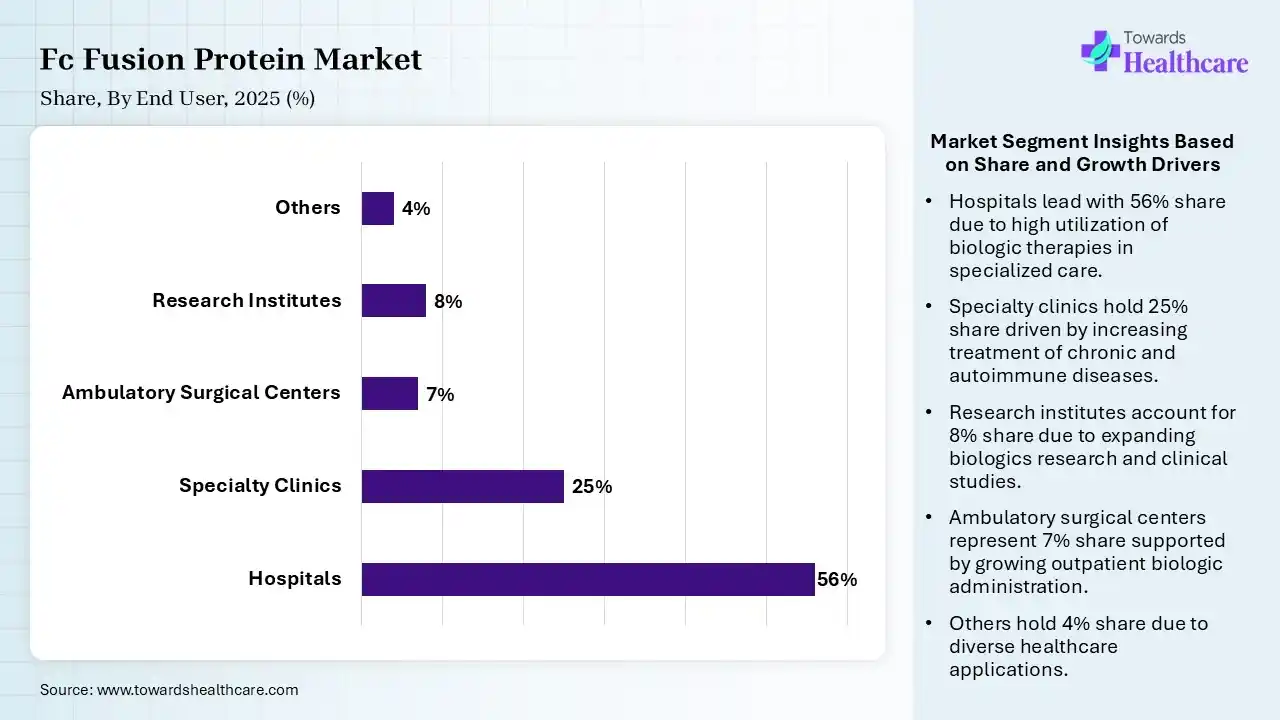
| Segment | Share 2025 (%) |
| Hospitals | 56% |
| Specialty Clinics | 25% |
| Ambulatory Surgical Centers | 7% |
| Research Institutes | 8% |
| Others | 4% |
The Hospitals Segment Dominated the Fc Fusion Protein Market With 56% in 2025
The hospitals segment contributed the biggest revenue share of 56% of the market in 2025, due to hospitals were primary treatment centers for biologic therapies. Advanced infusion facilities also supported administration of Fc fusion proteins. Large patient inflow also maintained demand.
The specialty clinics segment held the second-largest share of 25% of the market in 2025 and is expected to gain the highest share with a CAGR of 10.90% during the forecast period, driven by specialized biologic treatment centers expanding rapidly. Personalized care improves treatment outcomes. Increasing outpatient management also supports growth.
The research institutes segment held 8% of the Fc fusion protein market share in 2025, driven by protein engineering research accelerating pipeline development. Government funding supports innovation. Academic partnerships also strengthen translational research.
The ambulatory surgical centers segment held 7% of the market share in 2025, due to outpatient procedures increase biologic utilization. Healthcare cost optimization also drives expansion. Improved infrastructure also supports the adoption of Fc fusion proteins.
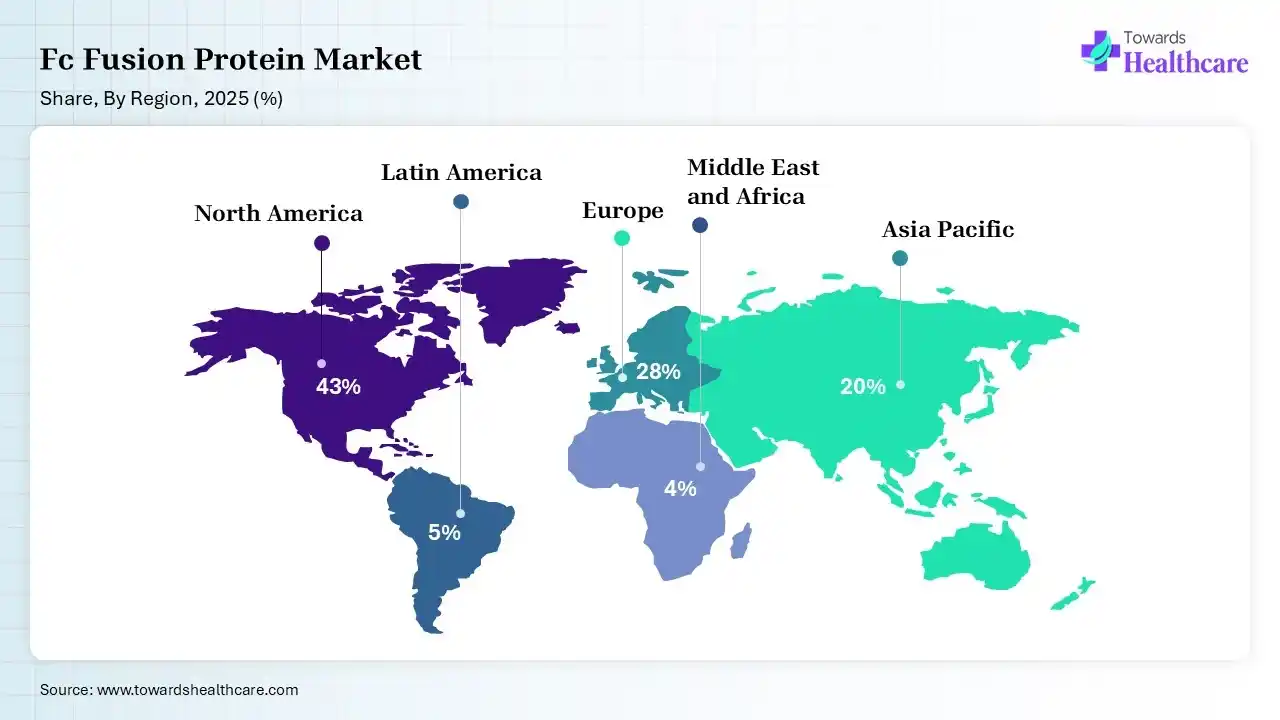
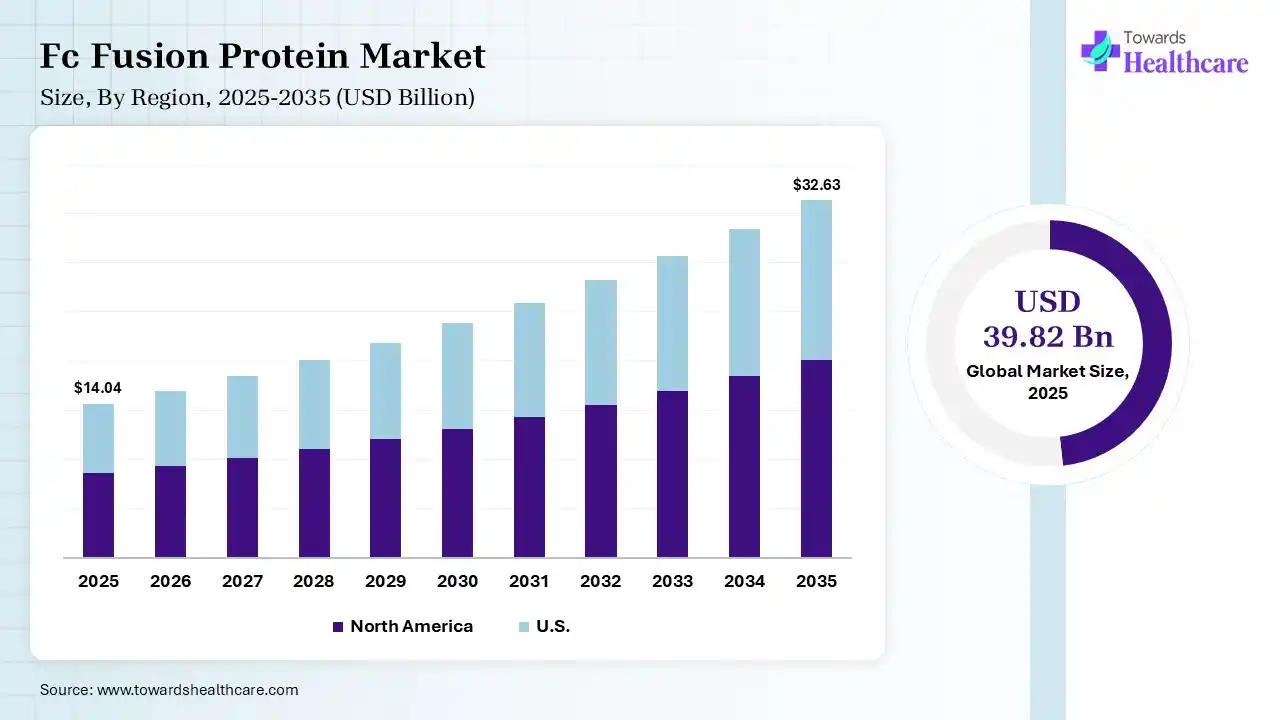
North America dominated the market share with 43% in 2025, due to the presence of a strong biologics industry. Favorable reimbursement and continuous innovation also supported its leadership, where high healthcare spending also accelerated product adoption. Extensive clinical research also increased commercialization rates, where growth in investment also increased R&D activities. A robust regulatory environment and clinical trial ecosystem, and growth in chronic disease also increased their demand, which contributed to market growth.
US Market Growth
U.S. held an 82% share of the Fc fusion protein market in 2025, driven by the largest biologics market with extensive R&D investment. Strong regulatory support also increased the approval rates, where high disease burden also sustained the demand for Fc fusion proteins. Growth in translational research activities and enhanced regulatory support also encouraged innovations, where the presence of advanced industries also increased their advancements. Growth in the adoption of advanced technologies also accelerated their innovations.
Canada Market Trends
Canada is seeing broader biologic access as biosimilar competition develops. Health Canada updated its biosimilar guidance in 2025, supporting clearer requirements and market entry. Fc fusion protein use benefits from established treatment pathways in inflammatory, eye, and blood disorders. Global companies remain important, while biosimilar developers can compete on price, supply reliability, and payer relationships. Opportunities are strongest in specialty indications and products with improved dosing. Provincial formularies and reimbursement decisions will remain key to wider adoption across Canada nationwide.
Mexico Market Growth
Mexico held a 6% share in the Fc fusion protein market in 2025 and is expected to grow with the highest CAGR of 9.90% during the studied years, due to improving biologics availability expanding treatment access. Increasing healthcare investments are also supporting market growth, where rising chronic disease prevalence is also increasing the demand for Fc fusion proteins. Growing R&D activity and collaboration are also driving the development of next-generation Fc fusion proteins. Expanding specialty healthcare centers are also increasing their adoption rates.
Europe held 28% share of the market and is expected to grow significantly during the forecast period, due to established biologics manufacturers and strong reimbursement policies, which support market expansion. Growing biosimilar competition improves accessibility, while continuous research also drives Fc fusion protein innovations. Well-established industries and institutes are also enhancing R&D activity, creating new opportunities, where growing partnerships are also accelerating their expansion. A strong regulatory framework also drives the market growth.
Germany Market Growth
Germany held a 24% share in the Fc fusion protein market in 2025, driven by advanced healthcare infrastructure, which supported biologic uptake. Strong pharmaceutical manufacturing also increased innovations, while increasing chronic disease prevalence also sustained demand. Growth in investments and funding also accelerated the development of next-generation Fc fusion proteins, where government support also promoted their clinical trials and launches. Rise in the demand for autoimmune disease and rare disease treatment options also fueled their advancements.
Rest of Europe held a 16% share in the Fc fusion protein market in 2025 and is expected to witness the fastest growth with a CAGR of 9.70% over the forecast period, due to wider reimbursement coverage increasing biologic accessibility. Regional investments also strengthen healthcare infrastructure, where emerging markets also contribute to their growth. Expanding manufacturing capabilities and focus on personalized medicines are also accelerating their development and innovations. Additionally, growing cancer cases are also increasing their demand and driving the adoption of various biologic therapies.
UK Market Trends
The UK combines strong biologic infrastructure with tight value assessment. NHS England says several major biologics face patent losses through 2028, creating room for lower-cost alternatives. This supports competition around biosimilar Fc fusion proteins and switching programs. Large multinational developers retain advantages in clinical evidence and supply. Meanwhile, smaller firms can target focused indications or partnering models. Growth opportunities also lie in longer-acting formulations, ophthalmology, and hospital procurement. Local commissioning decisions will shape how quickly new products gain routine use.
Asia Pacific held a 20% share of the market in 2025 and is expected to grow at the fastest CAGR of 11.80% during the forecast period, due to an expanding biotechnology industry which is rising healthcare expenditure. Increasing patient population is also accelerating market growth, where local biologics manufacturing strengthens supply of Fc fusion proteins. Expanding clinical trials and CDMO ecosystems are also increasing their advancement. Additionally, expanding healthcare infrastructure and government support are also increasing the development of affordable products.
China Market Growth
China held a 34% share of the Fc fusion protein market in 2025, driven by rapid expansion of domestic biologics innovation. Government support also accelerated commercialization, as a large patient population also increased the demand for Fc fusion proteins. Expansion of manufacturing capabilities and healthcare expenditure also increased the development of next-generation proteins. At the same time, a rise in collaboration and investments also increased the innovation of protein therapeutics.
India Market Growth
India held a 16% share in the Fc fusion protein market in 2025 and is expected to expand rapidly with a CAGR of 13.20% in the coming years, due to expanding biosimilar manufacturing boosting affordability. Healthcare infrastructure improves access, where rising chronic disease burden also accelerates growth of Fc fusion proteins. Expansion of biotechnology and pharmaceutical industries is also supporting the development of new products, where increasing CDMO services are also driving their growth. A rise in patient population is also increasing the adoption of these proteins.
Latin America held a 5% share in the market in 2025 and is expected to show lucrative growth during the forecast period, due to expanding healthcare access and increasing biologic adoption, which is supporting market growth. Government investments improve treatment availability, and rising chronic disease prevalence is also driving the demand for Fc fusion proteins. A rise in health awareness is also increasing their use, as well as driving the development of personalized formulations. Growing investments and partnerships are also promoting market expansion.
Brazil Market Growth
Brazil held a 48% share in the Fc fusion protein market in 2025 and is expected to gain the highest market share with a CAGR of 10.40% during the forecast period, driven by the largest pharmaceutical market in the region. Government biologic initiatives also expanded Fc fusion protein adoption, and local manufacturing also strengthened their supply. R&D clinical trial activities and healthcare infrastructure also increased their innovations and adoption rates. Growth in government support and investments has accelerated their advancements.
The rest of Latin America held a 30% share in the Fc fusion protein market in 2025, due to regional healthcare investment, which increases biologic availability. Private sector participation also expands distribution of Fc fusion proteins, where a rise in chronic disease burden also supports a rise in their demand. At the same time, a well-established healthcare sector and regulatory framework also increased their adoption rates and innovations, where growing reimbursement support is also enhancing their accessibility.
Argentina Market Trends
Argentina is strengthening its biologics framework, creating fresh room for competition. In March 2025, ANMAT introduced detailed comparability requirements for biosimilars, with emphasis on quality, safety, and efficacy. This can support more predictable development of Fc fusion protein alternatives. Local manufacturers and regional partners may gain from lower production costs and biosimilar experience. Price-sensitive healthcare systems also favor affordable therapies. Opportunities include autoimmune, ophthalmic, and hematology applications, while stronger pharmacovigilance and physician confidence can improve adoption over the coming years.
MEA held a 4% share in the market in 2025 and is expected to show notable growth during the forecast period, due to improving healthcare infrastructure and growing biologic awareness, which is supporting gradual expansion. Government investments strengthen specialty care, where increasing access also drives Fc fusion protein adoption. Increasing health awareness is also increasing the early detection of disease, driving the demand for these proteins, where a shift towards personalized medicine is also promoting their innovations, enhancing the market growth.
Saudi Arabia Market Growth
Saudi Arabia held a 34% share in the Fc fusion protein market in 2025, driven by vision-driven healthcare investments, which support biologic adoption. Hospital modernization also improved accessibility of Fc fusion proteins, where a rise in specialty care demand also accelerated their growth. Growth in government investments and collaborations among the companies also increased their adoption and innovation rates. Moreover, strong regulatory frameworks and high healthcare expenditures also supported their expansion.
UAE Market Growth
United Arab Emirates (UAE) held a 20% share in the Fc fusion protein market in 2025 and is expected to show the fastest growth with a CAGR of 10.60% over the forecast period, due to advanced healthcare facilities encouraging biologic adoption. Medical tourism expands utilization of Fc fusion proteins, while regulatory reforms also support their innovations. Increasing chronic diseases such as cancer and autoimmune diseases are also increasing their use, where demand for resection media is boosting their R&D activities. New partnerships are also attracting investments, driving new opportunities.
| Companies | Headquarters | Solutions |
| Amgen | Thousand Oaks, U.S. | Enbrel And Nplate |
| Sanofi | Paris, France | Eloctate And Alprolix |
| Regeneron | Tarrytown, U.S. | Eylea And Zaltrap |
| Eli Lilly And Company | Indianapolis, U.S | Trulicity |
| Bristol Myers Squibb | New York, U.S. | Orencia, Reblozyl, And Nulojix |
Market Share Analysis
The biotechnology and pharmaceutical companies are dominating the market with the frequent launches and approvals of Fc fusion proteins.
Competitive Positioning Matrix
Amgen and Regeneron were the market leaders, while well-established and emerging companies are also contributing to the market expansion.
Product Portfolio Comparison
Amgen, Regeneron, and Bristol Myers Squibb dominated the market, while Sanofi and Pfizer also maintained their position by launching new products.
Strategic Partnerships
The growth in strategic partnerships helped in accelerating the R&D and commercialisation of Fc fusion proteins.
Mergers and Acquisitions
The rise in mergers and acquisition held in expanding the Fc fusion proteins pipeline and R&D capabilities, leading to growth in new product launches.
Geographic Expansion Strategies
Expanding emerging markets across China, India, Southeast Asia, and Brazil are increasing the demand for biologics, driving the growth in collaborations.
Manufacturing Capacity Comparison
Large biopharmaceutical companies contributed to the scale of manufacturing capacity, followed by mid-sized companies, CDMOs, and emerging firms.
Innovation Benchmarking
Amgen, Regeneron, Bristol Myers Squibb, Pfizer, and Sanofi were the leaders in innovation benchmarking.
| Company Name | AstraZeneca | Roche | Merck & Co. |
| Company Overview | Global, science-led, patient-focused pharmaceutical Company | Diagnostics and pharma company | Research-intensive biopharmaceutical company |
| Financial Performance | 2025 total revenue: $58.7bn | 2025 Group sales: CHF 61.5 billion | 2025 total sales: $65011 |
| Fc Fusion Protein Portfolio | Ultromiris and Soliris | Vabysmo | Winrevair and Reblozyl |
| Pipeline Analysis | 186 projects | 107 projects | 80+ projects |
| Manufacturing Capabilities | U.S., UK, Sweden, Australia, and India | U.S., Switzerland, Germany, Japan, China | U.S., Ireland, Singapore, Netherlands |
| Regional Presence | U.S., UK, Brazil, Mexico, Sao Paulo, Singapore, China, Japan, India | U.S., California, UAE, Brazil, Sao Paulo, Singapore, Tokyo, Japan | Switzerland, U.S., Netherlands, China, Netherlands, India |
| Recent Developments |
Phase II or Phase III: 118 late-stage pipeline: 21 under review: 4 |
Phase I: 44 Phase II: 34 Phase III: 25 |
Phase II: 50+ Phase III: 30+ under review: 5+ |
| Business Strategy |
Deliver 20 new medicines and harness the power of AI by 2030 |
Combine strength in pharma and diagnostics to improve health outcomes and reduce costs for patients and healthcare systems |
Focus on development of new and life-changing therapies |
Product Innovation Benchmark
Amgen, Regeneron, and Bristol Myers Squibb are the product innovation benchmark leaders in the Fc fusion protein market.
Geographic Reach Benchmark
Roche, Amgen, and Pfizer were the leaders in the geographic reach benchmark
R&D Investment Benchmark
Merck & Co., Regeneron, and Roche held the dominant position in the R&D investment benchmark.
Manufacturing Scale Benchmark
The manufacturing scale benchmark position was held by Roche, AstraZeneca, and Sanofi Biologics.
Partnership Strategy Benchmark
Bristol Myers Squibb, Sanofi, and Merck & Co. were the leaders in the partnership strategy benchmark.
The white space opportunity analysis focuses on underserved therapeutic areas, emerging geographic markets, technology gaps, and commercialization opportunities that will offer future revenue potential to the market. It encompasses rare disease neurological disorders, use of personalised medicines, multispecific Fc fusion proteins, and rise in the demand for self-administered formulations.
Short-Term Outlook (2026–2028)
It is expected to be driven by increasing chronic disease burden, innovations, and demand for long-acting biologics.
Mid-Term Outlook (2029–2031)
Rise in the launch of multiple next-generation Fc fusion protein therapies, combination biologic therapies, and AI integration is anticipated to drive the mid-term outlook.
Long-Term Outlook (2032–2035)
It is expected to be driven by expansion in personalized application, integration with cell and gene therapies, and technological advancements.
Strategic recommendations provide actionable recommendations for pharmaceutical companies, biotechnology firms, investors, CDMOs, technology developers, healthcare providers, and new market entrants to support informed strategic decision-making.
By Product Type
By Molecule Type
By Therapeutic Application
By End User
By Route of Administration
By Distribution Channel
By Region









Principal Consultant
Payal Rabde is a Healthcare Market Research Analyst at Towards Healthcare Research & Consulting with 4+ years of experience in pharmaceuticals, biotechnology, medical devices, and life sciences.
Learn more about Payal Rabde

Reviewed By
Aditi Shivarkar is a seasoned professional with over 14 years of experience in healthcare market research. As a content reviewer, Aditi ensures the quality and accuracy of all market insights and data presented by the research team.
Learn more about Aditi Shivarkar