Pipeline Programs

CGT Companies Tracked

Manufacturing Facilities


The global multispecific antibodies market size was estimated at USD 7.56 billion in 2025 and is predicted to increase from USD 8.66 billion in 2026 to approximately USD 29.28 billion by 2035, expanding at a CAGR of 14.5% from 2026 to 2035. The expanding application of multispecific antibodies is increasing their use. Growing R&D activities, healthcare investments, technological advancements, and new product launches are also enhancing the market growth.
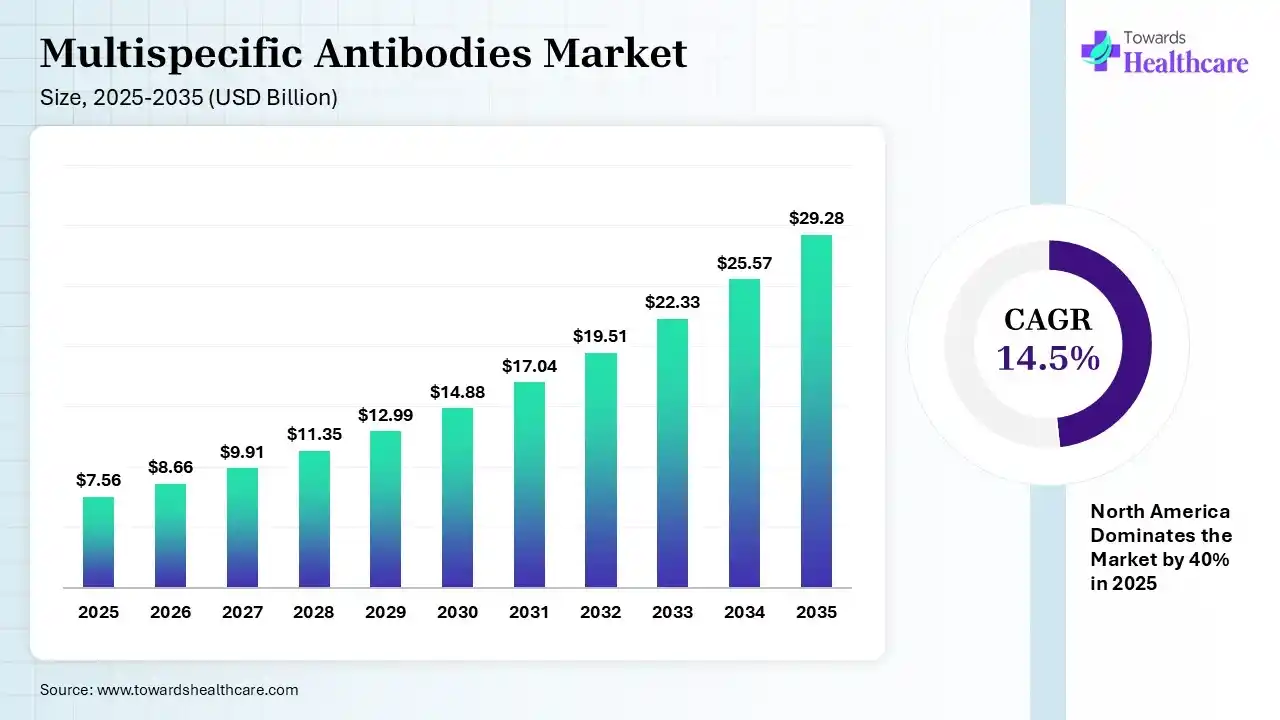
The multispecific antibodies market is driven by growth in chronic diseases and rising demand for targeted and effective therapies. The multispecific antibodies refer to the modified antibodies identifying and bind to multiple targets, offering a precise therapeutic effect. These antibodies are used in the treatment of cancer, infectious diseases, autoimmune diseases, neurological disorders, to enhance the immune system, and in the detection of multiple biomarkers.
AI offers a wide range of applications in the development of multispecific antibodies by providing identification of targets and predicting the best molecule design. It also predicts the protein folding, stability, and immunogenicity, driving the development of stable, effective, and low unwanted immune response products. It also helps in product optimization, screening of multiple drug candidates, and designing new antibody sequences, which drives their adoption.
Expanding Applications
The rise in the applications of the multispecific antibodies is promoting their use beyond cancer applications. Their multiple pathway targeting is driving their use for the treatment of autoimmune diseases, neurological disorders, and infectious diseases.
Growing Innovations
Growing R&D activities, collaborations, and investments are accelerating the multispecific antibodies advancements and expanding their clinical pipelines. This is promoting the development of patient-specific targeting antibodies and precision immunotherapies.
Technological Advancements
The growing technological advancements are driving the development of new antibody engineering platforms, such as antibody formats and AI-based design. This, in turn, is driving the development of multispecific antibodies with improved stability, specificity, and reduced chances of their failure.
| Table | Scope |
| Market Size in 2026 | USD 8.66 Billion |
| Projected Market Size in 2035 | USD 29.28 Billion |
| CAGR (2026 - 2035) | 14.5% |
| Leading Region | North America by 40% |
| Historical Data | 2020 - 2023 |
| Base Year | 2025 |
| Forecast Period | 2026 - 2035 |
| Measurable Values | USD Millions/Units/Volume |
| Market Segmentation | By Therapy Type, By Application, By Drug Class, By Delivery Mode, By End-User, By Region |
| Top Key Players | Roche, Johnson & Johnson, Amgen, Abbive, Pfizer, Regeneron, Genmab, Zymeworks, Akeso Biopharma, Immunocore |
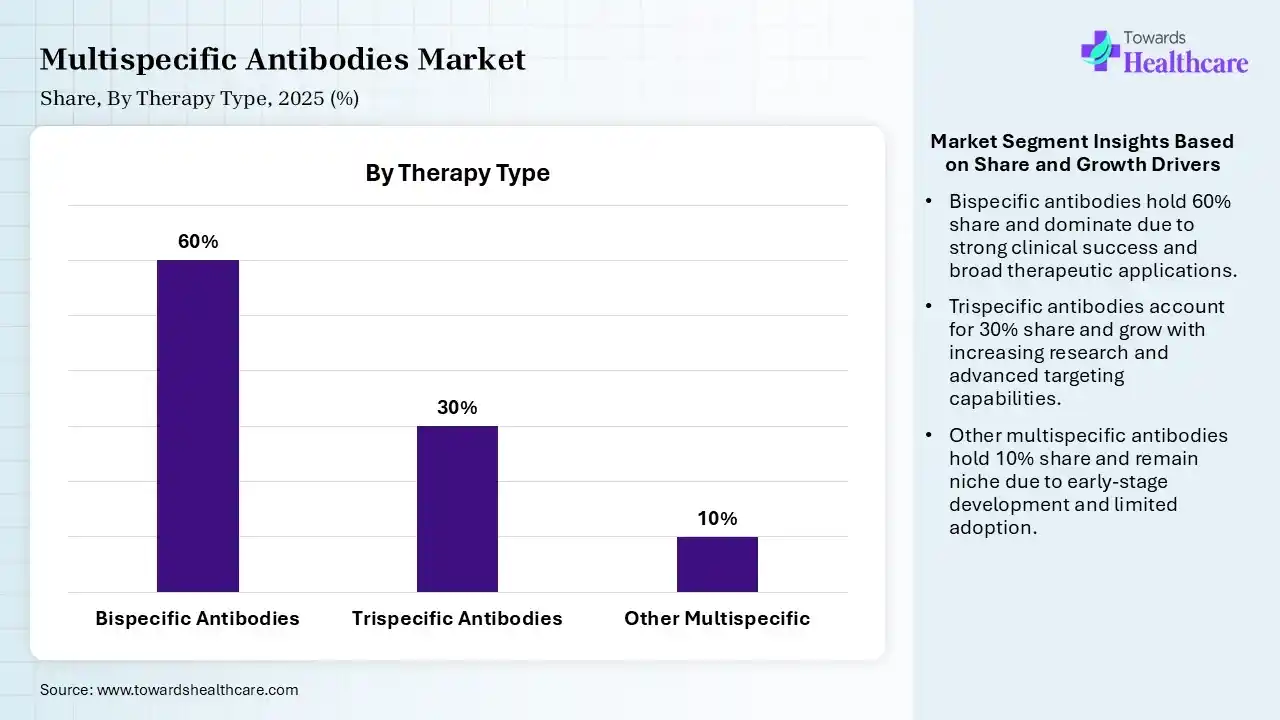
| Segment | Share 2025 (%) |
| Bispecific Antibodies | 60% |
| Trispecific Antibodies | 30% |
| Other Multispecific | 10% |
The Bispecific Antibodies Segment Dominated the Market With 60% in 2025
The bispecific antibodies segment led the multispecific antibodies market with 60% share in 2025, due to a strong pipeline of bispecific antibody drugs for oncology and autoimmune diseases. Their proven efficacy and simple design also increased their use. The growth in clinical approvals also increased their use.
The monoclonal bispecific sub-segment is expected to witness the fastest CAGR growth during the forecast period, due to increasing demand for targeted therapies and immunotherapy advancements. Growing pipeline expansion and approvals are also increasing their innovations. Their better target engagement and efficient immune activation are also increasing their use.
The trispecific antibodies segment held 30% of the multispecific antibodies market share in 2025, driven by emerging treatment options in complex diseases like cancer. Their high therapeutic potentials and immune activation are also increasing their use. Their effectiveness in reducing the chances of resistance is also increasing their use.
The other multispecific antibodies segment held 10% of the market share in 2025, due to increasing early-stage research and growing interest in next-gen therapies. Their improved functionality and therapeutic applications are also driving their demand. The growing demand for precision medicine is also increasing its adoption rates.
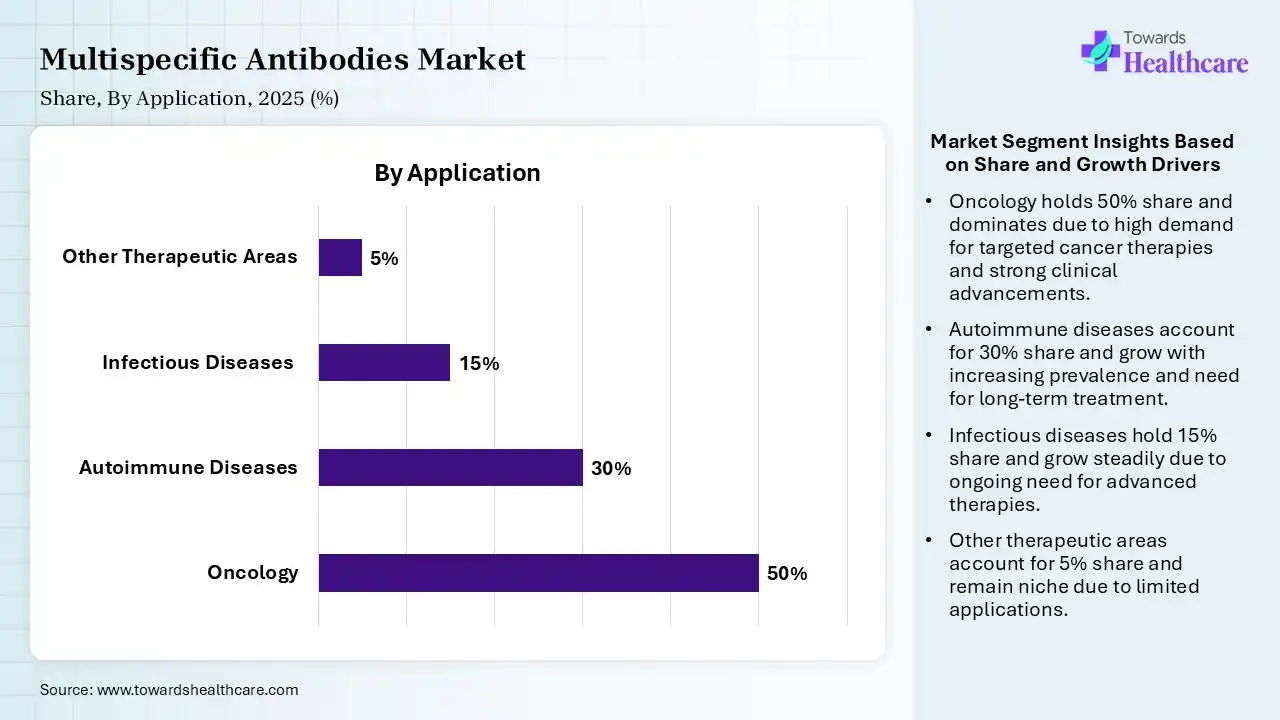
| Segment | Share 2025 (%) |
| Oncology | 50% |
| Autoimmune Diseases | 30% |
| Infectious Diseases | 15% |
| Other Therapeutic Areas | 5% |
The Oncology Segment Dominated the Market With 50% in 2025
The oncology segment accounted for the highest revenue share of 50% of the multispecific antibodies market in 2025, due to growth in the use of immunotherapies with multispecific antibodies. Their clinical success rates also increased their adoption rates. The growth in their investment and funding also accelerated their innovations.
The autoimmune diseases segment held the second-largest share of 30% of market share in 2025 and is expected to show the highest growth with a CAGR during the forecast period, due to the increasing incidence of autoimmune disorders. The growing demand for targeted treatments is also increasing the use of multispecific antibodies. Their complex disease mechanism and the limitations of current therapies are also increasing their adoption.
The other therapeutic areas segment held 5% of the market share in 2025, due to diversification in treatment areas for multispecific antibodies. Expanding applications and high unmet medical needs are also increasing the use of multispecific antibodies for various applications. Growing neurological and metabolic diseases are also increasing their use.
The infectious diseases segment held a significant share of the multispecific antibodies market in 2025, due to their growing outbreaks. Increasing drug resistance and rapid mutation of causative agents are also increasing the adoption of multispecific antibodies. Growing pandemic preparedness is also increasing their use.
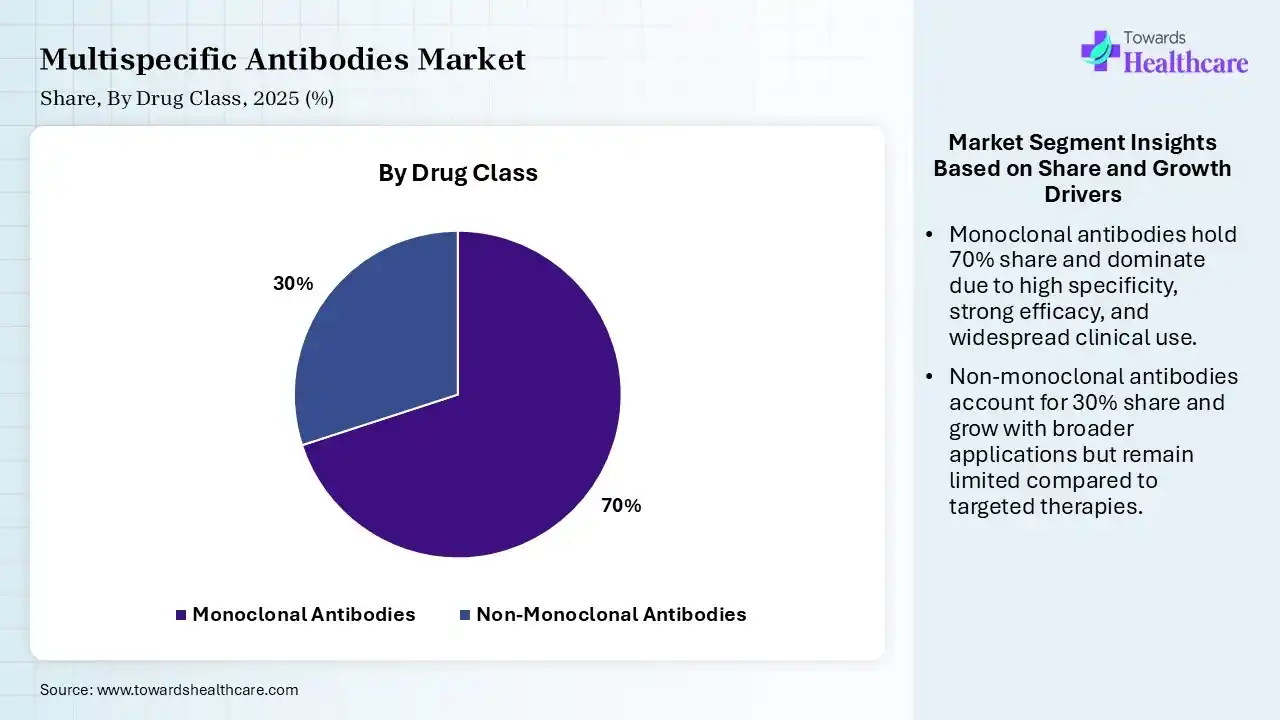
| Segment | Share 2025 (%) |
| Monoclonal Antibodies | 70% |
| Non-Monoclonal Antibodies | 30% |
The Monoclonal Antibodies Segment Dominated the Market With 70% in 2025
The monoclonal antibodies segment held a major revenue share of 70% of the multispecific antibodies market in 2025, driven by their dominance in oncology and autoimmune disease, including advances in biosimilars. Their proven safety, efficacy, and high success rates also increased their use. Their flexibility, offering various multispecific formats, also increased their use.
The non-monoclonal antibodies segment held the second-largest share of 30% of the market in 2025 and is expected to expand with the highest CAGR during the forecast period, due to growing breakthrough therapies in precision medicines. Their rising popularity in niche therapeutic areas is also increasing their use. Their better tissue penetration, multifunctionality, and expanding applications are also increasing their use.
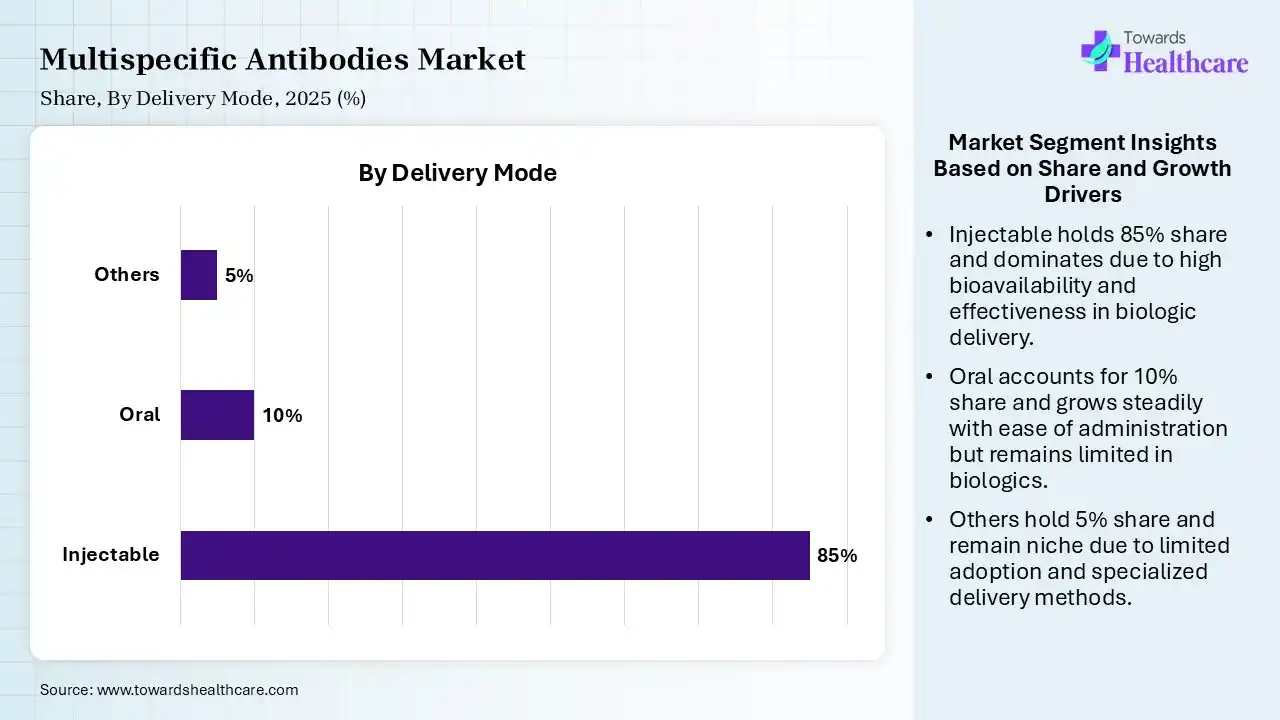
| Segment | Share 2025 (%) |
| Injectable | 85% |
| Oral | 10% |
| Others | 5% |
The Injectable Segment Dominated the Market With 85% in 2025
The injectable segment contributed the biggest revenue share of 85% of the multispecific antibodies market in 2025, due to their higher efficacy and controlled release forms for targeted therapy. Their high bioavailability and rapid onset of action also increased their use. Their systemic distribution and protein stability also increased their adoption rates.
The oral segment held the second-largest share of 10% of the market in 2025 and is expected to witness the fastest CAGR growth during the forecast period, due to a shift towards patient-friendly, non-invasive delivery methods for long-term treatments. They are also being used for self-administration, which enhances patient convenience and compliance. Their better stability and increasing innovations are also attracting the patients.
The others segment held 5% of the multispecific antibodies market share in 2025, due to increasing development of alternative delivery systems such as inhalable or topical routes. Growing focus on enhancing the bioavailability of multispecific antibodies and reducing side effects is also increasing their innovations. Growing applications and delivery systems are also increasing their advancements.
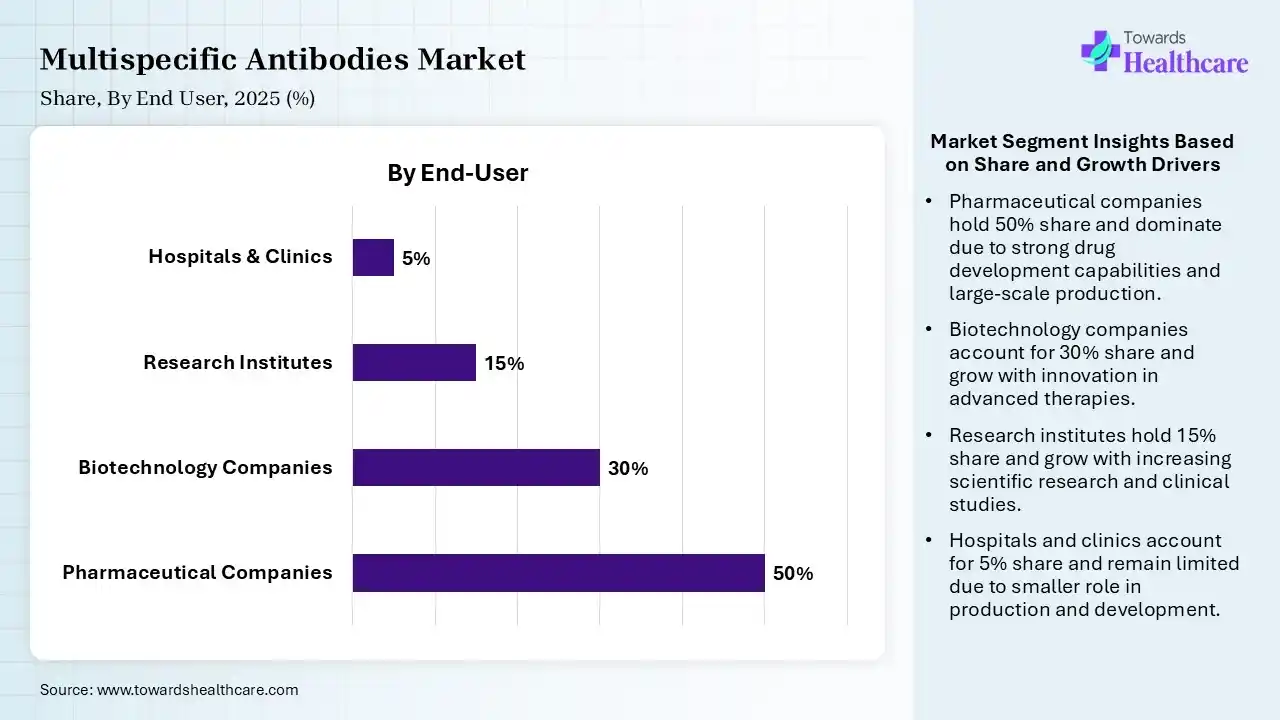
| Segment | Share 2025 (%) |
| Pharmaceutical Companies | 50% |
| Biotechnology Companies | 30% |
| Research Institutes | 15% |
| Hospitals & Clinics | 5% |
The Pharmaceutical Companies Segment Dominated the Market With 50% in 2025
The pharmaceutical companies segment held the largest revenue share of 50% of the multispecific antibodies market in 2025, as they contributed as the major players developing and commercializing multispecific antibody therapies. The growth in the R&D activities, which are supported by investments, has also increased their innovations. Advanced manufacturing capabilities also increased their production rates.
The biotechnology companies segment held the second-largest share of 30% of the market in 2025 and is expected to expand with the highest CAGR during the forecast period, driven by small biotech firms leading innovation and research in the multispecific antibody field. Increasing R&D activities and clinical pipeline are also increasing their innovations. The presence of advanced platform technologies is also increasing their advancements.
The research institutes segment held 15% of the multispecific antibodies market share in 2025, due to their critical role in early-stage research. Their growing collaboration with pharma and biotech companies is also promoting advancements in multispecific antibodies. Growing interest in precision medicine is also increasing its development.
The hospitals & clinics segment held 5% of the market share in 2025, due to increasing adoption in clinical settings with expanding access to new treatments. The growth in patient volume and the presence of skilled professionals are also increasing their use. The presence of reimbursement policies also drives their acceptance rates.
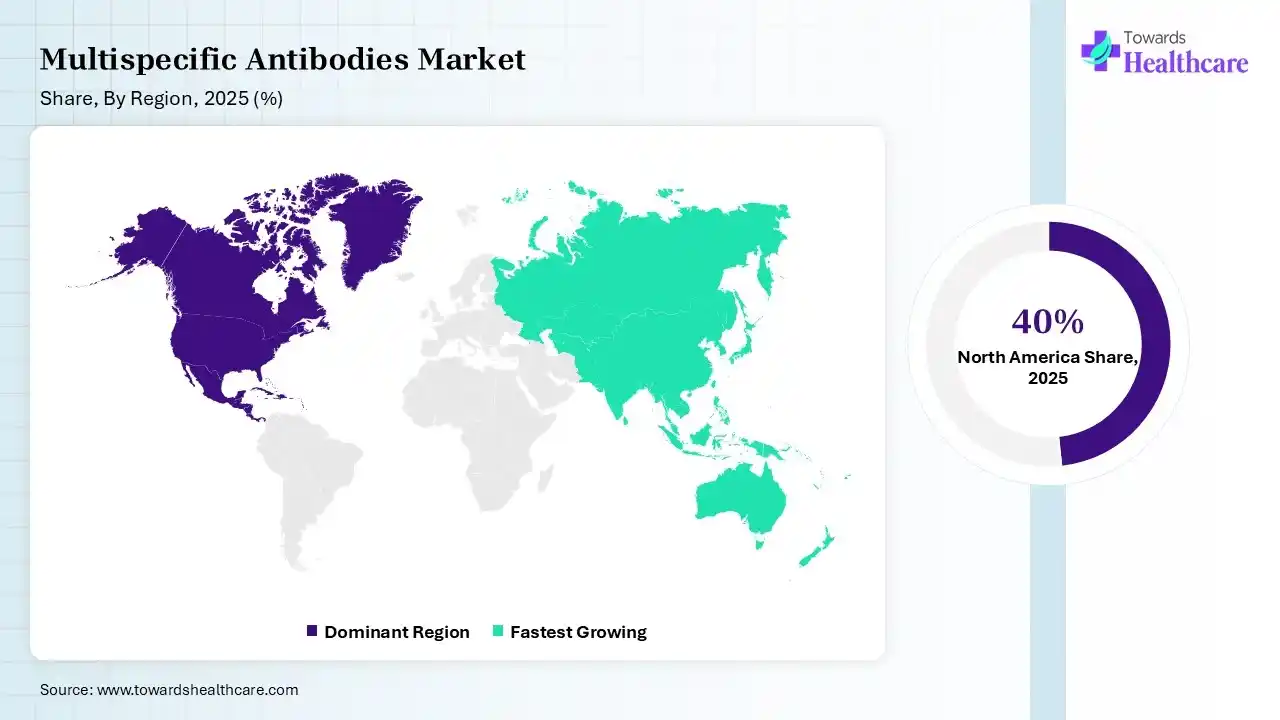
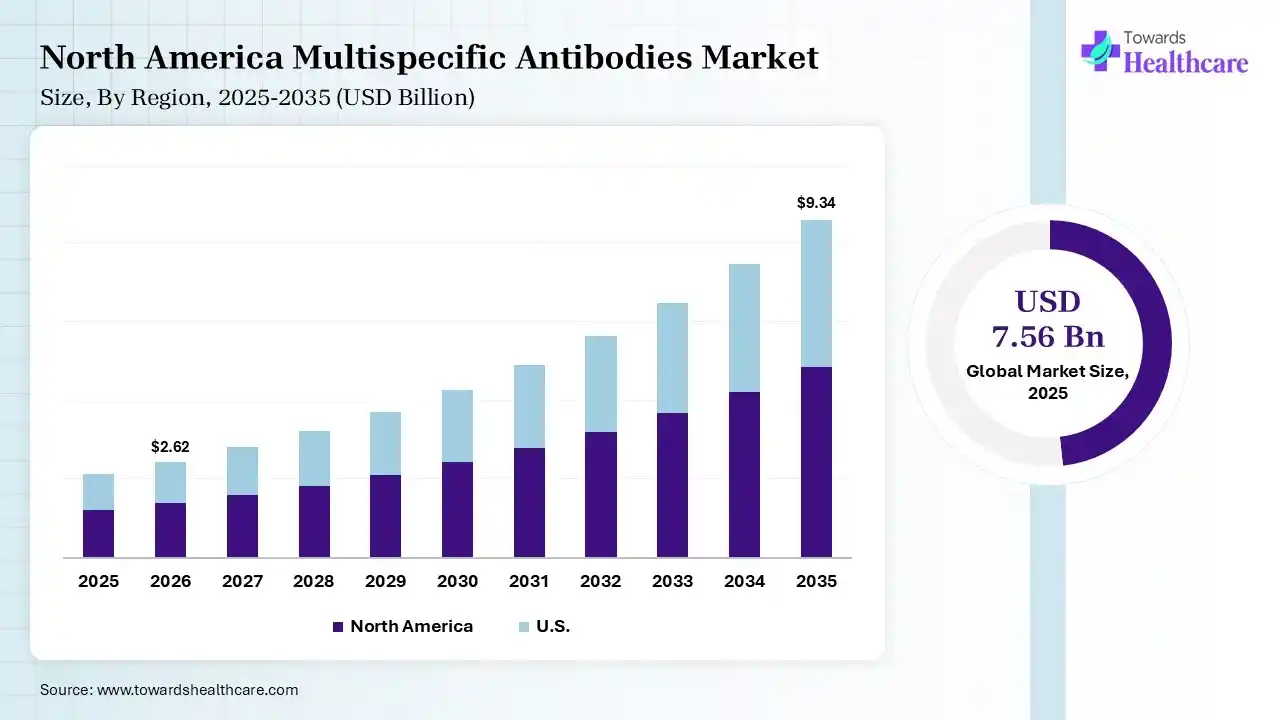
North America dominated the multispecific antibodies market with 40% in 2025, due to high research investments, a favorable regulatory environment, and a strong healthcare infrastructure. Early drug approvals, increased cancer cases, and robust clinical trial networks also increased their innovations. Government support and advanced industries also contributed to the market growth.
U.S. Market Trends
The U.S. is the leading market for multispecific antibody development, clinical trials, and regulatory approvals. The presence of robust industries, institutes, R&D ecosystems, and clinical trial networks contributes to its dominance. High healthcare spending, increased investments, and advanced technologies also promote their innovations.
Asia Pacific held 20% share of the multispecific antibodies market in 2025 and is expected to grow at the fastest CAGR during the forecast period, due to increasing adoption in cancer immunotherapy and autoimmune disease treatments. Growing disease burden and expanding healthcare are also increasing their adoption rates. Growth in industries and clinical trials is also increasing their innovations and enhancing the market growth.
China Market Trends
China is experiencing a rise in chronic disease, which is increasing the demand for multispecific antibodies. Expanding industries, R&D, collaborations, and clinical trials are also increasing their innovations. Strong government support and increasing investments are also driving their advancements.
R&D
Clinical Trials and Regulatory Approvals
Patient Support and Services
| Companies | Headquarters | Multispecific Antibodies |
| Roche | Basel, Switzerland | Hemlibra, Columvi, Lunsumio, and Vabysmo |
| Johnson & Johnson | New Brunswick, U.S. | Rybrevant, Talvey, and Tecvayli |
| Amgen | Thousand Oaks, U.S. | Blincyto and Imdelltra |
| Abbive | North Chicago, U.S. | Epkinly |
| Pfizer | New York, U.S. | Elrexfio |
| Regeneron | Tarrytown, U.S. | Ordspono and Linvoseltamab |
| Genmab | Copenhagen, Denmark | Epkinly and Rybrevant |
| Zymeworks | Vancouver, Canada | Ziihera |
| Akeso Biopharma | Zhongshan, China | Kaitanni and Yi-da-fang |
| Immunocore | Abingdon, UK | Kimmtrak |
Strengths
Weaknesses
Opportunities
Threats
By Therapy Type
By Application
By Drug Class
By Delivery Mode
By End-User
By Region










Principal Consultant
Rohan Patil is a seasoned market research professional with over 5+ years of focused experience in the healthcare sector, bringing deep domain expertise, strategic foresight, and analytical precision to every project he undertakes.
Learn more about Rohan Patil

Reviewed By
Aditi Shivarkar is a seasoned professional with over 14 years of experience in healthcare market research. As a content reviewer, Aditi ensures the quality and accuracy of all market insights and data presented by the research team.
Learn more about Aditi Shivarkar