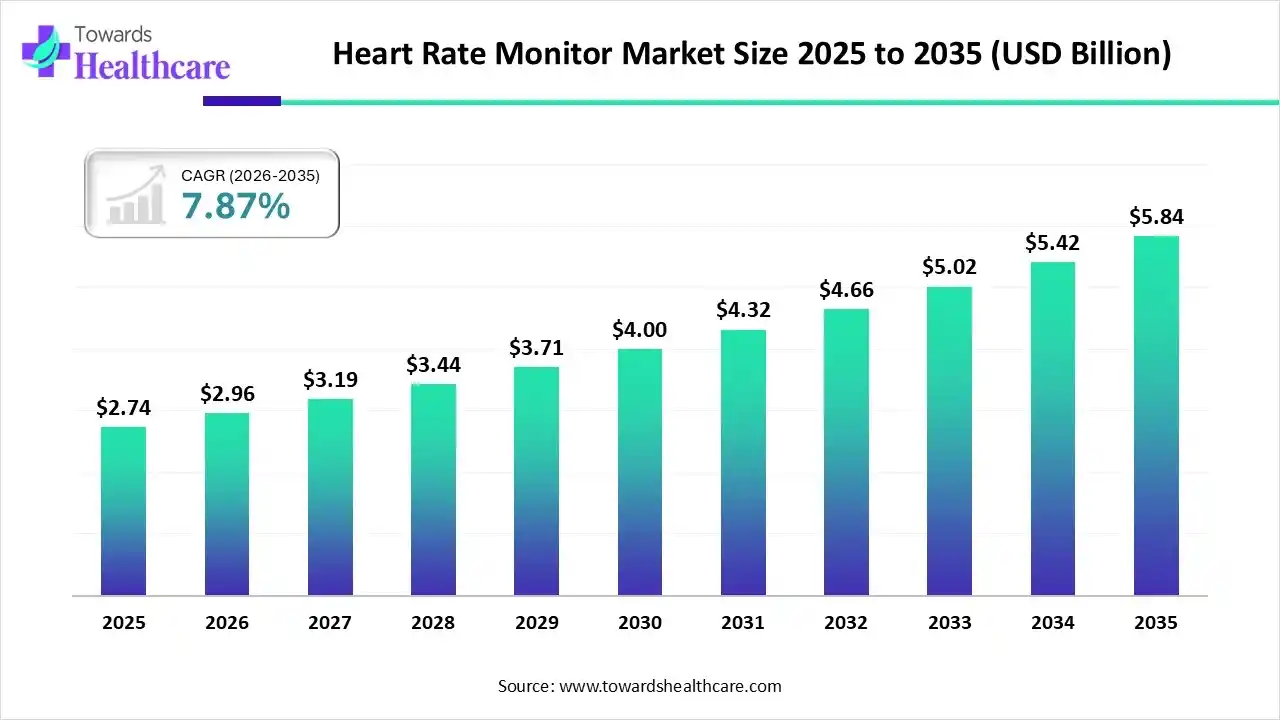
The heart rate monitor market size stood at US$ 2.74 billion in 2025, grew to US$ 2.96 billion in 2026, and is forecast to reach US$ 5.84 billion by 2035, expanding at a CAGR of 7.87% from 2026 to 2035.
The heart rate monitor market is witnessing steady growth, driven by rising health awareness, increasing fitness adoption, and expanding clinical monitoring applications. North America dominated the market due to advanced healthcare infrastructure, high wearable device penetration, strong consumer spending on fitness technologies, and early adoption of connected health solutions across both consumer and medical segments.
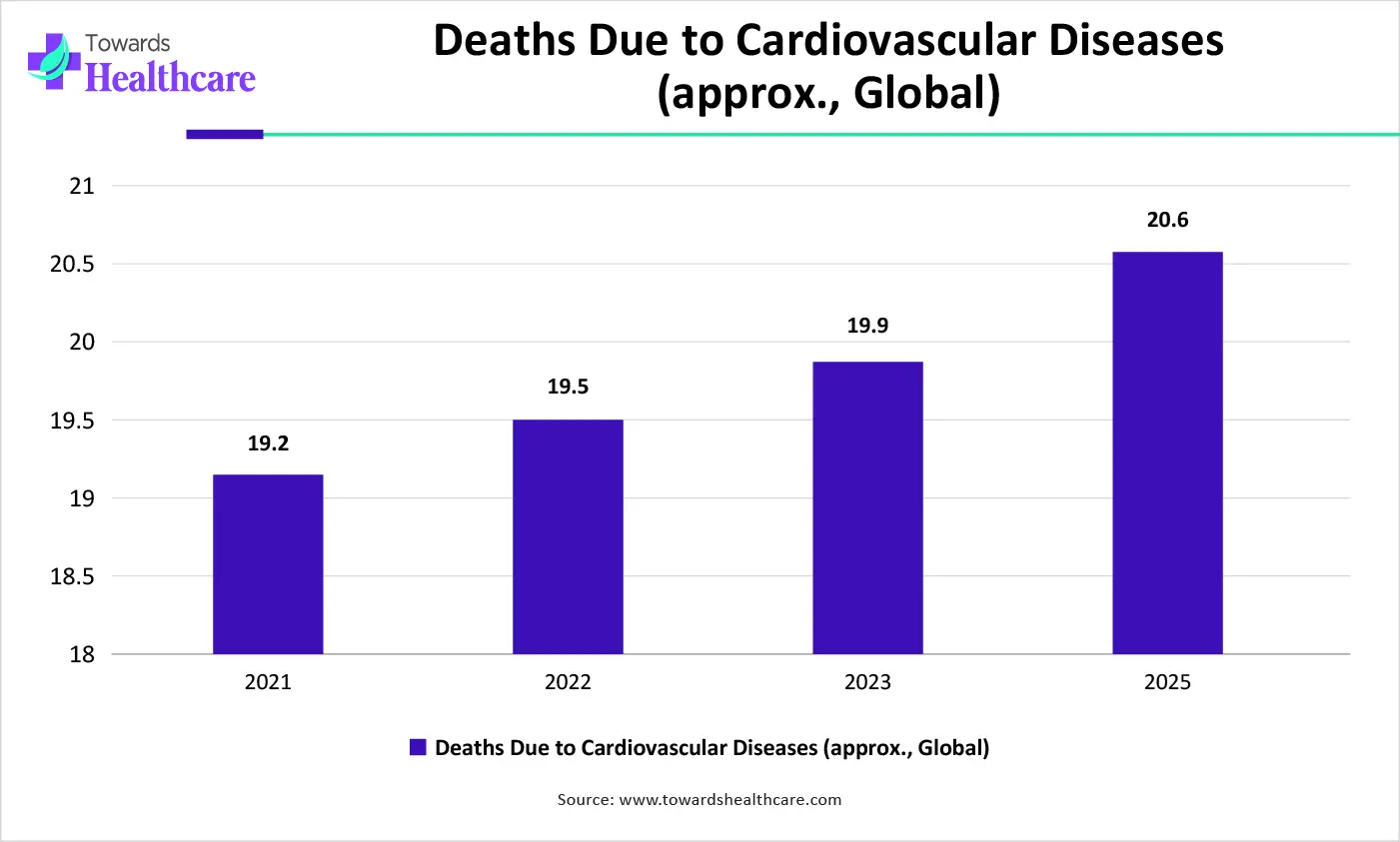
Driven by growing health awareness, rising fitness participation, increasing prevalence of cardiovascular disorders, and expanding use of wearable health technologies, the heart rate monitor market is experiencing sustained global growth across consumer, fitness, and clinical settings. A heart rate monitor is an electronic device used to measure and continuously track the heart’s beating rate in real time. It helps individuals and healthcare professionals assess cardiovascular health, monitor physical activity intensity, detect abnormal heart rhythms, and support preventive care, fitness optimization, and medical diagnosis across home, sports, and hospital environments.
AI integration enhances heart rate monitors by improving signal accuracy, filtering motion noise, and enabling real-time anomaly detection. Advanced algorithms support personalized insights, predictive alerts for irregular rhythms, adaptive training guidance, and continuous learning from user data, making monitoring more reliable, proactive, and clinically relevant across fitness and healthcare applications.
Growing Demand for Wearable Devices:
Consumers increasingly prefer smartwatches, fitness bands, and chest straps with built‑in heart rate monitoring, driven by convenience, real‑time tracking, and integration with daily fitness routines and health awareness.
Rise of Multi‑Parameter Health Tracking:
Heart rate monitors are paired with additional sensors for SpOâ‚‚, sleep analysis, and stress tracking, giving users a more holistic view of their health beyond just heart rate figures.
Integration with Mobile Health Apps:
Users are linking heart rate monitors directly with smartphone apps to view detailed trends, historical data, and personalized dashboards, making it easier to track progress and share information with healthcare providers.
Expansion of Affordable Devices:
The market sees a surge in budget‑friendly heart rate monitors with essential features, expanding adoption among price‑sensitive consumers who seek health tracking without premium costs.
Focus on Comfort and Wearability:
Manufacturers are designing lighter, more ergonomic devices soft chest straps and sleek wrist wearables improving user comfort for prolonged wear during daily activities and exercise.
Broader Adoption Across Healthcare & Fitness:
Use of heart rate monitors will expand beyond fitness enthusiasts into clinical settings, remote patient monitoring, and chronic disease management, driven by growing health awareness and demand for continuous physiological tracking.
| Key Elements | Scope |
| Market Size in 2026 | USD 2.96 Billion |
| Projected Market Size in 2035 | USD 5.84 Billion |
| CAGR (2026 - 2035) | 10.14% |
| Leading Region | North America by 40% |
| Historical Data | 2020 - 2023 |
| Base Year | 2025 |
| Forecast Period | 2026 - 2035 |
| Measurable Values | USD Millions/Units/Volume |
| Market Segmentation | By Product Type, By Deployment Type, By Application, By Technology / Mode of Action, By End-User, By Treatment Line / Usage, By Distribution Channel, By Region |
| Top Key Players | Apple, Samsung, Garmin, Fitbit (Google), Polar, Masimo, Philips, Nihon Kohden, Omron, Wahoo / Other specialty (e.g., Whoop, Suunto, Coros) |
| Segments | Shares % |
| Wearable Heart Rate Monitors | 50% |
| Chest Strap Monitors | 20% |
| Optical / Wrist-Based Monitors | 10% |
| Standalone / Portable Devices | 10% |
| Ancillary Tools & Accessories | 10% |
Which Product Type Segment Dominated the Heart Rate Monitor Market?
The wearable heart rate monitors segment dominates the global market 50% due to its convenience, real-time continuous monitoring, and integration with smartphones and fitness apps. Its widespread use in fitness tracking, preventive healthcare, and remote patient monitoring, combined with technological advancements in sensors, miniaturization, and user-friendly designs, drives strong adoption among consumers and healthcare providers worldwide.
Chest Strap Heart Rate Monitors
The chest strap heart rate monitors segment is estimated to be fastest-growing with market share of 20% due to its high accuracy in capturing real-time heart rate data during intense physical activities. Preferred by professional athletes and fitness enthusiasts, it offers reliable performance for training, sports monitoring, and clinical assessments. Integration with wearable devices and mobile apps further enhances its adoption globally.
| Segments | Shares % |
| On-Person / Wearable | 60% |
| Cloud-Based / App-Integrated | 25% |
| Hybrid (Wearable + App / Cloud) | 15% |
Why Did the for On-Person / Wearable Segment Dominate the Heart Rate Monitor Market?
The on-person / wearable segment dominates the market with share of 60% due to its convenience, continuous real-time monitoring, and ease of integration with smartphones and fitness apps. High consumer preference for smartwatches, fitness bands, and wearable medical devices, along with advancements in lightweight, non-invasive sensors, drives widespread adoption across fitness, wellness, and healthcare applications globally.
Cloud-Based / App-Integrated
The cloud-based / app-integrated segment is anticipated to be fastest-growing in the heart rate monitor market with share of 25% due to increasing demand for real-time data access, remote health tracking, and personalized insights. Integration with smartphones, fitness apps, and telehealth platforms enables seamless monitoring, data analysis, and sharing with healthcare providers, driving rapid adoption among consumers and medical professionals.
| Segments | Shares % |
| Fitness & Sports Tracking | 45% |
| Clinical / Medical Monitoring | 25% |
| Research & Health Studies | 15% |
| Remote Patient Monitoring | 10% |
| Other Applications | 5% |
Why Did Fitness & Sports Tracking Dominant Segment in the Heart Rate Monitor Market?
The fitness & sports tracking segment dominates the market with share of 45% due to the growing popularity of wearable devices for exercise, running, and athletic performance monitoring. Rising health consciousness, increasing adoption of fitness apps, and demand for real-time heart rate feedback during workouts drive widespread use. Integration with smartwatches and connected platforms further strengthens this segment’s market leadership.
Research & Health Studies
The research & health studies segment is the fastest-growing in the market with share 15% due to rising demand for accurate physiological data in clinical trials and academic research. Advanced wearable devices provide continuous, precise monitoring, supporting studies on cardiovascular health, fitness, and preventive care, driving rapid adoption among researchers and healthcare institutions.
| Segments | Shares % |
| Optical Sensors / PPG Technology | 40% |
| Electrocardiogram (ECG)-Based Monitoring | 30% |
| Chest Strap Sensors | 15% |
| AI / Machine Learning Analysis | 10% |
| Other Technologies | 5% |
Which Technology / Mode of Action Segment Led the Heart Rate Monitor Market?
The optical sensors / PPG technology segment dominates the market with share of 40% due to its non-invasive, continuous monitoring capability. Its integration into wearable devices like smartwatches and fitness bands, ease of use, and ability to provide accurate real-time heart rate data for both fitness and healthcare applications drive widespread adoption.
Electrocardiogram (ECG)-Based Monitoring
The electrocardiogram (ECG)-based monitoring segment is the fastest-growing in the market with share of 30% due to its high accuracy in detecting heart rhythms and identifying cardiovascular abnormalities. Preferred for clinical and professional applications, ECG-based monitors provide detailed insights for preventive care and remote patient monitoring, driving rapid adoption in healthcare, research, and advanced fitness settings.
| Segments | Shares % |
| Consumers / Fitness Enthusiasts | 55% |
| Hospitals & Clinics | 20% |
| Research Institutes & Universities | 15% |
| Sports Academies & Professional Athletes | 5% |
| Other End-Users | 5% |
Why Did Consumers / Fitness Enthusiasts Dominant Segment in the Heart Rate Monitor Market?
The consumer / fitness enthusiasts segment dominates the market with share of 55% due to growing health and fitness awareness, rising adoption of wearable devices, and increasing interest in tracking workout intensity, calories, and cardiovascular performance. Easy integration with smartphones and fitness apps, along with the desire for personalized health insights, further drives widespread usage in this segment.
Research Institutes & Universities
The research institutes & universities segment is estimated to be the fastest-growing in the heart rate monitor market with share of 15% due to increasing demand for accurate physiological data in clinical studies, academic research, and health experiments. Advanced heart rate monitors provide precise, continuous monitoring, supporting cardiovascular research, sports science, and preventive healthcare studies, driving rapid adoption among educational and research institutions globally.
| Segments | Shares % |
| Routine Fitness & Health Tracking | 60% |
| Clinical / Medical Diagnostics | 20% |
| Research & Clinical Trials | 15% |
Which Treatment Line / Usage Segment Led the Heart Rate Monitor Market?
The routine fitness & health tracking segment dominates the market with share of 60% due to the growing focus on daily wellness, preventive healthcare, and maintaining an active lifestyle. Consumers increasingly use wearable devices to monitor heart rate, track physical activity, and manage overall health, while seamless integration with apps and fitness platforms further drives widespread adoption in this segment.
Research & Clinical Trials
The research & clinical trial segment is estimated to be fastest-growing in the market with share of 15% due to the rising demand for precise, continuous physiological data in medical studies and trials. Advanced heart rate monitoring devices enable accurate assessment of cardiovascular health, drug effects, and treatment outcomes, supporting evidence-based research and enhancing the quality and efficiency of clinical and academic investigations globally.
| Segments | Shares % |
| Direct Sales (Online & Offline) | 50% |
| E-commerce / Online Platforms | 25% |
| Distributors & Retailers | 15% |
| Healthcare / Hospital Supply Chains | 5% |
| Other | 5% |
Why Did Above Direct Sales (Online & Offline) Dominant Segment in the Heart Rate Monitor Market?
The direct sales segment dominates the market with share of 50% due to its ability to provide personalized service, product demonstrations, and direct customer engagement. Manufacturers can build stronger relationships, offer customized solutions, and ensure better after-sales support. High consumer trust, brand loyalty, and the preference for direct interactions contribute to the widespread adoption of this distribution channel.
E-commerce / Online Platforms
The e-commerce/online platforms segment is anticipated to be fastest-growing in the market with share of 25% due to the convenience of online shopping, wider product selection, and easy price comparison. Consumers can access detailed reviews, make quick purchases, and benefit from home delivery. Growing internet penetration, digital payment adoption, and the rise of global online marketplaces further drive rapid growth in this segment.
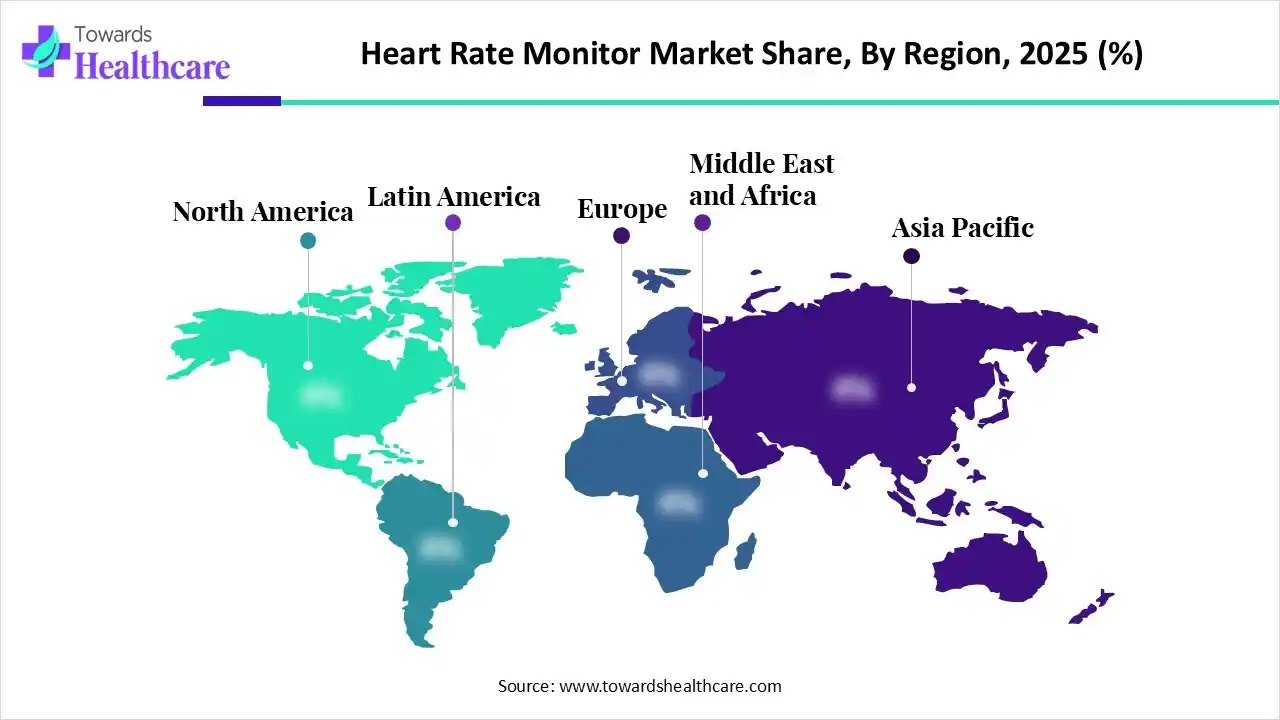
North America dominates the market with share of 40% due to advanced healthcare infrastructure, high adoption of wearable technologies, strong consumer focus on preventive health and fitness, and widespread use of remote patient monitoring. Favorable reimbursement policies, early technology adoption, presence of leading device manufacturers, and robust investment in digital health further strengthen regional market leadership.
What are New Trends in the U.S. Market?
The U.S. leads the North America heart rate monitor market due to strong consumer adoption of wearable devices, advanced healthcare and digital health infrastructure, and widespread use of remote patient monitoring. Supportive regulatory frameworks, higher healthcare spending, growing fitness awareness, and the presence of major technology and medical device companies further reinforce the country’s market dominance.
The Asia-Pacific region is growing rapidly in the market with share of 20% due to rising health awareness, expanding middle-class population, and increasing adoption of affordable wearable devices. Improving healthcare infrastructure, growth of fitness culture, government initiatives promoting digital health, and higher smartphone penetration further accelerate demand across both consumer and clinical segments.
What are the Current Trends in China Market?
The China dominates the Asia-Pacific market due to its large population base, rising health awareness, and rapid adoption of wearable technologies. Strong domestic manufacturing capabilities, widespread smartphone usage, government support for digital healthcare, expanding fitness culture, and increasing use of remote health monitoring solutions further strengthen the country’s leadership in the regional market.
Europe is witnessing notable growth in the market with share of 25% due to increasing prevalence of cardiovascular conditions, strong emphasis on preventive healthcare, and rising adoption of wearable fitness devices. Supportive regulatory frameworks, growing remote patient monitoring programs, aging population, and expanding digital health initiatives across public healthcare systems further drive regional market expansion.
What are the Current Market Trends in UK?
The UK dominates the European market due to advanced digital healthcare infrastructure, strong adoption of wearable health technologies, and growing focus on preventive and remote patient monitoring. Supportive government initiatives, widespread smartphone usage, high health awareness, and collaboration between healthcare providers and technology companies further reinforce the country’s leading position in the region.
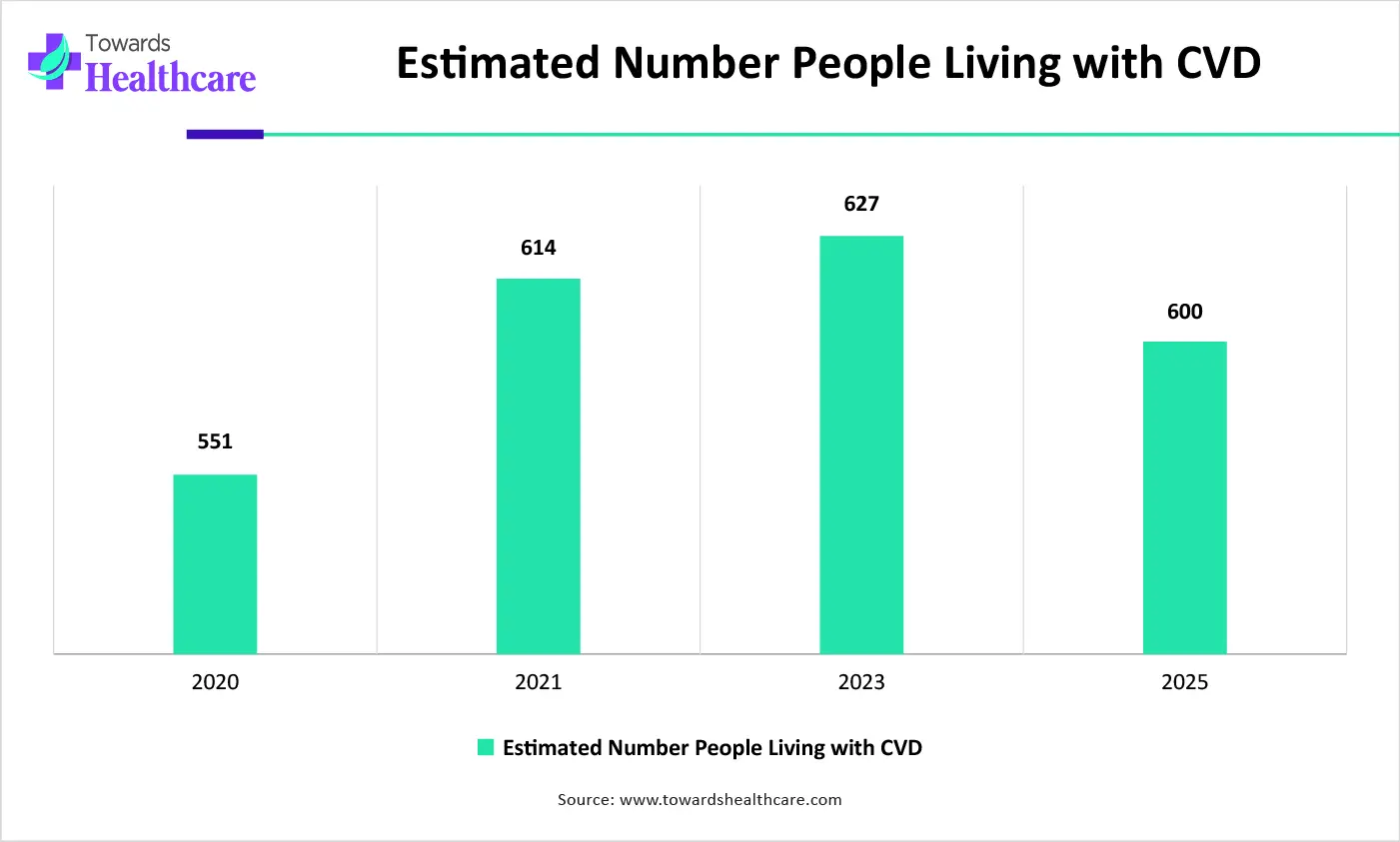
South America is a rapidly growing market. This growth is driven by high rates of cardiovascular diseases (CVDs), an aging population, and increased remote patient monitoring. Many South Americans suffer from CVDs, including arrhythmias and heart failure. The aging demographic has heightened the demand for cardiac monitoring devices like Holters. Additionally, there is a growing focus on preventive healthcare and fitness, boosting the popularity of wearable diagnostic devices. The COVID-19 pandemic accelerated telehealth adoption, making wearables crucial for remote monitoring. Significant investments in healthcare infrastructure, particularly in Brazil and Argentina, have improved access to advanced diagnostic tools. Affordable wearable health devices from brands like Apple, Fitbit, and Garmin, along with options from Chinese manufacturers, have broadened technology access for many.
Brazil Market Trends
Brazil dominates the market in Latin America due to high cardiovascular disease rates, an aging population, and increased health awareness. The rapid adoption of wearable technology, a strong fitness culture, and the demand for remote patient monitoring post-COVID-19 are driving this growth. High incidences of heart failure, hypertension, and diabetes have increased the need for both consumer wearables and clinical monitoring tools. A health-conscious population and interest in fitness made tracking heart rate and exercise intensity a routine. Smartwatches and fitness trackers, enhanced by AI and mobile tech, help identify health issues early. Brazil's Family Health Strategy, part of the universal health system (SUS), provides extensive access to healthcare services, including cardiac monitoring. Regulations supporting telemedicine and remote monitoring have integrated wearable cardiac trackers into patient care, especially for chronic disease management.
The MEA region is a key player in the market due to high cardiovascular disease rates, government healthcare spending, and rapid digital health technology adoption. Demand for preventive healthcare in GCC countries like Saudi Arabia and the UAE drives this market, with investments in 'hospitals at home' and remote patient monitoring accelerating progress. Initiatives like Saudi Arabia’s Vision 2030 are boosting investment in smart health technology. The popularity of wrist-based smartwatches and fitness bands for health tracking and corporate wellness is rising, enhancing chronic disease management outside traditional clinics. The mobile cardiac telemetry was the fastest-growing device, with user-friendly wrist-based monitors like the Huawei Watch D leading the way, alongside increasing demand for clinical-grade ECG monitors.
UAE Market Trends
The UAE market thrives due to high disposable income, rapid adoption of wearable tech, and robust government support for digital health. Rising cardiovascular diseases and advanced healthcare in Dubai and Abu Dhabi drive demand for AI-powered health tracking devices. Affluent demographics and increasing cardiovascular issues fuel the use of advanced monitoring tools, with specialized heart care centers in Abu Dhabi enhancing demand for diagnostic devices. The UAE government promotes digital health, telemedicine, and remote monitoring, boosting the use of connected heart rate monitors. As an innovation hub, the UAE sees high wearable technology usage, with smartwatches regarded as essential for health insights. The market benefits from strong partnerships with leading global wearable manufacturers and tech companies, facilitating the swift introduction of new technologies.
| Sr. No. | Vendors | Core heart-rate monitor offerings (short) |
| 1 | Apple | Apple Watch line (real-time HR, ECG, HRV metrics, clinical features such as irregular rhythm/ECG in supported regions). |
| 2 | Samsung | Galaxy Watch family (PPG HR, ECG feature, blood-pressure/health apps via Samsung Health Monitor). |
| 3 | Garmin | GPS sports watches and chest-strap/optical HR sensors for fitness and clinical-grade sports metrics (Forerunner/Fenix/Vivosmart). |
| 4 | Fitbit (Google) | Consumer fitness trackers and smartwatches with continuous HR, resting HR, HR zones, and wearable ECG on select models. |
| 5 | Polar | Sports/athlete HR devices, chest straps (e.g., H10), wrist watches and HRV analytics for training |
| 6 | Masimo | Medical-grade patient monitoring (pulse oximetry, continuous HR) plus consumer wearables/remote patient monitoring platforms |
| 7 | Philips | Clinical ambulatory ECG/HR monitors, Holter/MCOT solutions and inpatient/outpatient cardiac monitoring systems. |
| 8 | Nihon Kohden | Hospital/clinical cardiac monitors, ECG/telemetry and continuous HR monitoring systems for acute care. |
| 9 | Omron | Home/clinical monitors and a small range of wearable sensors (BP + some cardiac monitoring devices used with apps). |
| 10 | Wahoo / Other specialty (e.g., Whoop, Suunto, Coros) | Chest-strap HR sensors and athlete-focused wearables offering high-accuracy HR data for training (Wahoo TICKR; Whoop band - subscription analytics). |
Strengths
Weaknesses
Opportunities
Threats
By Product Type
By Deployment Type
By Application
By Technology / Mode of Action
By End-User
By Treatment Line / Usage
By Distribution Channel
By Region







Principal Consultant
Shivani Zoting is a dedicated research analyst specializing in the healthcare industry. With a strong academic foundation, a B.Sc. in Biotechnology and an MBA in Pharmabiotechnology, she brings a unique blend of scientific understanding and strategy.
Learn more about Shivani Zoting
Reviewed By
Aditi Shivarkar is a seasoned professional with over 14 years of experience in healthcare market research. As a content reviewer, Aditi ensures the quality and accuracy of all market insights and data presented by the research team.
Learn more about Aditi Shivarkar