Pipeline Programs

CGT Companies Tracked

Manufacturing Facilities


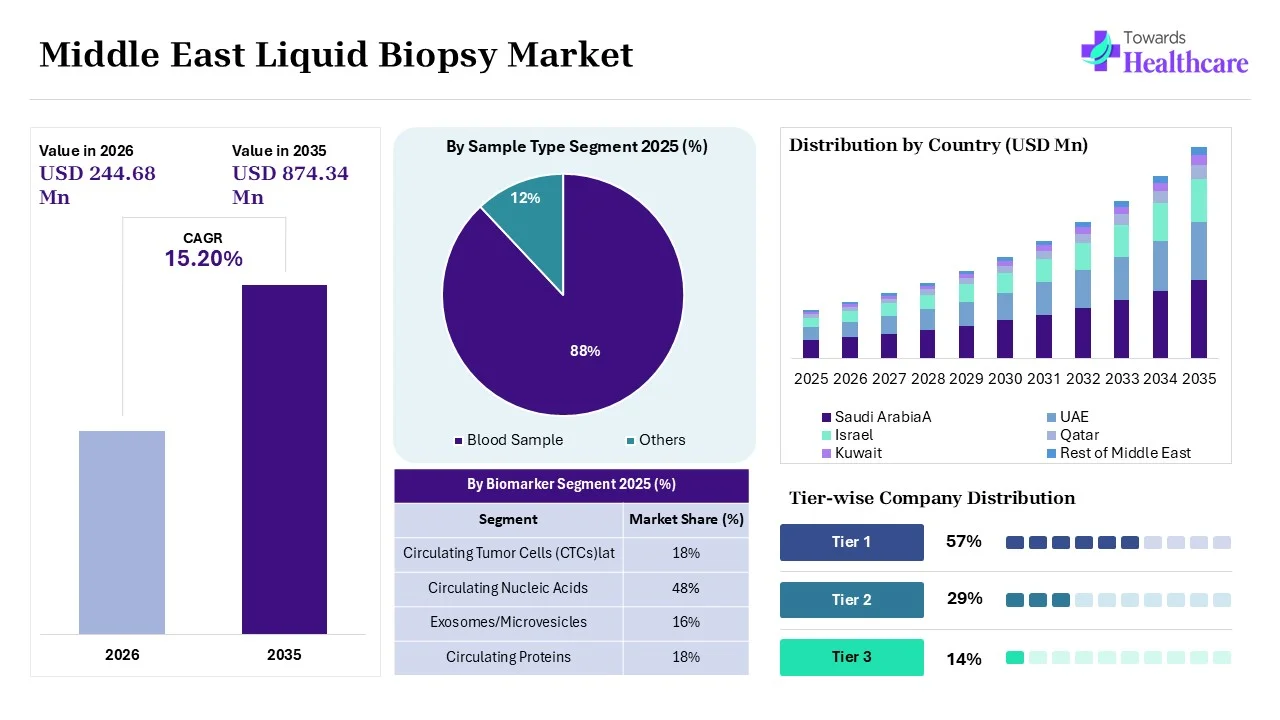
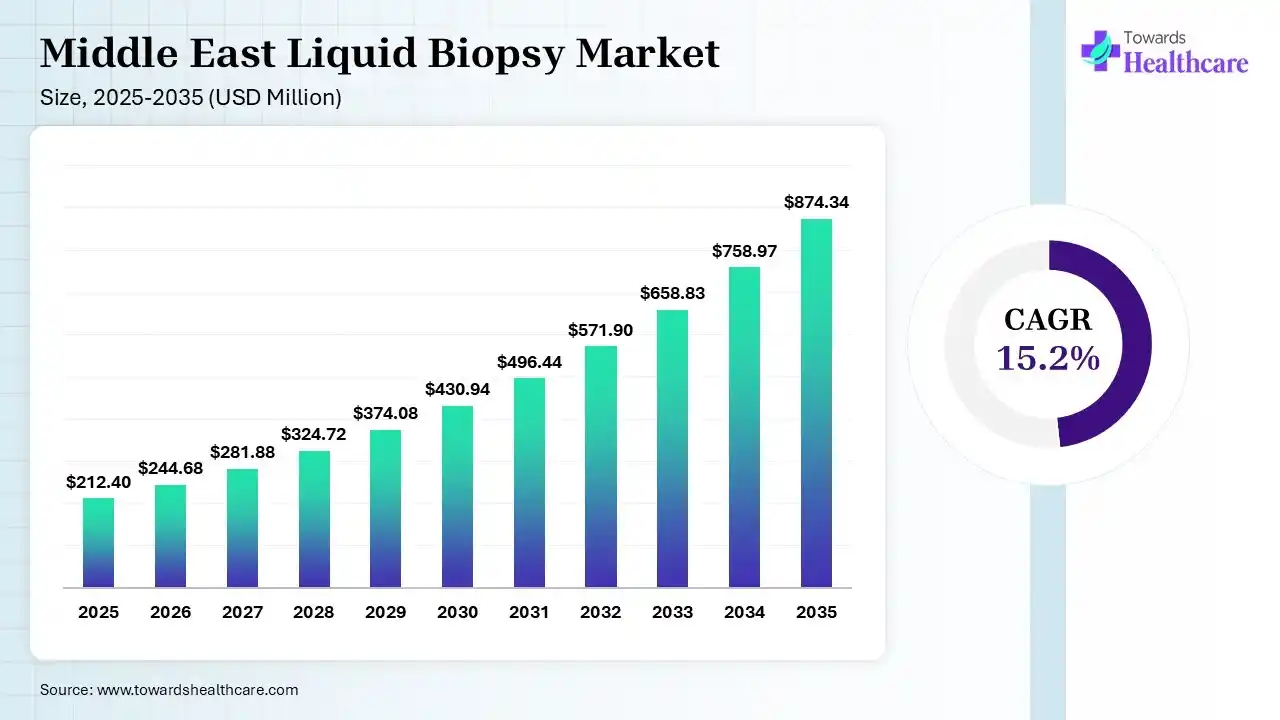
The Middle East liquid biopsy market is estimated at USD 212.4 million in 2025, driven by the growing adoption of precision oncology, increasing cancer burden, and rising demand for minimally invasive diagnostic solutions. The market is expected to witness steady growth USD 244.68 million in 2026 as healthcare systems strengthen cancer screening programs, diagnostic laboratories expand molecular testing capabilities, and investments in advanced genomic technologies continue to increase. It is projected to reach USD 874.34 million by 2035, supported by advancements in liquid biopsy technologies, increasing use of liquid biopsy for treatment monitoring and recurrence detection, expanding collaborations between healthcare providers and diagnostic companies, and the growing focus on personalized cancer care across the Middle East.
Liquid biopsy is a non-invasive diagnostic technique that detects and analyses cancer-related biomarkers, such as circulating tumor DNA (ctDNA), circulating tumor cells (CTCs), cell-free DNA (cfDNA), and extracellular vesicles, from blood or other body fluids. It enables early cancer detection, treatment selection, therapy monitoring, and identification of disease recurrence without the need for invasive tissue biopsies.
Liquid biopsy is increasingly used in precision oncology because it provides real-time insights into tumor genetics, supports personalized treatment decisions, and allows genetics, supports perosnalized treatment decision, and allows repeated sampling throughout a patient’s treatment journey. Its minimally invasive nature, faster turnaround time, and ability to monitor tumor evolution make it a valuable tool in modern cancer diagnostics.
The Middle East liquid biopsy market is growing due to the rising prevalence of cancer, increasing demand for minimally invasive diagnostic methods, and expanding adoption of precision oncology. Investments in molecular diagnostics, improvements in healthcare infrastructure, and wider availability of next-generation sequencing technologies are supporting market expansion. In addition, government initiatives for early cancer detection, growing awareness of personalized medicines, and collaborative companies are further driving market growth across the region.
Artificial intelligence is enhancing the market by improving the accuracy and speed of biomarker analysis, enabling earlier cancer detection, and supporting personalized treatment decisions. AI-powered algorithms streamline genomic data interpretation, reduce diagnostic errors, and assist clinicians in identifying clinically relevant mutations. As healthcare providers increasingly adopt digital health technologies, AI is expected to improve workflow efficiency, diagnostic precision, and overall patient outcomes across the region.
Expansion of Multi-Cancer Early Detection
Liquid biopsy is increasingly being adopted for multi-cancer early detection, enabling healthcare providers to identify multiple cancer types through a single blood sample. This trend is expected to improve screening efficiency, support earlier diagnosis, and enhance patient survival rates across the Middle East.
Growth of Precision Oncology Programs
Healthcare systems across the Middle East are expanding precision oncology initiatives, increasing the use of liquid biopsy for treatment selection and disease monitoring. This will drive demand for advanced molecular diagnostics and improve personalized cancer care in the coming years.
Rising Regional Genomics Investments
Governments and private organizations are investing in genomics research, molecular diagnostic laboratories, and advanced testing infrastructure. These investments are expected to strengthen local diagnostic capabilities, encourage innovation, and support the long-term growth of the Middle East liquid biopsy market.
| Table | Scope |
| Market Size in 2026 | USD 244.68 Million |
| Projected Market Size in 2035 | USD 874.34 Million |
| CAGR (2026 - 2035) | 15.2% |
| Historical Data | 2020 - 2023 |
| Base Year | 2025 |
| Forecast Period | 2026 - 2035 |
| Measurable Values | USD Millions/Units/Volume |
| Market Segmentation | By Sample Type, By Biomarker, By Technology, By Application, By Clinical Application, By Product, By End-Use, By Region |
| Top Key Players | F. Hoffmann-La Roche Ltd., Illumina, Inc., QIAGEN N.V., Thermo Fisher Scientific Inc., Bio-Rad Laboratories, Inc., Guardant Health, Inc., Exact Sciences Corporation |
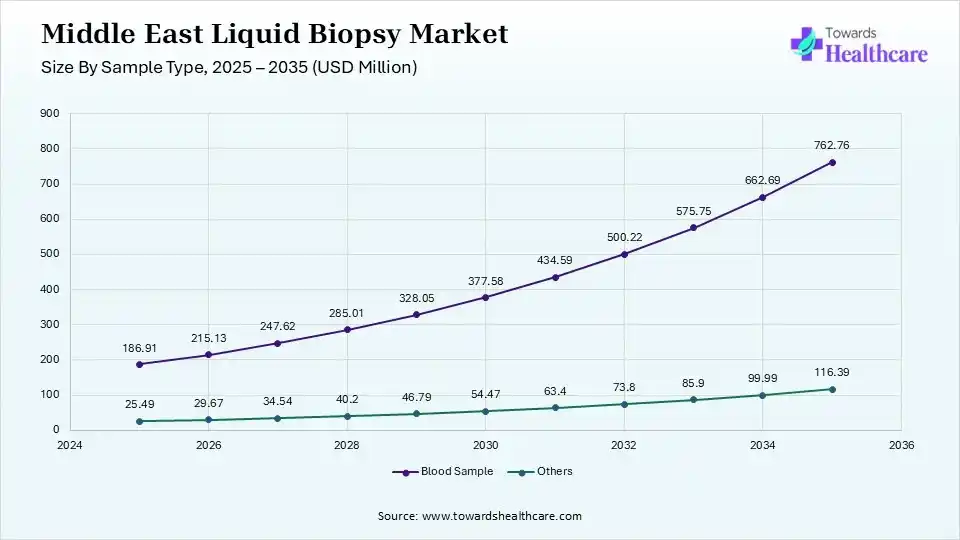
| Segment | Share 2025 (%) |
| Blood Sample | 88% |
| Others | 12% |
The Bood Sample Segment Dominated the Middle East Liquid Biopsy Market in 2025
The blood sample segment dominated the market with a share of 88% in 2025 due to its minimally invasive nature, ease of collection, and high patient acceptance. Blood-based liquid biopsy enables the detection of circulating tumor DNA (ctDNA), circulating tumor cells (CTCs), and other biomarkers, making it suitable for early cancer detection, monitoring, and recurrence assessments. Its widespread clinical use, cost-effectiveness, and compatibility with advanced molecular testing technologies further strengthen its market leadership.
The others segment held the second-largest share of 12% in 2025 and is expected to grow at the fastest CAGR in the Middle East liquid biopsy market during the forecast period due to increasing research on alternative biofluids such as urine, saliva, and cerebrospinal fluid for cancer biomarker detection. These sample types offer additional clinical insights for specific cancers, support non-invasive testing, and benefit from continuous advances in biomarker discovery and molecular diagnostics, expanding their potential applications in precision oncology.
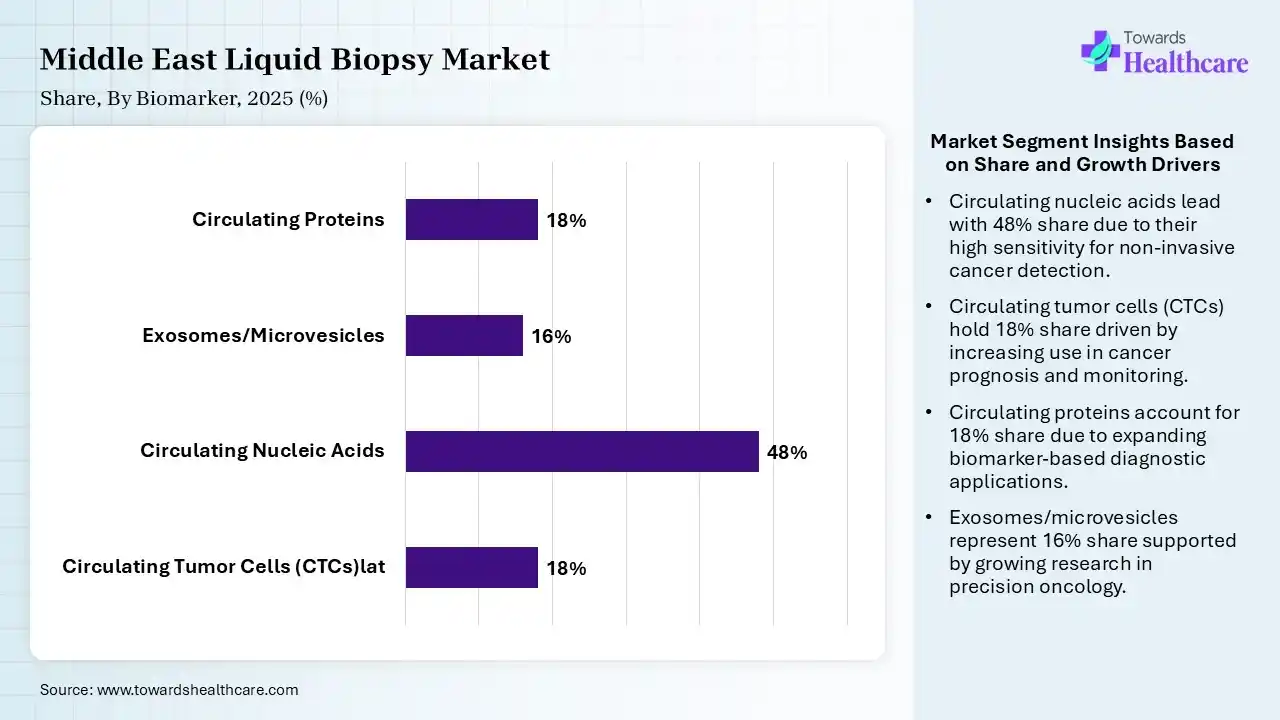
| Segment | Share 2025 (%) |
| Circulating Tumor Cells (CTCs)lat | 18% |
| Circulating Nucleic Acids | 48% |
| Exosomes/Microvesicles | 16% |
| Circulating Proteins | 18% |
The Circulating Nucleic Acids Segment Dominated the Middle East Liquid Biopsy Market in 2025
The circulating nucleic acids segment held a dominant share of 48% in 2025 due to its high sensitivity in detecting tumor-derived biomarkers, particularly circulating tumor DNA (ctDNA0 and cell-free (CfDNA). These biomarkers play a critical role in early cancer detection, treatment selection, and disease monitoring. Their compatibility with next-generation sequencing (NGS) and PCR-based technologies, along with increasing clinical adoption, strengthened the segment’s market leadership.
The circulating tumor cells (CTC) segment held the second-largest share of 26% in 2025 due to its ability to provide valuable information on tumor progression, metastasis, and treatment response. CTC analysis supports personalized cancer management by enabling real-time disease monitoring and prognosis assessment. Increasing clinical research, technological improvements in CTC isolation, and growing adoption in oncology further contributed to the segment’s strong market position.
The exosomes/microvesicles segment held a 16% share in 2025 and is expected to grow at the fastest CAGR in the Middle East liquid biopsy market during the forecast period due to their ability to carry diverse molecular biomarkers, including proteins, RNA, and DNA, that provide comprehensive insights into tumor biology. Advances in exosome isolation technologies, increasing research on extracellular vesicles, and their potential for early cancer detection, treatment monitoring, and precision oncology are driving rapid adoption across the Middle East.
The circulating proteins segment held an 18% market share due to increasing use of protein biomarkers for cancer diagnosis, prognosis, and treatment monitoring. Continuous advancements in proteomics technologies and biomarker discovery are important for the sensitivity and reliability of protein-based tests. Growing demand for non-invasive diagnostics, combined with expanding precision medicine initiatives, is further supporting the adoption of circulating protein analysis across the Middle East.
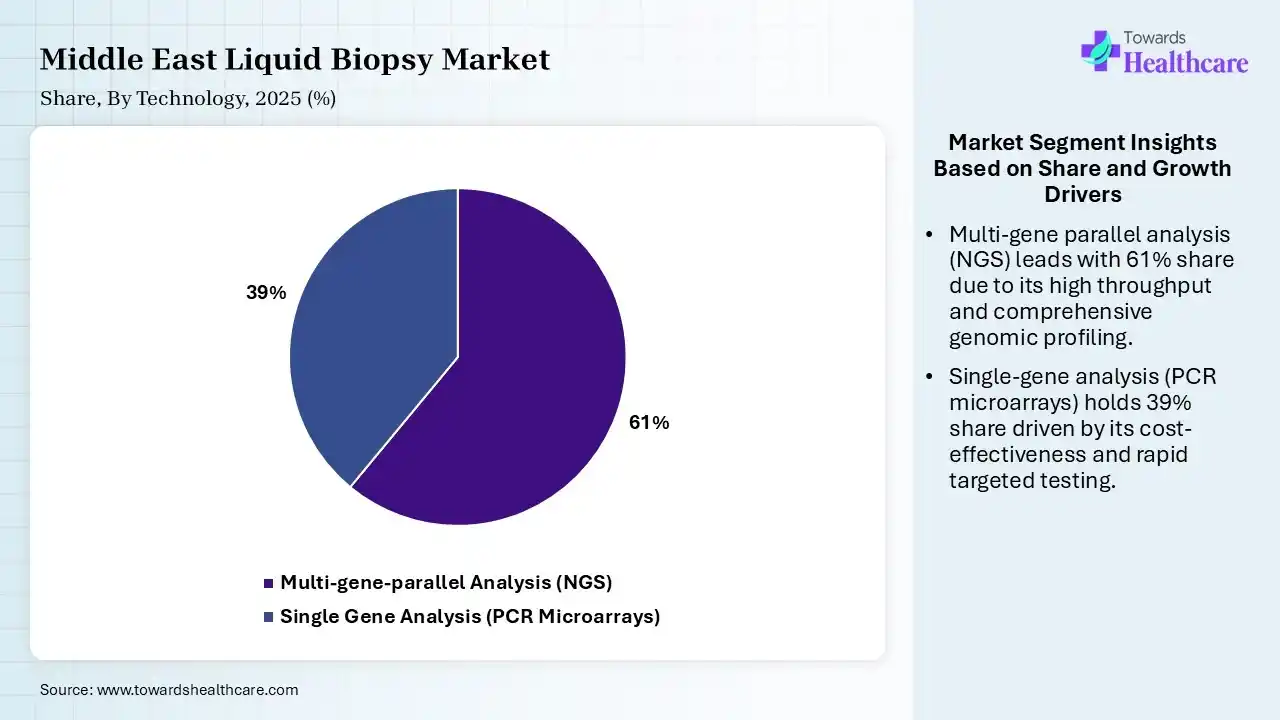
| Segment | Share 2025 (%) |
| Multi-gene-parallel Analysis (NGS) | 61% |
| Single Gene Analysis (PCR Microarrays) | 39% |
The Multi-gene Parallel Analysis (NGS) Segment Dominated the Middle East Liquid Biopsy Market in 2025
The multi-gene parallel analysis (NGS) segment led the market with a share of 61% in 2025 due to its ability to simultaneously detect multiple genetic mutations with high accuracy and sensitivity. NGS supports comprehensive genomic profiling, enabling personalized treatment selection and precise cancer monitoring. Growing adoption of precision oncology, expanding molecular diagnostics infrastructure, and increasing demand for advanced genomic testing further strengthened the segment’s market leadership.
The single gene analysis (PCR Microarrays) segment held the second-largest share of 39% in 2025 and is expected to grow at the fastest CAGR in the Middle East liquid biopsy market during the forecast period due to its high sensitivity, rapid turnaround time, and cost-effectiveness for detecting specific genetic mutations. Its widespread availability, ease of implementation in clinical laboratories, and increasing use in targeted cancer diagnostics and treatment monitoring continue to support strong market demand across the middle east.
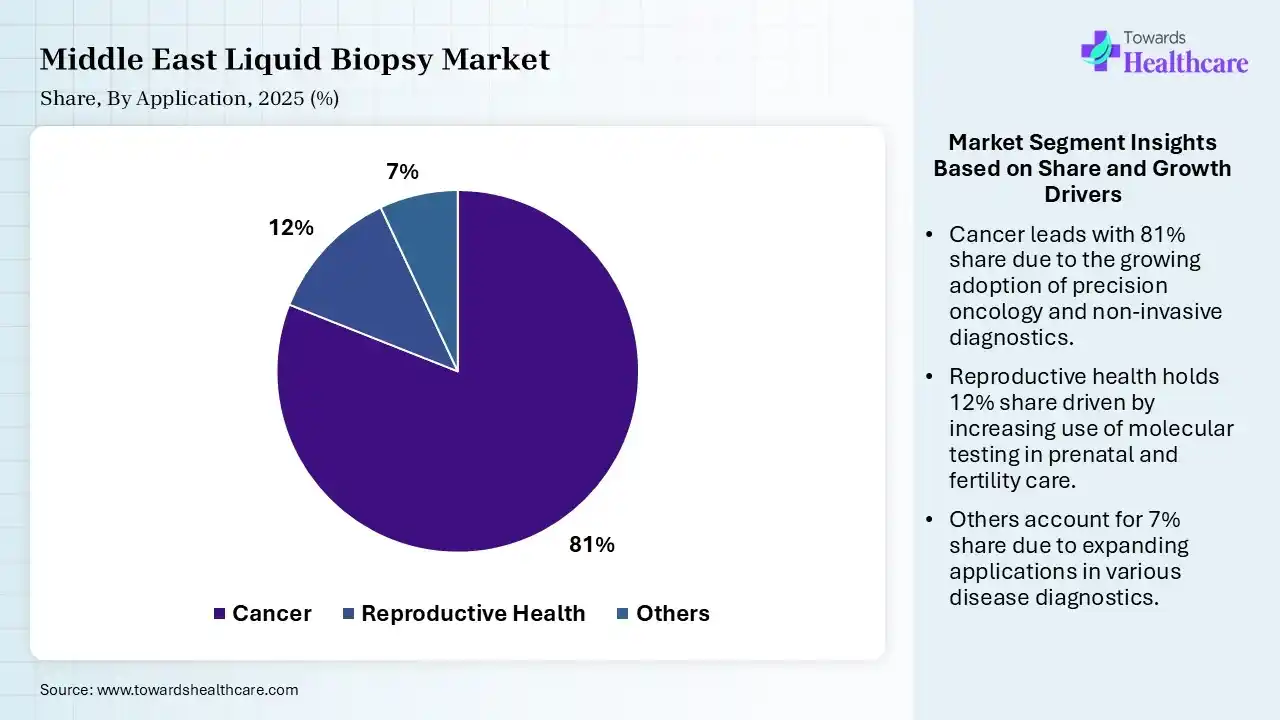
| Segment | Share 2025 (%) |
| Cancer | 81% |
| Reproductive Health | 12% |
| Others | 7% |
The Cancer Segment Led the Middle East Liquid Biopsy Market in 2025 with the Largest Share
The cancer segment dominated the market with a share of 81% in 2025 due to the rising incidence of cacner, increasing demand for early diagnosis, and growing adoption of precision oncology. Liquid biopsy is widely used for detecting genetic mutations, monitoring treatment response, and identifying disease recurrence through minimally invasive testing. Expanding cancer screening programs, advancements in molecular diagnostics, and greater awareness of personalized medicine further strengthened the segment’s market dominance.
The reproductive health segment held the second-largest share of 12% in 2025 and is expected to grow at the fastest CAGR in the market during the forecast period due to the increasing adoption of non-invasive prenatal testing (NIPT), rising maternal age, and growing awareness of early genetic screening. Advancements in cell-free fetal DNA analysis, improving parental care services, and expanding access to molecular diagnostics technologies are further accelerating growth across the Middle East.
The others segment held a 7% of Middle East liquid biopsy market share due to the expanding use of liquid biopsy in infectious diseases, organ transplant monitoring, and neurological disorders research. Continuous advancements in biomarker discovery and molecular diagnostics are broadening the clinical applications of liquid biopsy beyond oncology and reproductive health. Increasing research activities and investments in precision medicine are further supporting the growth of this segment.
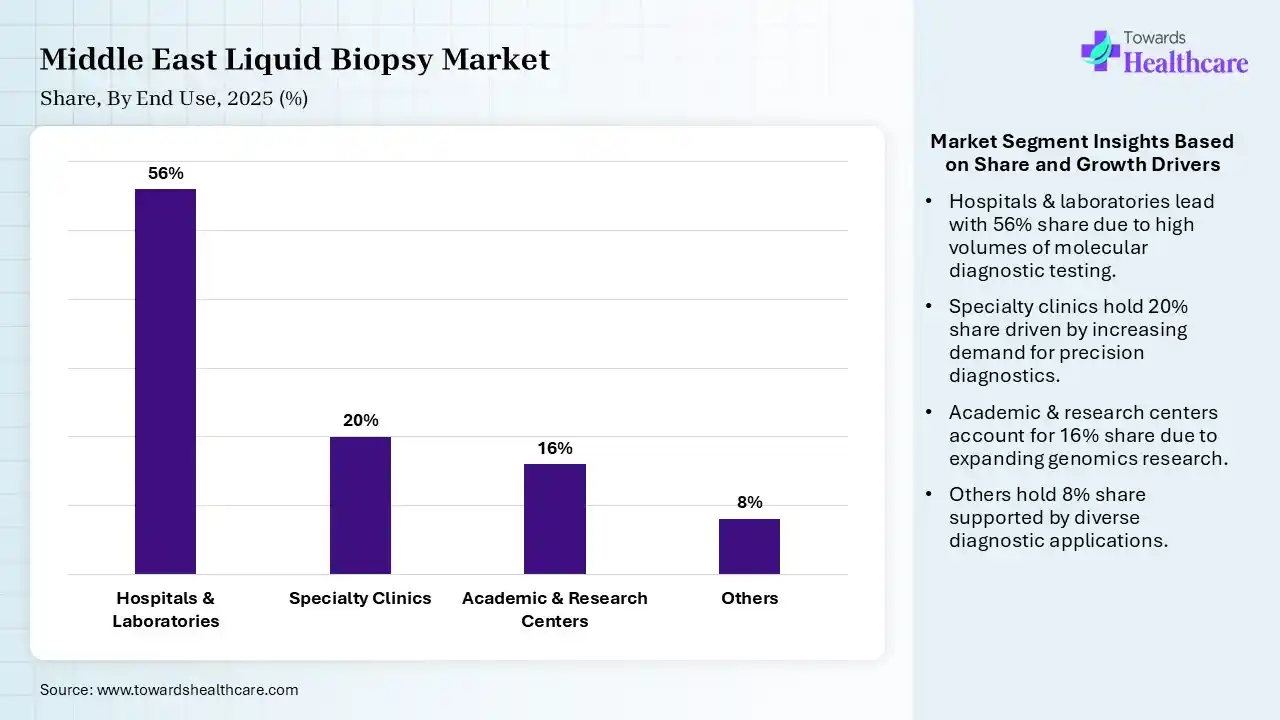
| Segment | Share 2025 (%) |
| Hospitals & Laboratories | 56% |
| Specialty Clinics | 20% |
| Academic & Research Centers | 16% |
| Others | 8% |
The Hospitals & Laboratories Segment Dominated the Middle East Liquid Biopsy Market in 2025
The hospitals & laboratories segment dominated the market with a share of 56% in 2025 due to the high volume of cancer diagnostics, availability of advanced molecular testing infrastructure, and presence of skilled healthcare professionals. These facilities are the primary centers for liquid biopsy testing, supporting early cancer detection, treatment monitoring, and precision oncology. Increasing investments in diagnostic capabilities and expanding laboratory networks further strengthened the segment’s market leadership.
The specialty clinics segment held the second-largest share of 20% in 2025 and is expected to grow at the fastest CAGR in the market during the forecast period due to increasing demand for specialized oncology services and personalized cancer care. These clinics are rapidly adopting advanced molecular diagnostic technologies, including liquid biopsy, for early diagnosis and treatment monitoring. Rising patient preference for specialized care and expanding private healthcare investments are further driving segment growth.
The academic & research Centers segment held a 16% of Middle East liquid biopsy market share due to increasing investments in cancer research, biomarker discovery, and precision medicine initiatives across the Middle East. These institutions are actively conducting clinical studies to validate liquid biopsy technologies and developed innovative diagnostic approaches. Growing collaborations with biotechnology and pharmaceutical companies, along with rising government support for translational research and genomic medicine, are further driving the segment’s growth.
The Others segment held an 8% market share due to the increasing adoption of liquid biopsy in independent diagnostic centers, contract research organizations (CROs), and ambulatory healthcare facilities. Rising demand for decentralized diagnostic services, expanding access to molecular testing, and growing collaborations with healthcare providers are supporting market growth. Continuous advancements in diagnostics are also contributing to the segment’s expansion.
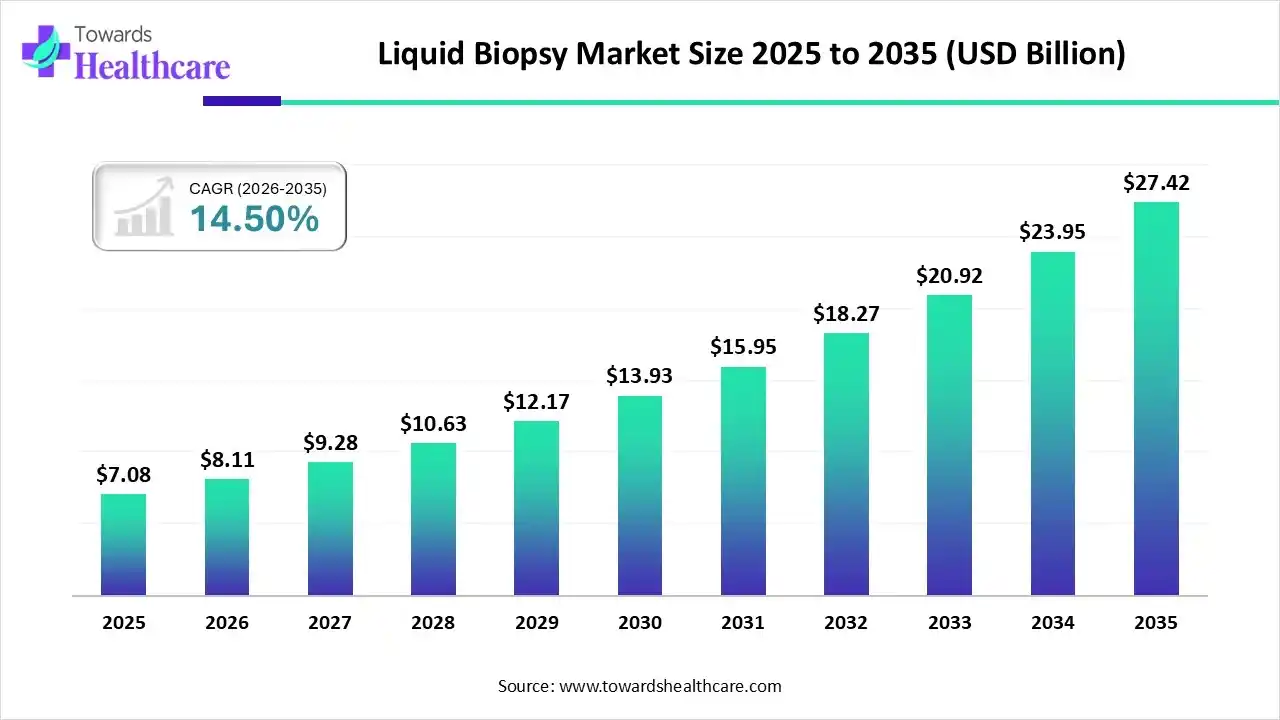
The global liquid biopsy market size is projected to reach USD 27.42 billion by 2035, growing from USD 7.08 billion in 2025, at a CAGR of 14.5% during the forecast period from 2026 to 2035, as a result of technological advancements in cancer diagnostics, and rising preference for minimally invasive cancer diagnostics.
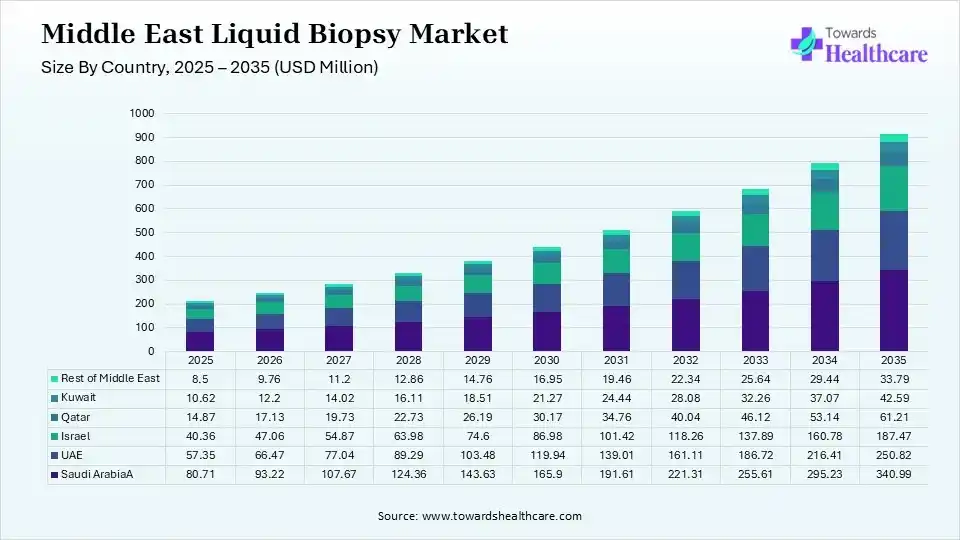
The Middle East region dominated the market due to increasing cancer prevalence, rising investments in precision medicine, and expanding access to advanced molecular diagnostics. Countries such as Saudi Arabia and the UAE are strengthening healthcare infrastructure, supporting genomic research, and adopting next-generation sequencing technologies. Government initiatives for early cancer detection and growing collaborations with global diagnostic companies further reinforced the region’s market leadership.
What Makes Saudi Arabia the Largest Contributor to the Middle East Liquid Biopsy Market?
The Saudi Arabia dominated the market with a share of 38% in 2025 due to rising cancer prevalence, strong government investments in healthcare modernization, and expanding adoption of precision medicine. The country has well-established molecular diagnostic laboratories, increasing availability of next-generation sequencing (NGS), and growing partnerships with global diagnostic companies. National initiatives promoting early cancer detection and genomic medicine further strengthened Saudi Arabia’s leading position in the regional market.
What Israel is Accelerating the Growth of Israel in the Middle East Liquid Biopsy Market?
The Israel held a 19% share in 2025 and is expected to grow at the fastest CAGR in the market during the forecast period due to a strong biotechnology ecosystem, advanced genomics research, and rapid adoption of precision medicine. Increasing investments in molecular diagnostics, growing collaboration between research institutes and biotechnology companies, and continuous innovation in liquid biopsy technologies are driving market expansion. Rising clinical trials and supportive healthcare infrastructure further contribute to Israel’s rapid growth.
What is Fueling the Rapid Growth of the UAE in the Middle East Liquid Biopsy Market?
The UAE is witnessing significant growth due to increasing investments in precision medicines, expansion of advanced diagnostic laboratories, and rising adoption of molecular testing technologies. Government initiatives supporting genomic medicine, improving healthcare infrastructure, and strengthening cancer screening programs cancer screening programs are accelerating market development. In addition, collaboration with international biotechnology companies and growing demand for personalized cancer care continue to drive the UAE liquid biopsy market.
Clinical Trials
Regulatory Approvals
Patient Support and Services
| Companies | Headquarters | Offering |
| F. Hoffmann-La Roche Ltd. | Basel, Switzerland | Liquid biopsy assays, companion diagnostics, PCR systems, NGS solutions |
| Illumina, Inc. | San Diego, California, USA | Next-generation sequencing (NGS) platforms, genomic analysis solutions |
| QIAGEN N.V. | Hilden, Germany | Sample preparation kits, liquid biopsy assays, molecular diagnostics |
| Thermo Fisher Scientific Inc. | Waltham, Massachusetts, USA | NGS instruments, PCR platforms, liquid biopsy reagents and consumables |
| Bio-Rad Laboratories, Inc. | Hercules, California, USA | Digital PCR systems, molecular diagnostics, liquid biopsy research tools |
| Guardant Health, Inc. | Palo Alto, California, USA | Blood-based cancer detection tests, comprehensive genomic profiling |
| Exact Sciences Corporation | Madison, Wisconsin, USA | Cancer screening tests, liquid biopsy diagnostics, molecular testing |
In April 2026, “In cancer treatment, one of the most important shifts we are seeing is the move toward truly personalised cancer care. This begins with an accurate and timely diagnosis. Understanding the genetic profile of a patient’s cancer is increasingly critical in helping physicians determine the most appropriate treatment pathway and ultimately improve patient outcomes. By supporting access to liquid biopsy testing in the UAE, we aim to help strengthen the diagnostic ecosystem and ensure that more patients can benefit from advances in precision oncology. At Johnson & Johnson, our commitment in oncology extends beyond developing medicines it includes collaborating with healthcare professionals to support innovation across the entire patient journey, from diagnosis through treatment,” said Pedro Matos Rosa, Managing Director, Johnson & Johnson Innovative Medicine, Gulf.
By Sample Type
By Biomarker
By Technology
By Application
By Clinical Application
By Product
By End-Use
By Region











Principal Consultant
Shivani Zoting is a dedicated research analyst specializing in the healthcare industry. With a strong academic foundation, a B.Sc. in Biotechnology and an MBA in Pharmabiotechnology, she brings a unique blend of scientific understanding and strategy.
Learn more about Shivani Zoting
Reviewed By
Aditi Shivarkar is a seasoned professional with over 14 years of experience in healthcare market research. As a content reviewer, Aditi ensures the quality and accuracy of all market insights and data presented by the research team.
Learn more about Aditi Shivarkar